
15 Tide Pool Animals to Look for in Spring at the Right Tide
A quiet stretch of shoreline can change fast when the tide drops and the pools start to clear. What seems still at first can turn into a scene filled with tiny animals clinging, crawling, and waiting in the shallows. Part of the fun comes from knowing that timing matters as much as location. With that in mind, let us take a look at some of the sea life worth watching for.
This post may contain affiliate links, which helps keep this content free. Please read our disclosure for more info.
Ochre Sea Star
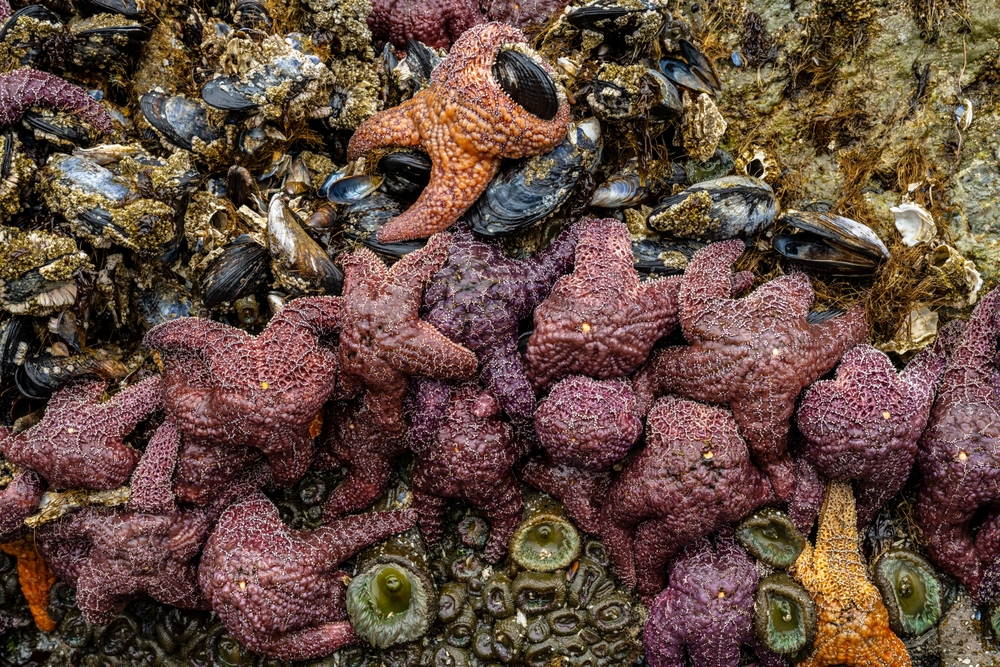
Along rocky shores in spring, the ochre sea star often becomes easier to spot when the water pulls back farther than usual. It shows best at lower tides because it often lives in places that stay covered longer than the upper part of the shore. This tide pool animal is native to the United States, Canada, and Mexico along the Pacific coast. Its orange, purple, or brown color can make one pool look very different from the next.
At first glance, it may look like a simple star resting flat against the rock. A closer look shows why people wait for the right tide, since waves and foam can hide its full shape when the water is higher. It is also important in tide pools because it feeds on animals like mussels. That feeding habit can affect which other animals have room to live nearby.
Giant Green Anemone
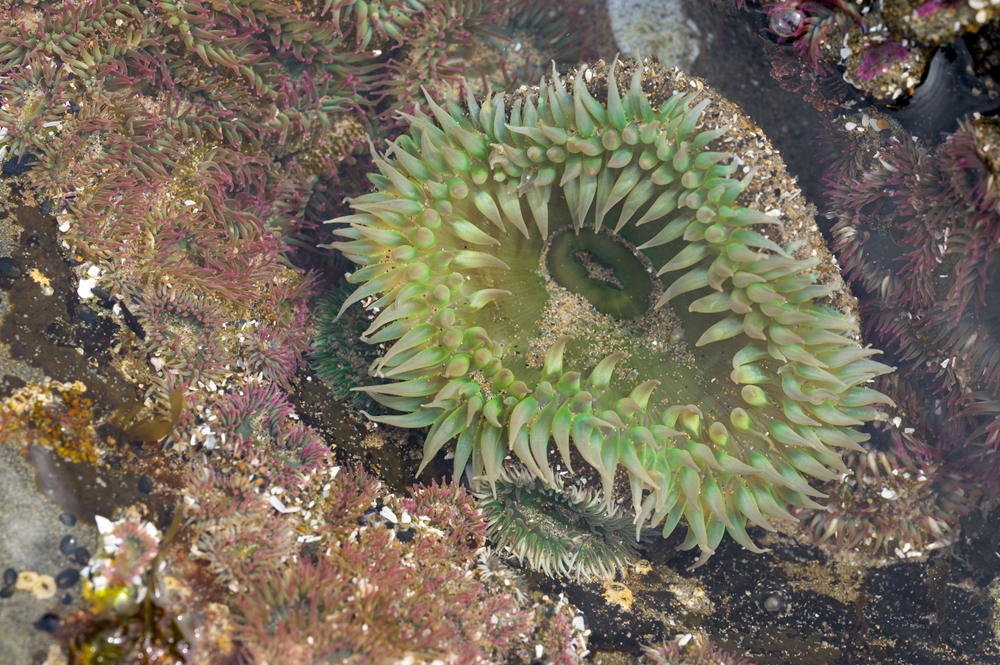
The giant green anemone can look like a glowing flower fixed to stone. It shows well only when the water drops enough for its tentacles to spread out without too much wave action above it. This animal is native to the Pacific coast of the United States, Canada, and Mexico. Many people think of it as one of the classic sights of a West Coast tide pool.
From above, the green color can blend in with wet rock and sea growth when the tide is higher. Once the pool settles, its round body and many tentacles become much easier to notice. It stays attached in one place and catches food with stinging tentacles. That mix of bright color and stillness makes it memorable when the timing is right.
Purple Sea Urchin
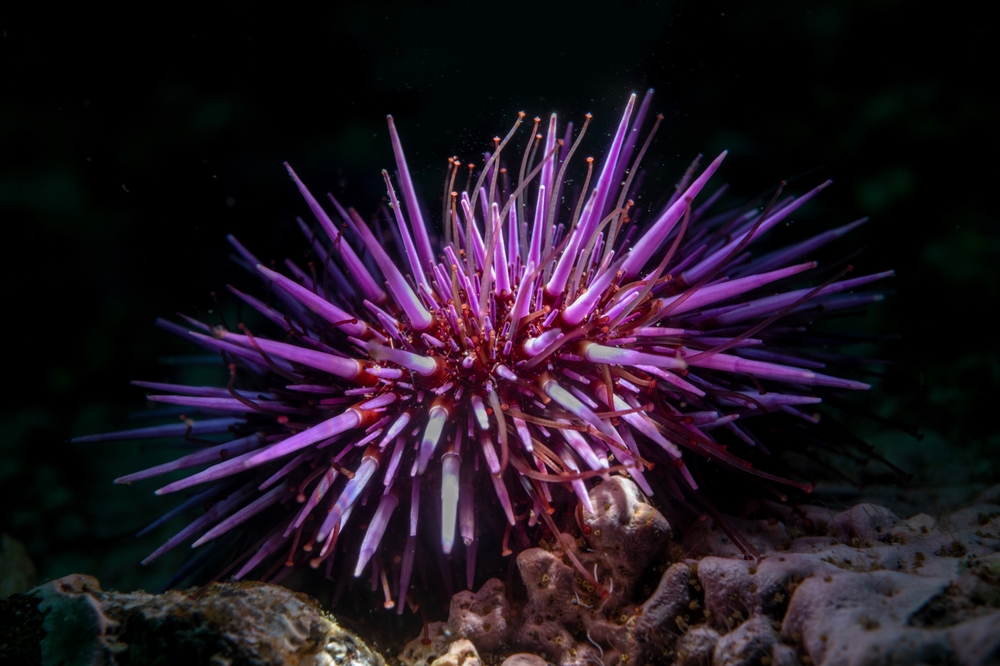
Hidden in crevices and rock pockets, the purple sea urchin is much easier to notice when the tide falls low enough to expose its hiding spots. Higher water can cover its spines and make it hard to pick out through moving surf. This species is native to the Pacific coasts of the United States, Canada, and Mexico. People often spot it in lower tide pools and rocky hollows.
Seen up close, its round body is covered in spines that make it look a little dramatic. Those spines can still disappear from view when the water is choppy or deep over the rock. Very low tides are often the best time to notice the little pits it can wear into stone. That is one reason tide pool watchers often pay close attention to the tide chart.
California Mussel
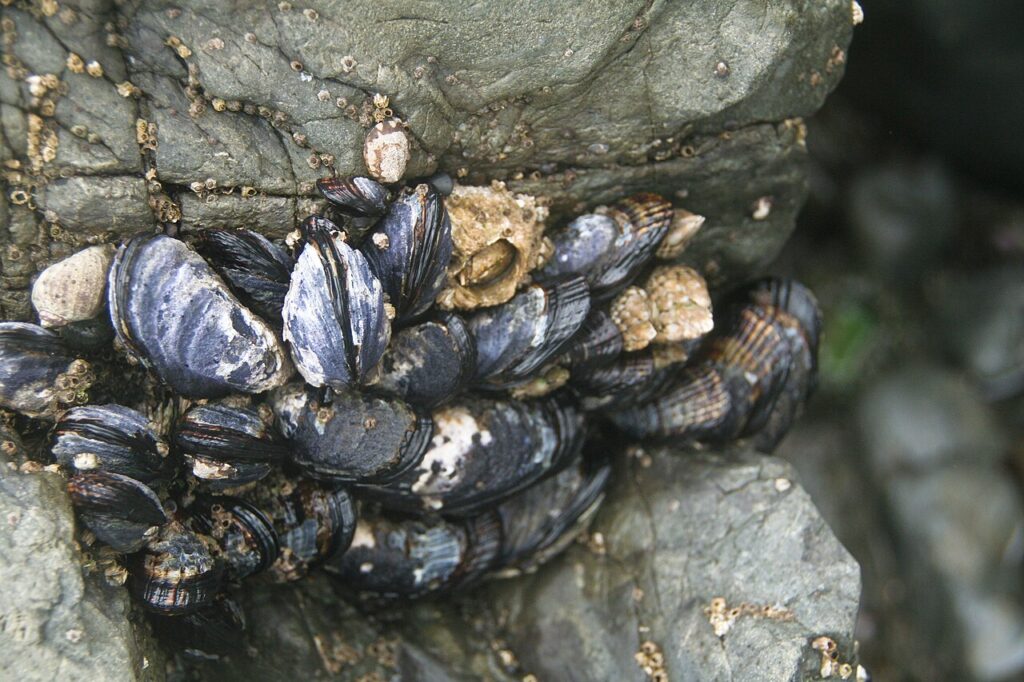
Dark bands of California mussels stand out best when the sea leaves more of the rocks uncovered. They show well at lower tides because the full mussel bed becomes easier to study once the water pulls back. These mussels are native to the Pacific coasts of the United States, Canada, and Mexico. On rocky shores, they often appear in packed groups that cover large areas.
From a distance, a mussel bed can look like one dark sheet spread over the rock. Looking closer reveals that many smaller animals live between the shells for shelter. A lower tide makes those crowded layers easier to see clearly. That is part of what makes mussel beds such an important part of tide pool life.
Gooseneck Barnacle
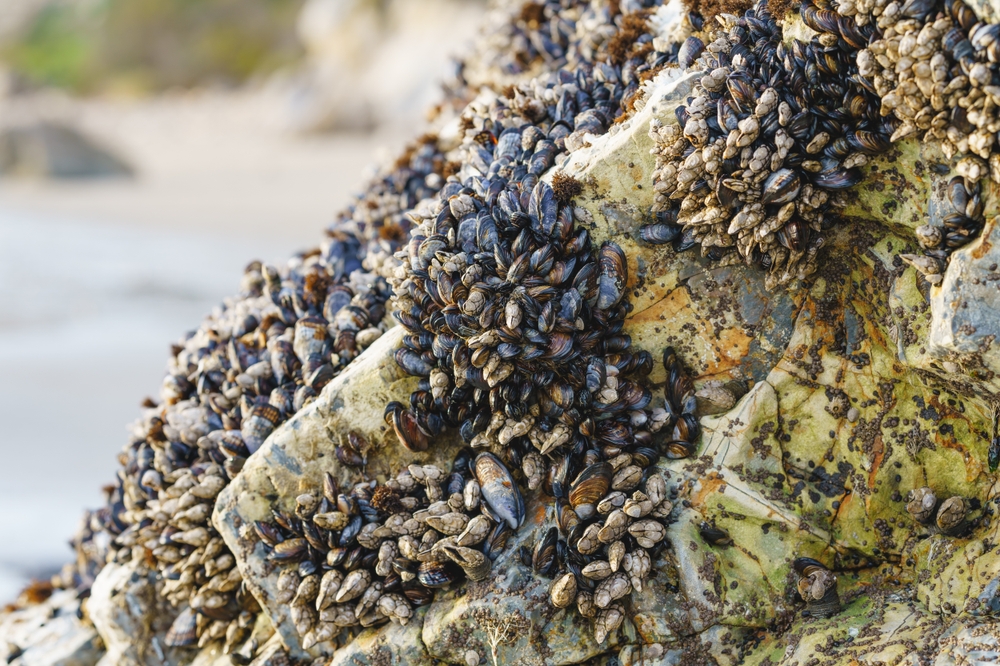
With the surf eased back for a moment, gooseneck barnacles are far easier to see on exposed rock faces. They often grow in places with strong wave action, so timing matters if you want a clear view. This animal is native to the Pacific coasts of the United States, Canada, and Mexico. Its range stretches from Alaska down to Baja California.
Unlike flatter barnacles, this one has a stalked shape that makes it look quite different. That shape can be hard to notice when waves are breaking over the rock again and again. A low tide gives you a better chance to see the bunches and their pale plates. Once you spot one cluster, you often notice more nearby.
Hermit Crab
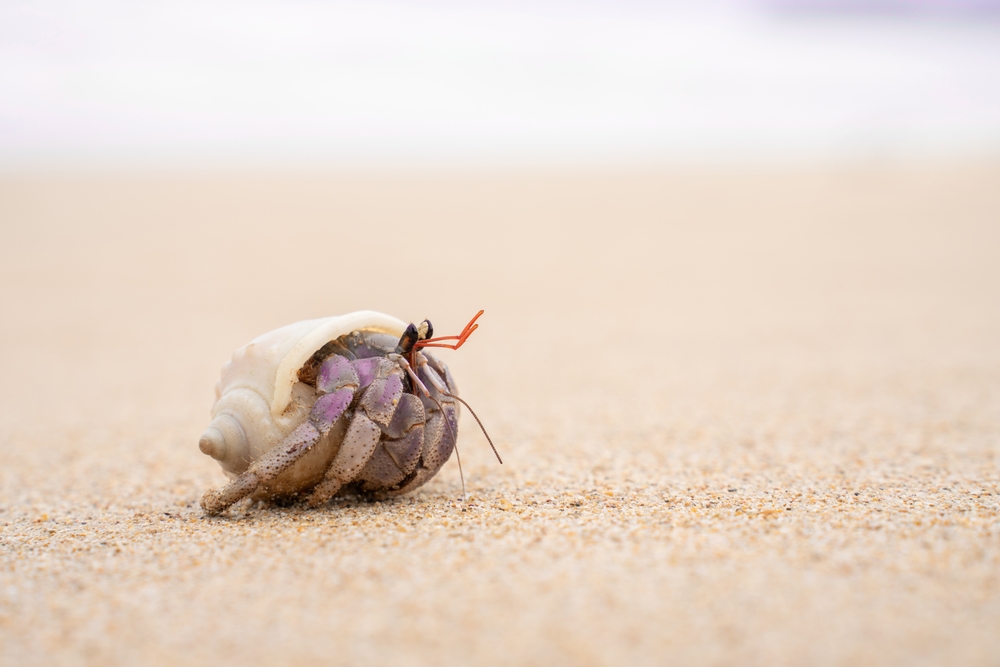
Among the moving animals in a tide pool, hermit crabs are easiest to catch sight of when shallow water stays behind after the tide drops. Their small size and quick motion can make them easy to miss when the water is higher. Many tide pool hermit crabs along the Pacific coast are native to the United States and Mexico. They are well known for living inside empty snail shells.
A moving shell is often the first clue that one is nearby. In a still pool, that little bit of motion becomes much easier to notice. Hermit crabs add life and activity to places filled with animals that stay attached to rocks. That lively behavior is one reason people enjoy watching them so much.
Shore Crab
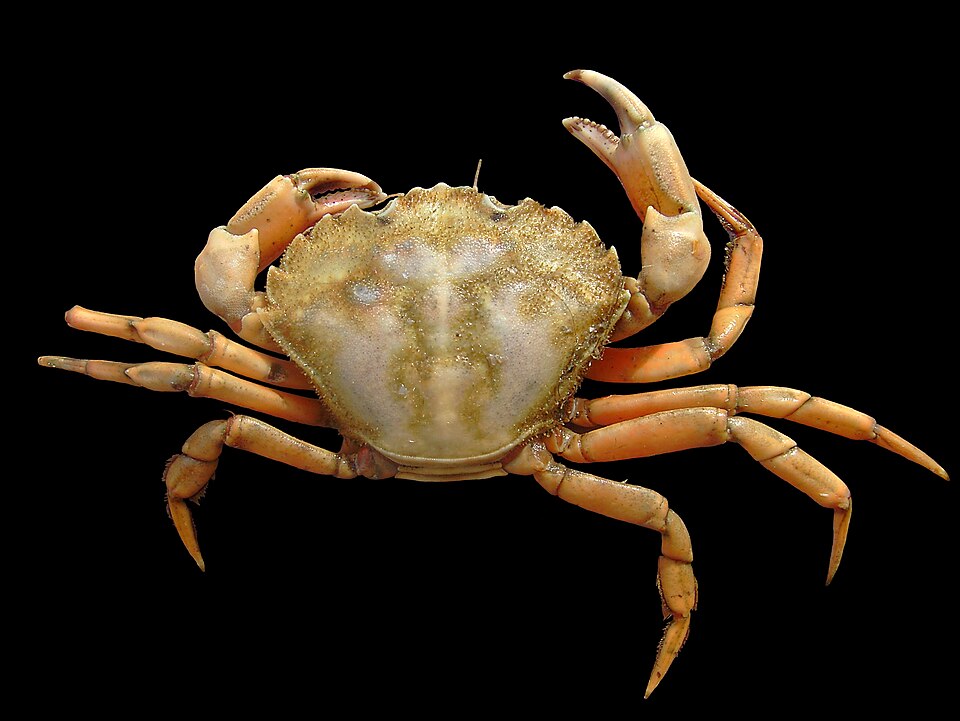
Tucked into cracks and under ledges, shore crabs tend to show themselves more clearly after the tide leaves more rock exposed. A higher tide can hide them almost completely in a damp shelter. Many tide pool shore crabs along the Pacific coast are native to the United States and Canada, with some species ranging into Mexico. They are among the animals that can handle the upper shore better than many others.
Sideways movement across a wet rock is often what gives them away. Their shell color usually blends in well with the shore, so they can take a moment to notice. Looking into shaded spaces during low tide often helps. With a little patience, one small area can reveal several crabs at once.
Owl Limpet
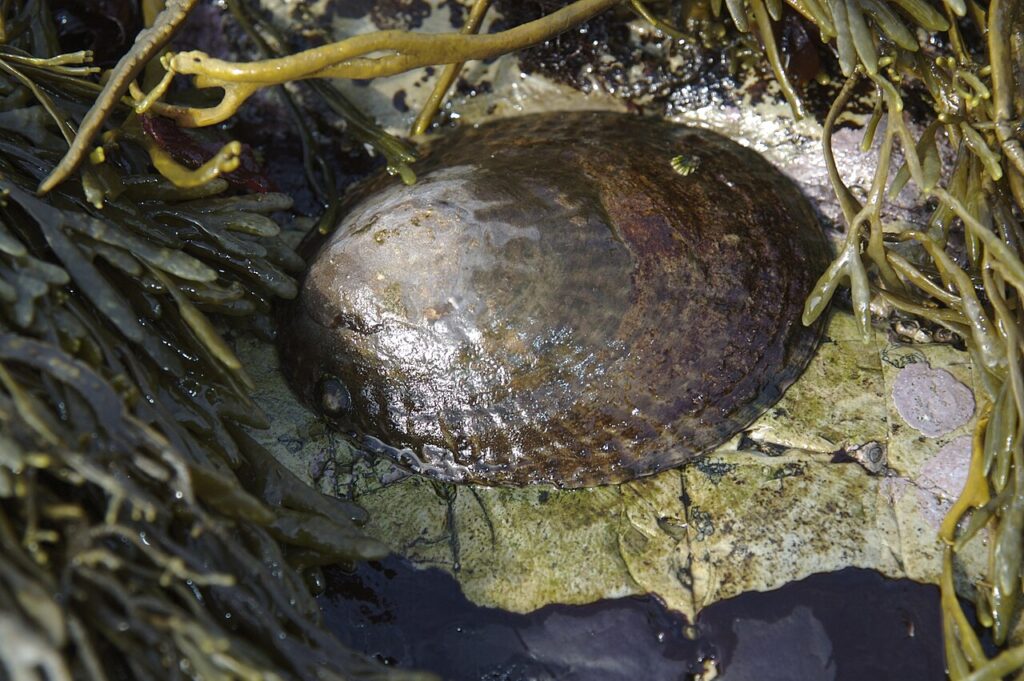
On a sloping rock surface, the owl limpet often looks like part of the shore until the tide falls enough to reveal it clearly. It shows well when dry rock and wet rock meet, and the light catches the shell at the right angle. This limpet is native to the Pacific coast of the United States and Mexico. Its range runs from Washington down to Baja California.
Its shell helps it cling tightly to stone and hold in moisture as the sea pulls away. Because it stays very still, people can walk past it without knowing it is there. A lower tide gives you more time to notice the shell and the area around it. That quiet, fixed way of life makes it an easy animal to overlook.
Gumboot Chiton
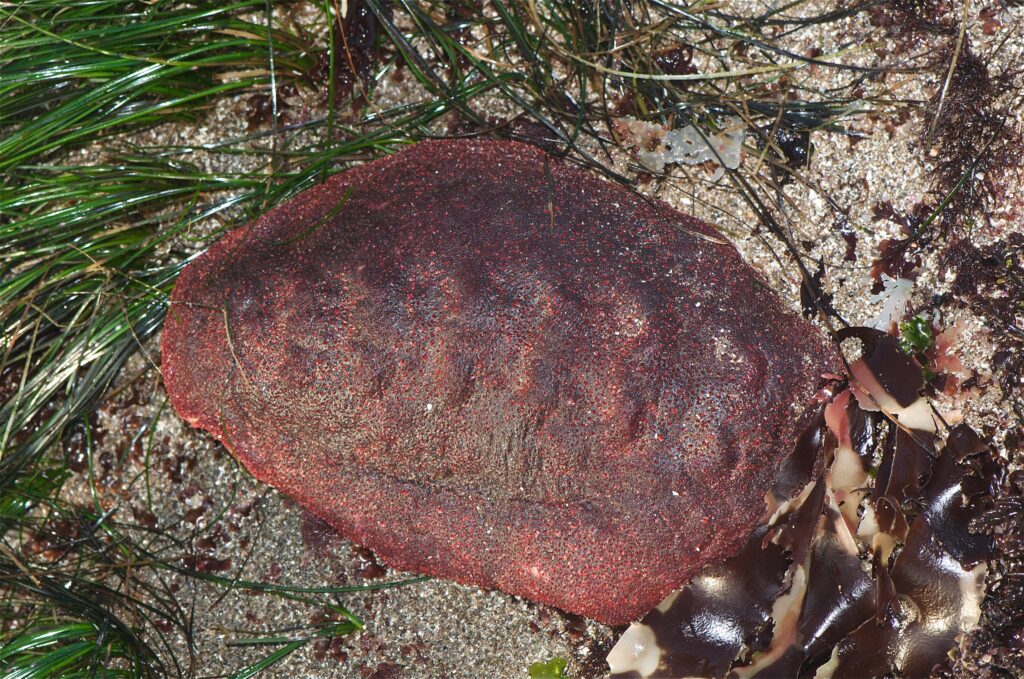
Farther down the rocky shore, the gumboot chiton becomes easier to find during very low tides. If the water does not fall enough, it may remain hidden under water or tucked beneath rocks. This animal is native to the Pacific coasts of the United States and Canada, and it also occurs across the North Pacific in Japan. On the North American side, it is common from central California to Alaska.
At a quick glance, it can look like a reddish leathery lump on the rock. Many people do not realize there are shell plates hidden under the thick outer covering. Calm pools make their shape easier to pick out and study. That surprise factor makes it a memorable tide pool find.
Sea Lemon Nudibranch
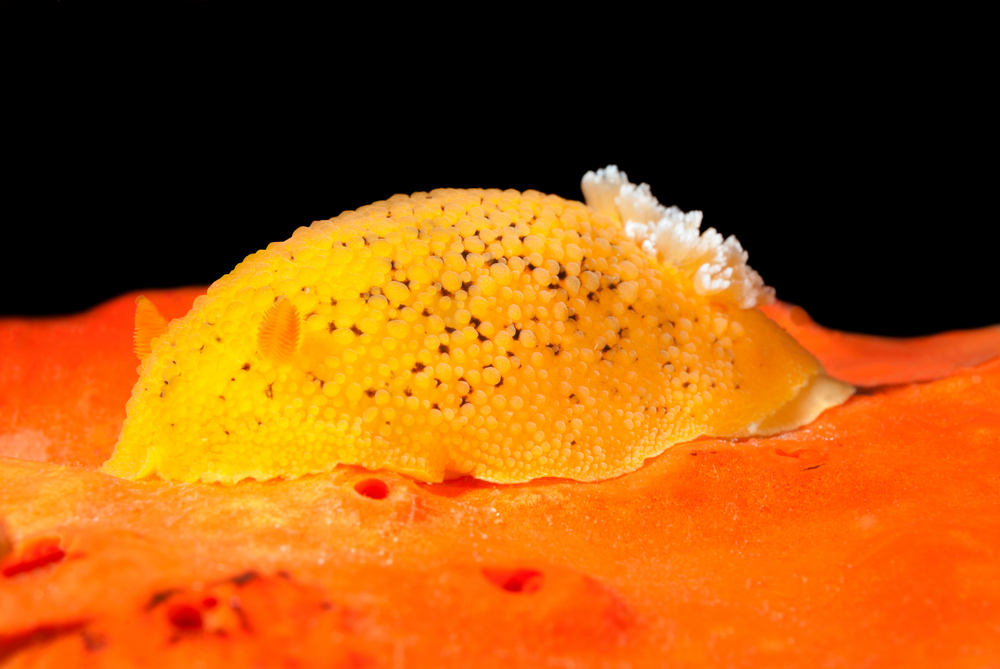
Bright against darker rock, the sea lemon nudibranch often shows best when the tide uncovers lower pools and wet surfaces. Even a small change in tide height can matter because it usually lives in the low intertidal zone or just below it. This animal is native to the United States, Canada, and Mexico along the eastern Pacific coast. Its color can range from yellow to orange, which helps it stand out when the pool is calm.
In darker water, its soft body can still blend in with sponges and wet stone. The best views usually come during low spring tides when the water is shallow and still. Its rough, dimpled back is one of the details people like to look for. That unusual appearance makes it a favorite for many tide pool watchers.
California Sea Hare
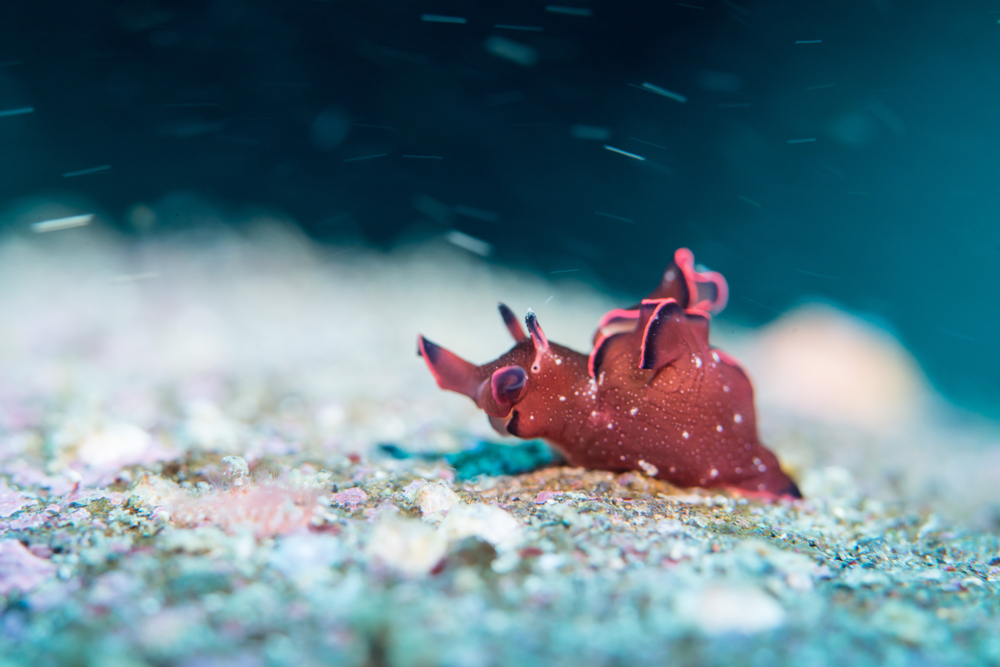
Low pools can reveal the California sea hare much better than deeper water can. It tends to show well when the tide uncovers places where it rests or grazes near the bottom. This sea slug is native to the Pacific coasts of the United States and Mexico. It is especially tied to California waters, which gave it its name.
Rather than looking flashy, it often resembles a soft, folded mass at first. When it begins to move, the ear-like flaps become easier to notice. A quiet pool makes that slow motion much more visible. Spring and summer are often good times to spot one near shore.
Bat Star
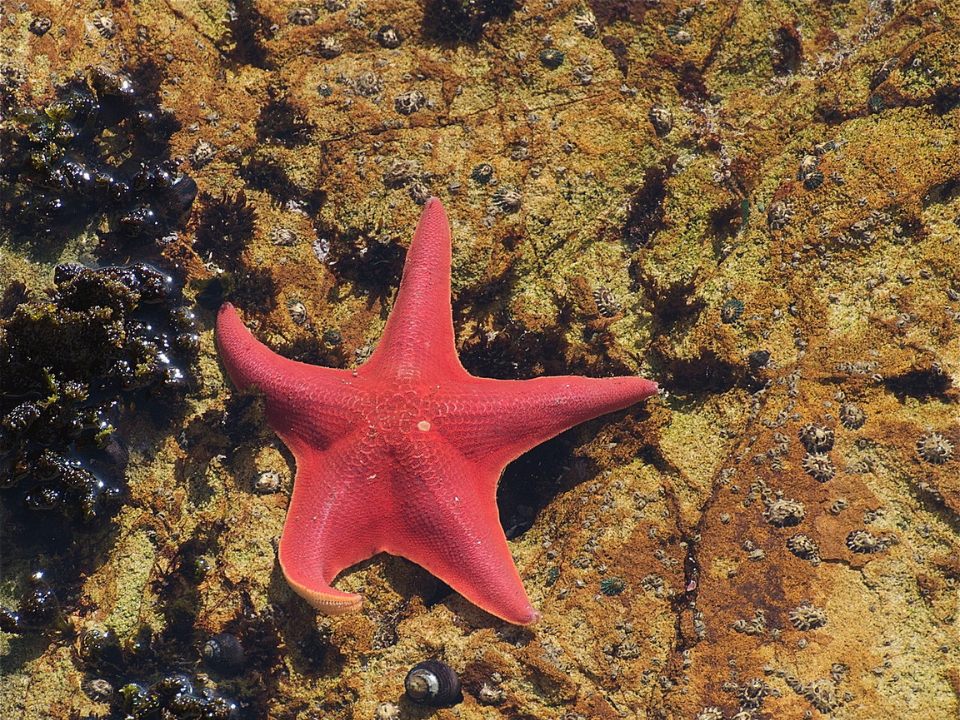
Broader in shape than many people expect, the bat star becomes much easier to see when the tide drops into the low zone. It often lives lower on the shore, so deeper water can hide its outline for much of the day. This animal is native to the Pacific coasts of the United States, Canada, and Mexico. Its range reaches from Alaska to Baja California.
The webbing between the arms gives it a fuller look than the common star shape most people picture first. On a pale rock or sandy bottom, that shape can stand out nicely once the water is shallow enough. A lower tide gives a much better view of the full body. That wider form is part of what makes it easy to remember.
Warty Sea Cucumber
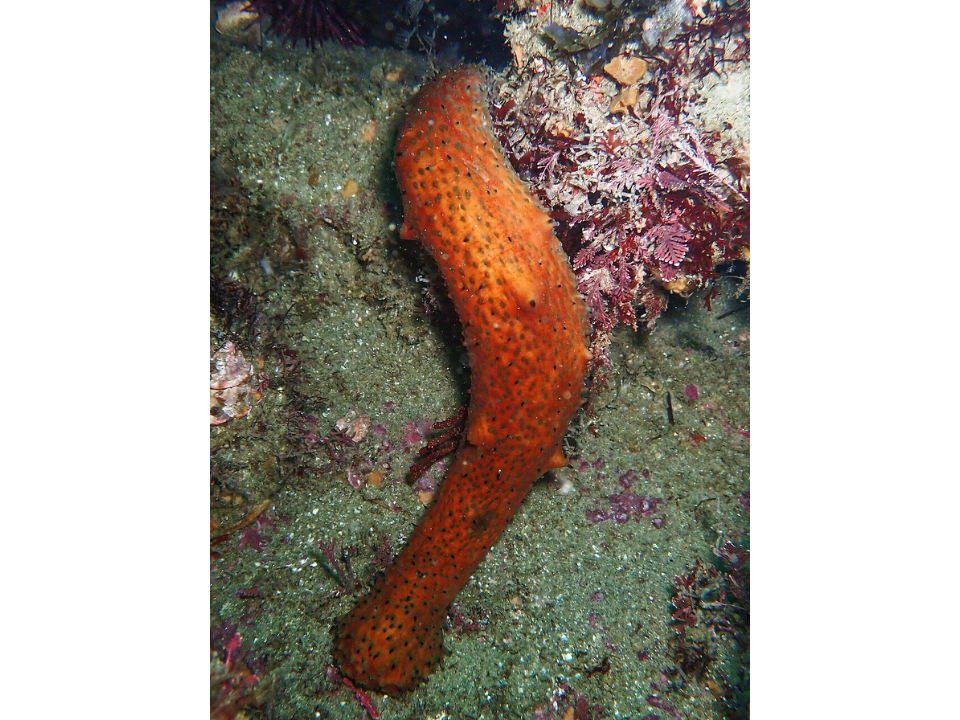
Lower rocks and quiet pools give you the best chance of seeing a warty sea cucumber clearly. Since it usually lives farther down the shore, it often stays hidden unless the tide falls quite a bit. This species is native to the Pacific coast of the United States and Mexico. Its known range runs from Monterey Bay to Baja California.
Soft, thick, and a little rough in appearance, it can blend into the bottom at first glance. In calm water, its slow shape becomes easier to notice against the rock. Very low tides give people more time to study those details. It may not stand out like a sea star, though it adds a lot of variety to the pool.
Tidepool Sculpin
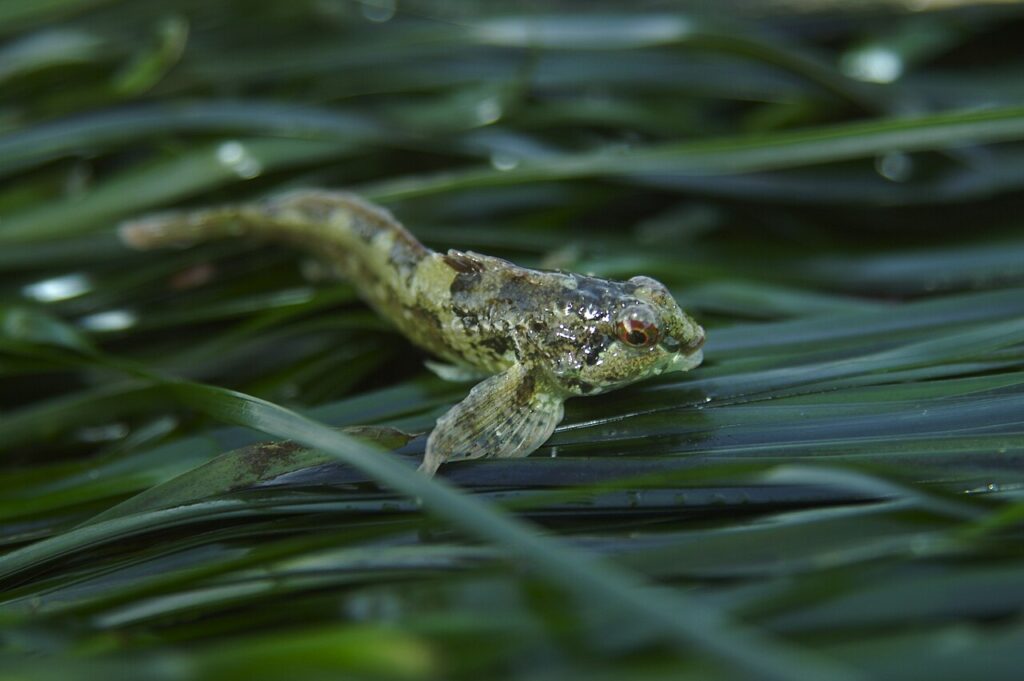
Small fish can be some of the hardest tide pool animals to notice, and the tidepool sculpin is a good example. It shows best only when shallow pools remain after the sea drops back and the surface becomes calm. This fish is native to the North Pacific, including the United States and Russia. It is one of the few tide pool animals in lists like this that is a fish rather than an animal without a backbone.
A still pool makes its large head and bottom resting posture easier to see. If the water is too deep or choppy, it can disappear from view even when you are looking right at it. Some sculpins return to the same home pool, which ties them closely to this habitat. With the right water level and a little patience, they are one of the most rewarding animals to spot.
This article originally appeared on Avocadu.