
13 Nighttime Spring Creatures You Can Find With a Flashlight Walk
Once the sun goes down, spring takes on a whole different mood. The air feels cooler, the sounds change, and hidden little creatures start showing up in places you might miss during the day. A flashlight walk can make even a short stroll feel like a small nighttime adventure. If you are ready to look around more carefully, this is a fun place to begin.
This post may contain affiliate links, which helps keep this content free. Please read our disclosure for more info.
Spring Peepers
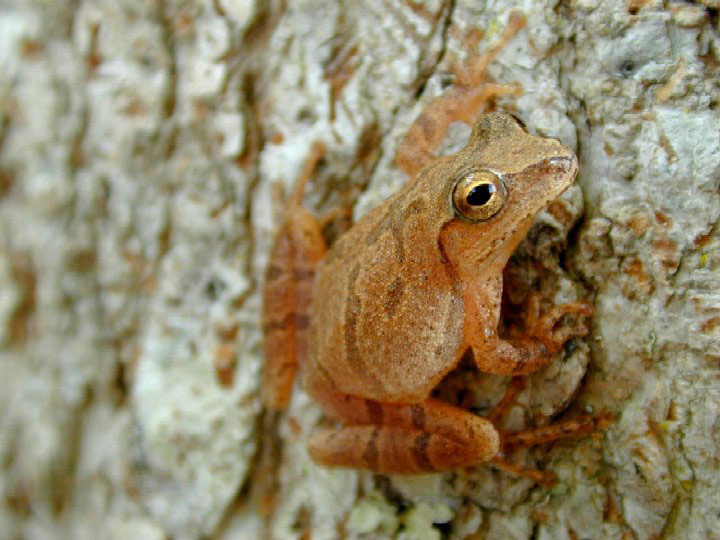
Spring peepers are tiny frogs, yet their voices can fill a whole patch of woods after dark. On a flashlight walk, you will often hear them before you see them near shallow water, wet leaves, or grassy edges. Their small tan or brown bodies blend in very well with bark and ground cover. Spring is one of the best times to spot them because this is when they call most often at night.
If you move slowly, you may catch one clinging to a stem or resting near a puddle. Their sound is one of the clearest signs that warmer nights have arrived. A flashlight with a soft beam helps you look without startling them too much. These frogs are small, yet they bring a lot of life to a quiet evening walk.
Toads
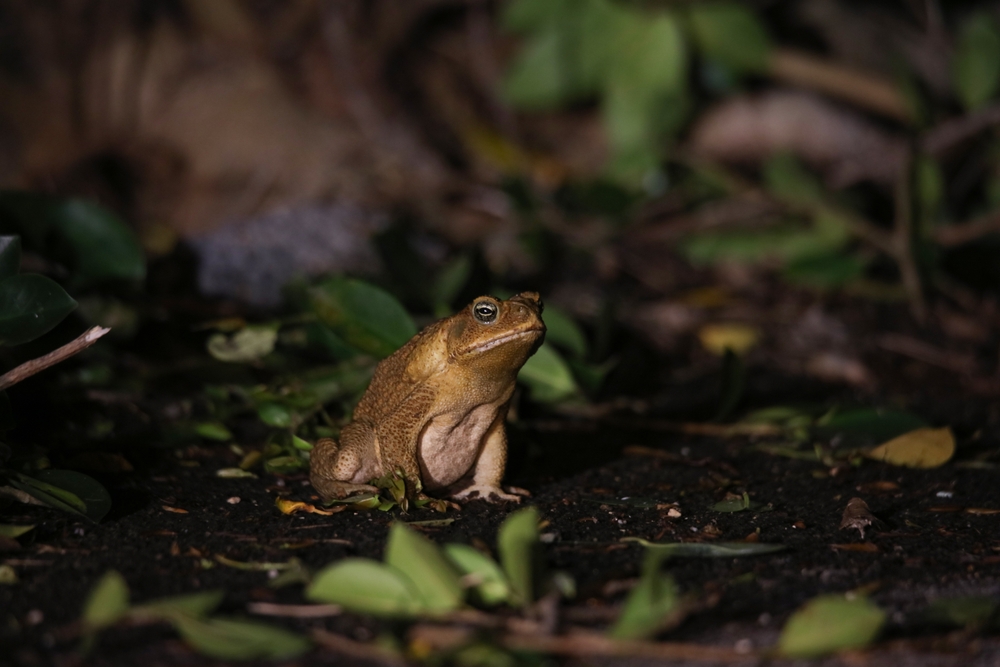
Along garden paths and damp yards, toads often come out once the sun has gone down. They like cool spring nights because the air feels less dry and food is easier to find. A flashlight can pick up their round shape sitting still on the ground near bugs and low plants. Their bumpy skin and slow hops make them easy to tell apart from frogs.
Many people spot toads near porches, flower beds, and the edges of trails. They help by eating insects, which is one reason they are welcome visitors in many yards. During spring, they may gather near ponds and wet spots for breeding. If you pause and scan the ground well, you may find more than one in the same area.
Salamanders
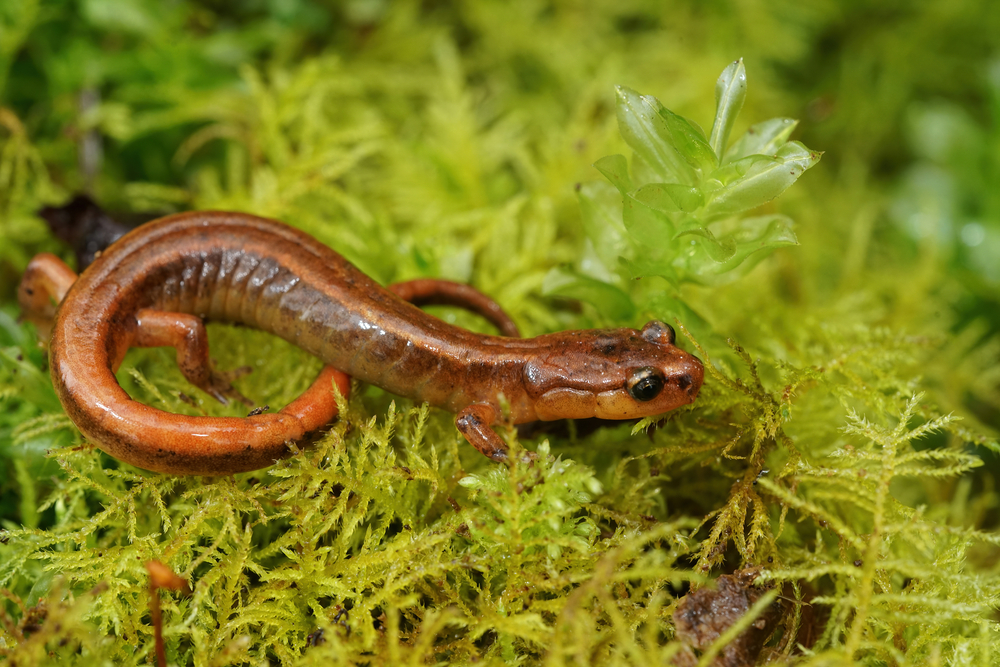
After a spring rain, salamanders sometimes appear on forest floors and near wet logs. These quiet little animals like cool, damp places and usually stay hidden during the day. At night, a flashlight can help you notice their smooth bodies as they move across leaves or moss. Some have spots or stripes that stand out beautifully in the beam.
In wooded places, salamanders are often found under fallen branches, stones, or bark. Spring matters for them because the moisture makes it safer for them to travel. They dry out easily, so wet nights are their best time to move around. A careful walker may spot one and then notice how many damp hiding places the woods really hold.
Fireflies
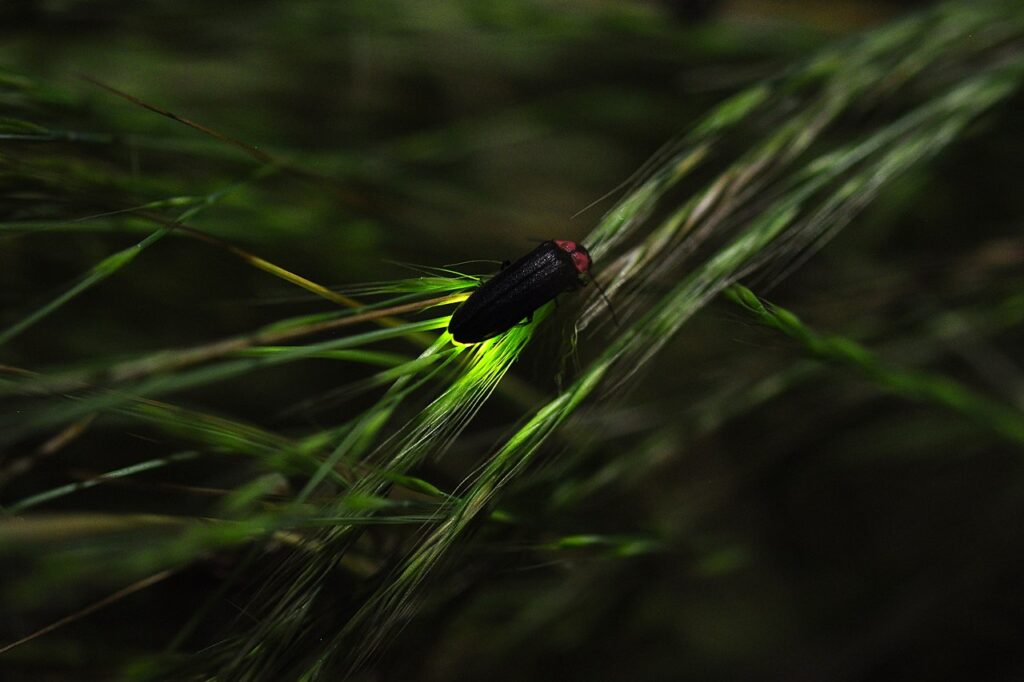
On warm spring nights, fireflies start showing up in grassy spaces and near shrubs. Their soft flashes can make a flashlight walk feel a little magical, even in a familiar yard. These beetles use light to signal one another, and their glow stands out best after dark. Early spring sightings may be fewer than in summer, though they still feel special.
As the evening gets darker, you may see them floating low over grass or near tree lines. They are easiest to notice in places with less outside light. Moist air and calm weather often make a walk more rewarding for firefly watching. For many people, seeing the first ones of the season is a sign that spring is settling in.
Snails
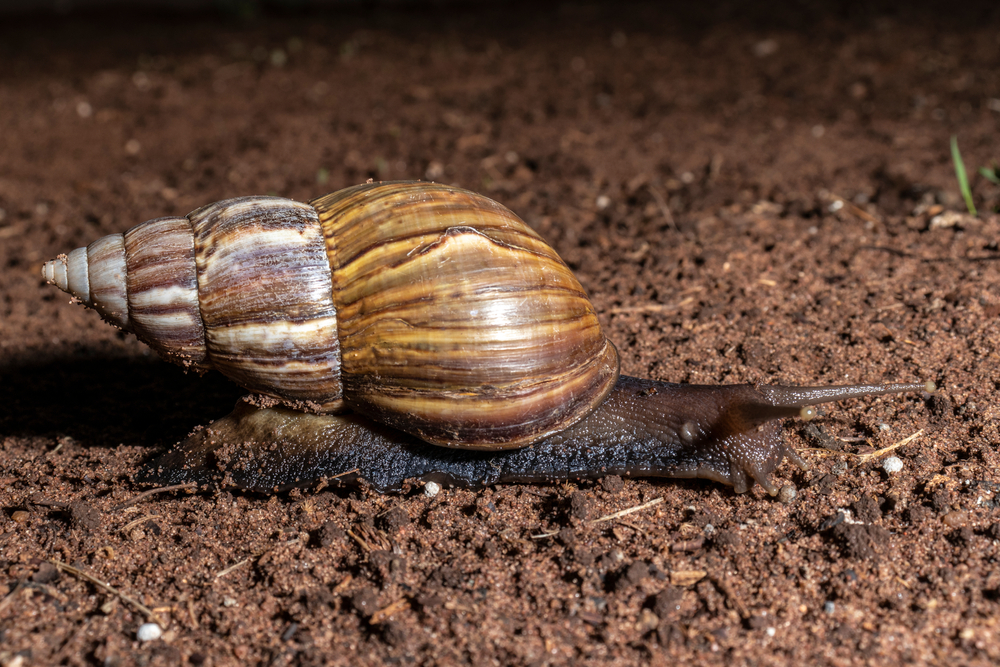
Snails often slide out on spring nights when the ground is wet and cool. Their shells catch a flashlight beam in a way that makes them easier to notice on rocks, walls, and garden paths. Since they move slowly, they are simple to watch without much effort. Spring gives them better conditions because moisture helps them stay active.
Near plants and low stone borders, you may find several in a short stretch of path. They leave shiny trails that can be easy to spot in the light. Although they seem quiet and plain at first, they become quite interesting when you watch them up close. A nighttime walk after rain is one of the easiest times to find them.
Moths
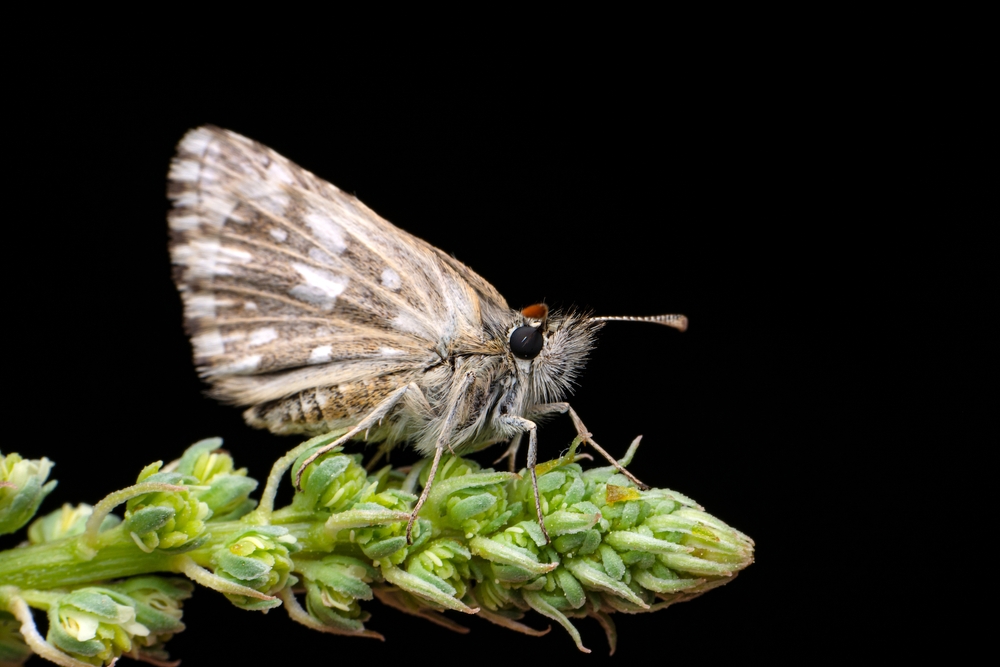
Many moths become active after sunset, and spring brings the return of many kinds. A flashlight may catch them fluttering near flowers, tree trunks, or porch lights. Their wing patterns can be soft, earthy, and surprisingly pretty when seen up close. Unlike butterflies, they usually keep to the night, which makes them a fun find on evening walks.
Some moths are small and pale, while others look thick and fuzzy. They play a part in pollination and serve as food for birds and bats. During spring, fresh plant growth and milder weather bring more activity to nighttime spaces. If you check leaves and nearby walls, you may notice one resting between short flights.
Crickets
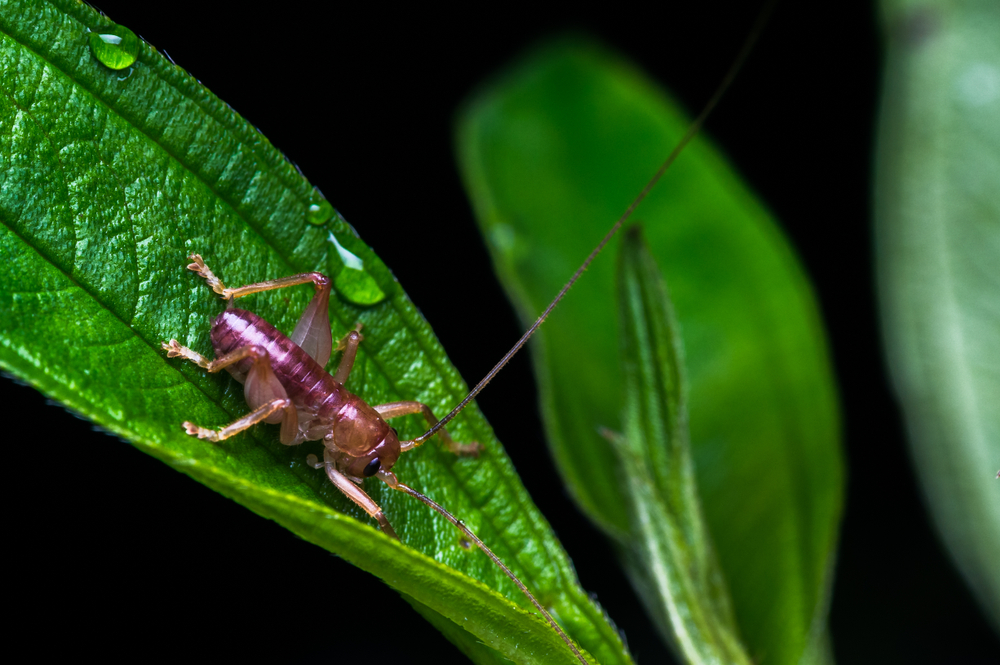
Crickets are heard far more often than they are seen, though a flashlight can help with that. Their chirping carries through spring nights and adds a steady sound to fields, gardens, and trail edges. These insects hide in grass, under boards, and near low plants, where they stay fairly safe. Once you stop walking, their movements can become easier to catch.
Sometimes the sound seems to come from everywhere at once. Then, after a careful look, one small cricket appears near your feet or tucked into the grass. Spring brings rising insect activity, and crickets are part of that nighttime change. Finding one can make the whole walk feel more real and alive.
Tree Frogs
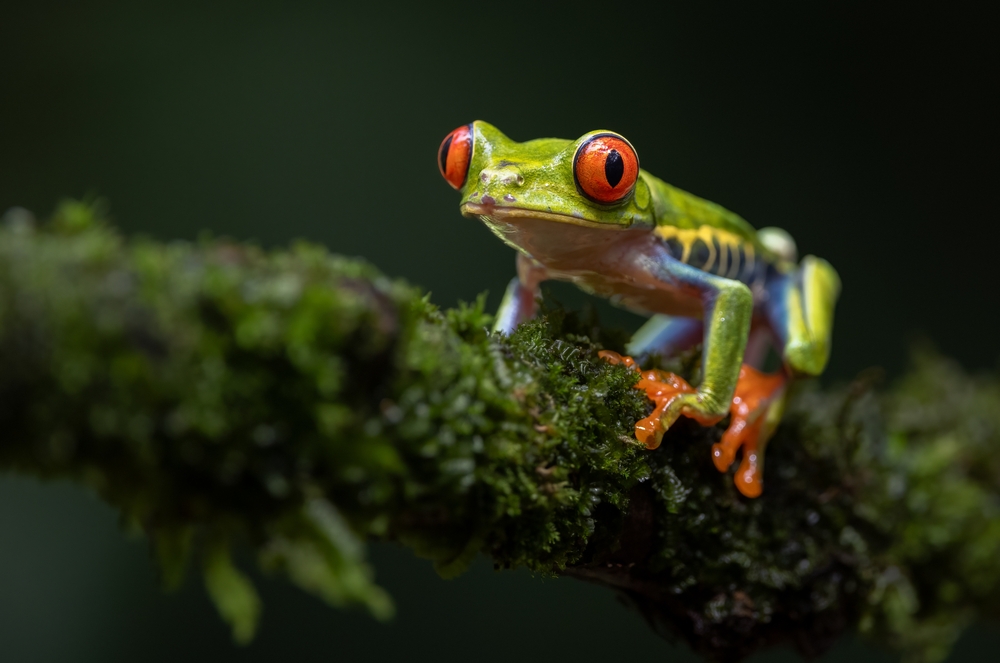
Tree frogs can be a fun surprise because people often expect frogs only near the ground. On spring nights, some climb shrubs, reeds, and low branches where a flashlight may catch their pale bellies or bright eyes. Their sticky toes help them cling to surfaces with ease. This makes them a different kind of spring frog to look for.
Around ponds and damp woods, their calls may lead you toward them. They are often green, gray, or brown, which helps them blend into bark and leaves. Spring is an active time because many are calling and looking for mates. A slow scan upward can reveal one tucked into a place you almost missed.
Millipedes
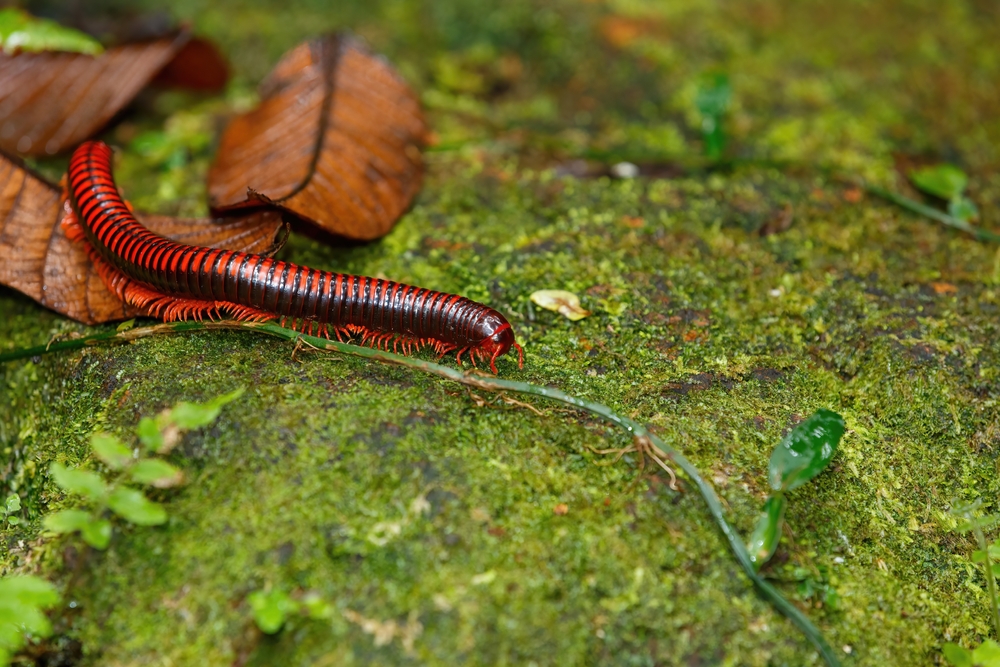
Millipedes often come out on damp spring nights and move slowly across soil, leaves, and sidewalks. Under a flashlight, their many legs create a steady rippling motion that is easy to notice. They prefer moist places and often stay hidden under logs or stones during the day. Night walks give you a better chance to see them out in the open.
Because they curl up when bothered, they can look a bit shy and harmless. They feed on dead plant matter, which helps break down material on the forest floor. Spring rain often brings them into view more often than dry weather does. For anyone looking closely at the ground, they can be one of the more interesting small creatures to spot.
Spiders
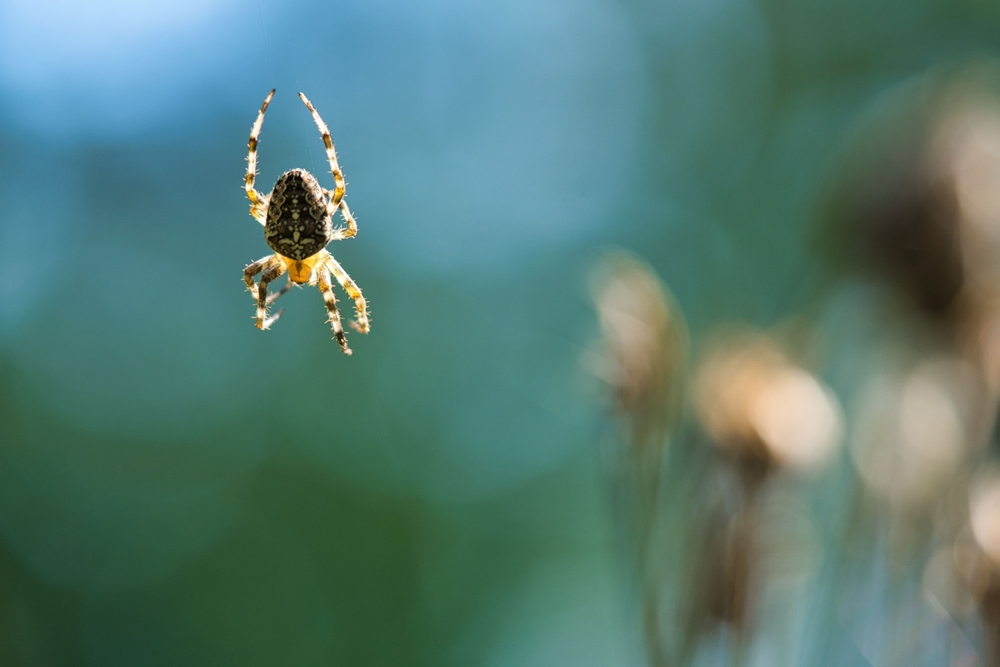
A flashlight walk can reveal spiders in ways daylight often does not. Their webs may shine in the beam, or their tiny eyes may reflect light from grass and low plants. Spring brings more insect activity, which means food is easier for them to find. That often makes nighttime web building more noticeable.
Not all spiders spin large webs, so some may be seen moving across bark, stones, or fences. They come in many sizes and colors, though most blend in well with their surroundings. When watched from a short distance, they seem more interesting than scary. A quiet spring evening is a good time to notice how common they really are.
Slugs
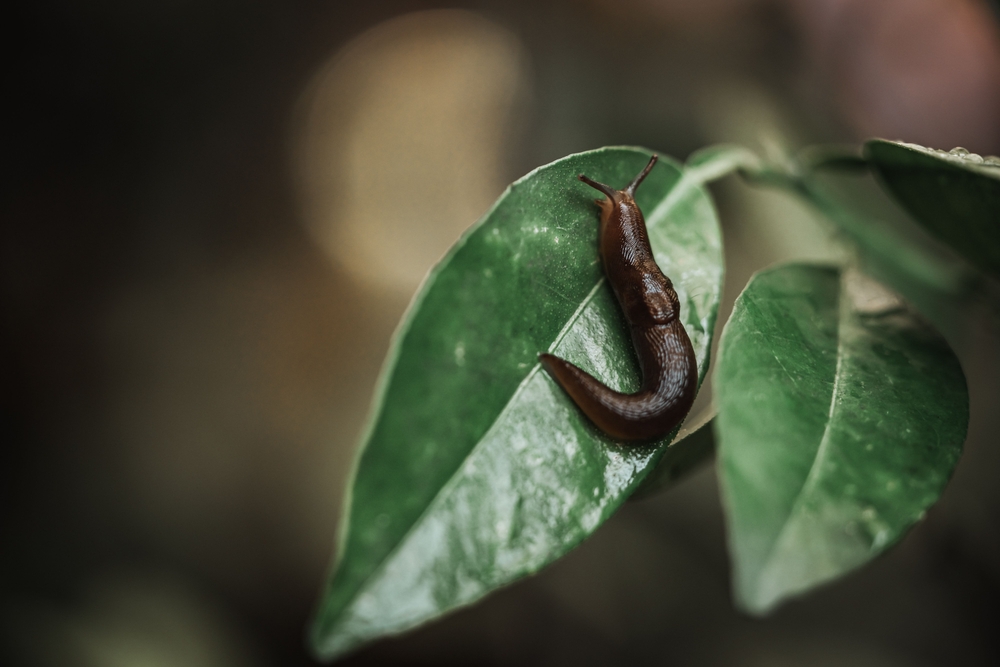
Slugs are easy to find on damp spring nights, especially after rain. Without shells, they look soft and simple, though their slow movement can still be fun to watch. A flashlight often catches the wet shine of their bodies on sidewalks, mulch, and low walls. Cool weather suits them well, which is why spring is a good season for spotting them.
In gardens, they are often seen near leaves and tender plants. They move more than many people realize once the air turns dark and moist. Their slime trail can glint under the light and show where they have been. Even though they are small, they add to the busy little world that comes alive at night.
Raccoons
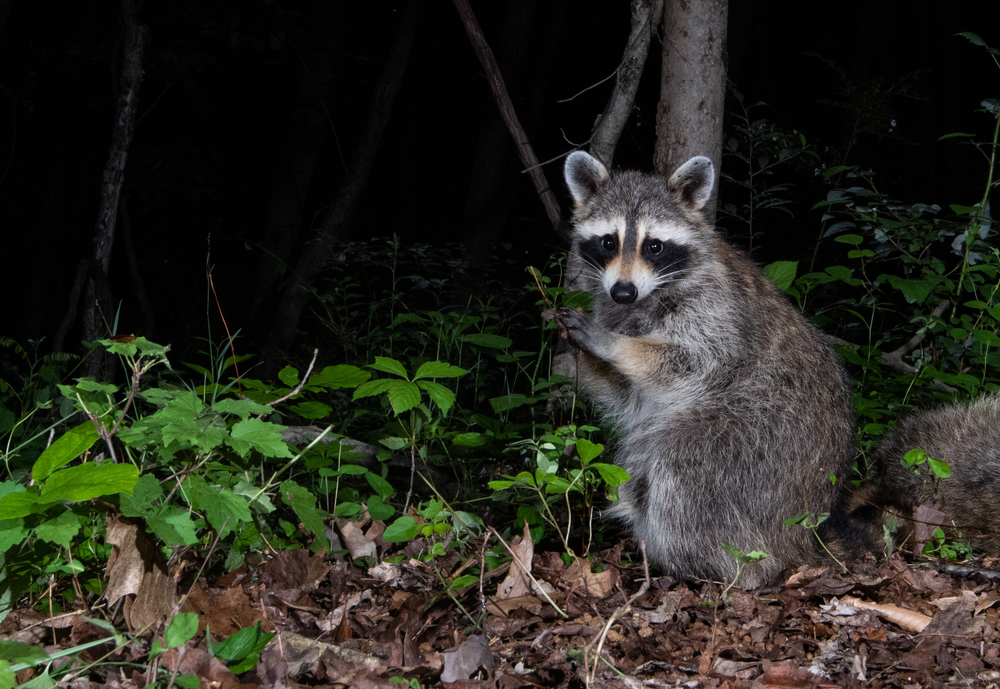
Sometimes a flashlight walk turns up a larger nighttime visitor, and raccoons are a common one in many places. They often move through yards, park edges, and wooded areas once it gets dark. Their masked faces and ringed tails make them easy to recognize at a quick glance. Spring can bring more movement as they search for food and care for young.
If you spot one, it is best to keep your distance and stay quiet. They are curious animals, though they are still wild and should be left alone. A raccoon may pause in the light for a moment before slipping back into shadow. Seeing one can make a simple walk feel much more memorable.
Bats
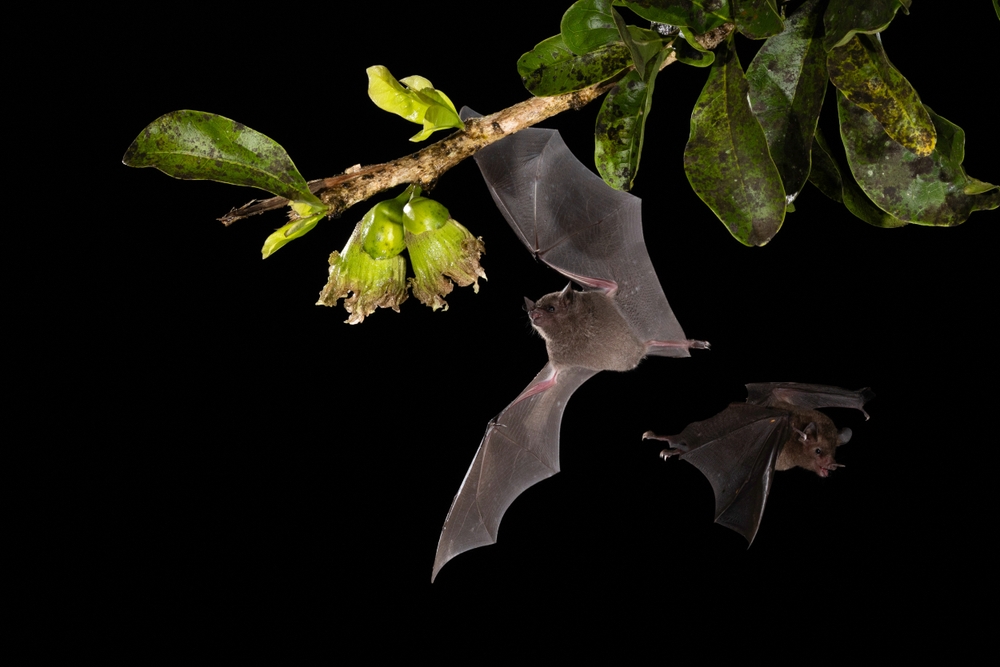
As dusk turns into night, bats may begin sweeping through the air above paths, ponds, and open yards. They are harder to light directly with a flashlight, though their quick flight and sudden turns can still be easy to notice. Spring matters a lot because warmer evenings bring out more insects for them to eat. Their presence is often a sign that the night sky is full of activity.
Near water or open clearings, you may see them flying in looping patterns overhead. They move fast, so it helps to pause and watch the sky for a few moments. These mammals do important work by feeding on nighttime insects. A spring flashlight walk feels even more interesting when bats start passing through the dark above you.
This article originally appeared on Avocadu.