
16 Spring Animal Tracks and Signs That Help You Spot Rare Wildlife
A quiet path in spring can hold all kinds of hints if you know where to look. Paw prints near water, nibbled plants, and bits of fur caught on bark can reveal animals that rarely stay in view for long. As this article goes on, you will see how these details can make wildlife spotting feel more rewarding and much more personal.
This post may contain affiliate links, which helps keep this content free. Please read our disclosure for more info.
Moose Tracks Near Marshy Ground
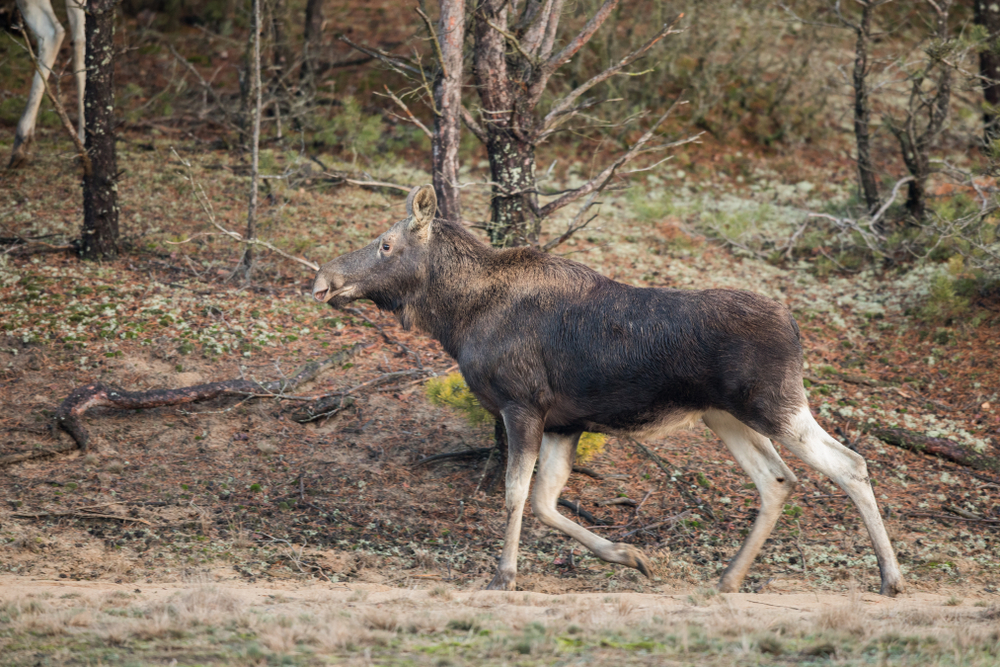
Wide, heart-shaped hoofprints often stand out in soft spring mud near ponds and marshes. Moose leave deep marks because of their size, and the prints usually look larger and more spread out than deer tracks. In spring, wet ground holds these impressions well, which makes them easier to notice on quiet trails. Looking near fresh browse and broken twigs can give you another clue that a moose passed through.
You may also spot stripped bark or freshly eaten willow shoots nearby. Moose often feed in damp areas where new spring growth comes in fast. Their droppings can change from firm pellets to softer piles as their diet shifts with the season. Put these signs together, and you get a much clearer picture of where one has been.
Canada Lynx Prints in Late Snow
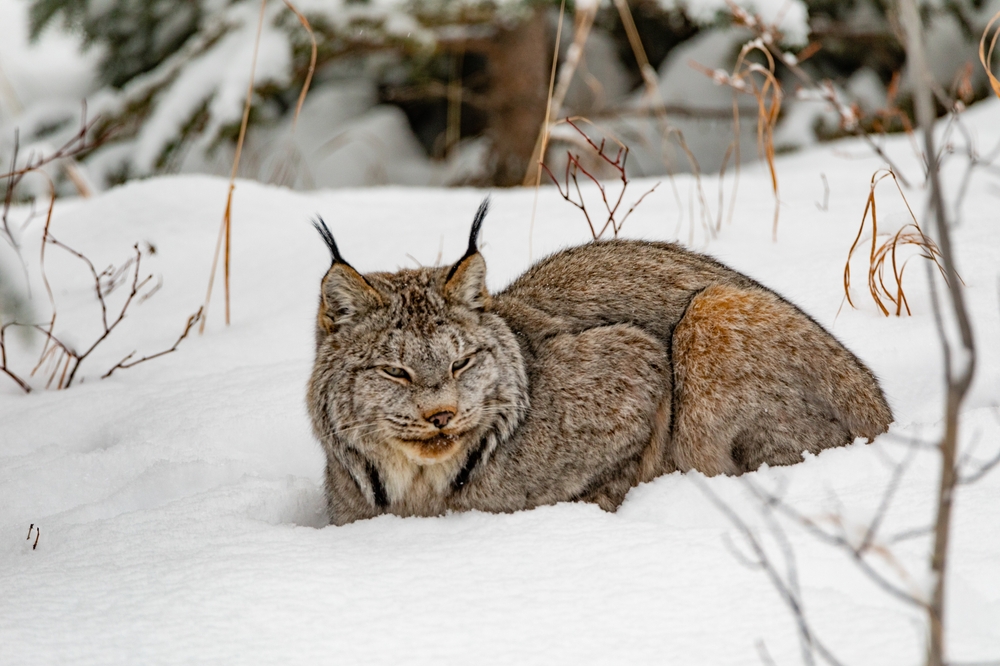
In colder places, late snow can still hold the round tracks of a Canada lynx. These prints look soft around the edges because the animal has furry feet that spread its weight. Unlike dog tracks, lynx prints usually show little to no claw marks. That small detail can help you tell them apart when you are scanning a snowy path.
Another clue may appear in the way the tracks move across the ground in a steady, quiet line. Canada lynx often use forest edges, game trails, and areas with snowshoe hares. If you find tracks near spots with rabbit signs, that can make the area worth watching more closely. Spring is a useful time because melting snow can reveal a trail that was hidden earlier.
River Otter Slides and Footprints
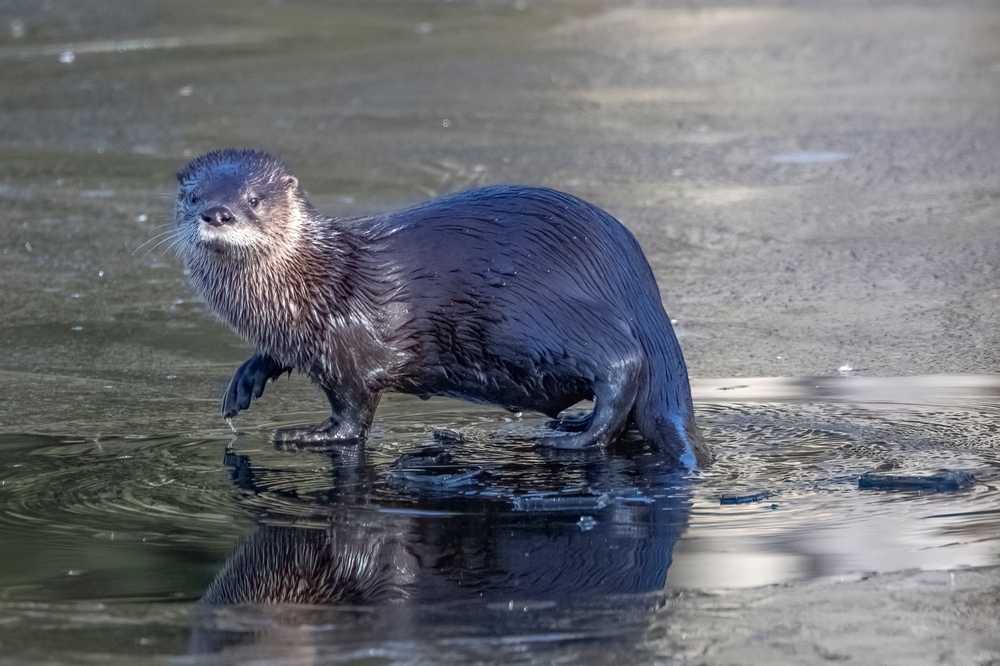
Along muddy riverbanks, river otters leave some of the most playful signs in the wild. Their tracks often show five toes, and the prints can look messy where the ground is wet and slick. You may also find smooth slide marks where an otter moved from the bank to the water. These signs often appear together, which makes them easier to read.
In many places, spring runoff brings otters into active streams and pond edges. Fish remains, shell pieces, and droppings near flat rocks can point to a feeding spot. Their droppings often have a strong smell and may contain bits of scales or bones. When you see tracks, slides, and feeding signs in one place, there is a good chance otters are close by.
Black Bear Claw Marks on Trees
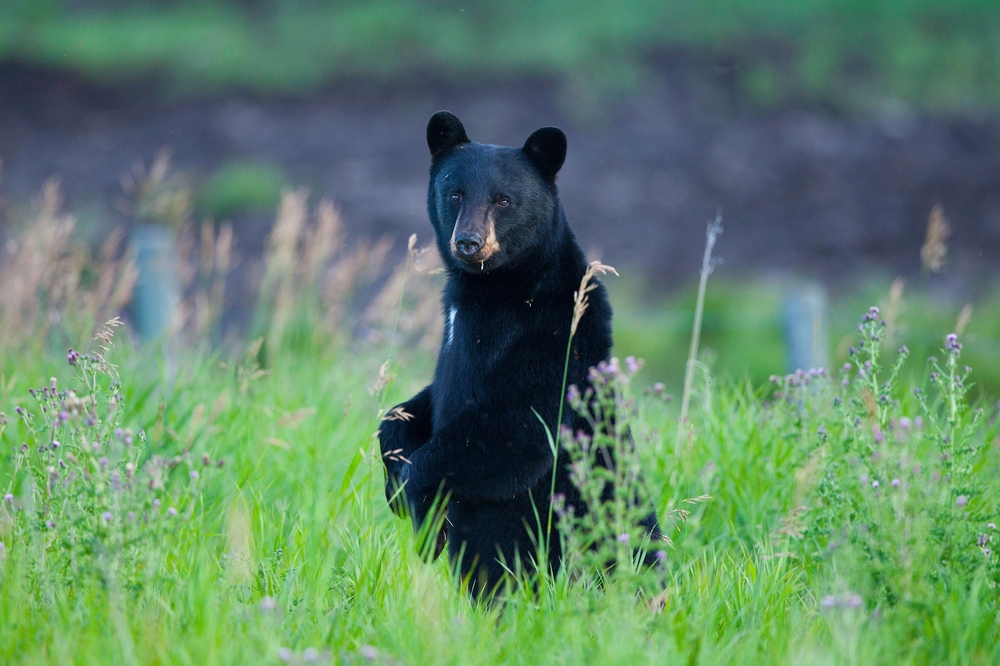
Sometimes the clearest spring sign is not on the ground at all. Black bears leave long claw marks on tree trunks when they climb or mark an area. These scratches can appear high up, which gives you a sense of the bear’s size. Fresh marks often look lighter where dark bark has been scraped away.
Bear tracks in mud can add more proof nearby. The front foot is broad, while the back foot can look a bit like a human foot at first glance. In spring, overturned logs and torn-up patches of earth may show where a bear searched for insects or roots. That mix of ground signs and tree marks can help you spot places bears use often.
Whooping Crane Footprints in Wet Fields
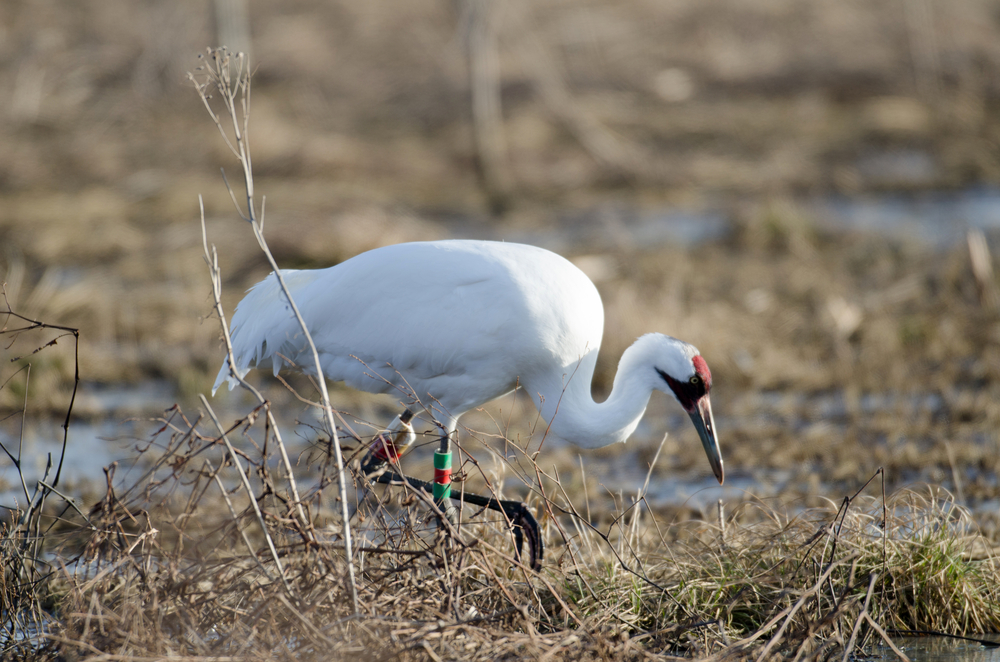
In shallow wetlands, large bird tracks can hint at something special. Whooping crane footprints are bigger than those of many other wading birds, with long toes spread wide in mud. These birds use marshes and wet prairies during migration, especially where food is easy to reach. A clear print can tell you a large bird fed there recently.
Feathers or droppings may offer more signs around the same area. Since these cranes are tall and cautious, people usually notice their tracks before they notice the birds themselves. Open wet ground makes spring one of the best times to find those clues. If the prints look fresh, it is worth scanning the distance with care.
Wolverine Tracks on Remote Trails
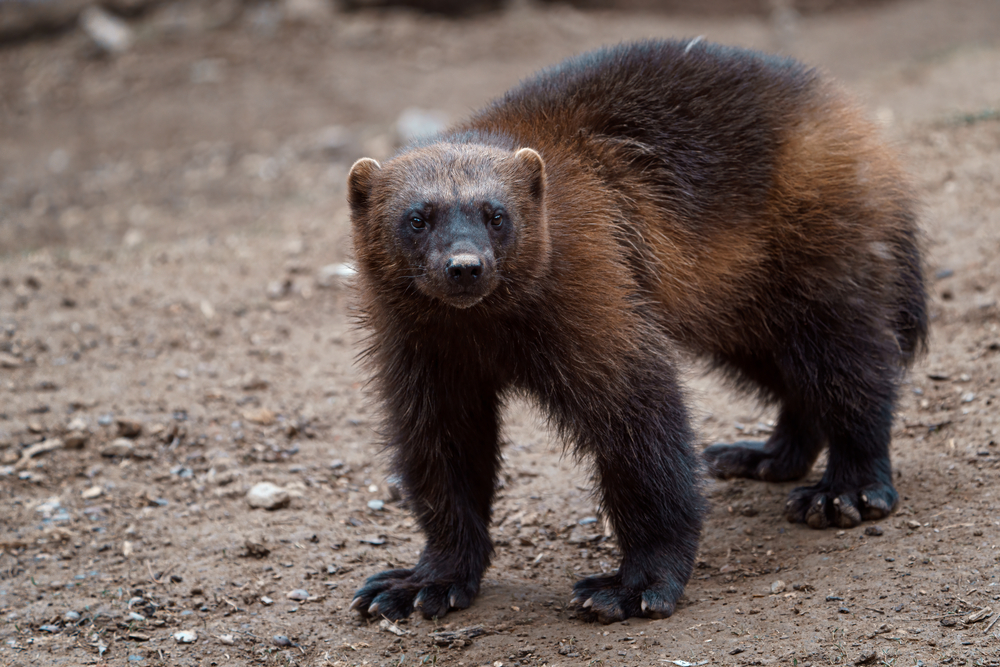
Few spring signs feel as striking as the track line of a wolverine in a wild, quiet place. The prints often show five toes and claws, and they move in a strong, rolling pattern over snow or mud. Wolverines cover large distances, so their tracks can appear in places where few people go. That alone makes any sign from them feel important.
Carcass remains or dug-out food caches, may appear along the same route. These animals often travel ridges, frozen valleys, and open alpine ground as winter fades. In muddy spots, the tracks can look larger and heavier than those of many similar animals. A fresh trail can tell you that a hard-to-see predator is still using the area.
Beaver Gnaw Marks and Fresh Wood Chips
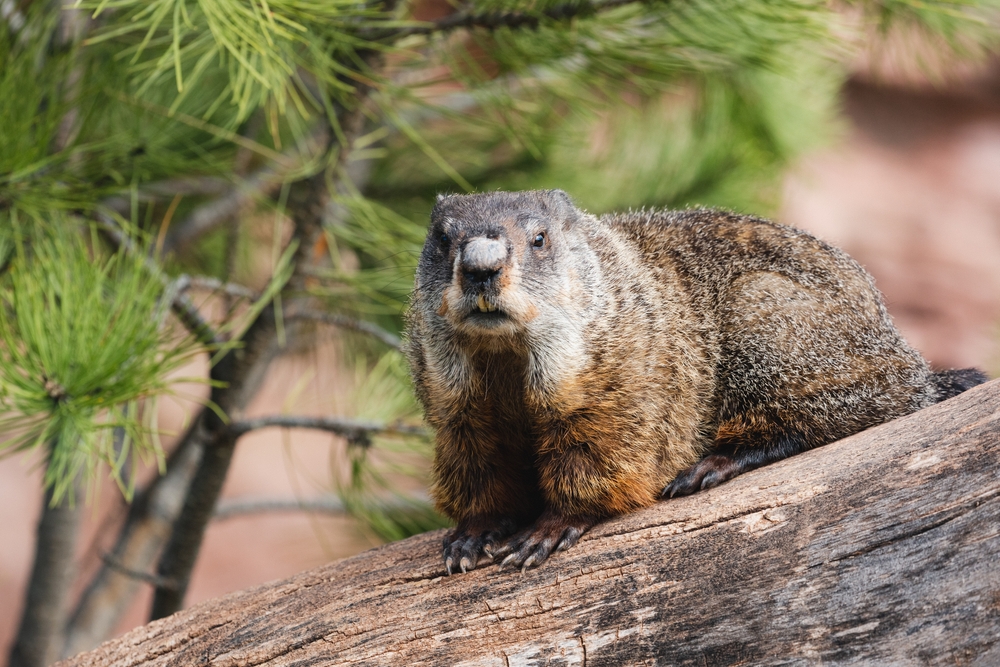
Near ponds and slow creeks, beavers leave signs that are hard to miss once you know them. Freshly cut saplings with pointed, chewed ends are one of the clearest clues. Pale wood chips scattered on damp ground often mean the work was done recently. Spring water levels can make these feeding and building spots stand out even more.
Muddy channels and small slides into the water may show where beavers drag branches. A lodge or dam nearby can help confirm what you are seeing. Beavers prefer trees such as aspen and willow, which are common near water. If you watch quietly near dusk, those fresh signs may lead to a real sighting.
Elk Rubs on Young Trees
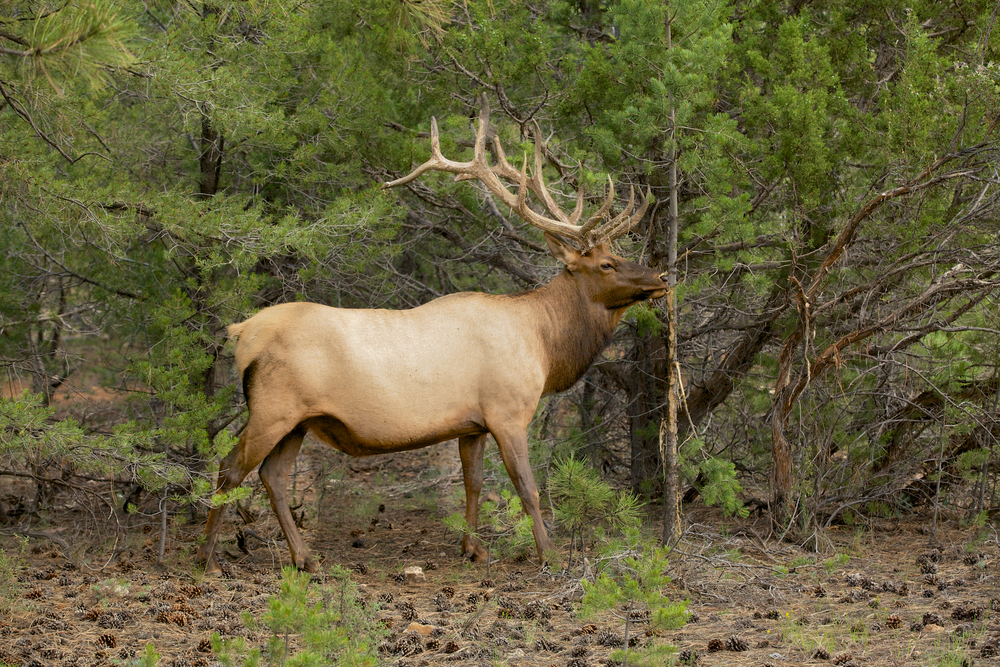
Young trees in open woods sometimes carry the story of a passing elk. Rub marks happen when elk scrape bark off trunks with their antlers, leaving rough, damaged patches behind. Some trees may look polished or frayed, especially at a height above deer level. Even after the main rut season, older rubs can still help show where elk spend time.
Tracks nearby are usually larger and rounder than deer tracks. In spring, fresh grass and open meadows can pull elk into view near dawn and dusk. Droppings in loose groups may add one more clue around feeding areas. Taken together, these signs can guide you toward places elk return to year after year.
Snowy Owl Pellets and White Wash
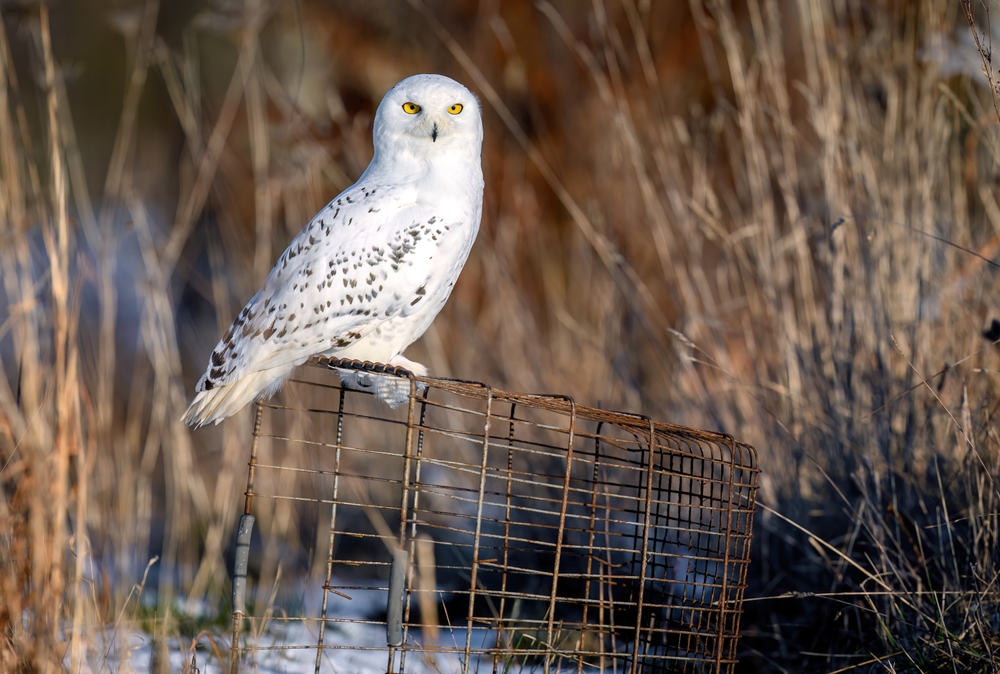
On open ground, signs from a snowy owl can be easy to miss unless you stop and look up and down. Pellets under fence posts, driftwood, or raised perches may show where the bird rested and fed. You may also notice white droppings on rocks or low structures. Those signs matter because the owl itself may blend into the background when sitting still.
Spring can bring late movement through coastal flats, tundra-like fields, or wide marshes. Small bones and fur in pellets show what the owl has been eating. Since the bird likes broad views, signs often appear in open areas with little cover. A quiet scan of nearby ground after finding pellets can sometimes lead to the bird itself.
Mountain Lion Scrapes and Tracks
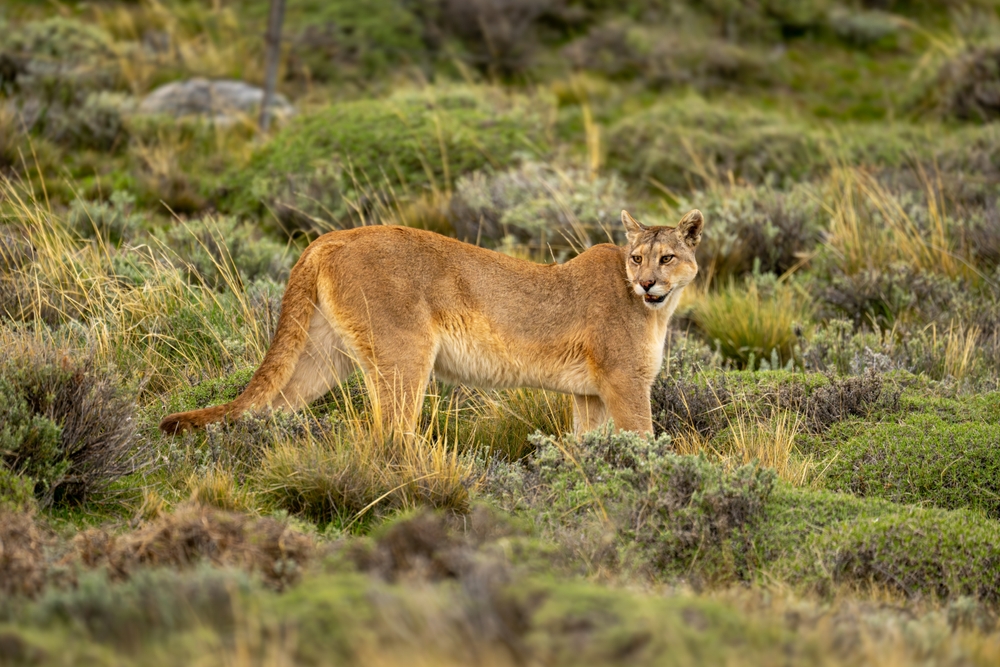
A mountain lion often leaves subtle signs, which is part of what makes them so easy to miss. Their tracks are round, soft-edged, and usually lack claw marks, much like a large house cat print. On trails or dirt roads, the prints may move in a calm, direct line. That pattern can help separate them from wandering dog tracks.
You might also find scrape marks where the cat pushed dirt and leaves into a small pile. These scrapes can serve as scent markers and often appear near paths or ridgelines. In spring, damp soil can hold the print shape much better than dry summer ground. If you find both tracks and scrapes, you are likely in an area the cat uses often.
Salamander Egg Masses in Woodland Pools
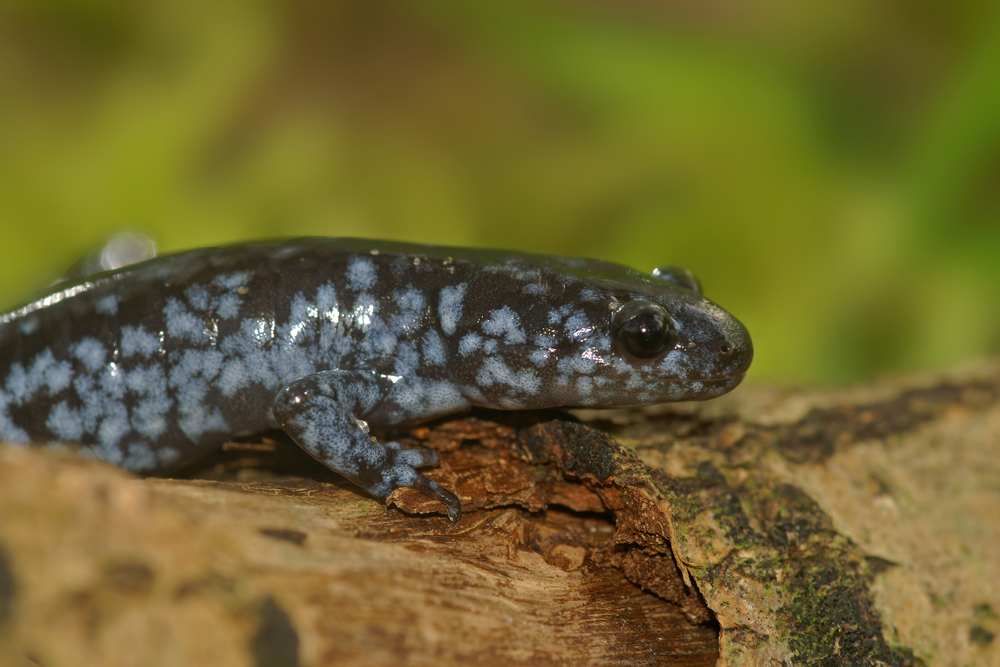
Some wildlife signs appear in water rather than on land. In spring woodland pools, jelly-like egg masses can point to salamanders that stay hidden most of the year. These clear or cloudy clumps are often attached to twigs below the surface. Since adults are hard to spot, the eggs may be the first clue that they are nearby.
Cool, fish-free pools are the best places to watch for them. A careful look may reveal tiny dark shapes inside the gel as the eggs develop. Leaves, sticks, and still water can hide them, so slow searching helps. These signs can turn an ordinary puddle in the woods into a very interesting stop.
Wolf Tracks Along Forest Roads
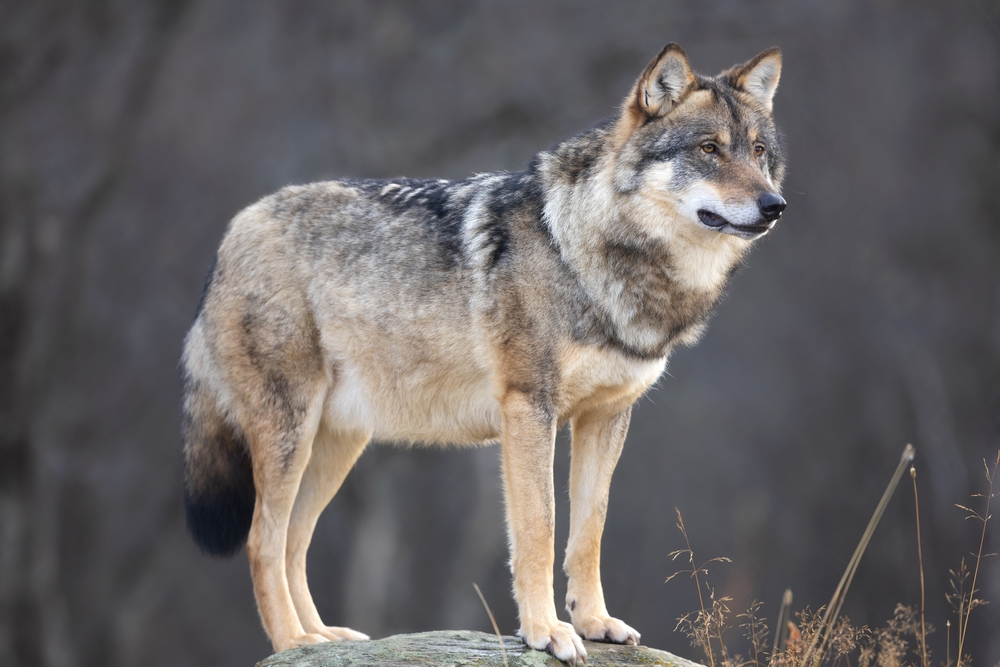
On muddy roads and trail edges, wolf tracks can leave a strong first impression. They are larger than many dog prints and usually hold a more direct, purposeful line. Wolves often travel with focus, so their track pattern looks less scattered than that of a pet dog. That trail style can be just as useful as the print shape itself.
Spring mud can catch every detail after rain or snowmelt. You may find scat placed right on a path, which is another sign of wolf activity. Hair, bone bits, and a strong smell often show up in the droppings. When several clues line up in one place, it can tell you a pack passed through not long ago.
American Marten Tracks on Fallen Logs
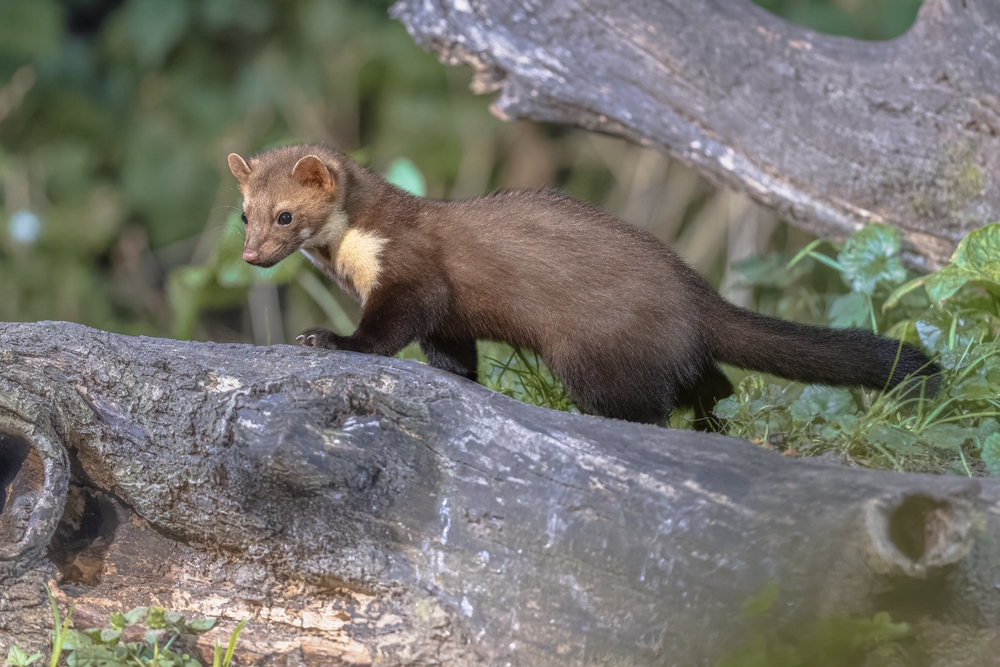
High in northern forests, the American marten leaves quick little clues for patient hikers. Its tracks are small, light, and often appear in pairs or short bounds over logs and snow patches. Martens spend a lot of time around trees, so ground signs may suddenly jump onto deadwood or stumps. That movement pattern can help set them apart from other small animals.
Spring is useful because melting snow and damp bark can hold those prints for a while. You may also notice bird feathers or small prey remains near a log crossing. Since martens prefer quiet forest cover, their signs often show up far from busy paths. Spotting those prints can tell you that the woods around you are still quite wild.
Crane Fly Larvae Holes and Shorebird Feeding Marks
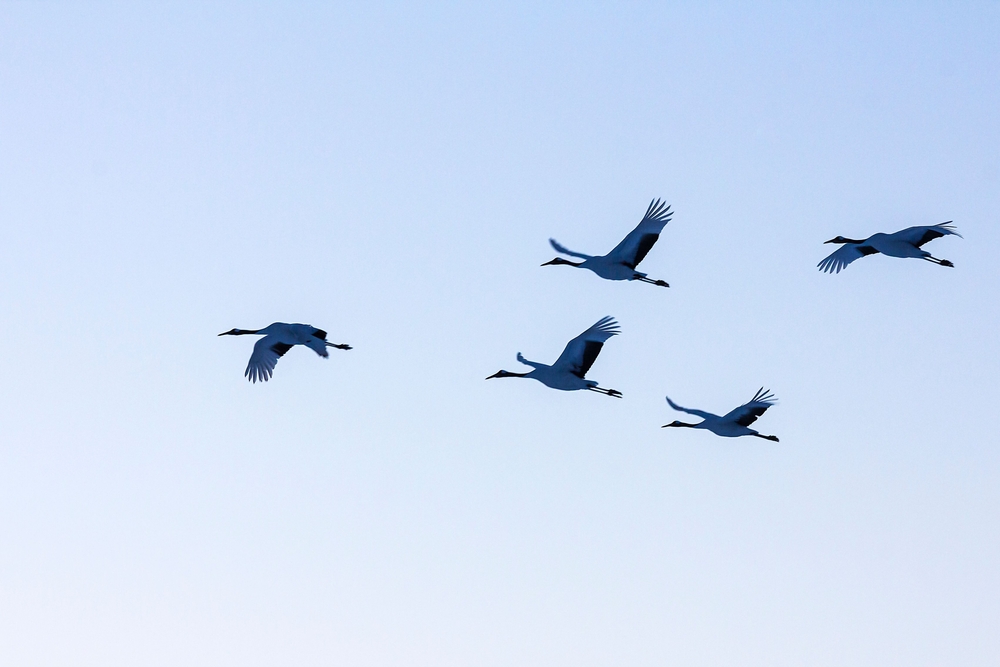
At muddy edges of ponds and flats, tiny holes and peck marks can tell a larger story. Shorebirds often feed where insect larvae and worms are close to the surface in spring. Repeated probing marks in wet mud can show that birds have been working the area for food. That feeding activity may draw species that are uncommon in some places.
Soft ground makes these signs easier to notice during migration. If the area also has fresh droppings and small tracks, birds may still be close. The marks do not point to one single species, yet they can help you find spots where unusual migrants stop to eat. Watching these feeding zones with care can lead to a very good sighting.
Fisher Tracks Near Creek Crossings
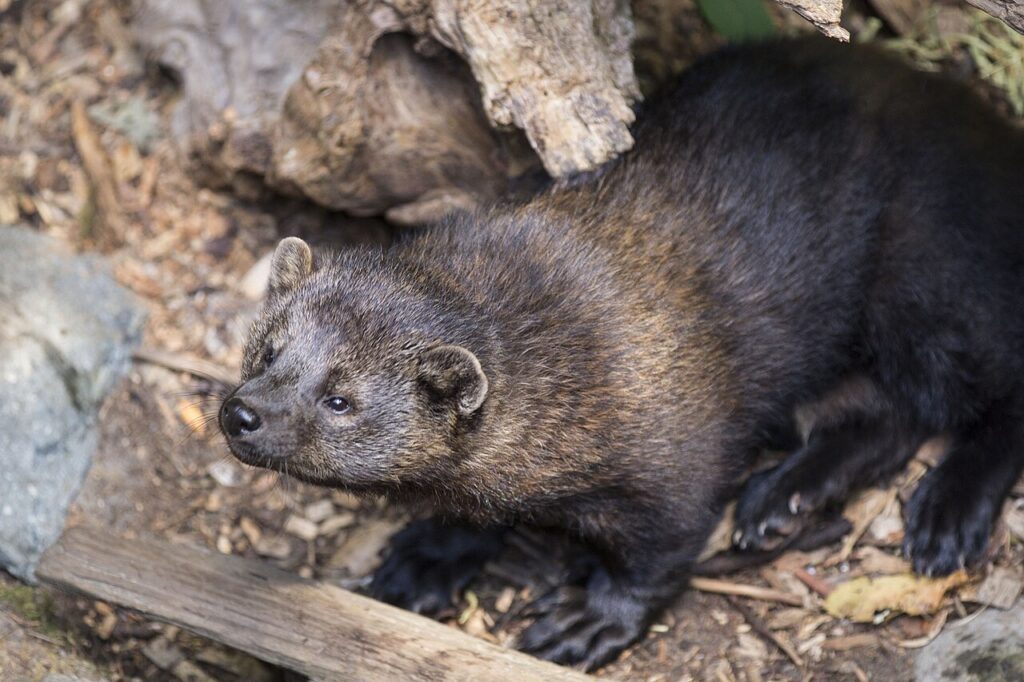
A fisher leaves tracks that can surprise people who have never seen them before. The prints often show five toes and claws, with a low bounding pattern that moves through forest cover. Creek crossings, muddy banks, and narrow trail gaps can hold those signs well in spring. Since fishers are shy and fast-moving, the tracks may be your best clue.
Nearby scat or prey remains can make the story clearer. Fishers hunt squirrels, rabbits, and other small animals, so signs may turn up near dense woods with plenty of cover. Their movement often looks smooth and confident from one sheltered spot to the next. Finding a clean trail line is a good reason to slow down and watch the area.
Bog Turtle Nesting Scratches and Tiny Tracks
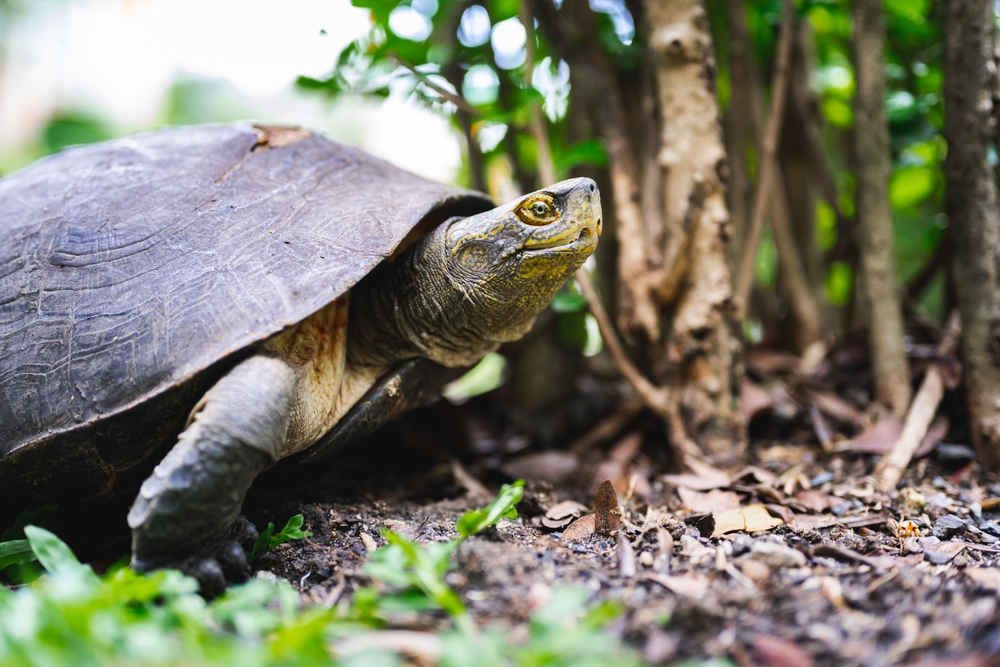
In wet meadows and marshy ground, very small signs can point to a very special animal. Bog turtles leave tiny tracks and light scratch marks in soft soil near sunny patches used for nesting. Because they are so small, people often walk right past the signs without noticing them. Spring is one of the best times to look because the turtles become more active.
A close look at muddy edges may show little clawed prints leading to shallow water. Flattened grass and disturbed soil can also hint at recent movement. These turtles depend on quiet wetlands, which are easy to lose and hard to replace. That is why even the smallest sign from one can feel like a major find.
This article originally appeared on Avocadu.