
12 Rare Butterflies That Return in Spring and the Parks That Protect Them
As the weather warms, butterflies start to drift back into view in the most peaceful corners of nature. A few of them are rarely seen, making each sighting feel special. Parks play a big part in keeping these species safe year after year. It is worth knowing where these protected spaces are located.
This post may contain affiliate links, which helps keep this content free. Please read our disclosure for more info.
Monarch Butterfly in Monarch Butterfly Biosphere Reserve
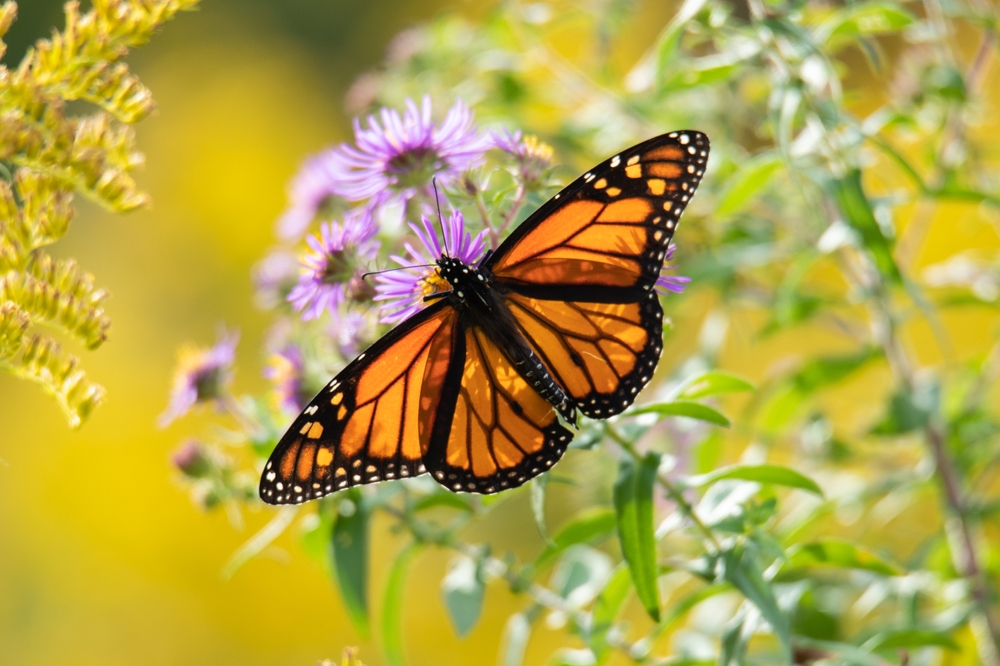
Each spring, the Monarch butterfly begins one of the most remarkable migrations in the natural world, leaving the cool mountain forests of central Mexico and heading north. These butterflies travel thousands of miles across generations, guided by instinct and seasonal changes in temperature and light. Their bright orange wings, marked with black veins, make them easy to recognize even from a distance. During the final weeks of winter, they cluster tightly on trees, creating a quiet and almost surreal sight in the reserve.
As spring unfolds, they slowly spread across North America in search of milkweed, the only plant their caterpillars can eat. The reserve plays a major role in protecting the forests that shelter them during colder months. Local communities work alongside conservation groups to limit logging and preserve the surrounding ecosystem. Visitors who arrive at the right time can witness entire colonies taking flight, which feels like watching the forest come alive.
Karner Blue Butterfly in Albany Pine Bush Preserve
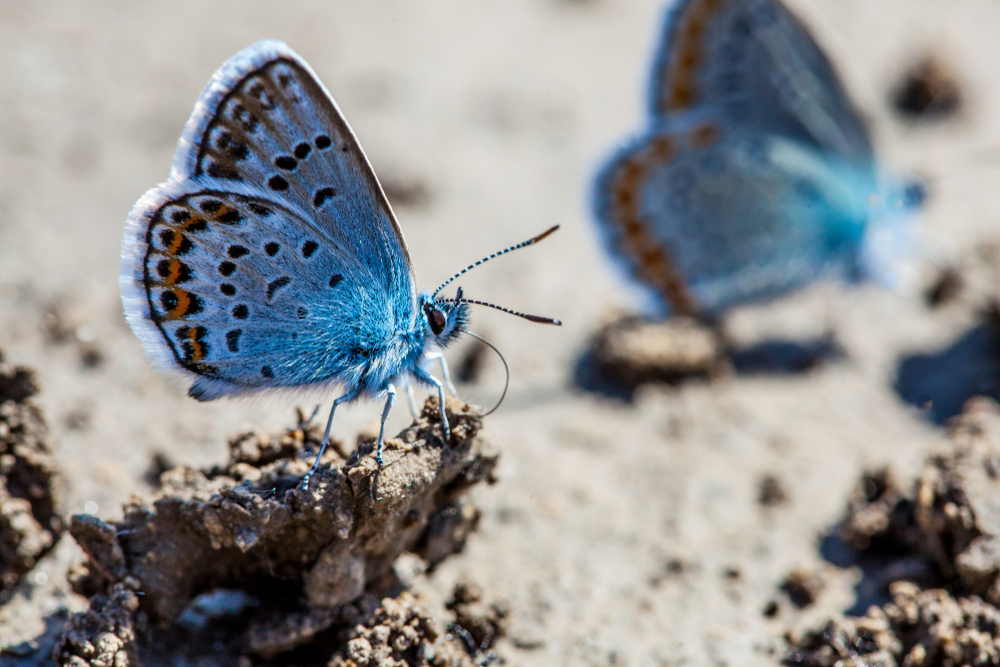
The Karner blue butterfly is small in size, yet it carries a strong connection to a very specific habitat that has become increasingly rare. Males display soft blue wings edged with dark borders, while females show a more muted pattern with hints of orange. This butterfly depends entirely on wild lupine plants, which grow in sandy soils that are not common across the region. Its first appearance in spring is brief, making it one of the more difficult species to spot.
At the Albany Pine Bush Preserve, careful land management helps keep these fragile habitats intact. Controlled burns are used to prevent invasive plants from taking over and to support the growth of lupine. Without this work, the butterfly would struggle to survive. Guided walks and educational programs help visitors understand how much effort goes into protecting such a small yet important species.
Palos Verdes Blue Butterfly in Palos Verdes Peninsula
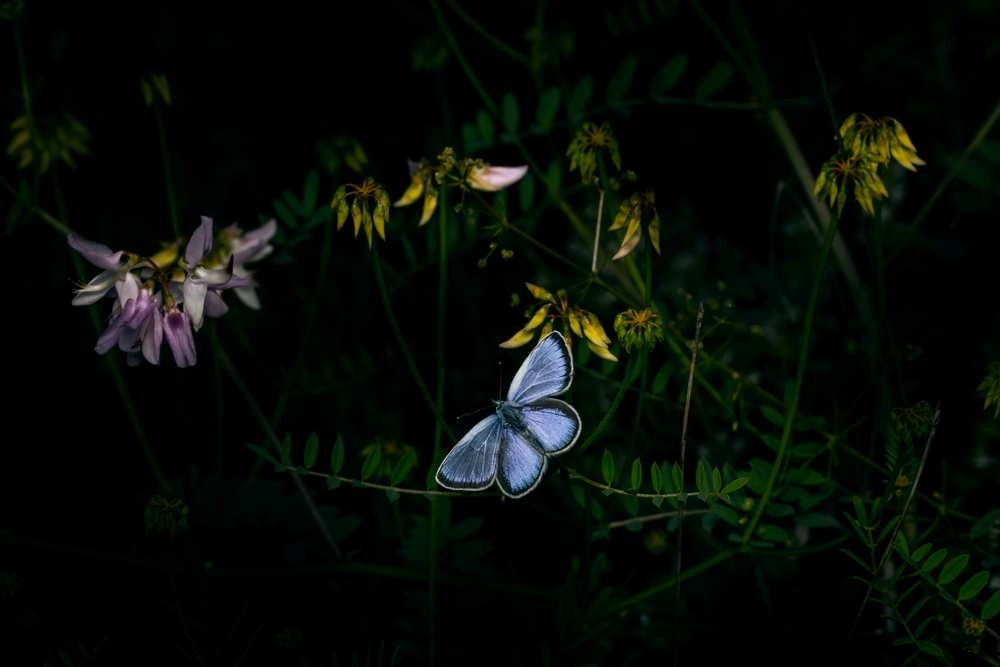
Once believed to be lost, the Palos Verdes blue butterfly returned in a way that surprised both scientists and local communities. Its wings reflect a soft silvery blue that catches the light as it moves through coastal habitats. The butterfly has a very short flight period in spring, which makes sightings rare and often fleeting. It depends on a handful of native plants that grow only in limited areas along the California coast.
Efforts to restore its habitat have included planting native species and protecting key breeding areas. Fenced zones help reduce human impact while the population continues to recover. Conservation groups monitor the butterfly closely to track its numbers each year. Its return stands as a quiet example of how careful attention to habitat can make a real difference.
Apollo Butterfly in Hohe Tauern National Park
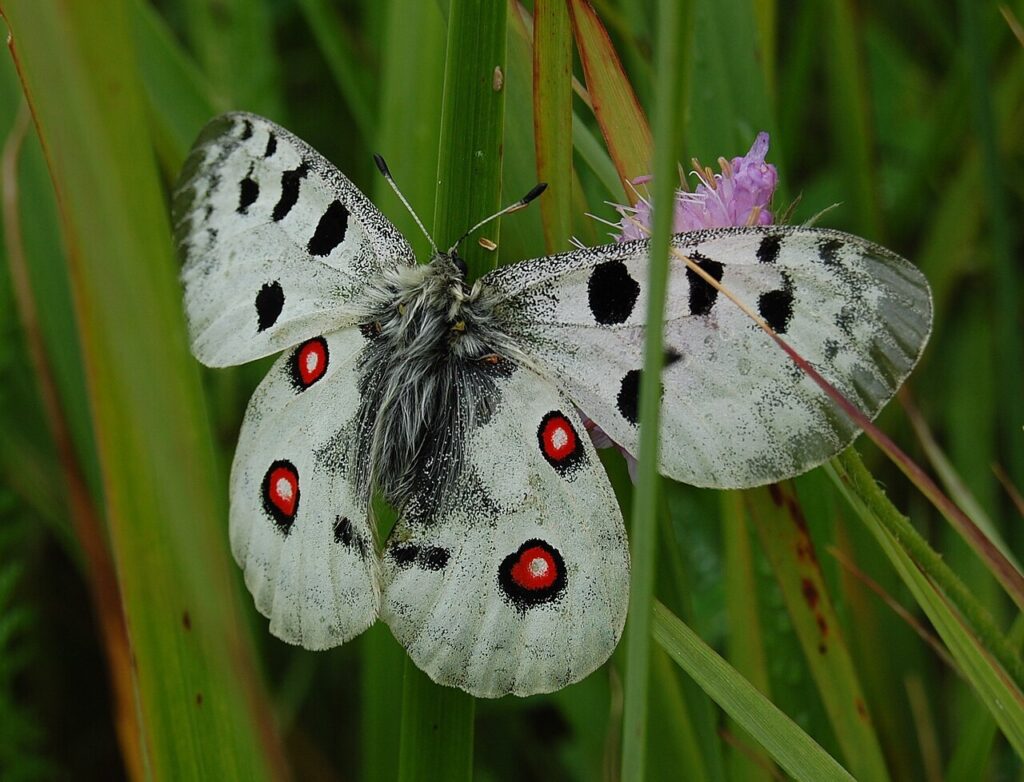
The Apollo butterfly moves slowly across alpine meadows, its pale wings marked with striking red spots that stand out against rocky landscapes. It prefers higher elevations where the air remains cool, and the plant life is adapted to harsh conditions. As snow begins to melt in spring, the first adults start to appear. Their flight feels almost effortless as they drift across open mountain slopes.
Hohe Tauern National Park protects large areas of this alpine environment, giving the species room to survive. Restrictions on development help preserve the natural balance of plants and wildlife. In many parts of Europe, this butterfly has declined due to habitat loss. Within the park, however, it continues to draw attention from those who take the time to explore these quieter mountain spaces.
Fender’s Blue Butterfly in William L. Finley National Wildlife Refuge
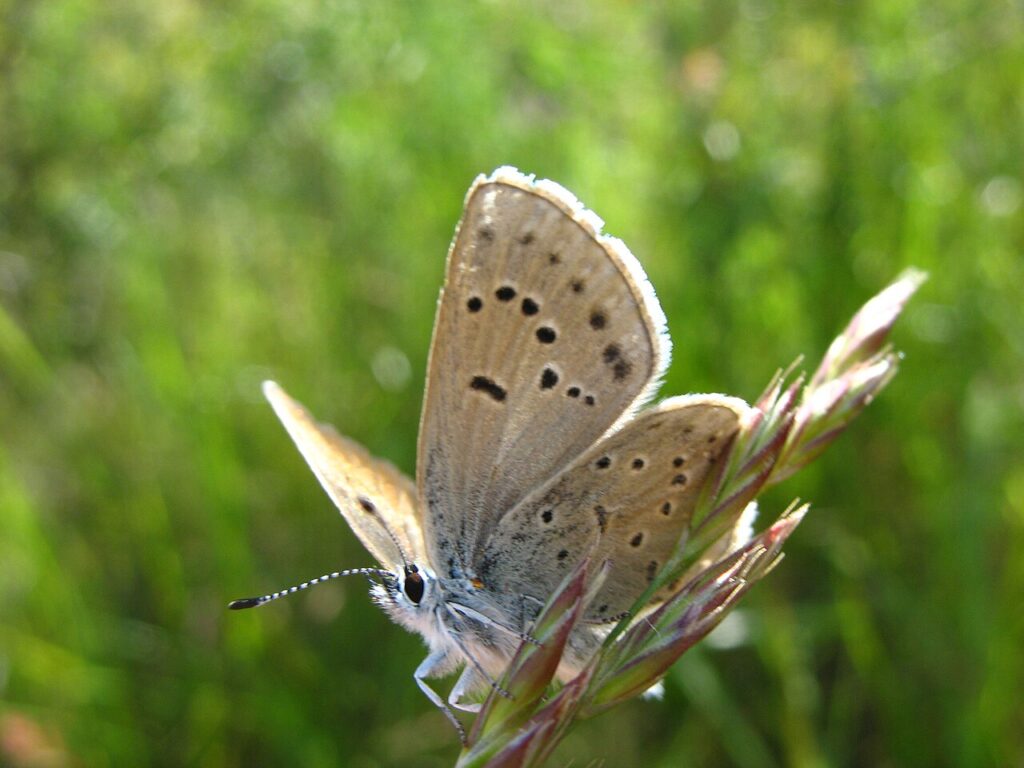
The Fender’s blue butterfly was once believed to be gone until small populations were found again in scattered prairie habitats. Its soft blue wings may look delicate, yet its survival tells a deeper story about persistence in a changing environment. This butterfly depends on Kincaid’s lupine, a plant that grows only in very specific soil conditions. Each spring, adults emerge for a short period, moving quietly through open grasslands where these plants still grow.
At the refuge, large sections of prairie are carefully restored to bring back the conditions this butterfly needs. Volunteers and conservation teams spend time planting lupine and removing invasive growth that can crowd out native species. Seasonal monitoring helps track population changes and guides future work. Over time, these steady efforts have helped stabilize its numbers. The butterfly remains closely watched, and each sighting reflects years of careful land management.
Queen Alexandra’s Birdwing in Oro Province Rainforests
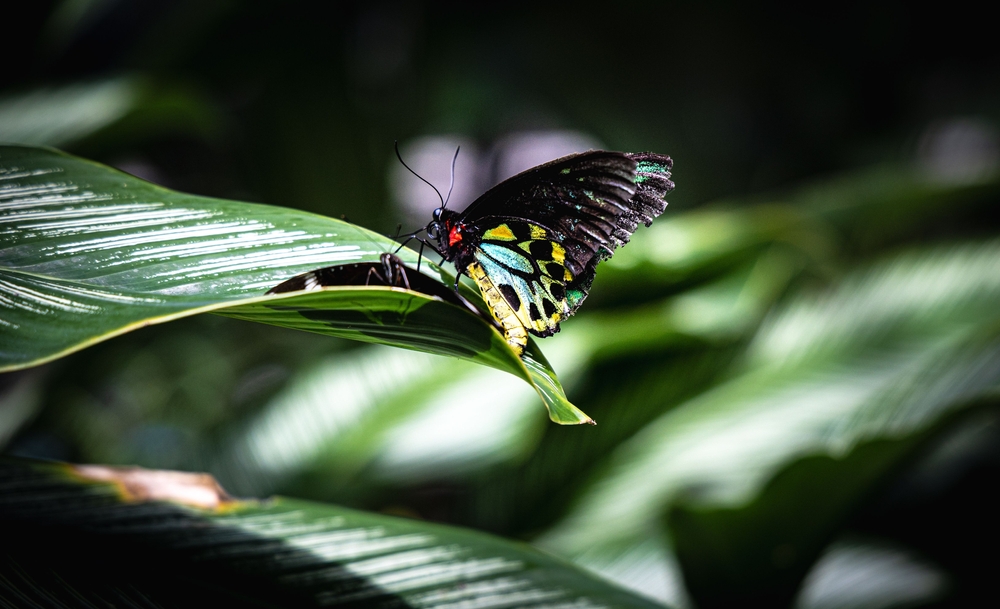
The Queen Alexandra’s birdwing is known as the largest butterfly in the world, with females reaching an impressive wingspan that can catch attention from far away. Its wings show deep, rich tones with lighter patterns that stand out as it moves through dense rainforest. This species lives in warm tropical environments where activity remains steady throughout the year. During seasonal shifts that resemble spring conditions, it becomes more active and easier to observe.
Protected rainforest areas in Oro Province play a key role in keeping its habitat intact. Efforts focus on limiting land clearing and maintaining the plants this butterfly depends on. Local communities take part in conservation work, helping protect both the forest and the species within it. The butterfly relies on a narrow range of host plants, which makes habitat preservation especially important. Its presence often reflects a healthy ecosystem that has remained undisturbed.
Glasswing Butterfly in Monteverde Cloud Forest Reserve
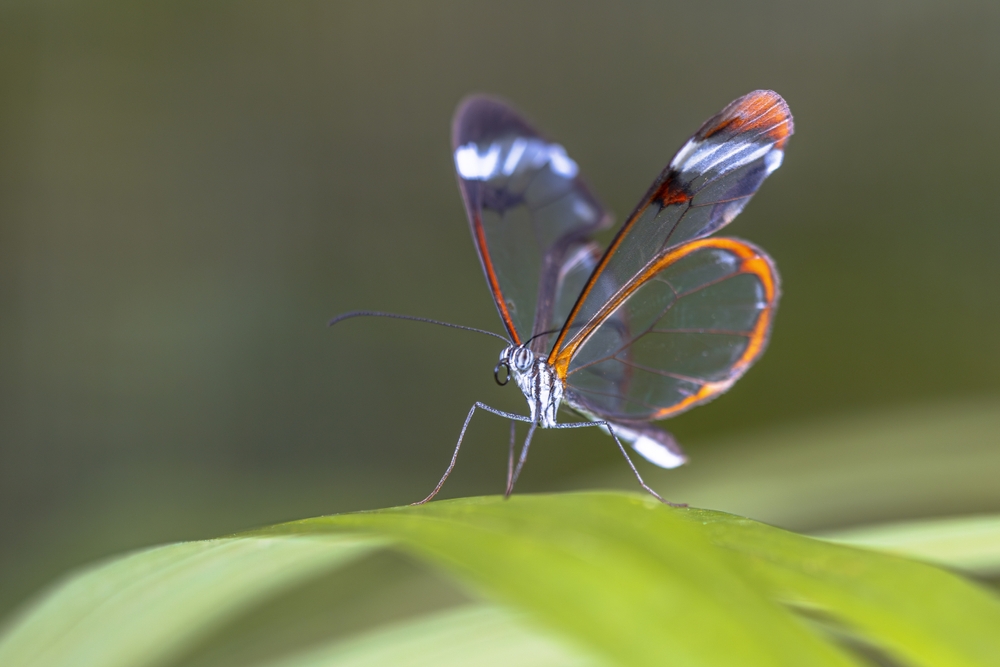
The Glasswing butterfly stands out for its nearly transparent wings, which allow it to blend into the forest with surprising ease. Light passes through its wings, making it appear almost invisible as it drifts among plants. This natural feature helps it avoid predators in the dense cloud forest. During spring-like conditions, when more flowers bloom, it becomes easier to notice as it feeds.
Monteverde Cloud Forest Reserve offers a protected setting filled with diverse plant life that supports this species. The butterfly feeds on nectar and plays a small role in pollination within the forest. Visitors often need patience to spot it, as it can disappear against the background in seconds. Guided walks often highlight areas where sightings are more likely. Once seen, its delicate presence tends to stay in memory long after the visit.
Zebra Longwing in Everglades National Park
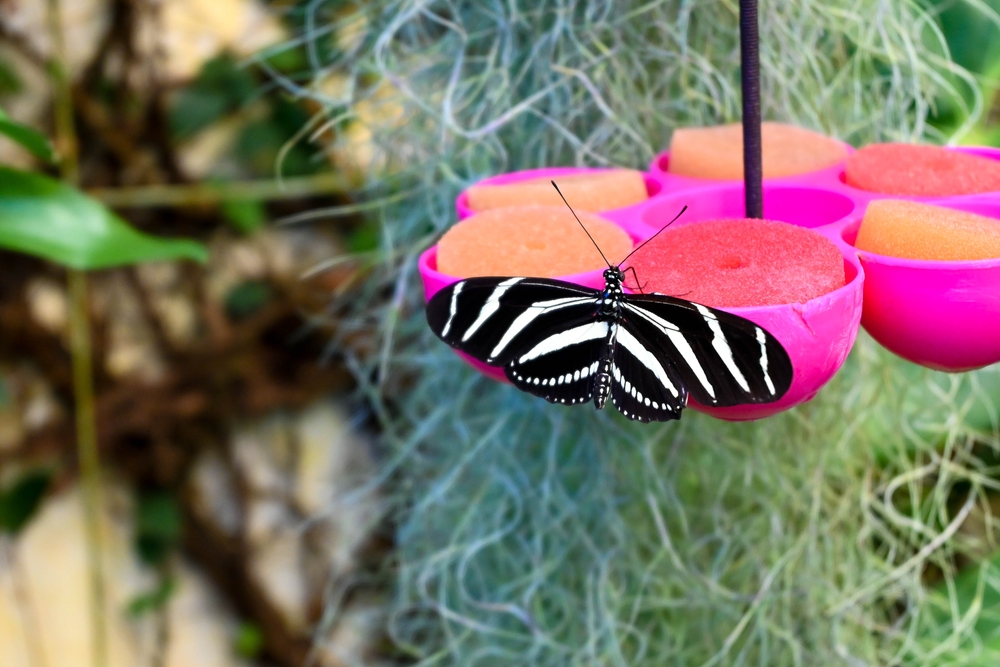
The Zebra longwing butterfly is easy to recognize with its black wings marked by thin yellow stripes that stretch across its surface. Its slow and steady flight makes it stand out compared to faster moving species. As spring arrives, activity increases as it feeds on nectar and pollen from a wide range of plants. Unlike many butterflies, it can live for several months, which gives it a longer presence in the landscape.
Everglades National Park provides a warm environment filled with the plant life it depends on. These butterflies often gather in small groups at night, resting together on branches in quiet areas. Conservation efforts focus on maintaining native vegetation that supports their life cycle. Visitors walking through the park may spot them gliding calmly through open spaces. Their steady movement adds to the peaceful atmosphere of the wetlands.
Blue Morpho in Manu National Park
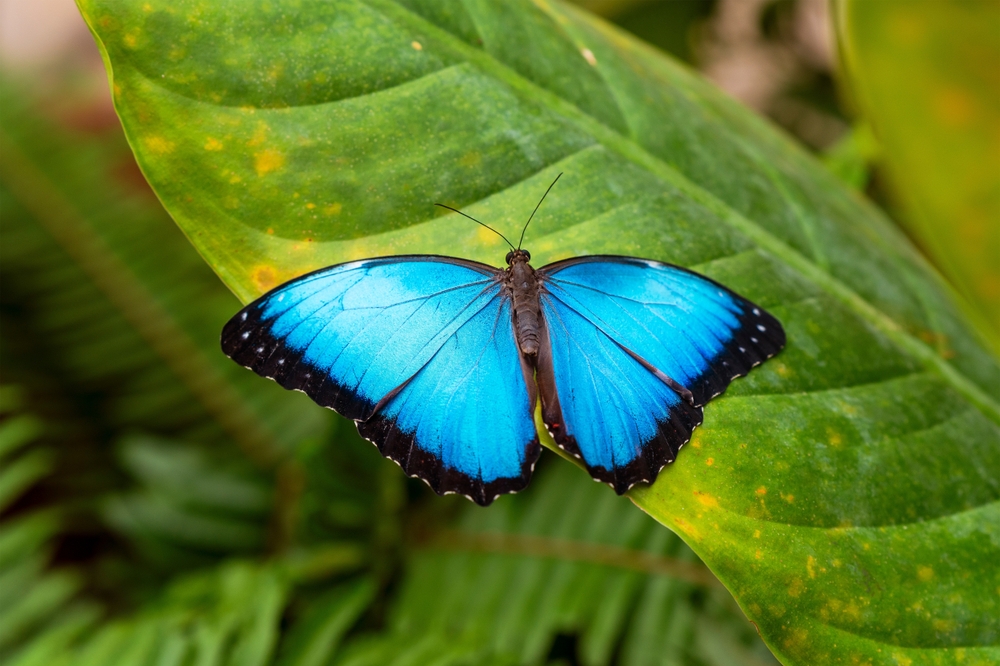
The Blue morpho butterfly catches attention with its bright blue wings that reflect light as it moves through the rainforest. Each wingbeat creates a flash of color that can be seen even from a distance. When the wings close, the underside shows a brown pattern with eye-like markings that help confuse predators. Seasonal shifts bring more movement, making it easier to spot along forest paths.
Manu National Park protects a vast stretch of rainforest where this butterfly continues to thrive. Its slow, floating flight allows observers to follow it through the trees for short distances. It feeds on fallen fruit as well as nectar, which adds to its unique behavior. Visitors often remember seeing it as one of the highlights of their trip. Its presence reflects the richness of the rainforest environment.
Orange Tip Butterfly in Richmond Park
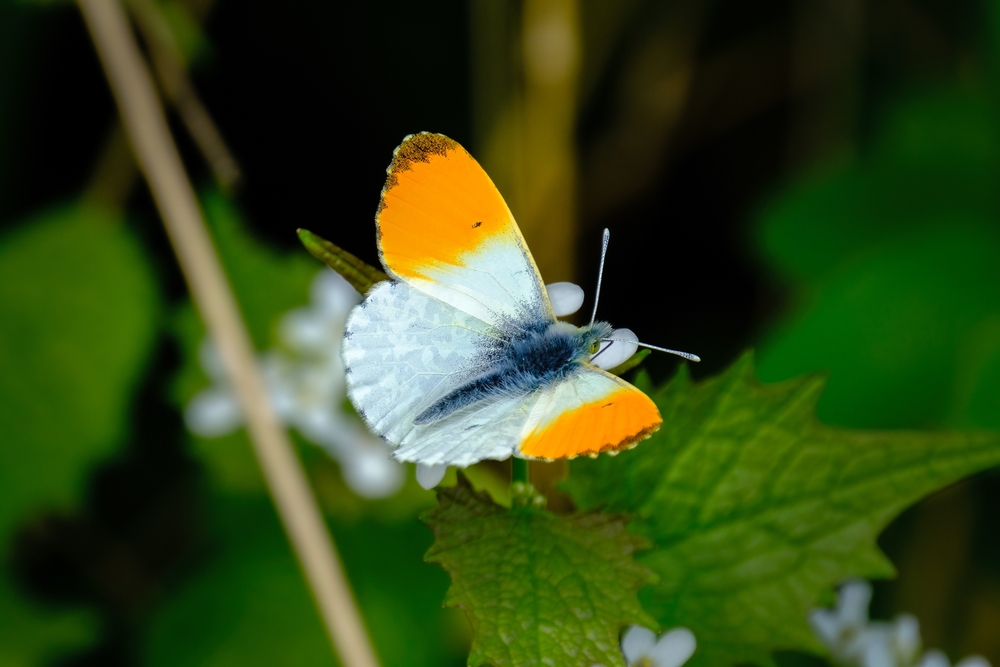
The Orange tip butterfly often appears early in spring, marking a visible shift in the season. Males display bright orange tips on their wings, while females remain more subtle in appearance. It prefers open meadows and woodland edges where wildflowers grow. Its flight is light and unpredictable, making it interesting to follow.
Richmond Park provides wide open spaces where the plants it depends on can grow naturally. The butterfly relies on species such as cuckooflower to complete its life cycle. Conservation efforts focus on maintaining these habitats without heavy intervention. Visitors often spot them during walks as the weather begins to warm. It is usually one of the first butterflies to catch the eye each year.
Scarlet Mormon Butterfly in Sinharaja Forest Reserve
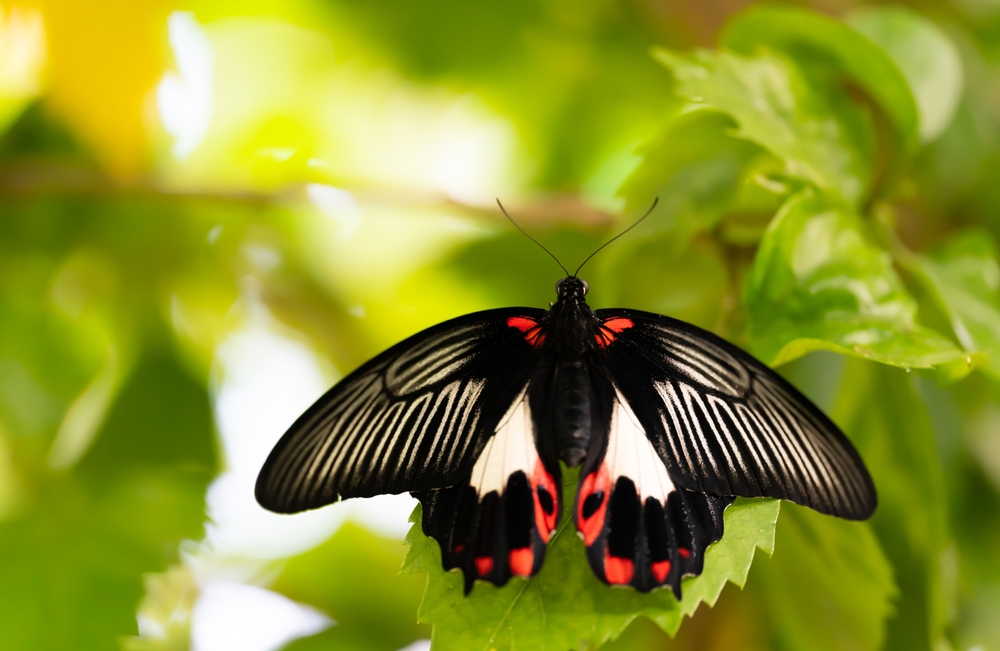
The Scarlet Mormon butterfly stands out with dark wings highlighted by vivid red markings that are easy to recognize. It moves quickly through tropical forests, often appearing near flowering plants. Warm seasonal conditions bring more activity as it feeds and reproduces. Its strong flight allows it to cover wide areas within the forest.
Sinharaja Forest Reserve protects one of the last major rainforest areas in Sri Lanka. The butterfly depends on citrus plants for its early stages of life. Conservation work helps preserve this environment and the many species that rely on it. Visitors often catch brief glimpses as it moves through shaded paths. Its striking appearance leaves a lasting impression.
Painted Lady Butterfly in Point Reyes National Seashore
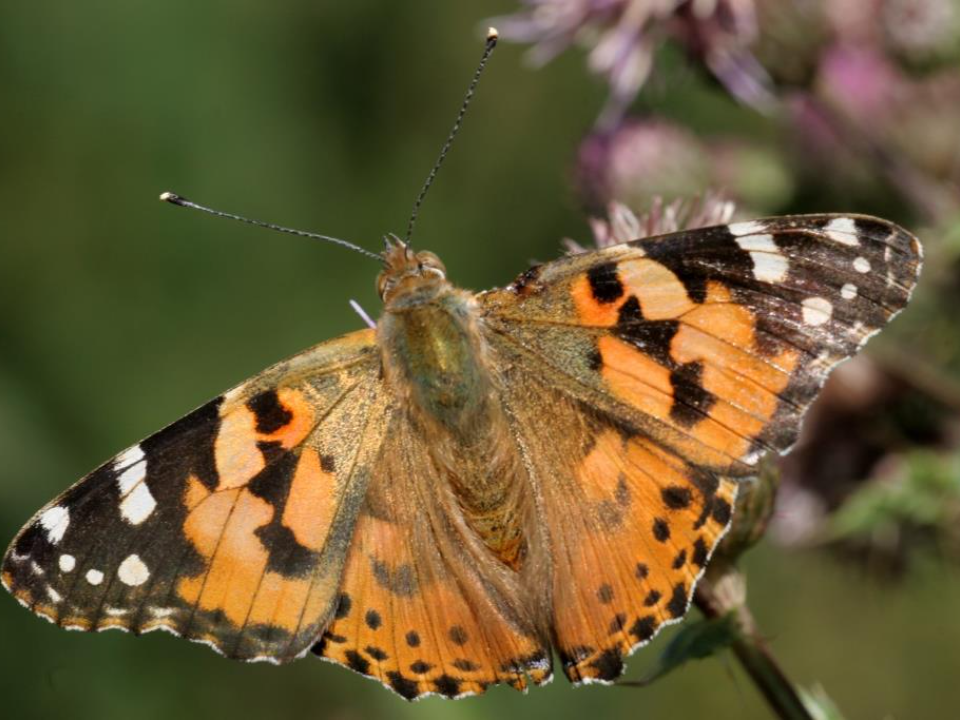
The Painted lady butterfly is known for long migrations that stretch across continents, making it one of the most widely traveled butterflies. Each spring, large groups arrive in both coastal and inland areas, creating a noticeable seasonal event. Their wings show a mix of orange, black, and white patterns that are easy to recognize. During peak movement, entire fields can appear filled with fluttering wings.
Point Reyes National Seashore provides open landscapes where wildflowers bloom in large numbers. These plants offer the food needed to support the butterflies during their journey. Scientists continue to study their migration patterns to understand how they travel such long distances. Visitors who arrive at the right time can witness large groups moving together. It remains one of the clearest signs that the season has changed.
This article originally appeared on Avocadu.