
13 Baby Animals Out in Spring and the Best Way to Watch From Afar
Warmer days often bring more wildlife activity, and spring is when many young animals first begin to show up. A quick walk outside can suddenly include the sight of a fawn in the grass, a nest of hatchlings, or a baby rabbit hiding nearby. Moments like these can feel special, yet they call for patience and distance rather than getting too close.
This post may contain affiliate links, which helps keep this content free. Please read our disclosure for more info.
Fawn
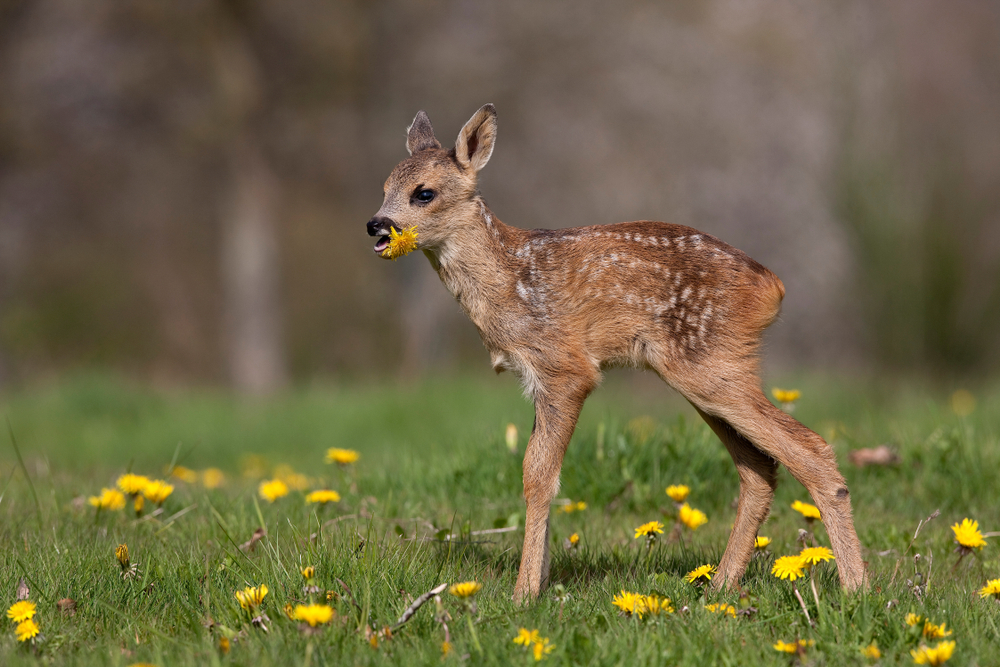
In many places, people first notice a fawn curled quietly in tall grass or near shrubs during spring. Young deer often stay still while the mother feeds nearby, so a fawn that looks alone is usually not abandoned. Its spotted coat helps it blend into the ground and stay hidden from danger. That is why a calm, quiet area matters so much in these early weeks.
If you spot one, back away right away and keep children and dogs far from the area. A good rule is to watch from a distance and never try to touch, feed, or move it. Mothers may wait until people leave before coming back. When a fawn stays in a safe place, giving it room is usually the best thing you can do.
Baby Rabbit

Tiny baby rabbits are often found in shallow nests lined with grass and fur in lawns, gardens, or flower beds. They may look exposed, though the nest is usually placed that way on purpose. Mother rabbits visit only a few times a day, often at dawn and dusk, to keep attention away from the nest. Because of that, people can mistake a normal nest for one that has been left behind.
The best response is to avoid mowing or digging near the nest if you can. Keep pets inside or on a leash and try not to stand over the area for long. If you need to check on the nest, do it from a short distance and only once in a while. Less noise and less traffic can help the young rabbits stay safe until they leave.
Duckling
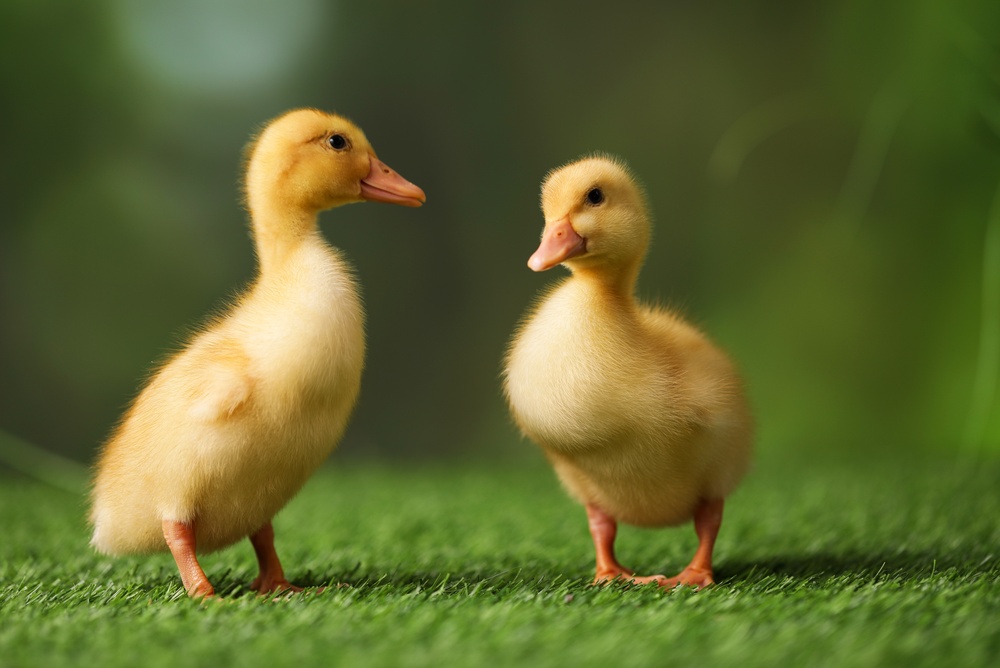
Along ponds, creeks, and parks, ducklings are one of the easiest spring baby animals to spot. They usually travel in a tight group behind the mother as she leads them to food and cover. Even when they look playful, they are still very vulnerable to people, pets, and sudden noise. Busy shorelines can be especially stressful for them.
When you see ducklings, give them a wide path and let the family move where it wants to go. Do not crowd the water’s edge for a photo, and do not let dogs rush toward them. Feeding bread is also a bad idea because it draws birds too close to people and does not give them what they need. A quiet approach lets them keep moving without panic.
Gosling
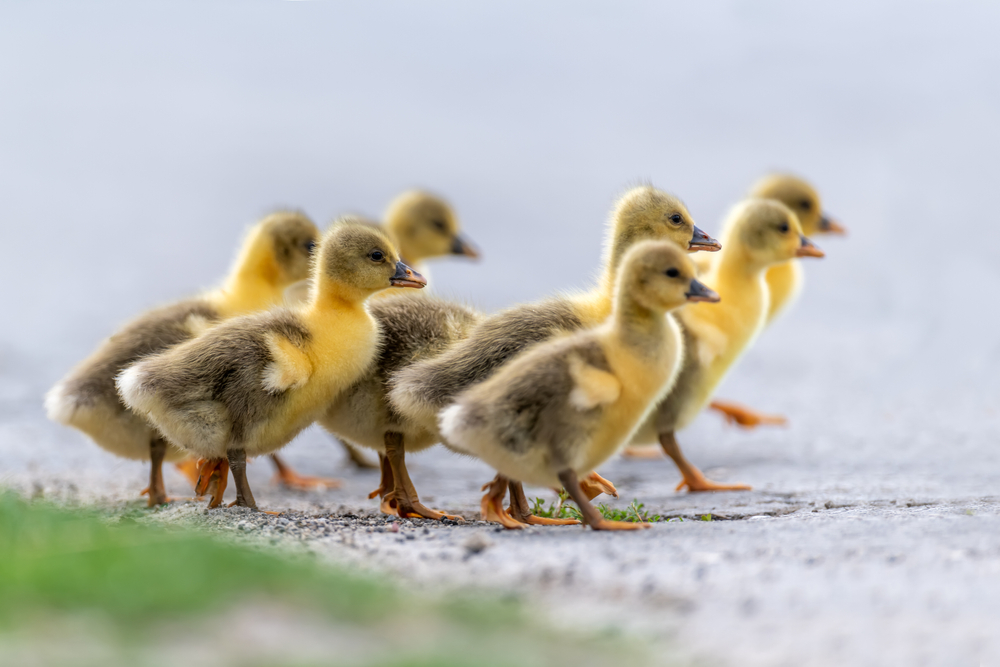
Goslings often appear in spring near lakes, grassy banks, and neighborhood ponds. They stay close to their parents, who are known for being very protective. A goose family may cross paths, sidewalks, or parking lots while looking for food or water. That can lead to tense moments when people get too near.
Instead of trying to pass through the middle of the group, stop and give them time to move on their own. Walk around them with plenty of room if another path is available. Keep dogs back, since adult geese may react quickly if they feel the young are threatened. Space and patience usually prevent most problems.
Fox Kit
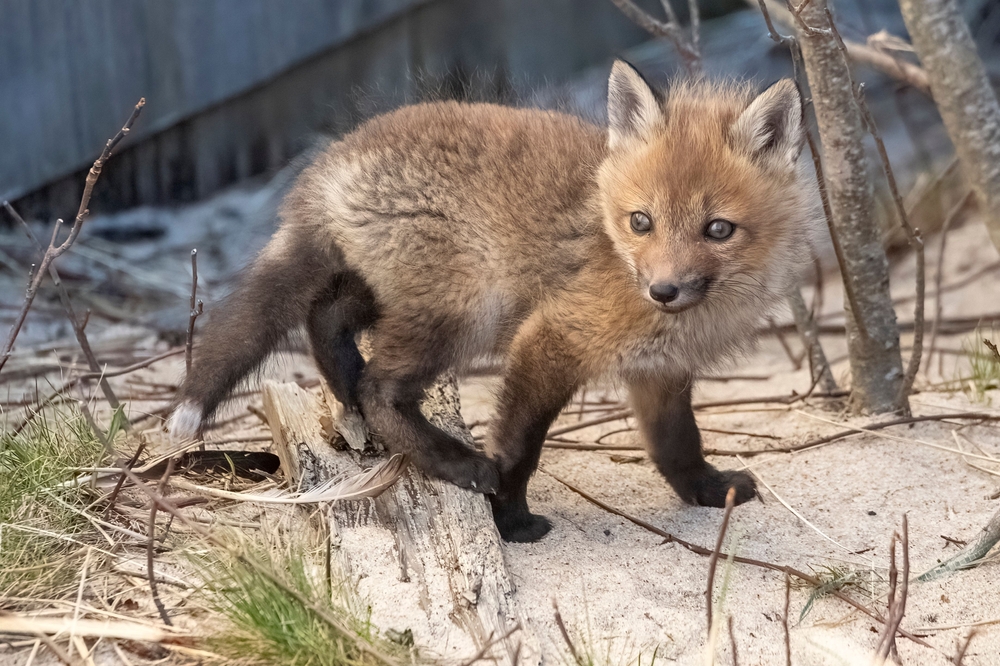
At the edge of woods or even near quiet neighborhoods, a fox kit may appear outside a den in spring. Young foxes are curious and may tumble around while adults hunt nearby. Seeing one in daylight does not always mean something is wrong. It often means the den is active and the family is going about its normal routine.
The safest choice is to leave the area and avoid returning too often to watch. Do not leave pet food outside, as this can attract foxes closer to homes. If you know a den is nearby, keep cats indoors and small dogs supervised. A little distance helps the kits grow without getting used to people.
Raccoon Kit
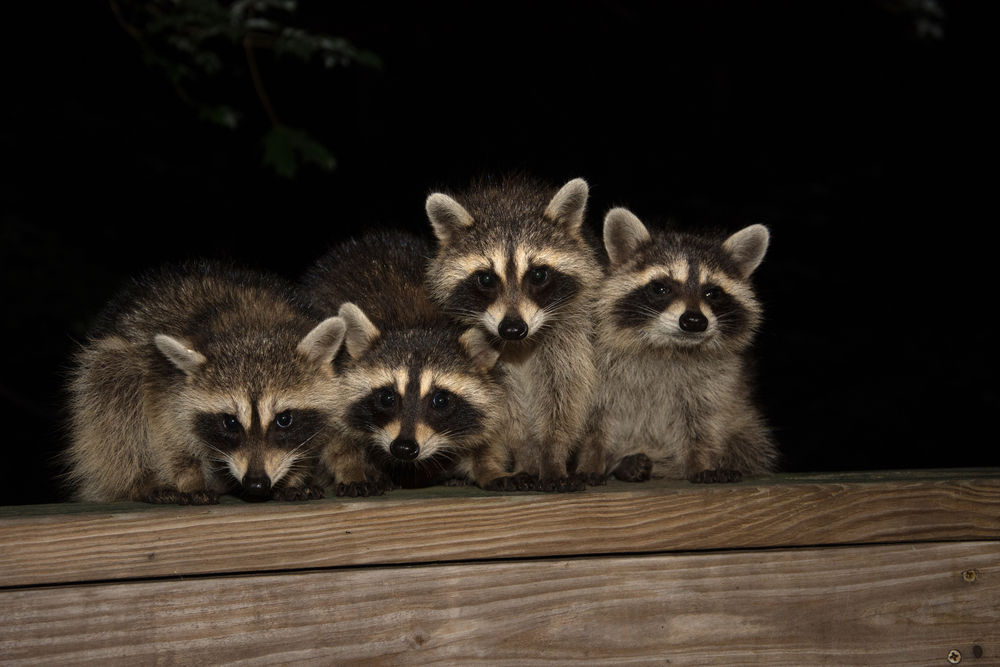
Spring can bring sightings of raccoon kits peeking from tree hollows, attics, or sheltered corners. These young animals may seem cute and clumsy, though the mother is often close by and highly aware of what is going on. Raccoons do well near people, which can lead to close contact if food or shelter is easy to find. That is when trouble usually starts.
If you spot raccoon kits, do not corner them or try to scare them out by hand. Give the mother time to move them, especially if they are in a place near your home. Keep trash sealed and pet food indoors so the family has less reason to stay. Calling a local animal professional is better than trying to handle the situation yourself.
Squirrel Pup
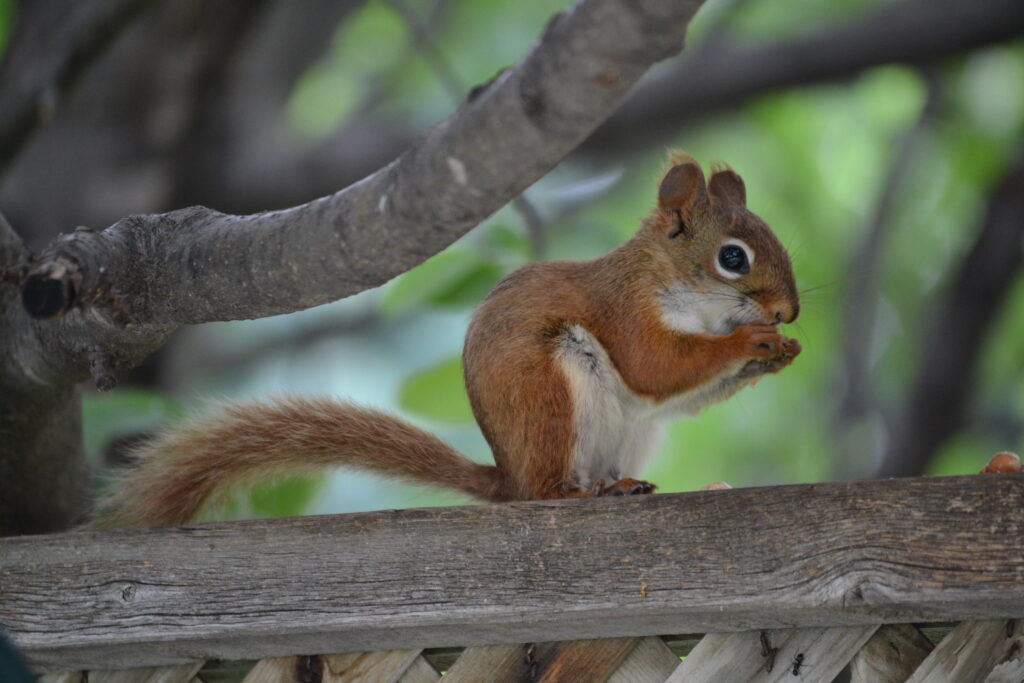
High in trees or near rooflines, squirrel pups begin showing up more often in spring. Sometimes a young squirrel may even be seen on the ground while learning to climb or after windy weather. Even then, the mother may still be watching and planning to retrieve it. Young squirrels need time and quiet more than people realize.
A fallen squirrel should not be handled unless there is immediate danger, such as a road or a nearby cat. Keep pets away and give the mother space to return. Loud voices and close attention can stop her from coming down. Watching from indoors is often the least stressful choice.
Owl Owlet
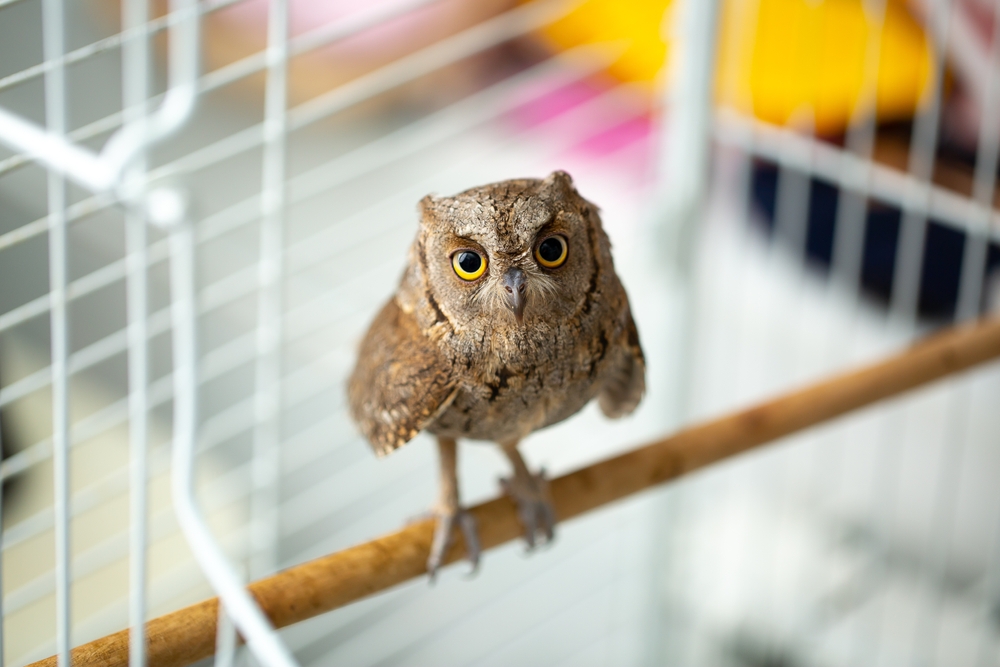
In wooded areas and sometimes large yards, young owls may leave the nest before they are ready for strong flight. They can be seen perched low, clinging to trunks, or sitting on the ground while still calling to their parents. This stage can look alarming to people who expect baby birds to stay hidden. Still, the adults are usually close and still caring for them.
If you find one, do not gather a crowd around it or shine bright lights for a better look. Move away, lower the noise, and keep pets indoors until it has moved on. An owlet that is left alone has a better chance of rejoining its normal routine. Quiet space matters more than close attention.
Seal Pup
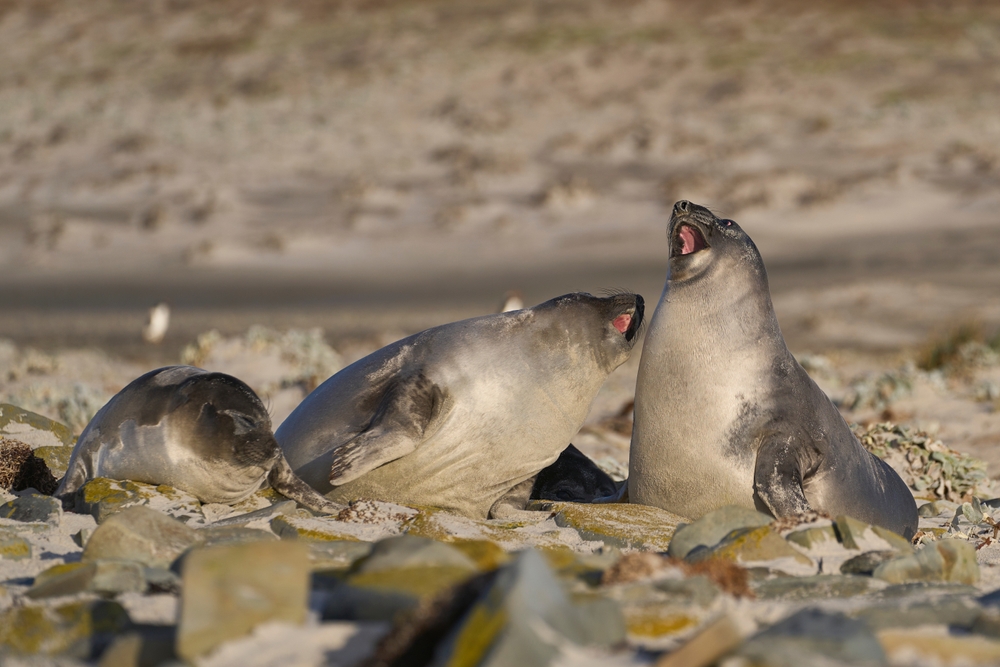
On some coasts, spring is the season when people begin spotting seal pups resting on beaches. A pup lying alone on the sand may look helpless, though the mother may be feeding offshore and returning later. Human attention can interrupt that pattern and place extra stress on both animals. Beachgoers sometimes get too close without realizing the risk.
The right move is to stay well back and keep others back, too. Dogs should be nowhere near the pup, even on a leash if the space is tight. Do not try to push it toward the water, since resting on shore may be exactly what it needs. If the pup seems hurt or is in a crowded area, contact a local marine animal group rather than stepping in yourself.
Sea Turtle Hatchling
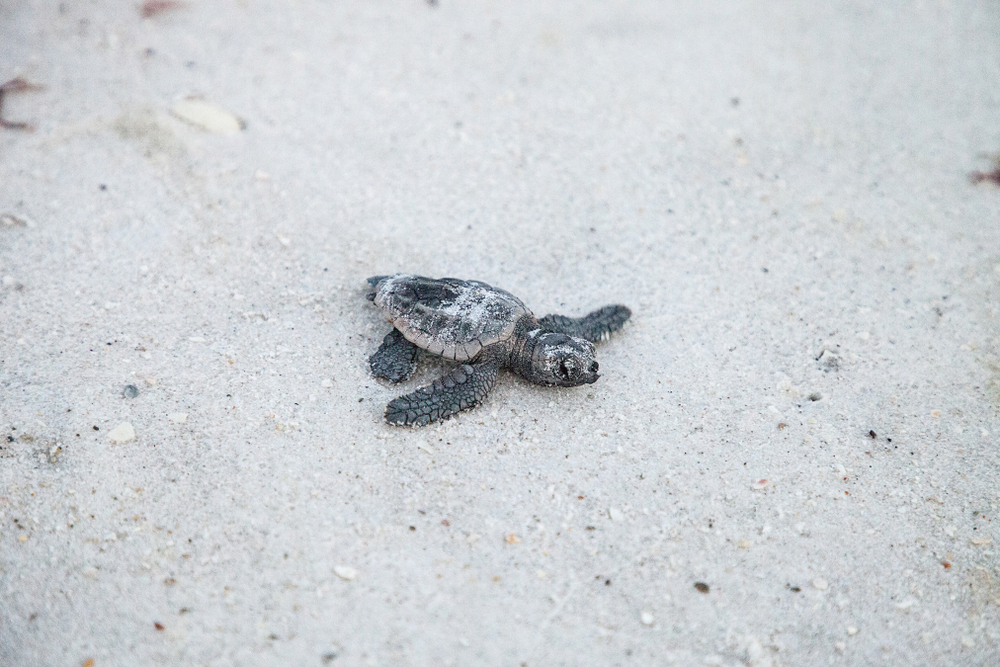
Along some shorelines, sea turtle hatchlings begin their trip from nest to ocean during the warmer part of spring and into summer. These tiny animals rely on darkness and natural light over the water to guide them. Bright lights, loud groups, and close handling can throw them off course. Even a short delay can leave them open to danger.
If you happen to see hatchlings, stand far back and stay out of their path. Turn off flashlights, avoid phone flash, and keep voices low. Never pick one up for a better look or photo. A dark, clear route gives them the best shot at reaching the water.
Bear Cub
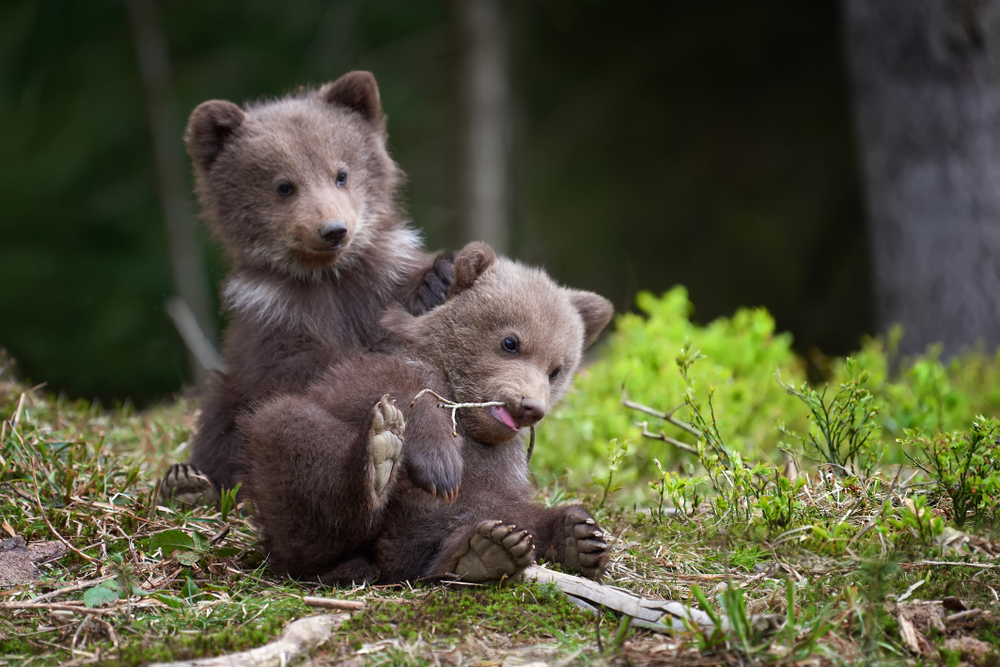
In some regions, spring brings more sightings of bear cubs as mothers move with them in search of food. Cubs may climb, play, or trail behind in a way that draws quick attention from people. Still, a mother bear nearby means the situation can become dangerous fast if anyone gets too close. Distance matters even more here than with smaller animals.
Should you spot bear cubs, do not approach for a picture, and do not stay in the area longer than needed. Back away slowly, make room, and leave the path if that helps create space. Food should never be left out, since that can pull bears closer to homes and campsites. Calm actions and plenty of room are the safest response.
Coyote Pup
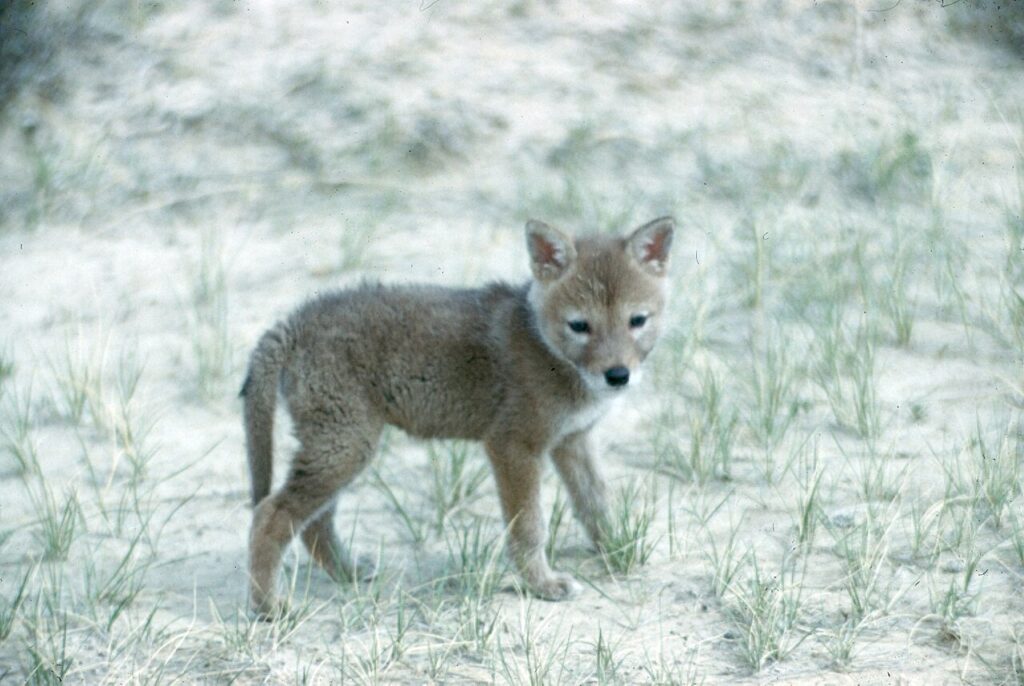
Near open fields, brush, and even suburban edges, coyote pups may begin appearing outside den sites in spring. They are often seen for short periods while adults watch from farther off. A pup may look playful and harmless, though the den area is a sensitive place for the family. Repeated visits by people can put pressure on them.
If you know pups are nearby, avoid the den zone and choose another route for walks if possible. Keep dogs close and never let them rush toward brushy areas where pups may be hidden. Food scraps should also be cleaned up so coyotes do not link yards with easy meals. A little distance can stop a simple sighting from turning into a problem.
Bobcat Kitten
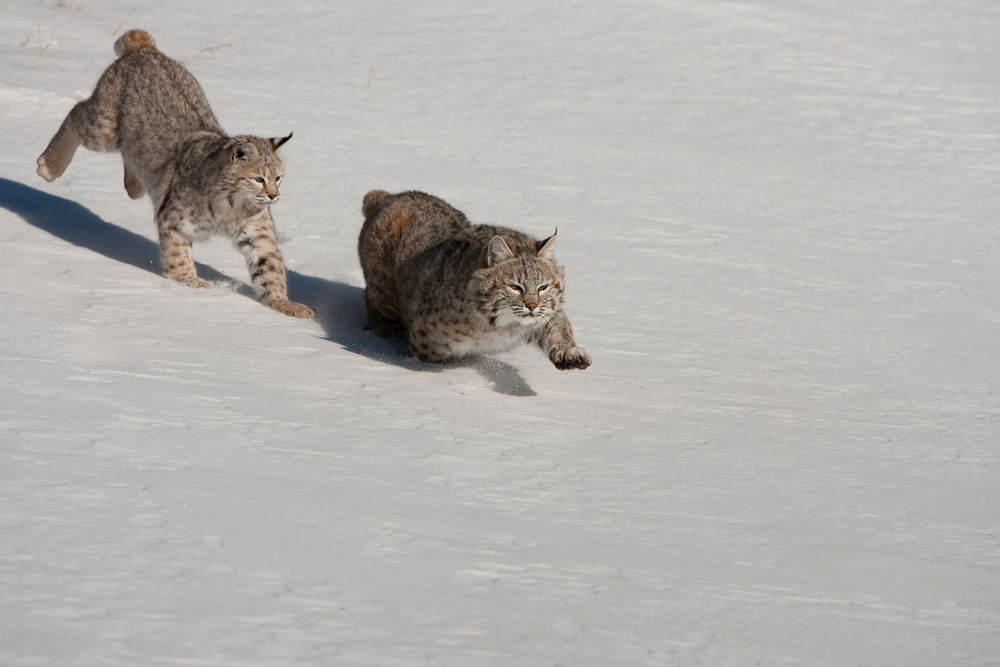
In quieter parts of forests, desert edges, or rural land, bobcat kittens may be tucked into rock crevices, brush piles, or hollow spaces in spring. They are rarely seen for long, which makes any sighting feel unusual. The mother may be out hunting and can return once the area is calm again. That makes human presence more of a problem than many people think.
The best thing to do is leave right away and avoid drawing attention to the spot. Do not bring others over to look, and do not let pets sniff around the area. If a kitten is in a risky place near traffic, call a local animal agency instead of trying to move it yourself. Quiet distance gives the family a better chance to stay safe.
This article originally appeared on Avocadu.