
14 Rare Pollinators That Matter in Spring and the Flowers They Need
Across spring landscapes, some of the most valuable pollinators are the ones that rarely get much attention. They visit certain flowers at just the right time, helping native plants continue their yearly cycle. With that in mind, it is worth looking at the species that need a little more awareness and the blooms that help sustain them. Read on for a closer look at the pollinators and flowers that make spring such an important season.
This post may contain affiliate links, which helps keep this content free. Please read our disclosure for more info.
Rusty Patched Bumble Bee
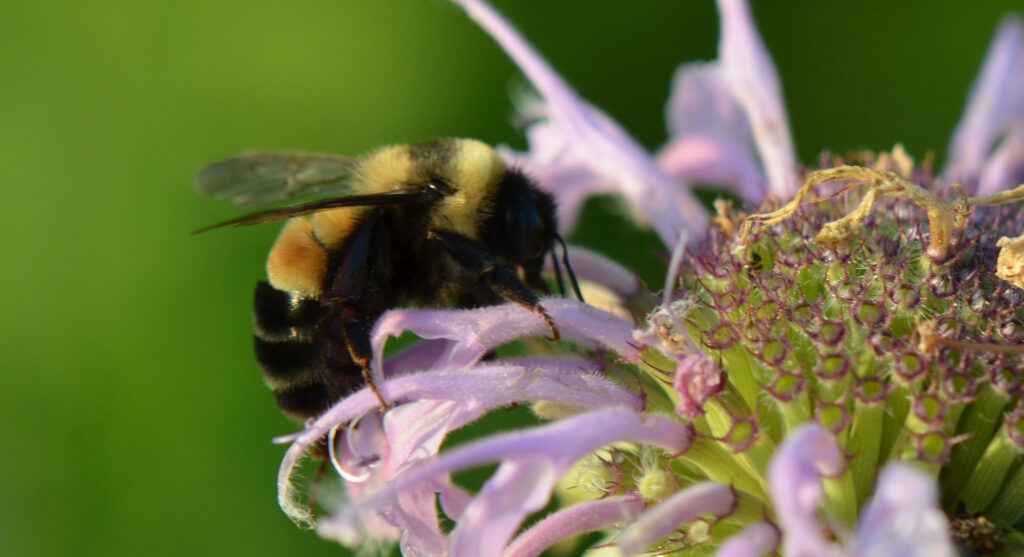
Few bees show spring stress as clearly as the rusty patched bumble bee, because queens come out early and need food right away. This species has lost much of its range and is now endangered in the United States. Early blooming flowers matter a great deal, especially woodland spring blooms and even simple lawn flowers like dandelions when little else is open. Wild geranium, red columbine, and other native spring flowers can help fill that gap.
When spring food is thin, a queen may struggle to start a colony at all. That is one reason this bee is often linked with mixed woods, wetlands, and nearby nesting spots such as old rodent burrows. Through the season, it needs a steady run of pollen and nectar rather than one short burst of bloom. Spring flowers are only the first step in keeping this bee active.
Franklin’s Bumble Bee
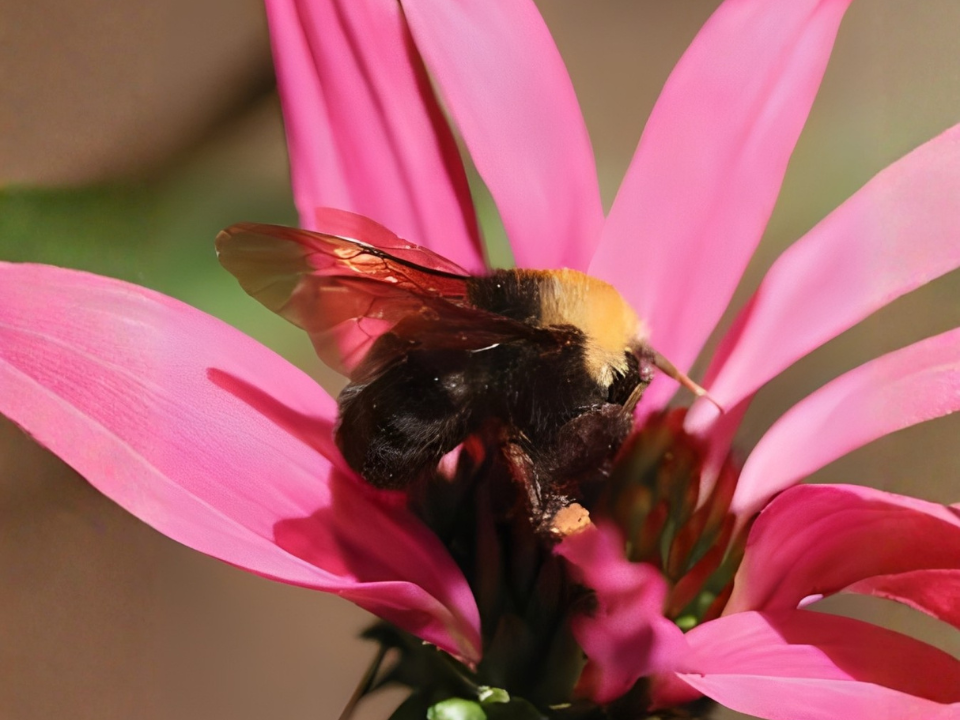
In the world of bumble bees, Franklin’s bumble bee stands out for how tiny its known range has been. It is one of the rarest bumble bees in North America and has not been seen in years despite repeated searches. Records show it has used lupine and California poppy for pollen. It has also visited nettle leaf, giant hyssop, and mountain monardella.
Spring matters because queens have to build new colonies on their own before workers appear. If early flowers are missing, that first part of the season can break the whole cycle. This bee was tied to meadows and seeps in southern Oregon and northern California, so flower loss in those places has hit hard. Its story is a reminder that even a well-known bee can nearly vanish when bloom timing and habitat no longer line up.
Yellow Banded Bumble Bee
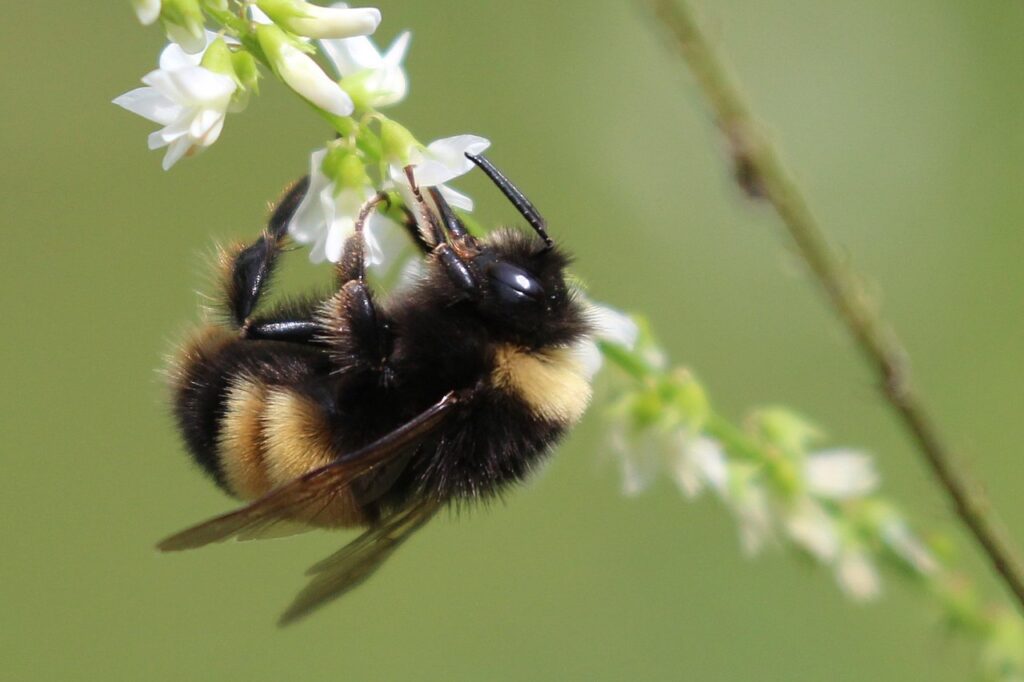
Another bee worth watching in spring is the yellow-banded bumblebee. It is now far less common than it once was and has gone through major declines in many places. Unlike long-tongued bumble bees, this one does best on short, shallow flowers that make pollen and nectar easier to reach. It also needs flowers from spring into autumn, not just in summer.
Because queens wake early, spring woodland blooms near nest areas can be especially helpful. This species is often linked with mixed woods, wetlands, and nearby flowering patches. A yard full of deep flowers alone would not suit it very well. What helps most is a long season of simple, open blooms close to safe nesting ground.
Karner Blue Butterfly
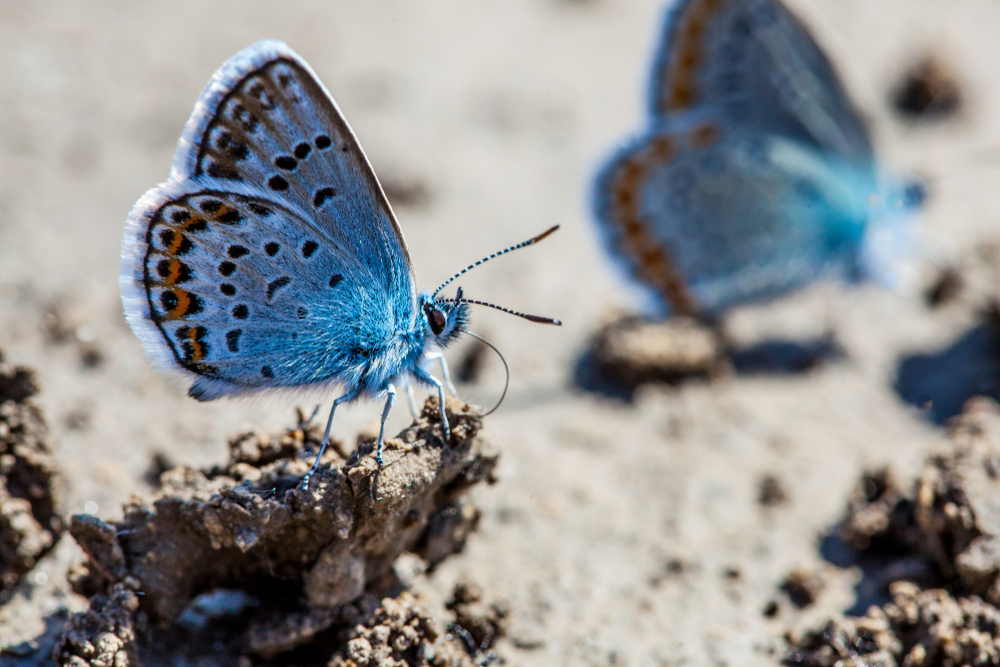
Small and bright, the Karner blue butterfly depends on one flower in a way that leaves little room for error. Its caterpillars can feed only on wild blue lupine, which is why the butterfly disappears where lupine disappears. The first caterpillars hatch in spring, then feed on lupine leaves before adults appear in late spring. That close tie is a major reason the species became endangered.
Adult butterflies drink nectar from several flowers, though wild blue lupine still sits at the center of the story because it supports the next generation. Conservation work often focuses on keeping patches of lupine and nectar plants connected rather than scattered apart. That matters because the butterfly is not good at moving long distances without those plant stepping stones. In spring, a healthy lupine patch can mean the difference between a live colony and an empty site.
Mission Blue Butterfly
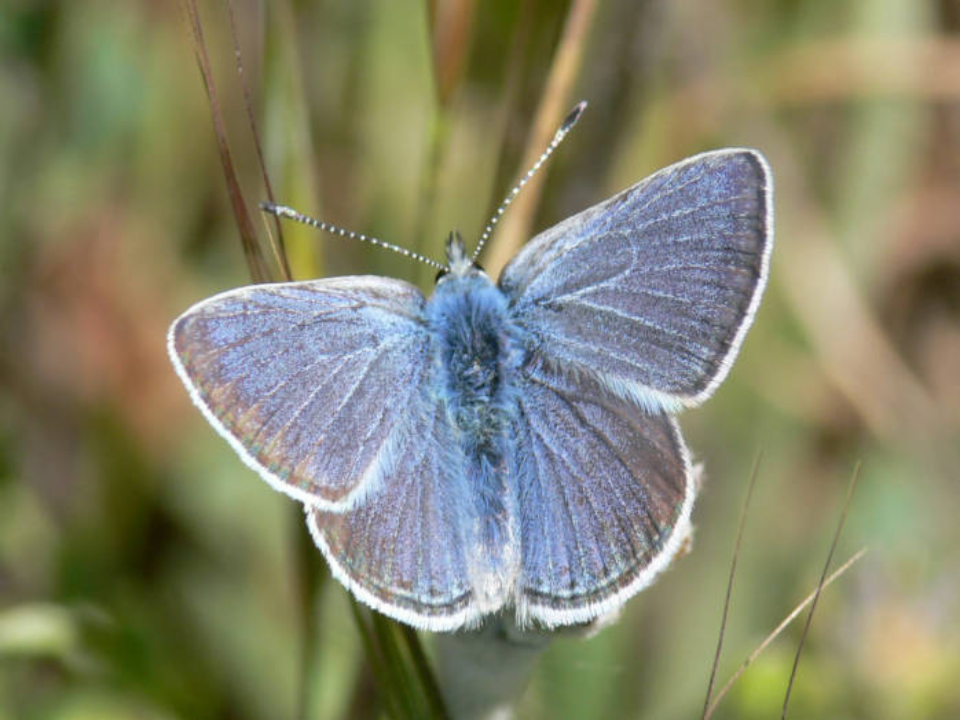
High on the list of rare spring butterflies is the mission blue, a species tied to only a few grassland sites in California. Its life cycle depends on lupines, especially silver lupine, summer lupine, and many-colored lupine. Adults fly from March into early summer, which puts them right in the spring window. Without those host plants, the butterfly cannot persist.
What makes this butterfly especially vulnerable is that its host lupines need the right open grassland conditions to grow well. Disturbance patterns, slope, and habitat quality all shape whether lupine patches hold on. Spring is when the adults are most visible, yet the real work starts earlier with the plants under them. Protecting the flowers means protecting the butterfly as well.
Bay Checkerspot Butterfly
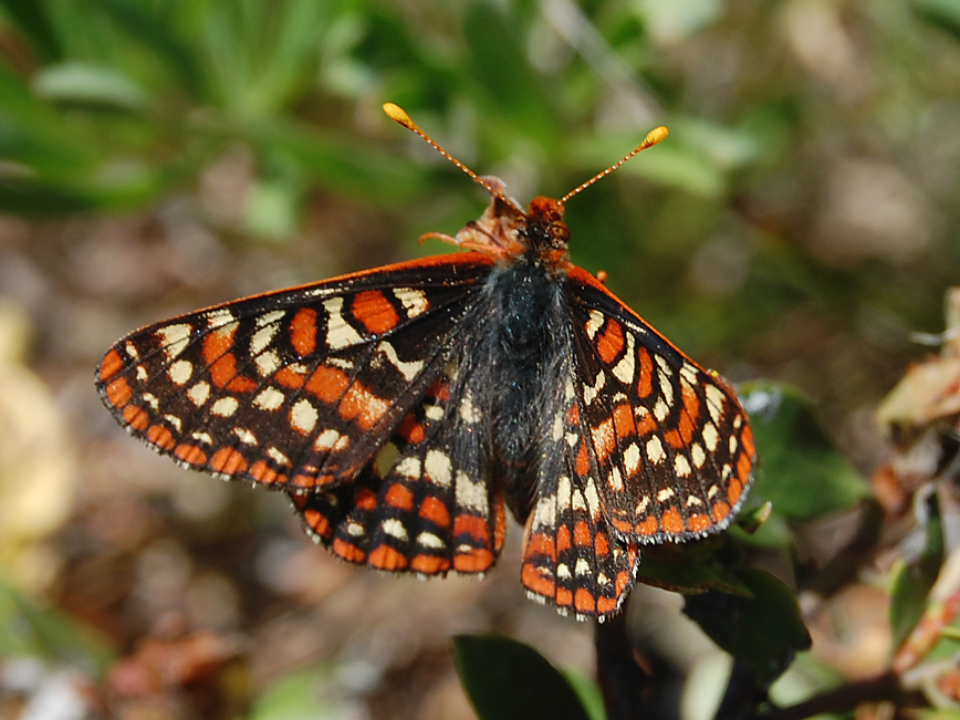
Some spring pollinators rely on more than one flower, and the bay checkerspot is a strong example. Its main larval host is dwarf plantain, yet many populations also need purple owl’s clover or exserted paintbrush because those plants stay edible longer. This butterfly is endangered and tied to a small part of California. Spring rain and spring bloom can strongly shape whether caterpillars make it through the season.
Once adults emerge, they move pollen as they feed on flowers across their grassland habitat. Still, the early host plants carry most of the weight because caterpillars cannot grow without them. That makes flower timing just as important as flower presence. A site can look green in spring and still fail this butterfly if the right plants are missing at the right moment.
Callippe Silverspot Butterfly
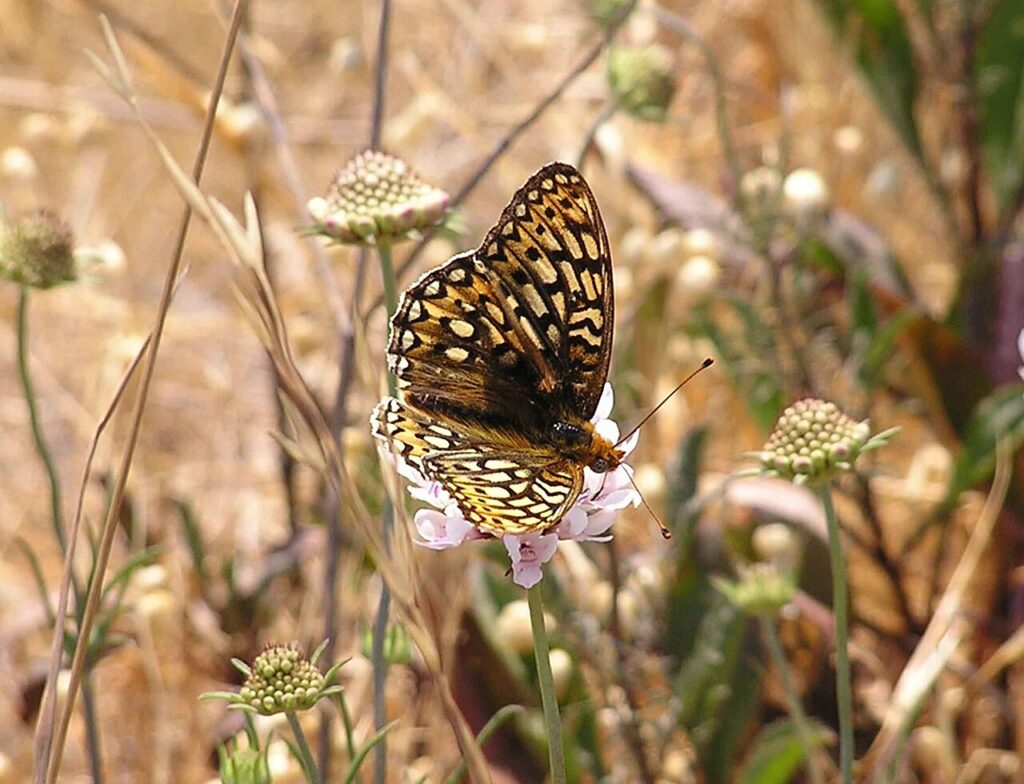
On San Bruno Mountain and a few nearby places, the callippe silverspot lives a very narrow life. Its sole larval host plant is California golden violet, a bright spring flower that has become just as important to save as the butterfly itself. Only a handful of populations remain. That level of restriction is a large part of what makes this pollinator so rare.
Adults visit nectar flowers during their flight season, though the violet remains the plant that keeps the species going from one year to the next. Habitat work often starts with growing or protecting the violet before anything else. Spring is when that flower link is easiest to understand because the plant and butterfly story meet so closely. Lose the violet, and the butterfly has nowhere to begin again.
Myrtle’s Silverspot Butterfly
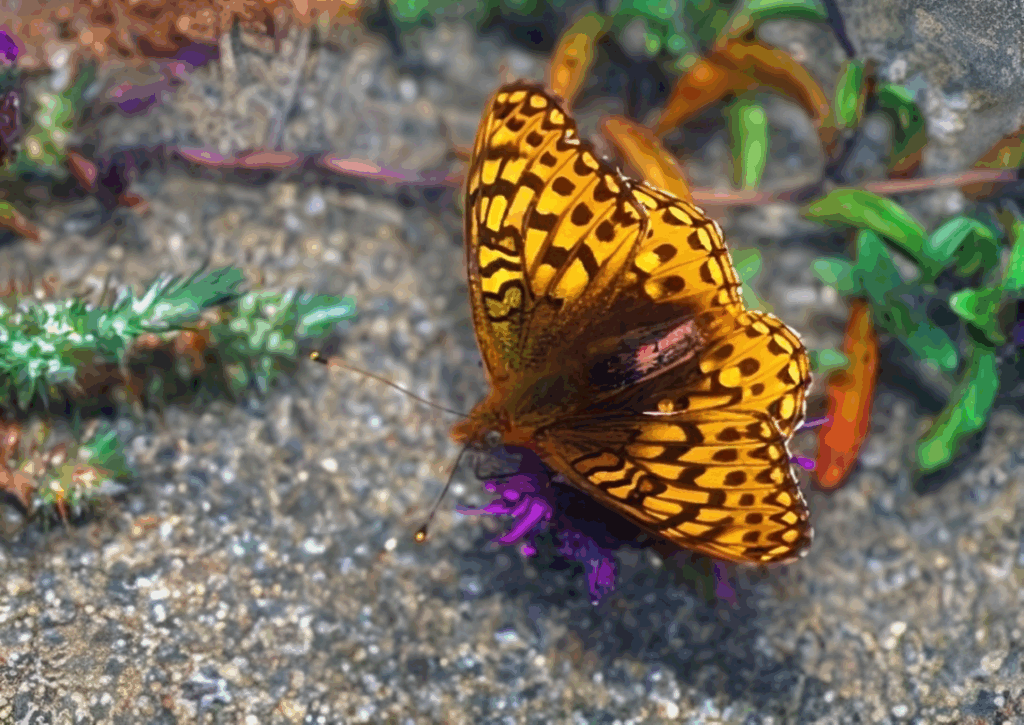
Along a small stretch of the Oregon coast, Myrtle’s silverspot survives in a far tighter range than most people realize. Its only known larval food plant is western dog violet. Adult butterflies use a wider set of nectar flowers, including gumplant, western pennyroyal, yellow sand verbena, seaside daisy, and mule ears. Even so, the violet is the plant that anchors the whole life cycle.
Coastal grasslands can look open and healthy while still failing this species if dog violet is scarce. That is why conservation for this butterfly is really conservation for a flower community, not just one insect. Spring growth helps set up the habitat that summer adults later depend on. The butterfly may be the star, yet the violet quietly carries the plot.
Island Marble Butterfly
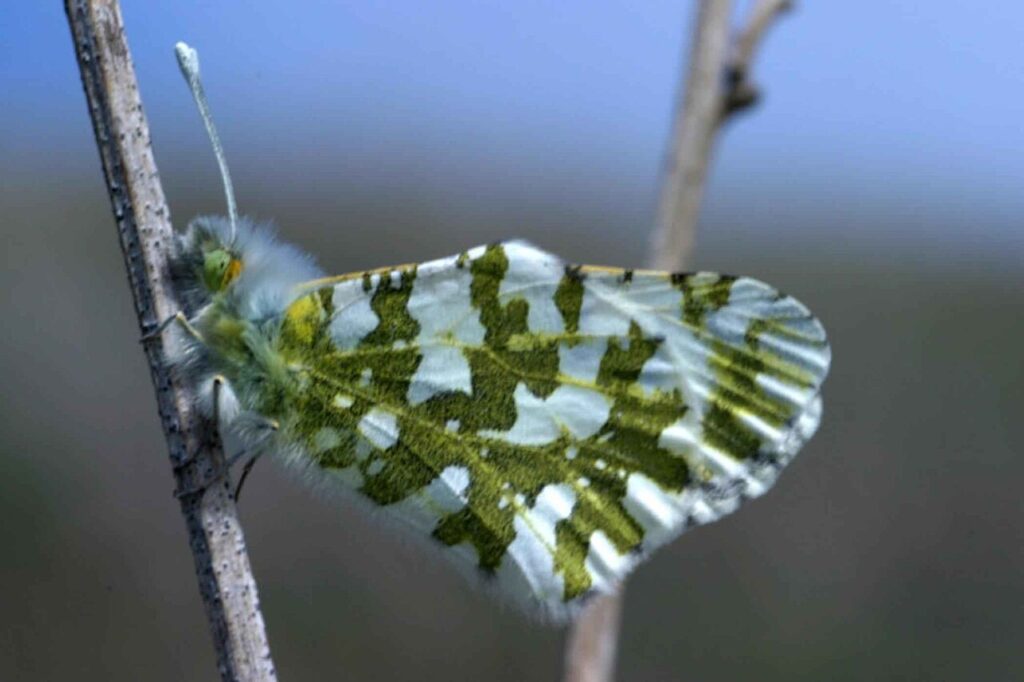
Lost for decades and then found again, the island marble is one of the better comeback stories among rare pollinators. It now survives in a very limited part of Washington state. Females commonly lay eggs on field mustard and tumble mustard, while Virginia pepperweed is the only native plant they are known to use successfully for egg laying. That mix of rarity and plant dependence makes the species unusually delicate.
Spring is the season when this butterfly is easiest to picture because adults fly early and tie their breeding cycle to fresh growth on host plants. The species has adapted to some nonnative mustards, though that does not remove its risk. Low survival from egg to adult means each good patch counts. When the right flowers are present, even a small habitat can suddenly become important.
Poweshiek Skipperling
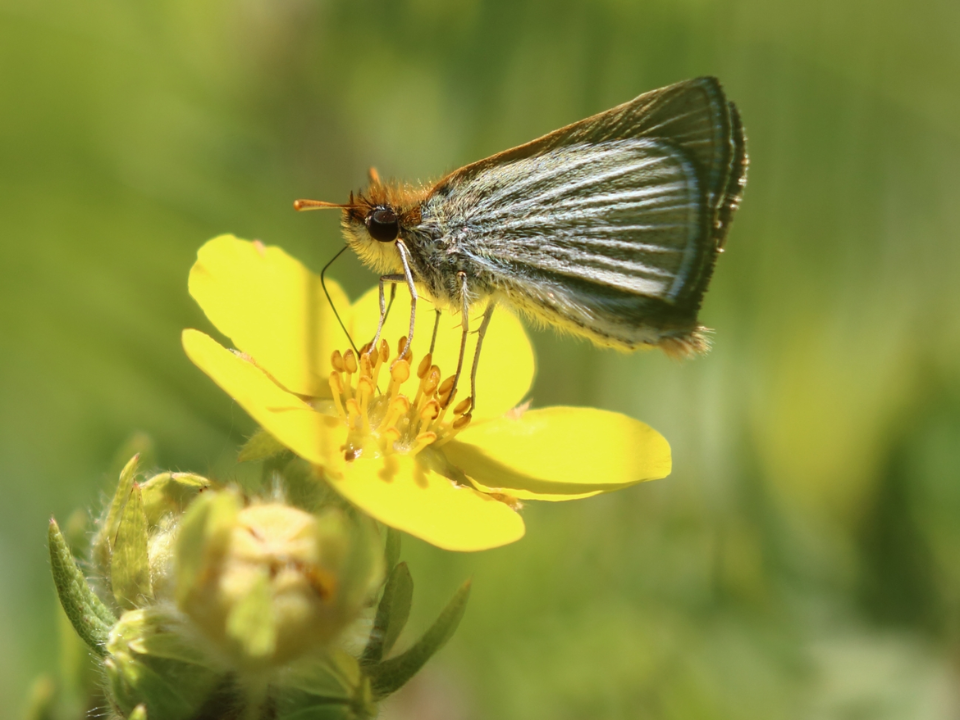
Prairie pollinators do not come much rarer than the Poweshiek skipperling. Once found across a wider stretch of prairie, it has disappeared from most of its former range and now survives in only a few places. Adults depend on good nectar sources, with black-eyed Susan, pale spike lobelia, sticky toadflax, and shrubby cinquefoil among the flowers often linked with it. That nectar supply is a big part of adult survival during its short flight period.
The caterpillar side of the story matters too, because host grasses in prairie and fen habitats are tied to successful breeding. Recovery work has looked closely at grasses such as mat muhly as scientists try to pin down larval needs more clearly. Spring is when the habitat starts building toward that brief adult season. By the time the skipper flies, the condition of the whole plant community has already set the stage.
Frosted Elfin
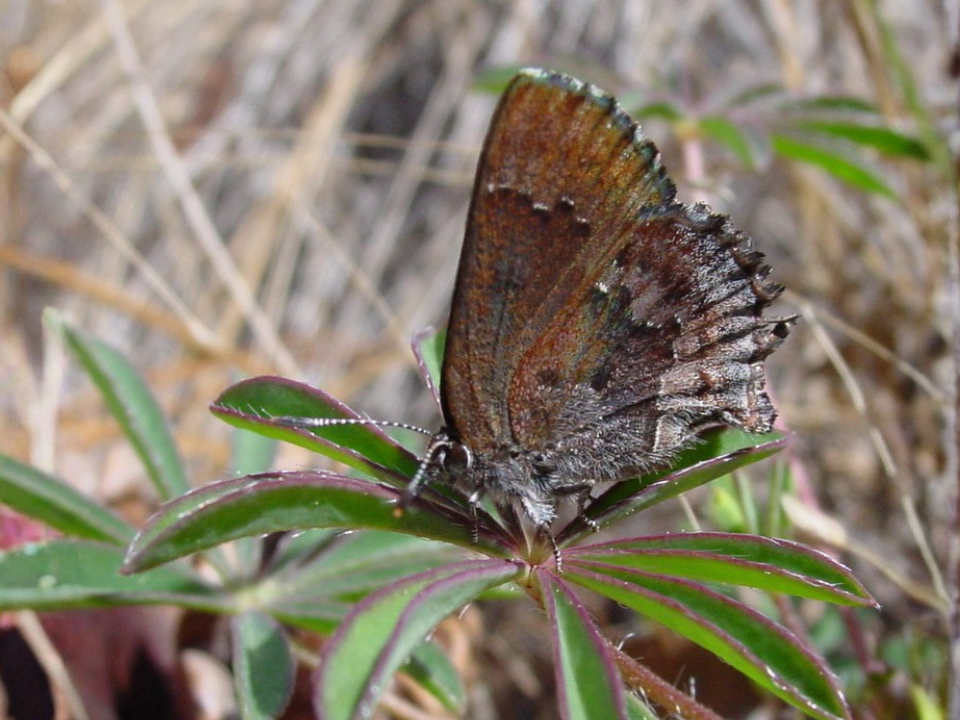
A frosted elfin may be easy to miss, yet its spring timing is one of its clearest traits. Adults emerge in spring, lay eggs, and the larvae then rely on wild lupine or wild indigo. In many places, yellow wild indigo is especially important. The butterfly does not occur where those host plants are absent.
Pine barrens and other dry, open habitats can support this butterfly, though only when host plants and nectar sources occur together. Adults need diverse nectar flowers near abundant host plants. That means the butterfly depends on two parts of the flower picture at once. Spring bloom is where the season begins, yet the host plant quality decides whether it can continue.
Fender’s Blue Butterfly
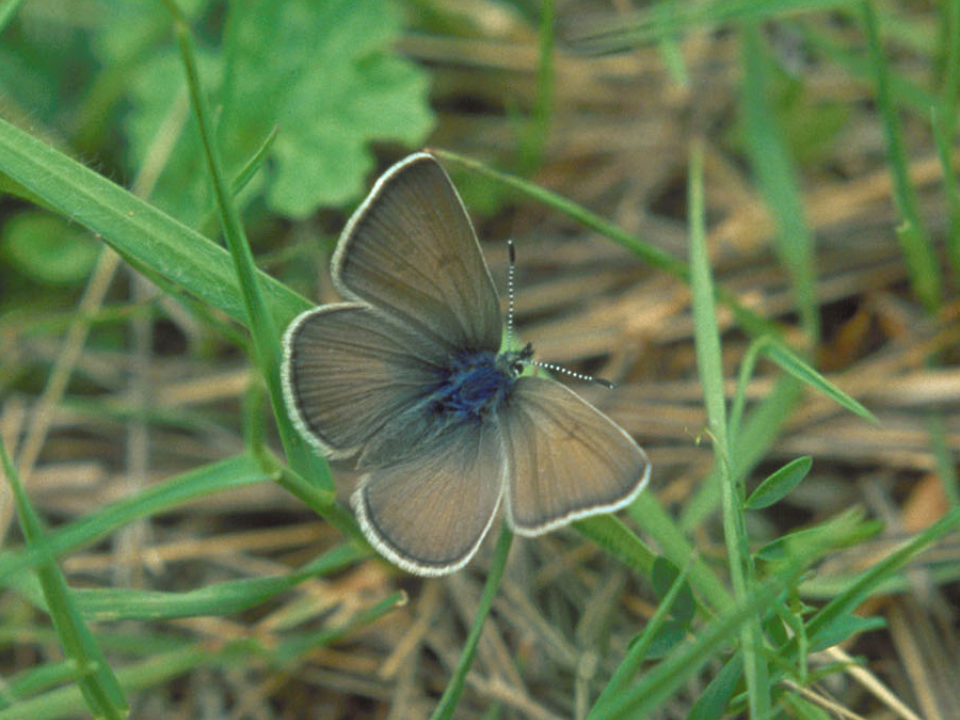
For many years, Fender’s blue was thought to be gone. Its return became one of the best-known butterfly recovery stories in Oregon, though it is still a rare species with a limited range in the Willamette Valley. The butterfly depends on lupines throughout its life cycle, especially Kincaid’s lupine. That flower remains the plant most closely tied to the species.
What makes spring so important here is timing. Adults fly when lupines are active, and the breeding habitat has to hold both host plants and nearby nectar sources. Even after legal protections improved its outlook, the butterfly still depends on careful prairie management. A patch of flowering lupine is not just pretty in spring, it is the backbone of the whole season for this species.
El Segundo Blue Butterfly
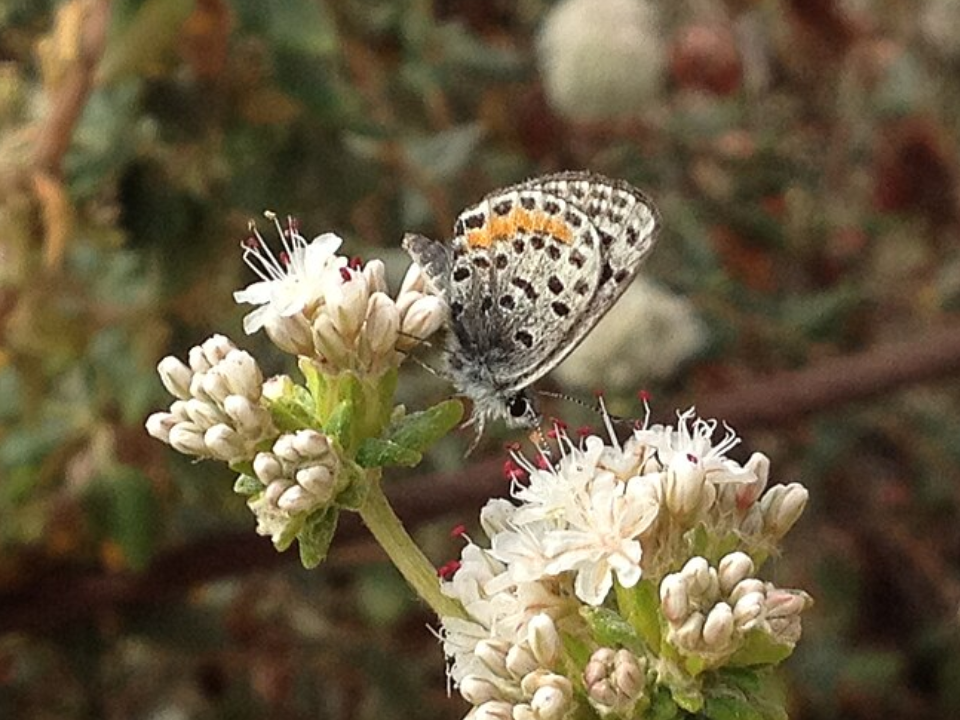
Tiny butterflies can carry a lot of ecological weight, and the El Segundo blue proves it. This endangered coastal species depends on seacliff buckwheat for both nectar and egg laying. Caterpillars then feed on the leaves of that same plant. When one flower does almost everything, habitat loss hits especially hard.
Coastal dunes may seem simple from a distance, yet they need the right native plants in the right places for this butterfly to hold on. Because adults drink nectar from seacliff buckwheat as well, flowering condition matters across more than one life stage. Spring growth helps set up the later breeding season by keeping host patches healthy. In that sense, this butterfly and its flower move almost as one.
San Bruno Elfin Butterfly
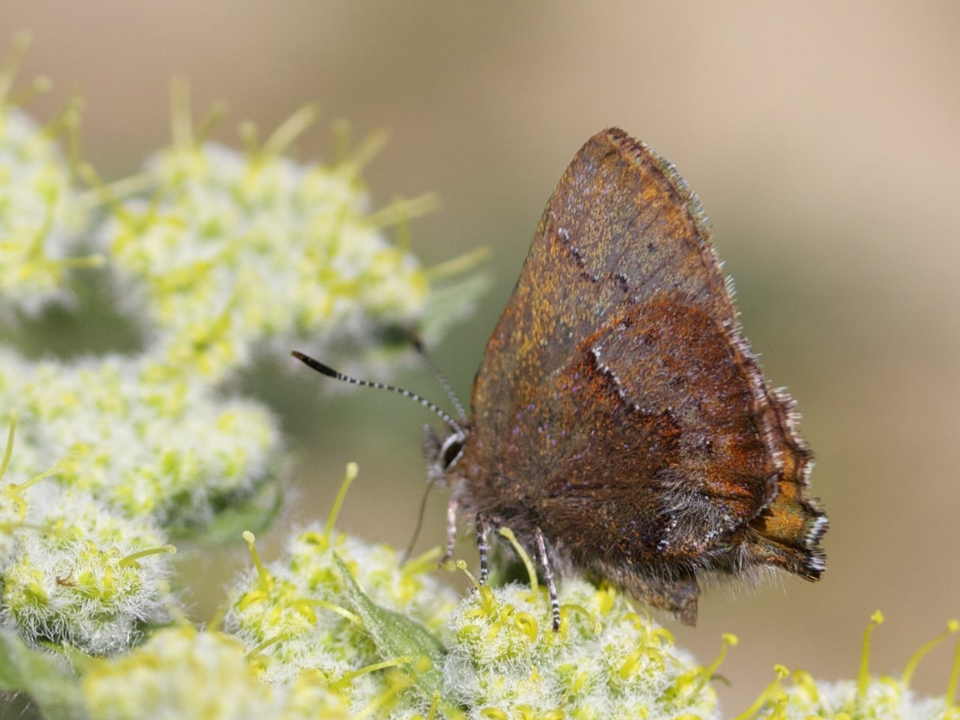
Among California spring butterflies, the San Bruno elfin has one of the clearest flower pairings. Its larval host plant is broadleaf stonecrop, while adults strongly favor common lomatium for nectar. They may also drink from other early coastal flowers, especially hog fennel. That preference for early bloom makes spring a central part of its life.
This butterfly is rare because it occupies a very small range and depends on a fairly narrow set of habitat conditions. When early flowers fail to bloom well, adults lose valuable feeding chances. At the same time, the stonecrop host plant must remain in place for caterpillars. It is a small species with a very tight seasonal pattern.
This article originally appeared on Avocadu.