
15 Protected Plants You Should Never Pick and How to Enjoy Them Instead
You might spot a rare flower or plant and feel the urge to bring a piece of it home. However, protected plants are meant to stay in their natural setting, where they support the environment around them. Taking even a small part can affect their growth and future spread. There are better ways to enjoy what you find without leaving a mark behind. Keep going to learn how to experience these plants responsibly.
This post may contain affiliate links, which helps keep this content free. Please read our disclosure for more info.
Lady’s Slipper Orchid
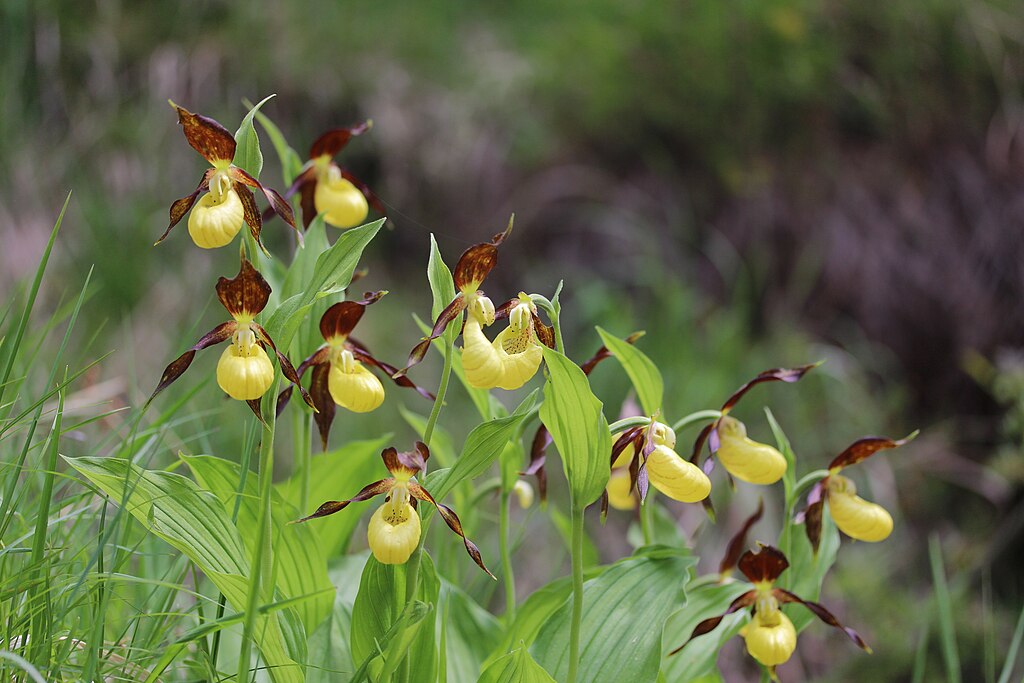
Lady’s slipper orchids are among the most striking plants you can come across in shaded woodlands, with their pouch-shaped blooms that look almost sculpted by hand. These orchids grow very slowly and depend on a specific type of fungus in the soil, which helps their roots take in nutrients. Because of this delicate relationship, they rarely survive when removed from their natural setting. Many species have become rare due to habitat loss and over-picking, which is why they are protected in many regions.
If you come across one, it is best to take a moment to observe its details and leave it exactly where it is. A close-up photo can capture the shape and color without disturbing the plant or its surroundings. Staying on marked paths helps protect the soil and the hidden root systems beneath your feet. If you are interested in growing orchids, nursery-grown varieties are the safer option and are much more likely to thrive in a home setting.
Ghost Orchid
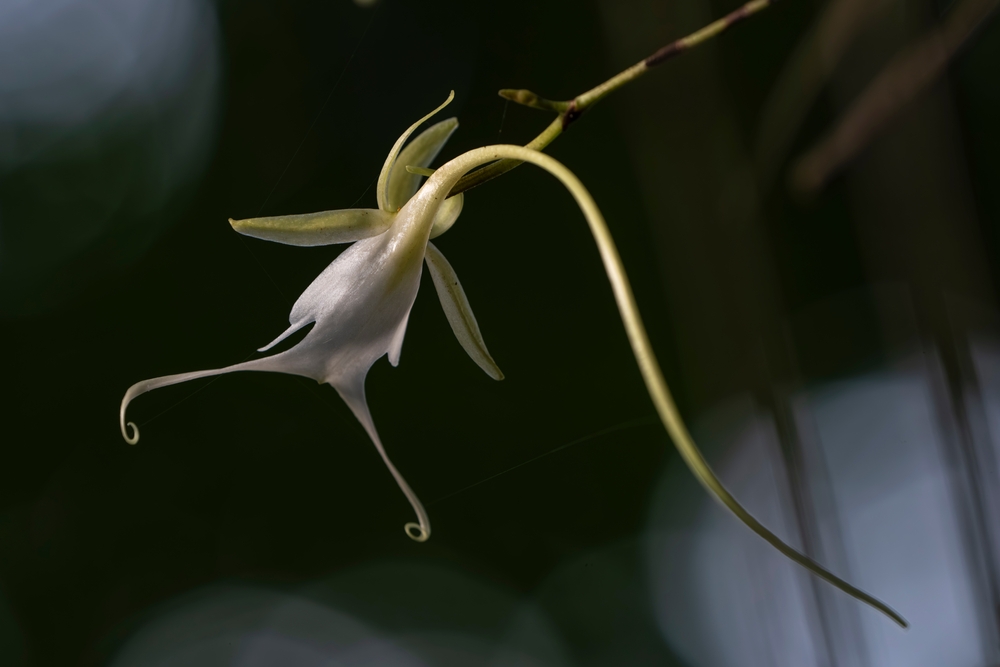
The ghost orchid is one of the rarest and most talked-about plants found in swampy forests, especially in parts of Florida and Cuba. Its white flowers seem to float in midair since the plant has no visible leaves, which gives it a haunting appearance. It relies on very specific humidity levels, tree hosts, and fungal support, making it extremely difficult to grow outside its natural habitat. Because of its rarity and fragile nature, it is strictly protected and closely monitored in the wild.
The best way to experience a ghost orchid is by visiting protected areas during its blooming season, often with a guide who knows where to look. Using binoculars or a zoom lens lets you enjoy its details without getting too close. Keeping a respectful distance helps protect the trees and the ecosystem that supports them. Taking the time to learn about its life cycle can make the experience even more rewarding.
Edelweiss
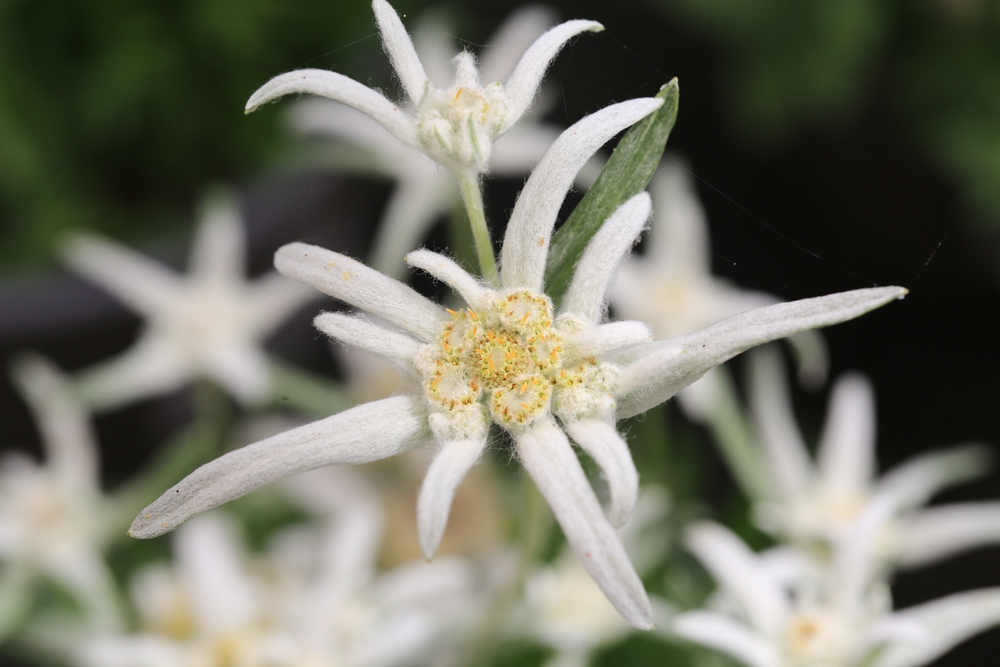
Edelweiss is a small alpine flower that grows in rocky, high-altitude regions where conditions are cold and harsh. Its star-shaped white blooms have a soft, woolly texture that helps protect it from strong winds and low temperatures. In the past, it was heavily picked as a symbol of love and adventure, which caused its numbers to decline. Many countries now protect edelweiss to prevent further loss and to keep it thriving in its natural environment.
When hiking in alpine areas, spotting edelweiss along the trail can feel like a special reward. It is best enjoyed by taking photos and appreciating how it survives in such a challenging setting. Local markets may sell cultivated versions that are grown responsibly, which are a better option if you want one at home. Respecting its protected status helps keep these mountain landscapes intact.
Venus Flytrap
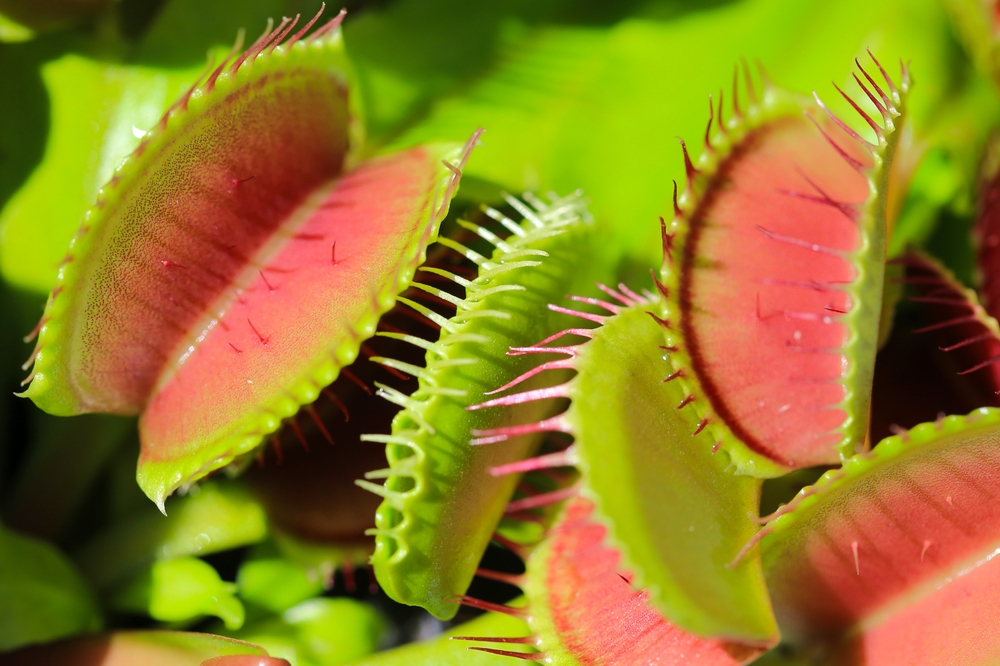
The Venus flytrap is known around the world for its unusual ability to trap insects using its hinged leaves. It is native to a very small region in the United States, mainly in North and South Carolina, which makes its natural range quite limited. Wild populations have declined due to illegal collection and habitat changes, leading to strict protections. Removing one from its natural habitat can have lasting effects on local ecosystems.
To enjoy a Venus flytrap, visiting a protected reserve gives you a chance to see it in action. Watching the traps close on insects is fascinating and shows how well adapted the plant is to its environment. Many garden centers sell cultivated flytraps that are grown for home use. Choosing these instead of wild plants helps keep native populations safe.
Bluebell
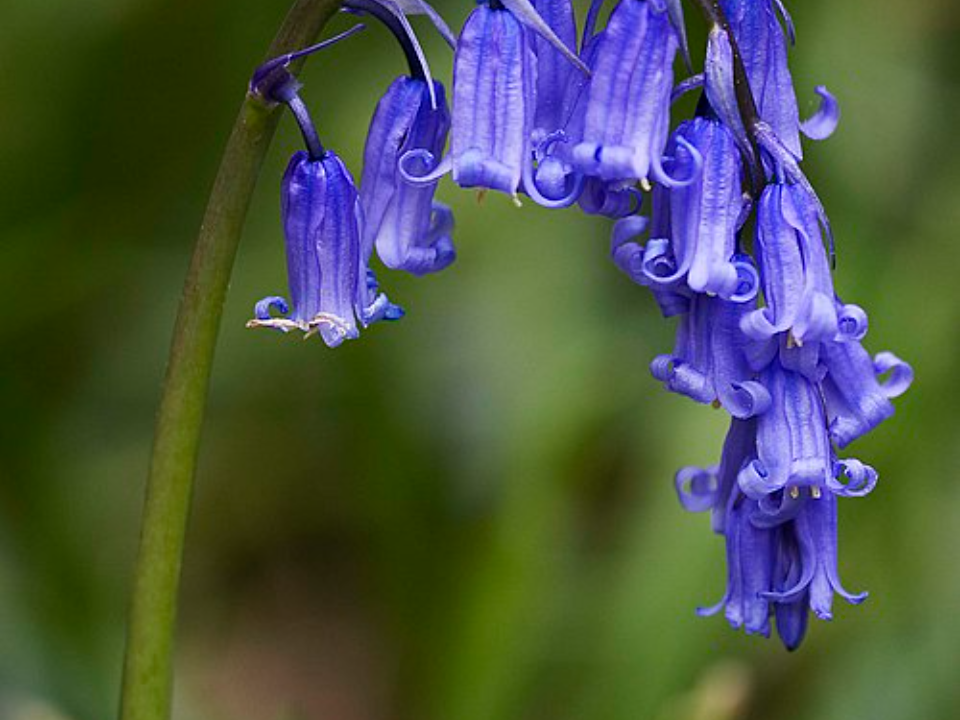
Bluebells are known for creating wide carpets of soft blue across forest floors in spring, turning quiet woodlands into something memorable. These plants spread slowly through underground bulbs, and it can take many years for a dense patch to form. Because of this slow growth, they are easily damaged by picking or trampling. In some areas, they are protected to prevent large colonies from disappearing.
Walking along forest paths allows you to enjoy the full effect of a bluebell display without causing harm. Taking photos from the edge of the patch helps keep the bulbs undisturbed. You may notice how the scent and color change depending on the light, which adds to the experience. If you want them in your garden, cultivated bulbs are widely available and safe to plant.
Pitcher Plant

Pitcher plants are easy to recognize by their tube-shaped leaves that trap insects in liquid at the base. They grow in wetlands where soil nutrients are low, so they rely on insects as a source of food. These environments are very sensitive, and removing even a single plant can disrupt the balance of the area. Because of this, many pitcher plant species are protected in their natural habitats.
Visiting a bog or wetland reserve is one of the best ways to see pitcher plants up close. Boardwalks are often provided to keep visitors from stepping on fragile ground. Watching how insects interact with the plant gives a better sense of how it survives. For home gardeners, there are cultivated varieties that can be grown responsibly without affecting wild populations.
Trillium
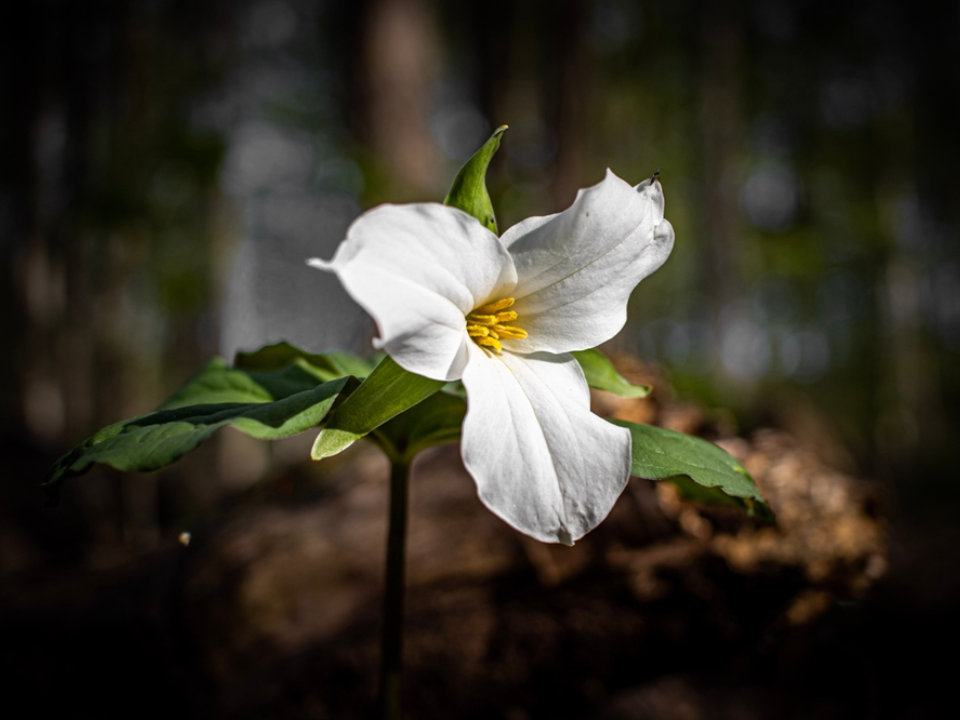
Trillium plants are a quiet highlight of forest floors, with their three leaves and a single bloom that stands above them. These plants can take several years to mature and produce flowers, which makes them especially vulnerable to picking. Once the bloom is removed, the plant may struggle to recover and may not flower again for years. Many regions have put protections in place to prevent further loss.
A slow walk through a shaded woodland in spring often reveals trillium tucked among fallen leaves. Taking the time to look closely at their structure can be just as rewarding as picking them. Photographs help preserve the moment without harming the plant. Garden centers sometimes offer propagated trillium that are suitable for home landscapes.
Saguaro Cactus
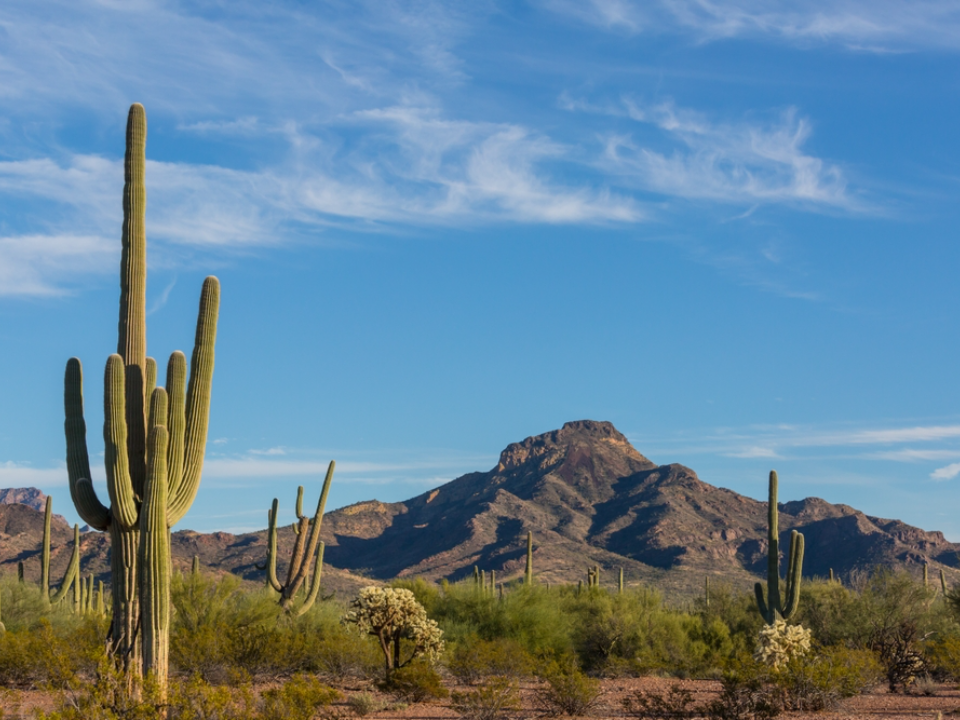
The saguaro cactus is one of the most recognizable plants in desert regions, known for its tall, branching form. It grows extremely slowly and can live for well over a hundred years, making each plant a long-term part of the landscape. These cacti provide shelter and food for many desert animals, which adds to their importance. Because of this, they are protected by law in places like Arizona.
Seeing saguaros in a desert park gives a sense of scale that is hard to match in photos. The way they catch light at sunrise or sunset adds to their presence. Visitors are encouraged to keep a safe distance and avoid touching them. Respecting these rules helps preserve both the plant and the desert environment.
Snowdrop
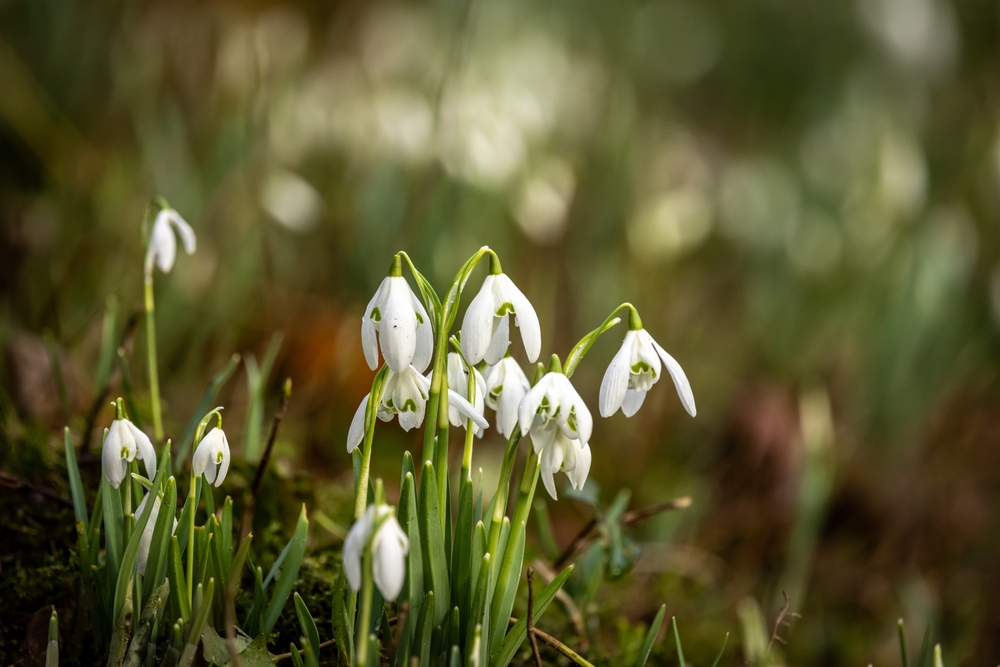
Snowdrops are among the first flowers to appear as winter fades, often pushing through cold soil while little else is growing. Their small white blooms are simple yet striking against the darker ground. In some regions, wild snowdrops are protected because they have been over-collected in the past. Removing them can weaken colonies that take years to spread.
A quiet walk through a park or woodland can reveal clusters of snowdrops in bloom. Their timing makes them a welcome sign that the season is changing. Taking photos at ground level highlights their delicate shape. If you want them at home, cultivated bulbs are easy to find and safe to plant.
Indian Pipe
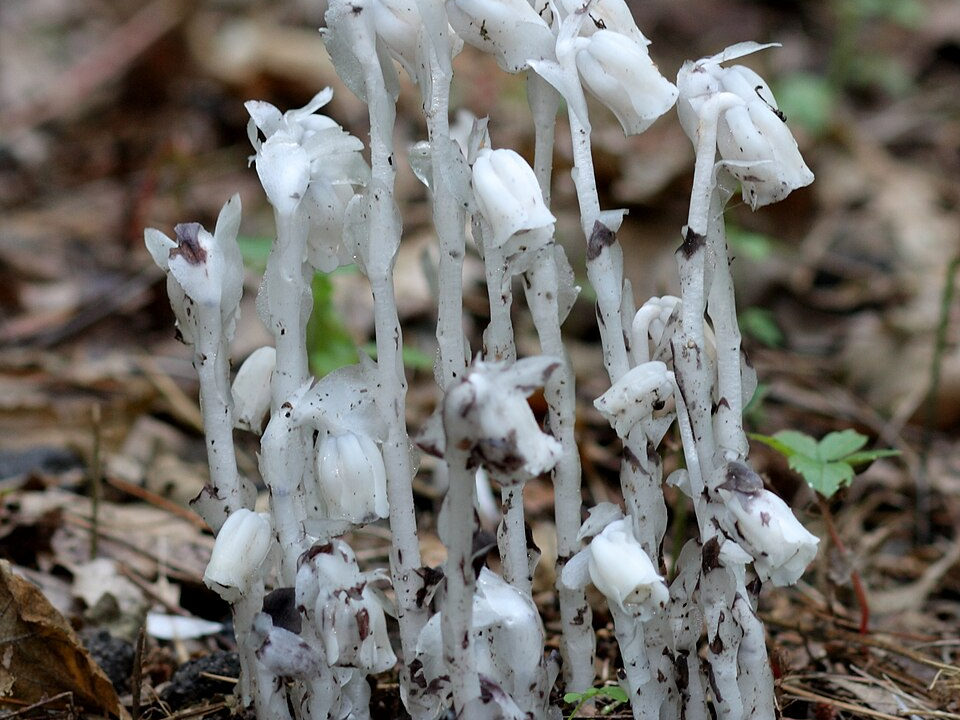
Indian pipe is a unique plant that lacks the green color most plants have, appearing pale white instead. It does not rely on sunlight in the usual way and instead gets nutrients through a connection with fungi in the soil. This makes it very sensitive to disturbance and nearly impossible to grow outside its natural setting. Because of its unusual nature, it is often protected in forest areas.
Finding Indian pipe during a forest walk can feel unexpected and memorable. It is best observed without touching, as even small disturbances can affect its growth. Its shape and color make it an interesting subject for photos. Learning about its role in the forest can add to the experience.
Western Prairie Fringed Orchid
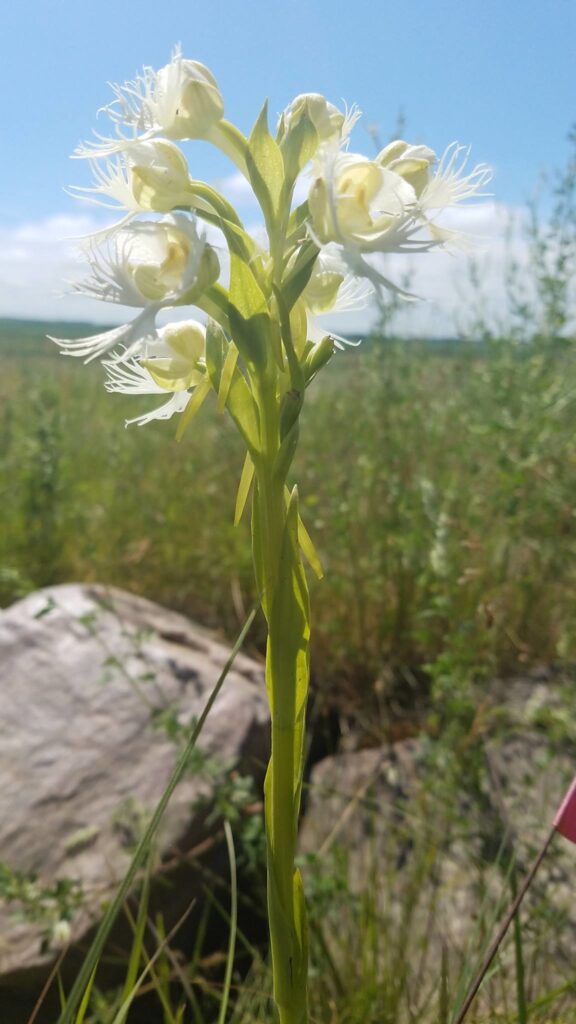
The western prairie fringed orchid grows in open grasslands and is known for its delicate, fringed white petals. It depends on specific pollinators and environmental conditions, which makes it hard to sustain outside its natural range. Habitat loss has reduced its numbers, leading to strict protection measures. Picking it can further reduce already limited populations.
Prairie reserves often organize walks during blooming season to help visitors find these orchids. Seeing them in wide, open landscapes adds to their appeal. Using a camera with zoom helps capture their details without getting too close. Supporting conservation areas helps protect plants like this for years to come.
Sea Daffodil
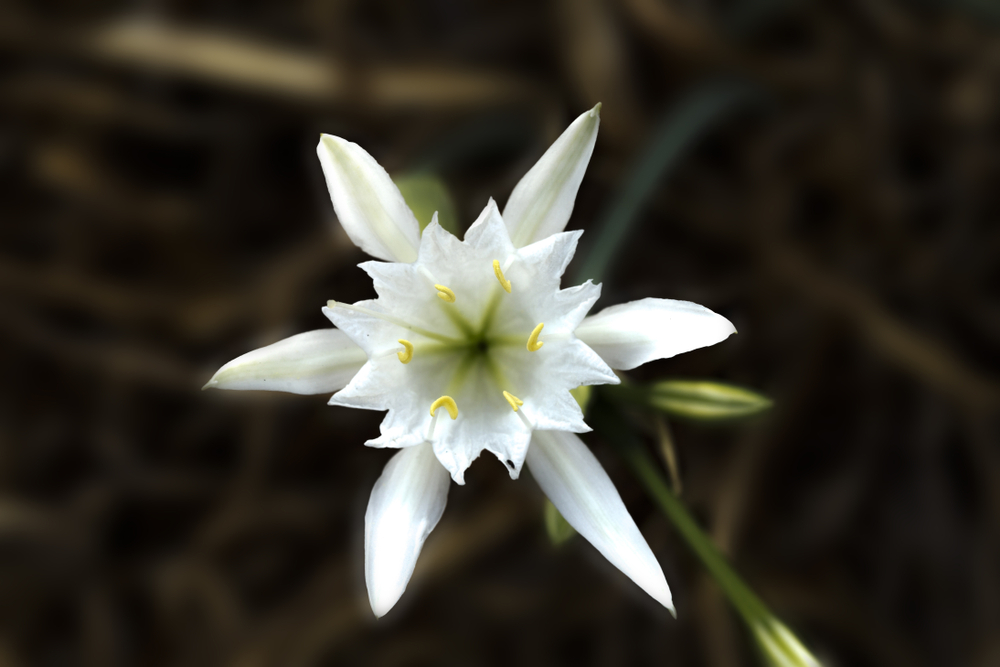
Sea daffodils grow along sandy coastlines where they deal with salt, wind, and shifting ground. Their white blooms often appear during warmer months, standing out against the sand. Coastal development and past picking have reduced their numbers in some areas. Because of this, they are protected in several regions.
A walk along the beach during their blooming season can reveal these flowers in unexpected places. Watching how they grow in sand gives a better sense of their resilience. Keeping a respectful distance helps protect the fragile dune system. Photos are a great way to capture their beauty without disturbing them.
Coral Root Orchid
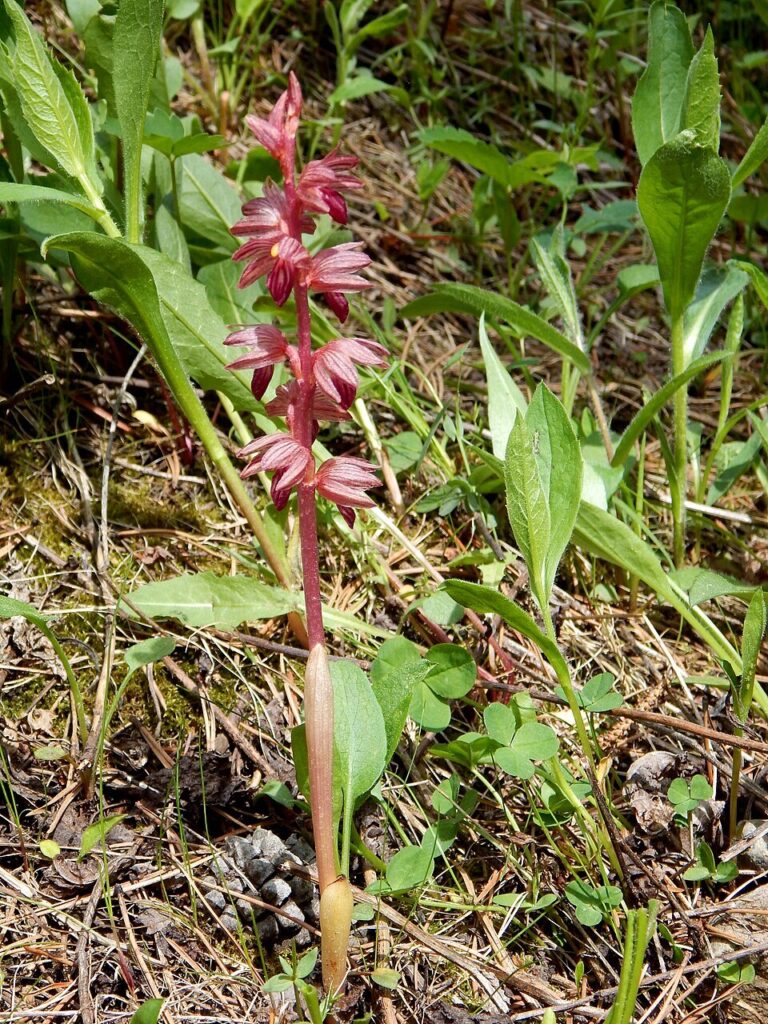
Coral root orchids are unusual because they do not have green leaves and depend on fungi for nutrients. Their reddish stems and small flowers can be easy to miss among forest debris. This specialized way of growing makes them sensitive to disturbance. Many forests protect them to keep their habitat stable.
Spotting coral root orchids often takes patience and a careful eye. Looking closely at the forest floor can reveal their presence. Avoiding contact helps protect their underground system. Observing them quietly keeps their environment intact.
Alpine Forget-Me-Not
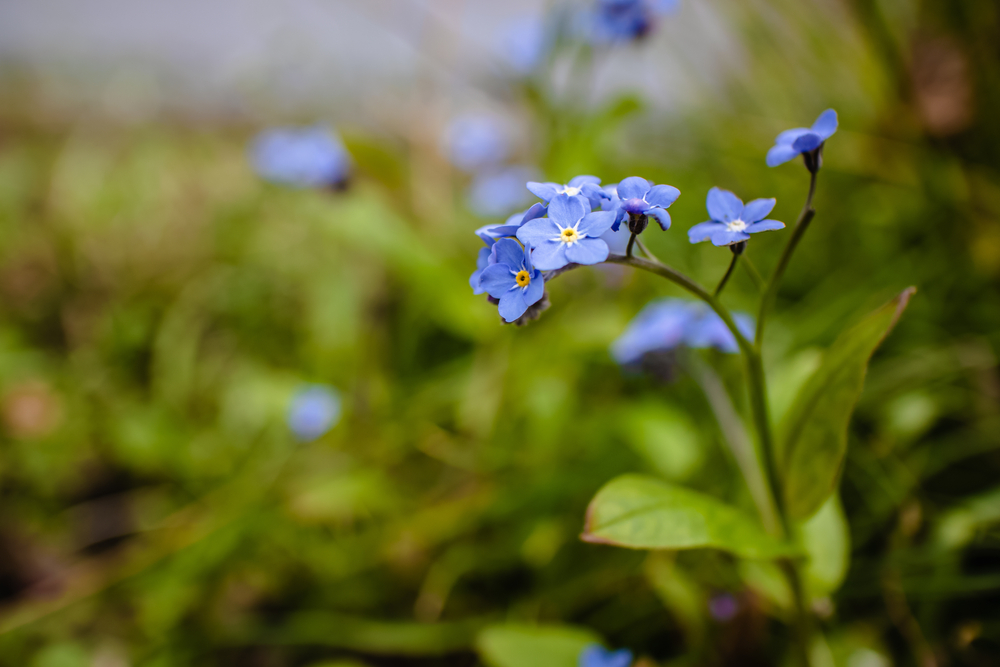
The alpine forget-me-not grows in high mountain regions and is known for its bright blue flowers. It stands out against rocky terrain and is often linked to alpine scenery. In some areas, it is protected to prevent over-picking by visitors. Even though it survives harsh conditions, it does not recover well from repeated disturbance.
Hiking through mountain trails offers a chance to see these flowers in their natural setting. Their color often contrasts beautifully with snow and stone. Taking photos helps capture that moment without causing harm. Garden varieties are available for those who want a similar look at home.
California Poppy
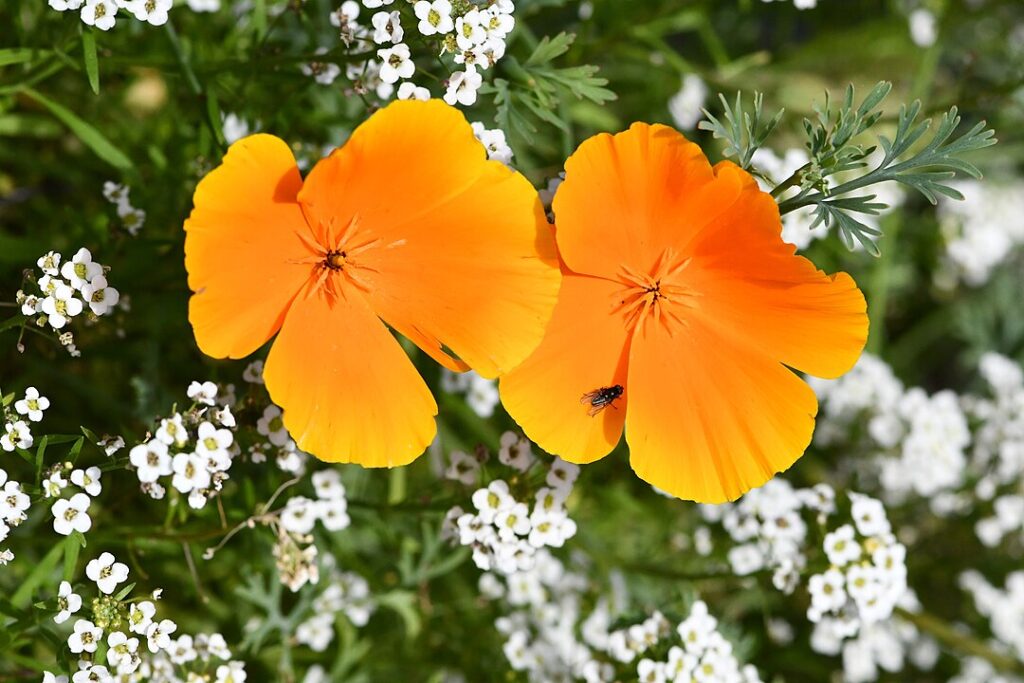
The California poppy is known for its bright orange blooms that can cover entire fields during spring. It holds cultural importance as the state flower of California and is widely recognized. While it may seem common, picking them in certain areas is discouraged or restricted. Large displays can quickly be damaged if too many people touch them.
Viewing poppy fields from designated areas allows you to enjoy their full spread. Early light often shows the blooms opening in a gentle way. Taking photos instead of picking them helps keep the display intact. Following local guidelines helps protect these seasonal landscapes.
This article originally appeared on Avocadu.