
15 Foods You Can Stretch Into Two Meals Without Feeling Like Leftovers
Cooking once and getting two solid meals out of it just makes sense when you are trying to save time and money. Some dishes hold up so well that the next meal feels just as satisfying as the first. With a few simple ideas, you can stretch what you cook without it feeling repetitive. It is all about choosing the right foods and planning how you will use them again.
This post may contain affiliate links, which helps keep this content free. Please read our disclosure for more info.
Roast Chicken
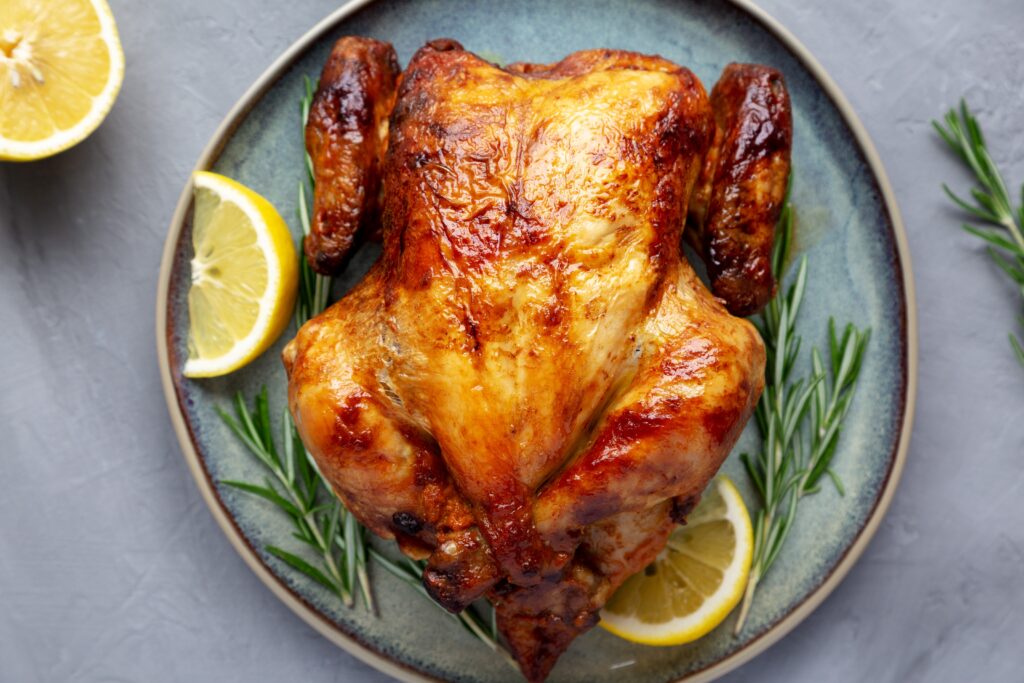
Roast chicken is one of those meals that feels complete on its own, yet it naturally carries into another dish without losing its appeal. The first serving can be a simple roast with vegetables, where the skin is crisp, and the meat stays juicy and full of flavor. What makes it even more useful is how well the leftovers hold up, especially when stored properly. The next day, the same chicken can turn into sandwiches, wraps, or even a light soup that feels just as satisfying as the first meal.
You will need a whole chicken, olive oil, garlic, salt, pepper, and herbs like thyme or rosemary to build a strong base of flavor. Vegetables such as carrots, potatoes, and onions can roast alongside the chicken and soak up all the juices. A squeeze of lemon adds a fresh note that keeps the dish from feeling too heavy. Everything used here is easy to find, and most of it may already be sitting in your kitchen.
Start by patting the chicken dry, then rub it with oil, salt, pepper, and herbs both inside and out so the flavor reaches every part. Place it in a roasting pan with the vegetables around it, then cook in a preheated oven at 400 degrees F until the skin turns golden and crisp. Let the chicken rest before carving so the juices stay locked in, and the meat stays tender. Save any leftover meat in an airtight container, and keep the bones for a simple broth that can become your second meal.
Spaghetti with Meat Sauce
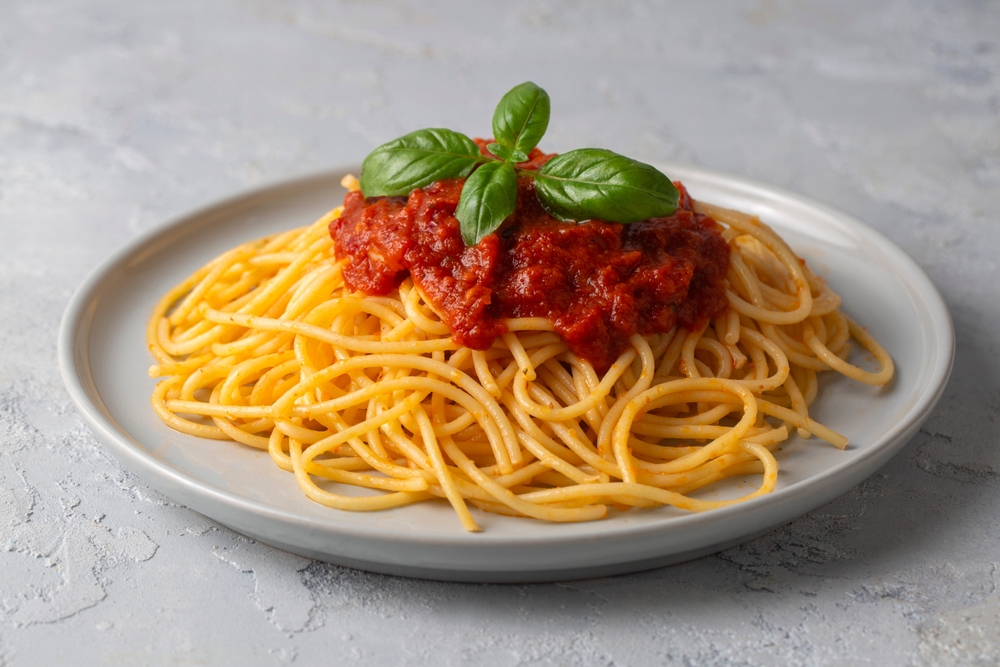
Spaghetti with meat sauce is a comforting dish that works well for more than one meal without feeling repetitive. The first serving is rich and filling, with the sauce coating every strand of pasta in a way that feels satisfying. What makes it even better is that the sauce often tastes deeper the next day after sitting for a while. You can use the leftover sauce in a different way, like turning it into baked pasta or spreading it over toasted bread.
You will need ground beef, canned tomatoes, garlic, onion, olive oil, and dried herbs like basil and oregano for a classic flavor. Pasta such as spaghetti or penne works well depending on how you plan to use it later. A bit of grated cheese can bring everything together and add a creamy finish. These ingredients are simple, and they come together without needing anything complicated.
Begin by cooking the ground beef in a pan until browned, then add garlic and onion and cook until soft and fragrant. Pour in the canned tomatoes along with the herbs, then let the sauce simmer gently so the flavors come together. Cook your pasta separately in salted water until just tender, then combine with the sauce for serving. Store any extra sauce in the fridge, and it will be ready to use for another dish the next day.
Stir Fry Chicken and Vegetables
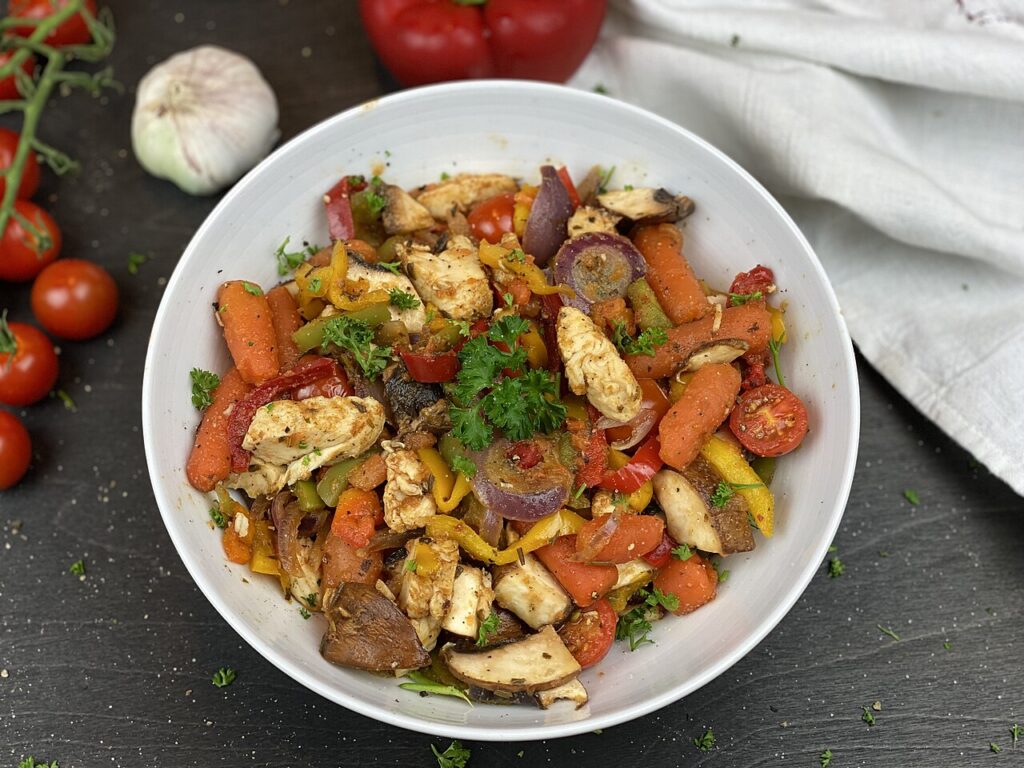
Stir fry is one of the easiest meals to stretch into another dish while still feeling fresh and satisfying. The first meal comes together quickly, with tender chicken and crisp vegetables coated in a light sauce. It feels balanced and filling without being too heavy, which makes it perfect for busy days. The next day, the same mixture can be turned into a wrap, added to noodles, or even served over fresh rice again without feeling repetitive.
You will need chicken breast, mixed vegetables like bell peppers and broccoli, soy sauce, garlic, and a bit of oil for cooking. Adding ginger can bring a warm and slightly sharp flavor that pairs well with the sauce. Rice or noodles can be used depending on how you want to serve it. These ingredients are flexible, so you can swap in whatever vegetables you have on hand.
Heat oil in a pan or wok and cook the chicken until lightly browned and cooked through. Add garlic and vegetables, stirring often so everything cooks evenly while still keeping a slight crunch. Pour in soy sauce and toss everything together so the flavors coat each piece. Serve right away for the first meal, then store leftovers for a quick second dish that comes together just as easily.
Baked Ziti
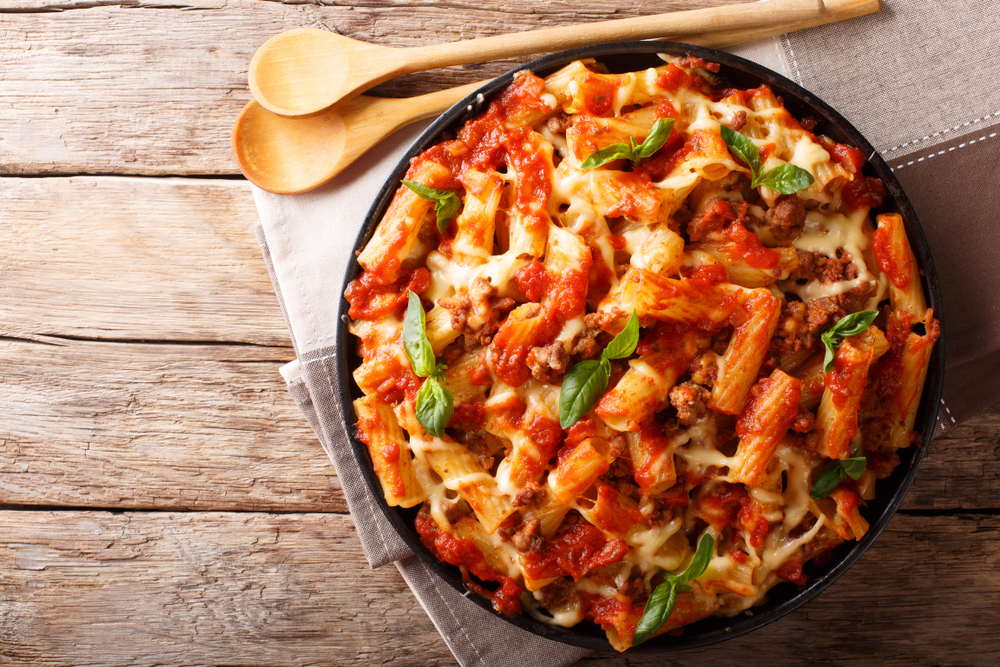
Baked ziti is one of those dishes that feels just as good the next day as it does fresh from the oven. The first serving is warm and comforting, with layers of pasta, sauce, and melted cheese coming together in every bite. What makes it stand out is how well it holds its shape and flavor even after reheating. It can easily become a quick lunch or dinner later without feeling like you are repeating the same meal.
You will need ziti pasta, marinara sauce, ricotta cheese, mozzarella, and ground meat if you want a heartier version. Garlic and herbs can be added to deepen the flavor of the sauce. A sprinkle of parmesan on top helps create a slightly crisp layer when baked. These ingredients are simple and come together into something filling and satisfying.
Cook the pasta until just tender, then drain and mix it with sauce and a portion of the cheese. Layer the mixture in a baking dish, adding more cheese between layers and on top. Bake at 375 degrees F until the cheese is melted and lightly golden. Let it cool slightly before serving, and store any leftovers for a second meal that reheats well.
Fried Rice
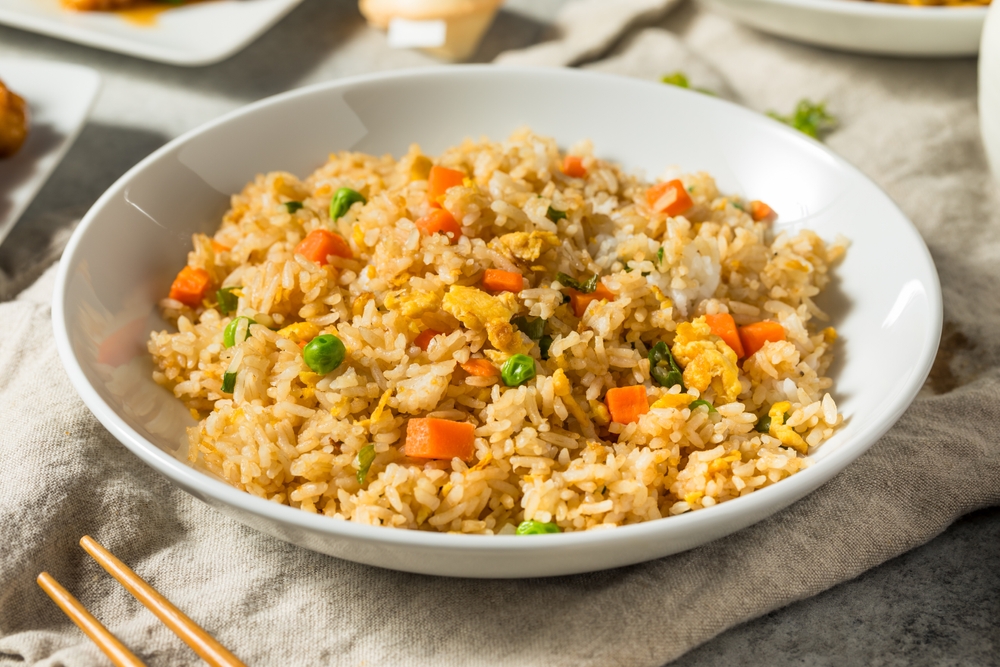
Fried rice is a classic example of a dish that naturally turns into another meal without losing its appeal. It is often made using leftover rice, which makes it both practical and satisfying. The flavors come together quickly, and each bite has a mix of textures from soft rice to slightly crisp vegetables. It reheats well, making it just as enjoyable the next day.
You will need cooked rice, eggs, vegetables like peas and carrots, soy sauce, and oil. Adding chicken, shrimp, or pork can make it more filling if you want a complete meal. Garlic and green onions add a fresh and slightly sharp flavor. These ingredients are easy to adjust based on what you have available.
Heat oil in a pan and cook the eggs first, then set them aside so they do not overcook. Stir fry the vegetables and protein, then add the rice and break up any clumps as it heats. Pour in soy sauce and mix everything together before adding the eggs back in. Serve hot, and store the rest for a quick meal that only needs reheating.
Beef Tacos
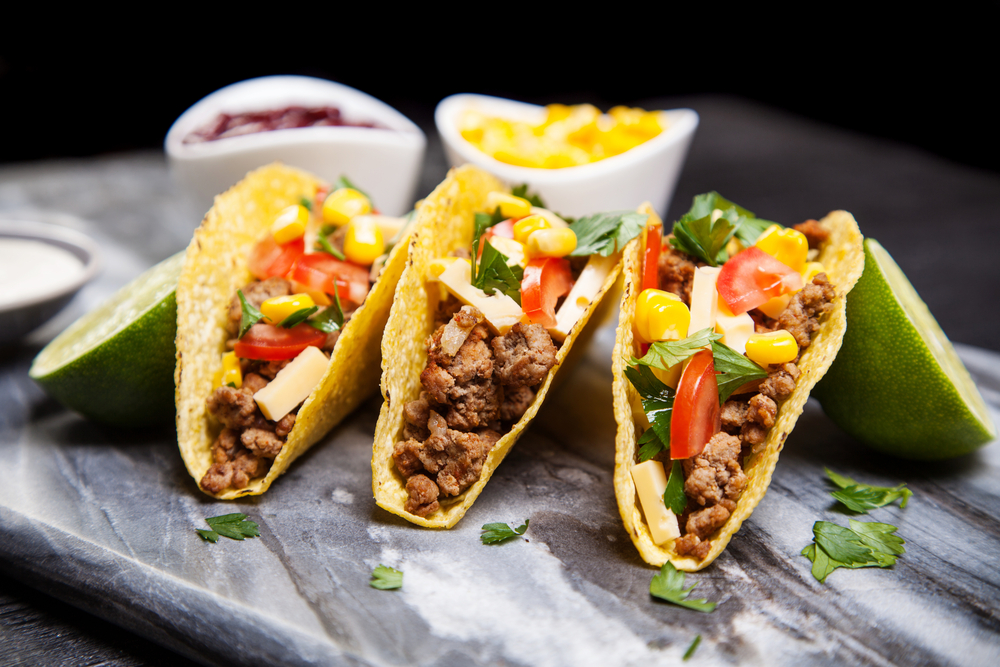
Beef tacos are one of the easiest meals to carry into the next day because the filling can take on a whole new role without much extra work. On the first night, they feel lively and fresh, with warm tortillas, seasoned beef, and cool toppings coming together in a way that feels full of contrast. What makes them so useful is that the meat stays flavorful after being stored, so the second meal still has plenty of character. You can spoon it over rice, tuck it into lettuce cups, or fold it into a quesadilla, and it still feels like a fresh idea instead of a repeat.
You will need ground beef, taco seasoning, tortillas, shredded lettuce, chopped tomatoes, and cheese for the base of the meal. Salsa, sour cream, and sliced avocado can round things out and give people room to build their own plate. If you want the meal to go further, cooked rice or canned beans are easy additions that stretch the filling without taking away from the flavor. These ingredients are familiar, easy to work with, and flexible enough that you can adjust them based on what is already in the fridge.
Start by browning the beef in a pan over medium heat, breaking it up with a spoon as it cooks so the texture stays even. Once the meat is fully cooked, drain any extra fat, stir in the seasoning with a splash of water, and let it simmer until the mixture thickens and clings to the beef. Warm the tortillas in a dry pan or directly over a flame for a few seconds to make them soft and a little toasty. Fill each taco with the beef and toppings for the first meal, then pack up the extra filling for another easy dinner the next day.
Chicken Alfredo Pasta
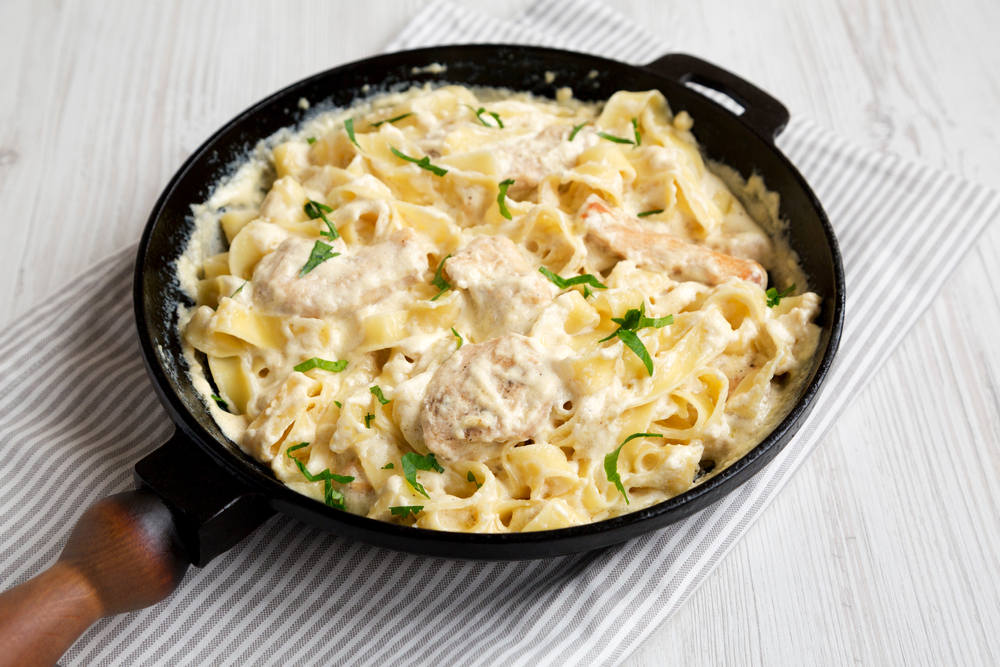
Chicken Alfredo pasta feels rich and comforting on the first night, yet it can still turn into a second meal without losing what makes it appealing. The creamy sauce coats the pasta in a way that keeps it from drying out too much, especially if you reheat it gently with a splash of milk. It is one of those dishes that feels filling and cozy, which makes it a good fit for busy evenings when you want something satisfying. The next day, it can be baked with extra cheese or mixed with vegetables to feel a little different while still using the same base.
You will need chicken breast, pasta, butter, garlic, heavy cream, and grated parmesan cheese for the main components. Salt, black pepper, and a little parsley can round out the flavor and keep the sauce from tasting flat. If you want to stretch it further, broccoli, spinach, or mushrooms fit in well and blend nicely with the creamy sauce. These ingredients come together into a dish that feels rich without asking for anything too complicated.
Cook the pasta in salted water until tender, then save a little of the cooking water before draining it. In a separate pan, cook the chicken until golden on the outside and cooked through in the middle, then remove it and slice it into bite-sized pieces. Melt butter in the same pan, cook the garlic until fragrant, then pour in the cream and stir in the parmesan until the sauce thickens into a smooth coating. Add the pasta and chicken back in, toss everything together, and serve while warm, then store the rest for a second meal that reheats well with a little extra liquid.
Vegetable Soup
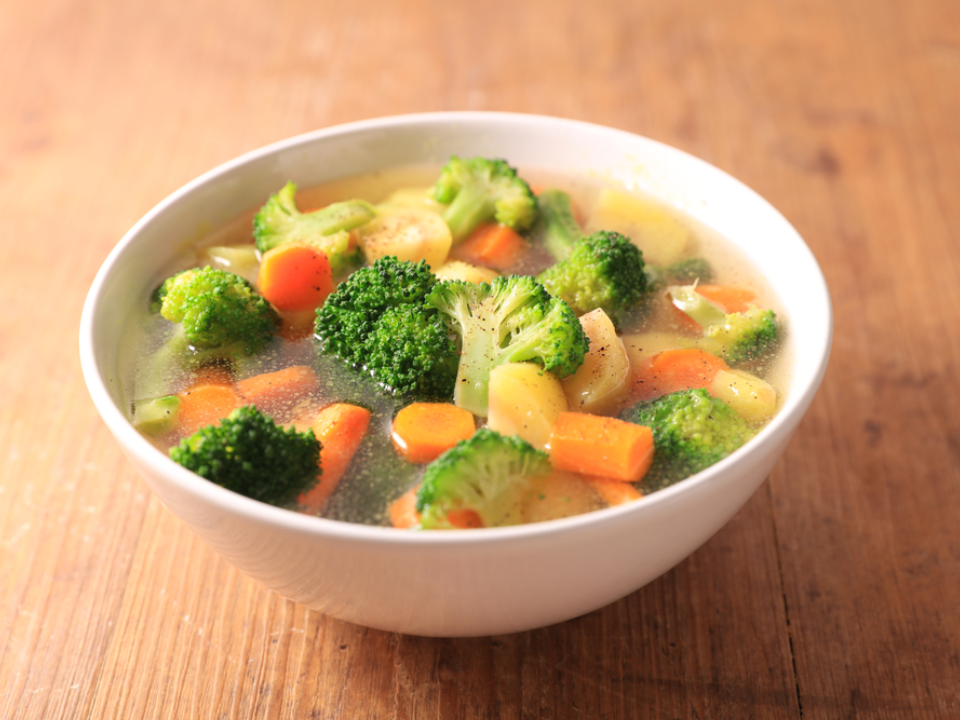
Vegetable soup is one of the most practical meals to make when you want something that can stretch without feeling tired the next day. On the first evening, it feels light yet comforting, especially when paired with bread or a sandwich. After a night in the fridge, the broth often tastes richer because the vegetables and herbs have had more time to mingle. That gives the second bowl a fuller flavor, which is why soup so often feels better the next day instead of worse.
You will need onions, carrots, celery, potatoes, broth, garlic, and a mix of vegetables such as green beans, peas, or corn. Herbs like thyme, parsley, or bay leaf give the broth a warm and familiar taste that ties everything together. Beans or shredded chicken can be added if you want the soup to feel heartier and last even longer. The beauty of this kind of recipe is that it gives you room to use what you already have while still ending up with something balanced and satisfying.
Begin by cooking the onions, carrots, and celery in a bit of oil until they soften and start to smell sweet. Add the garlic, potatoes, broth, and the rest of the vegetables, then bring everything to a gentle boil before lowering the heat. Let the soup simmer until the vegetables are tender and the broth has taken on their flavor, then season it to taste with salt and pepper. Serve it hot for the first meal, then refrigerate the rest so you have an easy second dinner or lunch that needs very little effort.
Pulled Pork
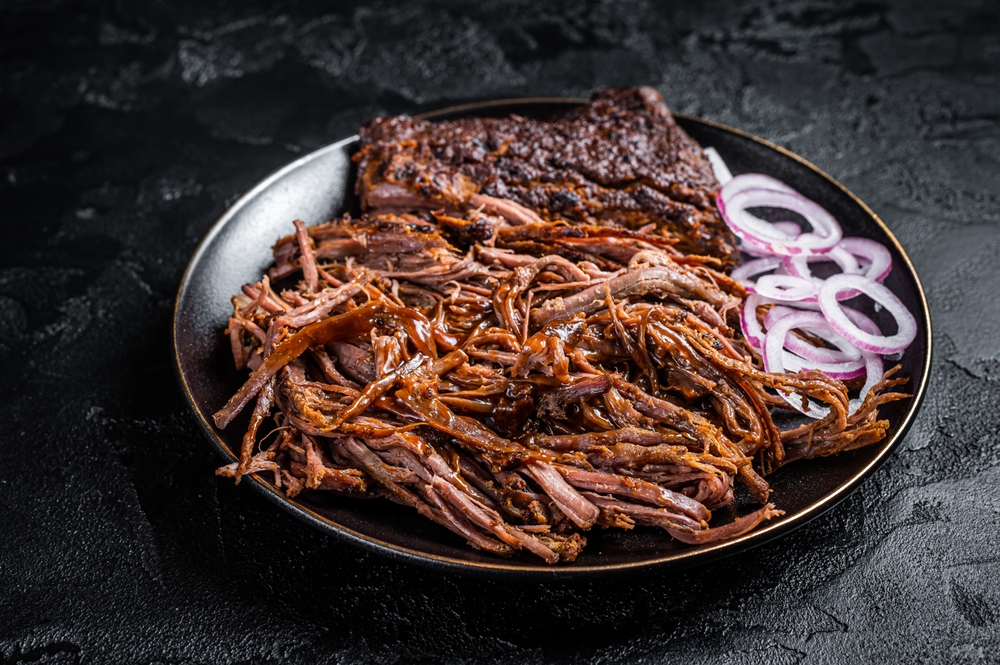
Pulled pork is a strong choice when you want a meal that can carry into another day and still feel just as good. The first meal can be served piled onto buns, spooned over rice, or plated with roasted vegetables, and it already feels hearty and complete. What makes it such a good stretch meal is how well the meat keeps its flavor and tenderness after resting. The next day, it can slip into tacos, grilled sandwiches, or a rice bowl and still feel like a fresh dinner rather than the same one repeated.
You will need pork shoulder, salt, black pepper, garlic, onion, and barbecue sauce or a simple seasoning mix for the base. A splash of broth or water helps keep the meat moist during the long cook, while smoked paprika or chili powder can add extra depth if that suits your taste. Soft buns, tortillas, or rice can be used depending on how you want to serve it across both meals. These ingredients are simple, but when they cook low and slow, they come together into something rich and deeply satisfying.
Rub the pork with salt, pepper, garlic, and any spices you are using, then place it in a roasting pan or slow cooker with onion and a little liquid. Cook it slowly until the meat becomes very tender and falls apart easily when pulled with a fork. Shred the pork, mix it with some of the cooking juices and sauce, then serve it hot for the first meal. Pack away the rest while it is still juicy, and it will be ready to turn into another dinner with very little work.
Omelet
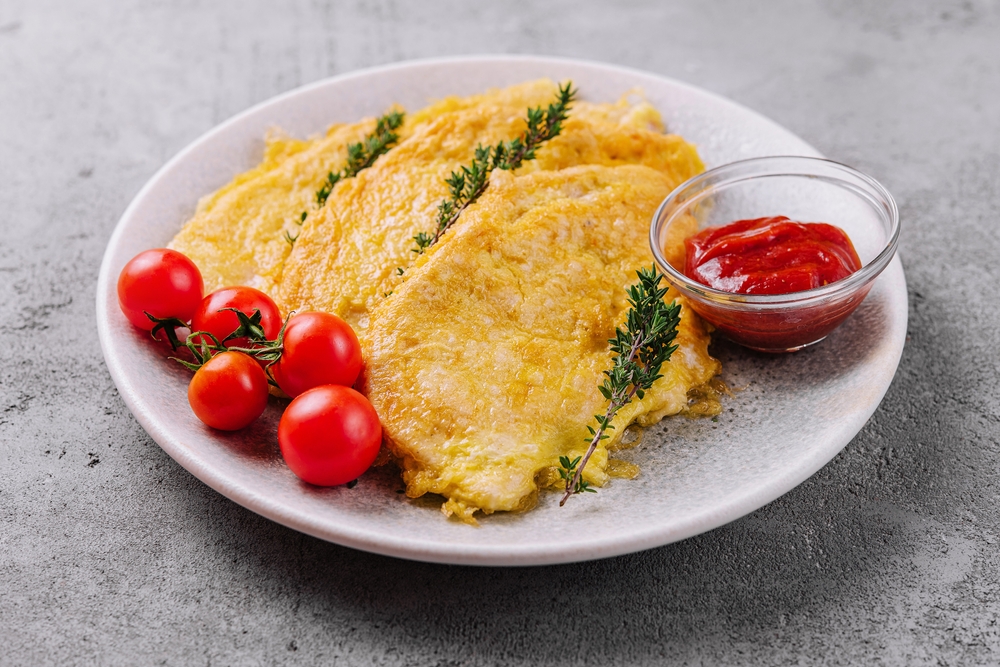
An omelet may sound simple, yet it is surprisingly good at turning into another meal when you fill it well and cook it with care. On the first plate, it feels warm, soft, and fresh from the pan, which makes it a quick answer for breakfast, lunch, or dinner. Any slices left over can be tucked into toast, folded into a wrap, or served beside a salad later in the day. Since the filling carries most of the flavor, the second meal can still feel interesting even though it started from the same pan.
You will need eggs, a small splash of milk, salt, pepper, cheese, and vegetables such as onions, mushrooms, peppers, or spinach. Ham, cooked chicken, or even leftover roasted vegetables can be added if you want the omelet to feel more substantial. A little butter or oil helps the eggs cook gently and keeps them from sticking. The ingredient list is short, which makes this a useful meal when the fridge looks a little bare but still has a few odds and ends left.
Whisk the eggs with milk, salt, and pepper until the mixture looks smooth and lightly frothy. Cook any raw vegetables first so they soften and lose extra moisture, then set them aside while you pour the eggs into the pan. As the eggs begin to set, add the fillings to one side, then fold the omelet over and cook just long enough for the cheese to melt and the center to finish. Serve it hot right away, and if there are leftovers, cool them first before storing so the texture stays better for the next meal.
Rice and Grilled Chicken
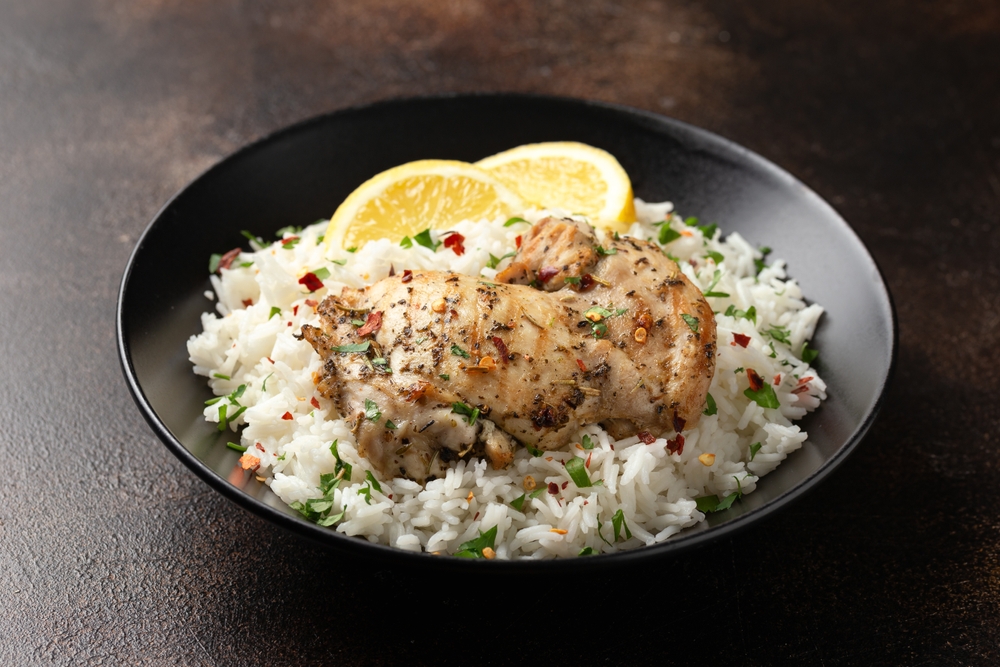
Rice and grilled chicken may sound basic, though that simplicity is exactly what makes it useful across two meals. The first serving can be plated as a full dinner with vegetables or sauce, and it feels clean, filling, and easy to eat. Since both the rice and the chicken are neutral enough to work with other flavors, the leftovers can move into many directions the next day. You can turn them into fried rice, a grain bowl, or a wrap without much effort and still feel like you are eating something different.
You will need chicken thighs or breasts, rice, oil, garlic, salt, pepper, and any seasoning blend you like for the chicken. A simple marinade with lemon juice, yogurt, or soy sauce can add more character if you have time to let it sit. Vegetables such as cucumbers, tomatoes, or roasted broccoli work well on the side and can also join the second meal later. The ingredients are plain in the best way because they give you room to shift the flavor profile when it is time to serve them again.
Season the chicken and let it sit for a bit if possible so the flavor has time to work its way in. Cook the rice until fluffy and separate, then grill or pan-cook the chicken until the outside has color and the inside stays juicy. Slice the chicken and plate it with the rice for the first meal, adding sauce or vegetables as you like. Keep the extra portions in separate containers so the rice stays fluffy and the chicken stays easy to reuse the next day.
Chili
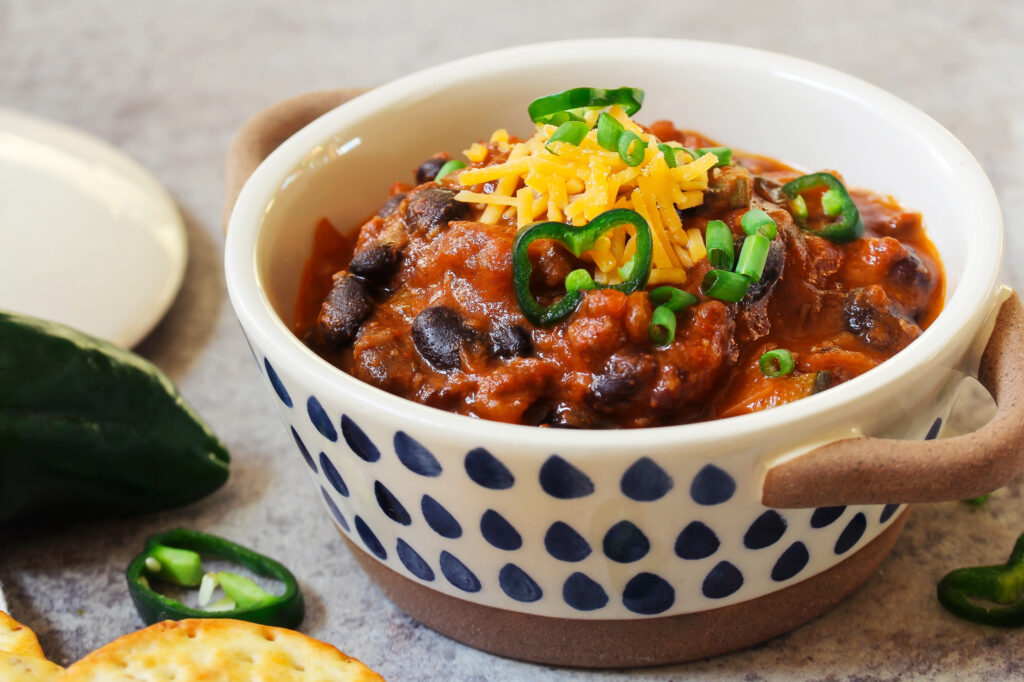
Chili is one of the easiest foods to stretch because it often tastes richer after a night in the fridge. The first bowl is warm, hearty, and filling, with beans, meat, and tomato coming together into something that feels complete on its own. By the next day, the flavors settle in further and the texture thickens a little, which often makes it feel even better. It can stay a bowl of chili for meal two, or it can become a topping for baked potatoes, rice, or toast and still feel satisfying.
You will need ground beef or turkey, onion, garlic, canned tomatoes, beans, chili powder, cumin, and a bit of broth or water. Bell peppers can be added for more texture, and a spoonful of tomato paste can give the pot a deeper taste. Cheese, chopped onions, or sour cream work well at the table if you want toppings for serving. These are all pantry-friendly ingredients, which is part of why chili is such a useful meal when you want something filling without spending too much.
Cook the onion and garlic in a pot until softened, then add the meat and let it brown well so it builds flavor at the start. Stir in the spices, tomatoes, beans, and broth, then let the mixture simmer until it thickens and the flavors come together. Taste and adjust the seasoning as it cooks, since chili usually benefits from a little time on the stove. Serve a bowl for the first meal, and keep the extra portion chilled so it is ready to reheat or repurpose later.
Quesadillas
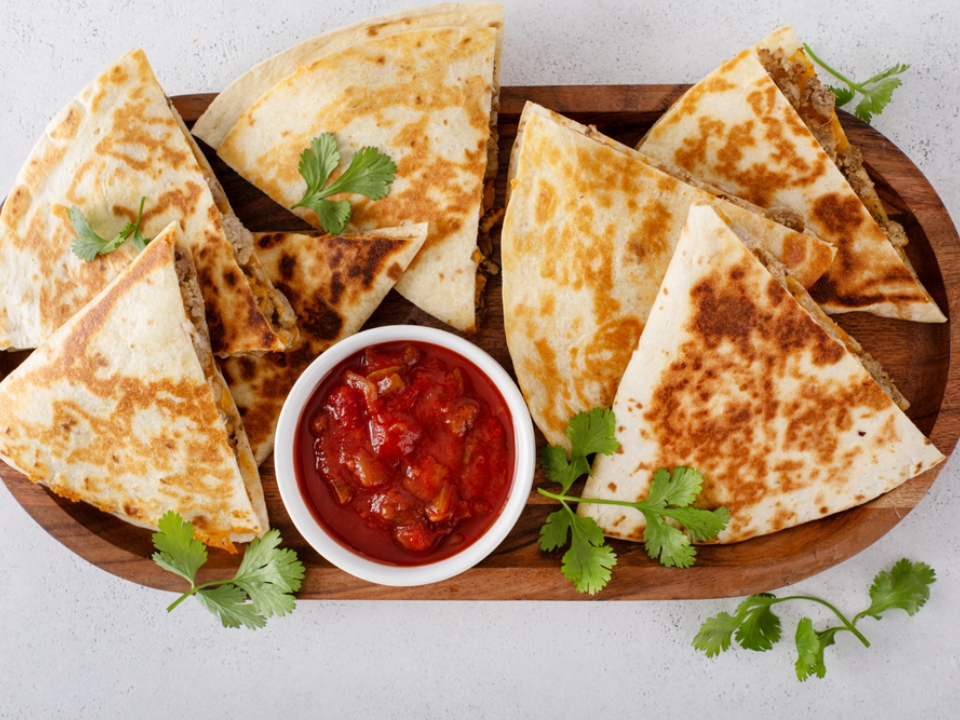
Quesadillas work so well across two meals because the filling can begin in one form and show up in another without feeling stale. The first round is hot, crisp on the outside, and filled with melted cheese and whatever meat or vegetables you decide to use. Any extra filling can be folded into fresh tortillas the next day, added to rice, or tucked into scrambled eggs for something different. That flexibility is what makes this kind of meal so useful when you want dinner to stretch while still feeling enjoyable.
You will need tortillas, shredded cheese, and fillings such as chicken, beef, beans, mushrooms, or peppers. A little oil or butter helps the tortillas brown evenly and gives the outside a nice crisp finish. Salsa, sour cream, or guacamole make good extras for serving and can carry into the second meal as well. Since the filling can be mixed and matched so easily, this recipe gives you a lot of room to work with what is already in your kitchen.
Lay one tortilla in a warm pan, scatter cheese and filling over half or across the whole surface, then top with another tortilla or fold it over. Cook until the bottom is lightly crisp and golden, then flip carefully so the other side browns while the cheese melts. Cut into wedges and serve while hot for the first meal, with sauces on the side if you like. Save any extra filling separately so you can build another round quickly when it is time for meal two.
Mashed Potatoes
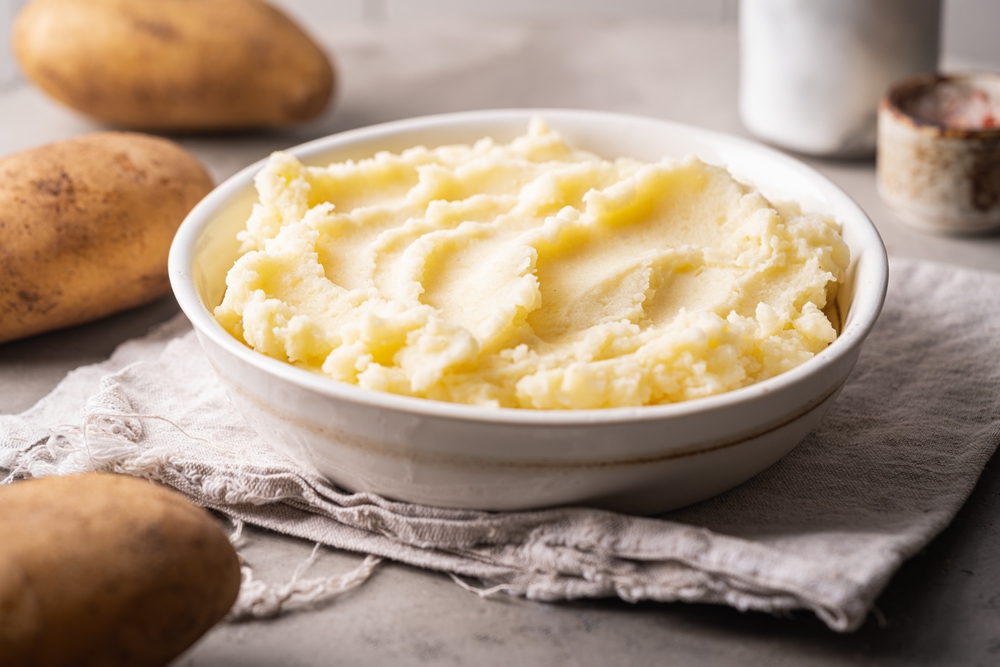
Mashed potatoes are often thought of as a side dish, but they can quietly stretch into another meal in a way that feels comforting instead of repetitive. Fresh from the pot, they are soft, creamy, and easy to pair with roasted meat, gravy, or vegetables. By the next day, they can become potato cakes, a topping for a quick casserole, or even a filling for savory patties. That change in texture and use is what keeps them from feeling like a plain repeat of the first plate.
You will need potatoes, butter, milk, salt, and black pepper for the base, with garlic or cream cheese as optional extras if you want a richer taste. Starchy potatoes such as russets usually mash up soft and smooth, while Yukon Gold potatoes give a slightly creamier feel. Chopped chives or green onions can add freshness at the end if you want a little contrast. The ingredient list is simple, though the result feels full and comforting when the seasoning is right.
Peel and cut the potatoes into even pieces, then boil them until they are soft enough to break apart easily with a fork. Drain them well so they do not turn watery, then mash with butter and warm milk until the texture is smooth and creamy. Season with salt and pepper, taste, and adjust until the flavor feels balanced. Serve them hot with the first meal, then cool the extra portion and store it for a second use that can feel very different from the first.
Grilled Vegetables
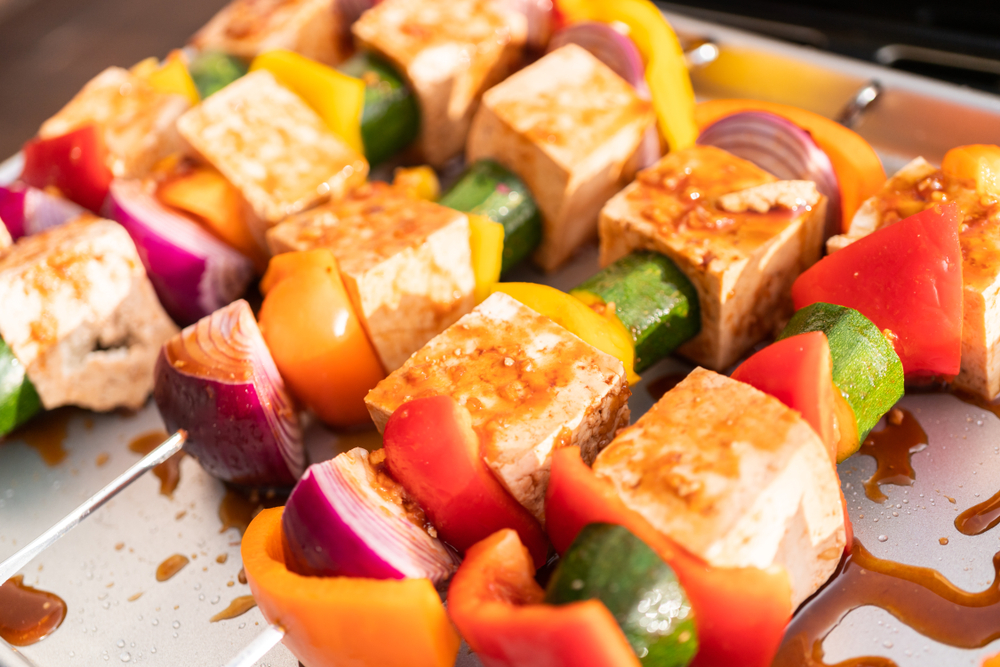
Grilled vegetables are an easy way to build one meal that can carry into another without losing flavor or texture. Fresh off the grill, they have a smoky edge and tender bite that makes them feel a lot more interesting than plain cooked vegetables. The next day, they can slide into pasta, sandwiches, grain bowls, or omelets and still taste lively. Since their flavor holds up so well, they are one of the best side dishes to make when you already know you want a second meal later.
You will need vegetables such as zucchini, eggplant, bell peppers, onions, mushrooms, or asparagus, along with oil, salt, pepper, and herbs. A splash of lemon juice or balsamic can be added after cooking if you want a brighter finish. Garlic powder, dried oregano, or Italian seasoning are easy ways to give the vegetables a little more character before they hit the grill. The mix can shift based on the season or what is in the fridge, which makes this recipe useful in a lot of situations.
Slice the vegetables into pieces large enough that they will not fall apart while cooking, then toss them with oil and seasoning until everything is lightly coated. Grill them over medium heat until they are tender and lightly charred in spots, turning them as needed so they cook evenly. Serve them right away as part of the first meal, either on their own or beside meat, rice, or bread. Store the extra vegetables once cooled, and they will be ready to work into a second meal with very little effort.
This article originally appeared on Avocadu.