
12 Rare Salamanders to Look For on Damp Spring Nights
A rainy spring evening can bring the forest floor to life in ways that are easy to overlook. Salamanders often come out during these damp hours, moving through leaf litter, near logs, and along shallow streams. Their colors, patterns, and quiet movements give them a charm that stands apart from other small wildlife. If that sounds like your kind of night walk, the picks ahead are worth your attention.
This post may contain affiliate links, which helps keep this content free. Please read our disclosure for more info.
Anji salamander
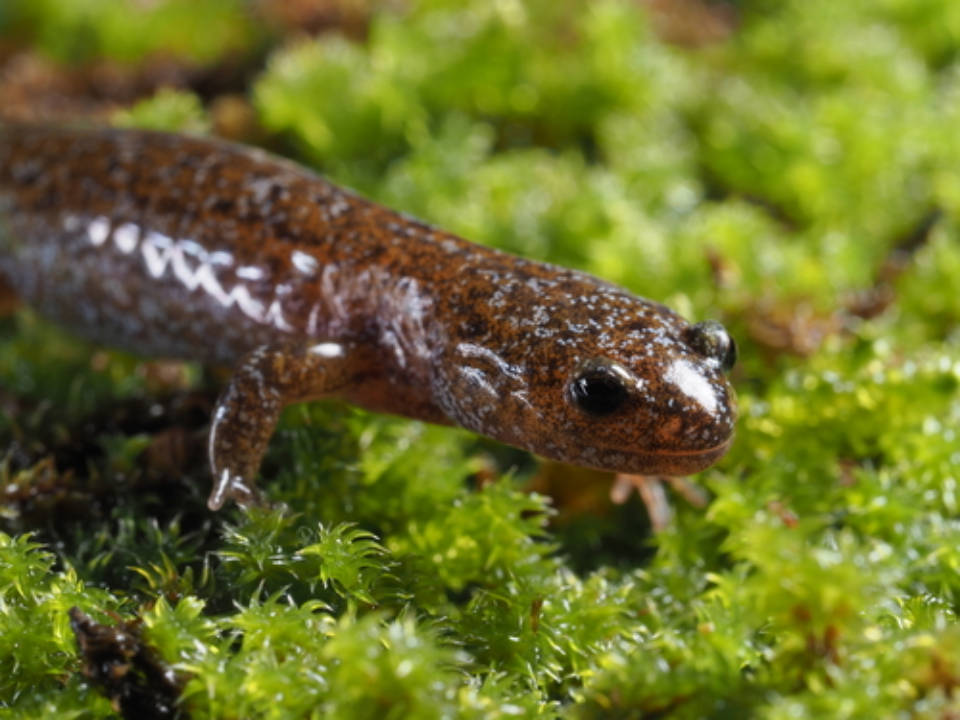
High in southeastern China, the Anji salamander stands out as one of the hardest salamanders to come across. It is native to China and has been reported from a very small area in Zhejiang and the Tianmushan region. Its rarity comes from that tiny range and its very small number of breeding sites. On wet spring nights, people who work in mountain forests may spot it near cool water and forest cover.
What makes this species worth watching is how closely its life is tied to a few quiet pools. Adults are fairly large for a hynobiid salamander, which gives them a heavier look than many small woodland kinds. Habitat loss has put extra pressure on a population that was already limited. That is why a single sighting of this salamander still means a great deal to field biologists.
Jollyville Plateau salamander
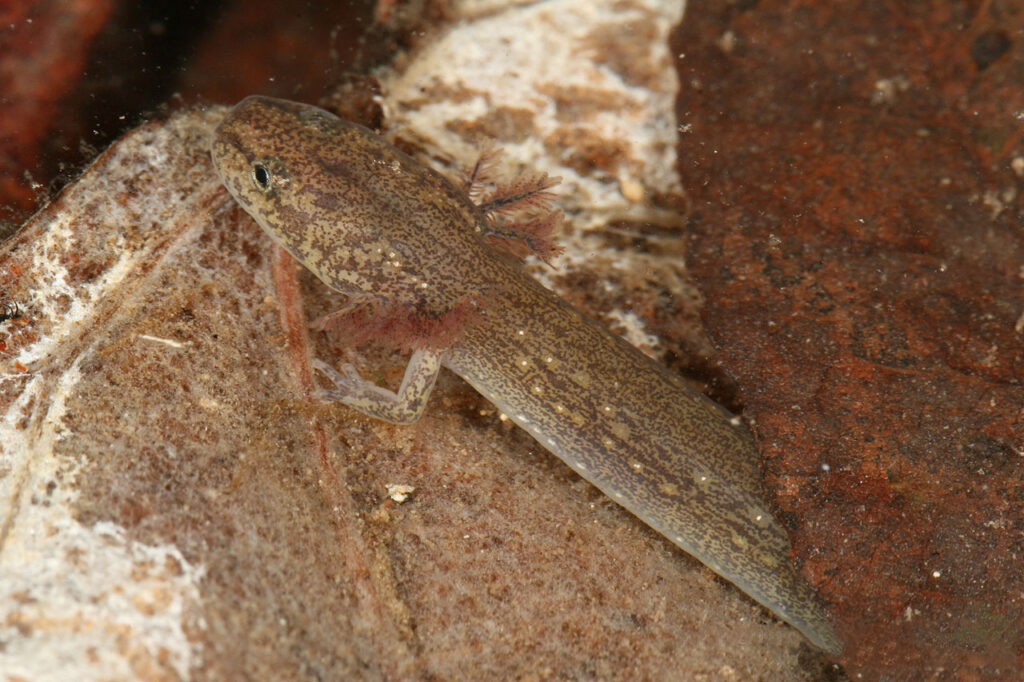
In central Texas, the Jollyville Plateau salamander is rare because its range is tightly restricted. It is native to the United States and is found only in parts of Travis and Williamson counties in Texas. This species keeps its gills through life and stays tied to spring water and the Edwards Aquifer system. Damp nights matter because nearby spring outlets and wet rocks can make it easier to notice.
Unlike many salamanders that roam farther through forests, this one depends on a narrow stretch of aquatic habitat. Development and pressure on groundwater have made that small range even more fragile. It is a good one to know because it shows how a salamander can be rare without living in a faraway wilderness. For anyone learning spring amphibians, it is one of the clearest examples of a place-bound species.
Golden-striped salamander
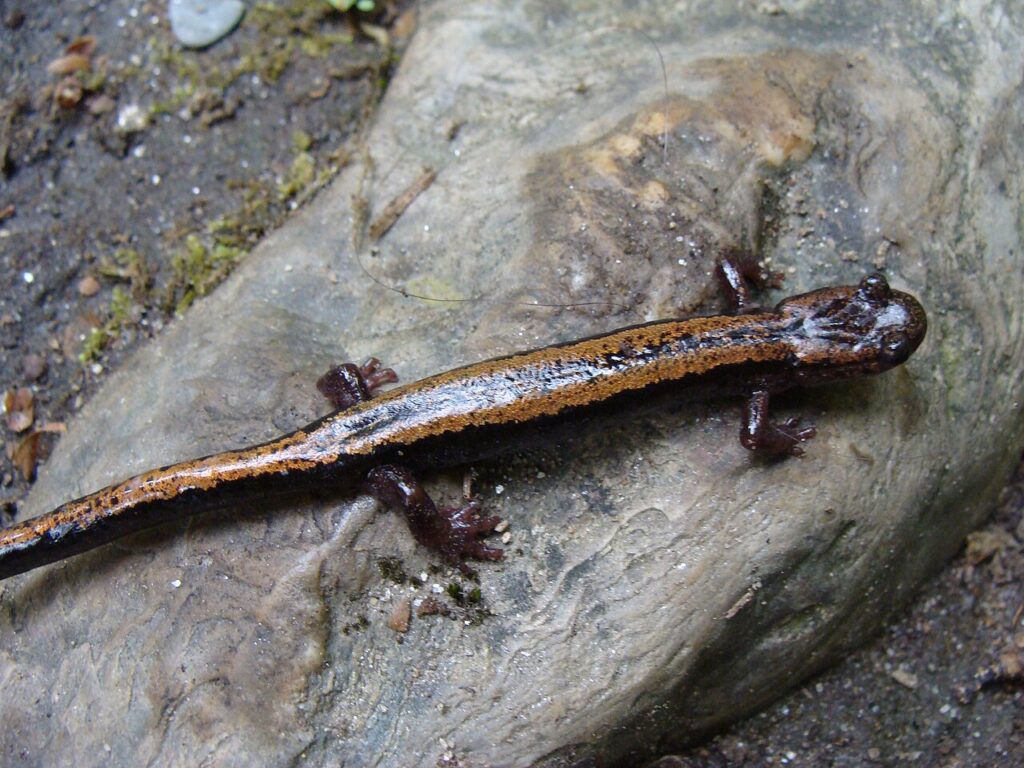
Across the Iberian Peninsula, the golden-striped salamander is a range-limited species with a strong tie to wet mountain country. It is native to Portugal and Spain. Its rarity comes from a fragmented distribution and continued pressure on the cool, moist streams it uses. Rainy spring evenings are a good time to look because the species stays close to humid ground and running water.
A bright stripe down the body gives this salamander a clean, memorable look. It is often linked with mountain areas that keep high humidity through much of the year. Stream pollution and habitat loss have made it a species of concern across parts of its range. That mix of beauty and scarcity is a big part of why people remember it.
Shasta salamander
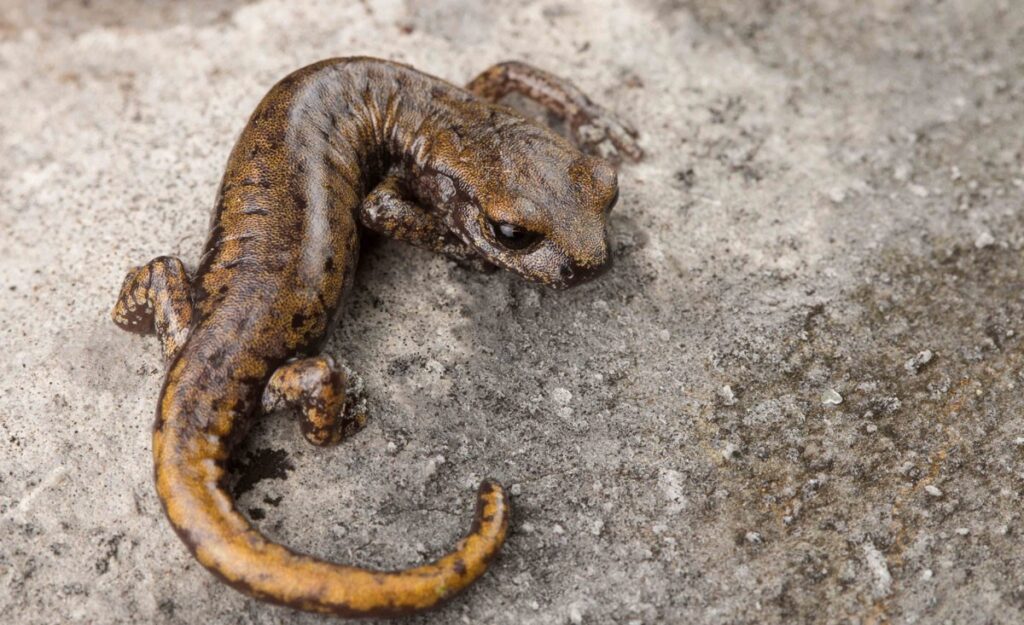
Northern California is home to the Shasta salamander, a species with a restricted range in limestone country. It is native to the United States and is endemic to California. Its rarity is tied to that narrow range and to the specialized habitat it uses. Wet evenings in spring are a prime time because this salamander comes out on rainy nights.
One thing that makes it stand out is its climbing ability on slick rock surfaces. It is part of a small group of salamanders with a very unusual tongue system and cave-linked habits. State protection reflects how limited and sensitive its habitat is. For night walks in rainy weather, it is one of the better salamanders to keep in mind in California.
Barton Springs salamander
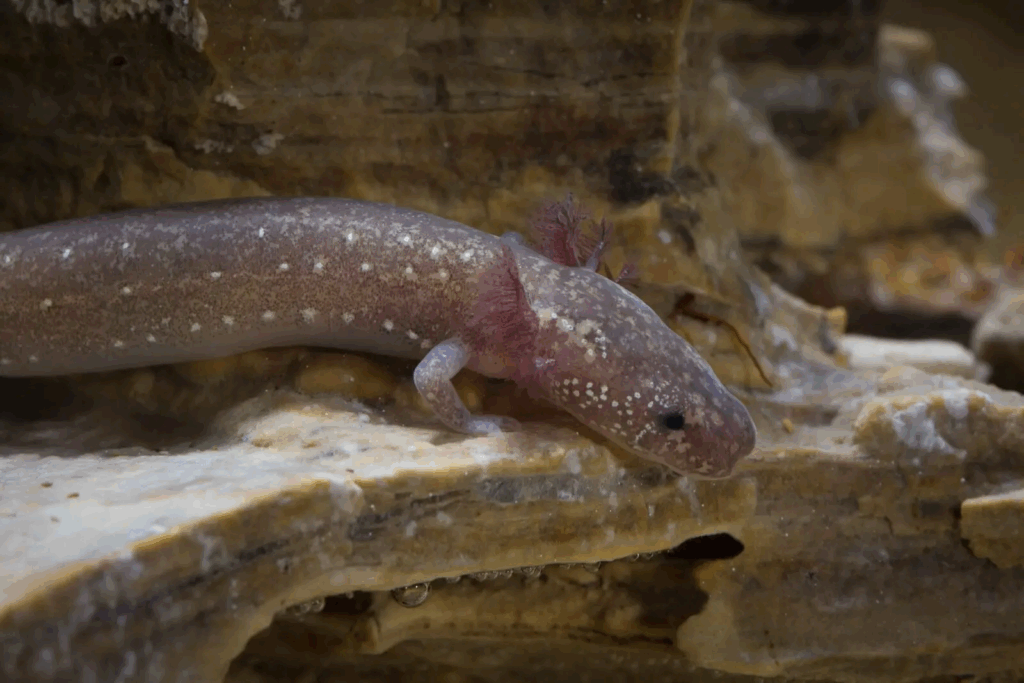
Austin has a salamander that lives in a very small patch of water, and that alone makes it unusual. It is native to the United States and is tied to Barton Springs and the Barton Springs Segment of the Edwards Aquifer in Texas. Its rarity comes from that extremely restricted habitat and its full dependence on spring flow. Cool wet conditions in spring can make spring outflows feel especially alive, even when the salamanders stay tucked under rock and gravel.
People often remember this species because it lives right in a city, yet remains hard to see. It is fully aquatic and neotenic, which gives it a different life pattern from woodland species that wander over land. Clean water matters a great deal for its survival. That close tie between one urban spring system and one endangered salamander is what makes it so memorable.
Texas blind salamander
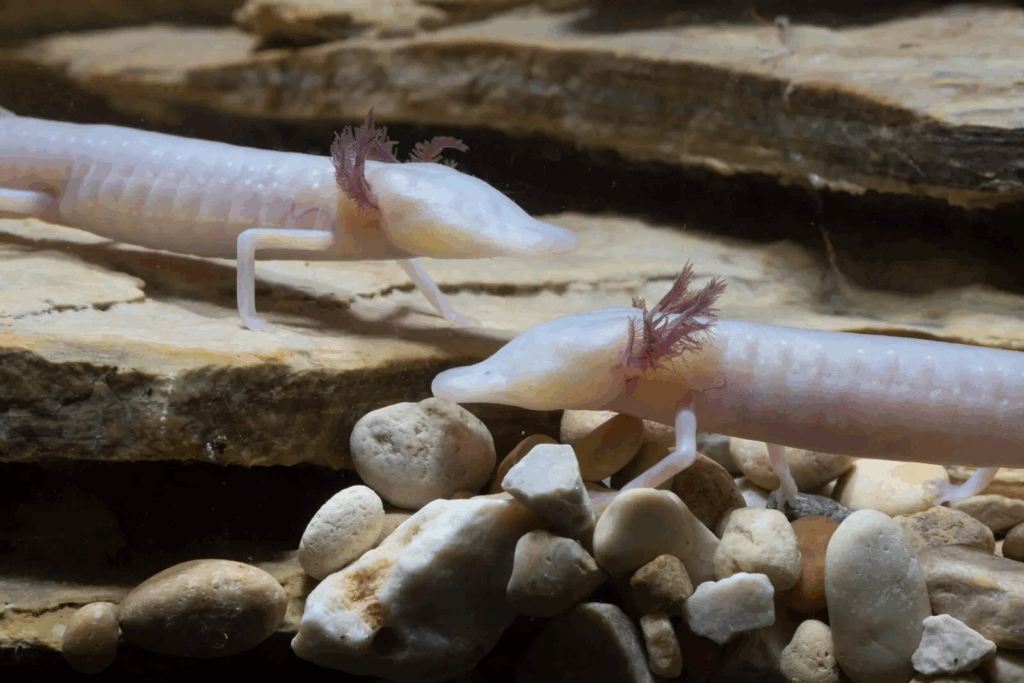
Deep in the San Marcos area, the Texas blind salamander survives in underground water where little light reaches. It is native to the United States and has an extremely restricted range near San Marcos in Hays County, Texas. Its rarity comes from that tiny underground range and from the fragile nature of the aquifer habitat. Spring moisture above ground does not pull it into open woods, though rainy periods still matter for the groundwater system it depends on.
This species stands out because it is cave-dwelling and lacks the dark-eyed woodland look many people picture when they hear the word salamander. Its pale body and hidden life make it seem almost unreal. Federal endangered status reflects how little room there is for damage to its habitat. It is one of the clearest examples of a salamander made rare by geology and water alone.
Montseny brook newt
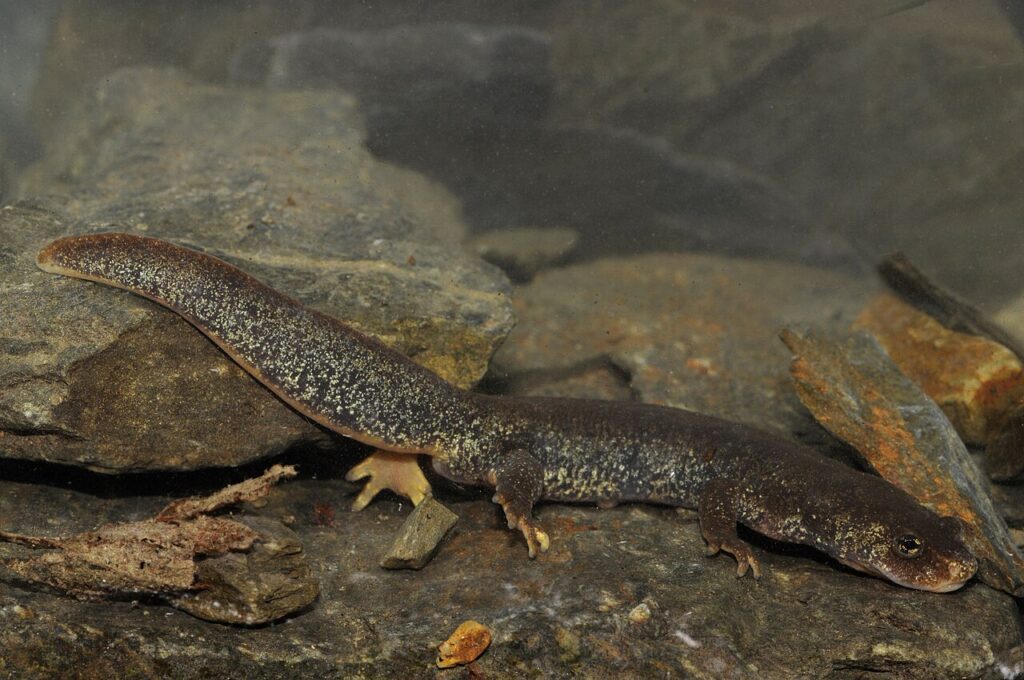
Northeastern Spain has one of Europe’s most restricted salamanders in the Montseny brook newt. It is native to Spain and is endemic to the Montseny Massif in Catalonia. Its rarity comes from that very small mountain range and from steep declines that led to a critically endangered status. Damp spring nights fit this species well because it is tied to cool headwater streams in a humid mountain setting.
Among European salamanders, this one often gets singled out because of how little range it has. It is an aquatic newt that depends on clean, cold water in a small set of streams. That narrow home leaves it exposed to habitat change and shifts in local water conditions. A salamander from one mountain block can become rare very quickly, and this one shows that clearly.
Santa Barbara moss salamander
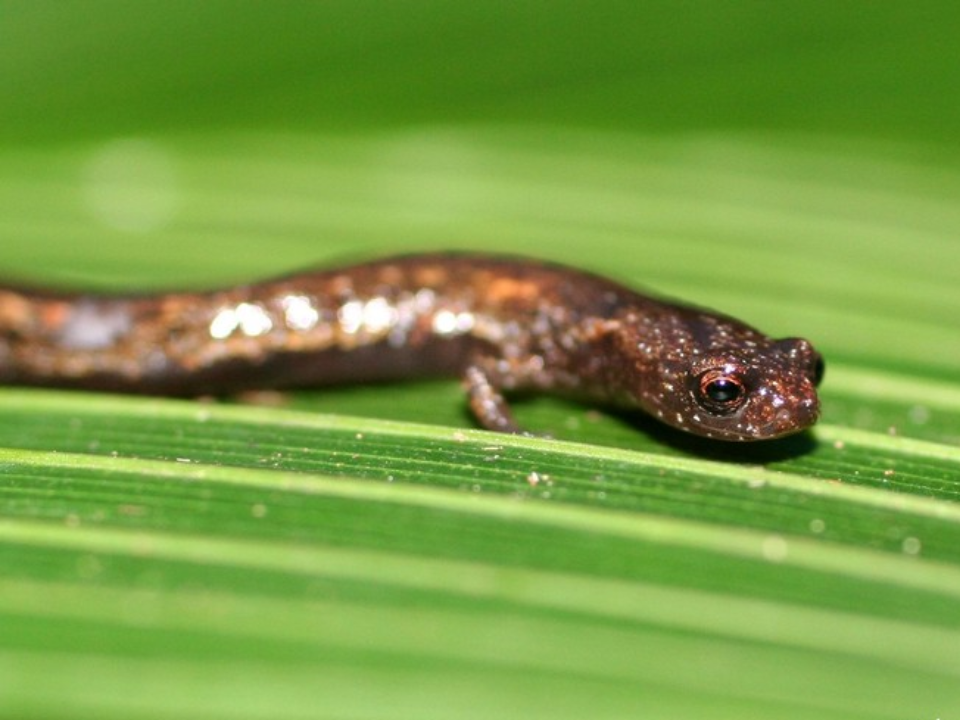
Cloud forest salamanders are often hidden well, and the Santa Barbara moss salamander is a good example. It is native to Honduras. Its rarity comes from a limited range in the high wet forest and from a threatened habitat. Moist spring nights are useful because moss salamanders often stay active when leaves, bark, and trunks hold plenty of water.
A very small body size adds to the challenge of seeing this species in the wild. It lives in a mountain setting where tiny shifts in forest condition can matter a lot. Endangered status fits a salamander that already occupies such a narrow slice of habitat. For people who enjoy looking closely at wet forest life, this is the kind of species that rewards patience.
Reticulated flatwoods salamander
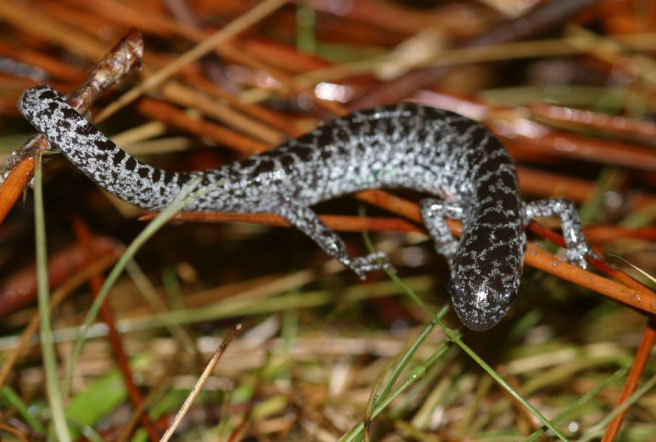
Flatwoods habitat in the southeastern United States holds a salamander that has become rare across a very narrow belt of land. It is native to the United States and is known from a small number of sites in western Florida and one site in Alabama. Its rarity comes from habitat loss and fragmentation in fire-maintained coastal plain systems. Spring rain is important because breeding sites and nearby wet ground draw this species into motion.
A reticulated pattern along the body gives this salamander a clean, net-like look. It spends much of its time hidden, which makes field sightings feel unusual even in places where it still persists. Fire history, wetland condition, and upland cover all matter for its survival. For people walking in the pinelands on rainy nights, it is one of the most hoped-for salamanders in the region.
Cheat Mountain salamander
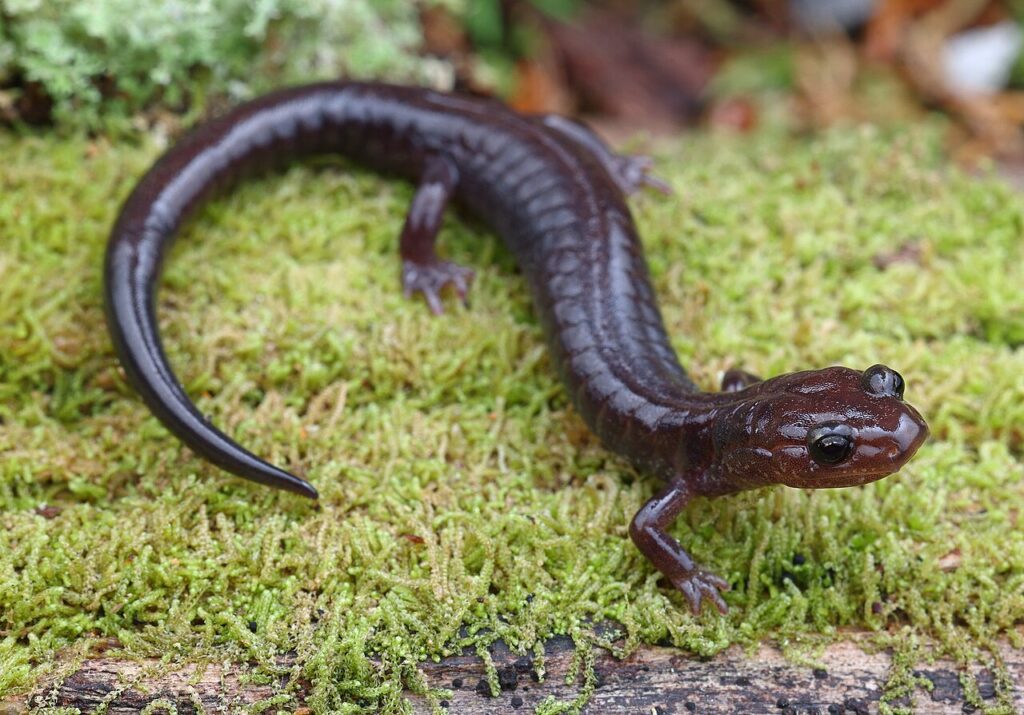
West Virginia has its own famous highland salamander, and it stays limited to a small area of the Allegheny highlands. It is native to the United States and is endemic to the eastern highlands of West Virginia. Its rarity comes from a small range and from long-term pressure on red spruce forest habitat. Damp spring nights suit this species because moist forest floors and cool mountain weather support surface activity.
Red spruce is a big part of this salamander’s story. It is a woodland lungless salamander, so moisture in leaf litter and soil matters a great deal. Habitat loss from logging, mining, roads, and related disturbance helped push it into a threatened status. A quiet mountain night after rain is the sort of setting where this species makes the most sense.
Anderson’s salamander
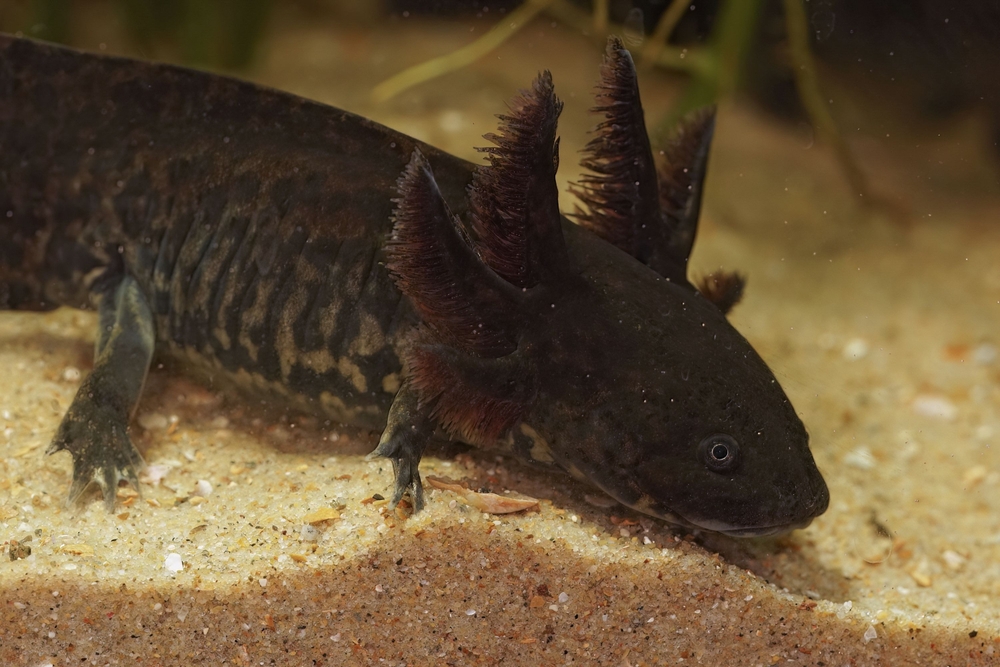
In central Mexico, Anderson’s salamander is known from a very small aquatic area around Laguna de Zacapu. It is native to Mexico and has only been found at Laguna de Zacapu and nearby streams and canals in Michoacán. Its rarity comes from that narrow range and its critically endangered status. Spring can be a useful season to think about this species because water levels and breeding conditions shape its year so strongly.
This salamander is neotenic, which means adults keep their larval look and stay in the water. That gives it a very different feel from species that roam over damp logs and leaves. A single lake system leaves little room for habitat trouble. Rare Mexican ambystomatids often carry that same theme of beauty tied to one small place, and this species shows it well.
Sardinian brook salamander
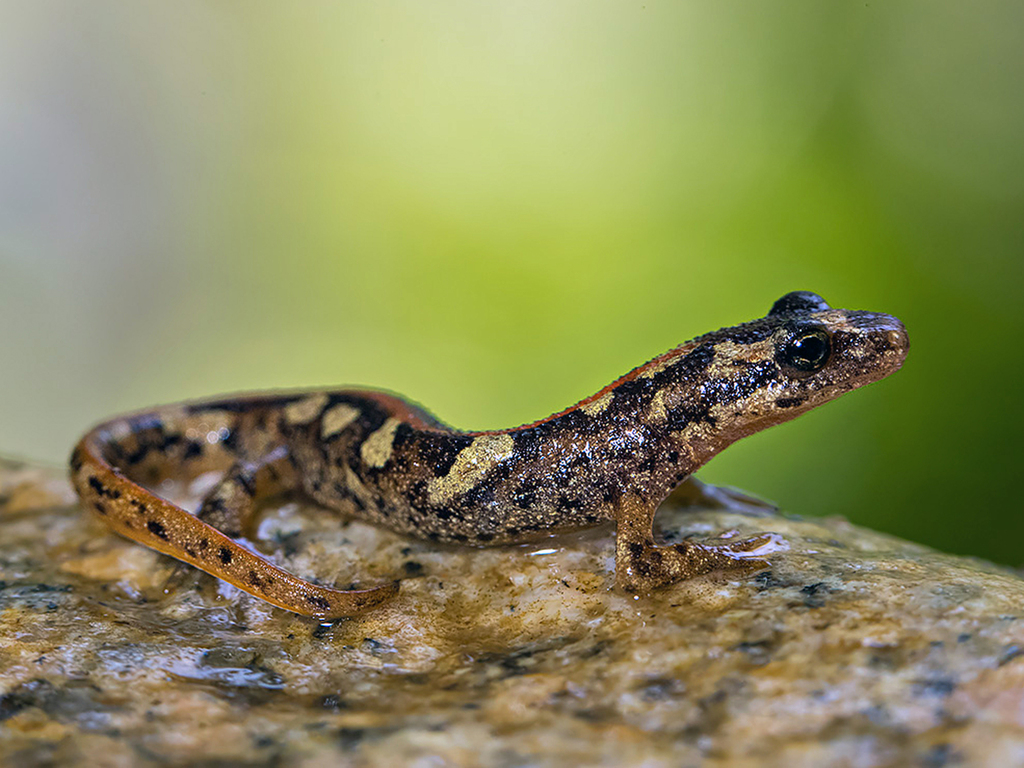
On Sardinia, a rare brook salamander survives in a limited mountain range of streams and pools. It is native to Italy and is endemic to the island of Sardinia. Its rarity comes from a restricted range and a population split into separate groups. Damp spring nights are a good fit because the species stays close to calm water and humid hiding places, sometimes even using caves.
This salamander has a quieter look than some of the more patterned newts, though its island setting gives it plenty of appeal. It prefers calm stretches of water and can lay eggs in permanent water bodies. Water loss, pollution, and disturbance all matter more when a species lives on one island alone. For anyone interested in Mediterranean amphibians, it is one of the most memorable salamanders to know.
This article originally appeared on Avocadu.