
10 Native Orchids That Bloom in Spring and Are Easy to Miss
Some of the most interesting flowers in spring are also the easiest to miss. Native orchids tend to grow in spots that do not draw much attention at first. Their shapes can look unusual, yet they blend into their surroundings. Once you become familiar with them, they start to appear more often.
This post may contain affiliate links, which helps keep this content free. Please read our disclosure for more info.
Pink Lady’s Slipper
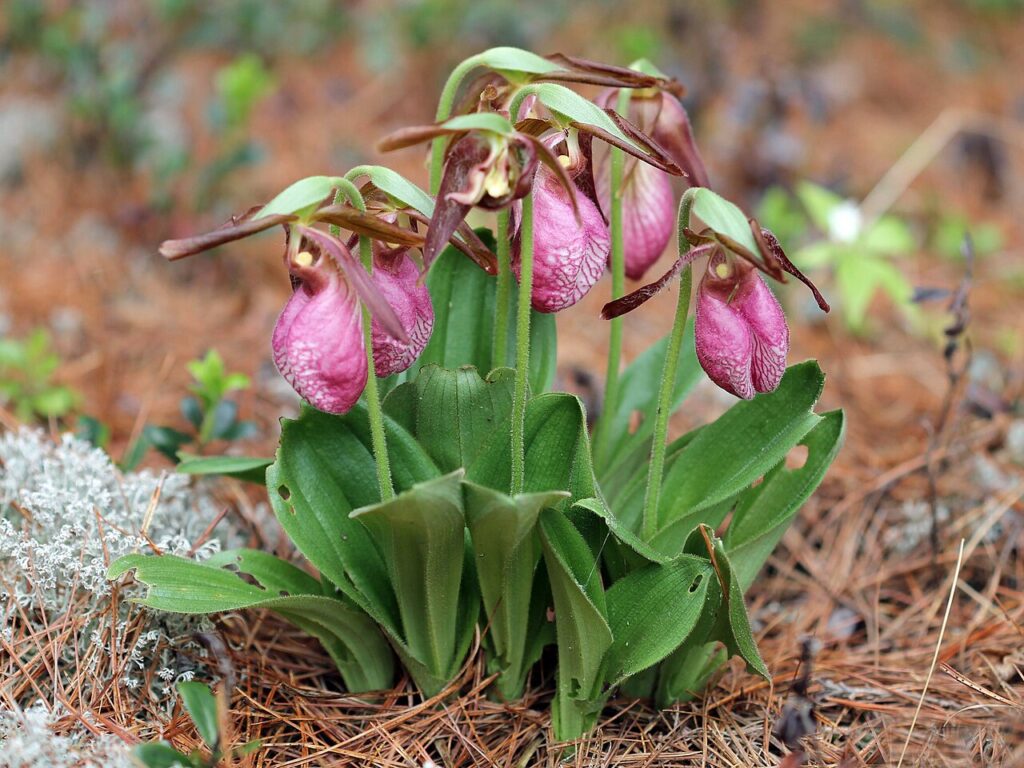
Pink Lady’s Slipper is one of those plants that feels almost hidden in plain sight, even in areas where it grows regularly. Its soft pink pouch rises just above the forest floor, often surrounded by pine needles, moss, and low shrubs that make it easy to overlook. This orchid prefers cool, shaded woodlands with acidic soil, which helps explain why it tends to appear in quiet, less disturbed areas. Most blooms show up in mid to late spring, and they do not last long, which adds to the challenge of spotting one.
Many gardeners are surprised to learn that this orchid cannot simply be moved or transplanted like other flowers. It depends on a specific type of fungus in the soil to grow, and without it, the plant will not survive. Because of this, even large patches can take years to develop and spread naturally. Walking slowly and scanning the ground carefully often makes the difference between missing it and spotting that soft pink shape. Once you notice one, it becomes easier to pick out others nearby.
Yellow Lady’s Slipper
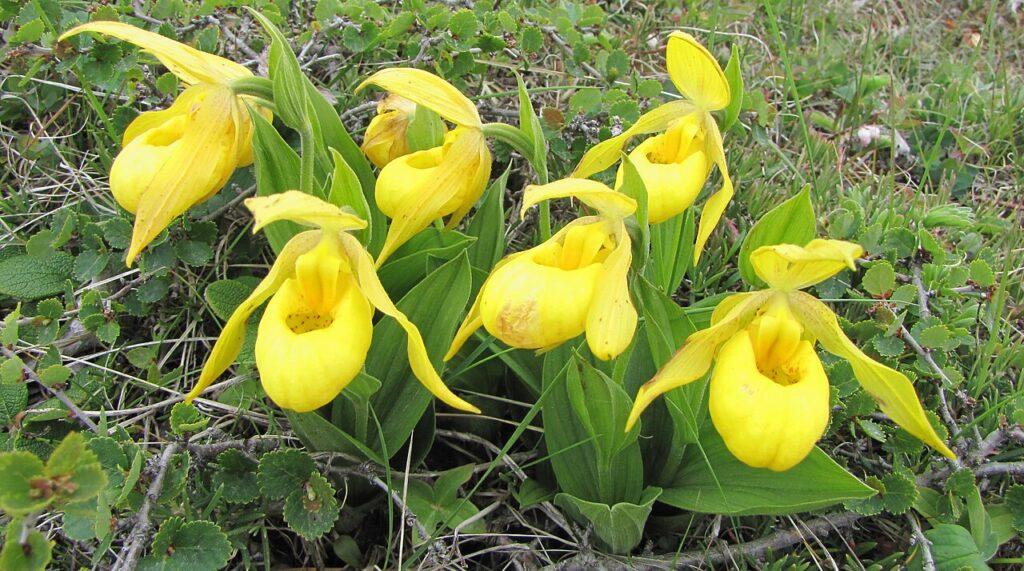
The Yellow Lady’s Slipper stands out a bit more than its pink relative, though it can still be easy to miss if you are not paying attention. Its bright yellow pouch catches light in a way that almost glows against the green backdrop of leaves and stems. It tends to grow along woodland edges and in open forest areas where sunlight filters through. Even with its color, the surrounding vegetation can hide it surprisingly well.
This orchid often blooms earlier in the season, sometimes appearing when spring is just starting to settle in. Its structure helps guide pollinators into the pouch, where they pick up pollen before exiting. Like many native orchids, it has very specific growing needs and does not respond well to being disturbed. You are more likely to find it in areas that have remained unchanged for many years. A careful walk along forest trails can reveal one if you take your time.
Showy Lady’s Slipper
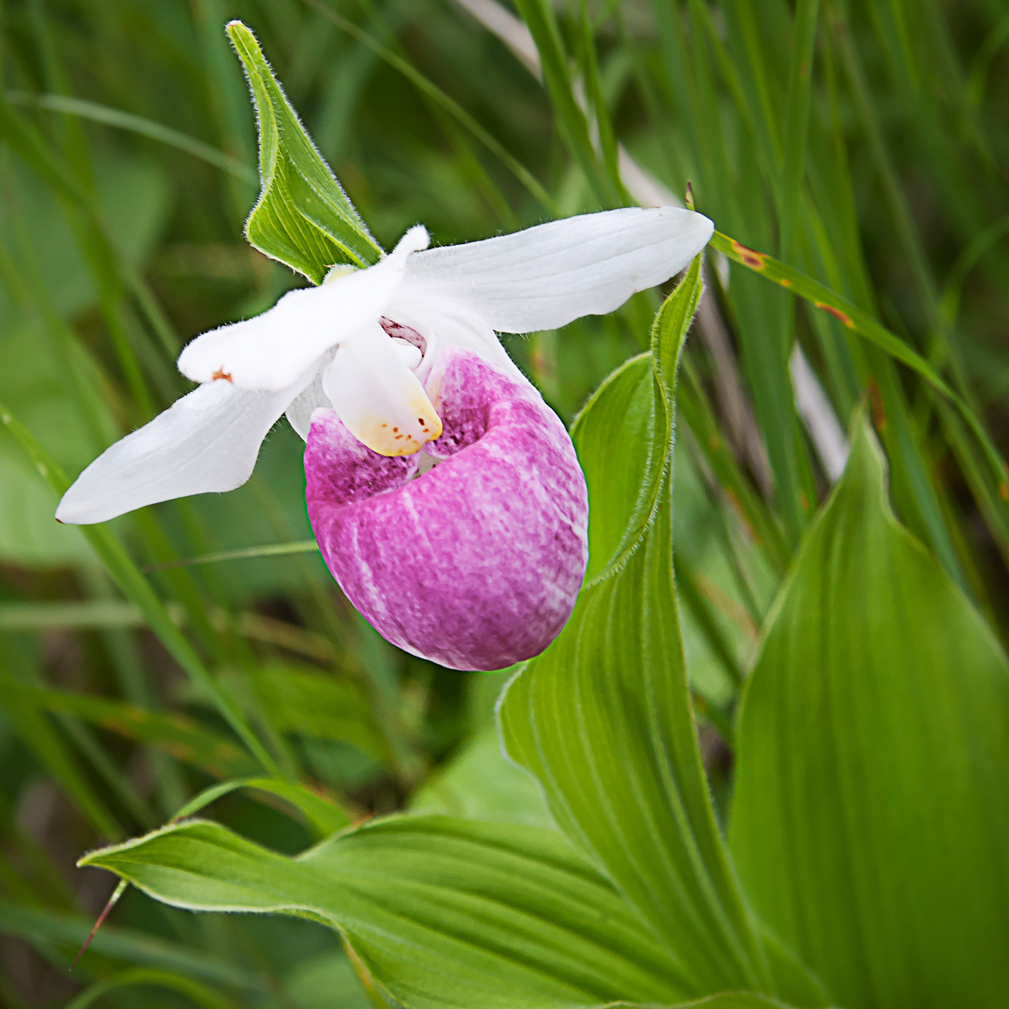
Showy Lady’s Slipper has a larger, more striking bloom that combines white petals with a deep pink pouch. At first glance, it seems like it would be easy to spot, yet it often grows in places where taller grasses and surrounding plants break up its outline. Wet meadows, marsh edges, and damp woodland clearings are common places to find it. Its height gives it some visibility, though it still blends in more than you might expect.
Late spring is when this orchid puts on its best display, often forming small clusters that feel like hidden treasures. Each bloom looks almost sculpted, with a shape that draws attention once you notice it. It thrives in moist soil that stays consistently damp, which limits where it can grow. Pollinators are naturally drawn to its color and form, helping it reproduce year after year. Taking a slow walk through wet ground areas can reward you with a sight you will not forget.
Purple Fringed Orchid
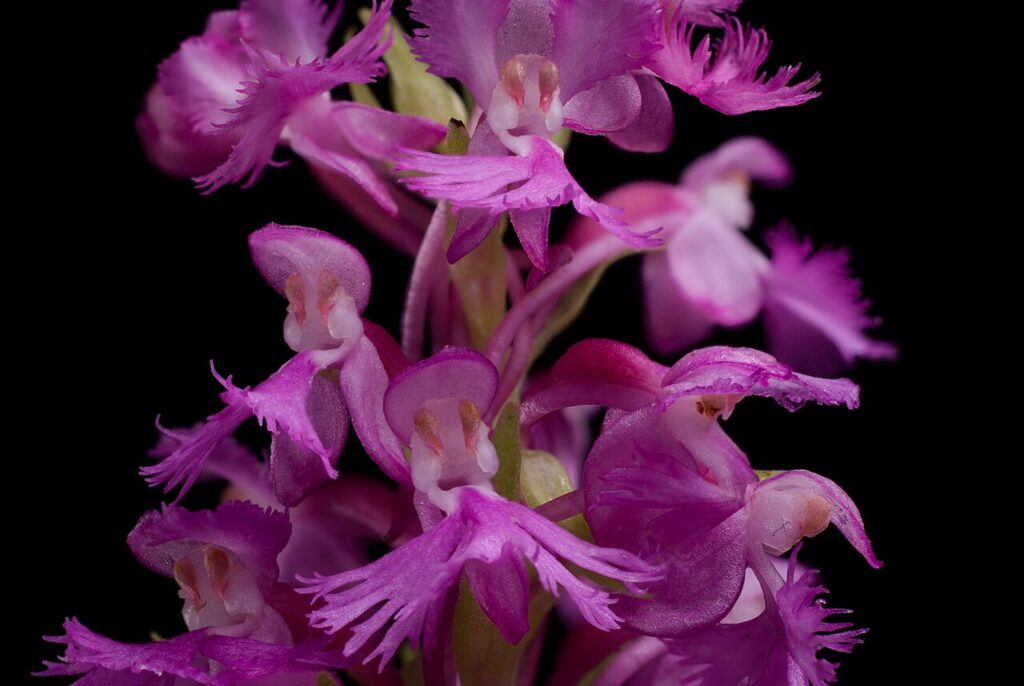
The Purple Fringed Orchid has a soft, textured look thanks to its finely divided petals that resemble tiny fringes. Its rich purple color can stand out when the light hits it just right, though it often grows among dense grasses and wetland plants that hide it from view. You will usually find it in marshes, wet prairies, or roadside areas where water tends to collect. From a distance, it can look like just another patch of color among many.
It blooms later in spring and sometimes into early summer, depending on the region and weather conditions. The structure of the flower attracts butterflies and other pollinators that are drawn to its color. Even though it grows in groups at times, each plant can still be easy to miss without a closer look. Its presence often points to a healthy wetland area that supports a wide range of plant life. Slowing down and scanning the edges of damp ground can help you spot it.
White Fringed Orchid
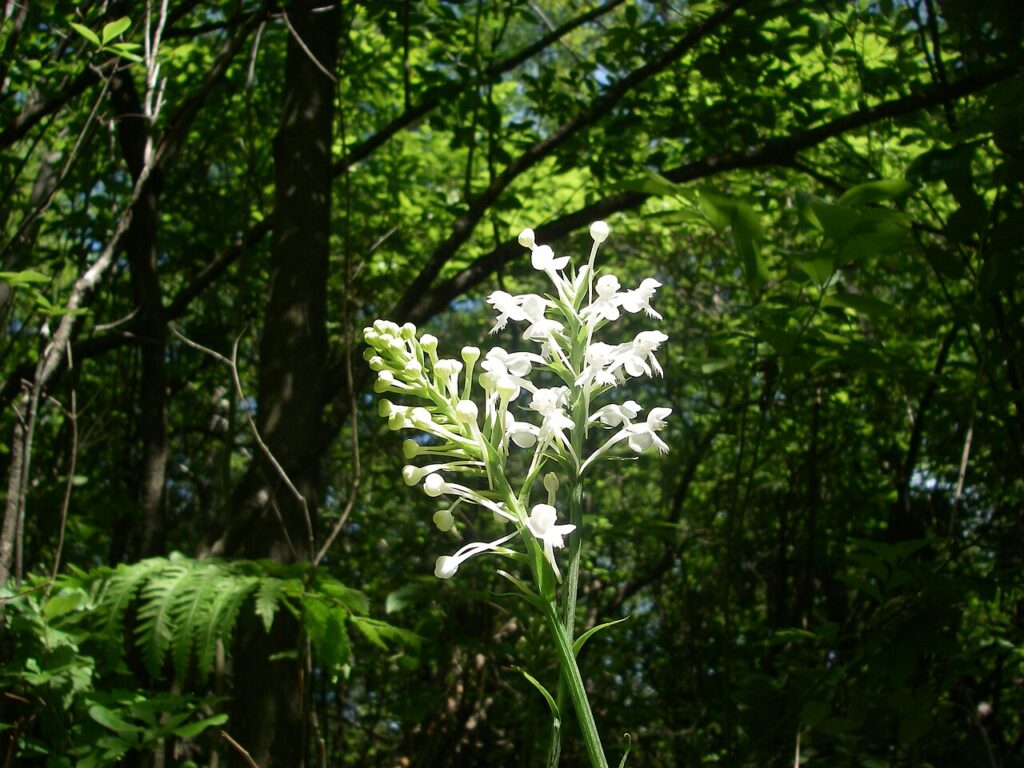
White Fringed Orchid carries the same delicate petal structure as the purple variety, though its pale color gives it a softer appearance. In bright sunlight, its white blooms can blend into the background, especially when surrounded by other light-colored plants. It grows in moist meadows and wetlands where the soil remains damp through the season. Its subtle look is part of what makes it so easy to pass by.
The bloom period often overlaps with other spring flowers, which adds to the challenge of spotting it. Pollinators are drawn to its light color, especially in low light conditions such as early morning or late afternoon. This orchid depends on very specific soil and moisture conditions to survive. Because of that, it often appears only in well-preserved areas. Taking your time in these habitats can reveal its fine details.
Rattlesnake Plantain
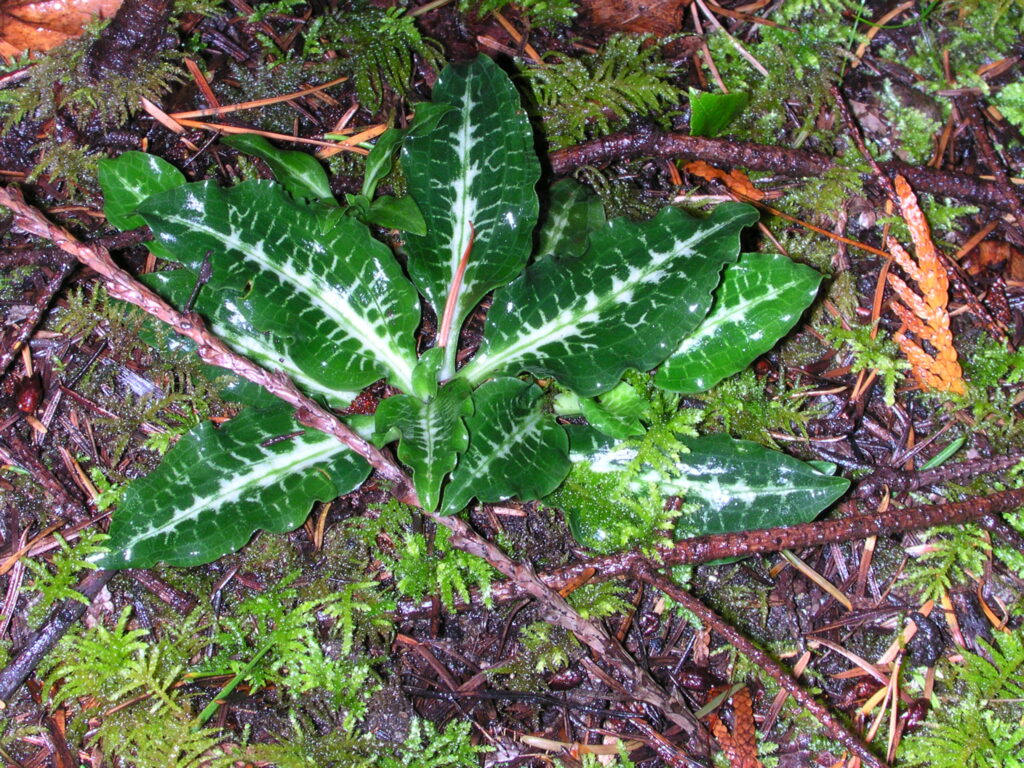
Rattlesnake Plantain is often noticed for its leaves before its flowers, which is unusual for an orchid. The leaves have a patterned surface with light veins that stand out against the darker green background. In spring, a thin stalk rises with small white flowers that many people overlook. It grows in shaded woodlands where the ground stays cool and slightly moist.
The flowers are quite small and can be missed unless you are looking closely at the plant. Many people do not realize it is an orchid at all when they first see it. Its leaves remain visible for much of the year, which makes it easier to identify once you know what to look for. The plant grows slowly and prefers areas that have not been disturbed. Taking note of its leaf pattern can help you spot it later in bloom.
Coralroot Orchid
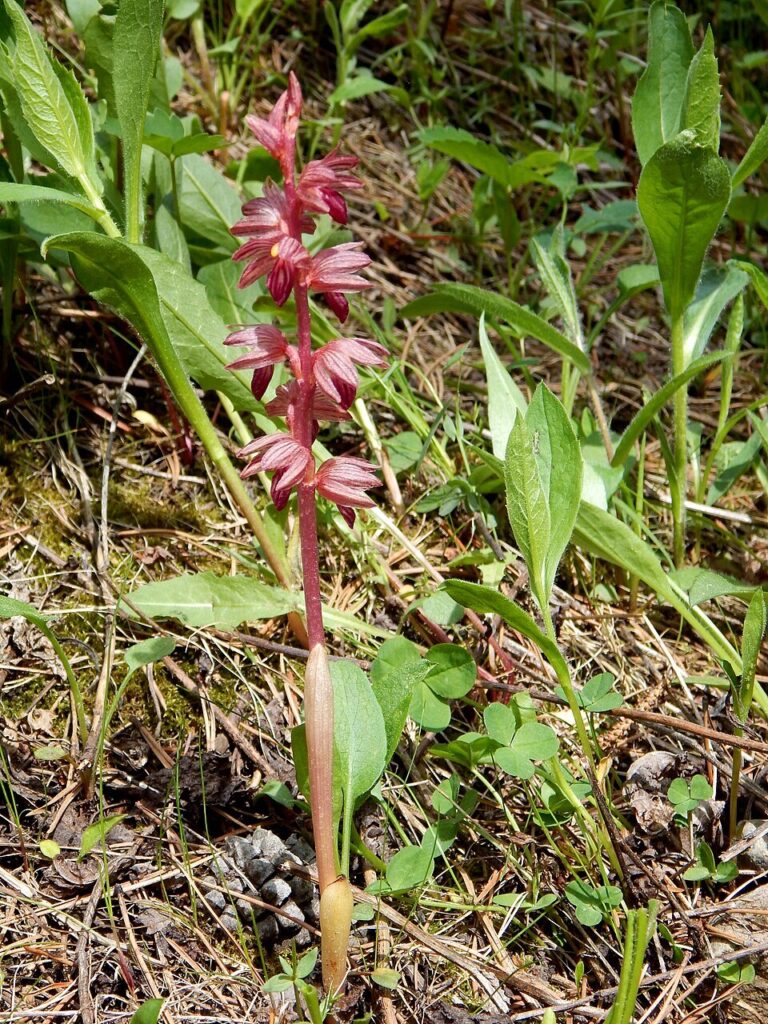
Coralroot Orchid stands apart from many other plants because it does not have green leaves. Instead, it gets nutrients from fungi in the soil, which allows it to grow in deep shade. Its stems often appear in shades of red, orange, or yellow, blending easily with fallen leaves. This makes it one of the easiest orchids to overlook on the forest floor.
The flowers are small and arranged along a thin stem that rises above the leaf litter. It tends to grow in clusters, though each plant can still be difficult to notice. Because it lacks leaves, it does not stand out in the same way as other plants. Its unusual growth method adds to its quiet presence in the forest. Spotting one often feels like finding something hidden in plain sight.
Calypso Orchid
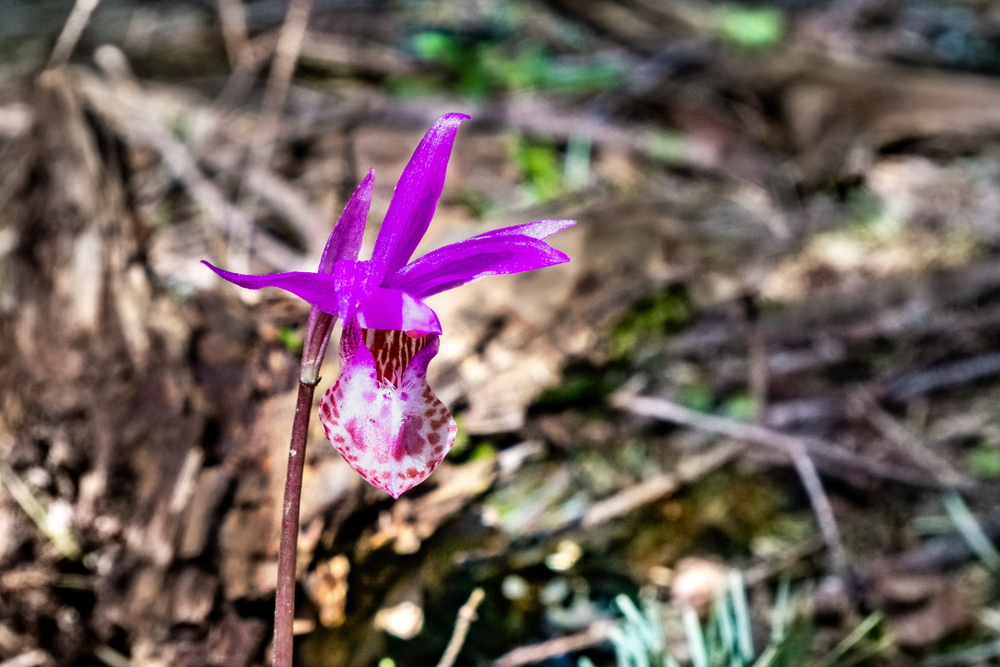
Calypso Orchid is small but striking when you see it up close. It produces a single pink or purple bloom that seems delicate and almost out of place on the forest floor. It grows in cool, shaded forests with rich soil and minimal disturbance. From a distance, it is easy to miss due to its size.
This orchid blooms early in spring, often before many other plants have fully emerged. It relies on specific fungi in the soil to grow, which limits where it can be found. Because of its sensitivity, it does not tolerate being disturbed. Finding one often feels like a quiet moment of discovery during a walk. Its beauty becomes clear only when you slow down and look closely.
Grass Pink Orchid
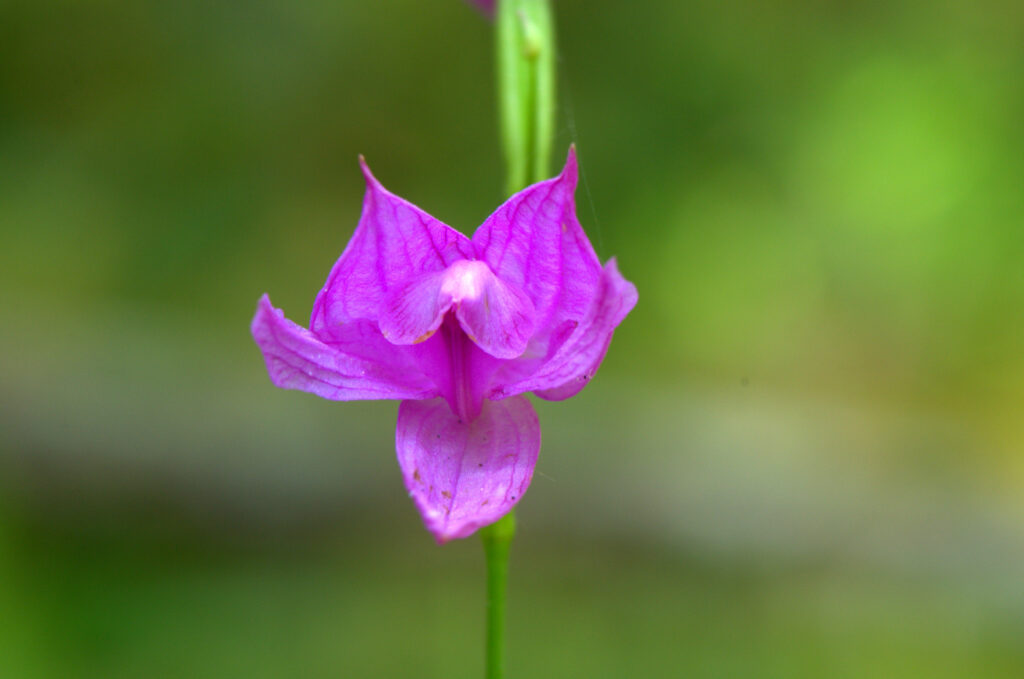
Grass Pink Orchid brings a soft splash of color to wetlands and damp meadows. Its pink flower has a fringed lip that adds texture and detail when viewed up close. It often grows among tall grasses that partially hide its presence. Even though it rises above the ground, it can still blend into the surrounding plants.
It blooms in mid to late spring and attracts a variety of pollinators. The plant depends on steady moisture and specific soil conditions to grow well. Its simple shape makes it easy to overlook from a distance. Once you notice one, it becomes easier to spot others nearby. Wet open areas are the best places to look.
Small Whorled Pogonia
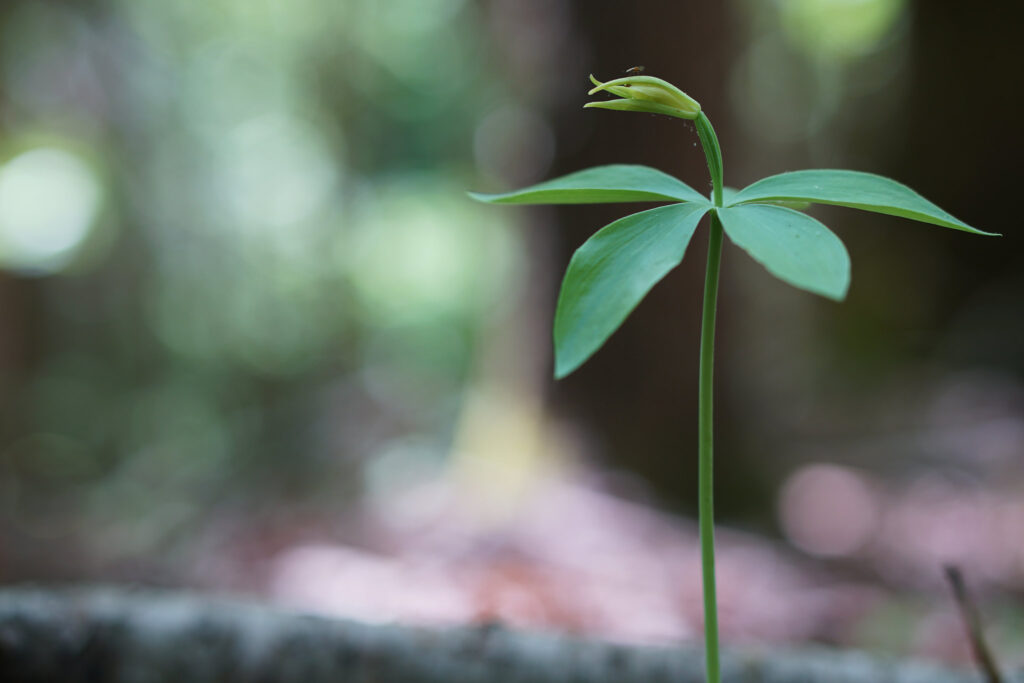
Small Whorled Pogonia is one of the rarest native orchids and can be very difficult to find. It has a ring of leaves near the top of its stem with a single greenish flower above them. The plant grows in shaded forests with rich soil and thick leaf litter. Its color helps it blend into its surroundings almost perfectly.
The bloom appears in late spring and is easy to miss because of its size and color. It depends on very specific conditions to survive, which limits where it can grow. Conservation efforts are in place to protect its remaining populations. Spotting one is uncommon and often memorable. It is a reminder of how much can go unnoticed in nature.
This article originally appeared on Avocadu.