
13 Kitchen Habits That Quietly Make Your Grocery Bill Higher
Sometimes it feels like your grocery bill keeps climbing no matter what you do. A lot of it comes down to small habits in the kitchen that go unnoticed day after day. Once you start paying attention, the reasons become easier to spot. Keep reading to see what might be adding to your total without you realizing it. You might be surprised by how simple changes can make a real difference.
This post may contain affiliate links, which helps keep this content free. Please read our disclosure for more info.
Letting Food Expire Before You Use It
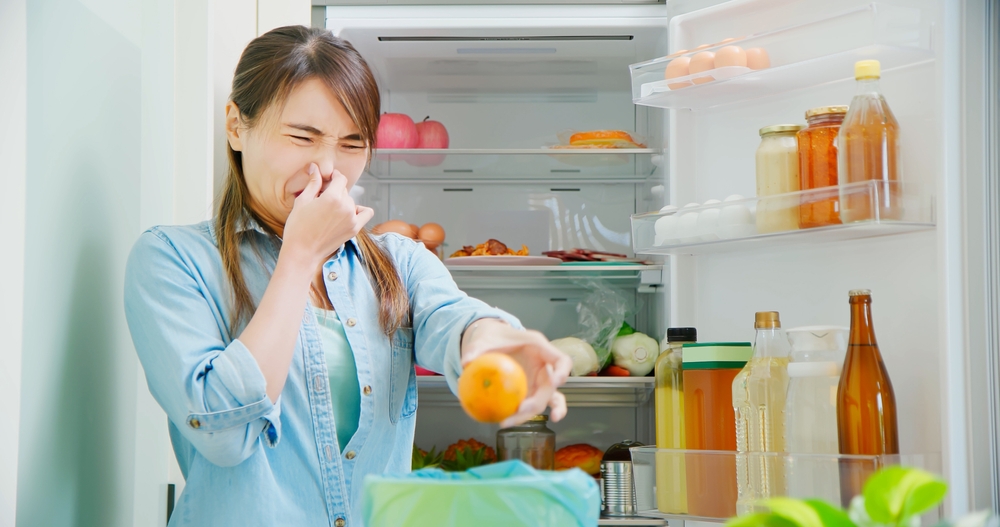
It usually begins with good intentions, like buying fresh vegetables, dairy, and meat for the week ahead. A few busy days pass, and those items sit untouched while other meals take priority. Before long, you notice wilted greens or expired containers that have to be thrown away. This habit quietly drains your grocery budget because you are paying for food that never gets used.
Staying aware of what needs to be used first can help reduce this kind of waste. Placing older items at the front of the fridge makes them easier to notice during meal prep. Planning meals around what is already on hand also keeps things moving. Over time, this simple shift can help you get more value out of every grocery trip.
Shopping Without Checking Your Pantry
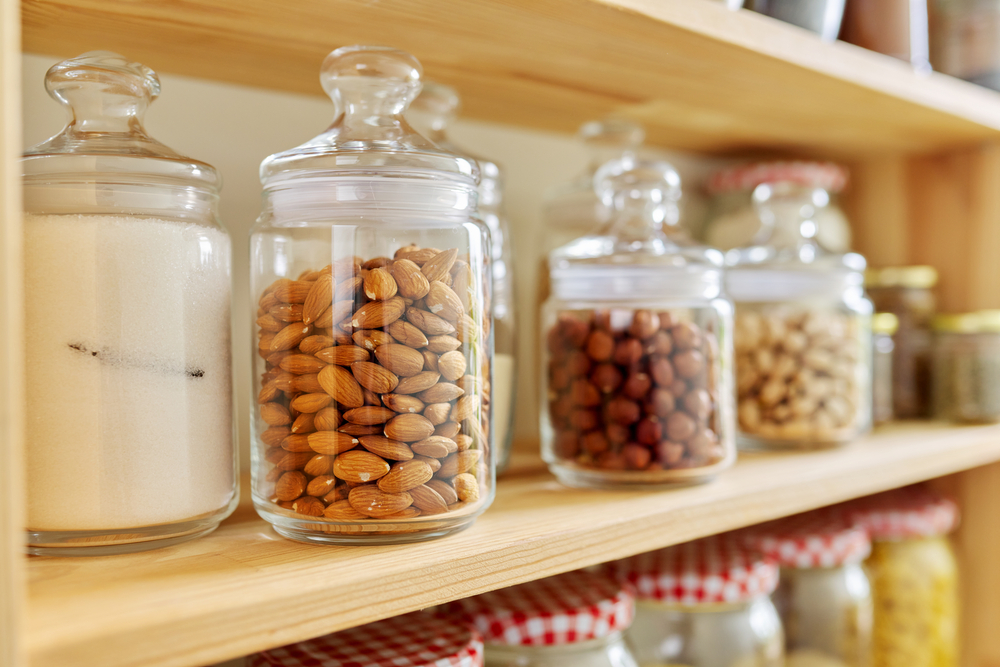
Walking into the store without checking your pantry often leads to buying items you already have. It is easy to forget about that extra bag of rice or unopened jar of sauce tucked in the back. These duplicate purchases take up space and often sit unused for longer than expected. As a result, you end up spending more than needed on things you did not actually require.
Taking a few minutes to scan your pantry before shopping can prevent this pattern. A quick list based on what is missing keeps your trip focused and practical. It also helps you build meals around what you already own instead of starting from scratch each time. This habit keeps both your kitchen and your spending more organized.
Cooking Portions That Are Too Large
Preparing large meals can feel like a time saver, especially when you are trying to get ahead for the week. The problem starts when those portions go beyond what you and your household can realistically finish. Containers of leftovers begin to stack up, and some slowly get pushed out of sight. After a few days, they are no longer appealing or safe to eat, which turns a good plan into wasted food.
This habit often leads to buying more groceries than needed because earlier meals were never fully used. Being more mindful of portion sizes helps keep meals manageable and reduces the chances of waste. It also makes it easier to rotate through what you already have instead of constantly cooking something new. When you do make extra, having a clear plan for when and how to eat it keeps those meals from being forgotten.
Ignoring Leftovers
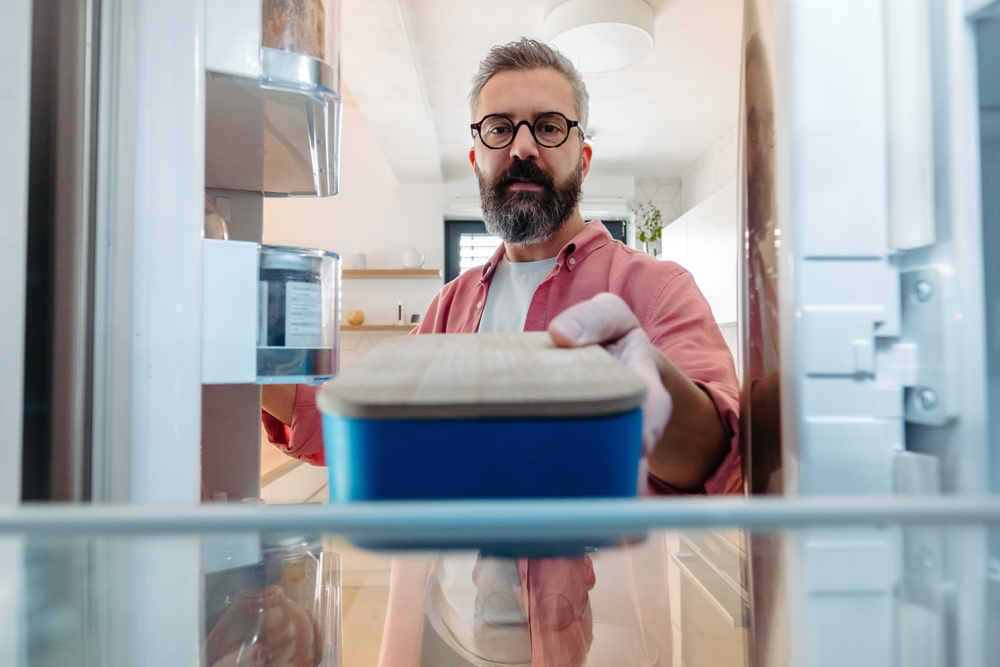
Leftovers tend to lose their appeal once they sit in the fridge for a day or two. It becomes easier to cook something new instead of reheating what is already there. As new meals take their place, older containers get pushed further back and out of sight. Eventually, they are thrown away, which means you paid for food that never served its full purpose.
This pattern often leads to higher grocery spending because you keep replacing meals that were already prepared. Making leftovers part of your weekly routine can help break that cycle. Setting aside one day to eat what is already in the fridge keeps things from piling up. You can also refresh leftovers by adding a simple side or turning them into a new dish.
Overbuying Fresh Produce
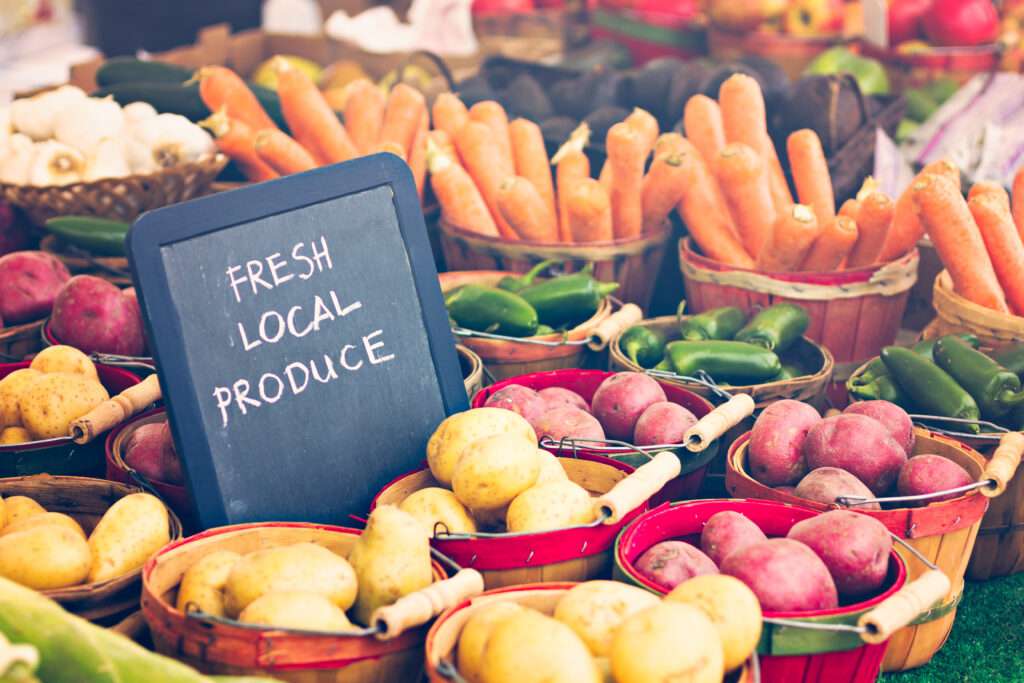
Fresh fruits and vegetables are easy to overestimate when planning meals for the week. They look appealing at the store, which makes it tempting to grab more than you actually need. Once home, schedules shift, and plans change, leaving some of those items unused. As days pass, they lose freshness and often end up in the trash.
This habit quietly raises your grocery bill because you are paying for food that never gets eaten. Buying smaller amounts more often can help keep produce fresh and easier to manage. You can also mix in frozen options, which last longer and give you more flexibility. Planning meals around similar ingredients helps you use everything before it goes bad.
Not Storing Food Properly
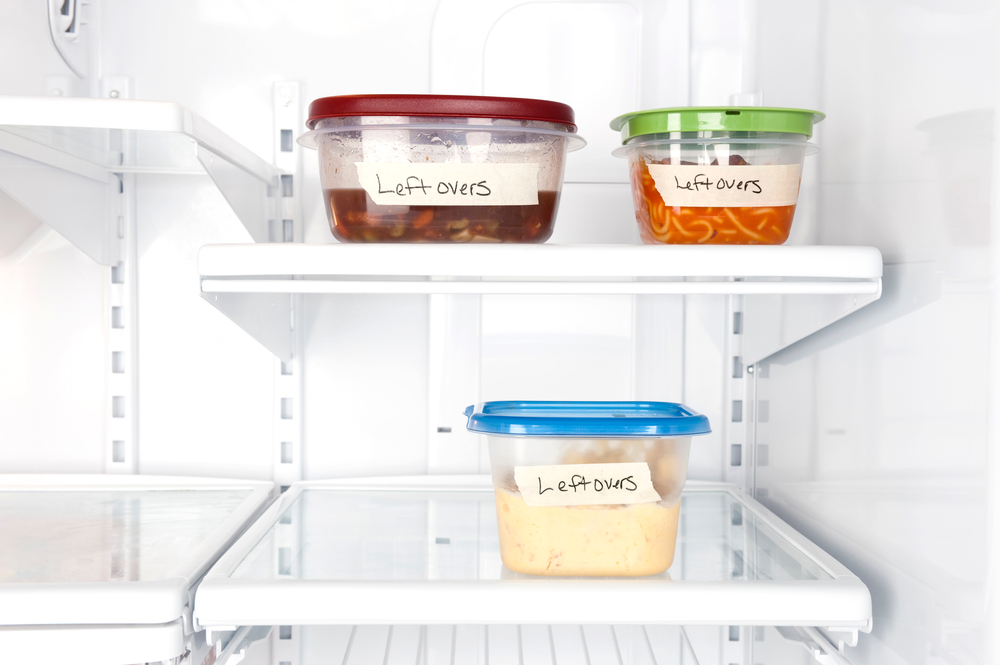
Food that is not stored the right way tends to spoil faster than expected. Herbs wilt quickly, dairy products lose freshness, and leftovers dry out when left uncovered. Even placing items in the wrong part of the fridge can shorten their shelf life. These small mistakes lead to replacing food more often than necessary.
Over time, this adds to your grocery costs without you realizing it. Learning a few basic storage habits can help your food last longer and stay usable. Keeping items sealed, organized, and in the right temperature zones makes a noticeable difference. Labeling leftovers with dates also helps you keep track of what should be eaten first.
Buying in Bulk Without a Plan

Buying in bulk often feels like a smart way to save money at first. Larger quantities usually come with a lower price per item, which makes them appealing. The issue comes when those items sit unused for too long or take up too much space. Some may lose quality or expire before you can finish them.
Without a clear plan, bulk purchases can easily turn into waste instead of savings. Thinking ahead about how you will use each item makes a big difference. Planning meals around those ingredients helps you get through them on time. In some cases, sharing bulk items with others can also keep things from going to waste.
Cooking Without a Meal Plan
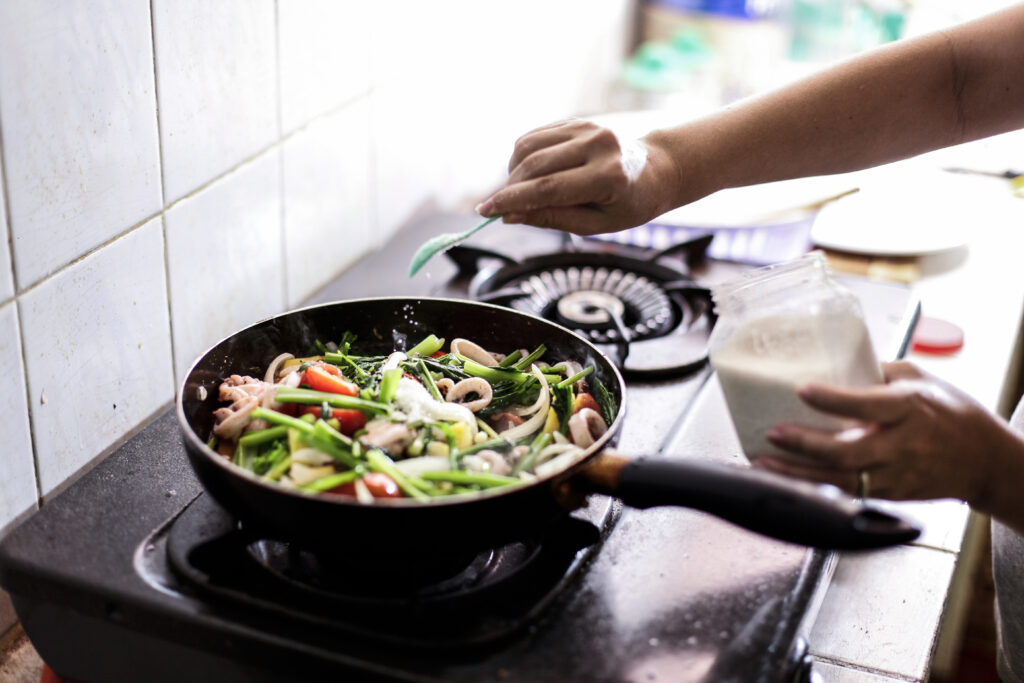
Cooking without a plan often leads to last minute decisions that do not make full use of what you already bought. You might open the fridge, feel unsure about what to make, and end up choosing something quick instead of using ingredients that need attention. As a result, certain items get pushed aside and sit untouched for days. Over time, this creates a pattern where food is forgotten and eventually thrown away.
This habit can quietly increase your grocery bill because you keep buying new ingredients instead of using what is already there. A simple plan helps give each item a purpose, even if it is just a rough idea of meals for the week. It also makes it easier to rotate through what you have before it goes bad. When you know what you are cooking ahead of time, your groceries are more likely to be used fully.
Throwing Away Food Too Quickly
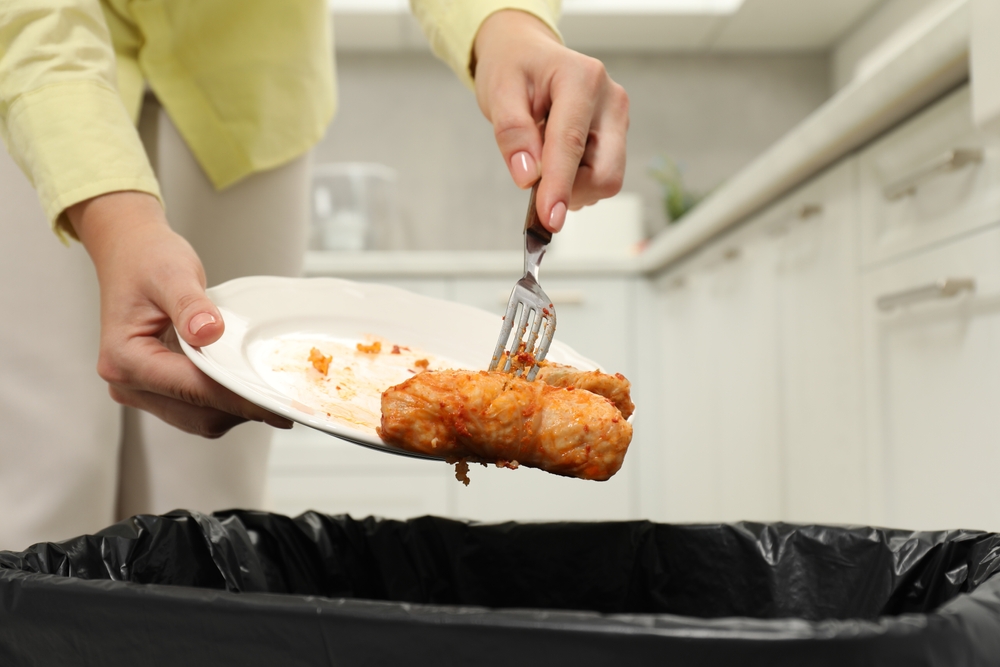
It is common to throw away food as soon as it reaches a printed date on the package. Many people assume that the date means the item is no longer safe to eat, even when it still looks and smells fine. This leads to tossing out items that could have lasted a little longer with proper storage. Over time, these small decisions add up and result in a noticeable amount of wasted food.
This habit increases grocery costs because you end up replacing items sooner than necessary. Learning what those dates actually mean can help you make better choices in the kitchen. In many cases, your senses can tell you more than the label if something is still usable. Taking a moment to check before throwing something away can help you keep more of your groceries in use.
Using Too Many Ingredients at Once
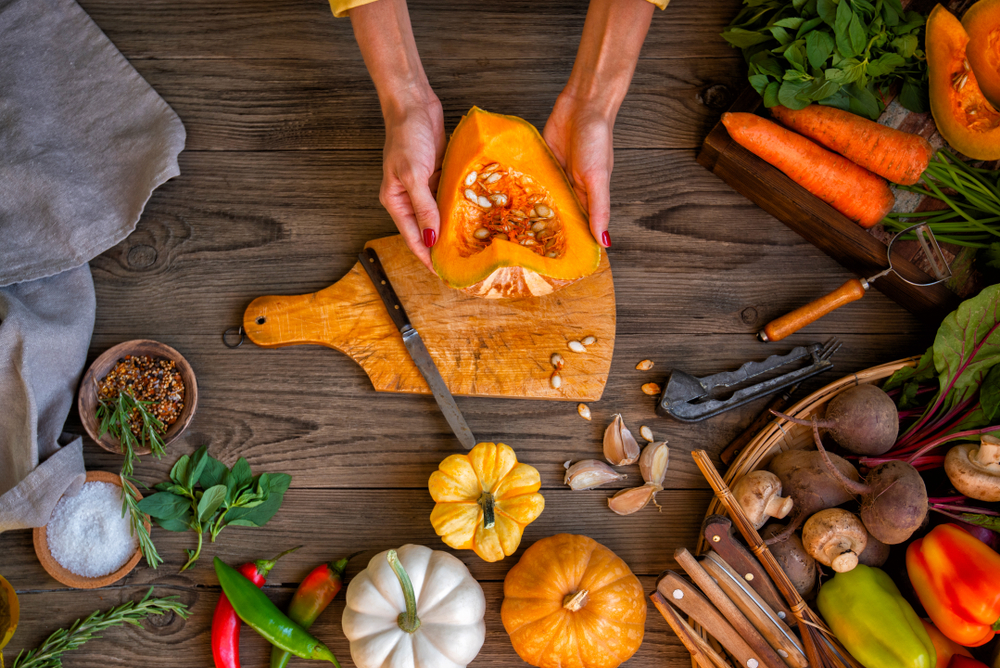
Trying recipes with long ingredient lists can feel exciting, especially when you want to try something new. However, it often means buying several items that you do not normally keep on hand. After the meal is made, many of those ingredients are left without a clear purpose. They sit in the fridge or pantry until they are forgotten or no longer usable.
This pattern leads to waste and adds extra cost to your grocery bill over time. Choosing meals that share similar ingredients can help you get more value from what you buy. It also makes cooking easier since you are working with familiar items. When you plan ahead, those extra ingredients have a better chance of being used again instead of being thrown away.
Forgetting What Is in the Freezer
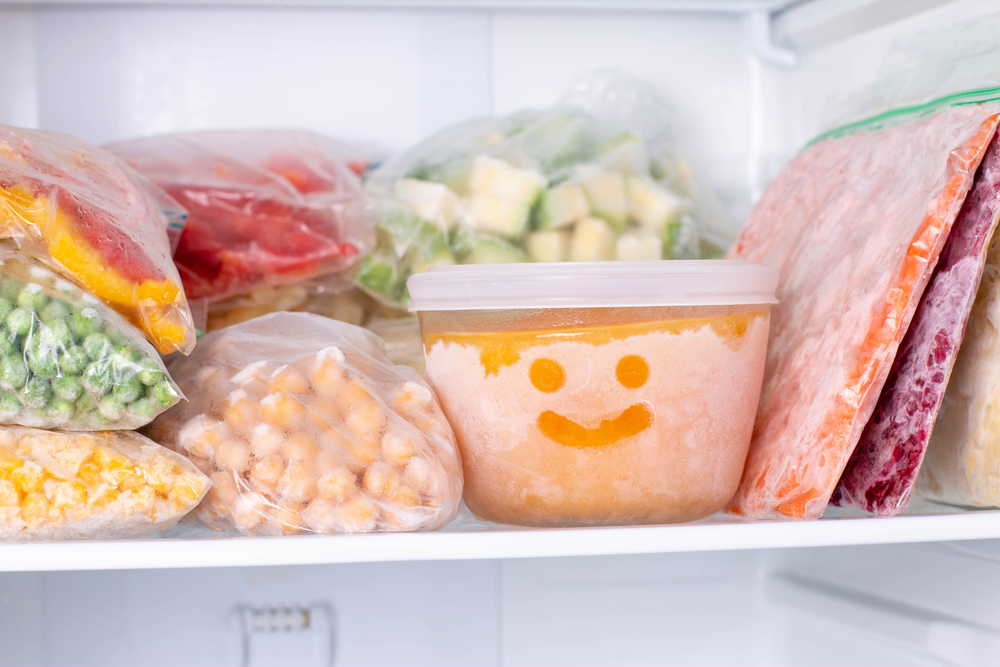
The freezer is meant to store food for later, but it can quickly become disorganized. Items get stacked on top of each other, pushed to the back, and slowly forgotten. After a while, it becomes difficult to remember what is actually inside. This often leads to buying items you already have or letting stored food go unused.
Over time, forgotten items may lose quality or end up being thrown away. Keeping track of what is in your freezer can help you avoid this problem. A simple list or regular check makes it easier to plan meals around what is already there. When everything is visible and organized, your freezer becomes a useful part of your routine instead of a hidden source of waste.
Relying Too Much on Pre-Packaged Foods
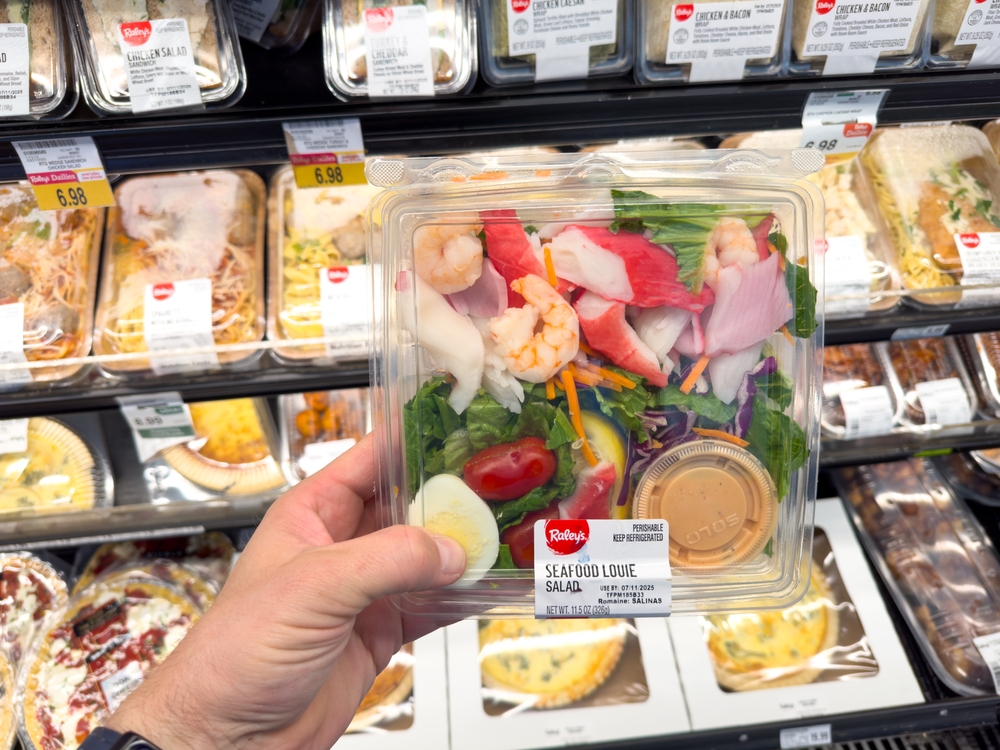
Pre-packaged foods can make daily cooking feel easier, especially during busy weeks. They require less preparation and can save time when you are in a rush. However, these items often come at a higher cost compared to cooking from basic ingredients. When they become a regular part of your routine, the extra spending starts to build up.
It is easy to overlook this habit because each purchase feels small on its own. Shifting even a few meals toward simple home cooking can help balance your spending. Preparing basic dishes in advance can reduce how often you rely on packaged options. This allows you to make better use of what you already have at home.
Skipping a Grocery List
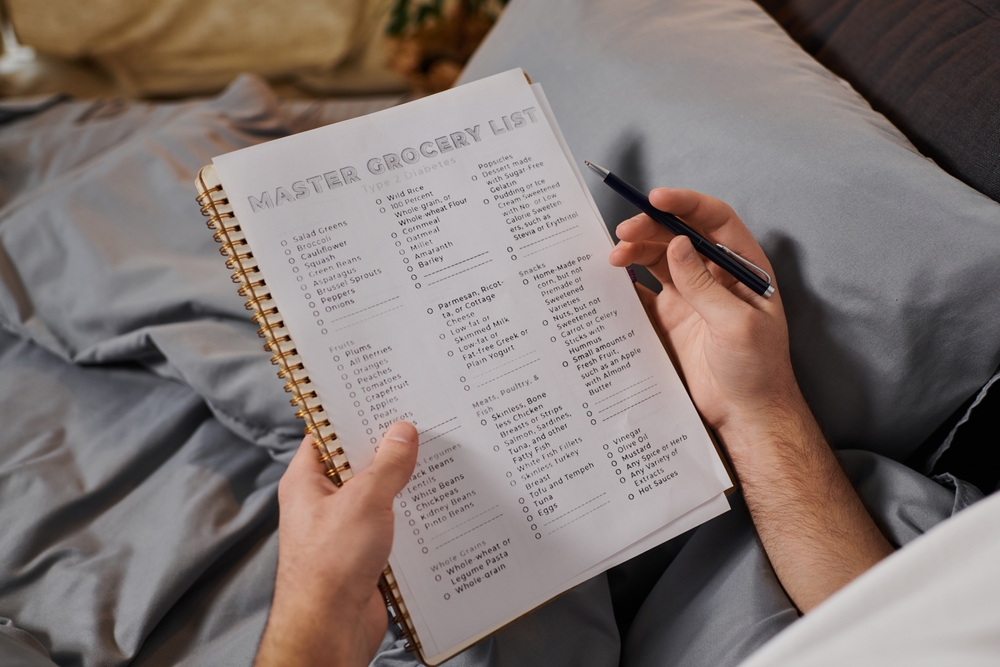
Walking into the store without a list makes it easier to lose track of what you actually need. You may rely on memory, which often leads to missed items or unnecessary extras. As you move through the aisles, it becomes tempting to grab things that were not part of your original plan. This can quickly raise your total without you noticing.
Many of these extra purchases may not even get used once you get home. Writing a simple list before shopping helps keep your trip focused and more organized. It gives you a clear idea of what you need and helps you avoid duplicates. Over time, this habit can make a noticeable difference in how much you spend.
This article originally appeared on Avocadu.