
14 Carnivorous Plants That Wake Up in Spring and Where to Spot Them
Spring is when some of the most unusual plants begin to stir back to life. Carnivorous plants, in particular, show fresh growth as temperatures start to rise. You might be surprised at where these plants can be found once the season shifts. From wetlands to forest edges, their habitats are more common than you think.
This post may contain affiliate links, which helps keep this content free. Please read our disclosure for more info.
Venus Flytrap
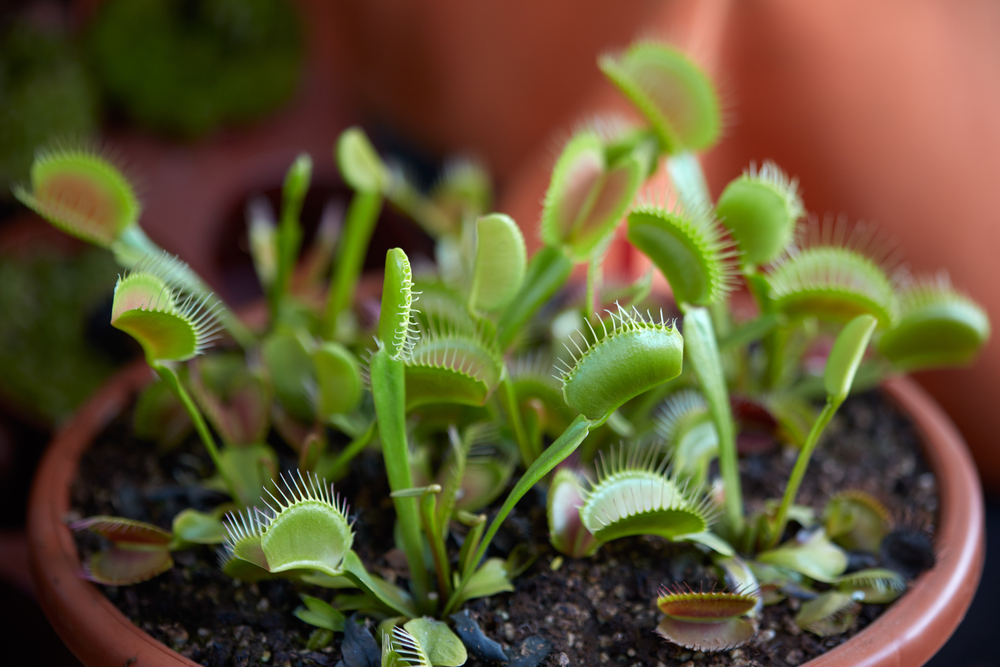
The Venus flytrap is one of the most recognizable carnivorous plants, known for its jaw-like traps that snap shut when triggered by tiny hairs on the leaf surface. As spring arrives, the plant pushes out fresh green traps that are fully active and ready to catch insects, marking the start of its growing season. These traps are highly sensitive and will only close when stimulated more than once, which helps the plant avoid wasting energy on debris. Each trap has a limited lifespan, so the plant continuously produces new ones during this time.
In the wild, Venus flytraps are native to a very small region in North and South Carolina, where they grow in open, sunny bogs with sandy soil. These areas stay moist year-round, which is important for their survival and growth. Early spring is one of the best times to see them, as new traps are forming and the plant looks its most vibrant. Because they are protected in their natural habitat, visitors should only observe them from a distance and avoid any disturbance.
Pitcher Plant

Pitcher plants use tall, tube-shaped leaves filled with digestive fluid to trap insects that are drawn in by nectar along the rim. When spring begins, the plant produces a fresh set of pitchers that gradually fill with fluid and become fully functional traps. The inner walls of the pitcher are slippery, making it nearly impossible for insects to climb back out once they fall inside. Over time, the trapped insects break down and provide nutrients that the plant cannot get from the soil.
These plants are commonly found in wetlands and bogs across parts of North America, especially in the southeastern United States. They thrive in open areas where sunlight is strong and the soil remains consistently damp. Spring is a great time to spot them because new pitchers are forming and standing upright before older ones begin to fade. Their bright colors and tall shape make them easier to notice in grassy, waterlogged landscapes.
Sundew
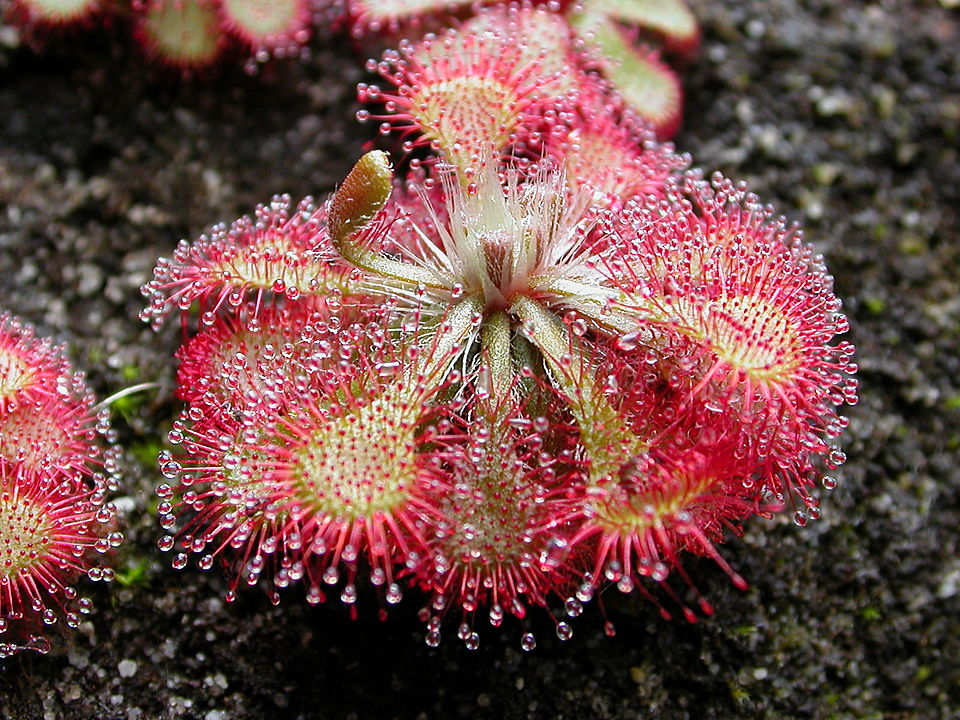
Sundews are small but striking plants covered in fine tentacles tipped with sticky droplets that glisten in the sunlight. As spring growth begins, their leaves spread out and become more active, increasing their ability to catch tiny insects. The droplets look like morning dew, which attracts unsuspecting prey that quickly becomes stuck. Once captured, the tentacles slowly move inward, wrapping around the insect and beginning the digestion process.
You can find sundews in bogs, peatlands, and damp forest clearings where the soil stays wet and low in nutrients. They grow close to the ground, so spotting them often requires a careful and patient look. Spring is one of the best times to see their fresh growth, when the droplets appear more vivid and plentiful. Their small size may make them easy to overlook, but their sparkling appearance often gives them away.
Cobra Lily
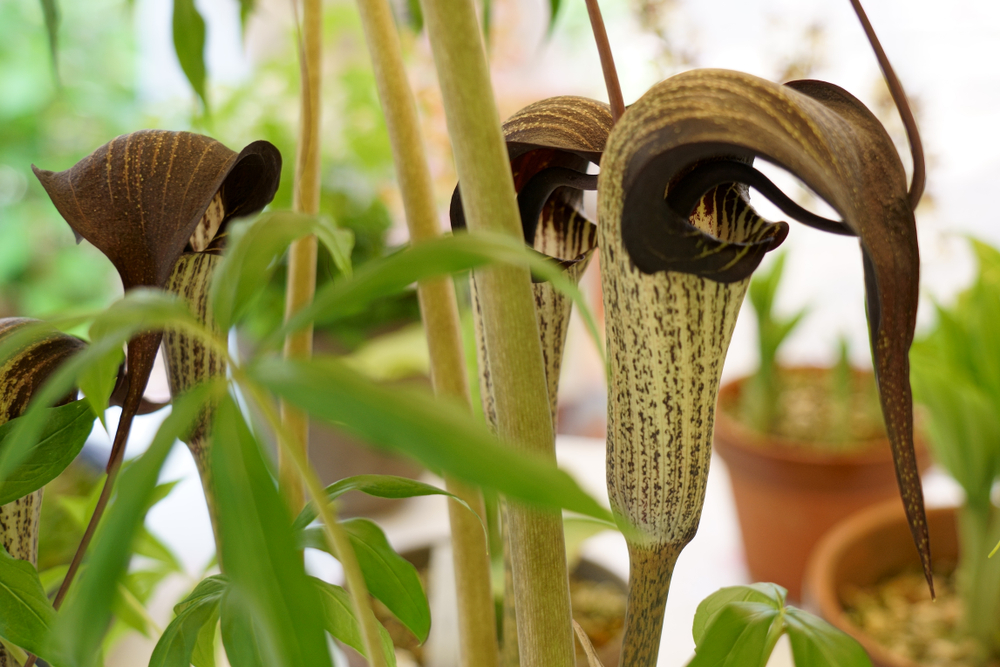
The cobra lily stands out for its unusual shape, with a hooded leaf that closely resembles the head of a striking snake. During spring, it produces new leaves that form intricate traps designed to confuse and capture insects. Light enters through small openings in the hood, which disorients prey and makes it difficult for them to find their way out. This clever structure allows the plant to trap insects without the need for sticky surfaces or snapping motion.
Cobra lilies are found in northern California and southern Oregon, often growing near cold mountain streams and seeps. They prefer areas where cool water constantly moves through the soil, creating a unique growing environment. Spring is an ideal time to visit these habitats, as new growth is visible and the plants are actively feeding. Their distinct appearance makes them one of the easiest carnivorous plants to recognize in the wild.
Butterwort
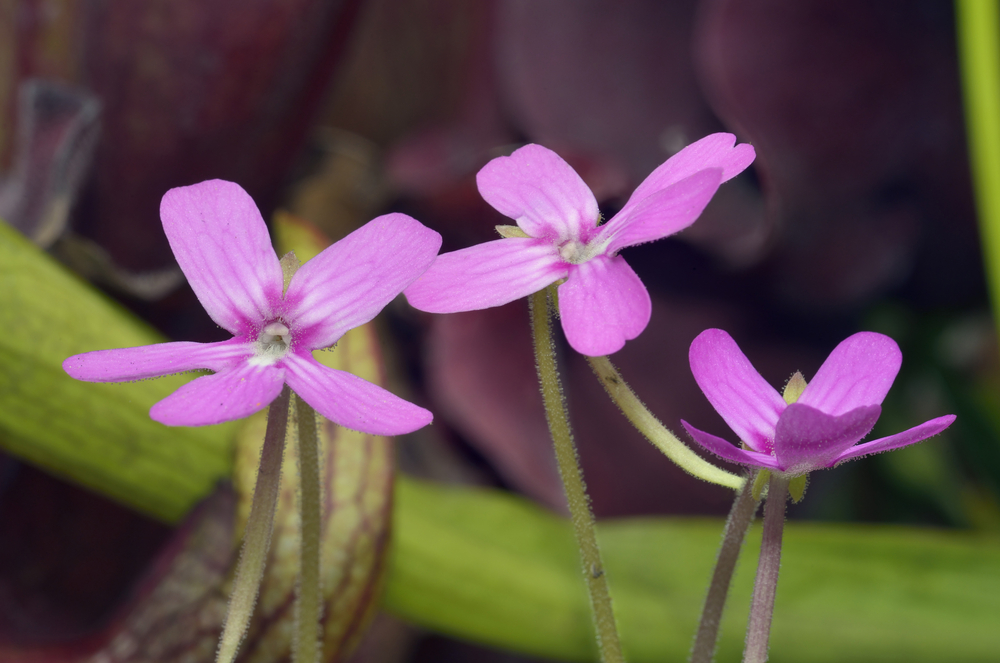
Butterwort plants have flat, smooth leaves coated in a sticky substance that traps small insects on contact. In spring, they produce fresh leaves that are especially active and effective at catching prey. The surface of each leaf is covered in tiny glands that both trap and digest insects, providing the plant with nutrients it cannot get from the soil. Despite their simple appearance, they are very efficient at capturing small flying insects.
These plants are often found in moist meadows, rocky slopes, and wetland areas where water is consistently available. Some species grow in North America, while others are native to Europe and Central America. Spring is a great time to spot them, especially when their delicate flowers begin to bloom above the leaves. Their combination of soft colors and sticky surfaces makes them both subtle and fascinating to observe.
Bladderwort
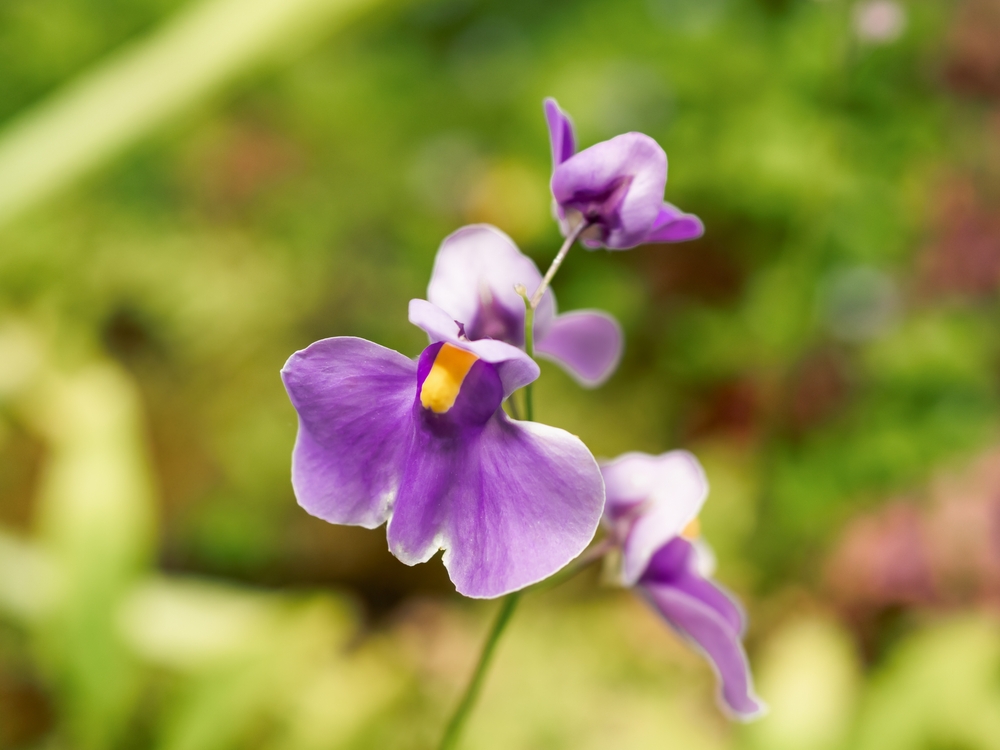
Bladderworts are unique carnivorous plants that live in water and use tiny bladder-like traps to catch microscopic prey. As spring begins, they grow rapidly and produce more of these small traps, which are capable of sucking in prey in a split second. The traps create a vacuum that pulls in tiny organisms when triggered, making them one of the fastest plant movements known. This allows the plant to thrive in water where nutrients are scarce.
You can find bladderworts in ponds, lakes, and slow-moving streams where the water is clear and shallow. They often float freely or attach to other underwater surfaces, making them harder to spot at first glance. During spring, they may produce small yellow flowers that rise above the water, offering a clue to their presence. A closer look beneath the surface reveals their delicate structure and hidden traps.
Tropical Pitcher Plant
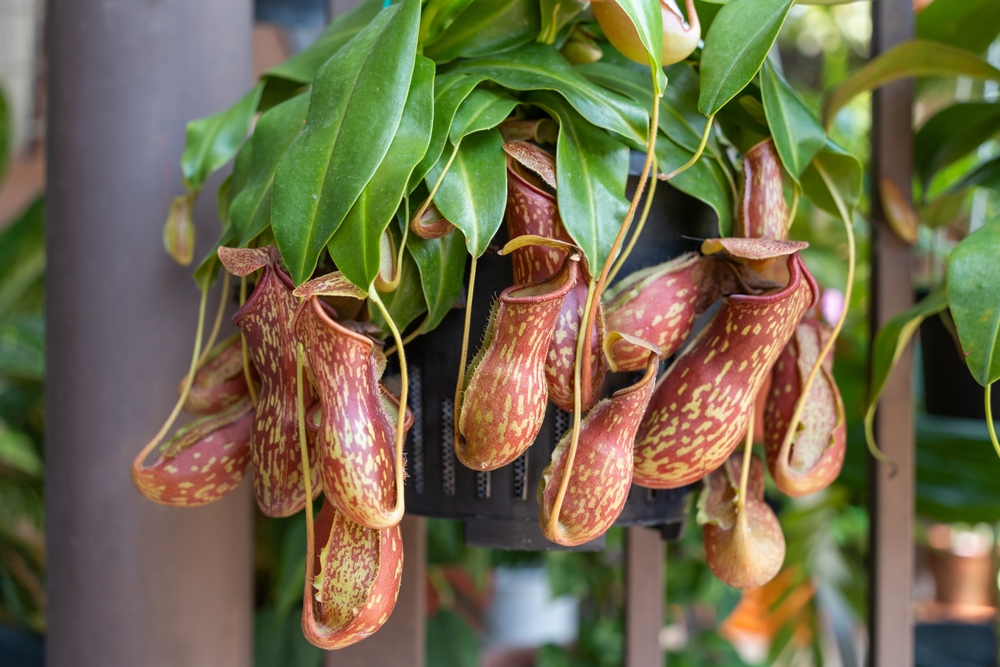
Tropical pitcher plants grow long, hanging pitchers that form at the ends of tendrils extending from their leaves. As the season warms, especially in humid regions, these pitchers become active and begin collecting insects. The fluid inside each pitcher helps break down prey, allowing the plant to absorb nutrients over time. Their growth habit often involves climbing or spreading through surrounding vegetation.
These plants are commonly found in Southeast Asian rainforests, where humidity and warmth support their growth. They often climb trees or trail along the forest floor, making them part of a larger ecosystem. Spring in tropical regions brings a burst of new growth, making this a good time to observe fresh pitchers forming. Botanical gardens can also provide a closer look for those who cannot travel to their native habitats.
Albany Pitcher Plant
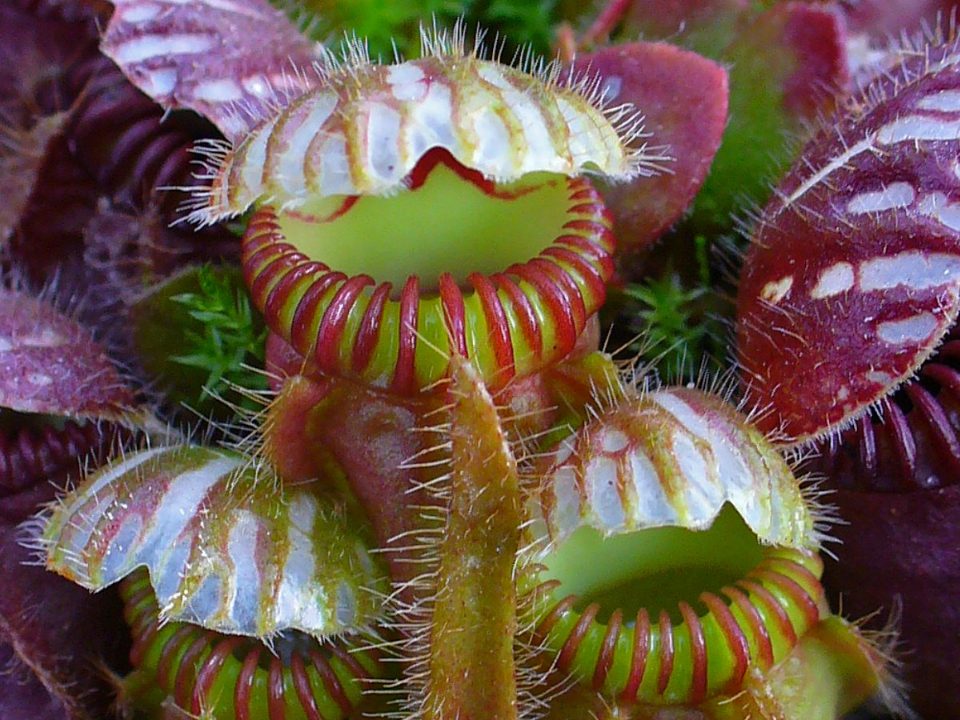
The Albany pitcher plant is a smaller species with ground-level traps that sit close to the soil. In spring, it produces fresh pitchers that use color and scent to attract insects into their traps. Unlike taller pitcher plants, this species stays low, which helps it blend into its surroundings. Its compact form makes it easy to overlook unless you are looking carefully.
This plant is native to southwestern Australia, where it grows in sandy soils with seasonal moisture. It prefers open areas with strong sunlight and minimal competition from larger plants. Spring is the best time to see its new traps forming and becoming active. Its limited range makes it a rare and interesting find for those exploring its natural habitat.
Rainbow Plant
Rainbow plants are known for their sparkling appearance, created by droplets that cover their leaves and reflect sunlight. As spring growth begins, these droplets become more noticeable and help attract insects. The sticky surface traps prey, which is then digested slowly. Their shimmering look often catches attention in open landscapes.
They are native to Australia and grow in sandy, nutrient-poor soils where few other plants thrive. These plants prefer full sunlight, which makes their droplets appear even more striking. Spring is a great time to see them at their most active and visually appealing. Their unique look makes them stand out among nearby vegetation.
Roridula
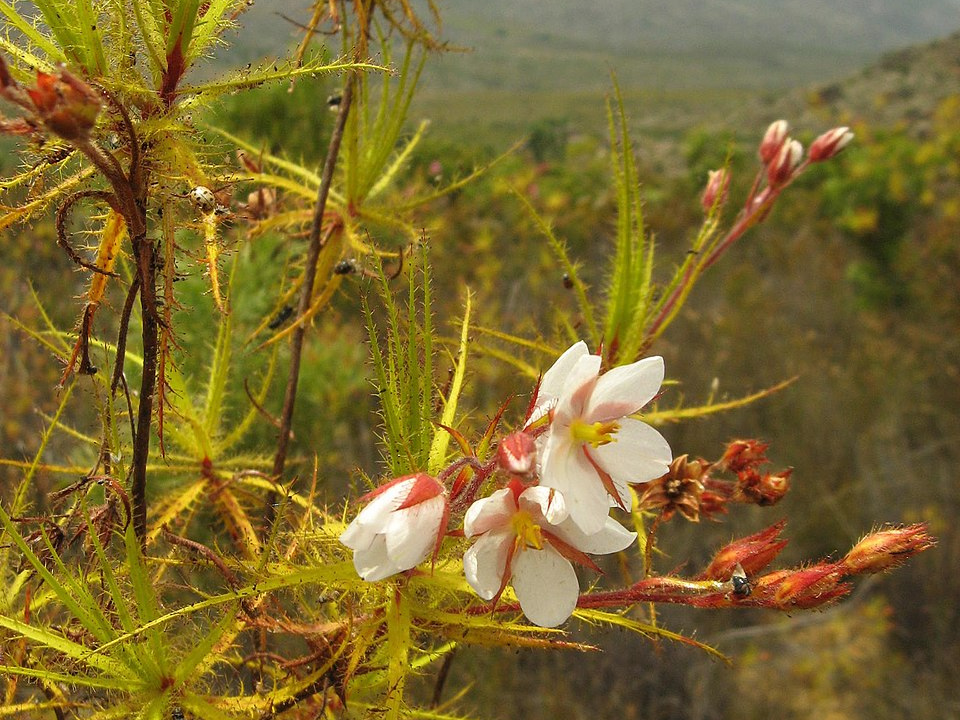
Roridula plants are covered in sticky hairs that trap insects, though they rely on a different method to process their food. In spring, they produce fresh growth and become more active in catching prey. Instead of digesting insects directly, they depend on nearby bugs that feed on the trapped insects. The plant then absorbs nutrients from the waste left behind.
These plants are found in South Africa, particularly in dry, sunny regions with sandy soil. They grow as small shrubs, which makes them more noticeable than many other carnivorous plants. Spring conditions bring renewed activity and fresh growth, making them easier to observe. Their unusual feeding method makes them one of the more interesting species to study.
Dewy Pine
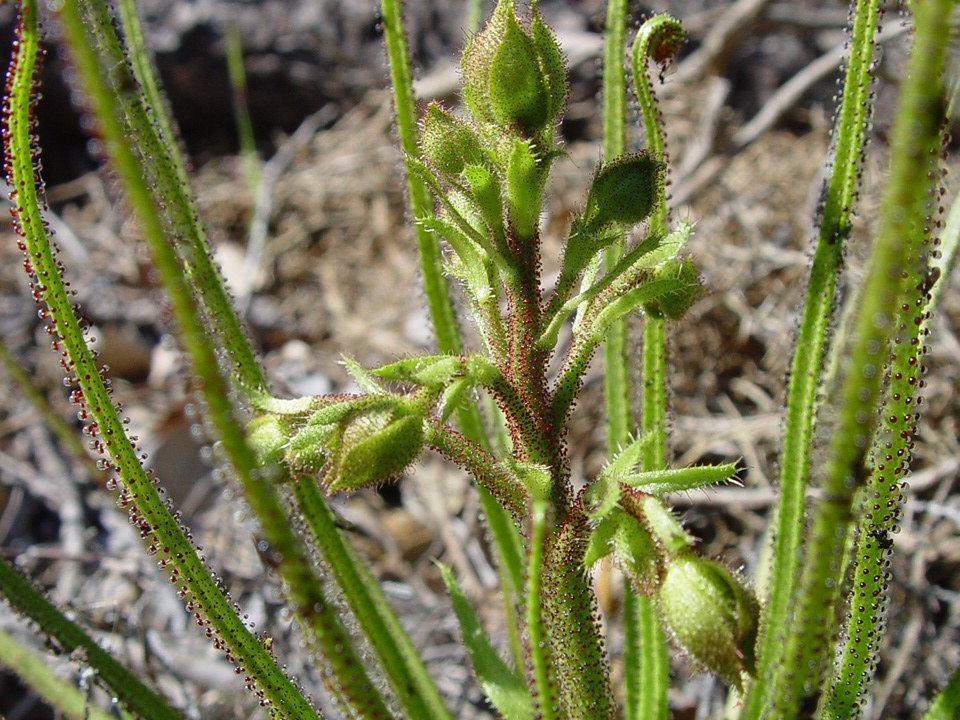
The dewy pine is a shrub-like carnivorous plant with long, narrow leaves covered in sticky droplets. As spring arrives, it produces more of these droplets, which help trap insects drawn in by scent. The plant’s structure allows it to catch a wide range of prey across its many leaves. Over time, the trapped insects break down and provide nutrients.
It is native to parts of the western Mediterranean region, where it grows in sandy, coastal environments. These areas receive plenty of sunlight, which supports its growth and feeding activity. Spring is a good time to spot it, as the plant appears more active and covered in glistening droplets. Its size and shape make it easier to notice than smaller species.
Byblis
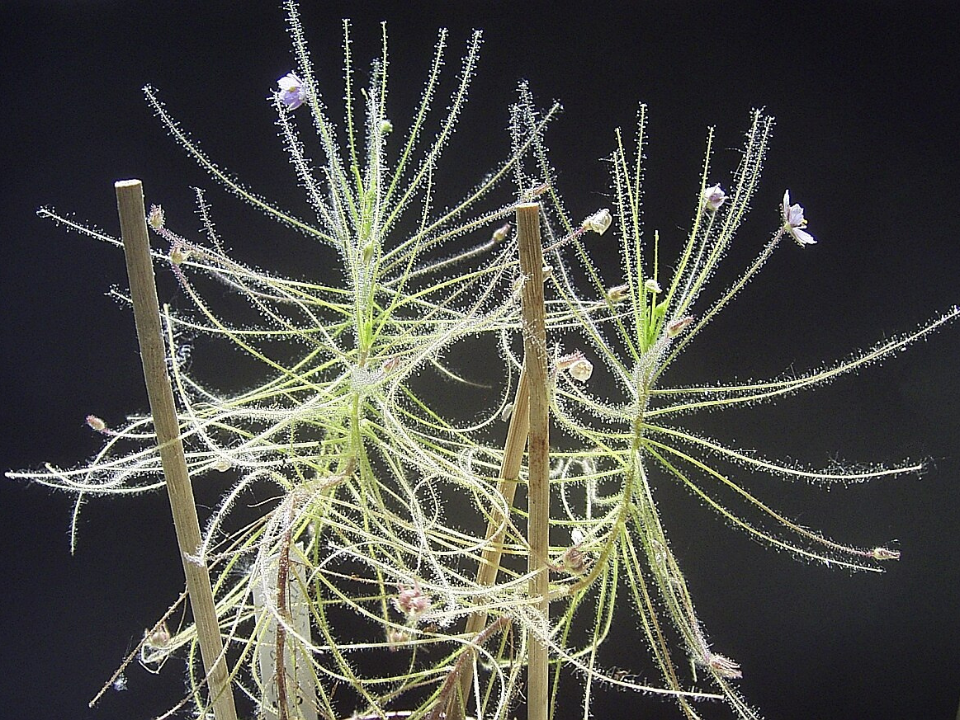
Byblis plants have slender leaves covered in sticky glands that trap insects on contact. During spring, they produce fresh growth along with small, colorful flowers that add to their appeal. The plant digests prey using enzymes that break down the captured insects over time. Its delicate appearance contrasts with its effective trapping ability.
These plants are found in Australia and parts of New Guinea, often growing in sandy soils with seasonal moisture. They prefer open areas with strong sunlight and minimal shade. Spring is when they are most active, producing both new leaves and flowers. Their fine structure and bright blooms make them stand out in their environment.
Sarracenia
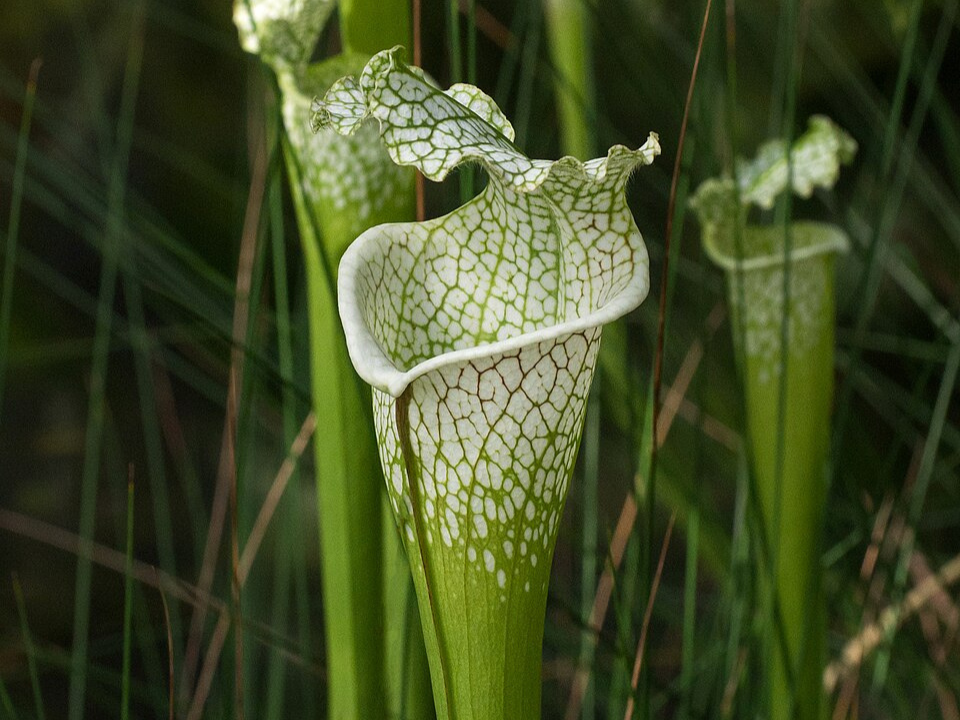
Sarracenia are tall pitcher plants known for their colorful, upright tubes that act as passive traps. As spring begins, they produce new pitchers that attract insects with nectar and bright patterns. Once inside, insects cannot escape due to the slippery inner surface. Over time, the plant digests the trapped prey and absorbs the nutrients.
They grow in bogs and wetlands across the southeastern United States, where sunlight is strong and water is plentiful. Spring is an ideal time to visit these areas, as new pitchers are forming and standing tall. Their height and vivid colors make them easier to spot compared to smaller species. Many nature reserves offer safe access to view them in their natural setting.
Heliamphora
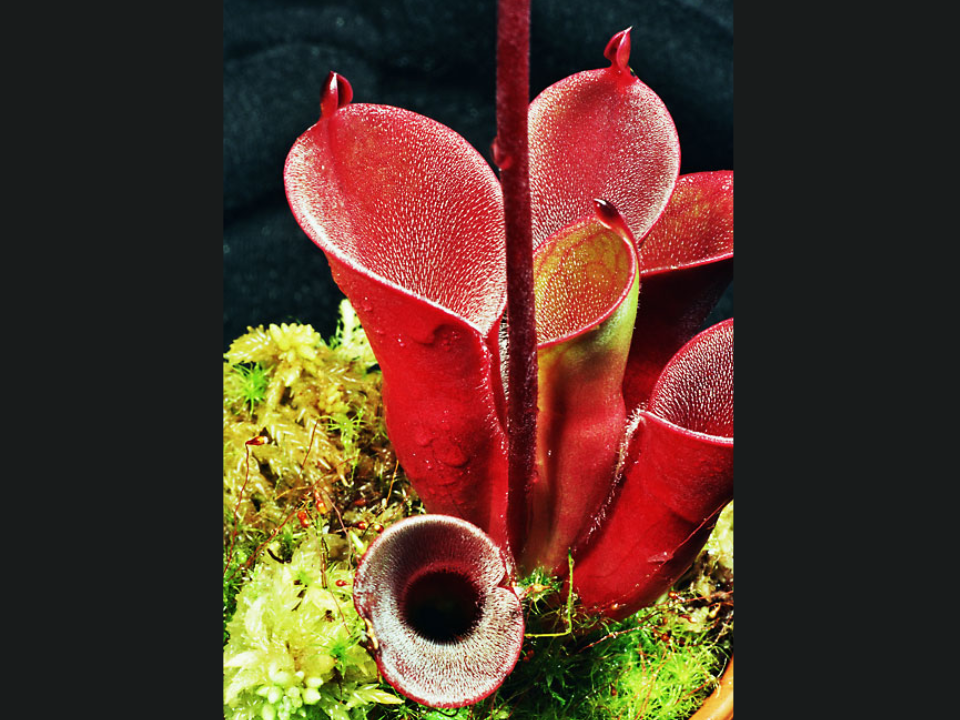
Heliamphora, often called sun pitchers, grows upright leaves that form open, cup-like traps. During spring, they produce new pitchers that collect rainwater along with trapped insects. The plant relies on this water to help break down prey and absorb nutrients. Its simple structure works well in the environments where it grows.
These plants are native to the highlands of Venezuela and nearby regions, often found on rocky plateaus. The environment is cool, misty, and humid, which supports their growth. Spring conditions bring steady moisture, making the plants more active. Their remote habitat makes them harder to see, but they remain one of the most fascinating carnivorous plants to observe.
This article originally appeared on Avocadu.