
12 Best Springtime Postcards and Paper Goods to Collect
Paper collectibles often feel extra fitting in spring, when color, design, and nostalgia all seem to stand out a little more. A well-made postcard or decorative paper item can be easy to enjoy, display, and store. Because of that, many collectors like to keep an eye out for spring-themed pieces that feel cheerful and timeless.
This post may contain affiliate links, which helps keep this content free. Please read our disclosure for more info.
Raphael Tuck and Sons Easter Greetings postcard
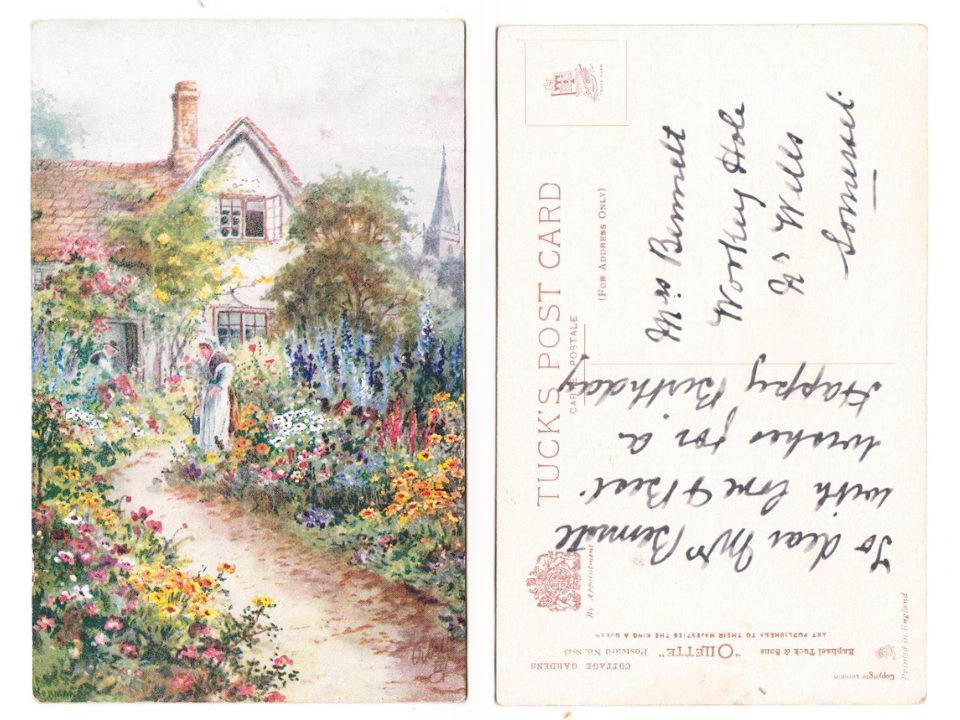
Raphael Tuck and Sons is one of the best names to collect when spring postcards come up because the firm is closely tied to the golden age of holiday cards. A circa 1910 Easter Greetings card from this maker usually shows embossed details, soft spring colors, and religious or floral art that still looks attractive in an album or frame. Many collectors like these because they feel old in the best way and still have plenty of display appeal. For a single used card in decent shape, a fair working value is often around $9 to $16.
Another good point is that Tuck cards often have enough detail to stand out even when the subject matter is simple. A 1910 lilies and silver cross example sits in a lower but still healthy range, which shows how condition, embossing, and subject can move the price. Posted backs, corner wear, and album marks usually bring the value down a bit. Unused examples with cleaner corners usually bring more attention from postcard buyers.
Raphael Tuck and Sons girl with chicks Easter postcard
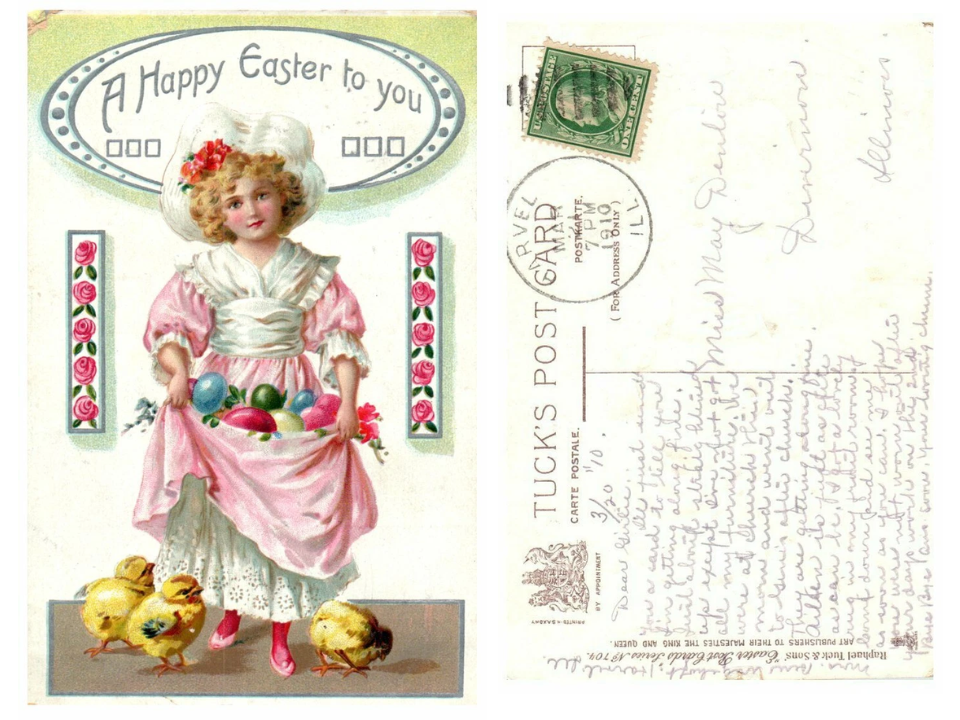
Spring postcards with children and chicks are always easy to like, and Raphael Tuck handled that style very well. The girl with chicks design from around 1910 has a cheerful seasonal look that works for both postcard fans and general paper collectors. It is a good example of why Tuck pieces stay popular, since the artwork still feels lively after more than a century. A current value of around $12 to $16 is a sensible estimate for a standard example with visible age wear.
What makes this type worth picking up is the balance between charm and availability. It is old enough to feel special, though it is still possible to find one without paying a huge amount. Collectors usually watch for strong color, clean embossing, and a back that is not heavily damaged. Those small details can make one card feel much nicer than another from the same year.
Whitney Made chicks and violets Easter postcard
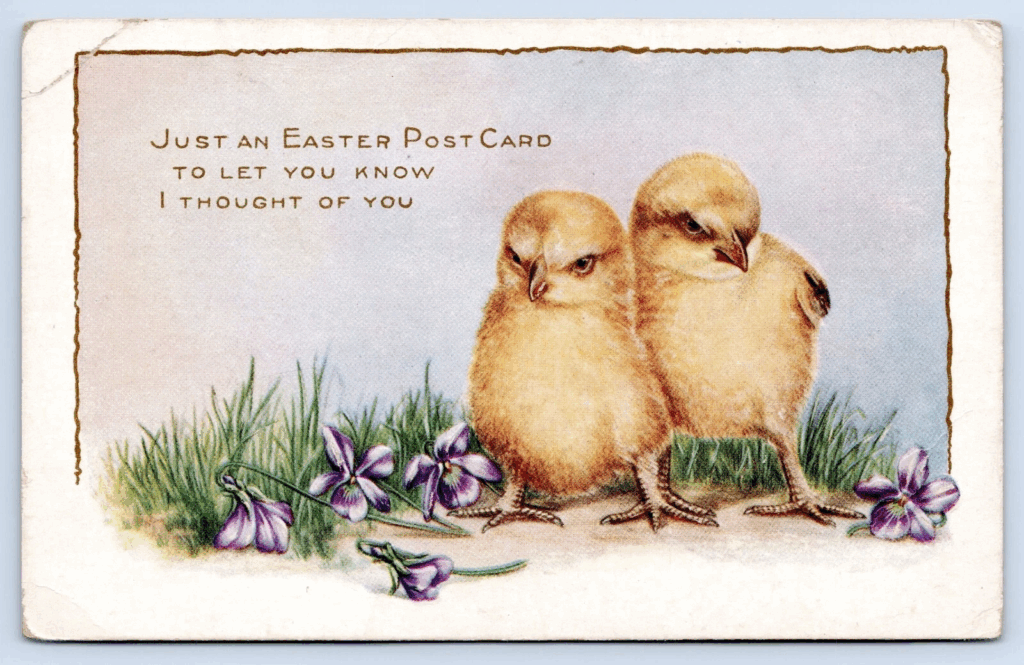
Whitney Made postcards from Worcester are a solid spring collecting choice because they often carry bright holiday scenes and embossed surfaces. A circa 1910 chicks and violets card is a nice entry point for anyone who likes antique Easter paper without paying top Tuck prices. The design feels gentle and cheerful, which is part of why Whitney still gets steady interest. For this kind of card, a working market estimate of about $4 to $6 is reasonable.
Its value stays modest, yet that can actually make it more fun to collect in sets. You can often group several Whitney spring cards together without spending too much, which is useful for album building. The lower range usually reflects lighter brand prestige and a fairly regular supply.
Whitney Made religious Easter postcard
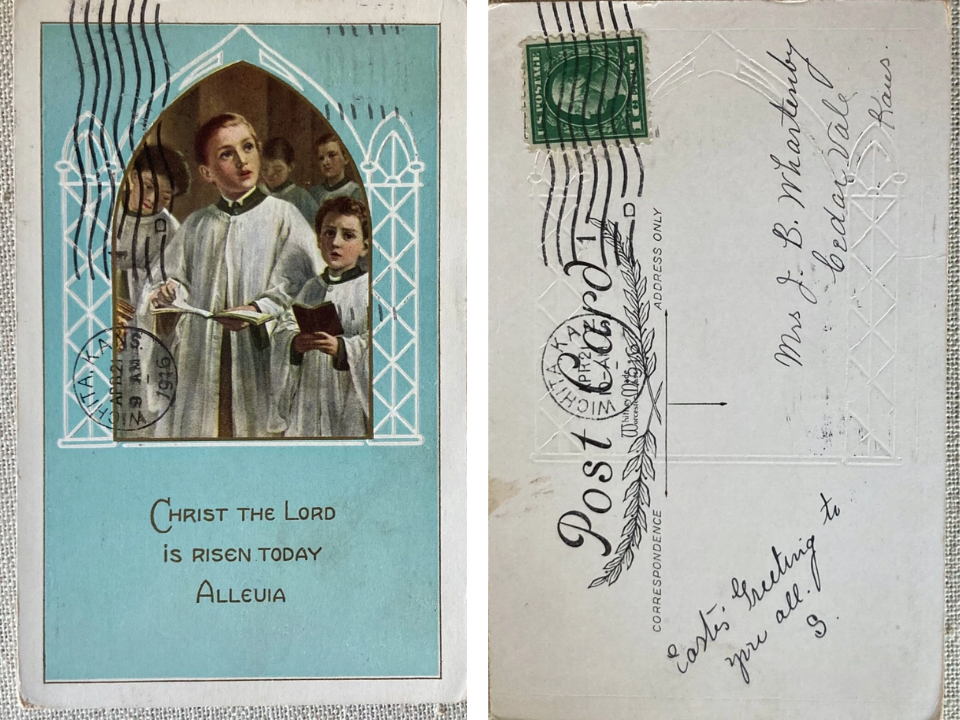
A religious spring postcard from Whitney Made is a nice option for collectors who want something calmer and more traditional. The Christ the Lord Is Risen design has the kind of period lettering and devotional tone that many early Easter card fans enjoy. Pieces like this often appeal to both postcard collectors and people who like religious paper goods. A fair estimate for one example is around $10.
This kind of card works well in a spring collection because it adds variety next to chick and rabbit themes. It also helps show how Easter paper from the early 1900s covered both sacred and decorative subjects. Price usually depends on whether the corners are clean and whether the surface still looks bright. A written message does not always hurt value much if the front image presents nicely.
Ellen Clapsaddle and Wolf Publishing boy with violets postcard
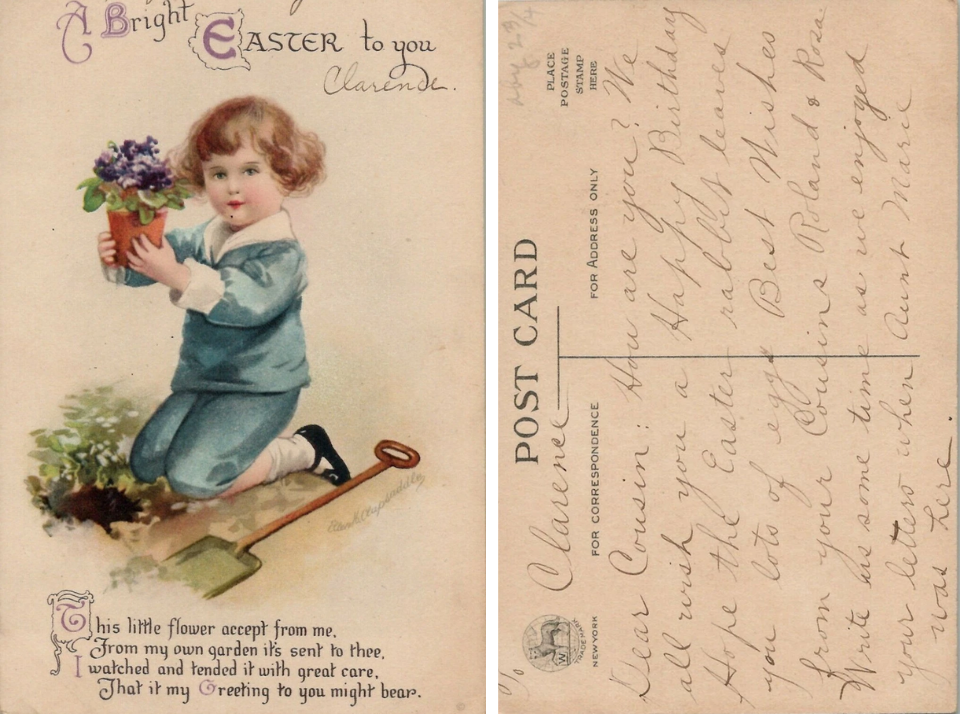
A boy in blue with violets by Ellen Clapsaddle gives a spring collection a softer and more storybook feel. The Wolf Publishing example from about 1910 has the child centered in a simple Easter scene, which makes it easy to display and easy to enjoy. Collectors often like cards like this because the art feels warm without being overly busy. A reasonable estimate for one is around $10 to $17.
This is the kind of piece that can look stronger in person than it does in a quick online photo. The artist’s name does a lot of the work here, since Clapsaddle has a loyal buyer base across several holiday themes. Wear on the front writing area and back usually holds the price below the top end. When the color still looks fresh, these can be very appealing additions to a spring album.
International Art Publishing floral Easter postcard
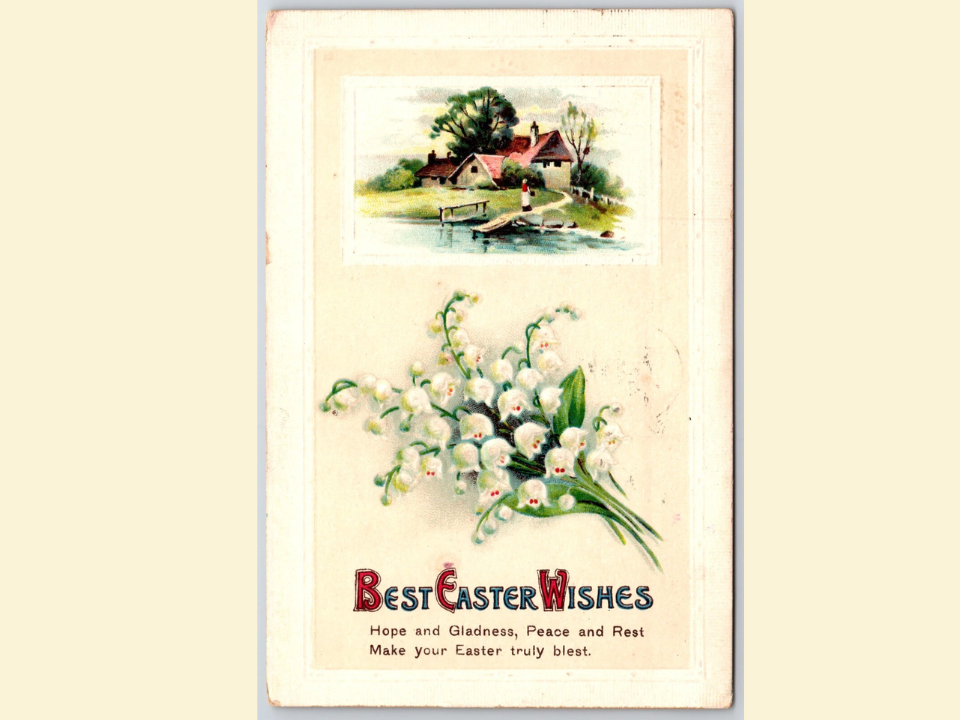
Another good spring choice from International Art Publishing is a standard floral or greeting design from the early 1900s. These cards are liked for their old paper feel and for the way their colors suit the season without looking too loud. They also give a collection of some age without moving into a very costly range. A current estimate of about $10 to $12 works for many average examples.
This brand is useful when you want variety in a postcard binder. It gives you a bridge between better-known artist-signed pieces and more common holiday greetings. Posted backs, album toning, and worn tips are normal and usually accepted by buyers. As long as the front image still has good eye appeal, these remain pleasant spring collectibles.
Gibson flocked duck Easter greeting card
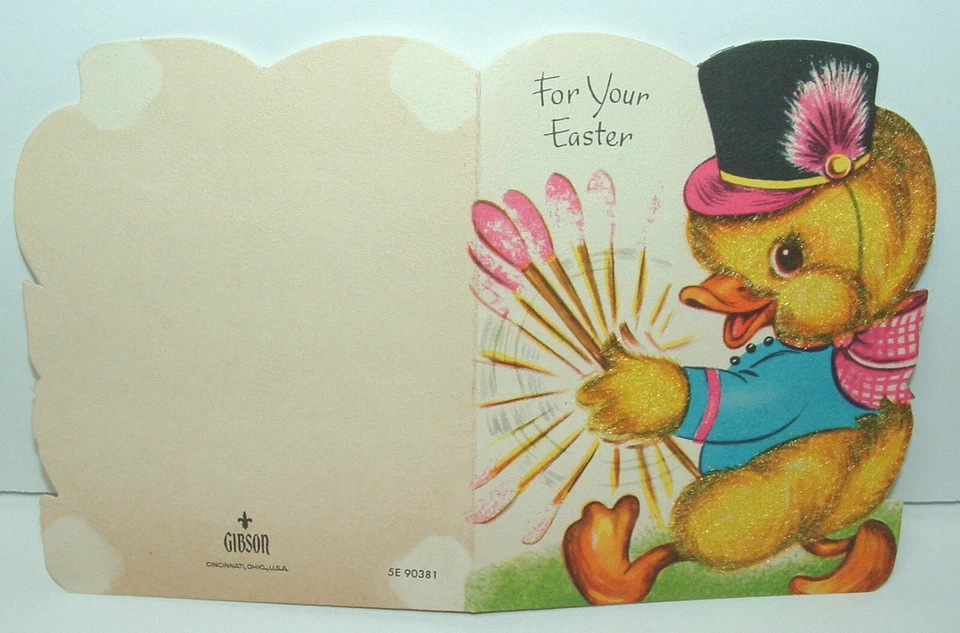
A 1940s Gibson flocked Easter card is one of those paper pieces that feels playful right away. The raised flocking, duck imagery, and mid-century colors give it a different look from earlier postcards, which helps a spring collection feel more varied. Gibson cards from this period are easy to enjoy because they were made to be bright and decorative. A typical value is around $8 to $12.
Collectors often like them because they display well even outside an album. Signed cards can stay in the lower end of the range, while unused pieces with envelopes do better. They are a nice way to add mid-century paper to a spring group without spending too much.
Gibson flocked Easter card with ducklings
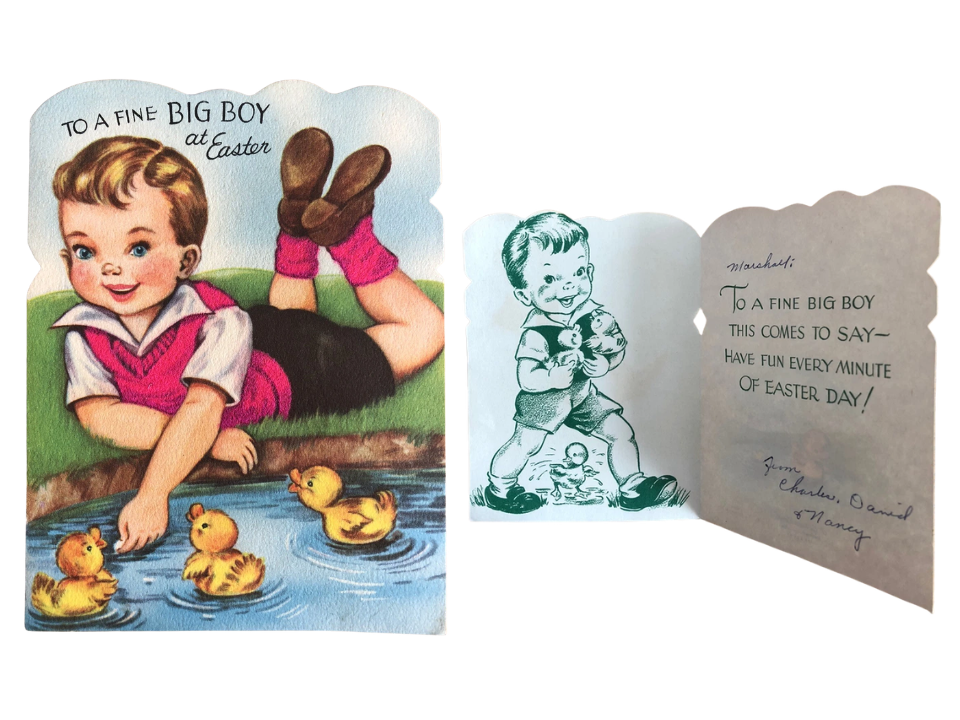
By the 1950s, Gibson was still putting out Easter cards with soft flocking and cheerful family scenes. A little boy with ducklings design from that decade is a simple but very likable example. These cards work well for collectors who enjoy child-centered holiday art and textured surfaces. A fair value estimate is about $6 to $9.
What makes this one worth collecting is its easy display value. It has enough texture and color to stand out on a shelf, yet it still feels very much like ordinary paper from everyday life. That link to daily life is part of the charm of greeting card collecting. Cleaner flocking and flatter folds can move the card a bit higher within the range.
Rust Craft die cut Easter card with wagon and egg
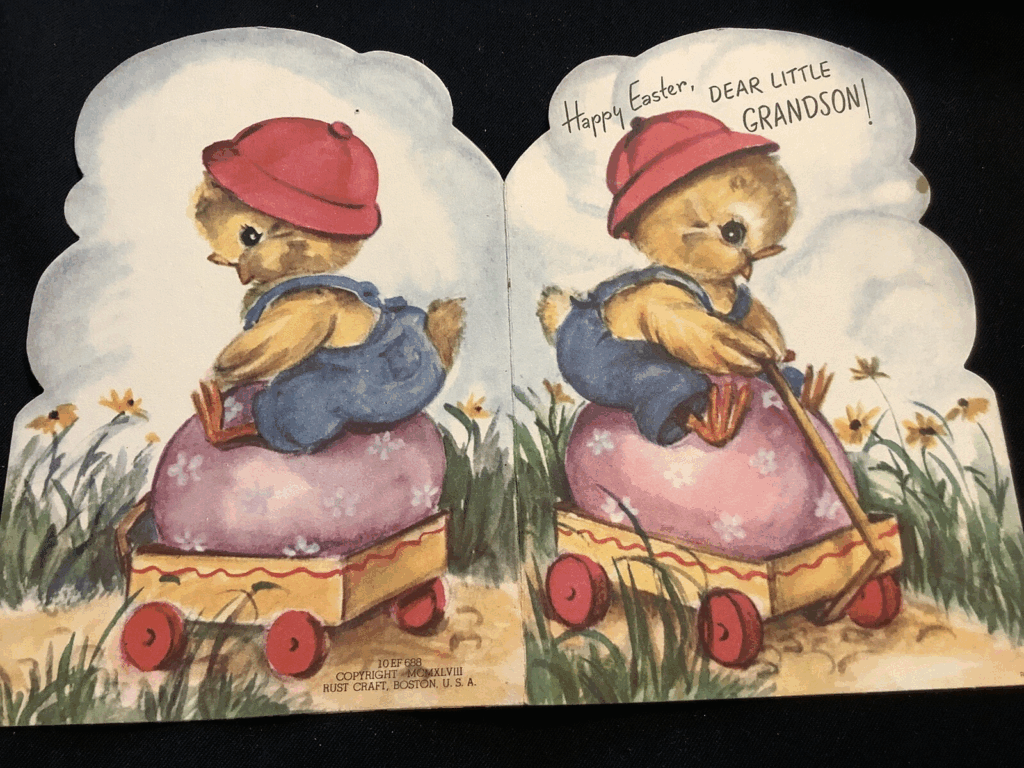
A 1950s Rust Craft die-cut Easter card is a very good spring paper item when you want shape and color in one piece. The duck with a large egg and a wagon design feels playful and distinctly mid-century. Die-cut cards often look more decorative than standard folded cards, which helps them stand out in a small display. A realistic estimate for this one is about $7 to $10.
This type works well because it is still easy to store, yet it has more personality than a plain rectangle. Unused examples with envelopes can look especially nice to buyers who like complete holiday pieces. Light edge wear is normal on shaped paper, so small flaws are common. Even with that, a clean die-cut Rust Craft card still makes a strong spring collectible.
Norcross feather and rhinestone Easter card
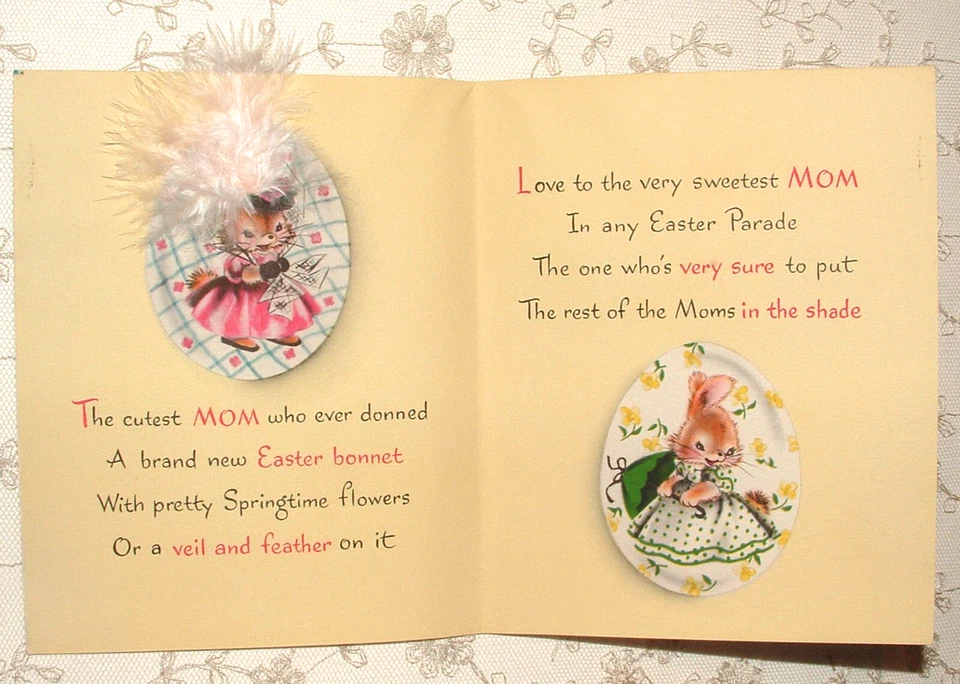
Norcross is a good name for spring greeting cards because it is often used with extra decorative touches like feathers, ribbons, and tiny stones. A 1950s Mother Bunny card with a blue rhinestone and white feather bonnet is a strong example of that style. Pieces like this look festive in a way that plain printed cards do not. A fair market estimate runs about $10 to $15 for a cleaner copy.
These are worth collecting when the added trim is still present, and the fold remains firm. Missing decoration can cut the value quickly, since the appeal rests heavily on those extras. Even so, the style is charming enough that worn copies still get attention. It is a nice pick for anyone who wants spring paper with a little texture and sparkle.
Hallmark die-cut Easter card
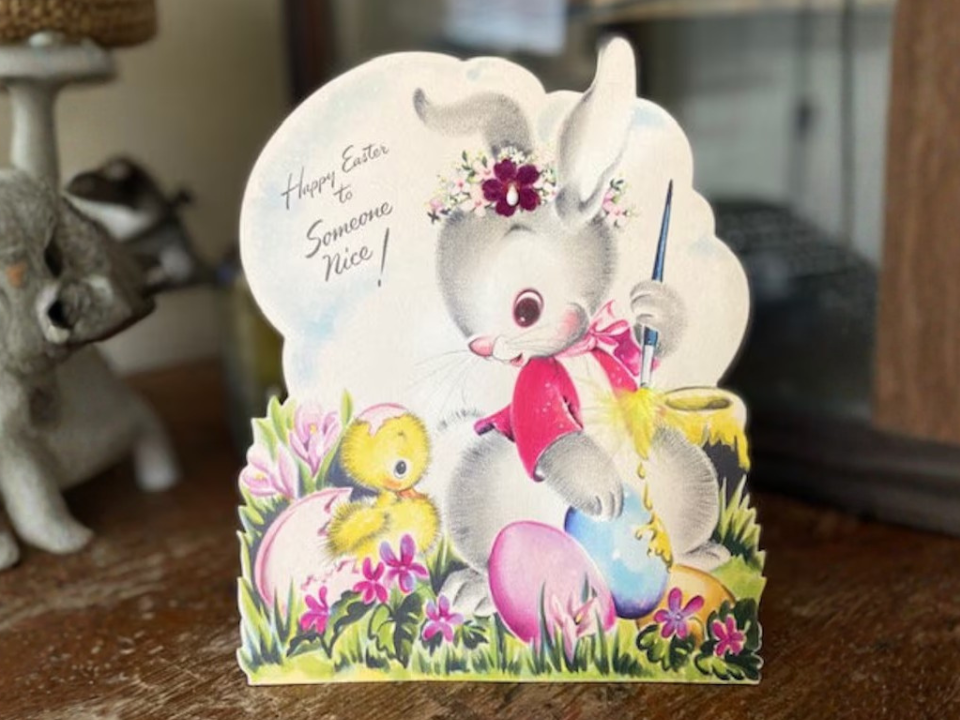
A 1947 Hallmark Easter card with bunny and duck imagery is a nice mid-century item for paper collectors. Hallmark has a strong name recognition, and that alone helps these cards stay easy to appreciate. The die cut form gives the piece more shape and display value than a flat folded card. A realistic working value is around $12 to $18.
This one fits well in a spring collection because it links a major greeting card brand with a very seasonal subject. Hallmark material from the 1940s often appeals to both holiday card buyers and people who collect the company itself. Cards from this period do best when the die-cut edges stay crisp, and the fold remains clean. Even a signed example can still be worth having if the front art remains attractive.
American Greetings die-cut lily Easter card
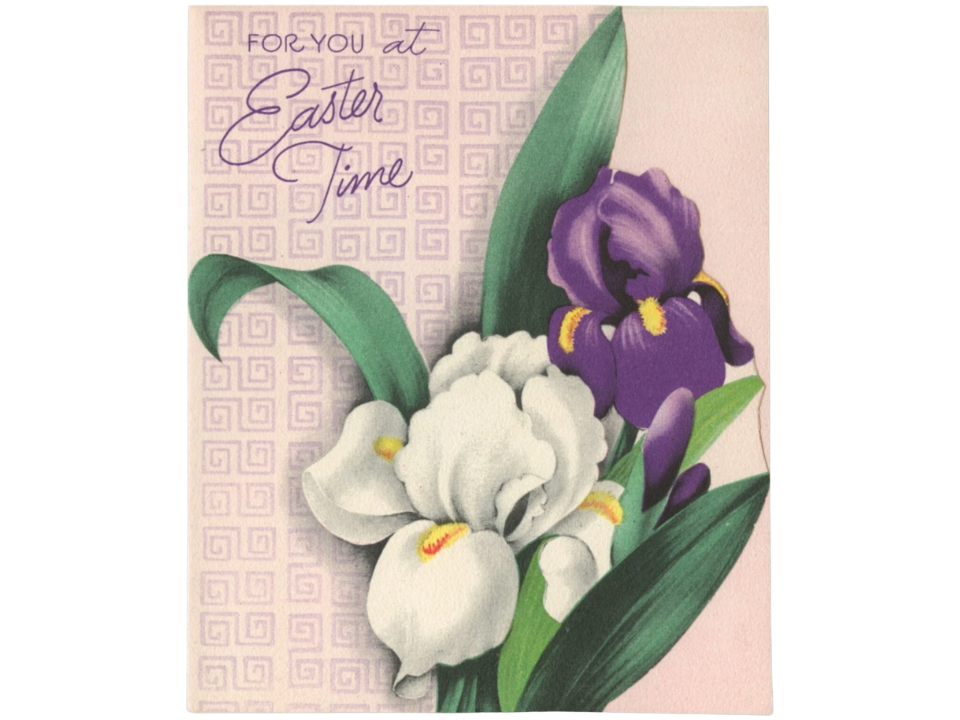
American Greetings Easter cards from the late 1950s or early 1960s are good picks for collectors who like mid-century floral work. The die-cut lily example shows that the company used elegant seasonal imagery along with a shaped paper design. It feels cleaner and a bit more formal than some of the child and bunny cards from the same era. A current value of around $13 to $15 is a fair estimate.
These are worth collecting when the die-cut edges stay neat, and the unused condition is still clear. Floral Easter cards can also work well for people who want spring paper without heavy holiday symbolism. The value tends to hold because the card looks good both in albums and in small frames. It is a strong mid-century choice for a calm and polished spring section.
This article originally appeared on Avocadu.