
12 Water-Wise Plants for Sustainable Spring Gardening
Creating a sustainable spring garden starts with choosing plants that thrive on minimal water. By selecting drought-tolerant plants, you can reduce water usage while still enjoying a vibrant, colorful garden. These water-wise plants are not only easy to maintain but also help conserve resources, making them an ideal choice for eco-friendly gardeners. Whether you’re looking for vibrant flowers or resilient groundcovers, these plants offer a practical solution for a low-water, high-impact garden.
This post may contain affiliate links, which helps keep this content free. Please read our disclosure for more info.
Agapanthus (African Lily)
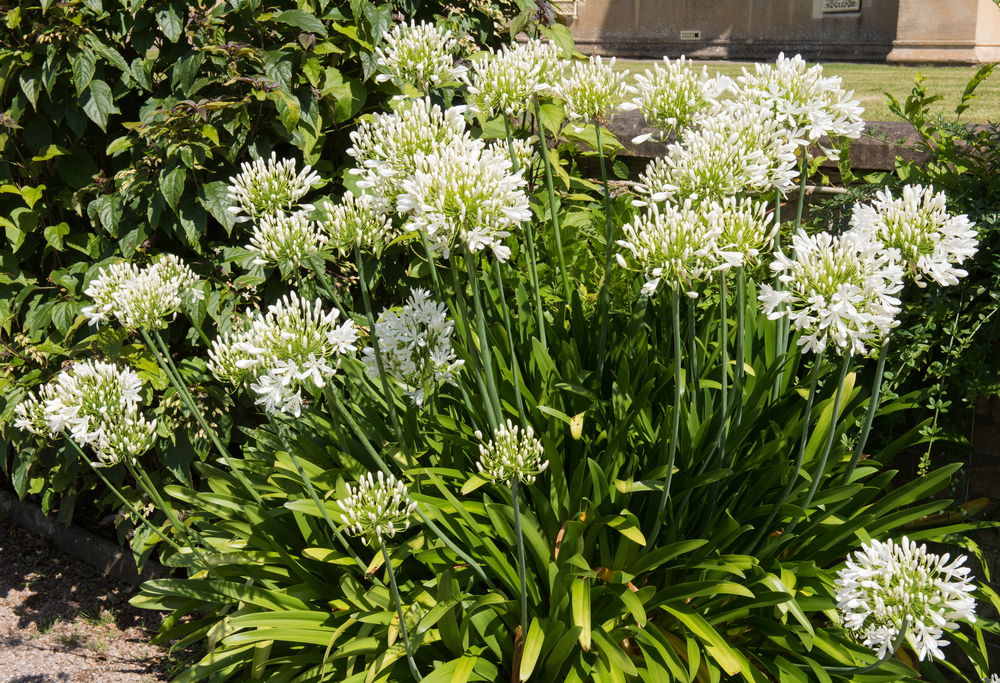
Agapanthus, often referred to as the African Lily, is an exceptional choice for a sustainable, water-wise garden. This striking perennial is known for its tall stems topped with clusters of blue or white flowers that bloom in late spring to early summer. Agapanthus thrives in full sun and well-drained, slightly acidic soil. Once established, it is highly drought-tolerant, requiring minimal watering, making it ideal for water-conscious gardeners. The plant’s deep roots are capable of reaching deeper water reserves, reducing its reliance on surface water, which is key in sustainable garden planning.
Besides its water-saving benefits, Agapanthus is also highly resilient and low-maintenance. It can thrive in a variety of garden settings, from coastal areas to inland, and can even tolerate some dry spells. Furthermore, it serves as a pollinator-friendly plant, attracting bees and butterflies with its fragrant blooms. As a water-wise plant, it allows you to conserve water while adding elegance and beauty to your spring garden.
Lavender
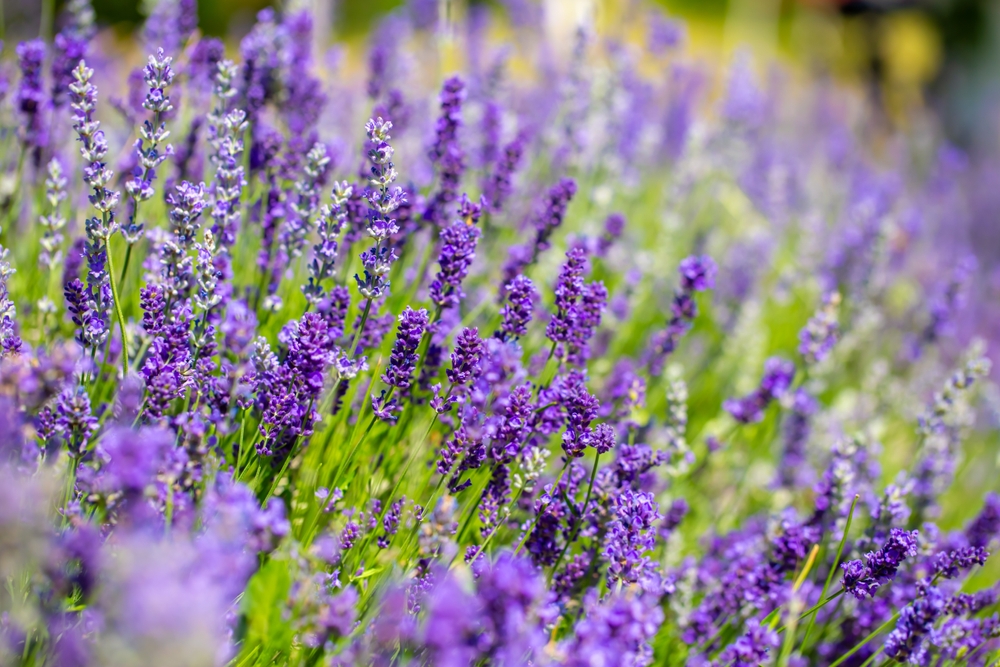
Lavender is a beloved water-wise plant, well-suited for gardens that prioritize sustainability. Its iconic purple flowers and fragrant, silvery-green foliage are a perfect addition to any water-conscious garden. Lavender is highly tolerant of drought, requiring minimal water once it is established. This Mediterranean native is adapted to grow in arid climates with minimal rainfall, making it a perfect candidate for a sustainable garden. Lavender’s deep root system allows it to draw water from deep within the soil, which is particularly useful in areas where water conservation is essential.
Beyond its water-saving properties, lavender is also an incredibly versatile plant. It thrives in well-drained, slightly alkaline soil and prefers full sun, where it will reward you with an abundance of fragrant flowers. Lavender’s resistance to pests, its ability to deter deer, and its pollinator-friendly nature make it an ideal plant for sustainable gardens looking to conserve water while promoting biodiversity. Whether used in borders, hedges, or containers, lavender provides long-lasting beauty with little maintenance and water.
Verbena
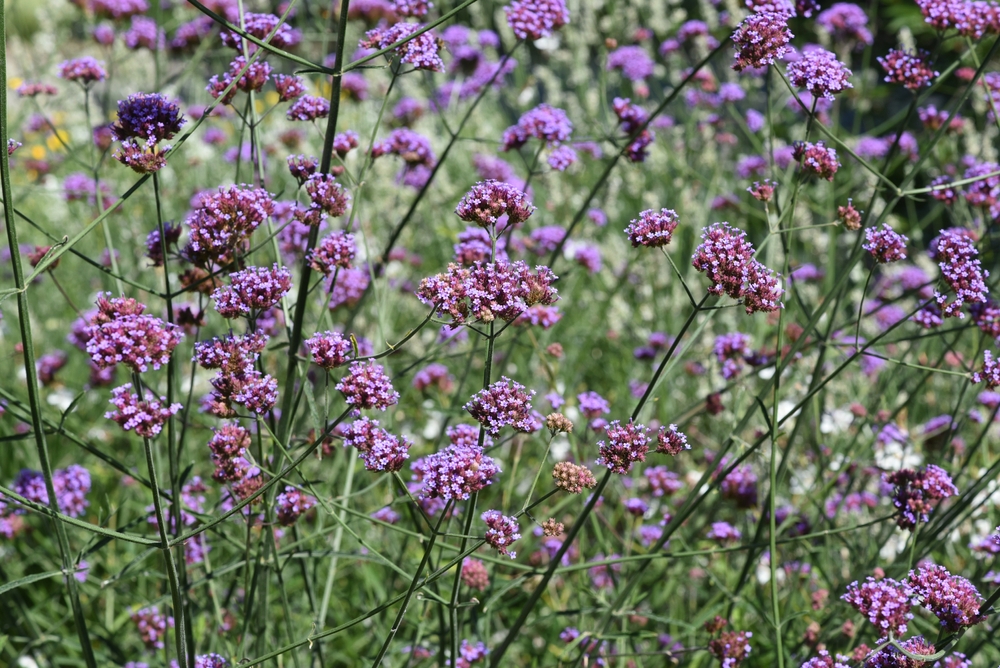
Verbena is another fantastic option for water-wise spring gardens, known for its ability to withstand drought conditions while adding a burst of vibrant color. This hardy plant features clusters of small, brightly colored flowers in shades of purple, pink, red, and white. Verbena thrives in full sun and well-drained soil and is relatively low-maintenance once established. Verbena is not only drought-tolerant but also highly resilient to heat, making it an ideal choice for gardens that experience long periods of dryness. Its spreading growth habit allows it to cover the ground efficiently, reducing the need for additional watering or weeding.
Verbena’s ability to attract pollinators like bees, butterflies, and hummingbirds further supports its place in a sustainable, water-wise garden. Its colorful blooms create a stunning contrast with other plants, and its tolerance to poor soil conditions makes it a versatile and low-maintenance option for your garden. By choosing Verbena, you not only reduce water usage but also promote a healthy ecosystem that benefits pollinators and other wildlife.
Sedum (Stonecrop)
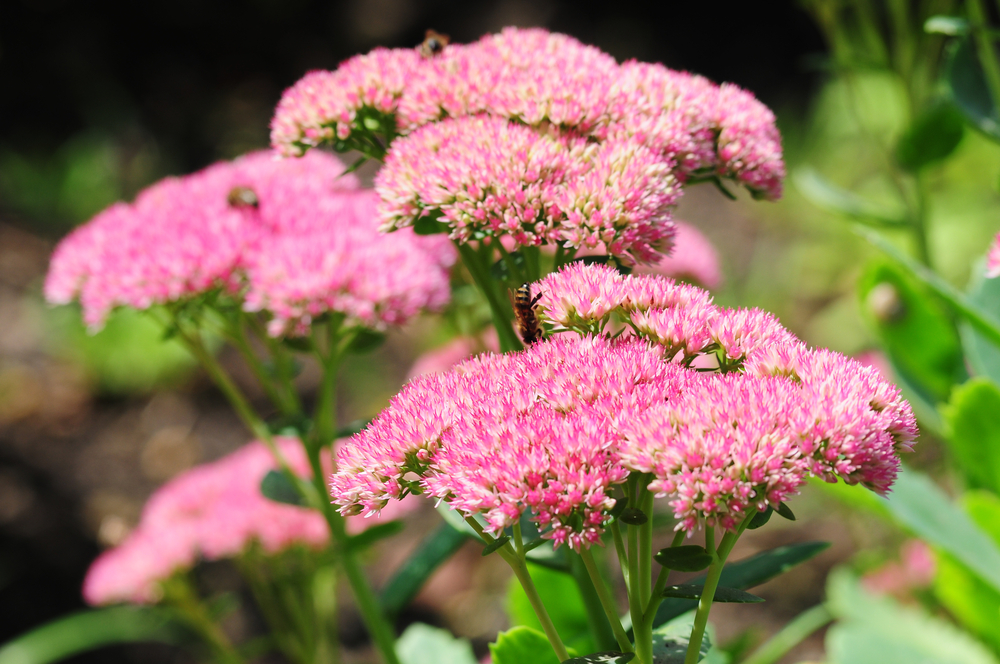
Sedum, commonly known as stonecrop, is a hardy and drought-tolerant plant that excels in water-wise gardens. With its succulent leaves, Sedum can store water in its fleshy tissues, enabling it to thrive in dry conditions. Sedum is adaptable to a wide range of soil types, though it prefers well-drained, rocky soil. As a low-maintenance plant, Sedum requires minimal watering once established and is resistant to drought, making it ideal for water-conscious gardeners. Its shallow root system allows it to withstand periods of dry weather, and it is particularly effective in xeriscaping, a landscaping method focused on water conservation.
Sedum is available in numerous varieties, from low-growing ground covers to taller, upright species. It blooms in late summer and fall, providing clusters of small, star-shaped flowers in shades of pink, red, yellow, or white. Not only does Sedum conserve water, but it also supports local pollinators by attracting bees and butterflies to its blooms. Sedum’s ability to withstand dry conditions while offering aesthetic beauty and ecological benefits makes it an essential plant for sustainable gardening.
Echinacea (Coneflower)
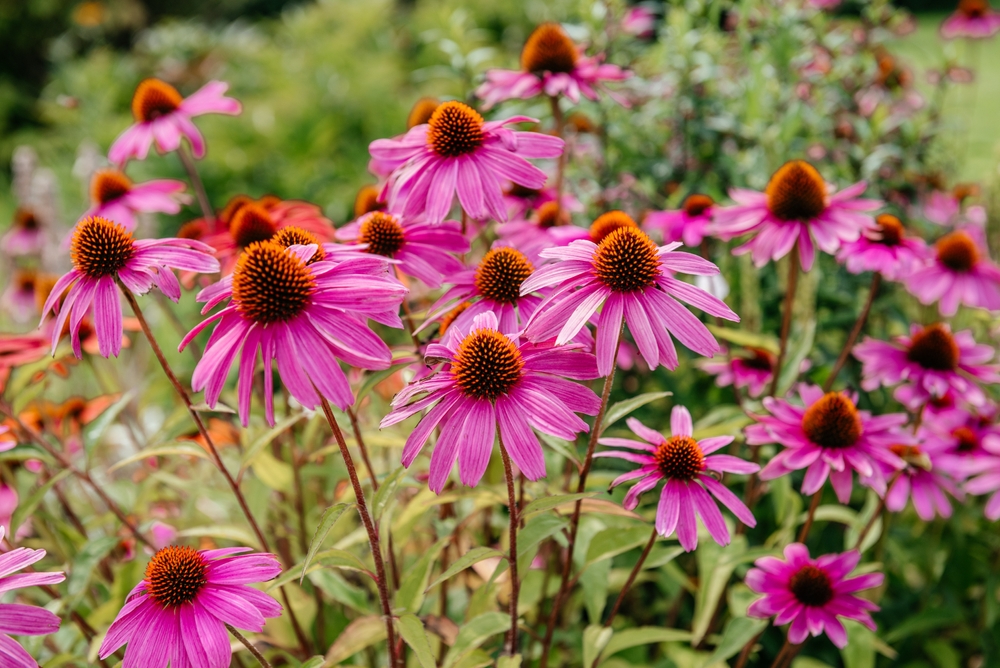
Echinacea, or coneflower, is a native plant known for its striking daisy-like flowers and resilience in low-water conditions. Echinacea thrives in full sun and well-drained soil, and once established, it is incredibly drought-tolerant. This hardy perennial can survive long dry spells, making it perfect for sustainable gardens that aim to conserve water. Echinacea has deep roots that allow it to access water from deeper soil layers, reducing the need for surface irrigation. As a native plant, it is well-suited to local growing conditions and has evolved to handle periods of low rainfall.
In addition to being water-efficient, Echinacea offers valuable ecological benefits. It is a magnet for pollinators, particularly bees, butterflies, and other beneficial insects, which makes it an excellent choice for gardens that prioritize biodiversity. The vibrant pink, purple, or white flowers of Echinacea also provide visual interest and beauty throughout the summer months. Echinacea’s ability to thrive on minimal water while attracting pollinators makes it a sustainable and ecologically beneficial addition to any garden.
Penstemon (Beardtongue)
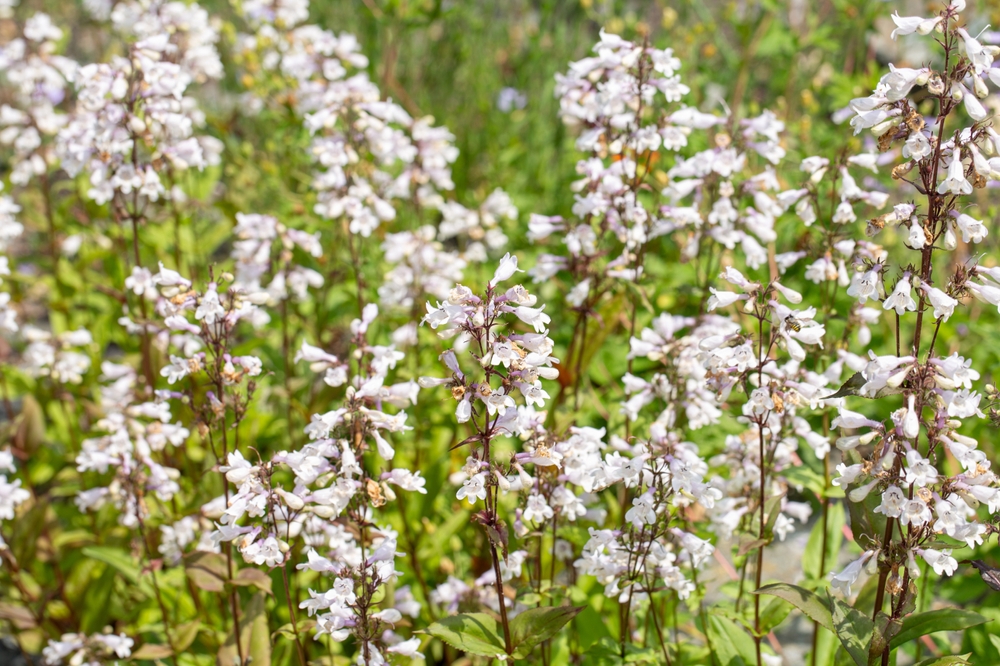
Penstemon, also known as beardtongue, is a perennial plant that thrives in water-wise gardens due to its low water requirements and resistance to drought. With its tubular flowers in shades of red, pink, purple, or white, Penstemon adds vibrant color to the landscape while conserving water. Penstemon prefers full sun and well-drained soil, making it a perfect choice for dry, sunny gardens. Once established, it requires minimal watering, thanks to its deep root system, which allows it to tap into deeper water reserves during dry periods.
Penstemon also serves as a valuable plant for attracting pollinators, particularly bees and hummingbirds, which are drawn to its nectar-rich flowers. This native plant is well-suited for sustainable landscaping and xeriscaping, offering beauty, water conservation, and ecological benefits. By incorporating Penstemon into your garden, you can create a colorful, low-water landscape that supports pollinators and reduces the need for frequent irrigation.
Salvia (Sage)
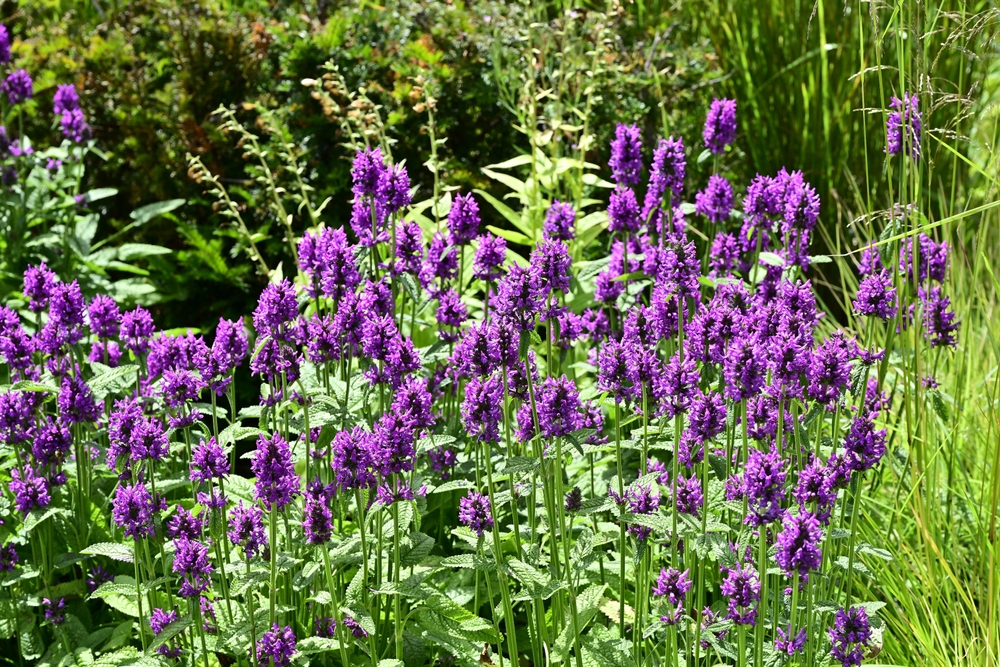
Salvia, or sage, is a versatile and drought-tolerant plant perfect for water-wise gardens. Known for its aromatic foliage and vibrant flowers in shades of purple, blue, or red, Salvia is a great choice for adding both beauty and functionality to your garden. It thrives in full sun and well-drained soil, requiring minimal water once established. Salvia’s ability to tolerate dry conditions makes it an excellent addition to sustainable gardens that focus on reducing water usage.
In addition to its water-wise qualities, Salvia attracts pollinators like bees, butterflies, and hummingbirds, which help support local ecosystems. This hardy plant is also resistant to pests, making it an ideal choice for low-maintenance gardens. Salvia is available in various species and cultivars, offering a range of sizes and bloom times to suit different garden styles. By planting Salvia, you can enjoy vibrant blooms with minimal water while supporting biodiversity in your sustainable garden.
Gaillardia (Blanket Flower)
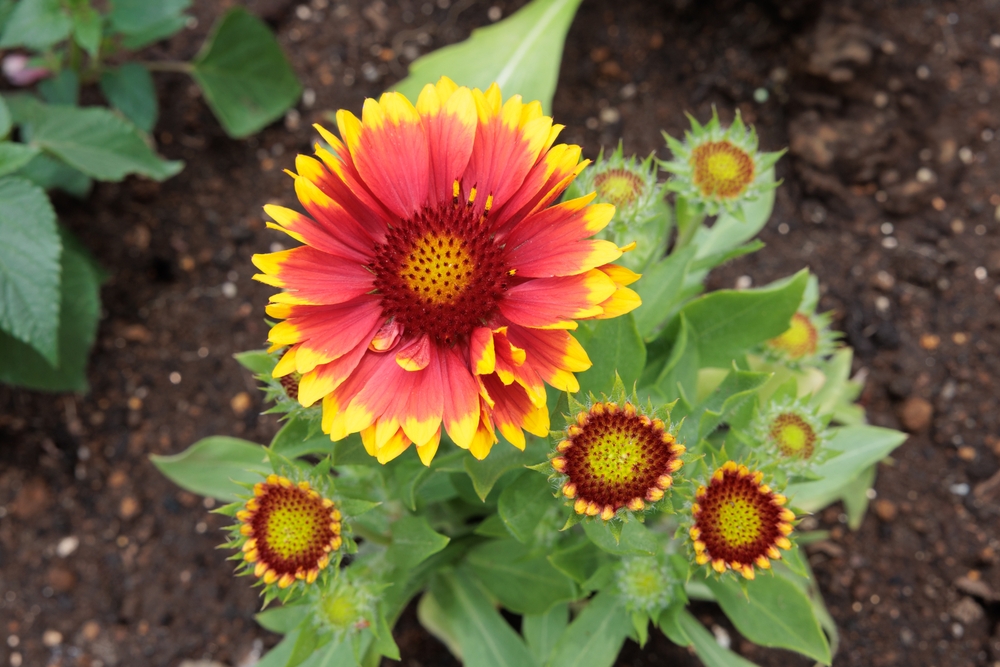
Gaillardia, or blanket flower, is a drought-tolerant, low-water plant that thrives in sunny, dry conditions. Known for its daisy-like flowers with bold red, yellow, and orange hues, Gaillardia is an excellent choice for water-wise gardens. This perennial plant is well-suited to poor, well-drained soil and requires minimal irrigation once established. Gaillardia’s deep root system helps it survive long periods of dry weather, making it perfect for xeriscaping or low-water landscaping.
Gaillardia also supports pollinators by attracting bees, butterflies, and other beneficial insects. Its bright, cheerful flowers bring color to the garden while helping conserve water. Gaillardia’s tolerance to drought and its pollinator-friendly nature make it an ideal choice for gardeners looking to reduce water usage while supporting local ecosystems. With its vibrant blooms and low-maintenance care, Gaillardia is an excellent plant for sustainable spring gardens.
Achillea (Yarrow)
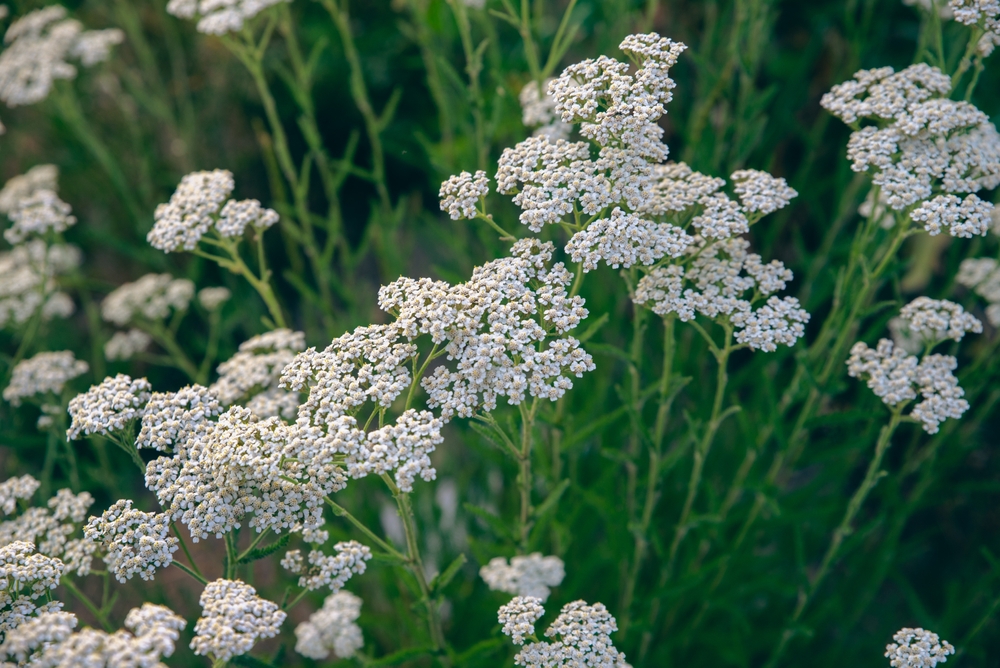
Achillea, or yarrow, is a hardy, drought-tolerant perennial known for its flat-topped clusters of tiny flowers. It thrives in full sun and well-drained soil and is highly resistant to dry conditions. Once established, Achillea requires very little watering, making it a perfect choice for sustainable, low-water gardens. This plant’s deep roots allow it to access water from deeper soil layers, reducing the need for regular irrigation.
Yarrow is not only water-efficient but also supports pollinators, particularly bees and butterflies, making it a great addition to any eco-friendly garden. Its fern-like foliage adds texture to the landscape, while its flowers, available in shades of yellow, pink, red, or white, bring color and beauty throughout the summer. Achillea’s low water requirements and ability to thrive in various soil conditions make it an excellent choice for gardeners looking to conserve water while promoting biodiversity.
Rudbeckia (Black-eyed Susan)
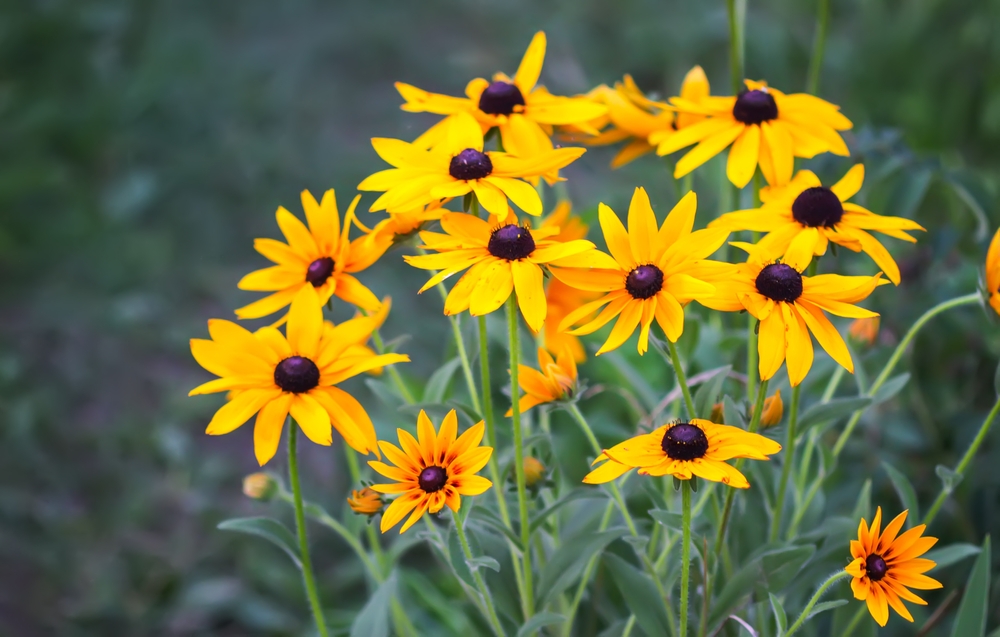
Rudbeckia, or black-eyed Susan, is a hardy, drought-tolerant perennial that blooms in vibrant yellow, orange, and red flowers. It thrives in full sun and well-drained soil, and once established, it requires very little water, making it an ideal choice for sustainable gardens. The plant’s deep root system allows it to withstand periods of drought, reducing the need for regular irrigation. Rudbeckia is an excellent choice for water-wise gardens, as it not only conserves water but also provides bright, cheerful flowers that attract pollinators.
Black-eyed Susan is a low-maintenance plant that thrives in a variety of conditions. It is resistant to pests and disease, making it an excellent choice for gardeners seeking a hardy, low-water plant. Rudbeckia’s bright, daisy-like flowers bring beauty and ecological benefits to your garden, all while conserving water and reducing maintenance.
Coreopsis (Tickseed)
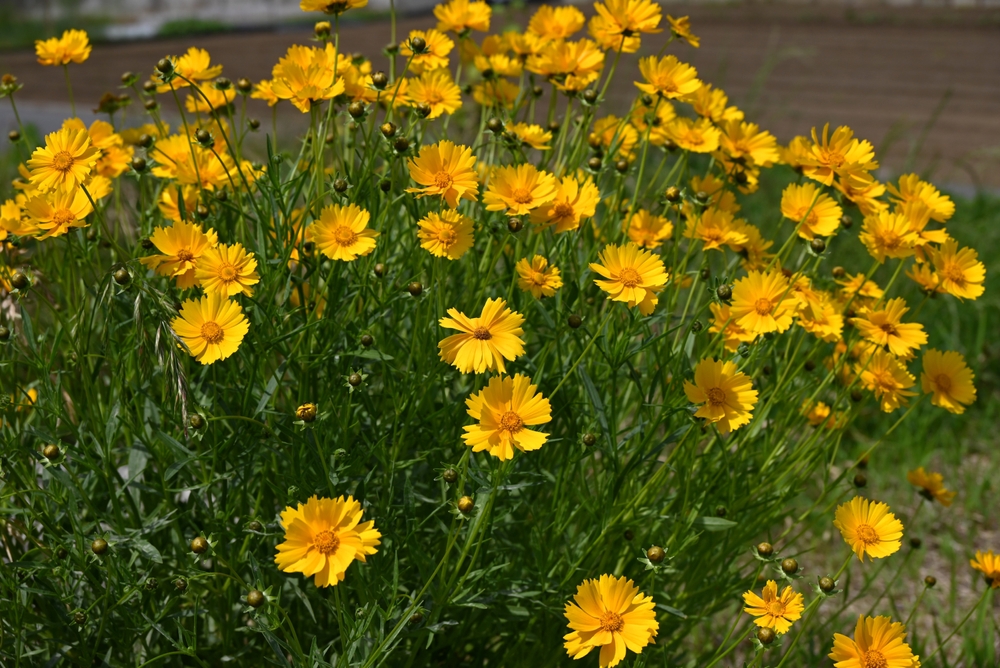
Coreopsis, commonly known as tickseed, is a vibrant perennial that thrives in water-wise gardens. With its bright, daisy-like flowers in shades of yellow, orange, and pink, Coreopsis adds a cheerful touch to any landscape. It thrives in full sun and well-drained soil, requiring minimal water once established. This plant is highly drought-tolerant and can withstand long periods of dry weather, making it perfect for regions with limited rainfall or water availability. Coreopsis’s deep roots help it access moisture from deeper soil layers, reducing the need for frequent irrigation.
In addition to its water-wise nature, Coreopsis attracts a variety of pollinators, including bees and butterflies, contributing to the overall health of your garden. This hardy perennial is easy to grow and maintain, making it an excellent choice for gardeners seeking to conserve water while enhancing their garden’s aesthetic appeal. Its long-lasting blooms, which appear from early summer to fall, provide a continuous splash of color. Coreopsis’s ability to thrive in dry conditions while supporting pollinators makes it a valuable addition to any sustainable garden.
Lantana
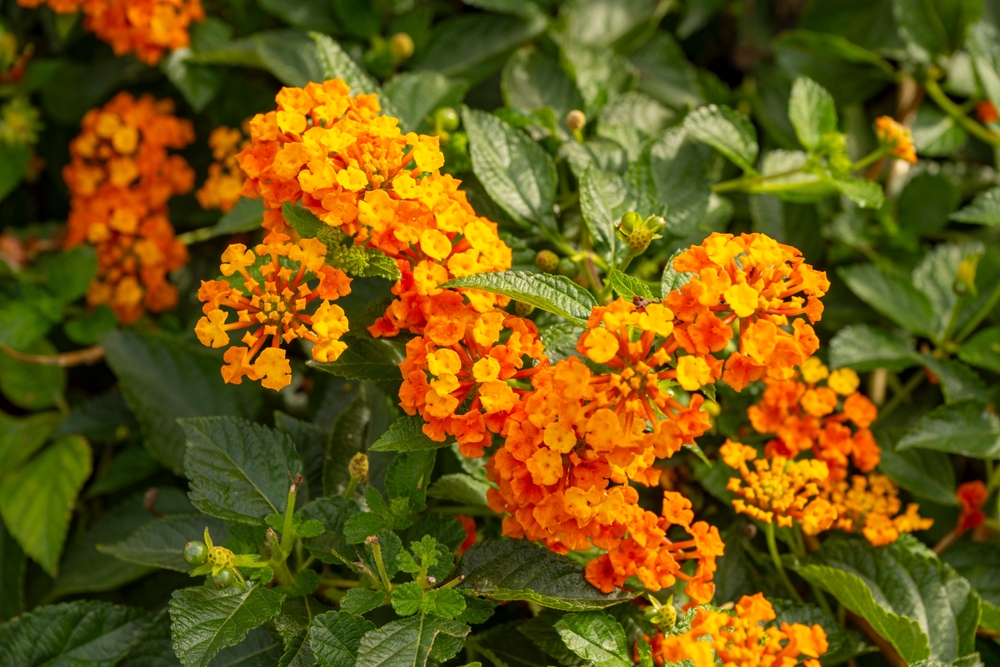
Lantana is a vibrant, low-maintenance plant that thrives in water-wise gardens. Known for its clusters of colorful flowers in shades of red, yellow, orange, and purple, Lantana is a favorite among pollinators. It is highly drought-tolerant and can withstand dry conditions once established, requiring minimal watering. Lantana prefers full sun and well-drained soil, making it an ideal choice for water-conscious gardeners seeking a colorful, low-maintenance plant.
This hardy plant is perfect for creating a vibrant, pollinator-friendly garden with minimal water requirements. Lantana’s ability to tolerate heat and drought makes it a great choice for sustainable landscaping, and its flowers attract bees, butterflies, and hummingbirds, promoting biodiversity. Lantana is also resistant to pests, reducing the need for chemical treatments. Its colorful blooms and water-saving qualities make it a valuable addition to any low-water garden.
This article originally appeared on Avocadu.