
13 Beans and Lentils That Are More Versatile Than You Think
Beans and lentils are some of the most versatile ingredients you can have in your kitchen. Often seen as basic staples, they can be transformed into a wide range of delicious dishes. From hearty stews to light salads, these legumes add richness and texture to any meal. Whether you are looking for plant-based protein or just want to add more fiber to your diet, beans and lentils fit the bill. They can be seasoned in countless ways, making them suitable for various cuisines. With so many cooking methods and flavors to explore, beans and lentils can easily become the star of your next meal.
This post may contain affiliate links, which helps keep this content free. Please read our disclosure for more info.
Chickpeas
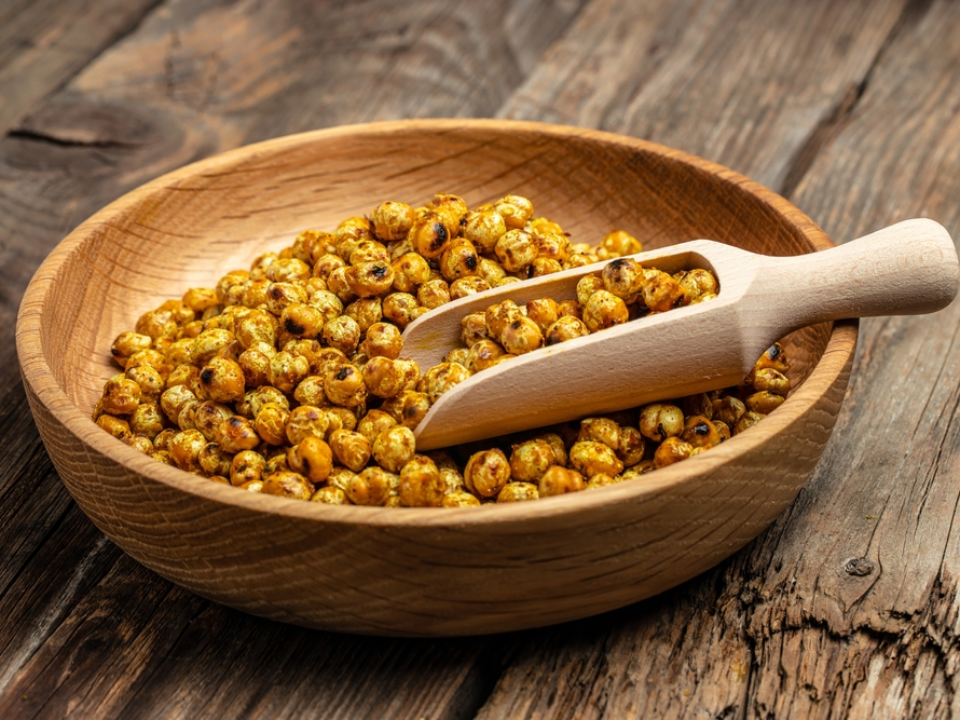
Chickpeas are an incredibly versatile legume that can be used in a wide range of dishes. You can enjoy them in salads, soups, stews, or roasted as a crunchy snack. Their slightly nutty flavor pairs perfectly with a variety of spices, making them ideal for Mediterranean or Middle Eastern dishes. Hummus, one of the most popular chickpea-based dishes, is just the beginning.
These legumes can also be mashed to create patties for veggie burgers or used in curries. When roasted, chickpeas become crispy and can be seasoned to your liking for a healthy snack. For those looking to add plant-based protein, chickpeas are an excellent choice, offering a high fiber content and plenty of vitamins and minerals.
Black Beans
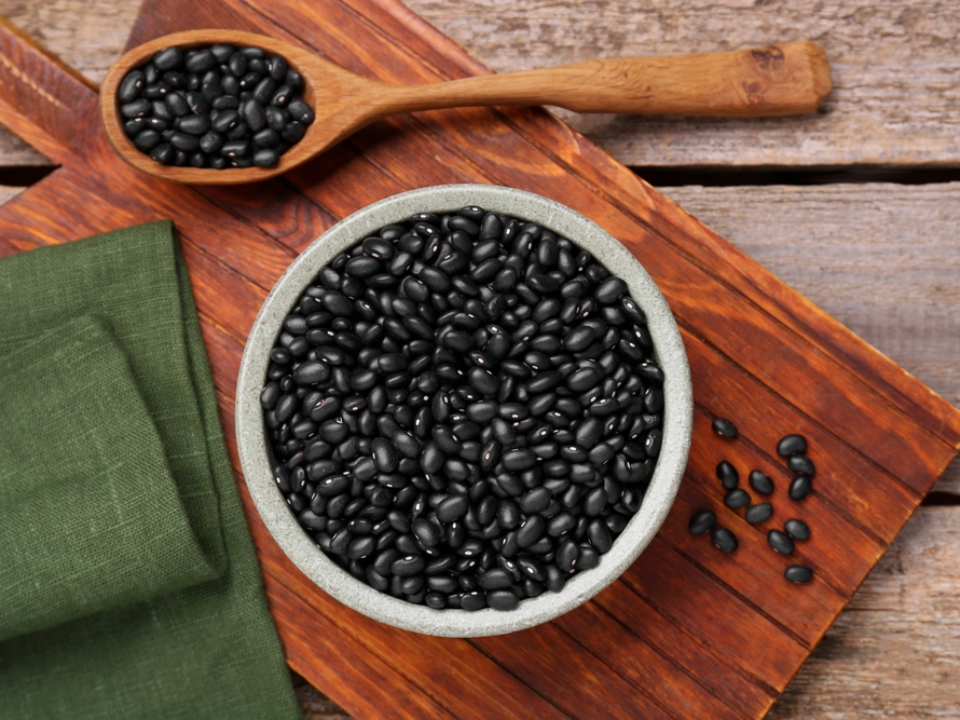
Black beans are a staple in many kitchens due to their versatility and nutritional benefits. They are rich in fiber and protein, making them perfect for adding to soups, salads, or chili. Their earthy taste pairs well with both spicy and savory flavors.
You can also blend them into smoothies for a creamy texture or use them as a base for black bean burgers. They are also an excellent addition to tacos or burritos, adding depth and substance to your meal. Black beans can even be sweetened for desserts, such as brownies or puddings, proving how flexible they really are.
Kidney Beans
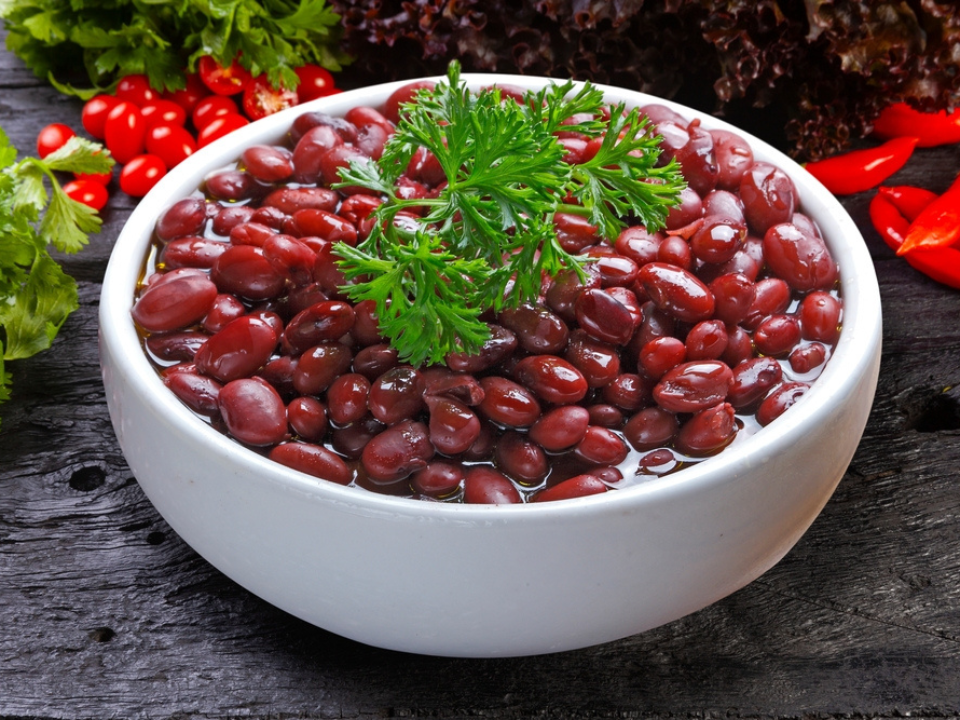
Kidney beans are known for their rich, hearty texture and are a favorite for use in chili, stews, and casseroles. They are also popular in salads and burritos, adding a satisfying bite. These beans can be used in both vegetarian and meat-based dishes, absorbing the flavors of the spices and ingredients they are cooked with.
Kidney beans are often the base for vegetarian chili, offering a filling meal while being a great source of protein and fiber. They can be cooked into a creamy dip or blended into smoothies for a nutritious boost.
Pinto Beans
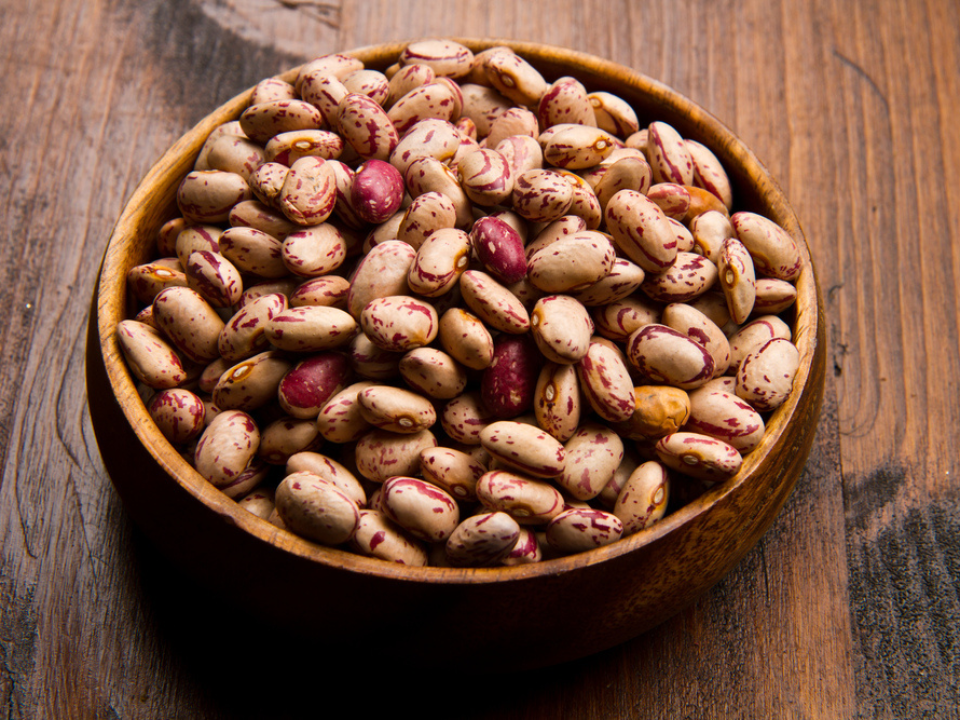
Pinto beans are a favorite in many Latin American dishes, known for their creamy texture and mild flavor. They work wonderfully in refried beans, which can be used as a topping for tacos, burritos, or served as a side dish.
Pinto beans also make a hearty addition to chili, soups, and stews, bringing richness to the dish. They are often used in casseroles or can be mashed and added to dips for a smoother consistency. Their versatility extends beyond savory dishes, as they can also be used in baked goods or desserts, offering a great plant-based alternative to dairy.
Adzuki Beans
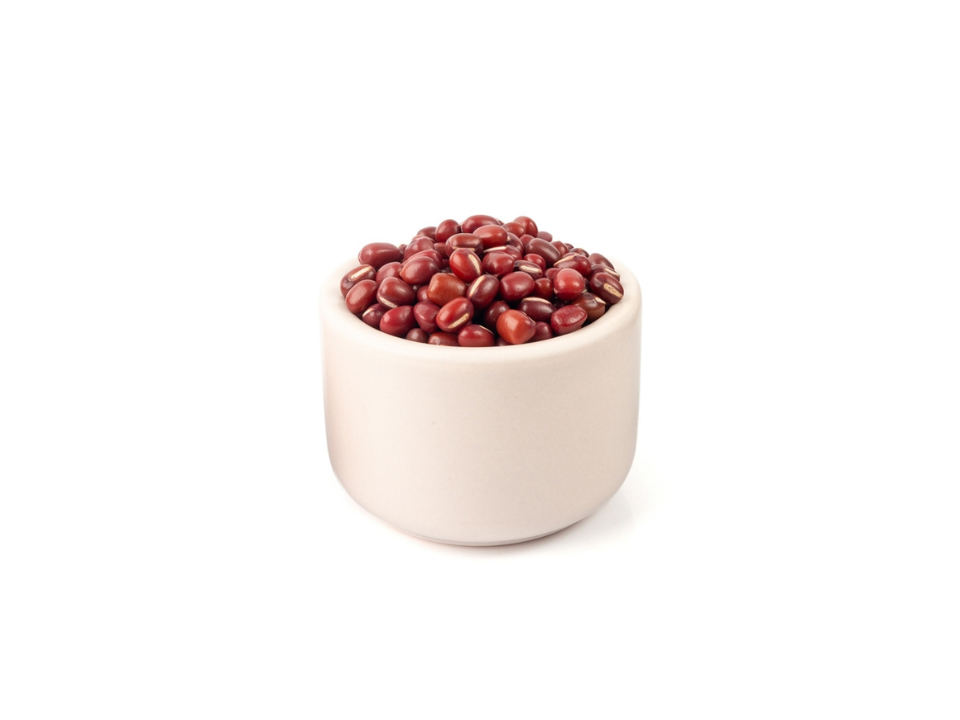
Adzuki beans, small and reddish-brown, are a staple in East Asian cuisine. These beans have a naturally sweet flavor, making them perfect for both savory and sweet dishes. Adzuki beans can be used in soups, stews, and rice dishes or even blended into sweet pastes for use in desserts.
They are often used in traditional Japanese sweets, such as red bean paste for mochi or buns. You can also make adzuki bean salads or mix them into grain bowls for a nutrient-packed meal. Packed with protein, fiber, and antioxidants, adzuki beans offer numerous health benefits while being incredibly versatile in cooking.
Cannellini Beans
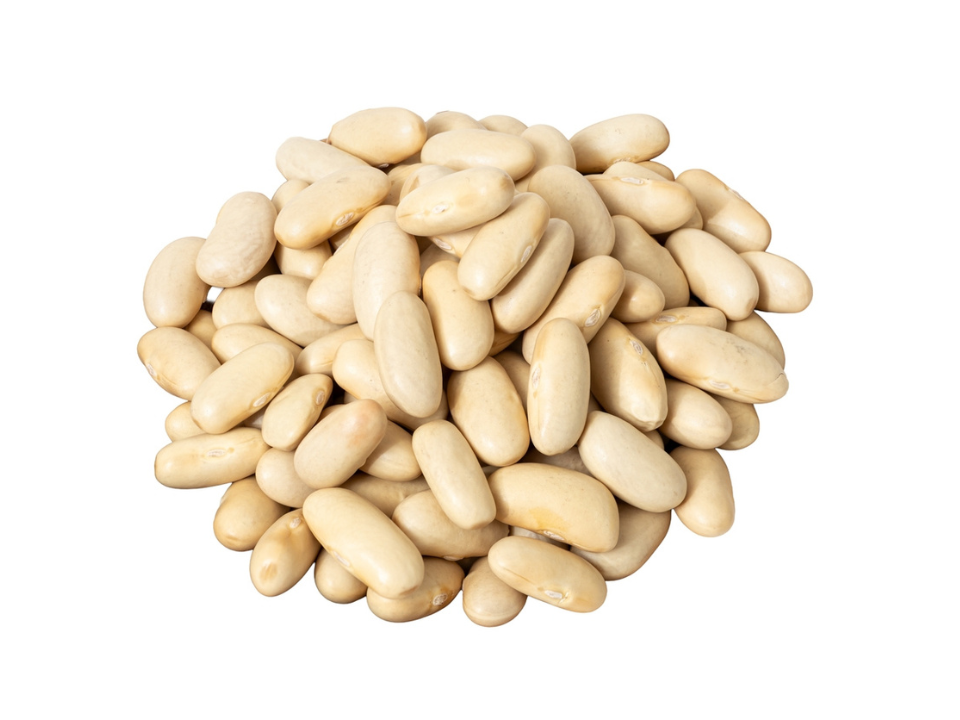
Cannellini beans are large, white beans that are smooth and creamy in texture. They are often used in Italian cuisine, especially in dishes like minestrone soup or pasta e fagioli. Cannellini beans also pair wonderfully with leafy greens, tomatoes, and garlic, adding a hearty base to many Mediterranean dishes.
They can be used in salads, spreads, or mixed with grains for a filling meal. These beans are rich in fiber, protein, and iron, making them a healthy choice for plant-based diets. If you have a craving for something comforting, you can use cannellini beans in a creamy dip or spread on toasted bread.
Butter Beans
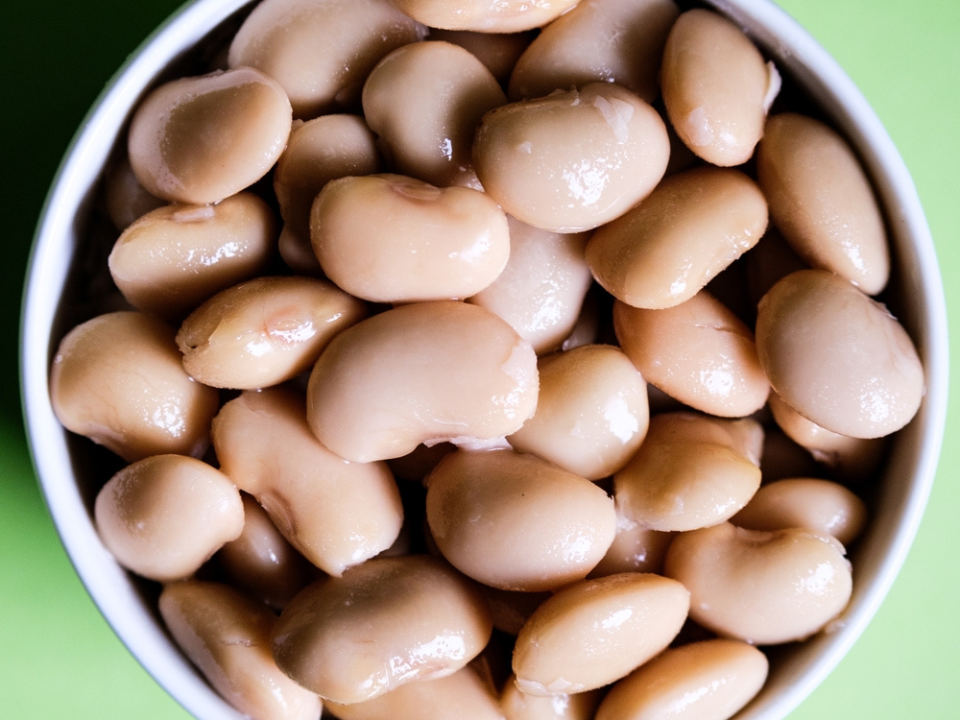
Butter beans, also known as lima beans, are a creamy, smooth variety of bean that adds a rich texture to any dish. They are often used in Southern and Mediterranean cooking, where they are added to soups, stews, and salads. Butter beans can also be used in casseroles or mashed into spreads and dips.
Their mild flavor allows them to pair well with a wide range of seasonings, from garlic to herbs and spices. You can also enjoy butter beans as a side dish, sautéed with vegetables for a nutritious and filling addition to any meal. Butter beans are an excellent source of protein and fiber.
Mung Beans
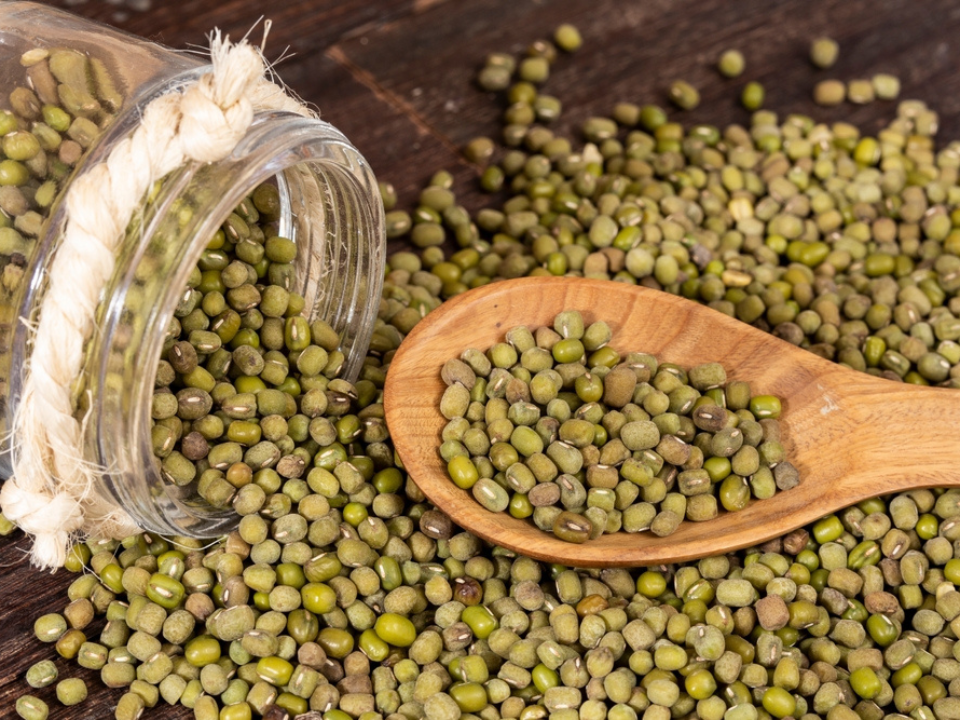
Mung beans are tiny, green legumes that offer a variety of culinary uses. They are commonly used in Asian cuisine, both in savory dishes like soups and stir-fries and in desserts like mung bean paste. Mung beans can be sprouted and added to salads or sandwiches for extra crunch, or you can cook them into a soup with spices and vegetables.
Their mild flavor makes them easy to incorporate into different dishes, and they cook relatively quickly compared to other legumes. Mung beans are high in protein, fiber, and antioxidants, offering numerous health benefits.
Black-eyed Peas
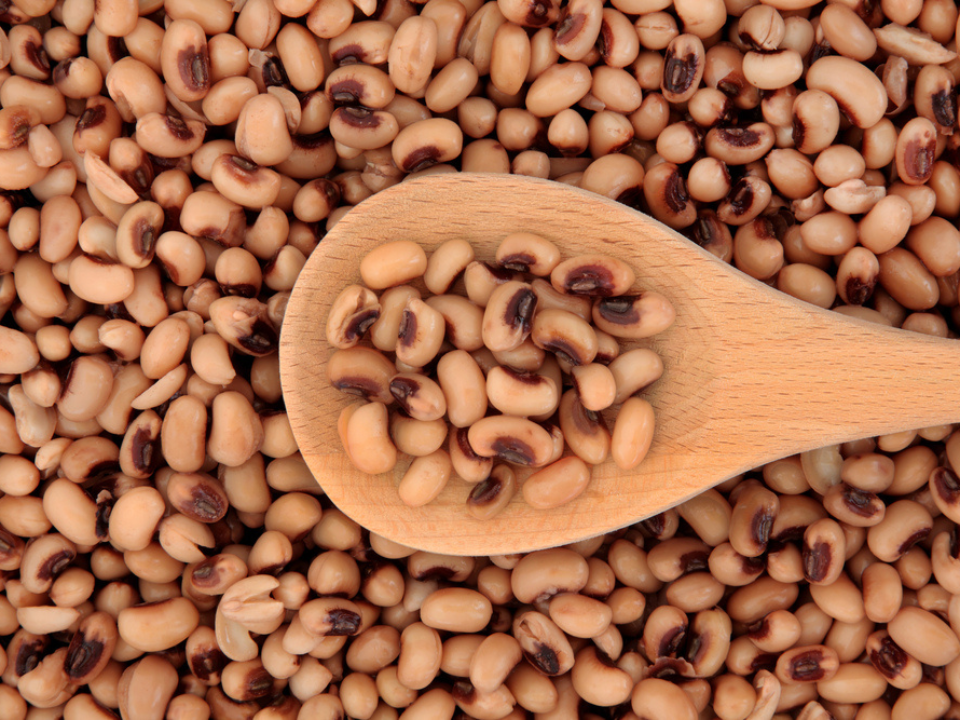
Black-eyed peas are a delicious and versatile legume, often used in Southern and African cuisine. These beans have a slightly earthy flavor and a creamy texture, making them ideal for soups, stews, and salads. They are traditionally cooked with ham or bacon in Southern dishes like Hoppin’ John, but can also be used in vegetarian meals.
Black-eyed peas are often seasoned with herbs and spices, making them an excellent base for a wide variety of flavor combinations. They also hold their shape well when cooked, making them great for salads or bean dips. These legumes are high in protein, fiber, and essential vitamins like folate.
Snow Peas
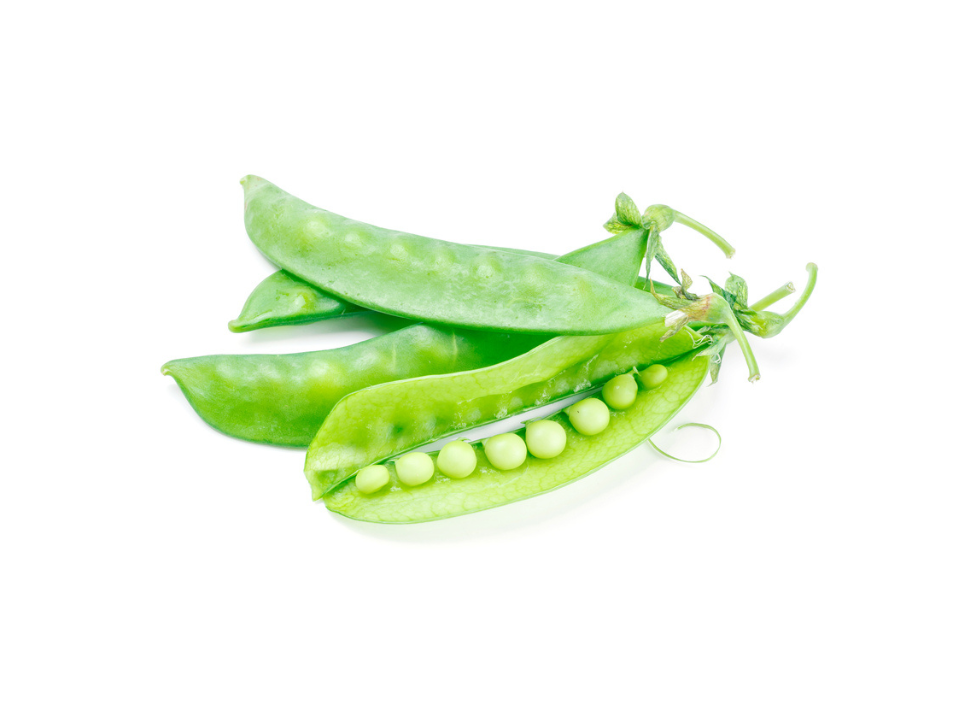
Snow peas are a type of legume that are incredibly versatile in the kitchen. They are typically eaten whole, pod and all, offering a sweet, crunchy texture. Snow peas are excellent in stir-fries, where their crispness adds a refreshing contrast to cooked vegetables and proteins.
They can also be added to salads for a crunchy bite or enjoyed as a light snack. These peas are a great addition to soups and stews, bringing both flavor and color to your dish. Rich in vitamins and fiber, snow peas are not only tasty but also healthy, making them a great addition to a balanced diet.
Fava Beans
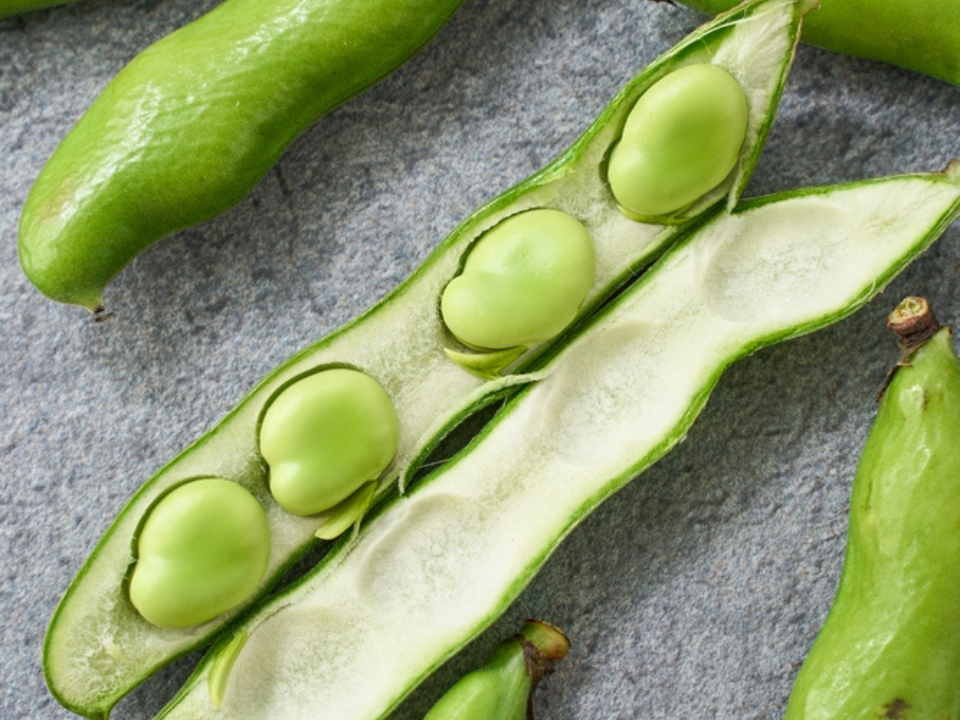
Fava beans are large, flat beans that are popular in Mediterranean and Middle Eastern cuisines. These beans have a slightly sweet and nutty flavor and a creamy texture when cooked. Fava beans are often used in stews, soups, and salads, but they can also be mashed or pureed into dips like hummus.
You can also sauté them with olive oil and garlic for a simple, flavorful side dish. Their versatility also extends to being used in veggie burgers or as a filling for savory pastries. Fava beans are high in protein and fiber, making them an excellent choice for plant-based diets.
Green Lentils
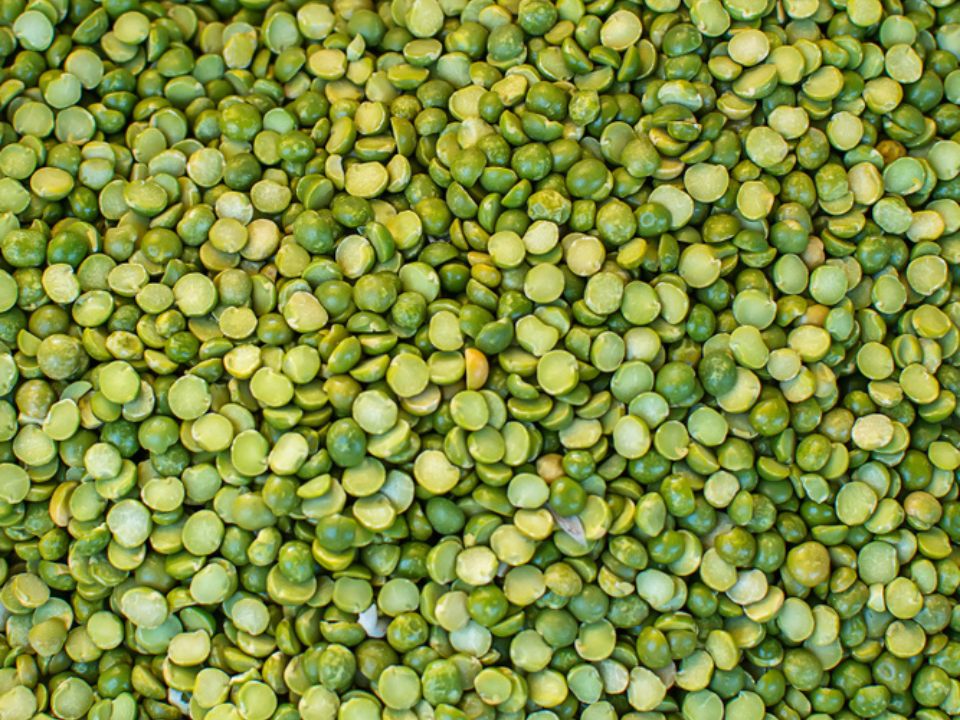
Green lentils are a hearty and versatile legume with a slightly peppery flavor. They are often used in salads, soups, and stews, where they hold their shape and provide a nice bite. Green lentils are perfect for making lentil loaf or lentil patties, adding a rich and earthy flavor to any meal.
They cook relatively quickly, making them a convenient ingredient for busy weeknights. Green lentils are packed with protein, fiber, and iron, making them a great choice for anyone looking to add more plant-based nutrients to their diet.
Roman Beans
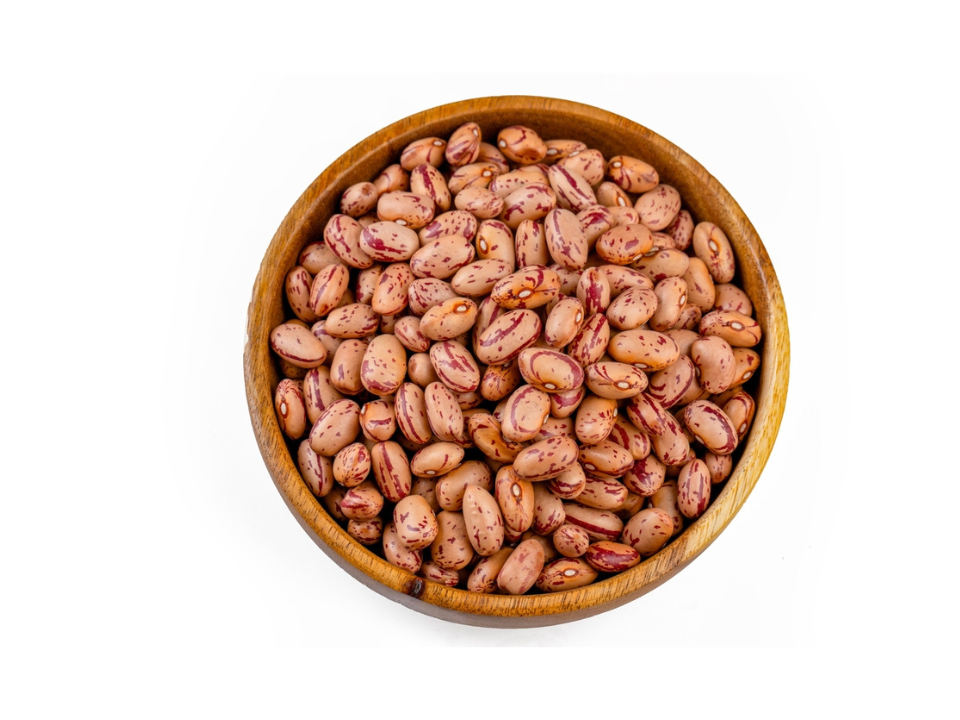
Roman beans, also known as cranberry beans, have a beautiful reddish-pink color with maroon specks. These beans have a creamy texture and slightly sweet flavor, making them ideal for soups, stews, or pasta dishes. Roman beans hold their shape well when cooked, making them perfect for salads and bean bowls.
They are often used in Mediterranean and Italian dishes, where their color and texture add a pop to the dish. These beans are rich in protein, fiber, and minerals, making them a healthy and satisfying option for any meal.
This article originally appeared on Avocadu.