
15 Seeds with More Nutrition Than You Realize
Seeds do not always get much attention, yet they can bring a lot to the table in such a small form. Some are packed with fiber, healthy fats, protein, and minerals that fit easily into everyday meals. They are simple to sprinkle over breakfast, mix into snacks, or stir into dinner without much fuss. That makes them one of the easiest foods to keep around when you want something satisfying and useful. From familiar picks to a few that get overlooked, these little foods can surprise you with what they offer. Once you start paying closer attention to them, it is easy to see why they deserve a place in your kitchen.
This post may contain affiliate links, which helps keep this content free. Please read our disclosure for more info.
Chia Seeds
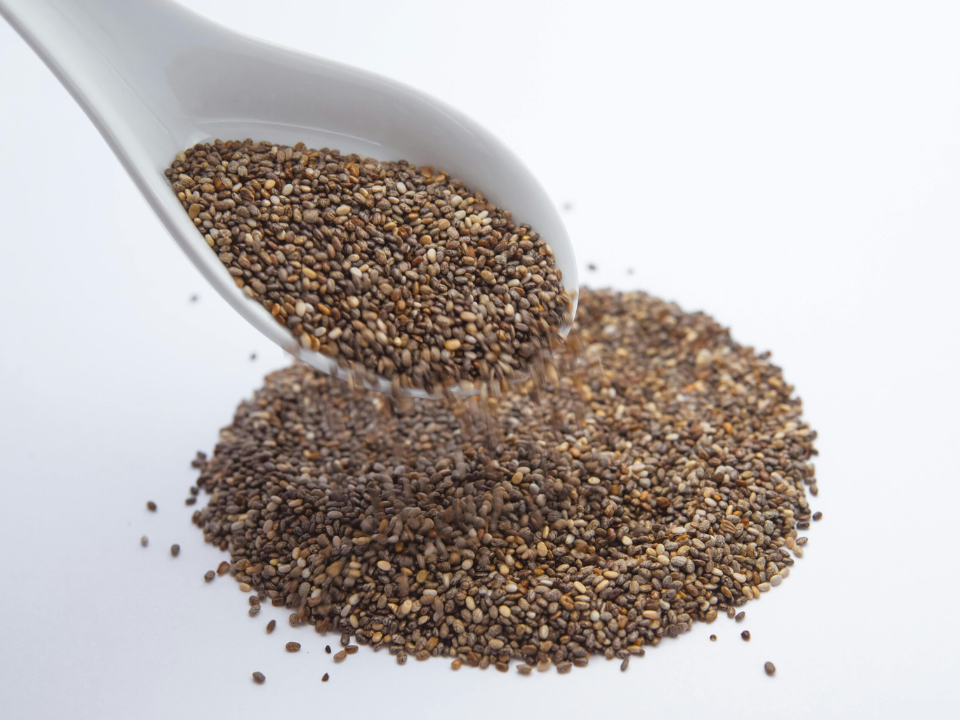
Chia seeds may look tiny, yet they carry a lot more food value than most people expect. They are packed with fiber, which can help you feel full longer and keep digestion moving well. These little seeds also contain plant-based omega 3 fats, which are linked with heart and brain health. On top of that, they give you minerals like calcium, magnesium, and phosphorus.
When soaked in water or milk, they form a gel-like texture that works well in pudding, smoothies, and overnight oats. You can also stir them into yogurt or sprinkle them over cereal without changing the flavor too much. Since they absorb a lot of liquid, they can add body to recipes in a very simple way. For such a small seed, chia does a lot of work in everyday meals.
Flaxseeds
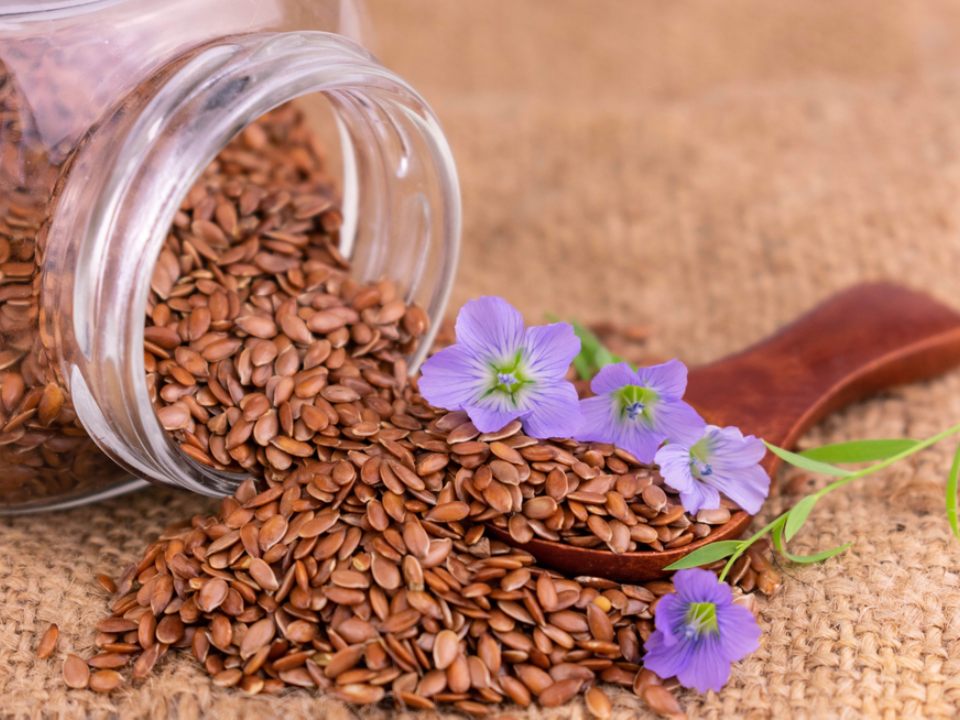
Flaxseeds are often overlooked, even though they bring a strong mix of fiber, healthy fats, and plant compounds. They are well known for their omega 3 content, which makes them a nice choice for people who do not eat fish often. Flaxseeds also contain lignans, which are plant compounds that have gotten attention for their role in overall wellness.
Ground flax is usually easier for the body to use than whole flax, so it is a good idea to buy it milled or grind it at home. It has a mild, nutty taste that fits nicely into oatmeal, baked goods, and smoothies. Some people even mix it into pancake batter or stir it into yogurt for a small food upgrade. It also adds extra fiber, which can help support steady digestion. Flaxseeds may seem basic, yet they bring a lot more to the table than people think.
Pumpkin Seeds

Pumpkin seeds, also called pepitas, are one of the most filling and useful seeds you can keep around. They are packed with protein, healthy fats, and a good amount of magnesium, which plays a part in muscle and nerve function. These seeds also contain iron and zinc, making them a nice choice for people trying to add more minerals to their meals. Their crunchy texture makes them easy to snack on by themselves, especially when lightly roasted.
You can toss them onto salads, mix them into trail mix, or scatter them over soup for extra texture. Pumpkin seeds also have a pleasant savory taste that works in both sweet and salty dishes. Because they contain fat, protein, and fiber, they can help a snack feel more satisfying. They are one of those foods that look simple but carry a surprisingly strong nutritional punch.
Sesame Seeds
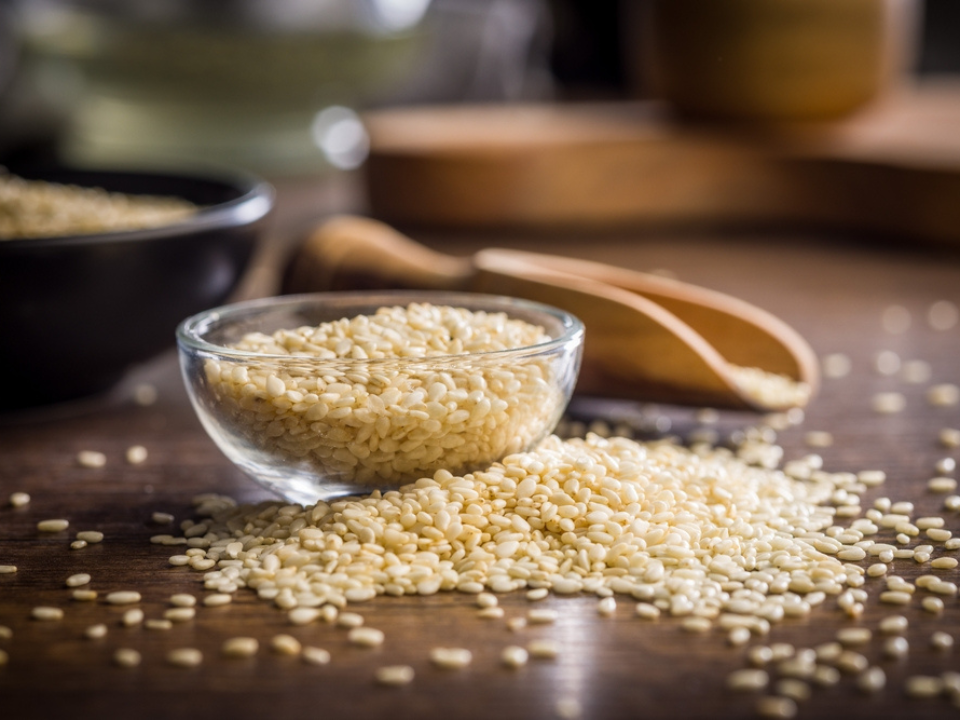
Sesame seeds are tiny, though their food value is much bigger than their size suggests. They contain healthy fats, protein, and a good amount of calcium, especially when the seeds are eaten whole. Sesame seeds also provide copper, magnesium, and iron, which are useful in a balanced diet. Their nutty taste works well on bread, rice bowls, stir-fries, and roasted vegetables.
Tahini, which is made from ground sesame seeds, is another easy way to enjoy their benefits. It can be used in dressings, dips, and sauces that feel creamy without needing dairy. Sesame seeds also contain plant compounds that add to their value beyond basic nutrients. Since they are easy to sprinkle onto meals, they are one of the simplest ways to add extra goodness to a plate.
Sunflower Seeds
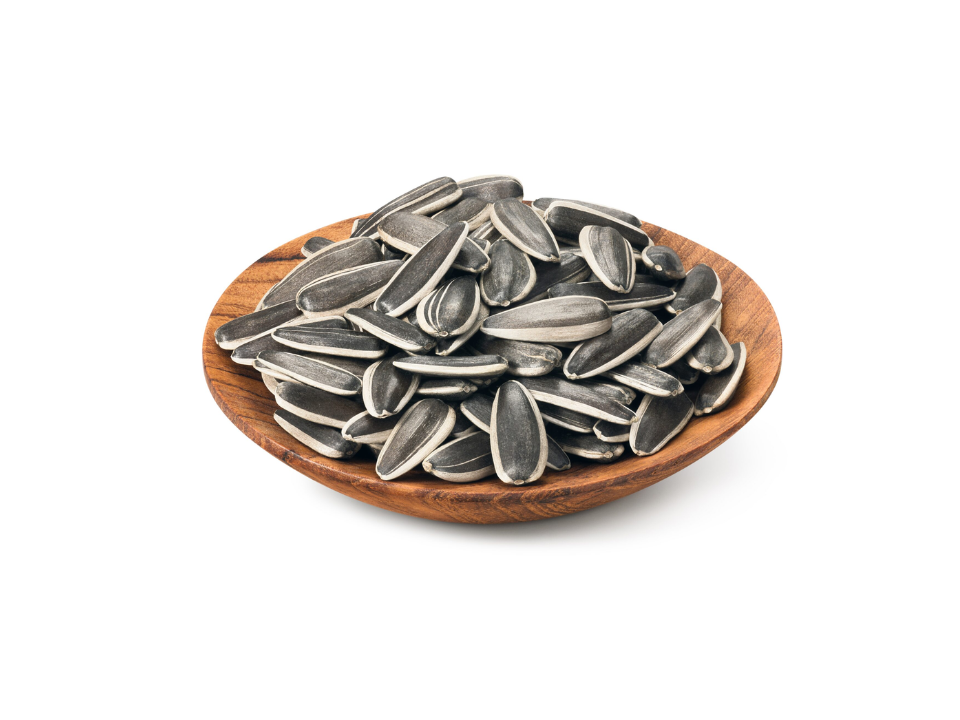
Sunflower seeds are a snack food that often gets treated like a small extra, though they bring quite a lot to the table. They are a good source of vitamin E, which helps protect cells from damage. These seeds also give you healthy fats, protein, selenium, and magnesium. Their flavor is mild and slightly nutty, which makes them easy to add to both sweet and savory foods.
You can eat them on their own, scatter them over salads, or mix them into oatmeal and granola. Sunflower seed butter is another good option for people who want a spread that is different from peanut butter. Because they are filling and easy to carry, they work well for busy days and quick snacks. Sunflower seeds may seem ordinary, yet they are much more useful than people often think.
Hemp Seeds
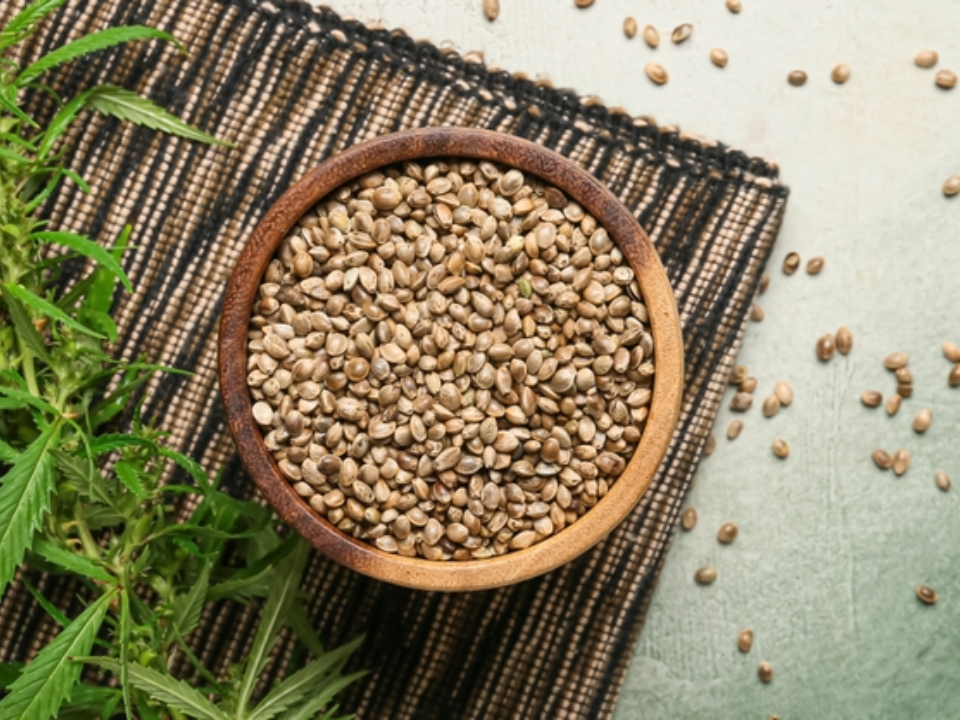
Hemp seeds have gained more attention in recent years, and for good reason. They are a strong source of plant protein, which makes them popular with people who want more non-meat options. Hemp seeds also contain healthy fats, including omega 3 and omega 6, along with minerals like magnesium, iron, and zinc. One thing that makes them stand out is how soft they are, so they do not need grinding like some other seeds.
Their mild taste makes them easy to mix into smoothies, yogurt, oatmeal, and salads. You can even stir them into rice or pasta dishes without changing the flavor much. Since they offer both protein and fat, they can help make a meal feel more complete. Hemp seeds are a quiet little food with much more value than their plain look suggests.
Watermelon Seeds
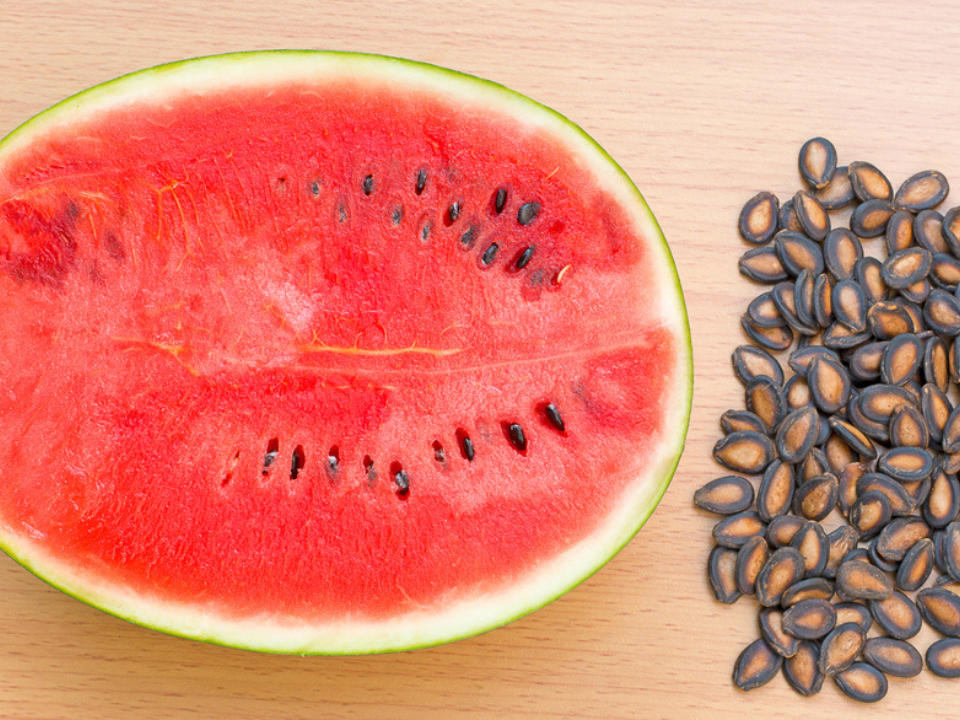
Watermelon seeds are usually thrown away without much thought, which is a shame because they can be quite nutritious. When dried or roasted, they become a crunchy snack with protein, healthy fats, and minerals like magnesium, iron, and zinc. They are much more useful than people give them credit for, especially if you like snack foods with a little bite. Roasted watermelon seeds can be eaten plain or lightly seasoned for extra flavor.
They also work well mixed into trail mix or added to a topping blend for salads and grain bowls. Since they contain both fat and protein, they can help a snack feel more satisfying than chips or crackers alone. Their mild flavor makes them easy to pair with other foods. Watermelon seeds are a good reminder that food value can hide in places people usually ignore.
Poppy Seeds
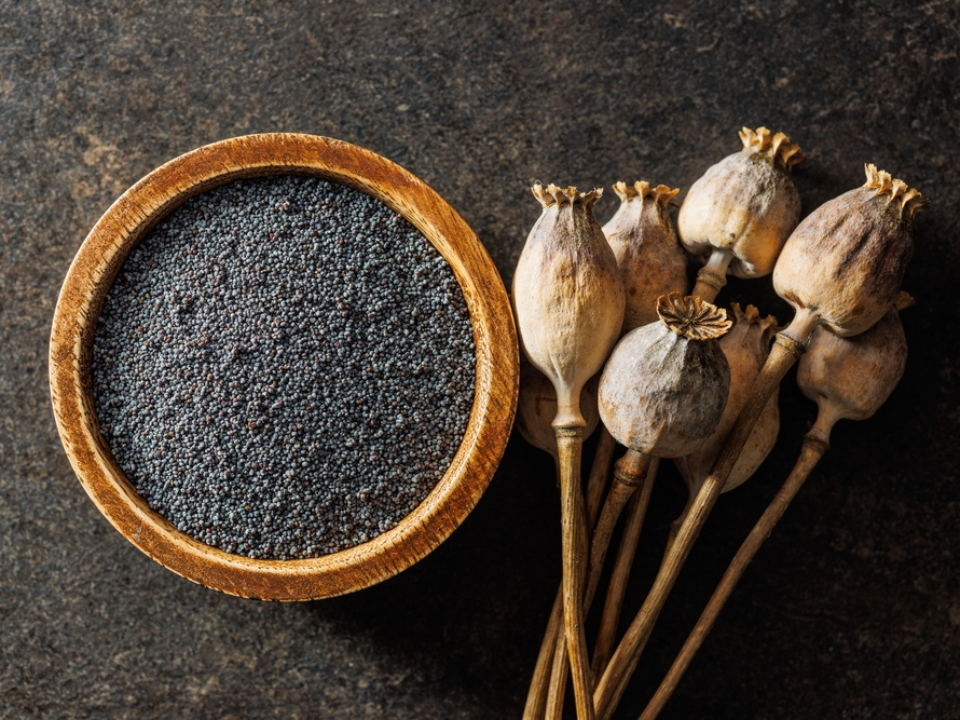
Poppy seeds are often seen as little specks on bread or muffins, yet they offer more than just looks. They contain fiber, healthy fats, and minerals such as calcium and manganese. Even though people usually eat them in small amounts, they can still add something useful to a meal or baked item.
Their slightly nutty flavor fits well in breads, cakes, dressings, and noodle dishes. In some cuisines, poppy seeds are ground into pastes or fillings that give both flavor and body to a recipe. They also bring a pleasant crunch that can make simple foods more interesting. Since they are usually used as a topping, people may not think of them as a nutritious ingredient. Still, poppy seeds have more going for them than their tiny size would suggest.
Nigella Seeds
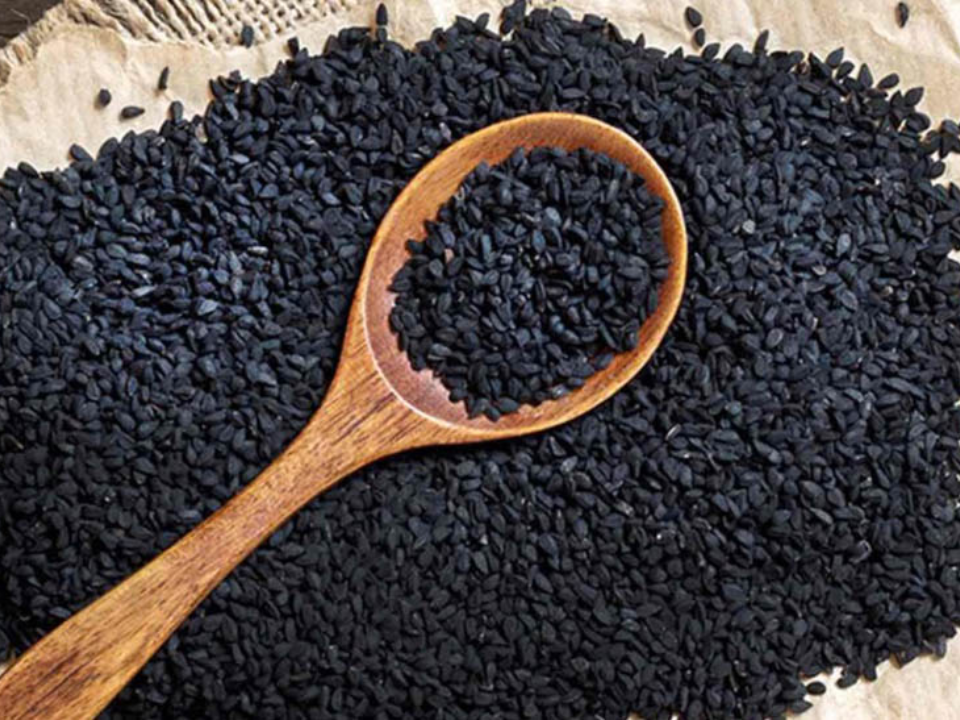
Nigella seeds are small black seeds that often get used for flavor, though their food value deserves more attention. They contain healthy fats, fiber, and a mix of plant compounds that make them stand out in a small serving. Their taste is slightly peppery and a little onion-like, which makes them easy to scatter over flatbreads, roasted vegetables, and rice dishes.
These seeds also bring small amounts of iron, calcium, and potassium to the table. Since they are usually used as a topping, people often miss how useful they can be in a balanced diet. A little goes a long way, so you do not need much to add flavor and extra nourishment. Nigella seeds fit nicely into savory meals and can make simple food taste more interesting. They may be tiny, yet they carry more value than most people expect.
Fenugreek Seeds
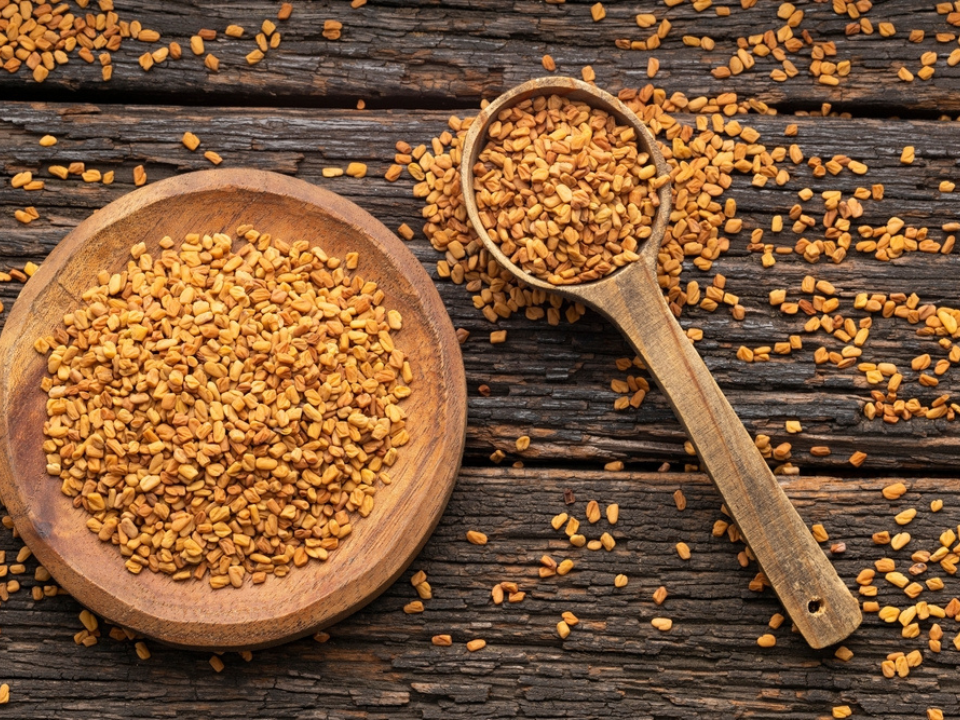
Fenugreek seeds have a firm texture and a slightly bitter taste, though they become much milder when soaked or cooked. They are known for their fiber content, which can make meals feel more filling and satisfying. These seeds also contain iron, magnesium, and plant compounds that have made them popular in traditional cooking for a long time.
Fenugreek is often used in curries, spice blends, and stews where it adds depth without taking over the whole dish. Some people soak the seeds before cooking to soften them and make the flavor a bit gentler. Ground fenugreek can also be mixed into doughs or savory batters in small amounts. Because they are usually seen as a spice first, their nutritional side gets overlooked. Fenugreek seeds bring much more to a meal than flavor alone.
Perilla Seeds
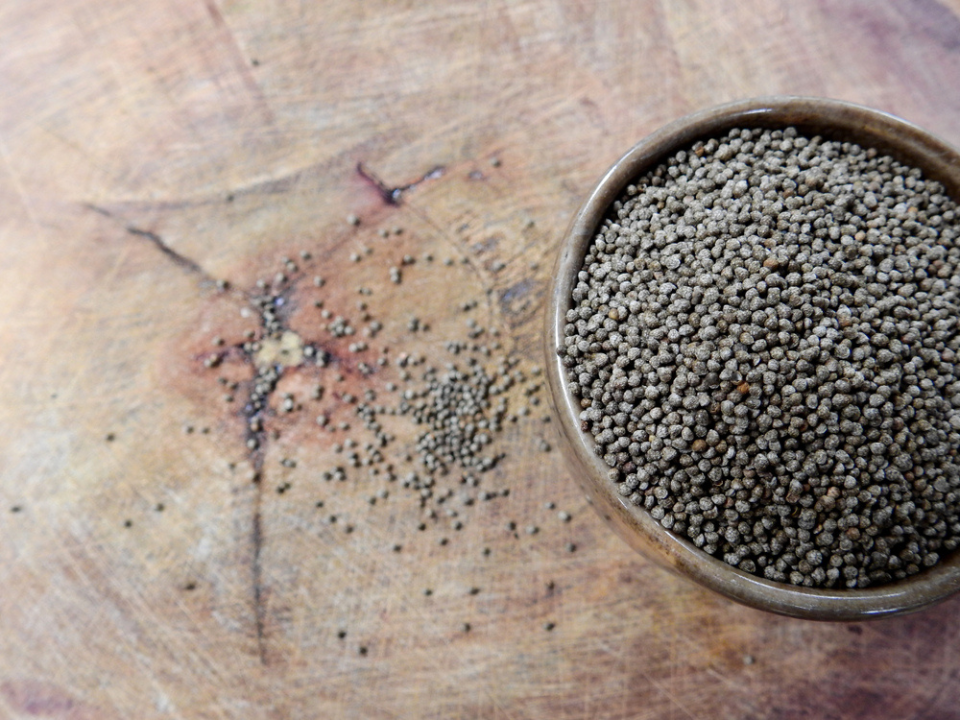
Perilla seeds are common in some Asian kitchens, though they do not get much attention in other places. These seeds contain healthy fats, including plant-based omega 3, which gives them a strong nutritional edge. They also provide protein, fiber, and minerals such as calcium and iron in modest amounts.
Perilla seeds have a rich, nutty taste that works well in soups, rice dishes, noodles, and vegetable sides. When ground, they can thicken sauces and add a creamy feel without using dairy. Their flavor is deeper than sesame, so a small amount can change a dish in a nice way. Since they are less familiar to some shoppers, they often get passed over on store shelves. That is a shame because perilla seeds offer a lot in a very small package.
Cumin Seeds
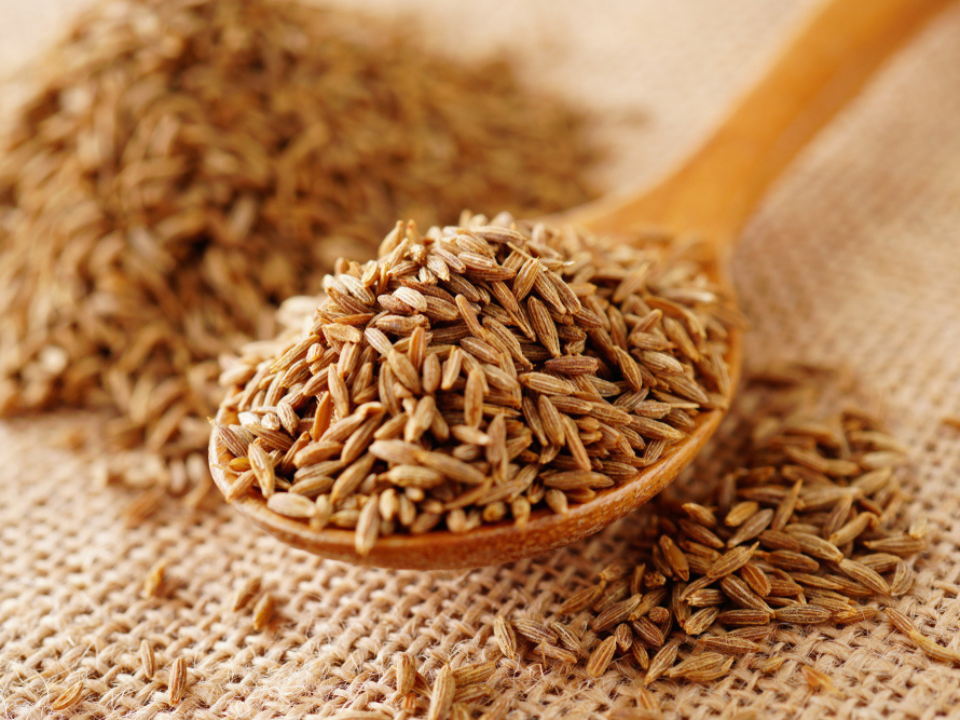
Cumin seeds are usually thought of as a spice, yet they bring more than warm flavor to food. They contain iron along with small amounts of fiber and plant compounds that add to their food value. Toasting them before use can bring out an earthy aroma that works beautifully in beans, soups, grains, and roasted vegetables. Since cumin is often used in daily cooking around the world, it can quietly add extra nutrition again and again.
Whole cumin seeds also give a dish a pleasant texture that ground cumin does not provide. You can stir them into rice, lentils, or sautéed greens for a richer taste. Even though the amount used is often small, those small amounts can add up over time. Cumin seeds prove that pantry basics can be more useful than they first appear.
Fennel Seeds
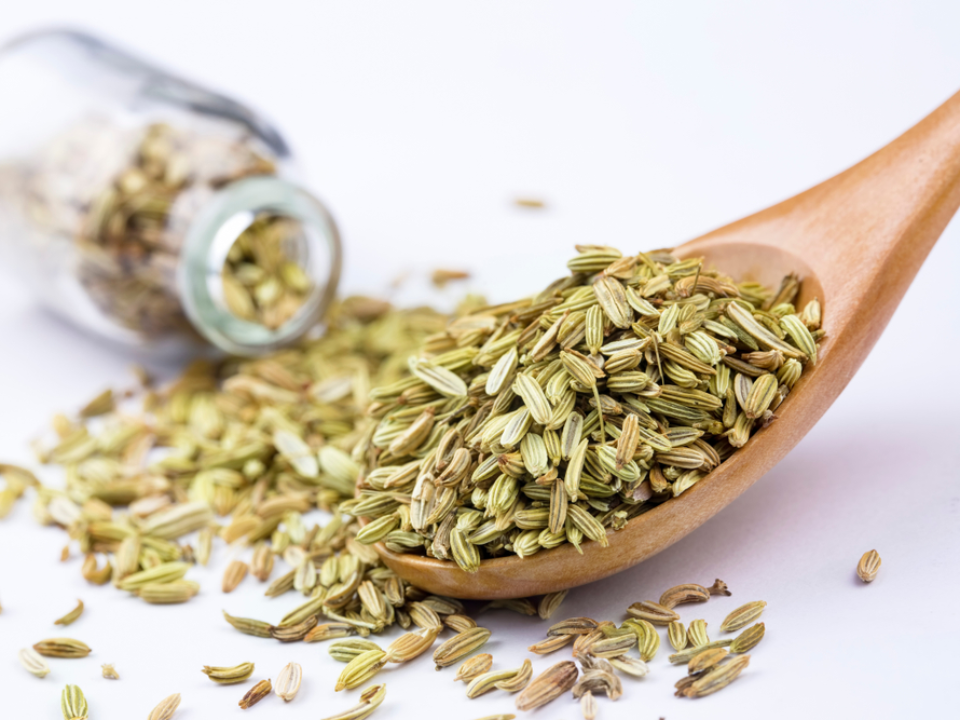
Fennel seeds have a sweet, gentle taste that makes them easy to enjoy in both food and tea. They contain fiber and small amounts of calcium, potassium, and manganese, which give them more value than their light flavor suggests. In cooking, fennel seeds fit nicely into sausage dishes, baked goods, tomato sauces, and roasted vegetables.
Some people chew them after meals because they like the fresh taste and mild crunch. They can also be steeped in hot water for a simple drink with a soft licorice note. Since fennel seeds are often kept in the spice cabinet, their nutritional side can get ignored. They are a simple way to add flavor without relying on heavy sauces or rich toppings. For such a common seed, fennel has a lot going for it.
Quinoa
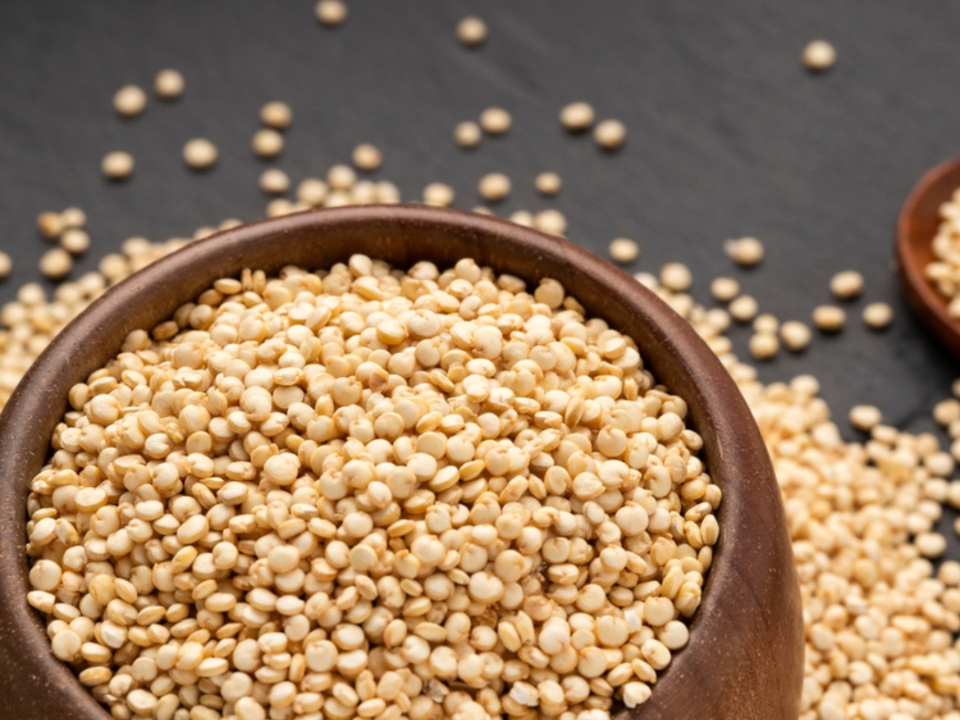
Quinoa is often treated like a grain, though it is actually a seed with a very impressive food profile. It contains protein, fiber, and a range of minerals such as magnesium, iron, and phosphorus. One thing that makes quinoa stand out is that it contains all nine essential amino acids, which is not common in plant foods. Its light, fluffy texture makes it easy to use in place of rice or pasta in everyday meals.
Quinoa also works well in breakfast bowls, salads, soups, and stuffed vegetables. Since it has a mild taste, it takes on the flavor of whatever you cook it with. It is a simple pantry item that can fit into all kinds of dishes without much effort. Quinoa gives a lot more nourishment than people often expect from such a small seed.
Pomegranate Seeds
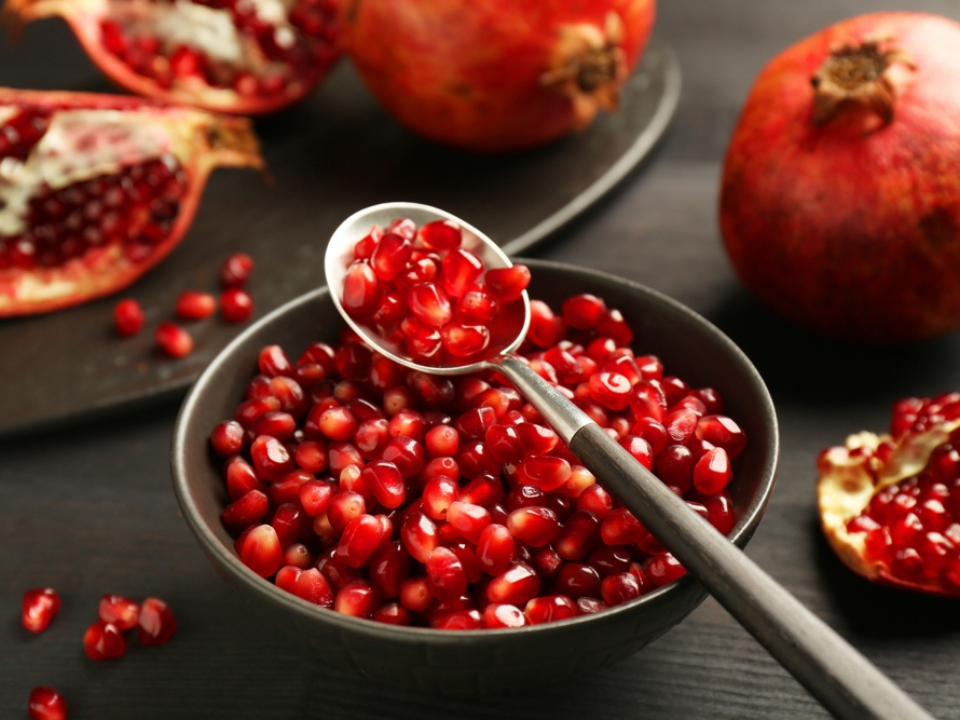
Pomegranate seeds bring a fresh burst of sweetness, though their value goes far beyond taste. They contain fiber, vitamin C, and plant compounds that have made this fruit popular for good reason. Since the seeds are wrapped in juicy arils, they add both crunch and brightness to meals. You can scatter them over yogurt, oatmeal, salads, or grain dishes for a fresh pop of flavor.
They also work well as a topping for roasted vegetables or simple desserts. Because they look playful and light, people may not think of them as a nourishing food. Still, each spoonful gives you more than color and sweetness. Pomegranate seeds are a good reminder that nutritious foods can feel fun and refreshing too.
This article originally appeared on Avocadu.