
15 Ways to Reduce Redness After Wind and Sun Exposure
Some days, a little fresh air comes with a side of redness and irritation. Even so, there are calming ways to care for skin when it feels dry, warm, and overexposed. A few thoughtful changes can go a long way in helping your face look and feel better. Read on for simple ideas you can start using today.
This post may contain affiliate links, which helps keep this content free. Please read our disclosure for more info.
Use a Cool Compress for Wind and Sun Redness Relief

When your face feels hot and looks flushed, a cool compress can bring quick comfort. Dampen a soft cloth or a foam with cool water, then rest it over the red area for five to ten minutes. This can take down some of the heat that builds up over time outside. Repeat it a few times during the day if your skin still feels warm.
A chilled cloth works best when it is cool rather than icy. Ice placed right on irritated skin can feel too harsh and may leave it feeling worse. Keep the pressure light and let the fabric sit gently on your skin. This easy step is often one of the first things people try after a windy, sunny afternoon.
Wash With a Gentle Fragrance-Free Cleanser
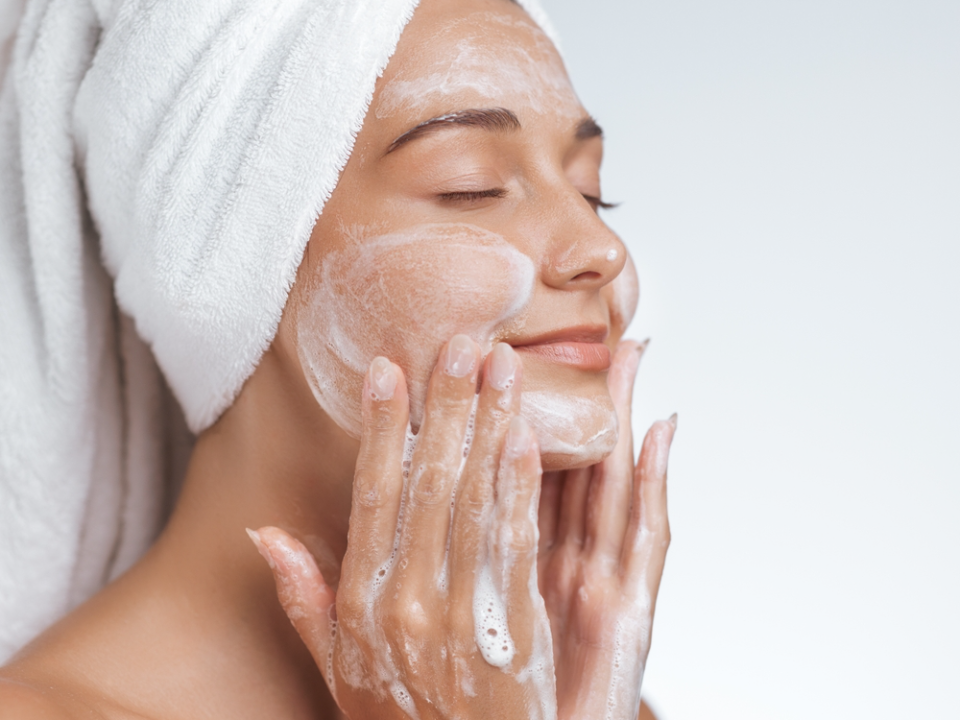
Instead of scrubbing your face, wash it with a mild cleanser that does not leave skin feeling tight. Wind and sun can weaken the skin barrier, so a soft wash is usually the better choice. Use lukewarm water and your fingertips, then rinse without rubbing. Pat dry with a clean towel rather than dragging it across your face.
Many facial washes contain perfume or strong ingredients that can sting tender skin. A plain cleanser made for sensitive skin is usually the safer pick during this time. Foaming formulas can feel drying for some people, especially after sun exposure. If your face feels stripped after washing, switch to a cream or lotion cleanser.
Apply Moisturizer on Damp Skin to Lock In Comfort
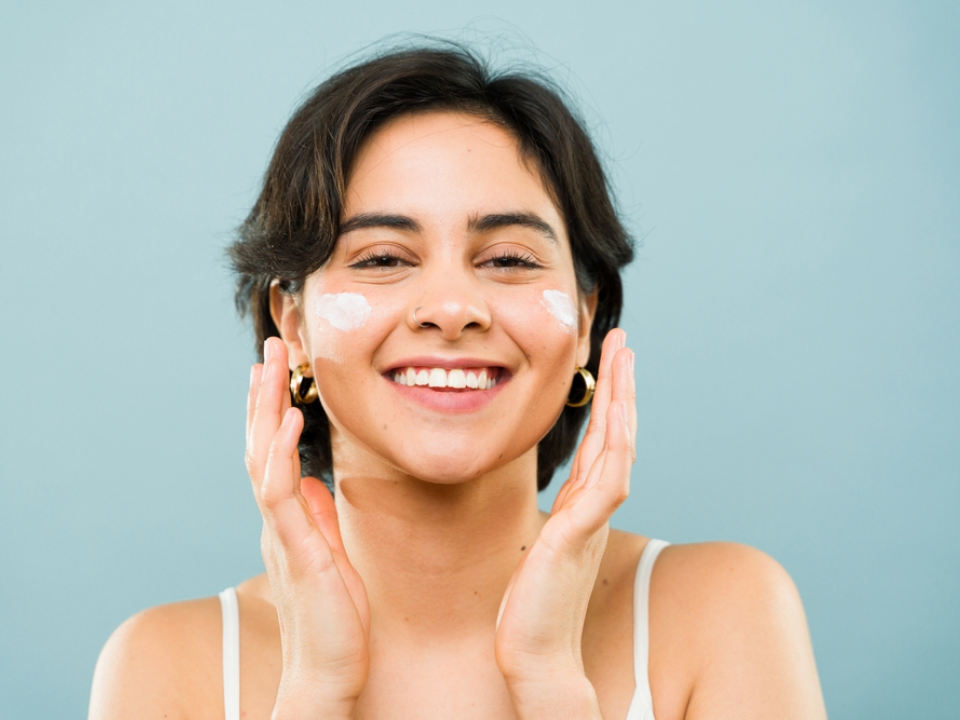
Freshly washed skin holds water better when the moisturizer goes on right away. Applying cream or lotion while the skin is still slightly damp can help reduce that dry, tight feeling. Look for simple formulas with ingredients like glycerin, ceramides, or squalane. These can support skin that feels rough after wind and sun.
Right after cleansing is often the best time to do this step. A thicker cream may feel better than a light gel when the air has been dry or breezy. Spread it on with clean hands and use a light touch. If your cheeks get red often, keep the product simple and skip strong active ingredients for a while.
Try Aloe Vera Gel for Sun-Exposed Red Skin
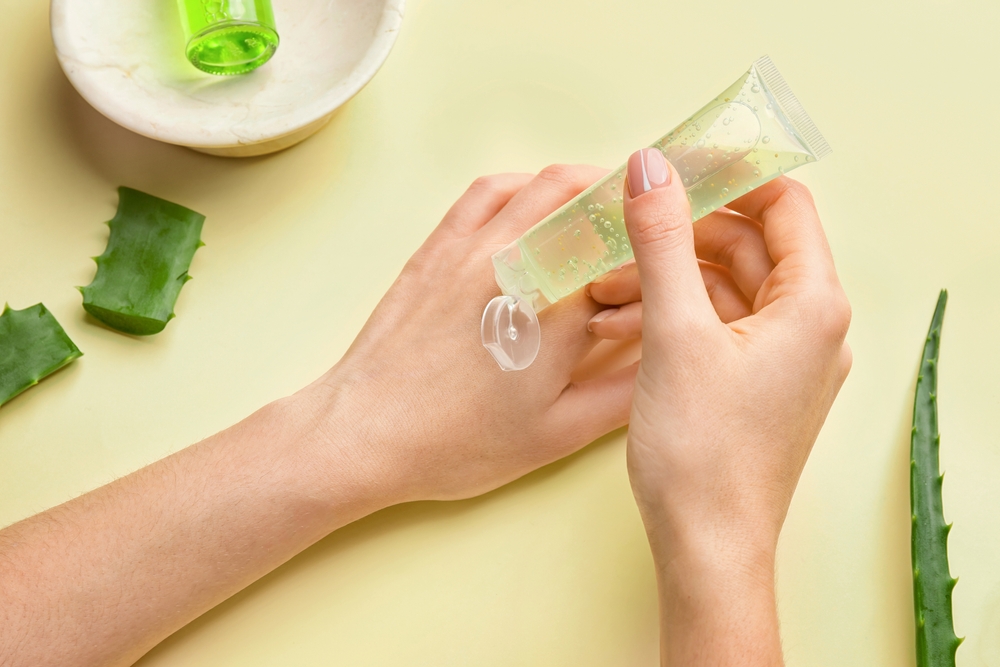
For skin that feels heated, plain aloe vera gel can feel cool and comforting. It is often used after sun exposure because it sits lightly on the skin and does not feel greasy. Choose one without alcohol or heavy perfume if possible. That helps lower the chance of stinging on already upset skin.
A thin layer is usually enough to cover the red area. Let it dry for a minute or two before putting anything else over it. Some people like to keep aloe in the refrigerator for an extra cooling effect. If it starts to sting, wash it off and switch to a basic cream instead.
Stop Using Scrubs and Exfoliants Until Redness Settles
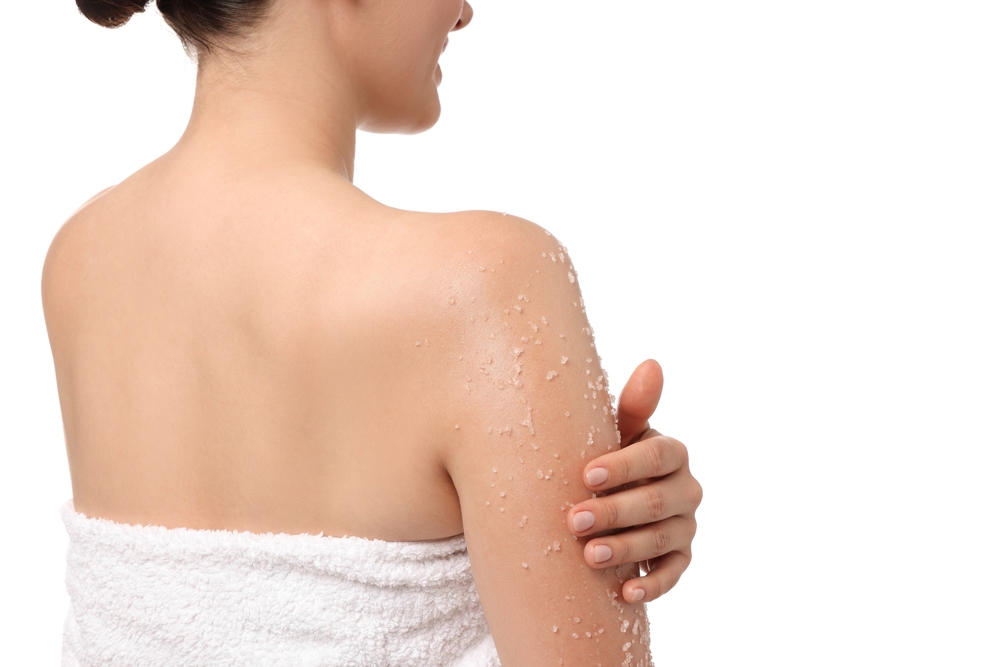
Harsh scrubs can make irritated skin feel even more raw. If your face is red from wind and sun, put aside grainy exfoliants, peeling pads, and strong acids for a few days. Skin needs time to settle when it looks flushed and feels tender. Keeping things simple can make a bigger difference than adding more products.
During this period, less is often better. Rough cleansing brushes and washcloths can also add friction that your skin does not need. Give your face a short break from anything that tingles or burns. Once the redness fades, you can slowly return to your usual skin care steps.
Choose Zinc Oxide Sunscreen for Sensitive Red Skin

A mineral sunscreen with zinc oxide can be a good pick when skin already looks irritated. It sits on top of the skin and is often better tolerated by people who flush easily. Use it before going back outside, even if the day feels breezy or cool. Wind can distract from how much sun your skin is still getting.
Many people forget that damaged skin needs extra shielding the next day. Pick a formula made for sensitive skin and apply it gently rather than rubbing hard. Reapply it if you stay outdoors for more than a couple of hours. A wide hat can make this step work even better.
Rest in the Shade After Too Much Wind and Sun

Sometimes the best thing you can do is step out of the weather. A break in the shade gives your skin a chance to cool off and recover from both dryness and heat. This matters even more if your cheeks start to feel tight or sting. Staying out of direct sunlight for a while can keep the redness from getting deeper.
A shady porch, a tree-covered spot, or an indoor space can all help. Once you are out of the sun, your skin may feel less irritated within a short time. Pair this with water and a gentle moisturizer for added comfort. Small changes like this can keep a mild reaction from turning into a rough evening.
Drink More Water When Skin Feels Dry and Flushed

After a windy day outside, your skin may feel dry from the inside out. Drinking water will not erase redness right away, though it can support your body while your skin settles. Cool water or a simple drink without much sugar may feel best if you are overheated. Keeping up with fluids can be useful after sun exposure, especially in warm weather.
Your lips can offer clues that you need more to drink. If they feel dry or your mouth feels sticky, take that as a sign to sip more often. This works well alongside topical skin care rather than in place of it. A refillable bottle nearby can make it easier to keep up through the day.
Keep Showers Lukewarm When Skin Is Red and Tender

Hot water can feel relaxing, though it often leaves irritated skin looking even redder. A lukewarm shower is usually a better choice after a day of wind and sun. Heat can strip away some of the natural oils your skin needs right now. Shorter showers may help, too, if your face already feels dry.
The same idea applies when washing your face at the sink. Cooler water can feel more comfortable and may lower that burning sensation. Once you finish, pat your skin dry instead of rubbing with a towel. Follow with moisturizer while the skin is still a little damp.
Skip Fragrance and Strong Actives for a Few Days

Perfume, retinol, and strong acids can be too much for skin that already feels upset. If redness has shown up after time outdoors, this is a good moment to scale back. A short pause gives your skin space to settle without extra irritation. Think plain cream, gentle cleanser, and sunscreen rather than a full product lineup.
Even products you usually like may feel different on tender skin. Watch for stinging, warmth, or tightness after you apply something. When that happens, wash it off and go back to the basics. A lighter approach often feels better until your skin looks more even again.
Wear a Wide Hat and Sunglasses to Prevent More Redness

A wide hat can shield your face from both direct light and drying wind. Sunglasses help protect the skin around your eyes, which can react quickly when the weather is rough. These simple pieces are easy to carry and can make outdoor time feel less harsh on your skin. Prevention matters a lot when your face is already a little irritated.
Clothing accessories work well because they do not rely on another skin product. A hat with a decent brim can cover your forehead, cheeks, and part of your nose. Large sunglasses can add another layer to the upper face. Used together, they can lower the chance of extra redness later in the day.
Use Colloidal Oatmeal Cream for Irritated Facial Skin

Colloidal oatmeal is often used in products made for dry, itchy, or stressed skin. It can feel comforting when redness shows up with roughness or light itching after a windy, sunny day. Creams or masks with this ingredient are easy to find in the skin care aisle. Many people like it because it feels gentle and familiar.
For best results, smooth a thin layer over clean skin and leave it alone. There is no need to pile on a thick coat if your face already feels warm. A simple oatmeal-based product can fit well into a short, calm skin care routine. If your skin is very reactive, test a small area first.
Take a Break From Heavy Makeup on Red Irritated Skin

Foundation and full coverage products can sometimes feel uncomfortable on hot, dry skin. If your face is red from weather exposure, a short makeup break may help it feel less coated and congested. This can be useful when your skin already feels tight or sensitive to touch. A bare face for a day or two can be a relief.
When you do want coverage, lighter products often feel easier to wear. A simple tinted mineral sunscreen may be enough while your skin settles. Make sure brushes and sponges are clean so they do not add to the problem. Removing makeup gently at night matters just as much as what you put on.
Sleep on a Soft Clean Pillowcase

Nighttime can be a good window for skin to settle after a rough day outside. A clean, soft pillowcase may help reduce extra rubbing on already tender cheeks. Cotton works for many people, though a smooth fabric can feel nicer if skin is very irritated. Washing pillowcases often is a simple habit that can help keep things calm.
Rest matters more than many people realize. Skin that is stressed by the weather can feel worse when you are tired and run down. A comfortable sleep setup gives your face a quieter break from friction and leftover product. Pair that with a basic moisturizer before bed for a calmer morning.
Know When to See a Dermatologist for Severe Redness

Sometimes redness is more than a mild reaction to the weather. If your skin starts blistering, swelling a lot, or feeling very painful, it is a good idea to contact a doctor or dermatologist. The same goes for redness that does not fade after a few days of gentle care. Getting medical advice can be important when symptoms keep getting worse.
Pain that comes with fever, oozing, or major peeling should not be ignored. Those signs can point to a more serious sunburn or another skin issue that needs attention. It is always better to get checked if you are unsure what you are dealing with. A professional can tell you what is going on and what to use next.
This article originally appeared on Avocadu.