
13 Unusual Desert Blooms That Only Show Up After Good Winter Rain
When the desert gets a good winter rain, it can surprise you with a show of vibrant blooms. These flowers are unique, and their appearance depends entirely on the right conditions. While not all desert plants bloom, the ones that do offer a glimpse of nature’s beauty. Join us as we explore the rare desert blooms that only appear after a heavy rain. You might just find a new favorite flower along the way.
This post may contain affiliate links, which helps keep this content free. Please read our disclosure for more info.
Desert Lily (Hesperocallis undulata)
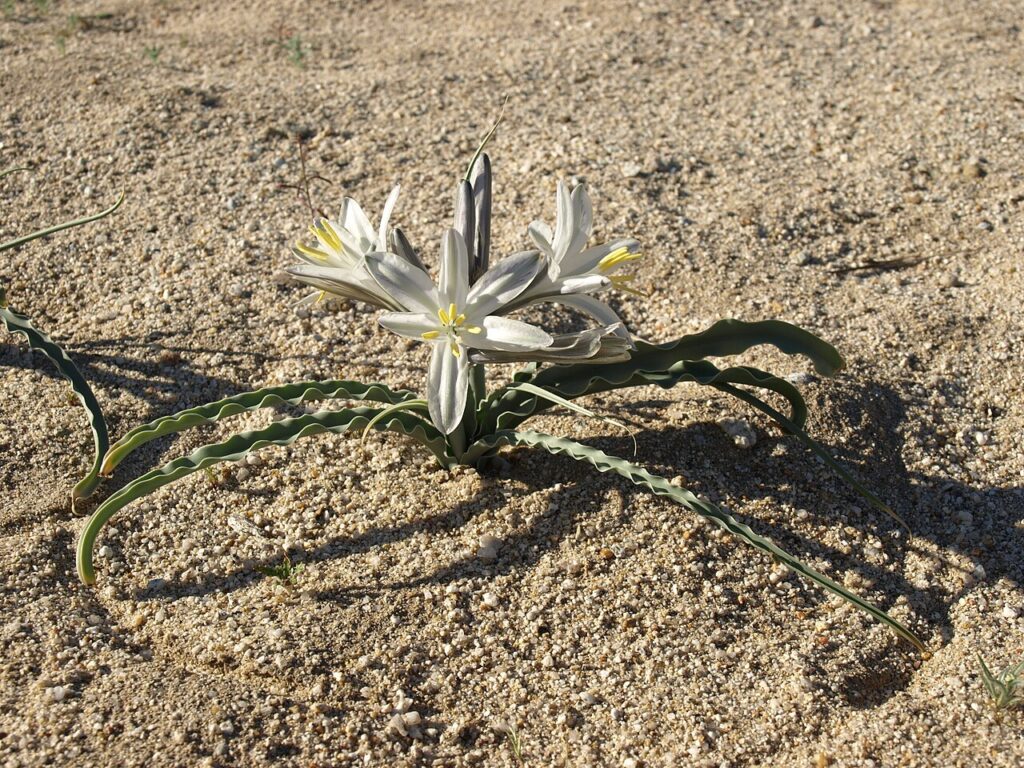
The Desert Lily is a striking flower that emerges after the desert receives substantial winter rain. Found primarily in the southwestern United States, this plant’s white, trumpet-shaped blooms stand tall on long, slender stems. The lily’s elegant flowers often appear after late spring rains, making it one of the most anticipated sights in desert regions. The plant is particularly valued for its beauty, which contrasts with the otherwise barren landscape of the desert.
Desert lilies thrive in well-drained soils and are often seen in sandy, rocky areas. They are native to the Sonoran Desert and play an important role in the local ecosystem by attracting pollinators, such as bees and butterflies. While this bloom is a rare sight, it is a powerful reminder of the desert’s ability to come alive with color and life after a good rain. Gardeners in desert regions often try to replicate the conditions needed for this bloom, though it is difficult to cultivate.
California Poppy (Eschscholzia californica)
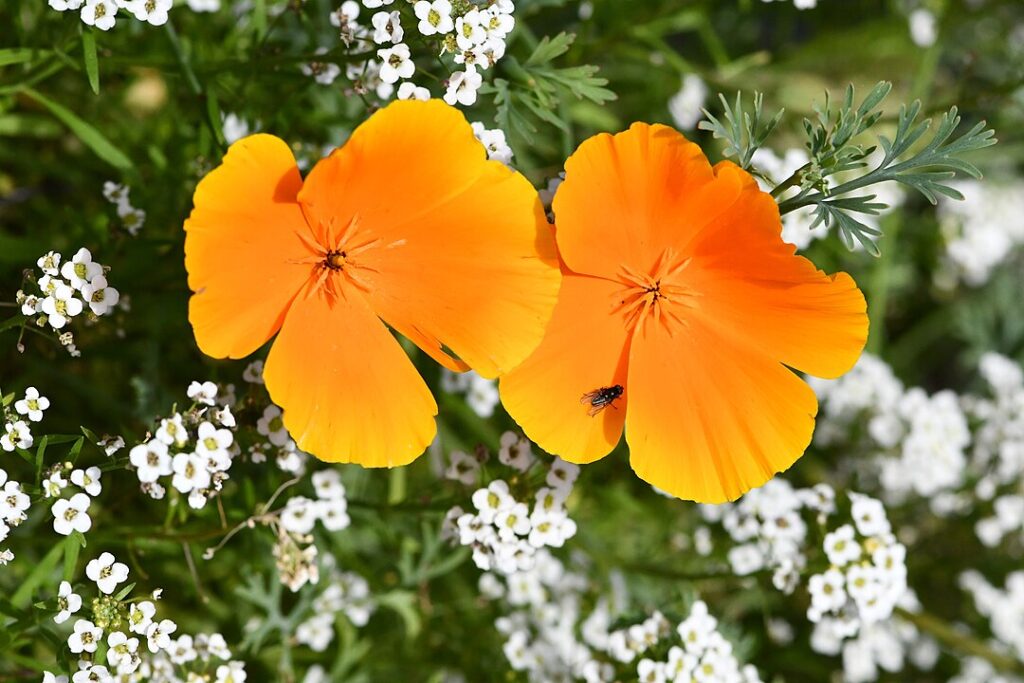
The California Poppy is the state flower of California and a familiar sight in the desert following a generous winter rain. Its bright orange flowers cover wide stretches of land in places like the Mojave Desert and the Anza-Borrego Desert. These poppies bloom in clusters, creating vibrant carpets of color that are a sharp contrast to the dry, cracked earth from which they grow. The bloom is short-lived but spectacular, often lasting only a few weeks after the rain.
This flower thrives in sandy soils, especially those disturbed by rain, which helps the seeds germinate. Poppies are drought-tolerant and often stay dormant for years until the right conditions emerge. The California Poppy has a long history with Native American tribes, who used the plant for medicinal purposes. Its presence in the desert is a reminder of nature’s ability to revive and bring beauty after the harsh winter months.
Sand Verbena (Abronia villosa)
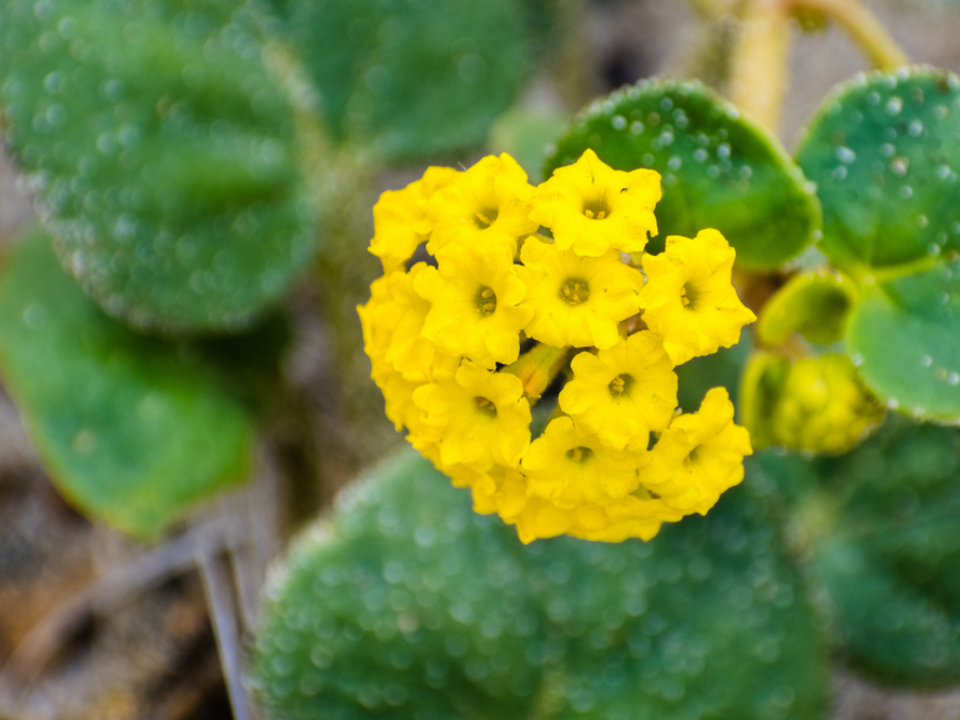
The Sand Verbena is a vibrant, low-growing flower that often carpets desert floors after winter rainstorms. With its clusters of small, purple, pink, or white blooms, this plant thrives in the dry sands of the Mojave and Sonoran Deserts. The flowers are known for their sweet fragrance and are a favorite among local pollinators like bees and moths. Sand Verbena typically blooms in early spring, when the desert is at its most colorful.
This flower is highly adaptive to desert environments, using its deep roots to absorb moisture during the rainy season. Sand Verbena’s ability to cover large areas makes it a striking sight against the desert backdrop. The bloom is an important source of nectar for many species of insects, contributing to the local food web. It’s also a favorite among photographers, as it’s one of the most picturesque desert blooms.
Chuparosa (Justicia californica)
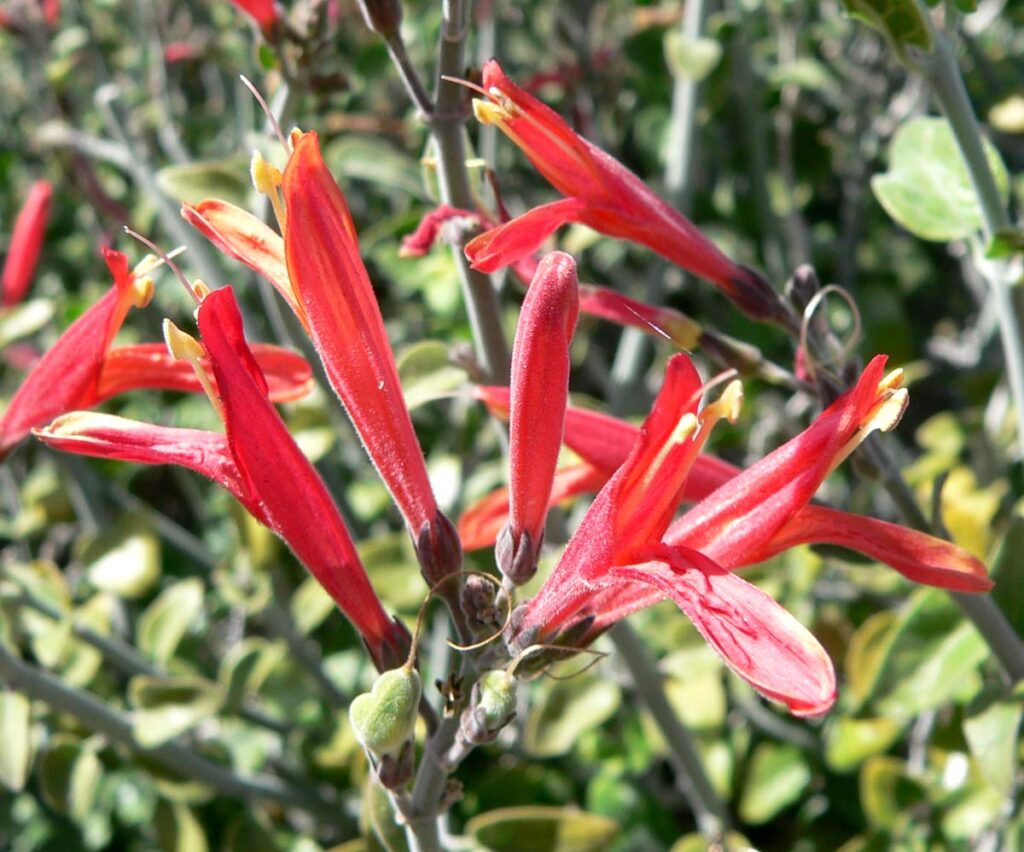
Chuparosa is a shrub native to the southwestern United States, often seen in the desert after the winter rains. This plant produces tubular red or orange flowers, which are especially attractive to hummingbirds. Chuparosa blooms during the spring months, typically after moderate to heavy rainfall, and the flowers last for a few weeks. Their vibrant color adds a pop of brightness to the desert landscape.
Native to the Sonoran Desert, Chuparosa thrives in sandy, well-drained soils and is often found in desert washes. While the plant is drought-tolerant, it thrives and blooms best when it has received substantial winter rains. The flowers are a key food source for local hummingbird populations, as they are rich in nectar. This plant’s ability to bring color and life to the arid desert is a true testament to the resilience of desert flora.
Beavertail Cactus (Opuntia basilaris)
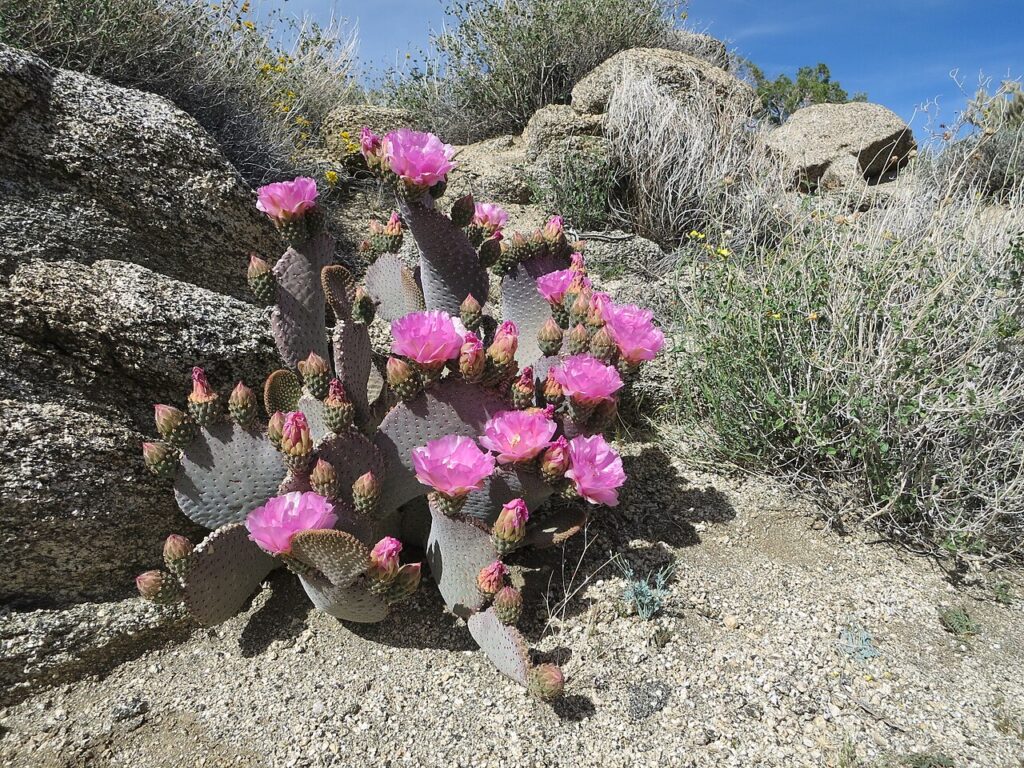
The Beavertail Cactus is a unique desert bloom known for its flat pads and vibrant pink to purple flowers. After a good winter rain, this cactus produces a spectacular array of blooms that attract a variety of pollinators, including bees and butterflies. The flowers are large in comparison to the plant’s pads and bloom in late spring. The Beavertail Cactus can be found in the Mojave and Sonoran Deserts, where its bright blooms provide a striking contrast against the desert’s neutral tones.
This cactus thrives in rocky or gravelly soils, often found in desert foothills or along wash areas. The Beavertail Cactus is not just an eye-catching desert flower, as it also plays a role in the ecosystem by providing shelter for small desert animals. While the flowers are short-lived, the cactus itself is a hardy and resilient plant, surviving the harsh desert conditions with ease. Its blooming period marks a refreshing change in the desert landscape, bringing color after a period of dormancy.
Parry’s Penstemon (Penstemon parryi)
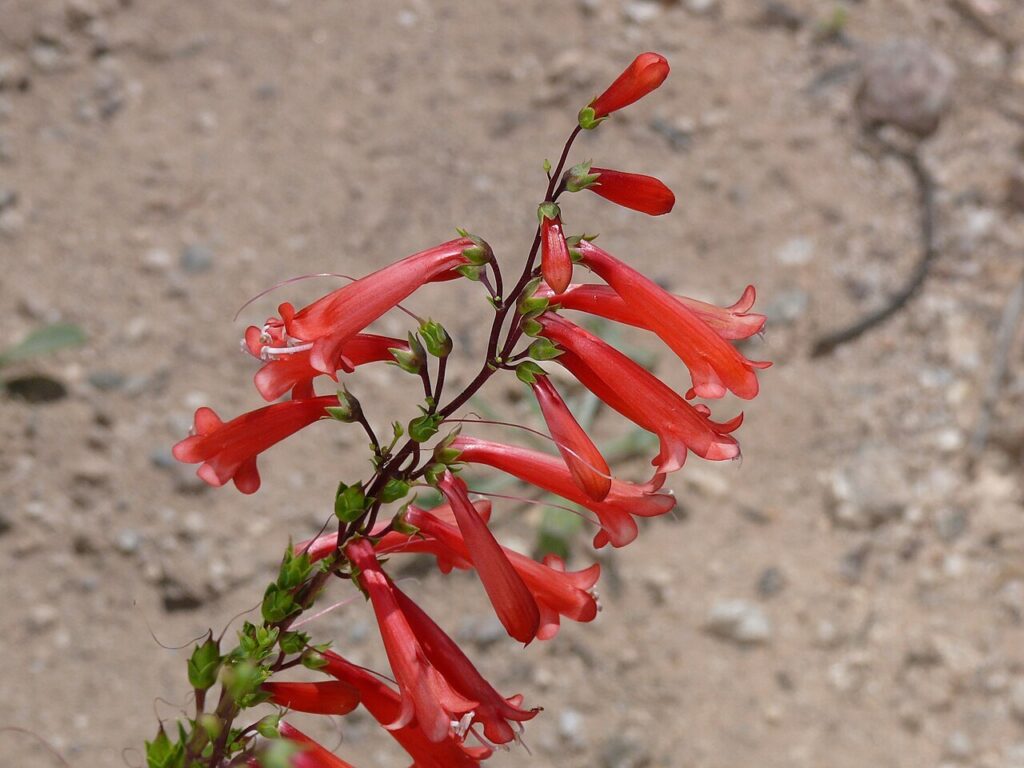
Parry’s Penstemon is a striking desert wildflower that produces tubular purple flowers after a good winter rain. Found in the deserts of Arizona, Nevada, and California, this plant thrives in rocky, well-drained soils. Its vibrant purple flowers are known to attract hummingbirds and bees, making it a crucial part of the local ecosystem. These blooms are relatively short-lived but create a beautiful display when they do appear.
Parry’s Penstemon is well-adapted to the desert environment and typically blooms in late spring or early summer, just after the desert has received sufficient rain. The plant is drought-tolerant and can survive through dry spells, but it requires the right amount of moisture to produce flowers. This wildflower is often seen in desert foothills, where it adds a burst of color to the rugged landscape. It’s a favorite among gardeners looking to replicate desert conditions in their landscapes.
Indian Paintbrush (Castilleja spp.)
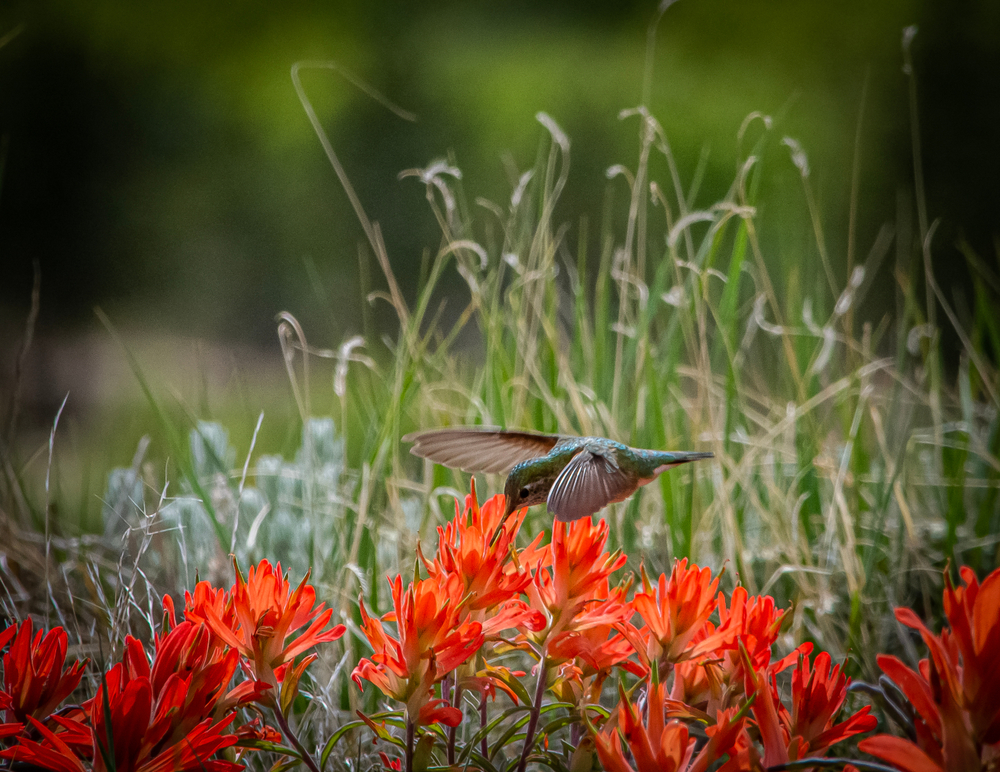
The Indian Paintbrush is a vibrant wildflower found in various desert regions, including the Mojave Desert. Known for its bright red or orange bracts, which look similar to petals, this plant only blooms after adequate rainfall. The Indian Paintbrush’s flowers are distinctive and often resemble brushes dipped in paint, hence the name. The plant is often seen in the spring, when it covers large areas of desert with its fiery hues.
This flower is a hemiparasite, meaning it obtains nutrients by attaching to the roots of other plants. While it is not a true cactus or succulent, its ability to grow in arid conditions allows it to thrive in desert environments. Indian Paintbrush can be found in sandy, well-drained soils and often grows alongside other wildflowers. Its unique appearance and striking color make it one of the most recognizable desert blooms.
Desert Marigold (Baileya multiradiata)
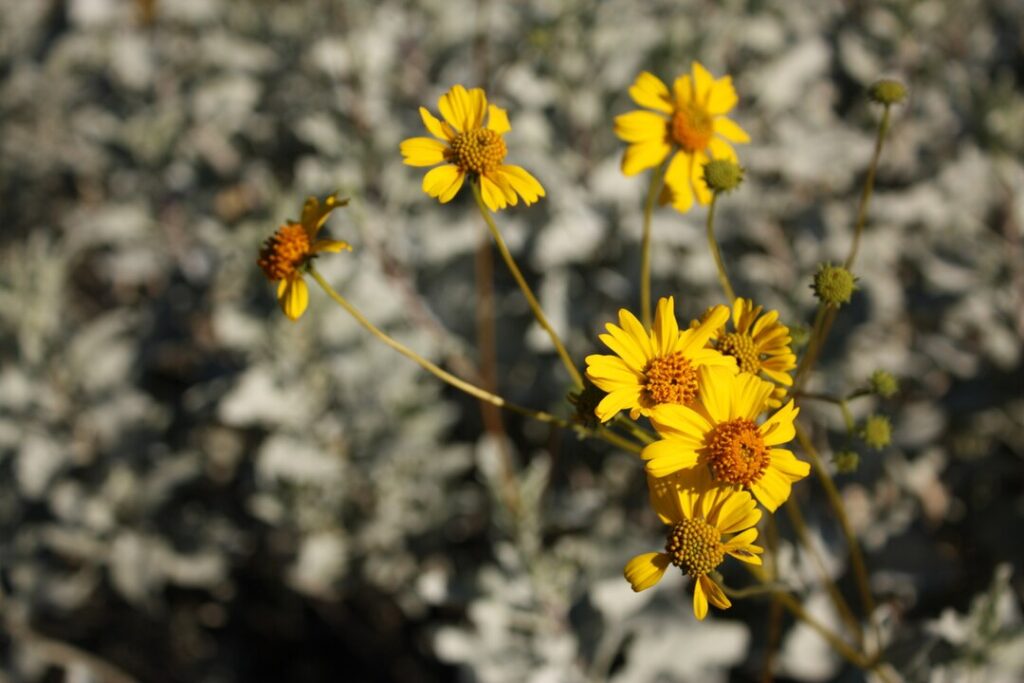
The Desert Marigold is a perennial plant known for its yellow flowers, which bloom after the desert receives sufficient winter rain. This plant’s vibrant blooms stand out against the dry desert floor and can often be found in the Sonoran and Mojave Deserts. Desert Marigolds are drought-tolerant and capable of surviving in harsh conditions, but they need the right conditions to bloom. When they do, they produce large, bright yellow flowers that are a welcome sight after the desert has been dry for months.
This plant is low-maintenance and thrives in sandy or rocky soils, making it ideal for desert landscapes. The Desert Marigold is a perennial, meaning it will continue to bloom year after year when conditions allow. Its flowers are known to attract a variety of pollinators, including bees and butterflies, which rely on the plant for nectar. The bloom provides not only beauty but also plays an important role in the local ecosystem.
Pineapple Cactus (Coryphantha macromeris)
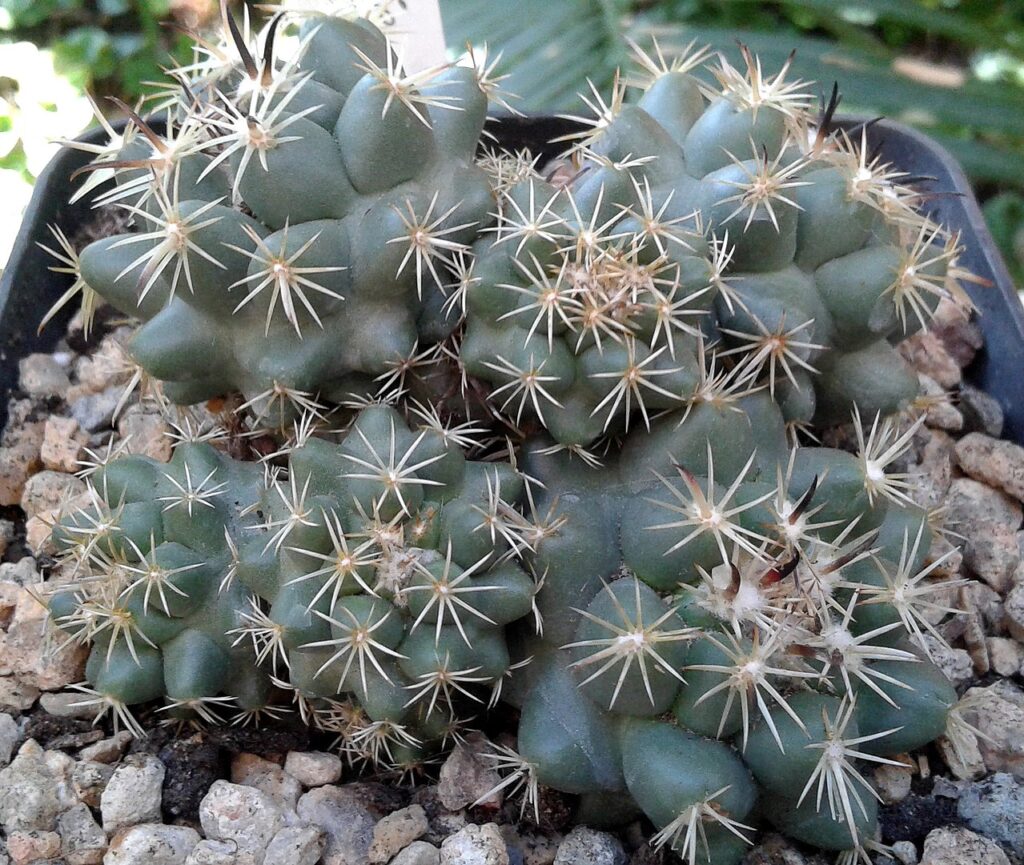
The Pineapple Cactus is a small, spiny cactus that produces beautiful pink or purple flowers after a good winter rain. This cactus, native to the southwestern United States, gets its name from its round, pineapple-like shape. The flowers bloom in the spring and attract pollinators like bees and hummingbirds. The plant’s blooms are short-lived but create a striking display against the dry desert floor.
Native to dry, rocky soils, the Pineapple Cactus is drought-resistant and capable of surviving the harsh desert climate. However, it requires winter rain to trigger its blooming cycle. This cactus is often found in the Sonoran Desert, where it thrives in rocky, well-drained areas. The blooms of the Pineapple Cactus are a reminder of how the desert comes to life after a much-needed rainstorm.
Fremont’s Phacelia (Phacelia fremontii)
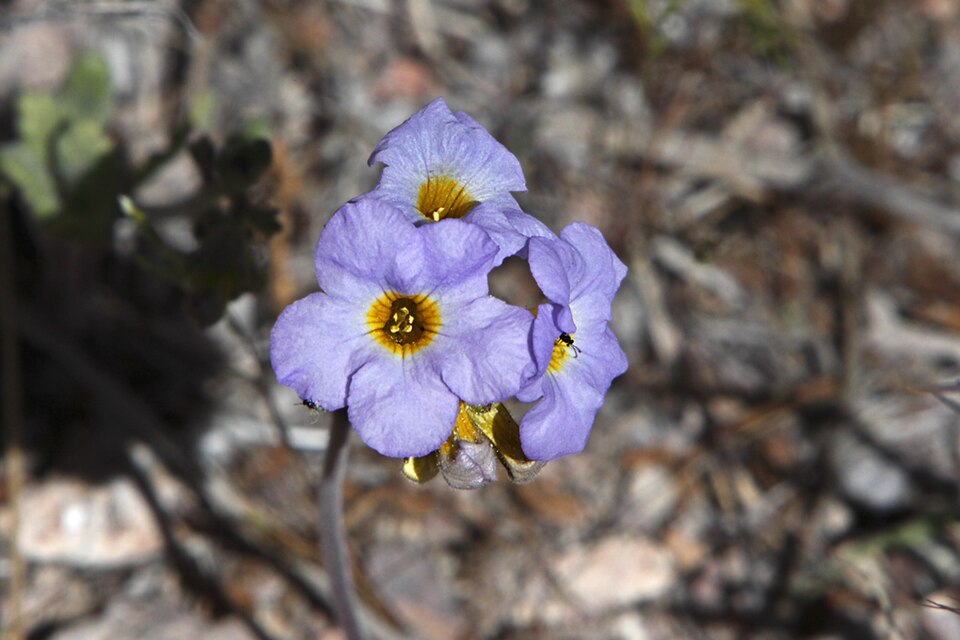
Fremont’s Phacelia is a unique desert flower known for its deep purple, bell-shaped blooms. This plant is often seen in the Mojave Desert after the winter rains have come, as it requires moisture to flower. The blooms of Fremont’s Phacelia appear in dense clusters, creating a striking contrast against the dry, rocky desert landscape. The plant’s bright flowers attract a variety of pollinators, including bees and butterflies.
This flower thrives in sandy, well-drained soils and can be found in washes and lowland areas of the desert. Fremont’s Phacelia plays an important role in providing food for pollinators during the short flowering period. Its purple flowers stand out in the desert, where vibrant colors are often scarce. Fremont’s Phacelia is a beautiful example of how desert plants bloom after receiving the right amount of rain.
Desert Sunflower (Geraea canescens)
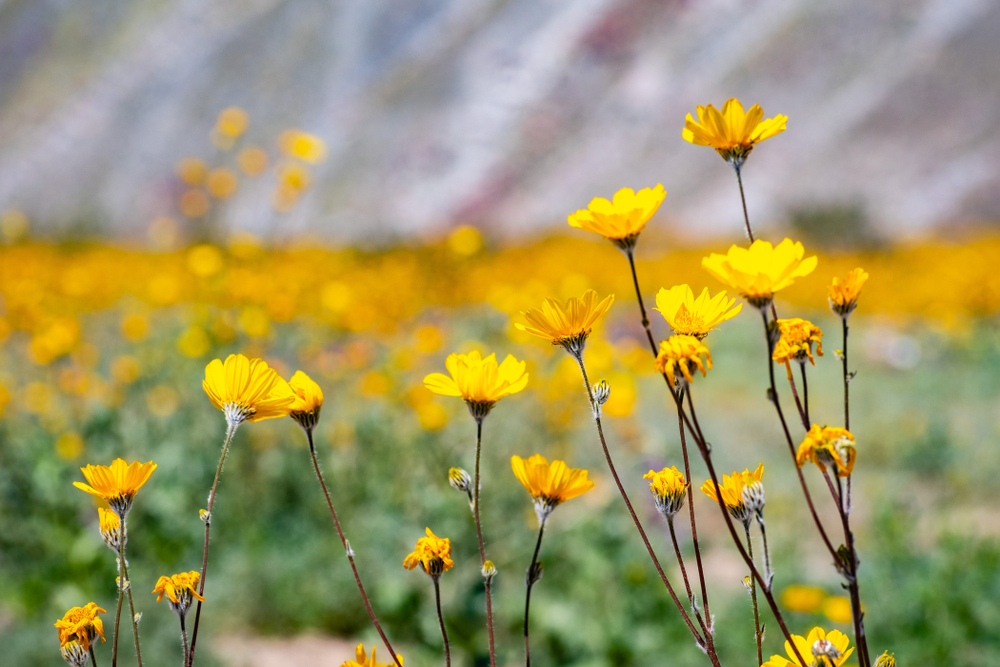
The Desert Sunflower is a bright, cheerful flower that blooms in response to winter rains in the Sonoran Desert. Known for its golden yellow petals and large blossoms, the Desert Sunflower adds vibrant color to the desert landscape. The flowers are usually seen in clusters, creating a sea of yellow that stretches across desert fields. These flowers bloom during the spring months and provide a much-needed burst of life in an otherwise dry environment.
Desert Sunflowers grow best in sandy, well-drained soils, often in areas with a history of seasonal flooding. The blooms attract a variety of pollinators, including bees and butterflies, who rely on the nectar for sustenance. The plant is an important part of the local desert ecosystem, supporting wildlife and contributing to the overall biodiversity of the region. The Desert Sunflower’s ability to bloom after a good rainstorm is one of the reasons it is so cherished.
White Evening Primrose (Oenothera deltoides)
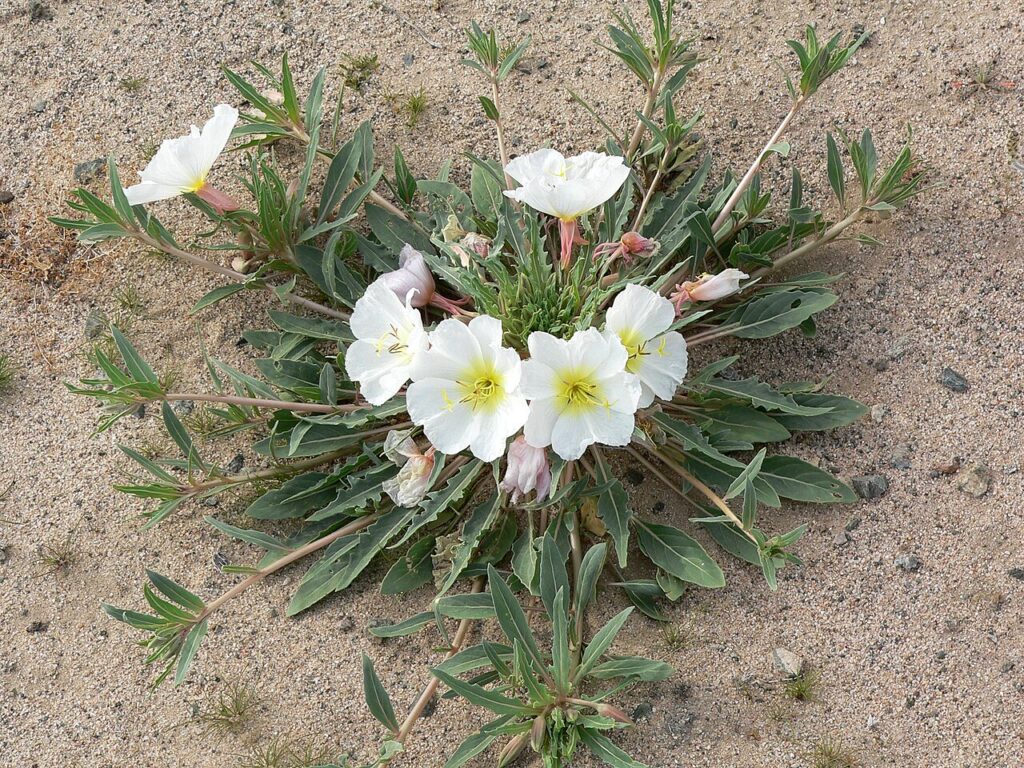
The White Evening Primrose is a delicate flower that only blooms at night, often after the desert has received enough rain. Known for its pale white petals and sweet fragrance, this plant is one of the most enchanting desert flowers. The flowers open at dusk and close at dawn, attracting moths and other nocturnal pollinators. The blooms typically appear in late spring, after the rains have nourished the soil.
Evening Primroses thrive in well-drained, sandy soils and are often found in desert washes or areas with moisture retention. These plants play an important role in the desert ecosystem by providing nectar for night-flying pollinators. While their blooming period is brief, their beauty and fragrance make them a memorable part of the desert landscape. The White Evening Primrose is a lovely example of how the desert can surprise you with life after a rainstorm.
Purple Mat (Nama demissum)
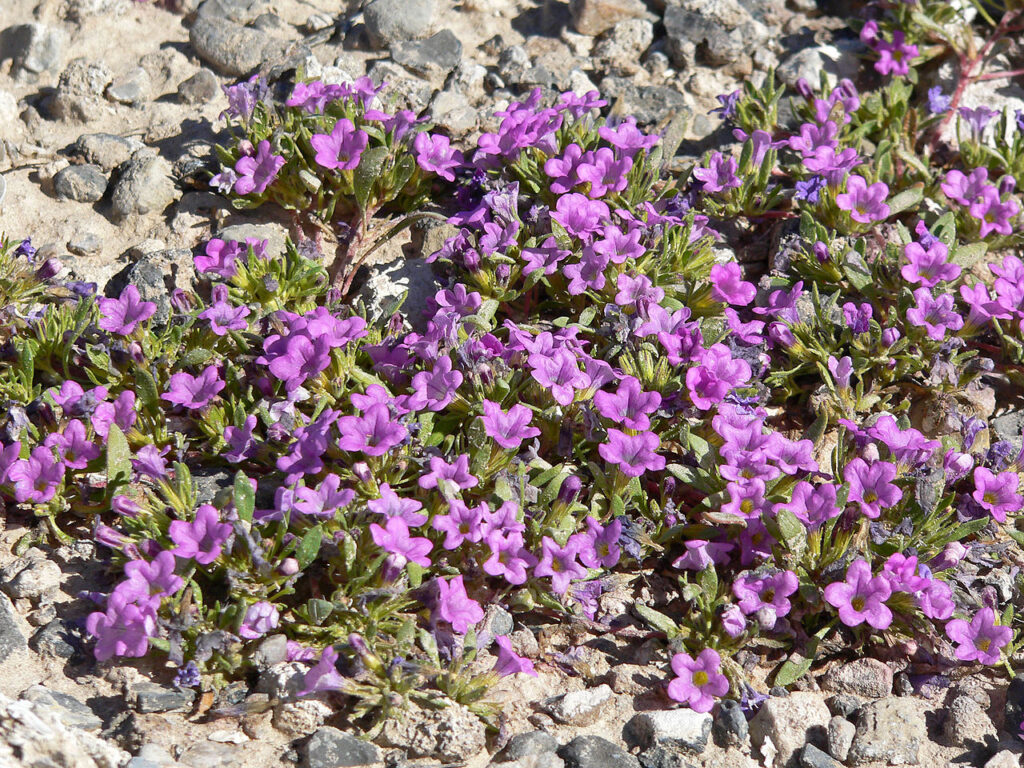
Purple Mat is a low-growing ground cover that produces beautiful purple flowers after the desert receives substantial rainfall. The blooms are small but vibrant, creating a blanket of purple across the desert floor. This plant thrives in the sandy soils of the Sonoran Desert, where it often grows in patches following rainstorms. Purple Mat is known for its resilience and ability to thrive in harsh desert conditions.
The flowers of Purple Mat are important for local pollinators, including bees and butterflies, who rely on the plant’s nectar for food. The plant’s low-growing nature allows it to survive in areas where other plants might struggle. Purple Mat is a great example of the resilience of desert plants, able to survive long periods of dryness and come to life when the rains come. Its vivid purple flowers are a striking sight in the otherwise neutral desert landscape.
This article originally appeared on Avocadu.