
18 Sun Loving Spring Flowers That Handle Windy Days
When spring settles in and the sun starts warming up the garden, it is nice to have flowers that can stand up to breezy days without looking worn out. Some blooms seem made for open spaces where fresh air moves through from morning to evening. They bring color, shape, and a lively feel to beds, borders, and containers even when the weather is a little rough around the edges. Picking the right kinds can make a big difference if your yard gets a lot of sun and regular gusts. It is a good way to keep your garden looking cheerful without filling it with plants that flop over at the first strong breeze.
This post may contain affiliate links, which helps keep this content free. Please read our disclosure for more info.
Lavender
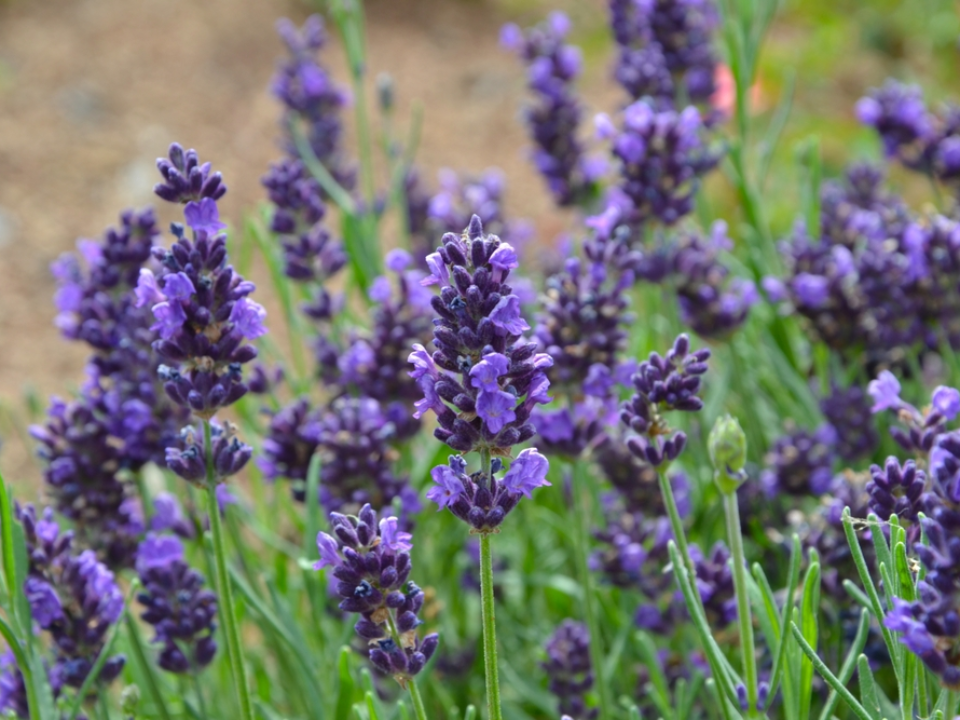
Lavender is a perennial herb that thrives in full sun and can withstand strong winds. This hardy plant grows tall and sturdy, making it perfect for windy conditions. With its silver-green foliage and fragrant purple flowers, it not only brings beauty to your garden but also attracts pollinators like bees and butterflies.
Lavender requires minimal care, only needing well-drained soil and occasional pruning to maintain its shape. In addition to being a visual delight, lavender is a favorite in aromatherapy and cooking. The plant is drought-tolerant and needs little water once established, which makes it a great choice for regions with dry spells. It is also resilient enough to cope with the fluctuating temperatures that can come with windy spring days.
Black-Eyed Susan
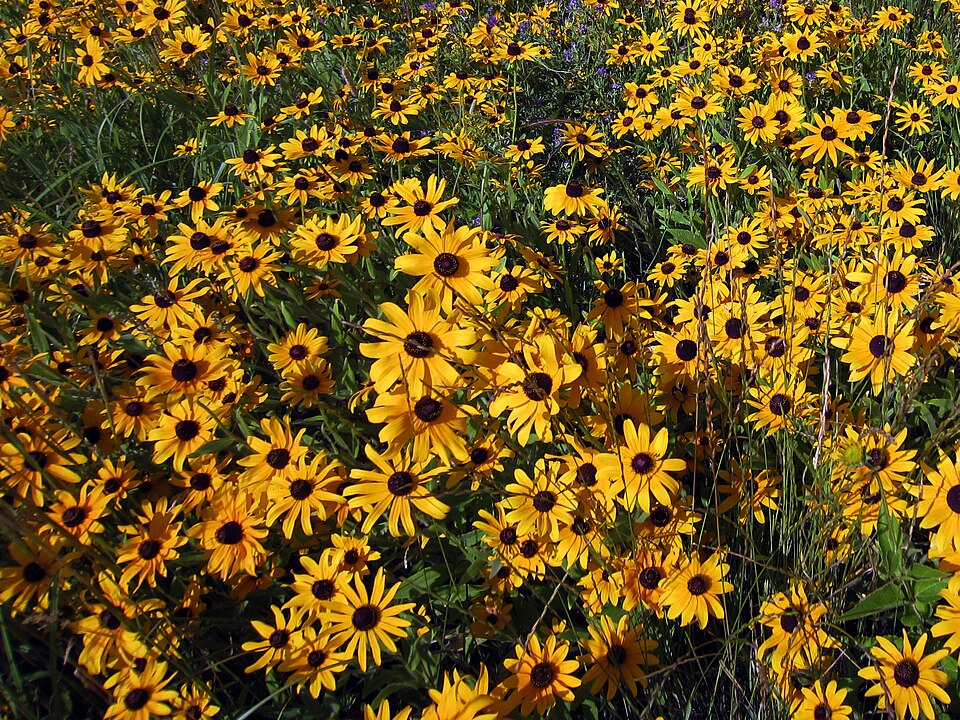
Black-eyed Susan is a tough and vibrant flower that handles both the sun and windy conditions. Known for its cheerful yellow petals and dark brown centers, this flower can brighten up any garden space. The plant reaches a height of around 2-3 feet, standing strong against strong winds thanks to its sturdy stems.
Black-eyed Susans thrive in full sun, requiring only well-drained soil to flourish. They bloom profusely from late spring through early fall, providing a long-lasting pop of color. This hardy flower is also known for being low-maintenance, needing minimal care once established. It is an excellent choice for gardeners looking for a plant that will not only withstand windy conditions but also offer seasonal beauty.
Coreopsis
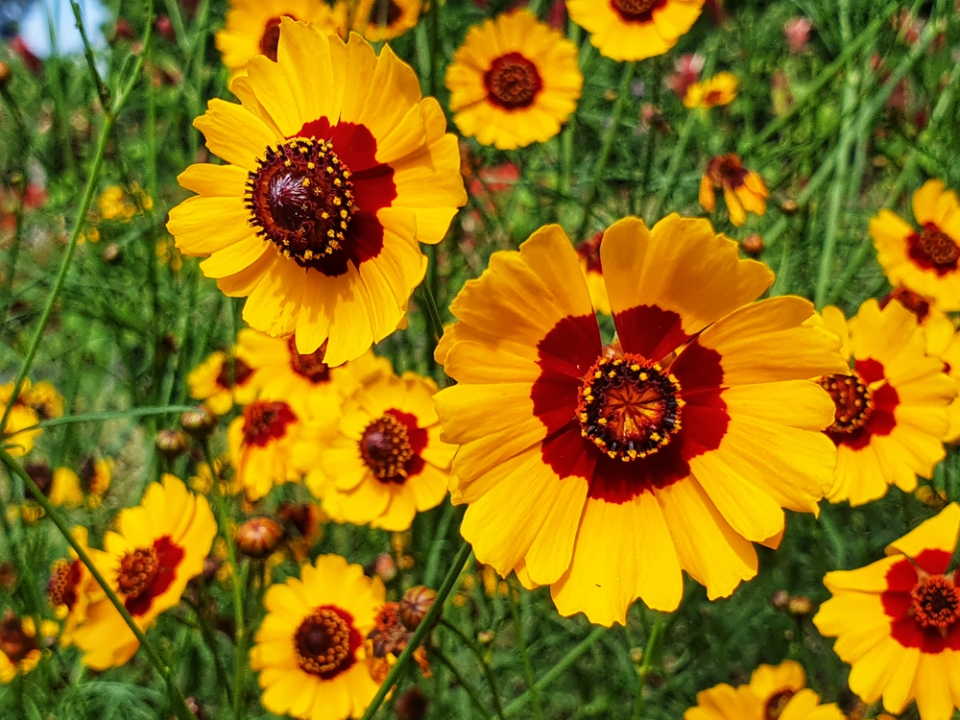
Coreopsis, often referred to as tickseed, is an excellent sun-loving flower that can endure gusty winds. With its bright yellow or pink daisy-like flowers, coreopsis adds a cheerful touch to any garden. The plant grows between 12-30 inches tall, with a bushy appearance that helps it withstand strong winds. Coreopsis blooms in early summer and continues into the fall, making it a long-lasting choice for your garden.
It thrives in well-drained soil and needs little maintenance once it is established. The plant is also drought-tolerant, making it a great option for dry conditions. Its adaptability to different weather conditions, including wind, makes it a reliable addition to any outdoor space.
Coneflower
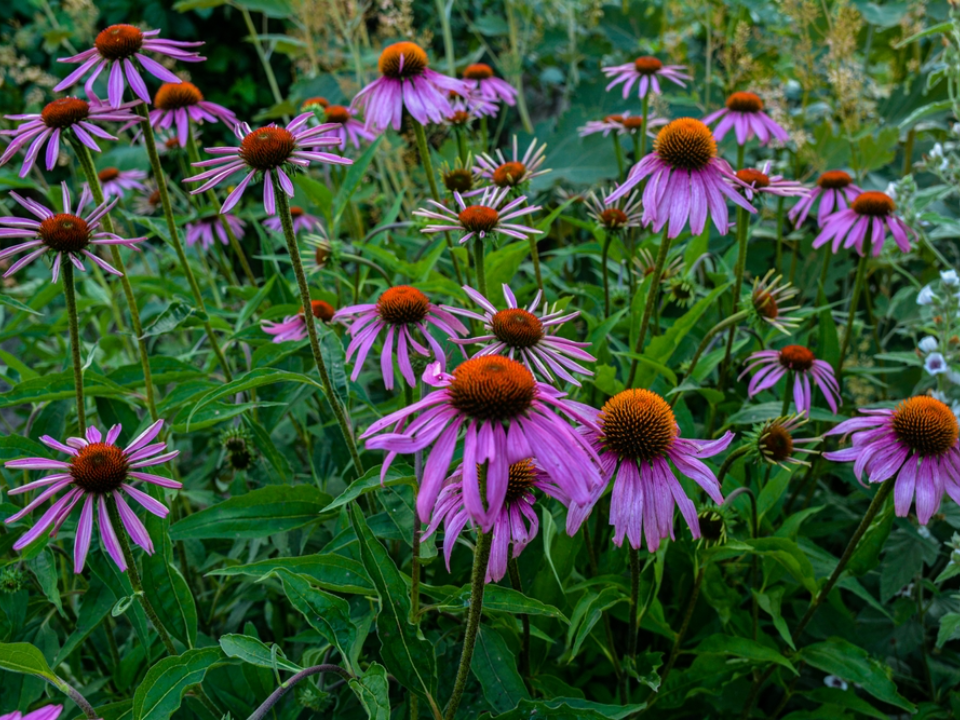
Coneflower, or Echinacea, is a robust and vibrant flower that does well in full sun and windy weather. Known for its purple or pink petals and prominent central cone, this flower is an eye-catching addition to any garden. It can grow up to 3-4 feet tall, with thick stems that make it resistant to wind damage.
Coneflowers are easy to grow, requiring only well-drained soil and minimal care. They also attract pollinators like bees and butterflies, helping to enhance the biodiversity of your garden. Once established, these plants are drought-tolerant and need little water. Their strong stems and adaptability to both sunny and windy conditions make them a great option for any garden.
Gaillardia
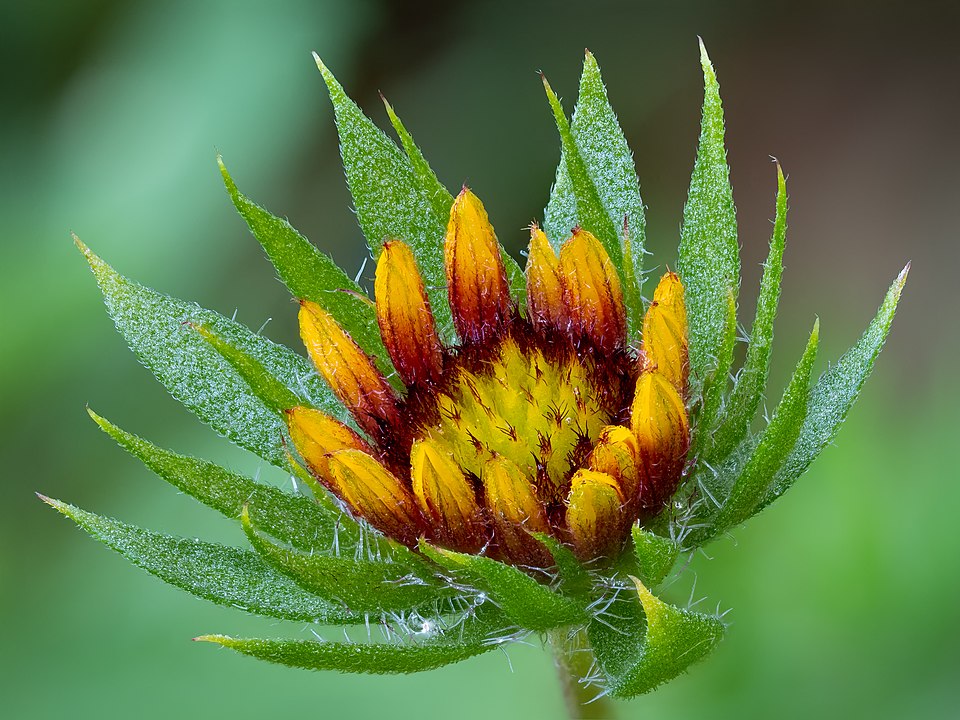
Gaillardia, also known as blanket flower, is a vibrant and hardy flower that does well in windy conditions. Its fiery red and yellow petals make it a standout in any garden. The plant can tolerate full sun and is known for its ability to endure dry, windy weather. Gaillardia grows between 12-18 inches tall, with sturdy stems that help it resist wind damage.
The flower blooms throughout the summer and into early fall, providing long-lasting color. It thrives in well-drained soil and needs minimal maintenance once established. Gaillardia is a great choice for gardeners looking for a tough, wind-resistant flower that adds vibrant color to their landscape.
Yarrow
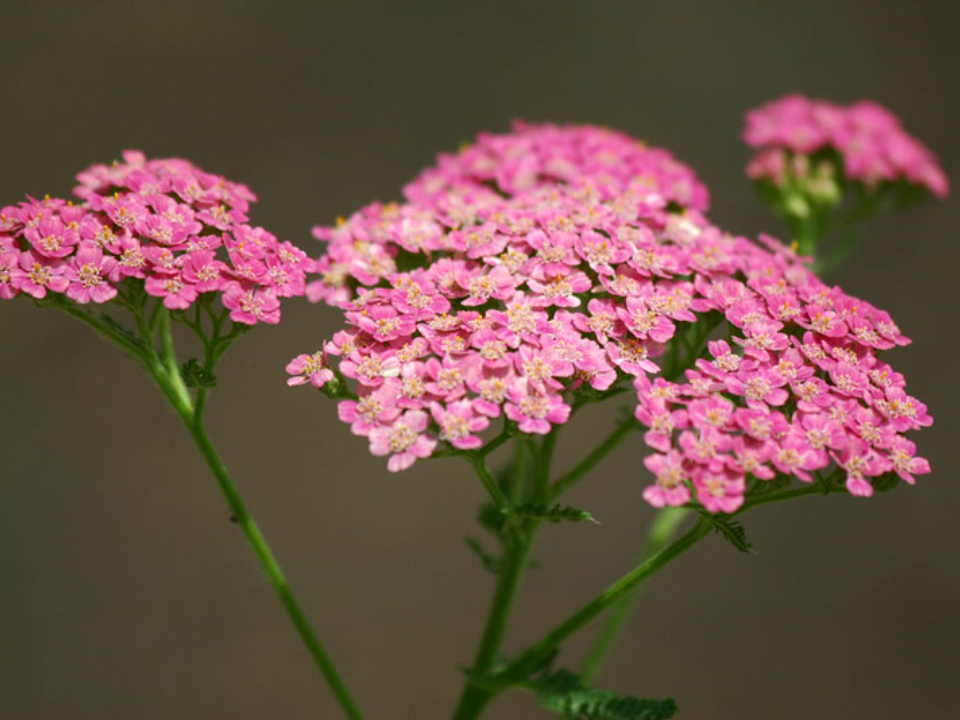
Yarrow is a versatile perennial that thrives in sunny, windy environments. With its fern-like foliage and clusters of small flowers, yarrow adds texture and color to your garden. It is available in several colors, including white, pink, yellow, and red. Yarrow grows 2-3 feet tall, with strong stems that can withstand strong winds without toppling over.
This flower is drought-tolerant and requires very little maintenance once established, making it ideal for busy gardeners. Yarrow attracts beneficial insects like ladybugs and bees, helping to improve the health of your garden. It is also known for its medicinal properties, which makes it a valuable addition to both ornamental and herbal gardens.
Salvia
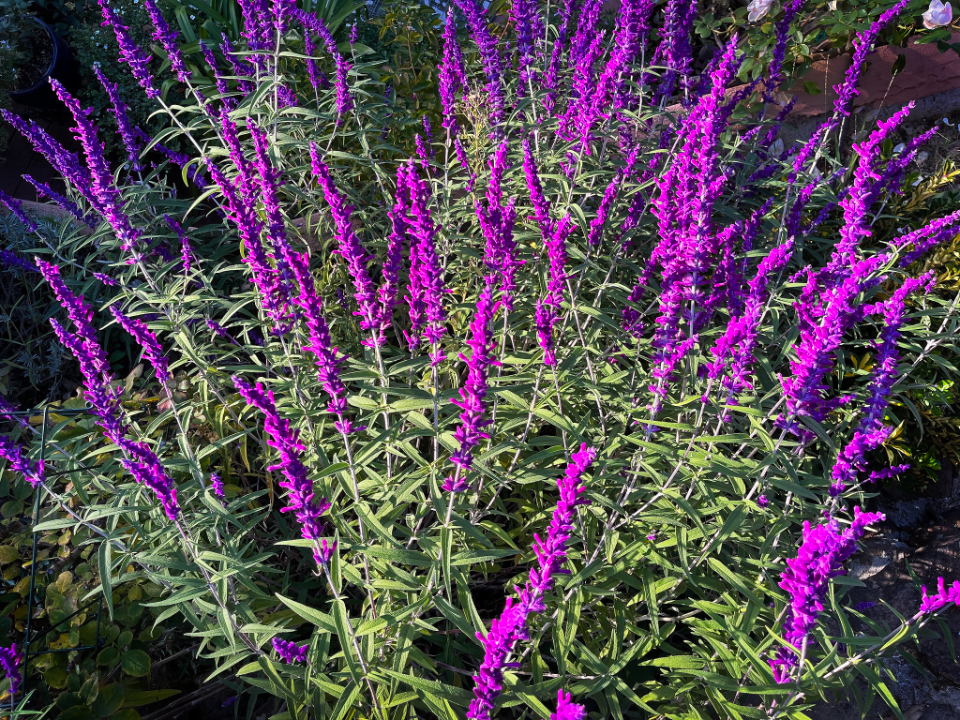
Salvia is a beautiful and hardy plant that thrives in sunny and windy conditions. This plant produces spikes of tubular flowers in shades of blue, purple, or red, adding vertical interest to your garden. Salvia grows 18-36 inches tall and has strong stems that help it remain upright in windy weather. It is drought-tolerant and can handle dry conditions, making it a great option for gardeners in hot climates.
Salvia attracts hummingbirds and butterflies, adding life to your garden. It is also deer-resistant, which can be a great advantage for gardens in areas with wildlife. With its ability to handle both sun and wind, salvia is an excellent choice for your spring garden.
Shasta Daisy
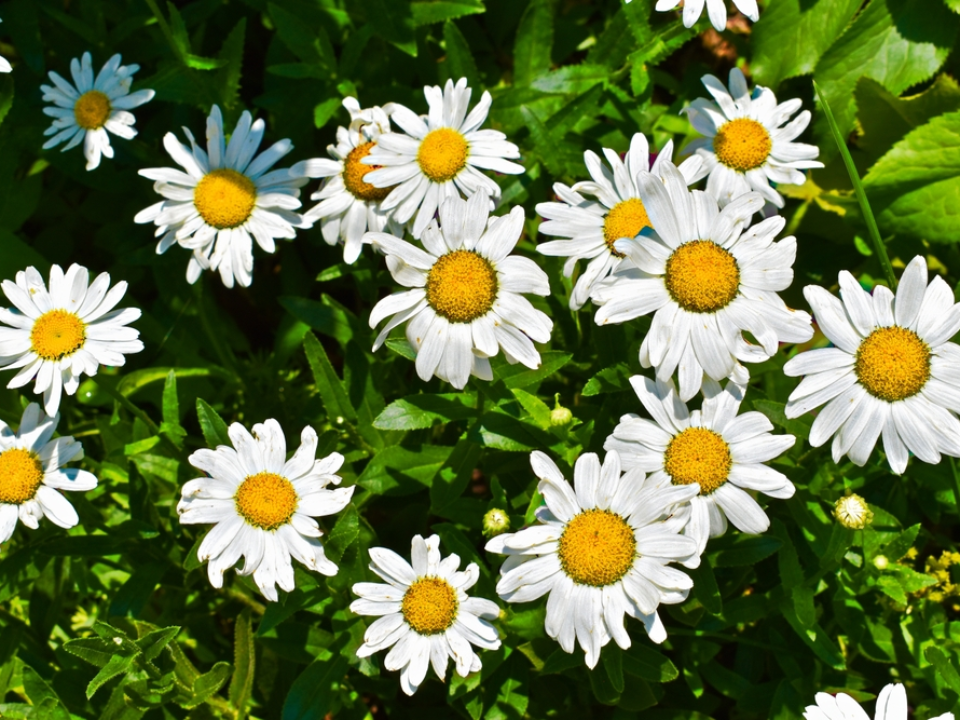
Shasta Daisy is a classic garden flower that thrives in full sun and windy conditions. Known for its crisp white petals and yellow center, this flower brings a touch of brightness to any garden. Shasta daisies grow between 12-24 inches tall, with sturdy stems that help them withstand gusty winds. They bloom profusely in late spring and early summer, offering long-lasting color throughout the season.
Shasta daisies require well-drained soil and minimal care once established. They are also drought-tolerant, making them a great option for dry conditions. Their hardiness and adaptability to various weather conditions make them a reliable choice for windy spring gardens.
Daylilies

Daylilies are known for their resilience and ability to thrive in a variety of weather conditions, including strong winds. These perennial flowers come in a wide range of colors, from yellow to orange to pink, providing plenty of visual appeal for your garden. Daylilies grow in clumps that can reach 18-24 inches tall, with sturdy stems that help them stay upright in windy weather.
The flowers bloom in late spring and early summer, and many varieties are repeat bloomers that continue flowering throughout the season. Daylilies require minimal care, needing only well-drained soil and occasional division to keep them healthy. They are also drought-tolerant, making them an excellent choice for sunny and dry gardens.
Penstemon
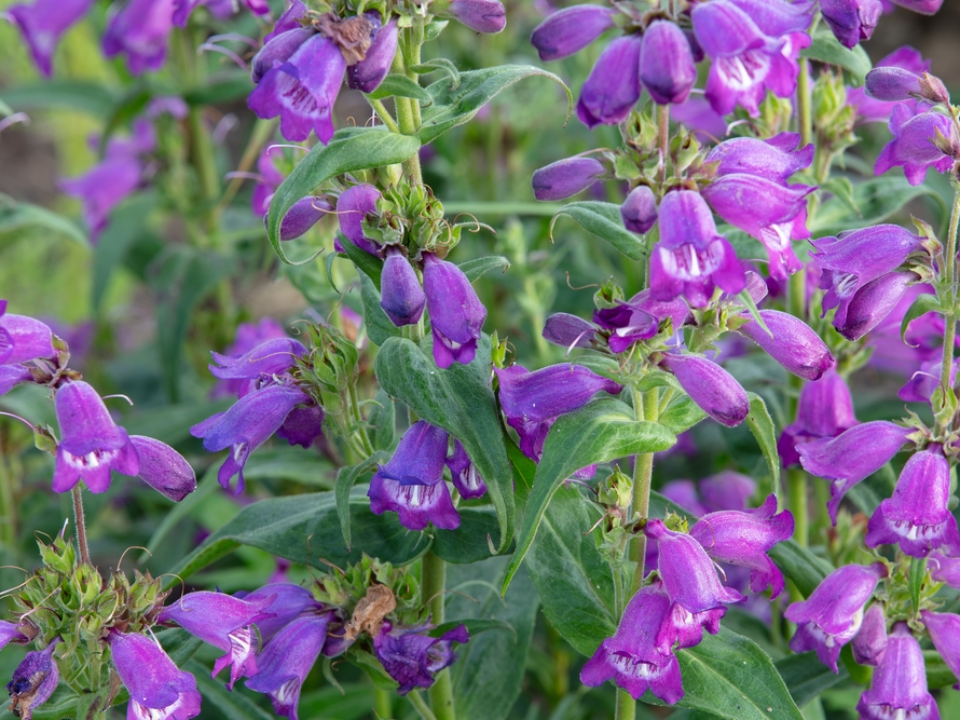
Penstemon is a striking flower that does well in both sunny and windy environments. With its tubular flowers in shades of pink, red, or purple, penstemon adds bold color and texture to your garden. This plant grows 18-36 inches tall, with strong stems that hold up well in windy conditions.
Penstemon is known for its ability to attract hummingbirds and bees, helping to support local wildlife. It thrives in well-drained soil and requires little maintenance once established. The plant is also drought-tolerant and can handle dry conditions, making it ideal for low-water gardens. Penstemon’s hardiness and vibrant blooms make it a great addition to any garden.
Catmint
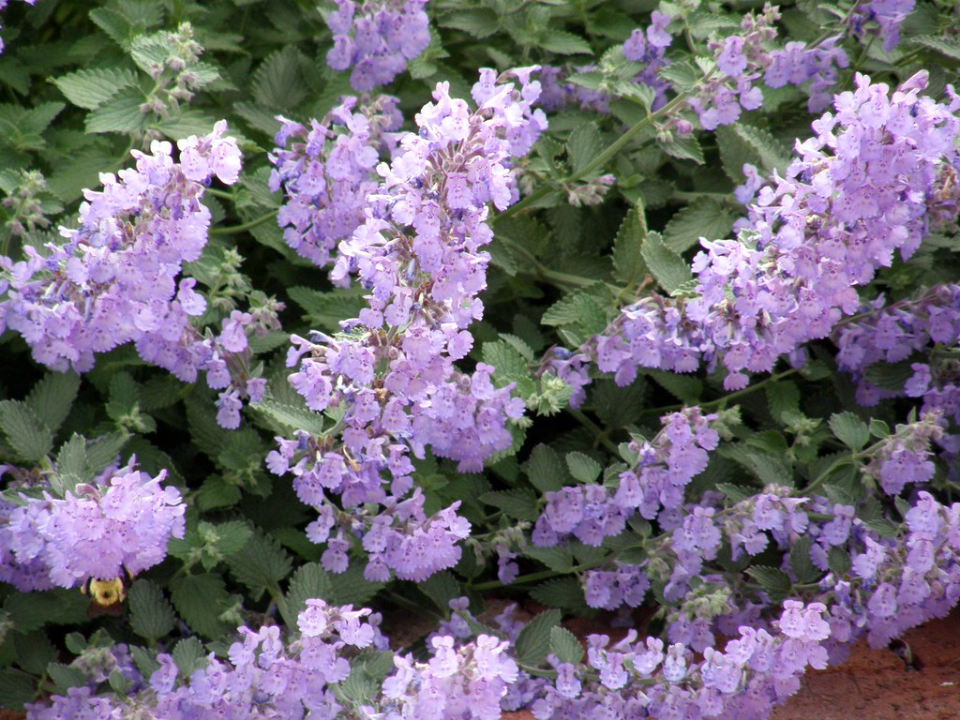
Catmint is a sunny garden favorite that deals with breezy spots better than a lot of softer flowering plants. Its gray green leaves stay neat, and its stems usually hold their shape well instead of falling apart after a rough afternoon of wind. The flowers come in soft blue violet tones that look fresh against stone paths, borders, or open beds. Catmint starts putting on a show in spring and often keeps going for a long stretch when faded blooms are trimmed off. It likes soil that drains well and does not ask for much once it settles in.
Bees love it, so it can bring a little extra movement and life to the yard without extra work from you. The low mounded habit also helps it deal with exposed areas where taller flowers may struggle. It is a good pick for anyone who wants color, scent, and a plant that does not get fussy when the weather turns blustery.
Sea Thrift
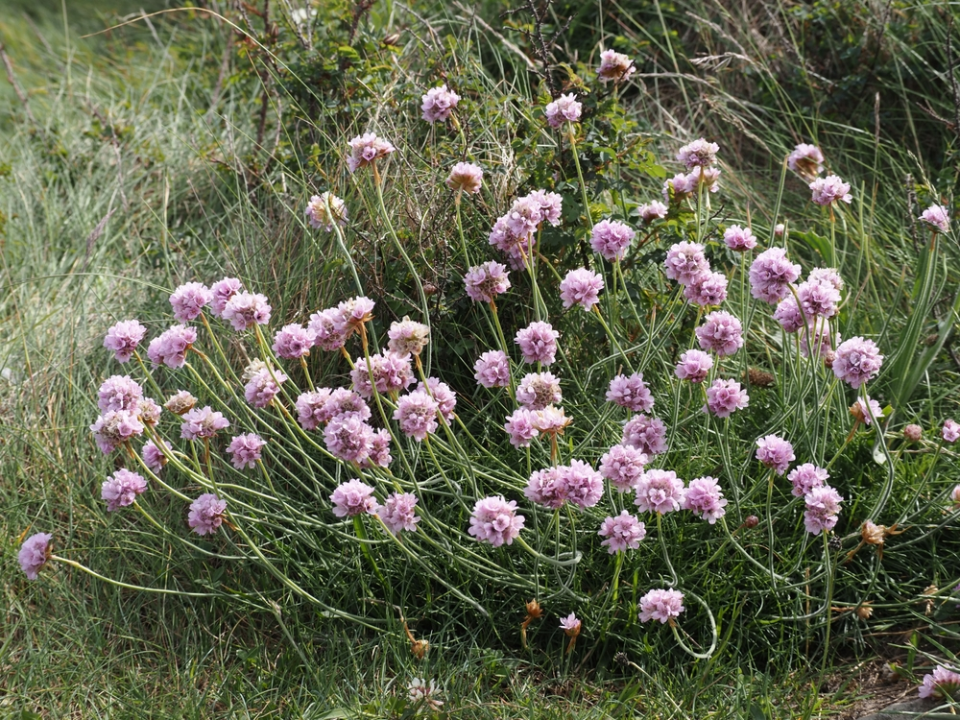
Sea thrift is one of those flowers that seems made for rough weather because it naturally handles coastal conditions with plenty of sun and wind. It forms tidy grassy clumps close to the ground, which helps it stay steady when gusts move across the garden. In spring, round flower heads rise above the foliage in shades of pink, lilac, or white, giving the plant a clean and cheerful look. Because it stays compact, it works especially well in borders, rock gardens, or along walkways where taller plants might flop around.
Sea thrift likes lean, well drained soil and usually does better when it is not spoiled with too much water or rich feeding. It also handles salty air well, which makes it a strong choice for seaside planting. The blooms have a neat button like shape that adds a little charm without making the bed look too busy. For a sunny space that gets hit with regular wind, this flower is one of the steadiest choices you can plant.
Moss Phlox
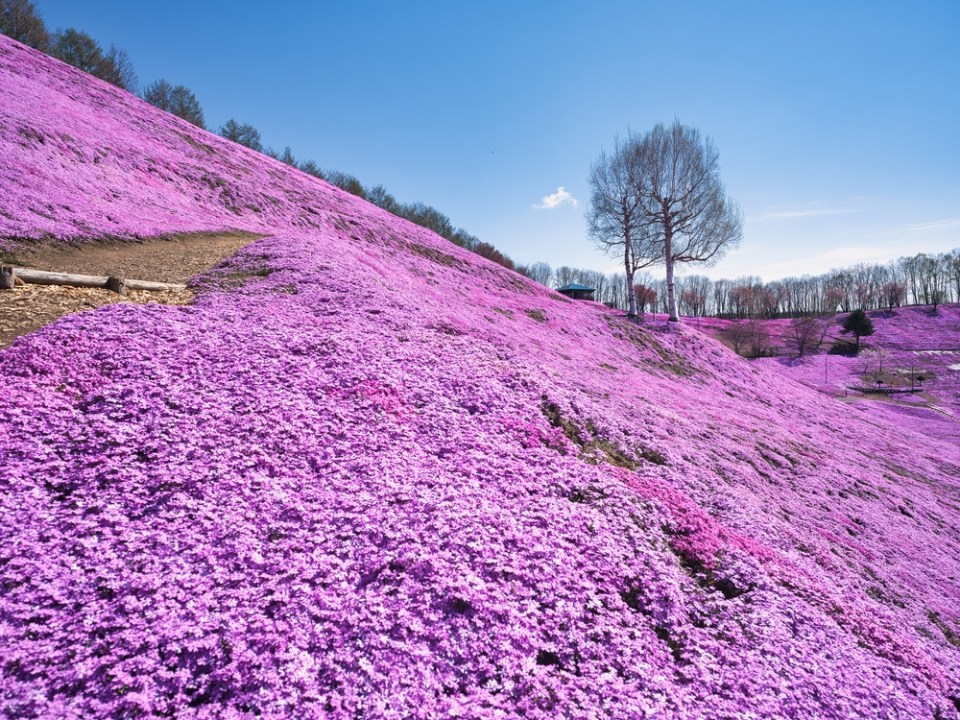
Moss phlox is a low growing spring flower that shines in full sun and does a great job in windy areas because it hugs the ground so closely. When it blooms, the whole plant can look like a soft mat of pink, purple, white, or blue flowers spread across the soil. That spreading habit makes it useful on slopes, at the edge of borders, or in spots where wind tends to sweep through without much shelter. The needle like foliage stays neat and adds a soft texture even after the main bloom period ends.
Moss phlox likes well drained soil and does not mind dry conditions once it is settled in. Because it grows outward instead of upward, there is less risk of snapped stems or bent flower stalks after a blustery day. It also helps cover bare ground, which can make spring beds look fuller and more settled early in the season. If you want bright spring color in an exposed sunny space, this flower earns its place very quickly.
California Poppy
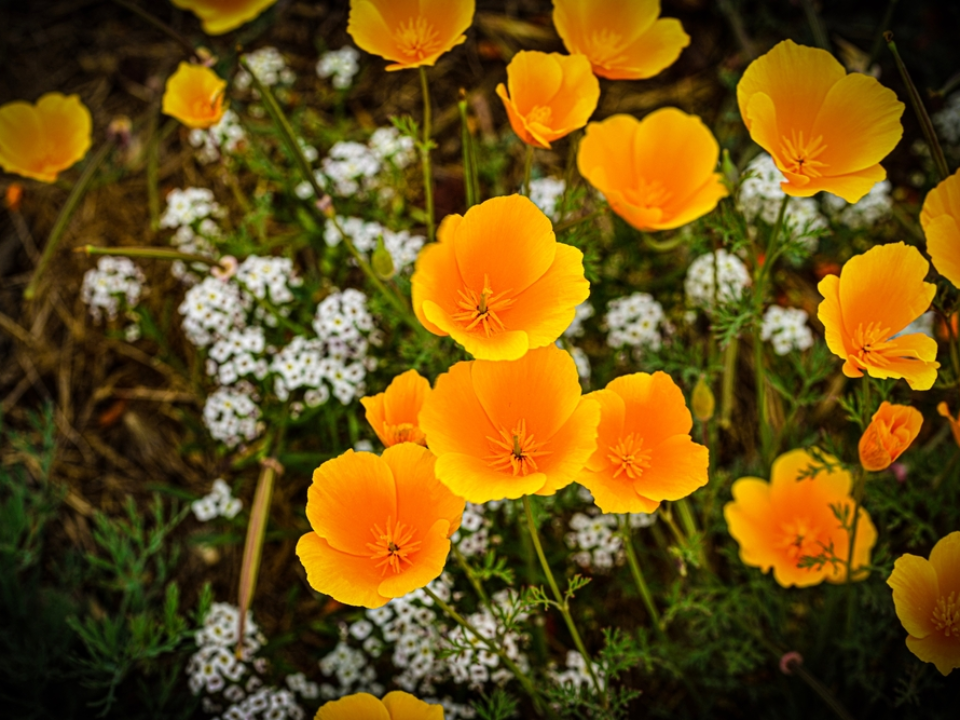
California poppy is a sunny flower with silky blooms that flutter in the breeze, yet the plant itself handles windy conditions surprisingly well. It has a light and airy look, though its roots and stems are tougher than they first appear. The flowers glow in shades of orange, yellow, cream, or pink, and they bring a bright splash of color to spring planting. Since the foliage stays low and feathery, the plant does not catch wind the same way broader or taller plants often do.
California poppy likes poor to average soil as long as it drains well, and it usually performs better when left alone rather than fussed over. It is a strong choice for dry gardens, gravel beds, or sunny open areas that heat up quickly in spring. Once it starts blooming, it can give the garden a loose and relaxed feel that works well with other hardy spring flowers. It is an easygoing pick for anyone who wants cheerful color in a windy spot without planting something stiff or heavy.
Dianthus
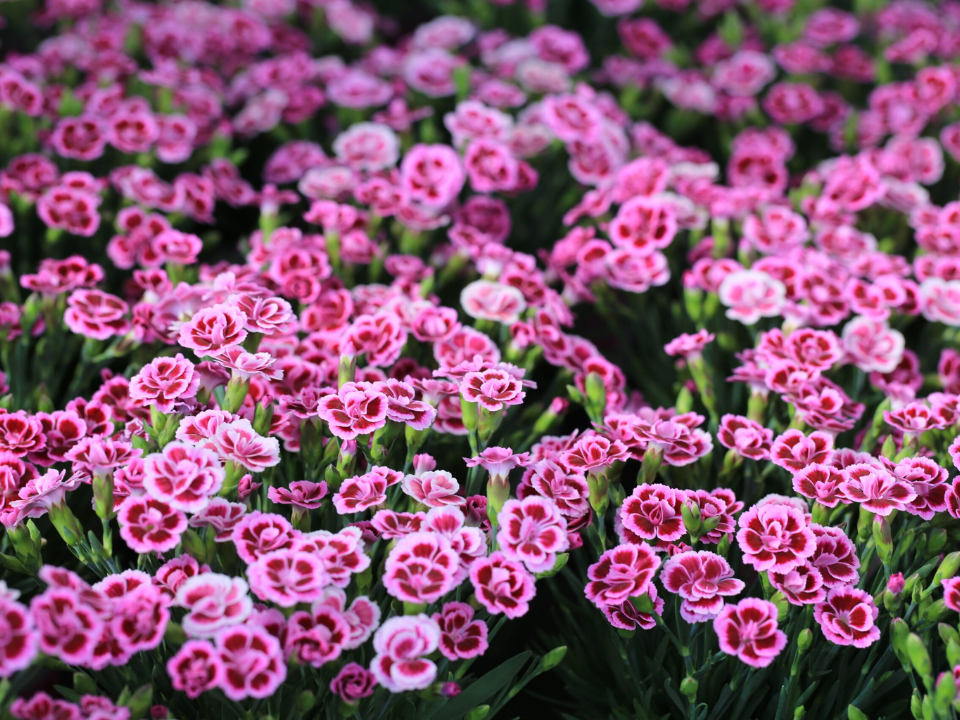
Dianthus brings a classic cottage garden look, though some kinds are much tougher than their soft fringed petals may suggest. These plants like full sun and often hold up well in windy areas, especially the compact forms that stay close to the soil. Their flowers come in pink, red, white, and bi color shades, often with a spicy clove like scent that makes them pleasant near seating areas or paths. The blue green foliage stays tidy and forms a neat cushion that looks good long after the main spring flush has passed.
Dianthus likes well drained soil and usually prefers not to sit in wet ground for too long. A lot of types bloom in spring and may flower again later if old stems are cleaned up. Because the plants stay fairly compact, they fit nicely into borders, edging, and raised beds where wind can be a problem. They are a solid choice for gardeners who want something pretty, fragrant, and sturdy enough for open sunny spots.
Helianthemum
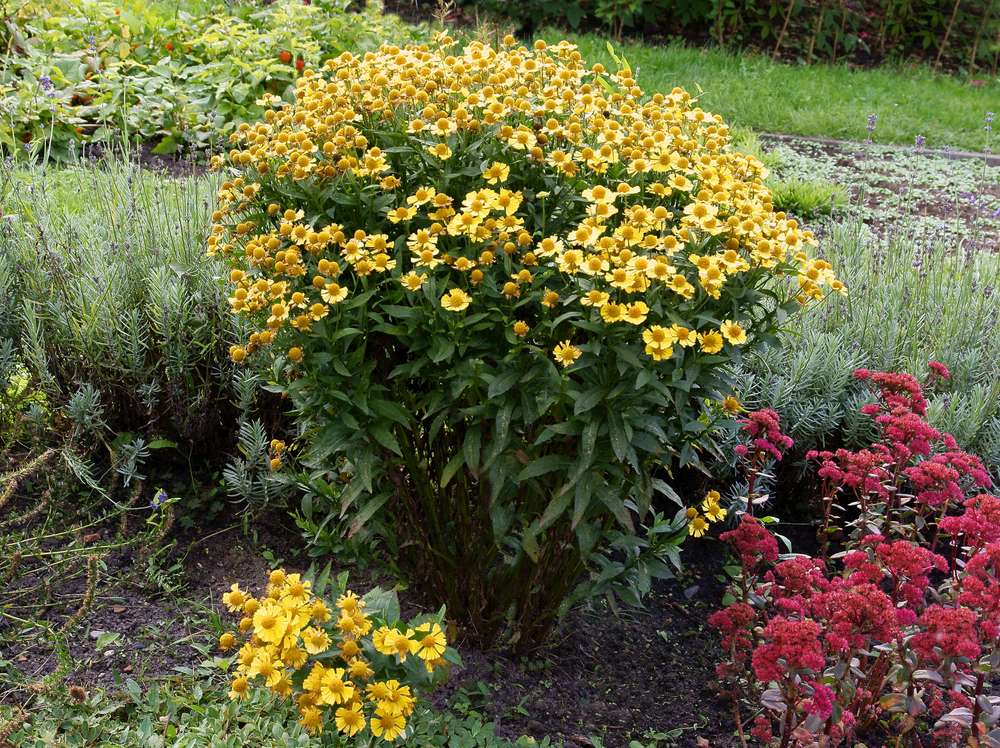
Helianthemum, often called sunrose, is a low shrubby flower that really earns its keep in hot, sunny, and windy places. It spreads into a small mat or mound and covers itself with papery blooms in spring and early summer. Colors range from yellow and orange to pink, red, and white, so it is easy to fit into different planting styles. Since it stays low and woody at the base, it usually stands up much better to gusts than softer bedding flowers.
Helianthemum likes lean soil with very good drainage and can do well in rocky or sandy areas where other flowers may sulk. It is especially nice for slopes, gravel gardens, and exposed beds where a tougher spring bloomer is needed. The flowers may be delicate in look, though the plant itself is far from fragile when planted in the right place.
Sweet Alyssum
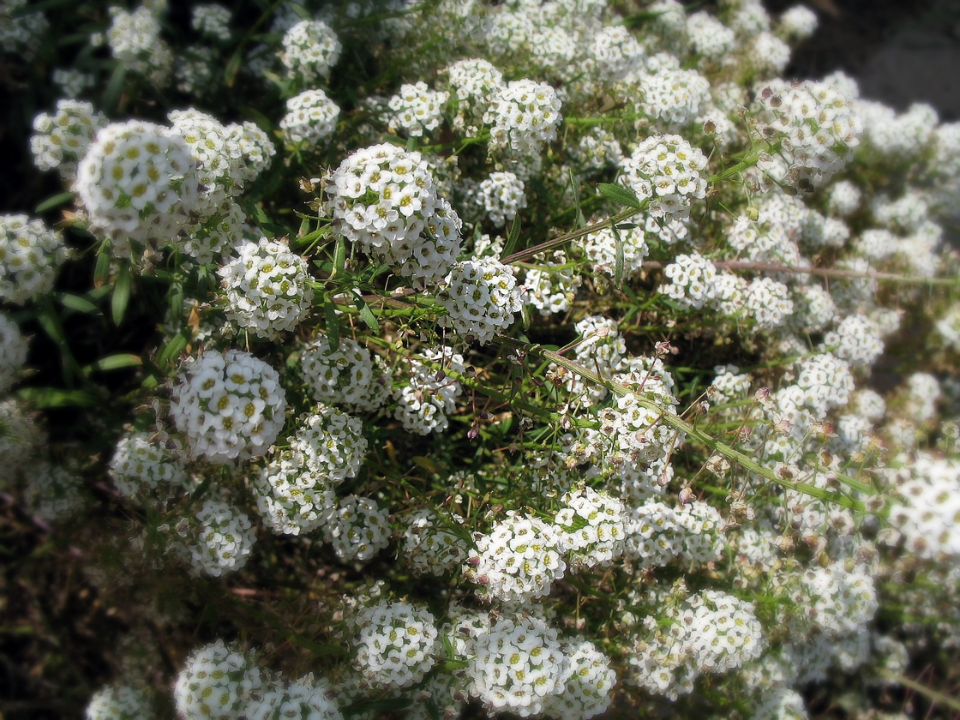
Sweet alyssum is often chosen for its soft look and honey like scent, though it also has practical value in windy spring gardens because it stays so low and full. The tiny flowers gather in thick clusters and create a cloud of white, pink, or lavender across the soil. Since it grows in a compact spreading shape, strong breezes usually pass over it without doing much harm.
Sweet alyssum loves full sun in cooler spring weather, and it fits nicely along edges, containers, and between steppingstones. It does best in soil that drains well and stays lightly moist during active growth. This flower is especially useful when you want a softer filler plant around stronger upright bloomers, because it ties the whole bed together. Pollinators enjoy it too, which adds more life to the garden during the season.
Calendula
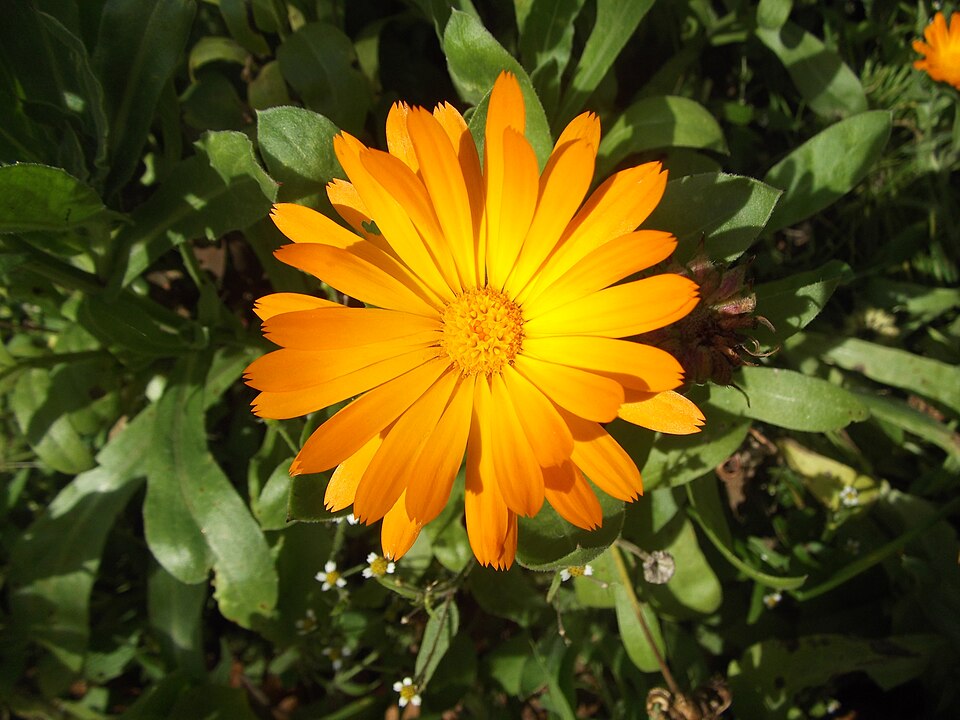
Calendula is a cheerful spring flower with sunny orange or yellow blooms that stand out beautifully in bright garden beds. It likes cool spring weather and full sun, and its sturdy stems usually handle breezy days better than people expect. The flowers have a slightly old fashioned charm that works well in cottage gardens, vegetable plots, or mixed borders.
Calendula is also useful because it is often grown for cut flowers and for petals that can be used in simple home projects. It prefers well drained soil and regular watering, though it usually does not ask for much extra attention beyond deadheading. Since it grows at a moderate height, it has enough presence to stand out without getting too top heavy in exposed places. The foliage is fresh green and slightly sticky, which gives the plant a healthy and full look in spring.
This article originally appeared on Avocadu.