
9 Endangered Spring Wildflowers and Where They Still Grow
There is something special about spotting a wildflower that few people ever see in person. Many spring blooms that once covered fields and forests now grow in scattered pockets. Their stories are tied to changing land, weather, and time itself. Take a moment to explore where these flowers still appear each season.
This post may contain affiliate links, which helps keep this content free. Please read our disclosure for more info.
Ghost Orchid
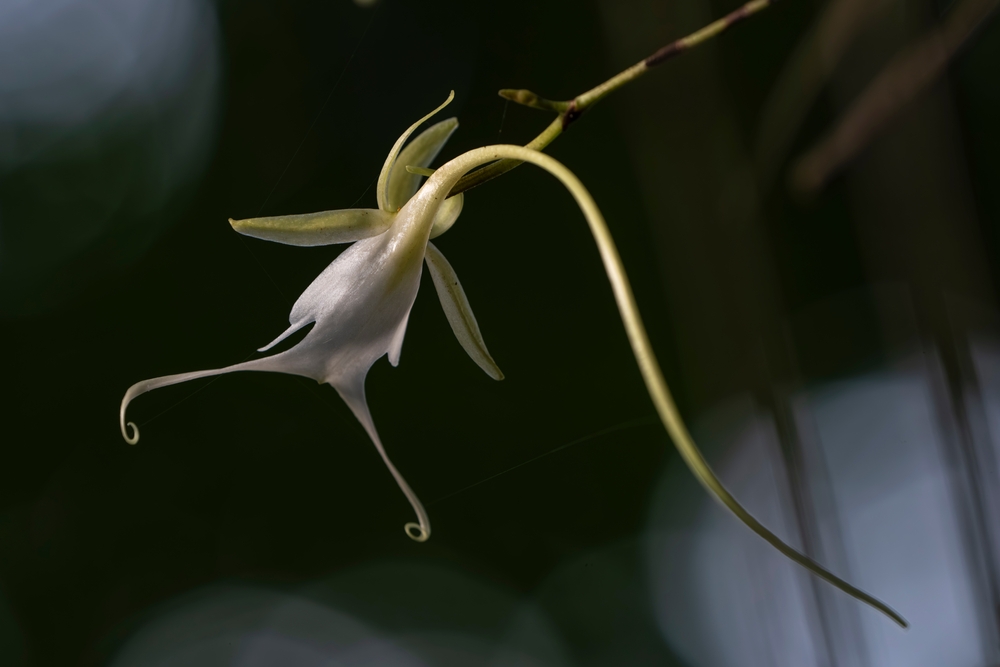
The ghost orchid is one of the most elusive spring wildflowers, known for its pale white blooms that seem to float in midair. It grows deep in swampy forests where humidity stays high and the light is filtered through thick trees. This orchid has no visible leaves, which makes it even harder to spot in the wild. Its strange appearance and limited habitat have made it a subject of interest among plant lovers for years.
Today, it can still be found in parts of Florida and Cuba, usually in protected swamp areas. The plant depends on very specific fungi in the soil, which makes relocation nearly impossible. Poaching and habitat loss have reduced its numbers over time. Strict protection laws now guard the remaining populations. Seeing one in bloom is rare and often requires careful timing during the warmer months of spring.
Western Prairie Fringed Orchid
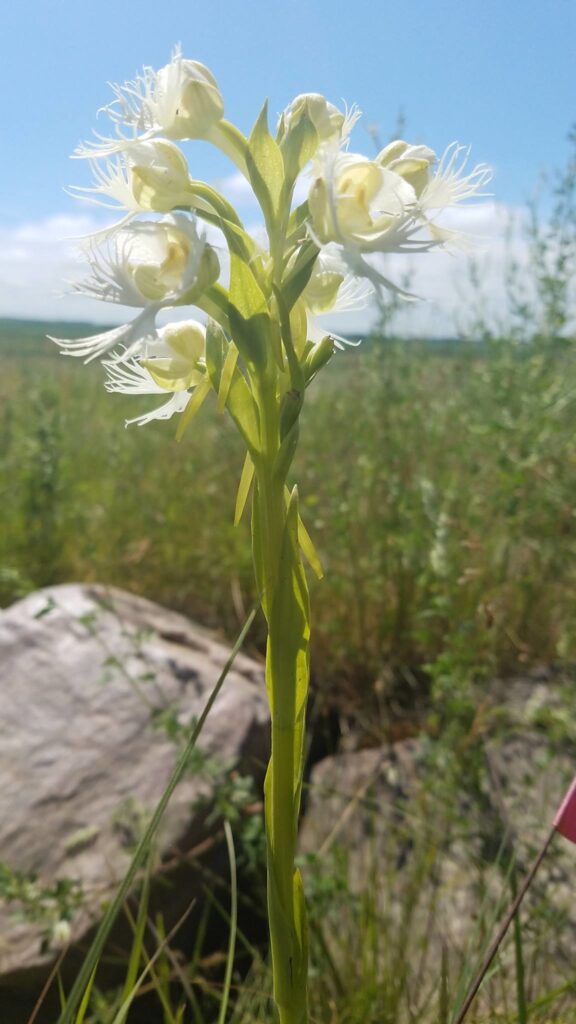
This tall and delicate orchid produces fringed white flowers that stand out against open grasslands. It once covered wide stretches of prairie, but farming and land changes have reduced its range. The blooms open in late spring and attract night pollinators like moths. Its height and shape make it easy to recognize when it is in bloom.
It still grows in scattered areas across the central United States, especially in protected prairie reserves. Conservation groups have worked to restore its natural habitat through controlled burns and careful land use. Even with these efforts, the plant remains at risk due to its narrow growing conditions. Seeds are tiny and depend on soil fungi to survive. These factors make recovery slow and uncertain.
Small Whorled Pogonia
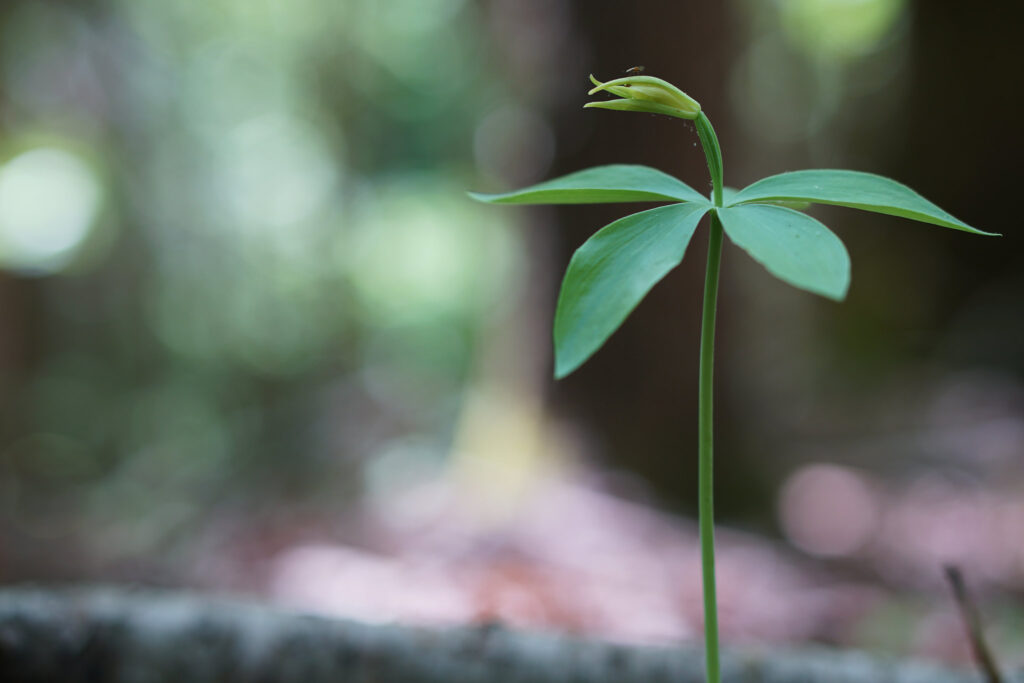
This small orchid is known for its ring of leaves that sit low to the ground, with a single flower rising above them. Its pale green bloom blends into the forest floor, making it easy to miss. It grows in quiet woodlands where the soil stays undisturbed. The plant often appears in the same spots year after year.
It can still be found in parts of eastern North America, though populations are widely scattered. Logging and land clearing have reduced many of its natural sites. Because it grows slowly, any disturbance can have long-lasting effects. Researchers often track known colonies to monitor their health. Its quiet presence makes it one of the more mysterious wildflowers of spring.
Showy Lady’s Slipper
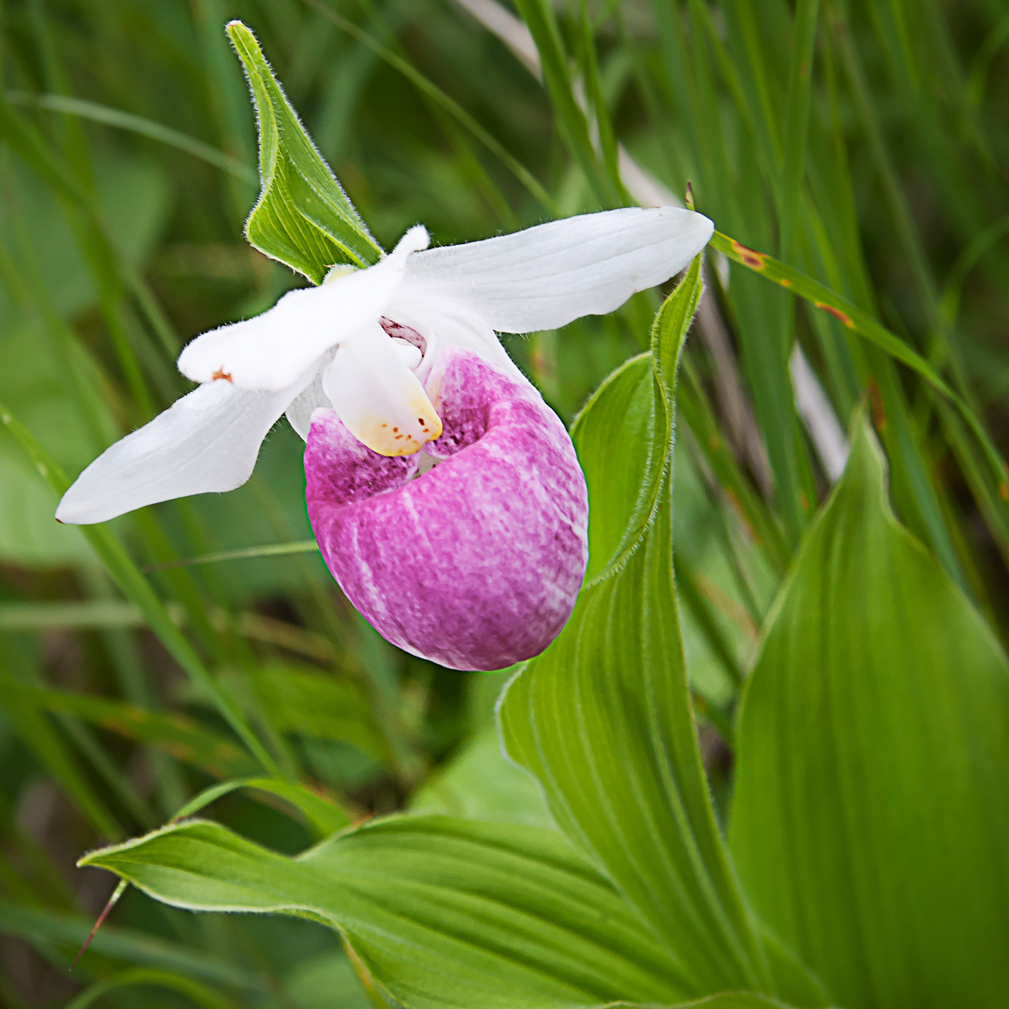
The showy lady’s slipper is one of the most striking wild orchids, with large pink and white blooms that stand out in wetlands. It grows in moist soils where water is present but not standing for long periods. The plant takes many years to reach the flowering stage, which adds to its rarity. Its bold color has made it a target for collectors in the past.
It still grows in northern regions of the United States and parts of Canada, especially in protected wetlands. Picking or moving the plant often leads to its death due to its fragile root system. Laws now protect it in many areas to prevent further loss. Conservation efforts focus on preserving its natural habitat. When seen in bloom, it often becomes the highlight of a spring walk.
Colorado Butterfly Plant
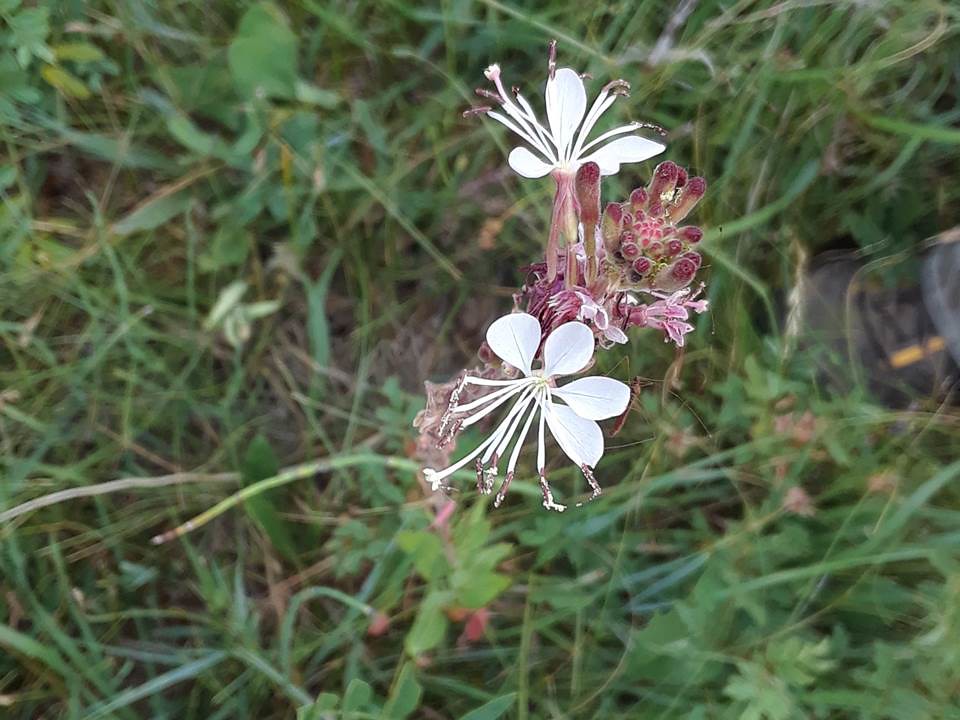
This slender plant produces small white flowers that resemble butterflies in flight. It grows in open meadows where soil moisture changes with the seasons. The plant blooms in late spring and early summer, adding a soft look to grassy fields. Its life cycle depends on periodic flooding followed by dry periods.
It still grows in parts of Wyoming, Nebraska, and Colorado, mainly on protected land. Changes in water patterns have reduced its natural habitat over time. Conservation plans often include managing water flow to support its growth. The plant is closely monitored due to its limited range. Efforts continue to keep its remaining populations stable.
Running Buffalo Clover
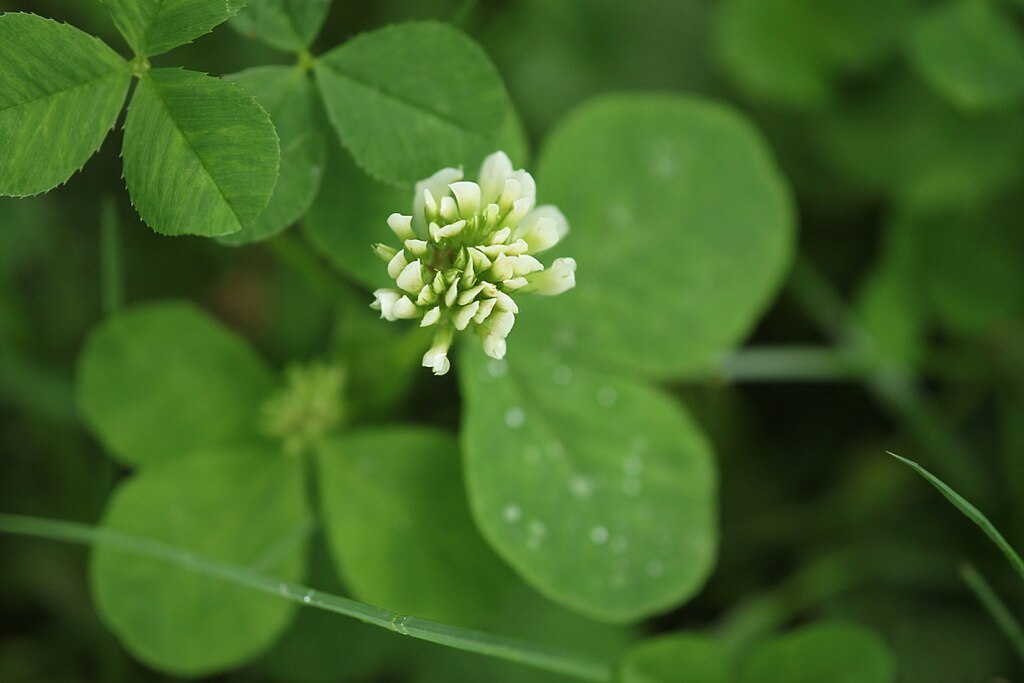
Running buffalo clover is a small plant with white flowers that spreads across open woodland floors. It prefers areas where sunlight filters through trees, and the ground is lightly disturbed. The plant once thrived in spaces shaped by grazing animals, which helped keep competing growth in check. Its low-growing habit allows it to spread quietly across patches of forest.
It still grows in parts of the Midwest and eastern United States, though populations are scattered and closely monitored. Changes in land use have removed many of the natural conditions it depends. Conservation efforts now include controlled clearing and careful land management to recreate those settings. When given the right balance of light and space, it can return to areas where it once grew.
Tennessee Coneflower
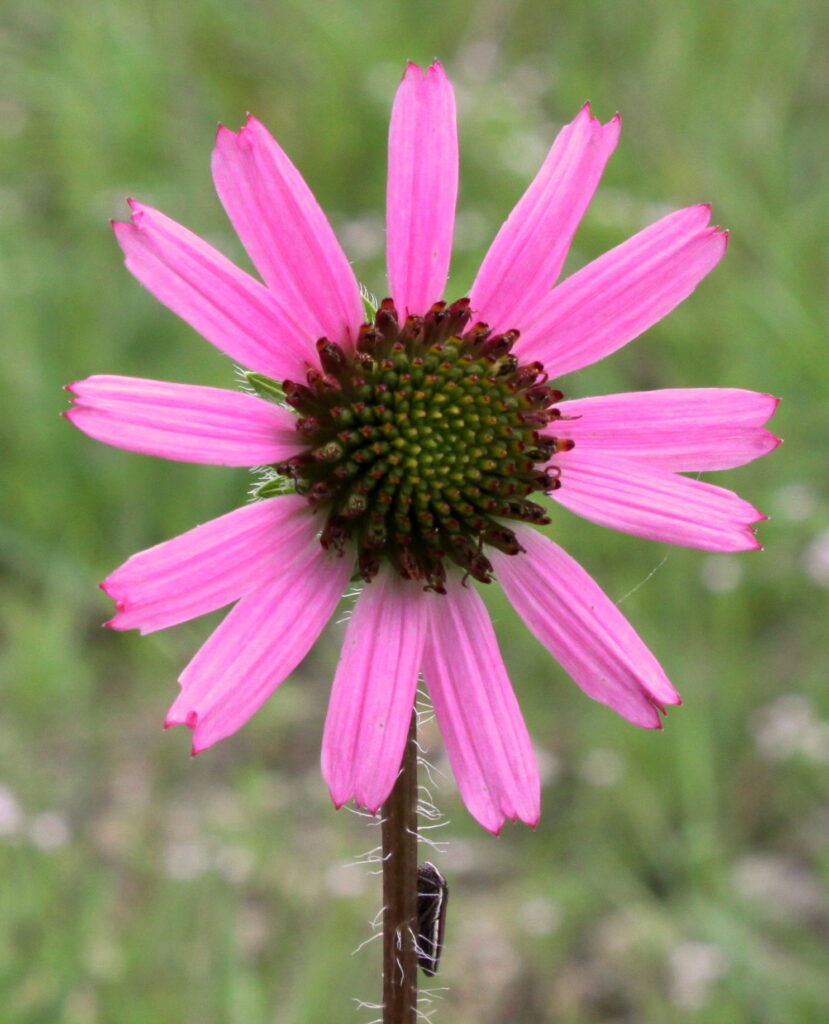
The Tennessee coneflower produces pale purple blooms with a rounded center that gives it a unique look. It grows in cedar glades where the soil is thin, rocky, and exposed to strong sunlight. These open spaces allow the plant to grow without heavy competition from larger plants. Its flowering period in late spring draws attention to these otherwise quiet landscapes.
It is found only in a few counties in Tennessee, mostly within protected natural areas. Urban growth and land changes have reduced much of its original habitat. Conservation groups have worked to plant it in suitable locations and protect existing sites. In recent years, these efforts have helped increase its numbers in certain areas.
Florida Ziziphus
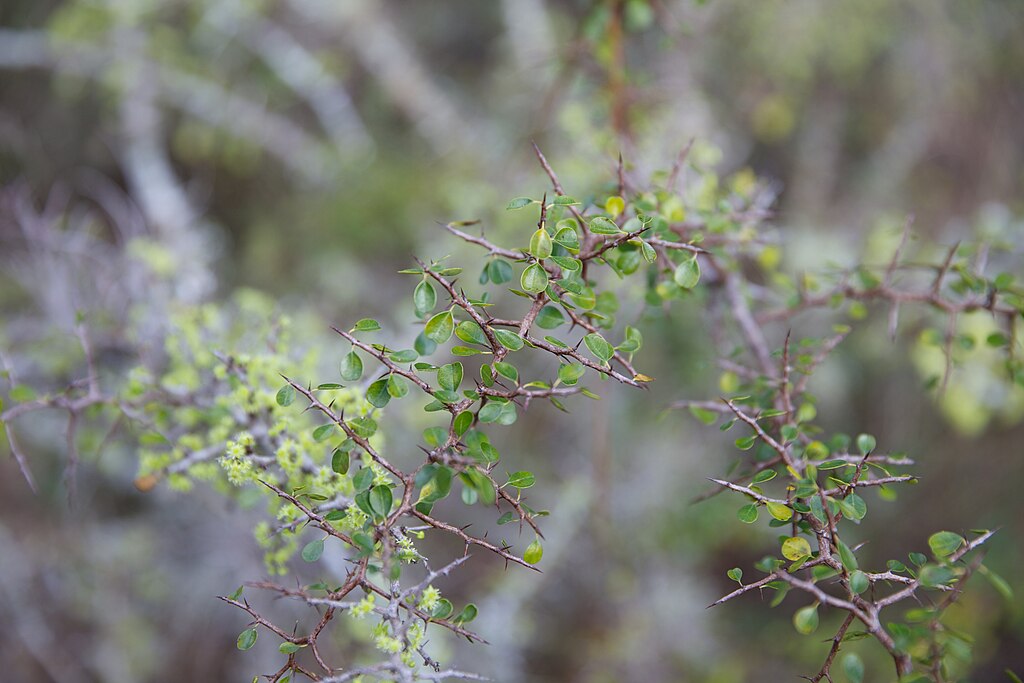
Florida ziziphus is a thorny shrub that produces small greenish flowers during the spring season. It grows in dry, sandy soils where few other plants can survive. The plant forms dense thickets that provide shelter for wildlife in these open environments. Its slow growth and limited spread add to its rarity in the wild.
It can still be found in central Florida, though only in a few remaining locations. Habitat loss has greatly reduced the areas where it once grew more freely. Conservation efforts include protecting land and growing new plants in controlled environments. Continued care is needed to keep its remaining populations stable.
Seabeach Amaranth
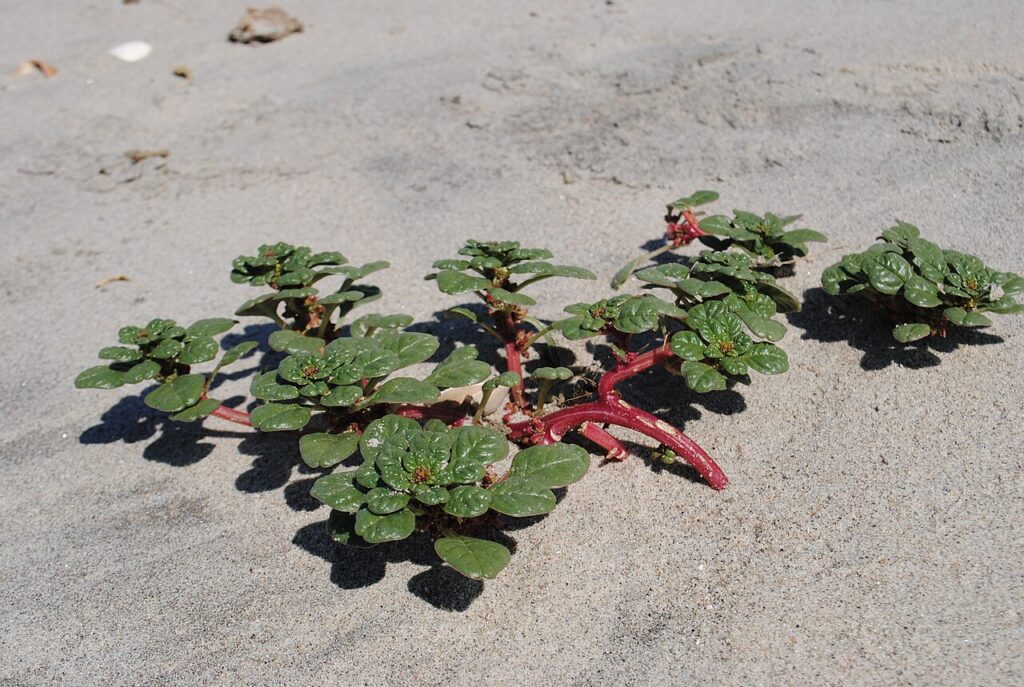
Seabeach amaranth produces small flowers that appear along sandy coastal areas during the warmer months. It grows on dunes where wind, salt, and shifting sand shape the environment. The plant is well-suited to these harsh conditions and can survive where few others can. Its roots help hold sand in place, which supports the stability of coastal areas.
It still grows along parts of the Atlantic coast, mainly in protected beach regions. Development and foot traffic have reduced the number of suitable habitats over time. Conservation programs often limit access to certain dunes to give the plants space to grow. When left undisturbed, it can return and spread across open sandy areas.
This article originally appeared on Avocadu.