
19 Spring Plants That Bloom in Waves From March to May
The beauty of spring lies in the variety of plants that bloom in waves, each bringing something new to your garden as the weeks go by. From the early crocuses of March to the late spring blooms of May, there’s no shortage of color and life. These plants offer a dynamic display that changes with the season, so you never have to wait long for something fresh.
This post may contain affiliate links, which helps keep this content free. Please read our disclosure for more info.
Crocus
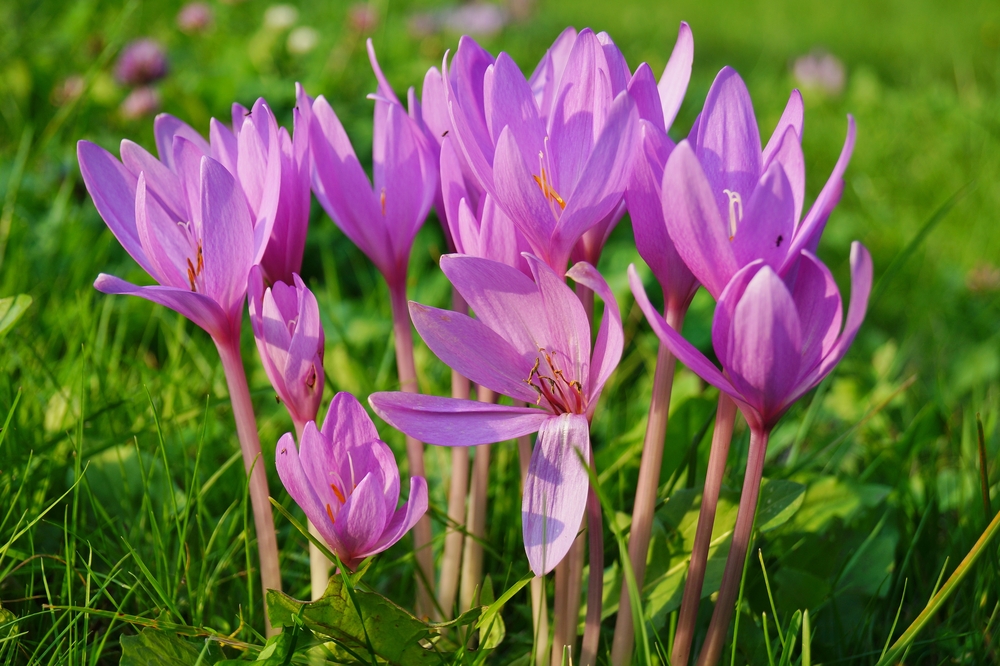
Crocuses are among the first flowers to bloom each spring, offering an early glimpse of color. These small, cup-shaped flowers appear in shades of purple, yellow, and white, lighting up the garden after the long winter months. Their blooms unfold in waves, starting in early March, giving your garden a lively, cheerful touch. These hardy flowers are perfect for gardeners eager to welcome spring.
For the best results, choose well-drained soil and a sunny spot for planting. Crocuses also do well in containers and flower beds, or they can be naturalized in lawns. As they fade, the green foliage remains, providing texture in the garden. Once established, they’ll return year after year with little maintenance.
Hyacinths
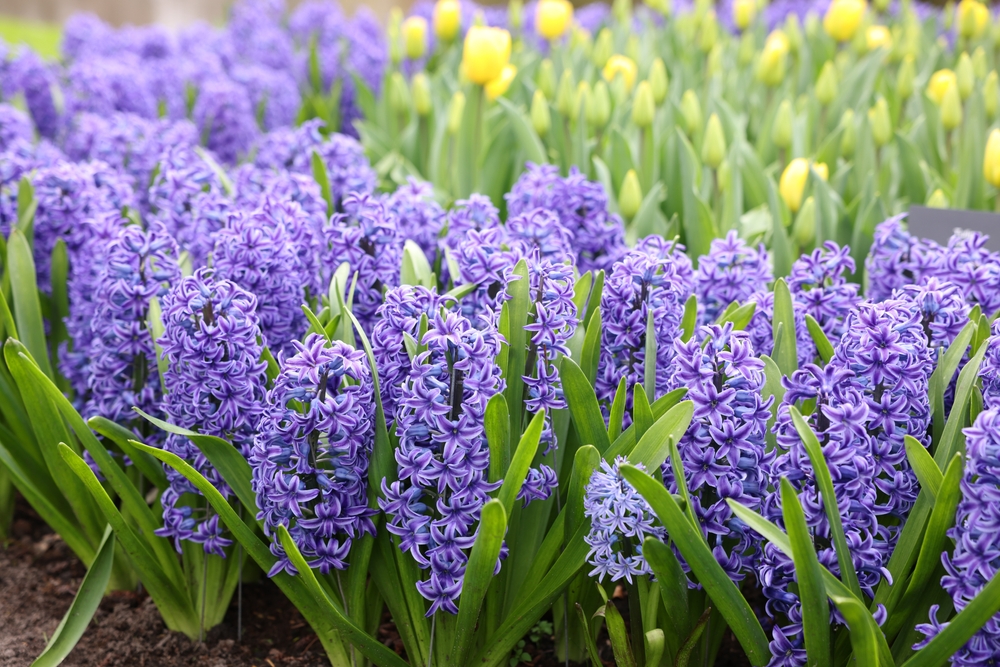
Hyacinths stand out with their dense clusters of fragrant flowers that fill the air with a sweet scent. These flowers bloom in waves from March to April, with colors ranging from blue to pink, white, and purple, adding richness to the spring garden. Their bold colors and aromatic scent make them a favorite among gardeners. Hyacinths create an impactful statement in any garden, drawing attention with their vibrant beauty.
For optimal growth, provide them with full sunlight and well-drained soil. While easy to grow, they thrive in areas where the soil is fertile and not too soggy. These flowers are ideal for flower beds, borders, or containers, and they make an excellent addition to any spring garden. Their long-lasting blooms provide weeks of color and fragrance.
Daffodils
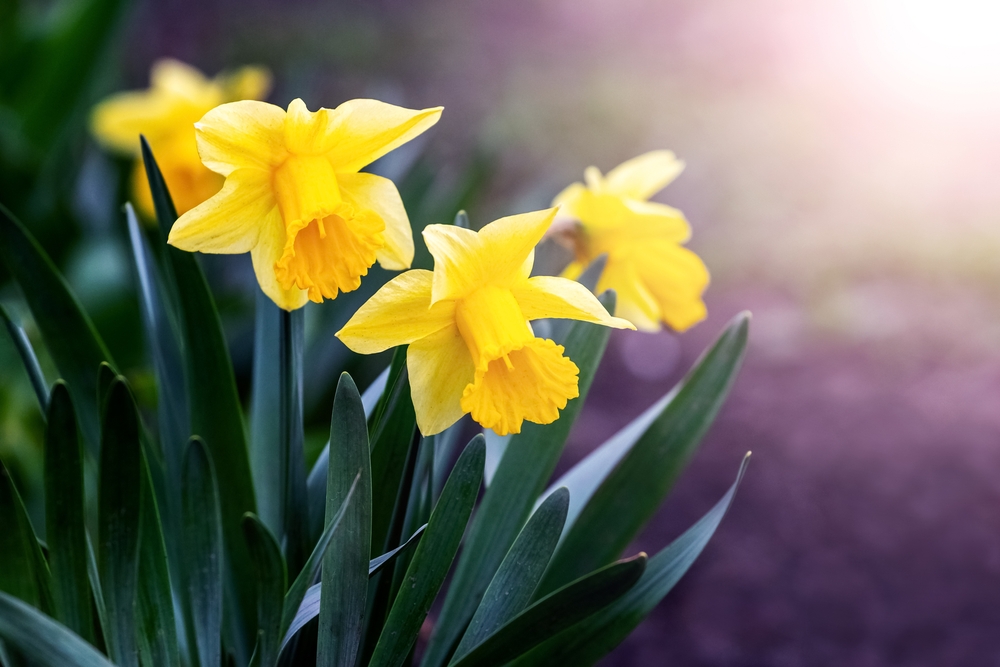
Daffodils are the perfect symbol of spring, with their cheerful yellow, white, and orange blooms that brighten any garden. These flowers appear in waves, starting in early March and continuing into May. Their trumpet-shaped flowers add elegance and charm to the garden, offering a welcoming sight after the cold winter months. Daffodils are a favorite because of their resilience and ability to bloom year after year.
Choose sunny spots with well-drained soil for planting daffodils to see them thrive. These flowers are very easy to grow, and their leaves provide texture and contrast in the garden once the blooms fade. Daffodils work well in borders, along walkways, or as naturalized ground cover.
Anemones
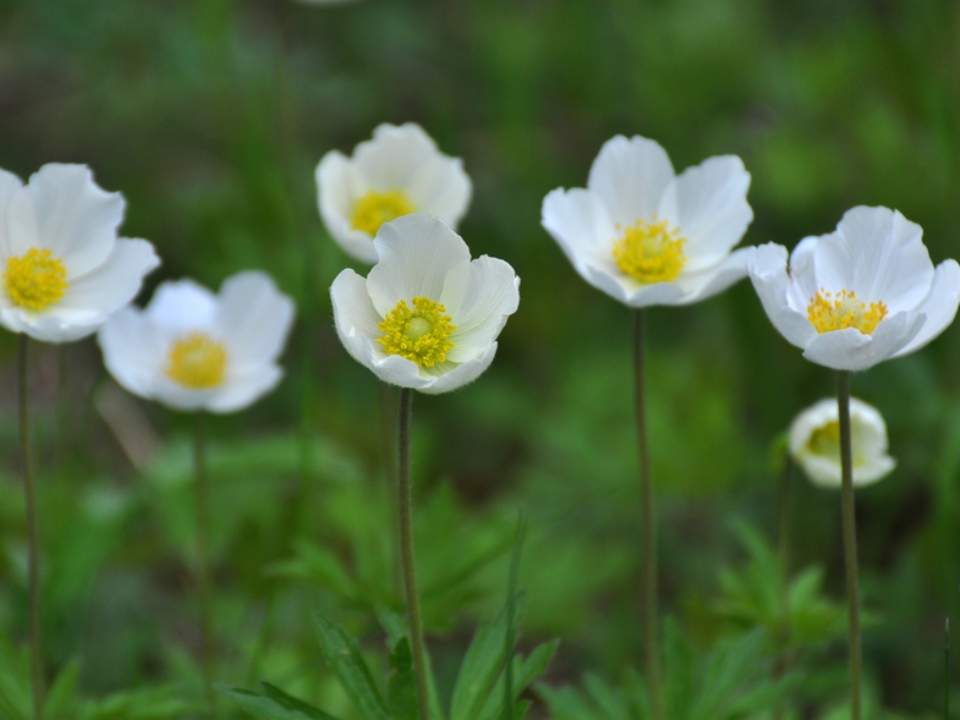
Anemones are delicate, vibrant flowers that bring a burst of color to the garden. These flowers are available in shades of red, purple, and white, providing a striking contrast to other spring blooms. Anemones bloom in waves from March to April, offering a fresh look throughout the season. Their soft petals and vibrant colors are perfect for adding diversity to your spring garden.
Ensure they’re planted in well-drained soil with full sun to partial shade for the best growth. Anemones work beautifully in flower beds, containers, or as part of a woodland garden. They are low-maintenance, requiring only occasional watering. With regular care, they will bloom in waves, keeping your garden colorful for weeks.
Primroses
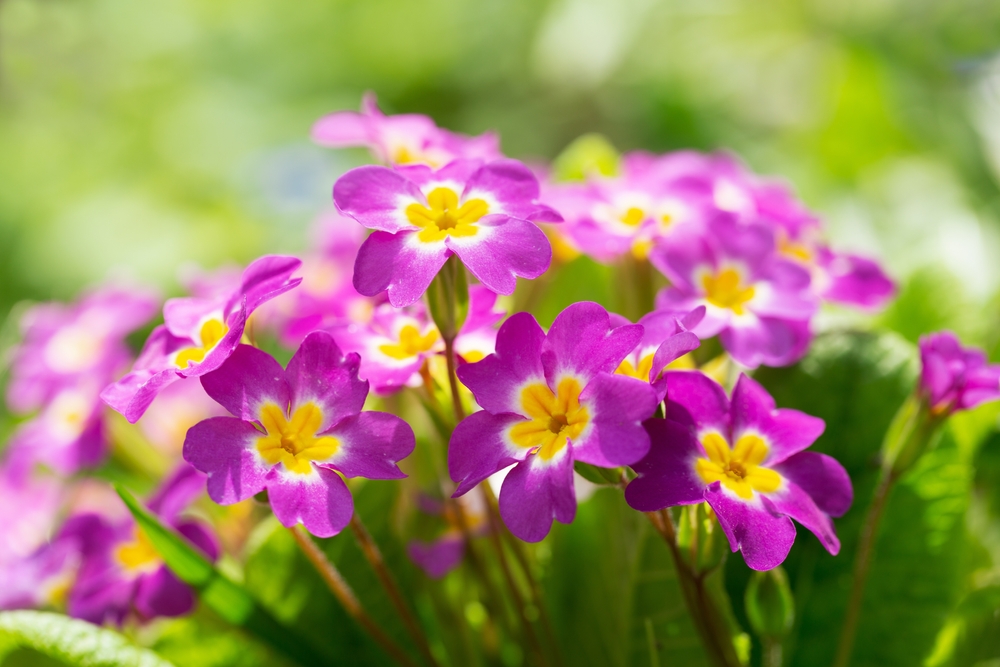
Primroses are known for their soft, pastel-colored flowers that bring a gentle beauty to the spring garden. Available in hues of pink, yellow, and purple, they provide a calming, colorful presence in beds or containers. These early bloomers appear in waves from March to April, ensuring your garden stays vibrant as the season unfolds. Their delicate blooms create a peaceful atmosphere, perfect for shady spots or woodland gardens.
They thrive in moist, well-drained soil with some shade, especially during warmer parts of the day. These low-maintenance plants need only occasional watering and deadheading to keep them looking fresh. Once established, primroses will return year after year, continuing to brighten up your garden each spring.
Bleeding Heart
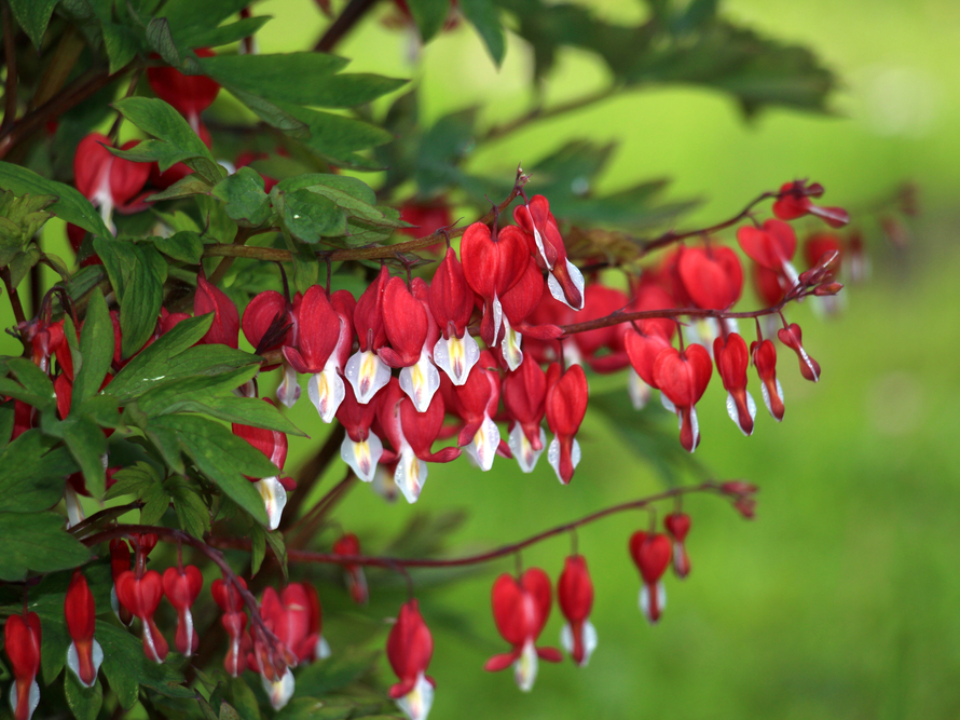
Bleeding heart plants are known for their unique, heart-shaped blooms that add a romantic touch to the garden. These delicate flowers are often seen in shades of pink and white, creating a whimsical, almost magical appearance. They bloom in waves from early spring through May, providing a long-lasting display of beauty. Bleeding hearts are ideal for shaded areas, making them a great choice for garden corners or woodland gardens.
These plants prefer moist, well-drained soil and thrive in cool, shaded spots. Bleeding hearts require little attention beyond occasional watering and deadheading. After their blooms fade, the fern-like foliage continues to provide interest in the garden. Their ease of care and unique flowers make them a valuable addition to any spring garden.
Peonies
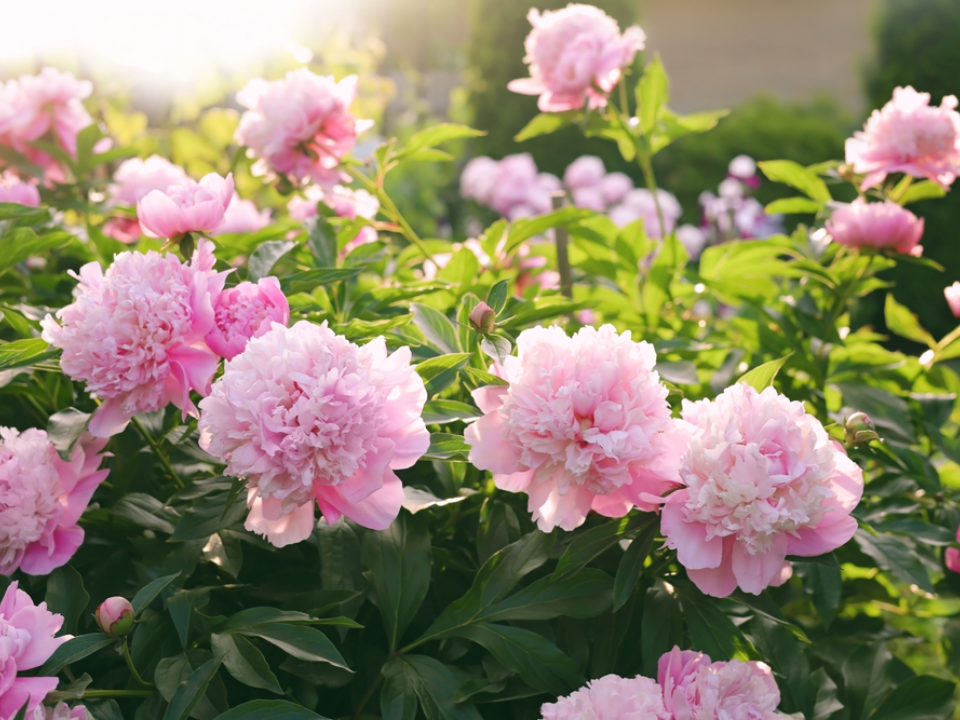
Peonies are beloved for their large, fragrant blooms that come in shades of pink, red, and white. These lush flowers bloom in waves, with early varieties appearing in April and later varieties continuing into May. Peonies are known for their bold, full flowers that add a touch of elegance to any garden. Their long-lasting blooms ensure that your garden remains colorful and fragrant for weeks.
For optimal growth, plant peonies in sunny spots with well-drained soil. These plants require little maintenance beyond occasional watering and deadheading. Once blooming, their flowers last for several weeks, adding both color and texture to the garden.
Foxgloves
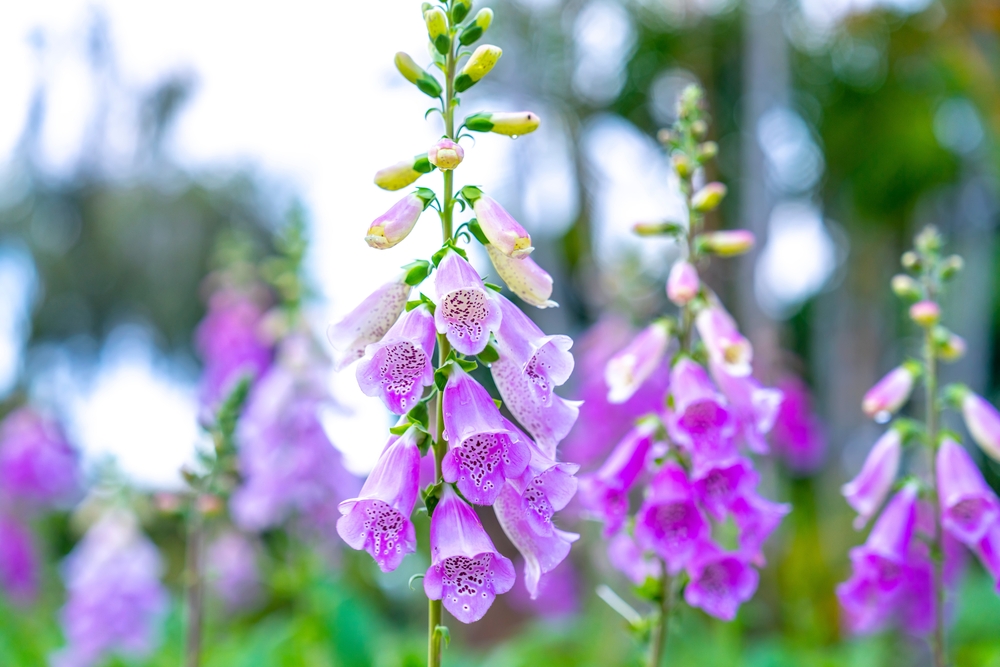
Foxgloves are striking plants with tall, bell-shaped flowers that add height and drama to the garden. Their blooms appear in waves from late spring into early summer, with flowers in shades of purple, pink, and white. Foxgloves offer a dramatic contrast to shorter spring flowers like tulips and daffodils, creating a dynamic garden landscape. Their tall spikes are perfect for creating focal points or adding vertical interest.
Plant foxgloves in full sun to partial shade with well-drained soil to ensure they thrive. These plants are relatively easy to grow, requiring only occasional watering and pruning. After blooming, their sturdy stems continue to provide structure to the garden. Foxgloves are also a great choice for attracting pollinators like bees and butterflies.
Hellebores
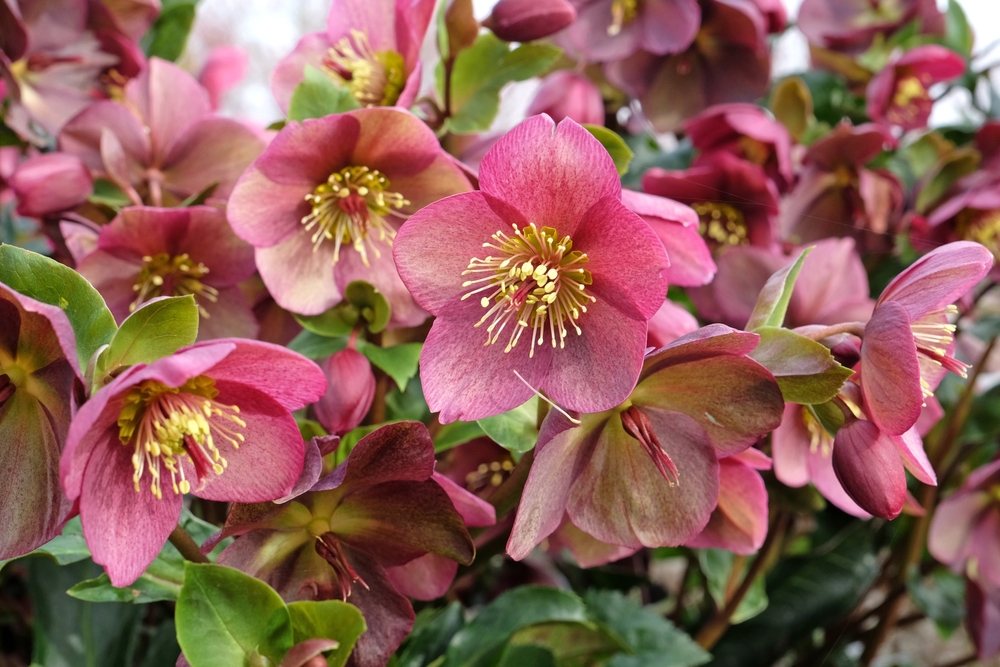
Hellebores, also known as Lenten roses, are among the earliest bloomers in the spring garden. Their unique flowers, which appear in shades of pink, white, and purple, make them stand out from other spring blooms. Hellebores bloom in waves, starting as early as late winter and continuing into early spring. Their ability to provide color and interest when other plants are still dormant makes them a valued addition to any garden.
These plants thrive in moist, well-drained soil with partial to full shade. Once planted, they require minimal care, with only occasional watering and cleaning up of dead foliage. Hellebores are perfect for gardeners who want to extend the blooming season and enjoy early spring color. Their long-lasting blooms continue to brighten the garden for weeks.
Lilacs
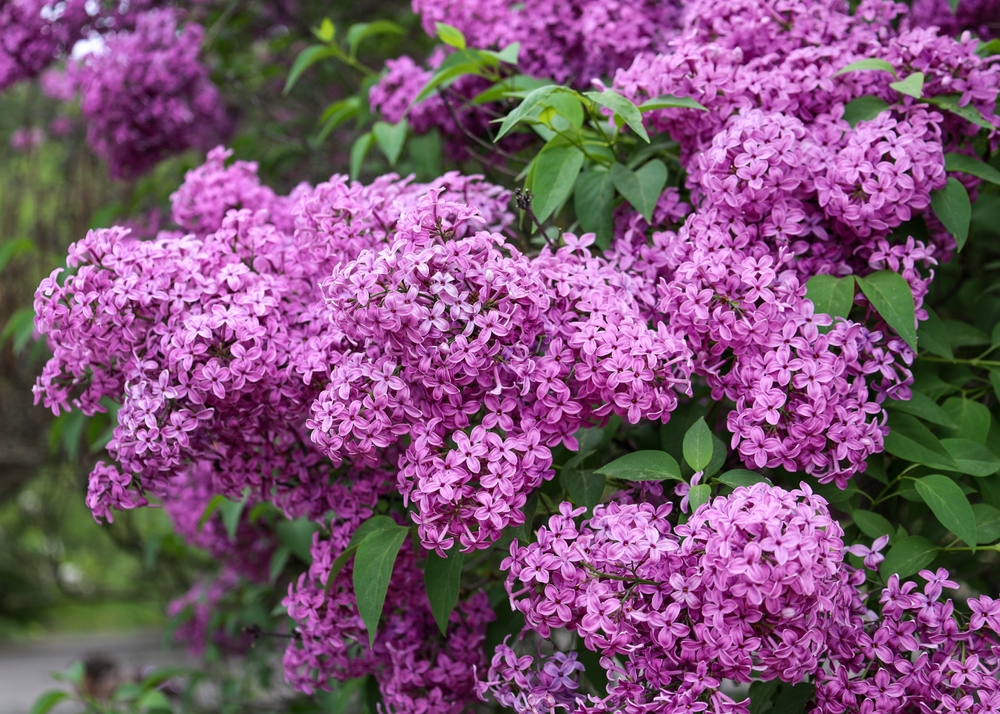
Lilacs are cherished for their fragrant, showy flowers that fill the spring air with sweetness. Available in shades of purple, pink, and white, lilacs bloom in waves from late April to May, creating a continuous display of color and fragrance. These flowers are not only beautiful but also highly aromatic, making them a favorite for any garden. Their rich scent and vibrant hues bring life to the spring garden.
Plant lilacs in full sun with well-drained soil for the best results. These plants are relatively easy to care for, requiring only occasional pruning and watering during dry periods. Lilacs are a great choice for gardeners looking to add both color and fragrance to their landscape.
Iris
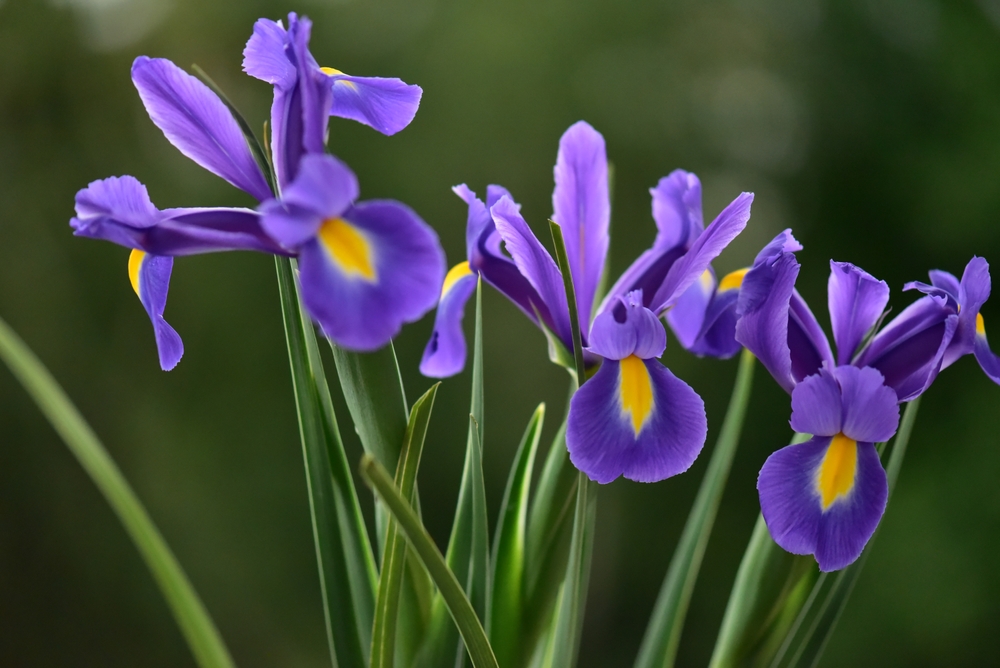
Irises are known for their elegant, sword-like petals and a wide range of vibrant colors. These striking flowers bloom in waves, starting with early varieties in March and continuing through May. Irises are perfect for gardeners looking to add a touch of drama to their spring garden, as their tall, elegant stems make a strong visual impact. Their unique blooms are a highlight of any garden and a symbol of spring’s arrival.
To grow irises successfully, plant them in full sun and well-drained soil. These hardy plants require minimal maintenance, making them an easy addition to your garden. Their blooms can last several weeks, ensuring a continuous show of color throughout the spring season. Irises are also a great choice for creating focal points in flower beds or borders.
Azaleas
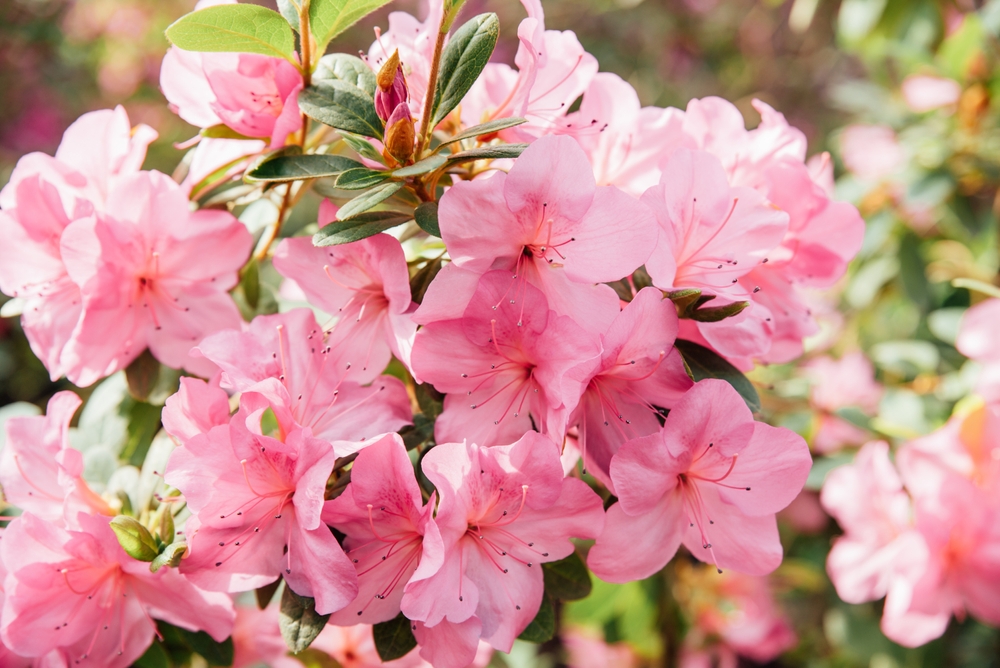
Azaleas are flowering shrubs that bloom in waves, offering a burst of color during the spring months. Their vibrant flowers come in shades of pink, purple, white, and red, making them a standout in any garden. Azaleas bloom from March to May, providing a continuous show of color throughout the season. These plants are perfect for adding variety and brightness to shaded or woodland areas.
For best results, plant azaleas in acidic, well-drained soil and provide them with some shade. These shrubs are easy to maintain, requiring only occasional watering and light pruning. Azaleas make an excellent choice for gardeners looking to add color and vibrancy to shaded spaces.
Tulips
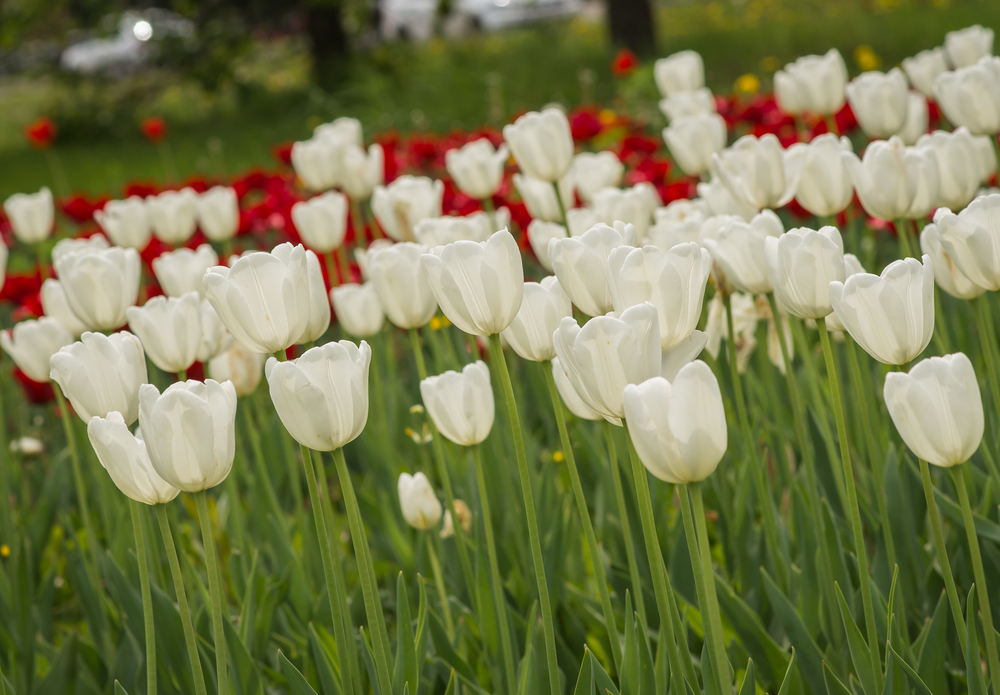
Tulips are iconic spring flowers known for their vibrant, bold colors and elegant petals. These flowers bloom in waves, starting with early varieties in March and continuing into May with later bloomers. Available in nearly every color, from soft pastels to deep, rich hues, tulips add instant beauty and drama to any garden. Their long-lasting blooms ensure your garden stays vibrant for weeks.
Plant tulips in well-drained soil and ensure they get plenty of sunlight for the best results. These flowers are easy to grow and require minimal care, making them perfect for both beginners and experienced gardeners. Once blooming, their flowers last for several weeks, adding color and texture to the garden. Tulips are perfect for creating focal points or filling in gaps between other spring blooms.
Camellias
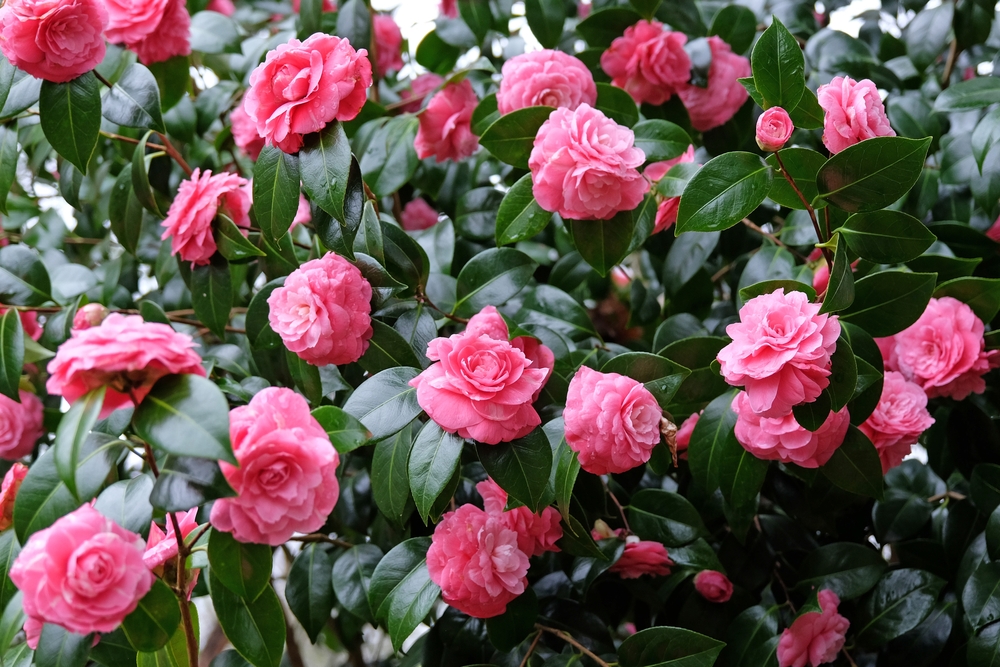
Camellias are evergreen shrubs that produce large, showy flowers in shades of pink, red, and white. These flowers bloom in waves, starting in early spring and continuing into late spring. Their glossy, dark green leaves provide year-round interest, making them a valuable addition to any garden. Camellias are perfect for gardeners looking for color and texture throughout the spring season.
Plant camellias in acidic, well-drained soil with partial to full shade for the best results. These plants are easy to grow and require minimal care, making them ideal for gardeners of all levels. After blooming, their evergreen leaves continue to provide lush greenery, adding depth to the garden. Camellias offer both beauty and structure, even when not in bloom.
Ranunculus
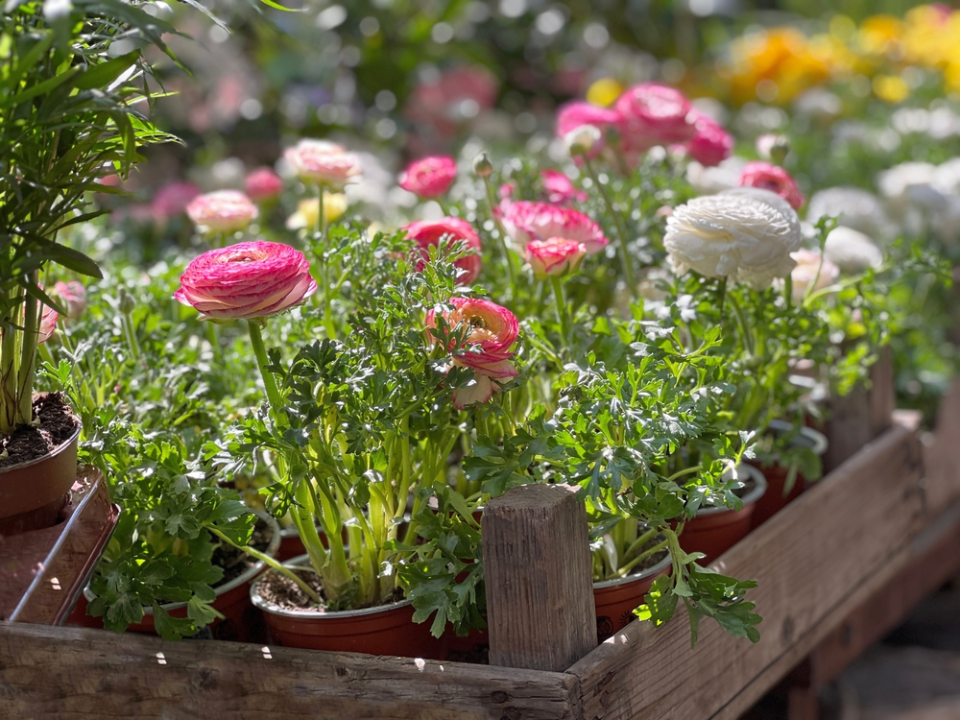
Ranunculus are delicate, layered flowers that come in a variety of vibrant colors, from red and yellow to pink and white. Their ruffled petals create a soft, elegant look in the garden, and they bloom in waves from March to May. Ranunculus are perfect for adding depth and texture, making them a great choice for filling in spaces between other spring blooms. Their cheerful colors make them an excellent addition to any garden.
Plant ranunculus bulbs in well-drained soil with full sun for the best results. These flowers require regular watering and should be protected from extreme heat once they begin blooming. Ranunculus thrive in cool spring temperatures, making them perfect for early-season gardens.
Sweet Peas
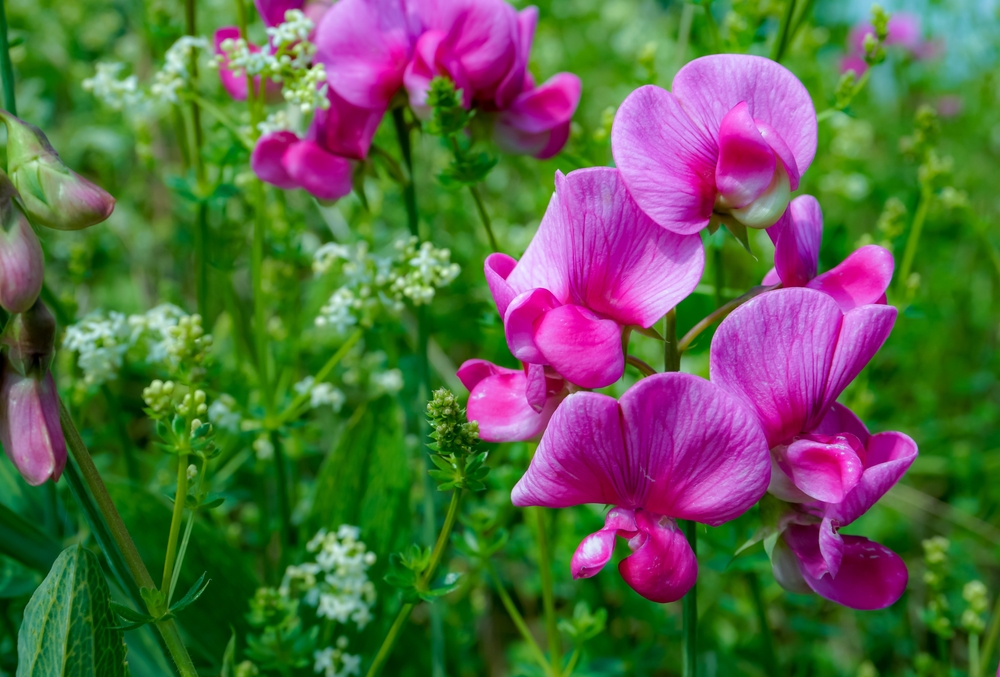
Sweet peas are climbing plants that produce fragrant, colorful flowers in a variety of shades, from soft pastels to vibrant hues. These plants bloom in waves from early spring through May, creating a dynamic, fragrant display. Their delicate petals and sweet scent make them a garden favorite, especially for trellises or fences where they can climb and spread. Sweet peas are perfect for gardeners looking to add both color and fragrance to their spring garden.
For best results, plant sweet peas in full sun and well-drained, fertile soil. These plants benefit from regular watering and occasional feeding, especially during their blooming period. They are easy to grow and require minimal maintenance, making them ideal for gardeners of all skill levels. As they bloom in waves, you can enjoy their flowers over an extended period.
Fritillaria
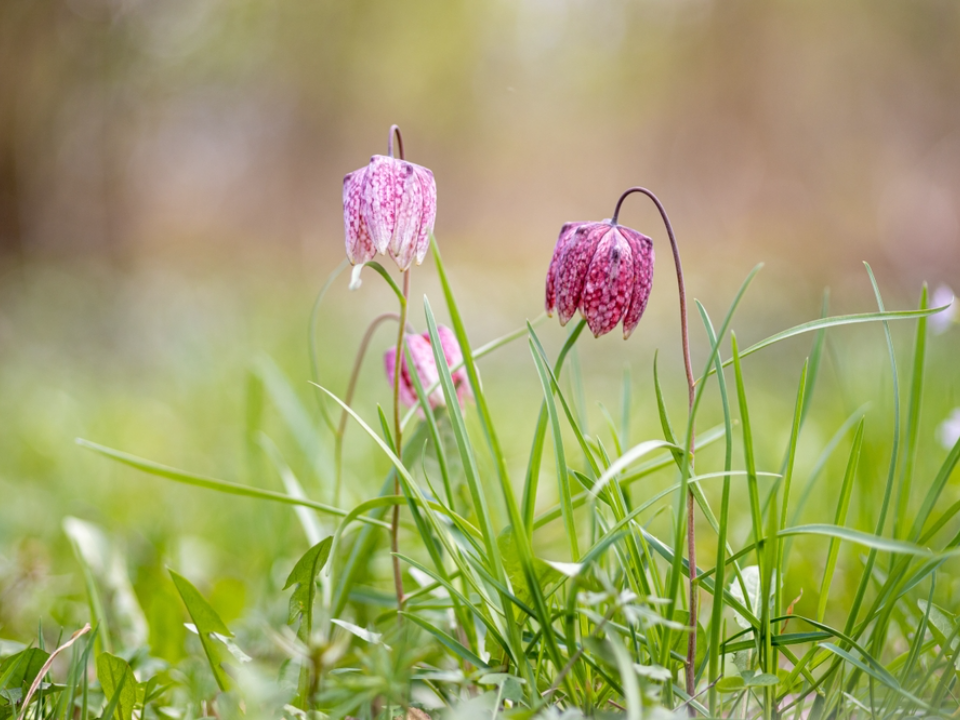
Fritillaria flowers are unique and elegant, with bell-shaped blooms that come in shades of purple, yellow, and orange. These flowers bloom in waves during early spring, with some varieties appearing in March and others in April. Their striking, nodding flowers are a beautiful contrast to the more common spring blooms, making them an eye-catching addition to any garden. Fritillaria are perfect for gardeners who want something a bit different for their spring displays.
Plant fritillaria in well-drained soil with plenty of sunlight for optimal growth. These plants are easy to maintain once established, requiring only occasional watering during dry spells. Their unique flowers provide a long-lasting show of color, while their tall stems add height to the garden. Fritillaria are excellent for creating a distinctive, colorful garden arrangement.
Pansies
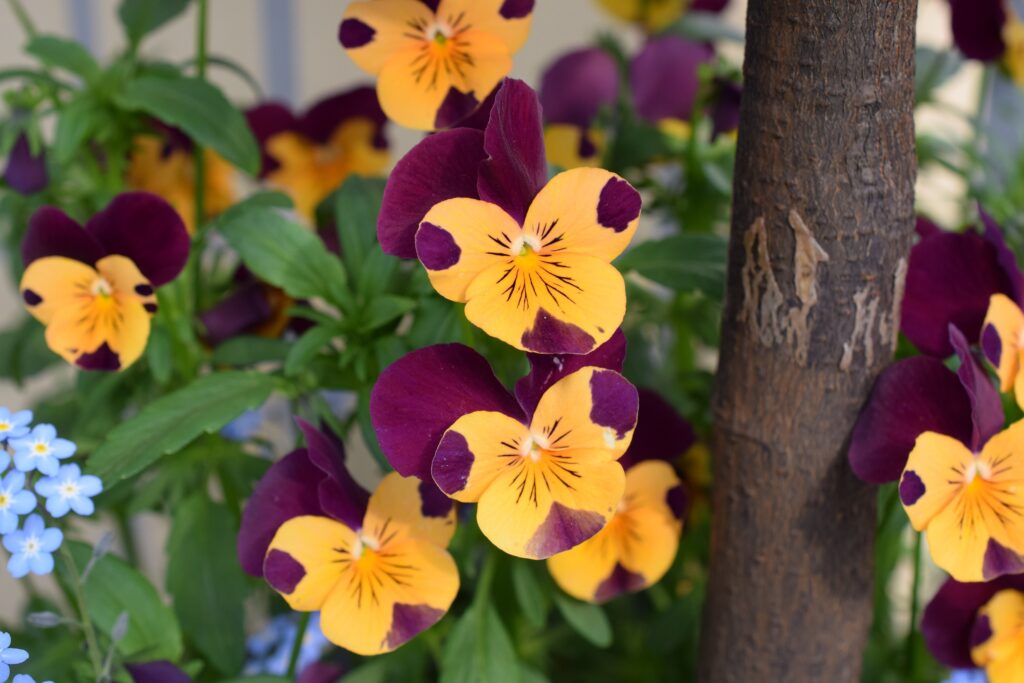
Pansies are cool-season flowers known for their vibrant colors and distinctive faces on the petals. They bloom in waves, often starting in early spring and continuing through May, adding cheerful color to gardens and containers. Available in nearly every color combination, pansies offer endless options for garden design. Their hardy nature makes them ideal for early-season bloom, brightening up any garden after the long winter.
Plant pansies in full sun to partial shade with well-drained, fertile soil. These flowers are easy to grow, requiring only regular watering and occasional deadheading to keep them looking fresh. They are perfect for filling in gaps in flower beds or adding vibrant colors to containers.
Clematis
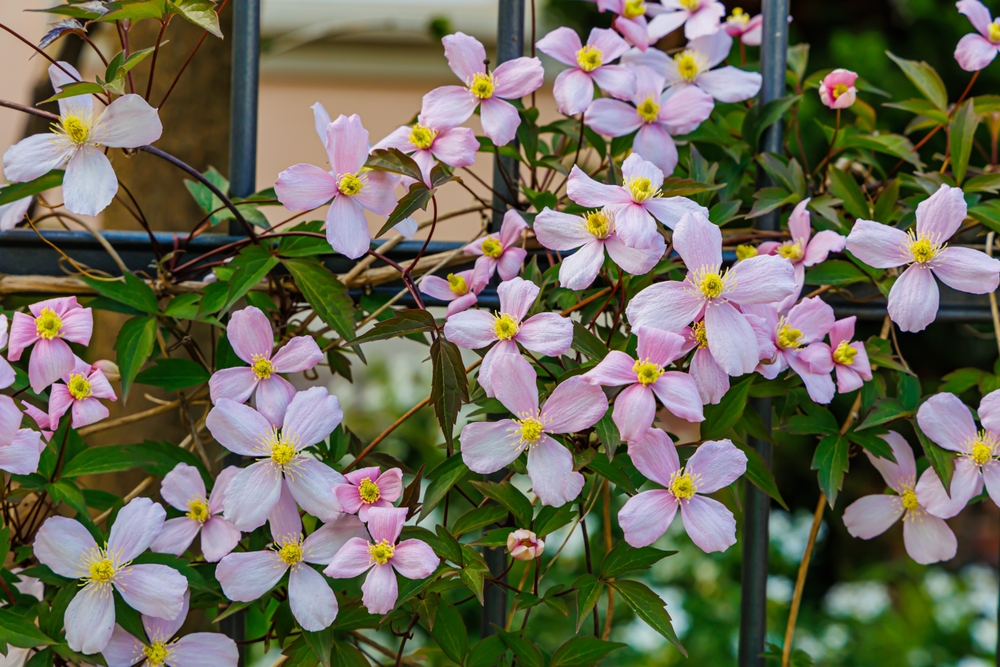
Clematis vines are known for their beautiful, star-shaped flowers that bloom in waves throughout the spring. Available in a wide range of colors, from deep purples to soft whites, clematis vines provide both color and height to the garden. They begin blooming in early spring and continue into late spring, creating a continuous cascade of flowers. Their climbing nature makes them ideal for fences, trellises, or pergolas.
For best results, plant clematis in well-drained, fertile soil with plenty of sunlight. These vines are easy to grow once they are established, requiring only regular watering and occasional pruning to maintain shape. Clematis bloom in waves, making them a long-lasting addition to the garden. Their elegant, sprawling flowers add texture and vertical interest to any spring landscape.
This article originally appeared on Avocadu.