
17 Shade Loving Spring Bloomers for Under Trees
If you have a shaded garden beneath trees, you might think that finding plants that thrive there is a challenge. However, there are plenty of beautiful spring bloomers that not only survive but flourish in these cool, shaded spots. These plants bring color and life to areas where sunlight is limited, adding charm to the undergrowth with their delicate flowers and lush foliage. Whether you are looking for vibrant blossoms or soft greenery, there are many options that thrive in the shade. By choosing the right plants, you can turn those shaded corners into a stunning display of spring beauty.
This post may contain affiliate links, which helps keep this content free. Please read our disclosure for more info.
Bleeding Heart (Dicentra spectabilis)
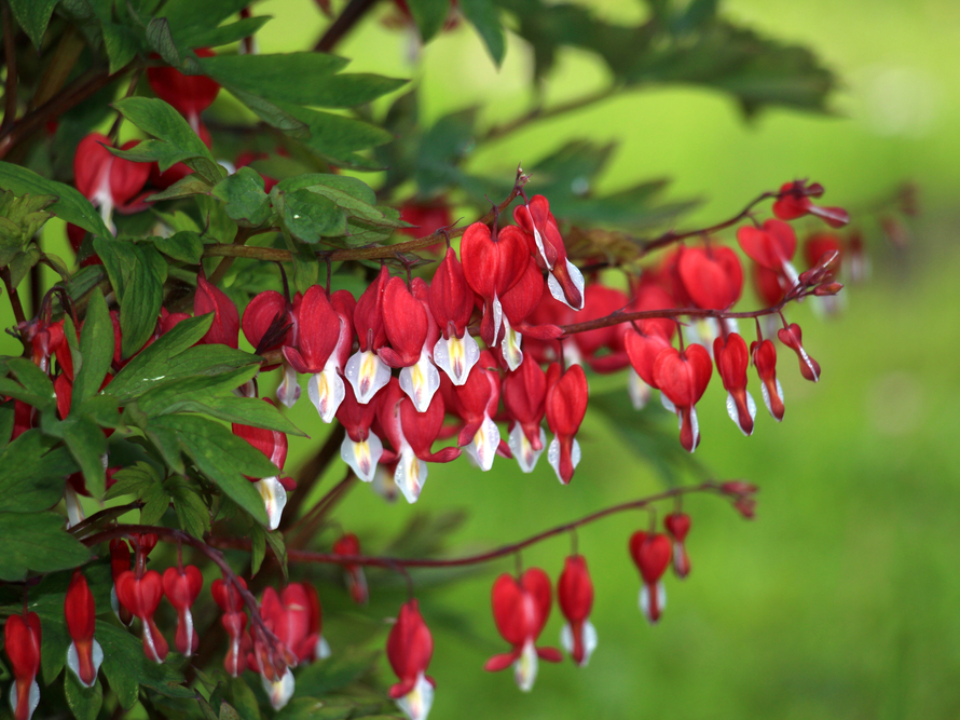
Bleeding Heart is a beautiful perennial known for its delicate, heart-shaped pink flowers that dangle like drops of liquid. This plant thrives in the dappled light found under trees, as it prefers cooler, shaded environments. It produces striking pink or white blooms in spring, which add a graceful touch to any shaded garden.
Bleeding Heart’s fern-like foliage complements its flowers, creating a soft, airy appearance that works well with other woodland plants. The plant grows well in well-drained, moist soil and can reach up to 3 feet in height. It is a perfect choice for adding visual interest to shaded areas beneath trees. After blooming, the foliage fades back, making room for other plants to take center stage.
Trillium (Trillium spp.)
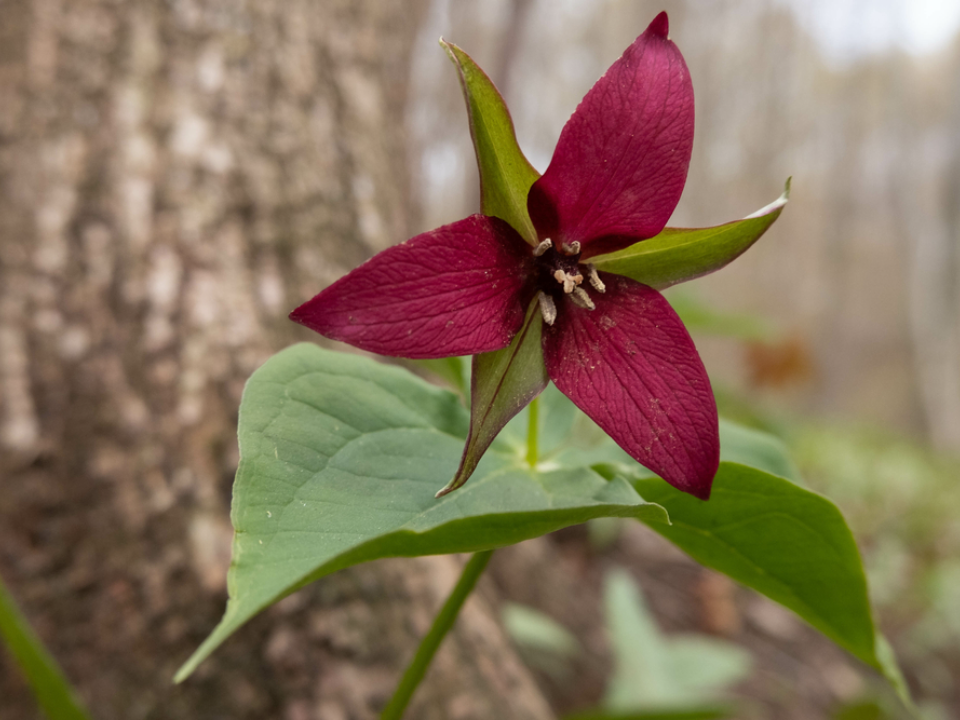
Trillium is a woodland plant that offers striking three-petaled flowers in a variety of colors, including white, pink, and red. These plants bloom early in the spring, making them a wonderful option for adding early-season color under trees. Trillium prefers rich, well-drained soil in shaded or partially shaded areas, making it ideal for planting beneath deciduous trees.
The plants grow in clumps, and their large, oval leaves provide an attractive backdrop to the flowers. They thrive in slightly acidic soil and can spread slowly over time, creating a natural, forest-like feel. Trillium is a great choice for gardeners looking for an elegant, low-maintenance plant that is well-suited to shaded environments.
Solomon’s Seal (Polygonatum spp.)
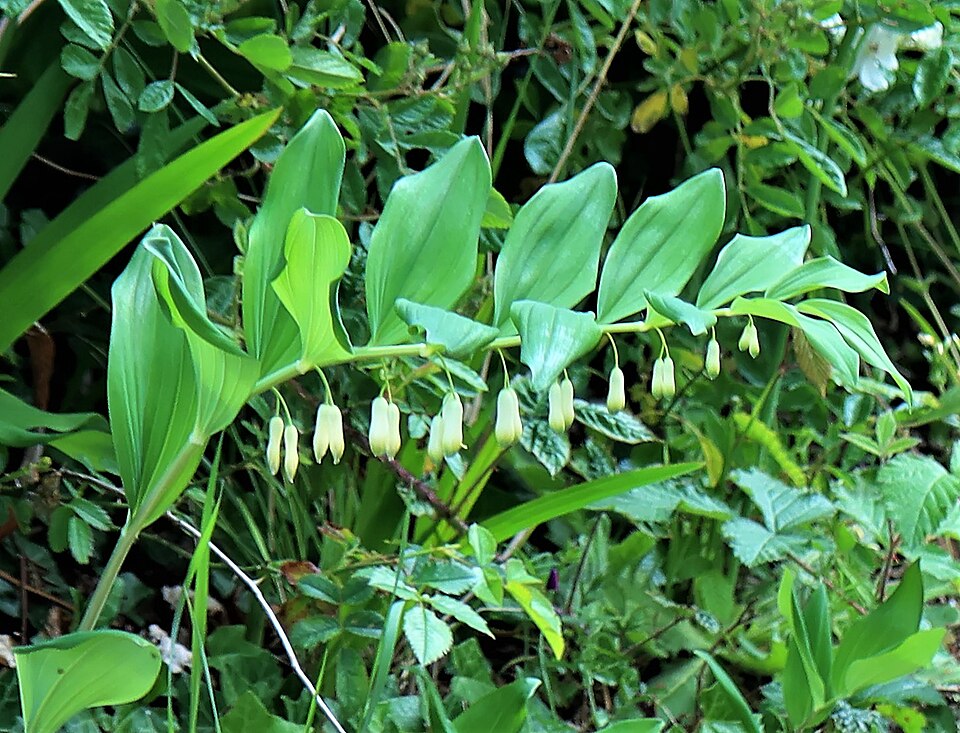
Solomon’s Seal is a graceful, arching plant with delicate, drooping white flowers that appear in late spring. Its attractive, lance-shaped leaves provide a lush, green backdrop for the flowers. This perennial thrives in the shade and is ideal for planting under trees where the soil stays consistently moist but well-drained.
Solomon’s Seal grows well in rich, organic soil and can reach heights of 18 to 30 inches. The plant is known for its resilience, and once established, it can survive in dry conditions. After flowering, the plant produces dark blue berries that add an extra touch of interest. This versatile plant is an excellent choice for adding texture and beauty to shaded garden areas.
Hosta (Hosta spp.)
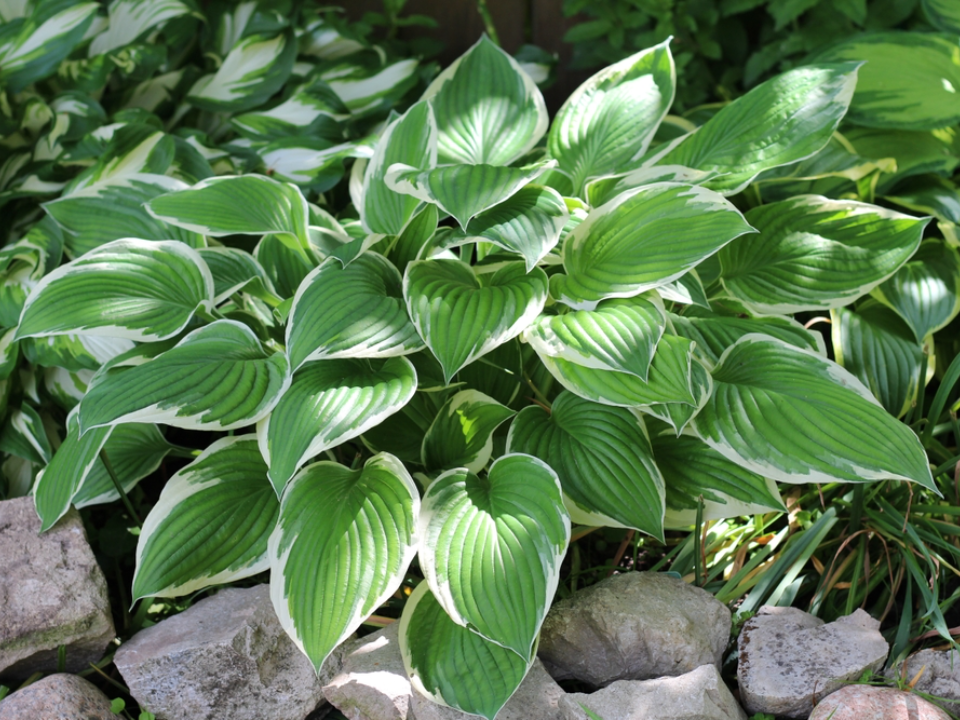
Hostas are popular shade-loving plants known for their large, ornamental leaves and subtle, lavender or white flowers. These plants thrive in the cool, shaded environment found under trees and come in a variety of sizes, colors, and textures. Hostas are well-suited for moist, well-drained soil and can grow in both partial and full shade.
Their foliage can range from green to blue or even gold, providing ample variety for different garden settings. Hostas work well as ground cover under trees, creating a soft, textured carpet of leaves that contrasts beautifully with other plants. They also attract hummingbirds and bees, making them an ideal choice for pollinator-friendly gardens.
Wild Ginger (Asarum canadense)
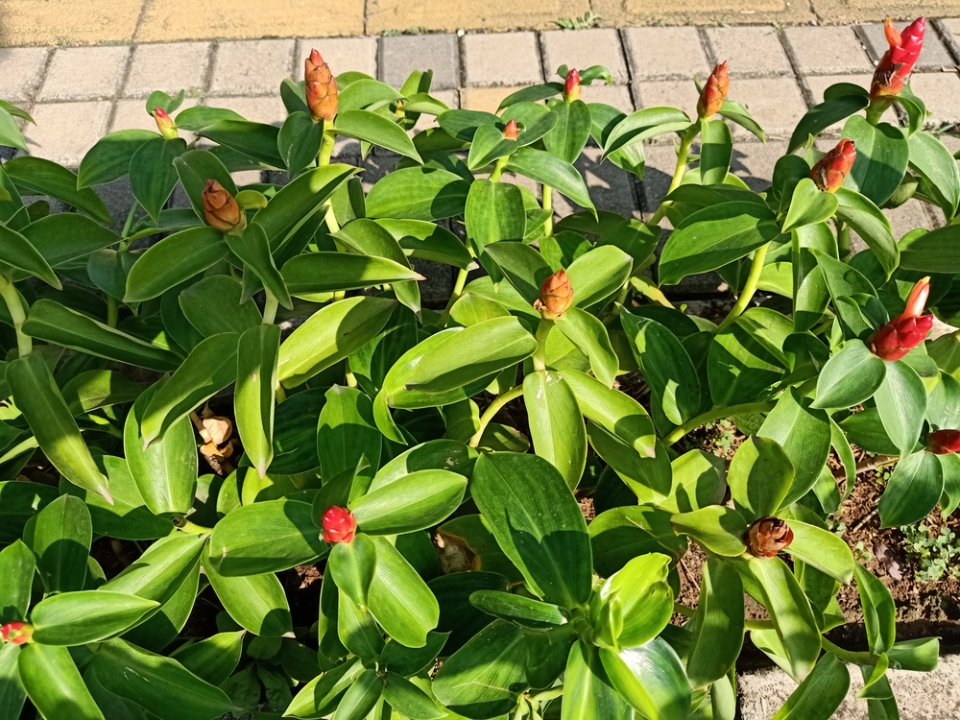
Wild Ginger is a native ground cover plant that thrives in the shade and is well-suited to planting under trees. The plant has heart-shaped, glossy leaves that form a dense mat, making it an excellent option for suppressing weeds. In spring, it produces small, dark red to brown flowers that are often hidden beneath the foliage.
Wild Ginger prefers moist, well-drained soil and grows best in areas with dappled shade. It is a slow-growing plant that forms a low, spreading carpet of foliage, adding texture and depth to shaded garden spaces. Its subtle flowers are a unique feature, and its leaves provide year-round interest.
Lungwort (Pulmonaria spp.)
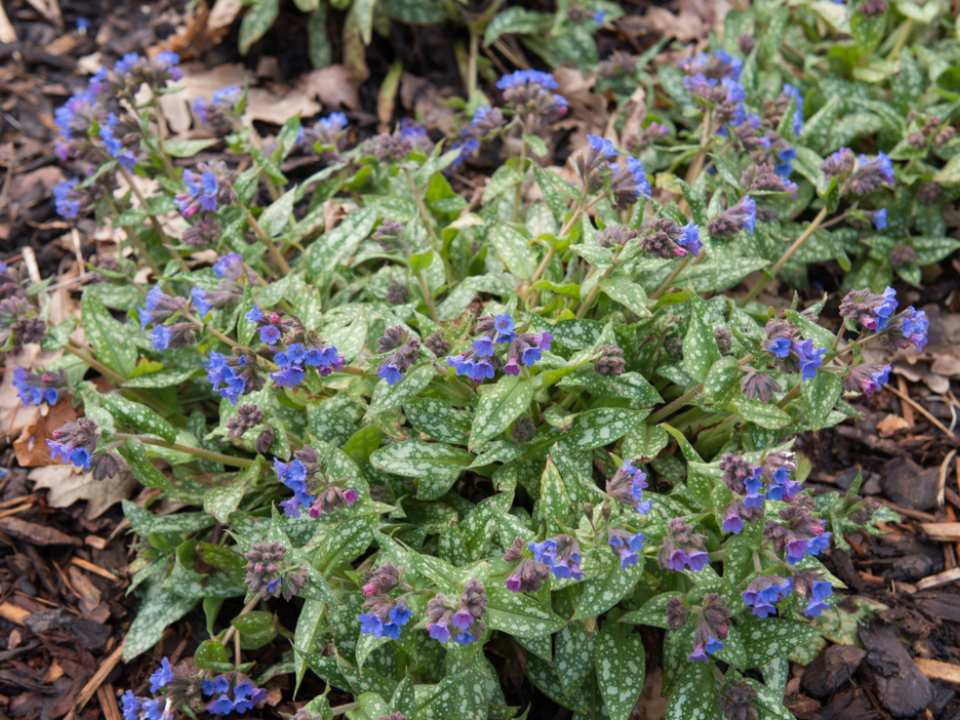
Lungwort is a shade-loving perennial that features striking foliage and bright, colorful flowers. It blooms early in the spring with clusters of pink, blue, or purple flowers that stand out against its silver-speckled leaves. Lungwort grows well in moist, well-drained soil and thrives in the shaded areas beneath trees where it can benefit from the cool, filtered light.
The plant can spread gradually, forming a dense mat of attractive foliage that works well as a ground cover. Lungwort is also valued for its ability to attract pollinators like bees, making it a great choice for gardens focused on supporting local wildlife. The unique texture of its leaves adds an interesting element to the landscape, even after the flowers fade.
Sweet Woodruff (Galium odoratum)
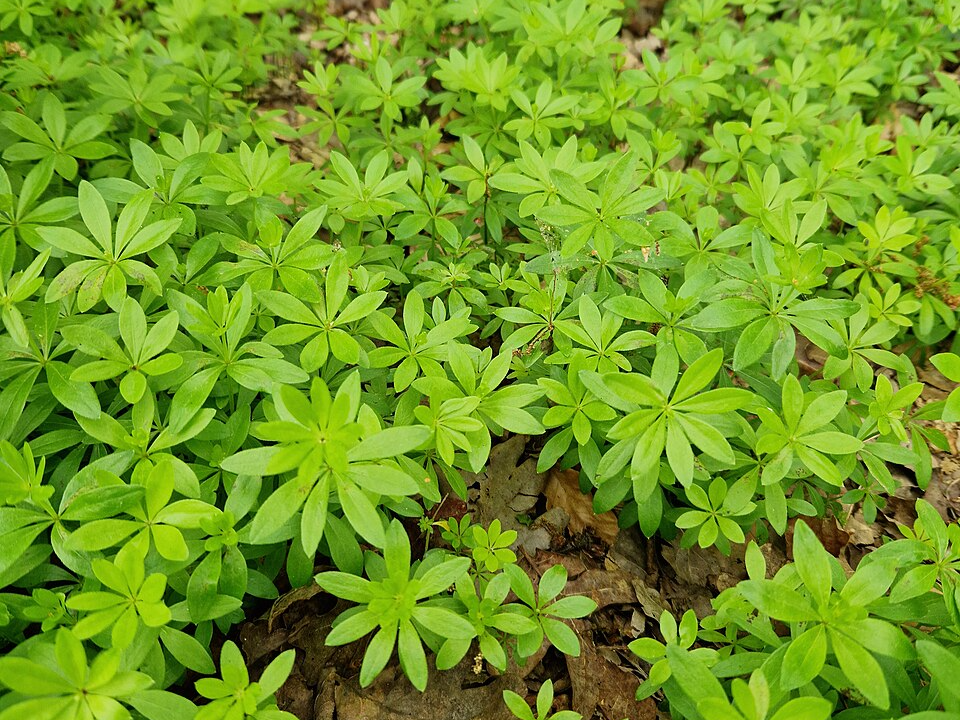
Sweet Woodruff is a charming, low-growing perennial with fragrant white flowers that bloom in spring. This plant thrives in shady areas, making it a perfect choice for growing under trees. It prefers moist, well-drained soil and can handle a variety of soil types, though it tends to do best in slightly acidic soil.
Sweet Woodruff forms dense mats of dark green leaves, which can spread quickly to cover the ground. Its flowers have a sweet, pleasant fragrance, and the plant is often used as a ground cover or in woodland gardens. After blooming, it produces small red berries, which are an added visual interest. This hardy plant is a great addition to any shaded garden.
Virginia Bluebells (Mertensia virginica)
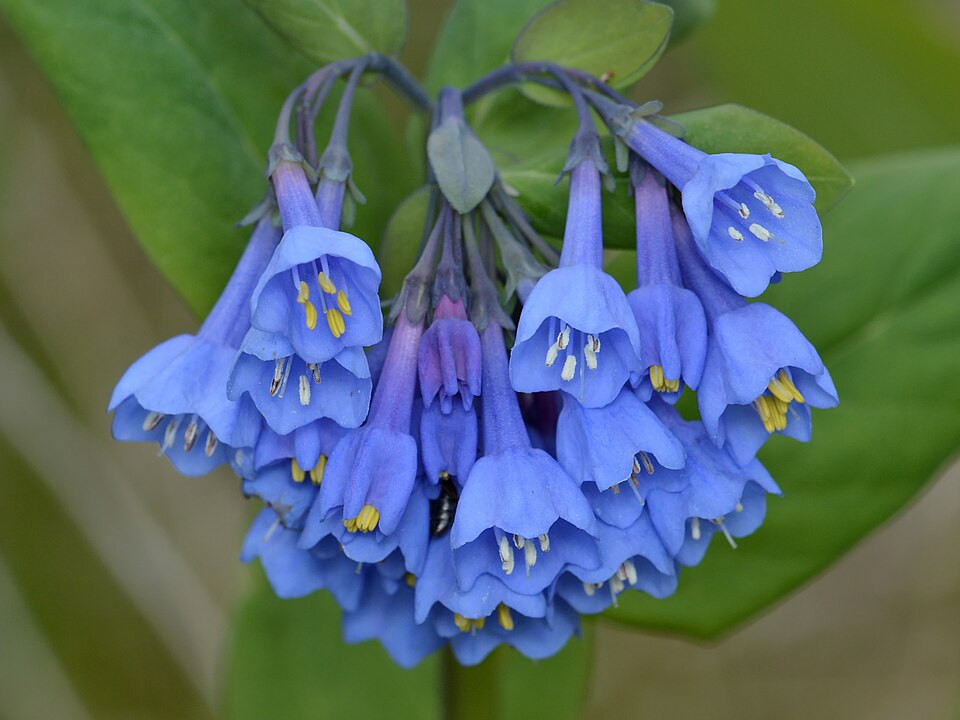
Virginia Bluebells are native wildflowers that produce clusters of bell-shaped blue flowers in early spring. These plants thrive in shaded areas and are an excellent choice for planting under trees where they can benefit from the cool shade and moist, well-drained soil. The flowers emerge in a soft pink color before turning to a bright blue, creating a stunning display.
Virginia Bluebells are short-lived perennials, but they self-seed, which allows them to return year after year. After blooming, the plants gradually die back, making room for other plants to take center stage. Their vibrant color and gentle charm make them a perfect addition to any spring garden.
Columbine (Aquilegia spp.)
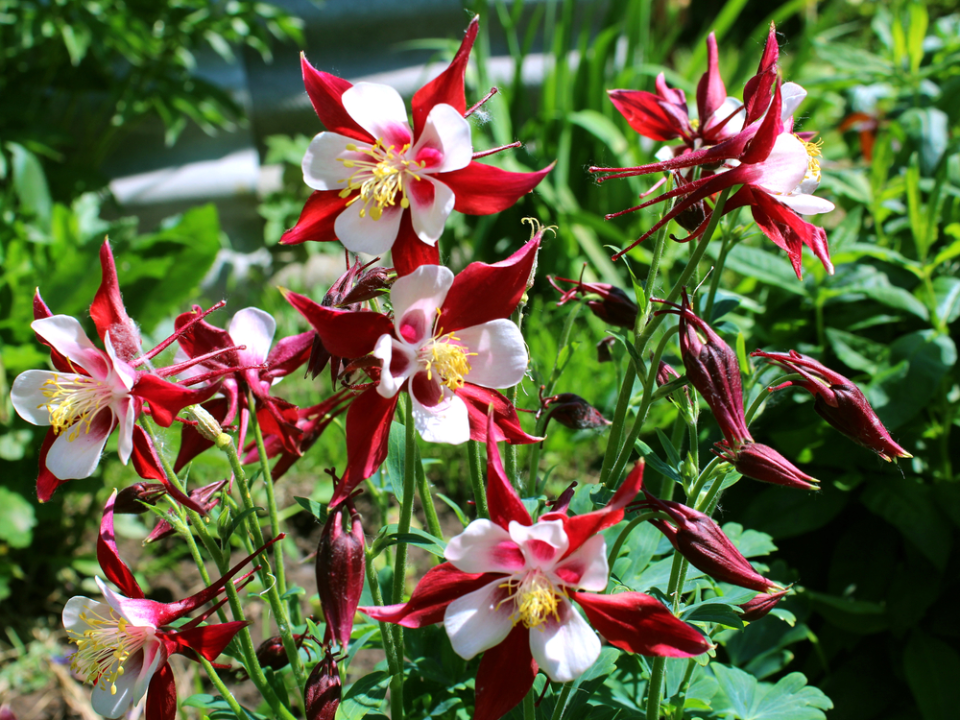
Columbine is a perennial that produces delicate, unique flowers in a variety of colors, including red, yellow, blue, and purple. These flowers are known for their long, spurred petals, which attract pollinators like hummingbirds and bees. Columbine grows well in partially shaded areas, making it a great choice for planting under trees.
The plants thrive in moist, well-drained soil and can reach heights of 1 to 3 feet. Columbine’s bright, attractive flowers bloom in early spring and provide a burst of color in shaded garden spaces. The plant’s foliage is also attractive, with deeply lobed leaves that add texture to the landscape. It is an ideal plant for creating a natural, woodland-style garden under trees.
Astilbe (Astilbe spp.)
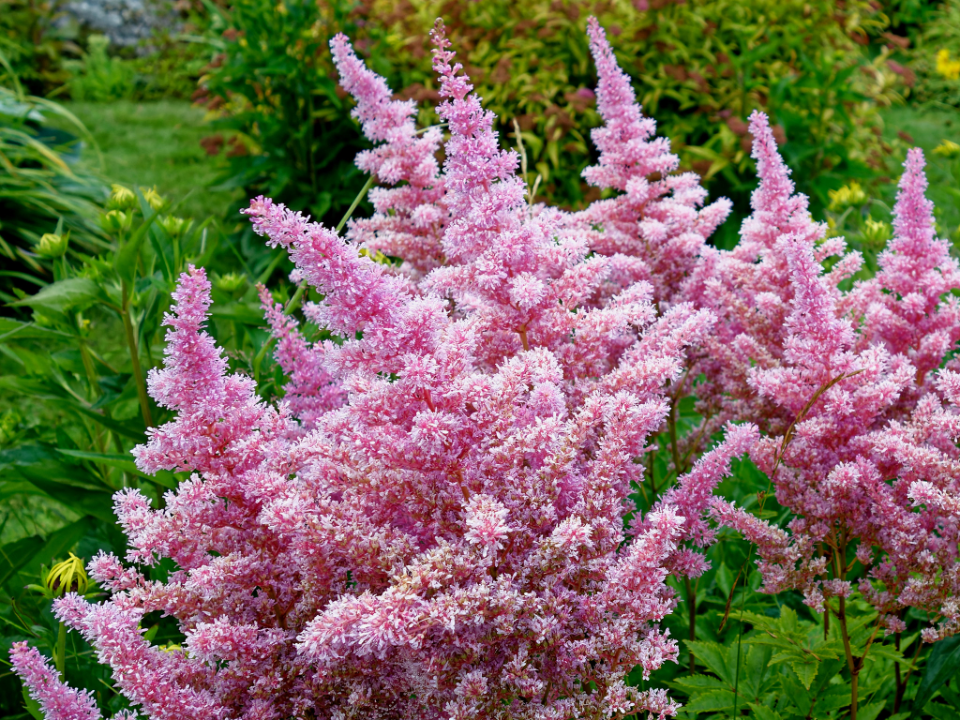
Astilbe is a perennial that thrives in shady, moist areas and produces tall, feathery flower plumes in shades of pink, red, white, and purple. These plants grow well in rich, well-drained soil and are perfect for planting under trees where they can enjoy the filtered light. Astilbe plants can reach heights of 1 to 4 feet, depending on the variety, and their flowers provide a stunning contrast against their fern-like foliage.
They bloom in late spring to early summer, offering a burst of color when many other plants are just beginning to awaken. Astilbe is also known for its ability to attract butterflies and bees, making it an excellent choice for pollinator-friendly gardens. Its dramatic flower spikes and lush green foliage make it an attractive addition to shaded garden spaces.
Japanese Anemone (Anemone hupehensis)
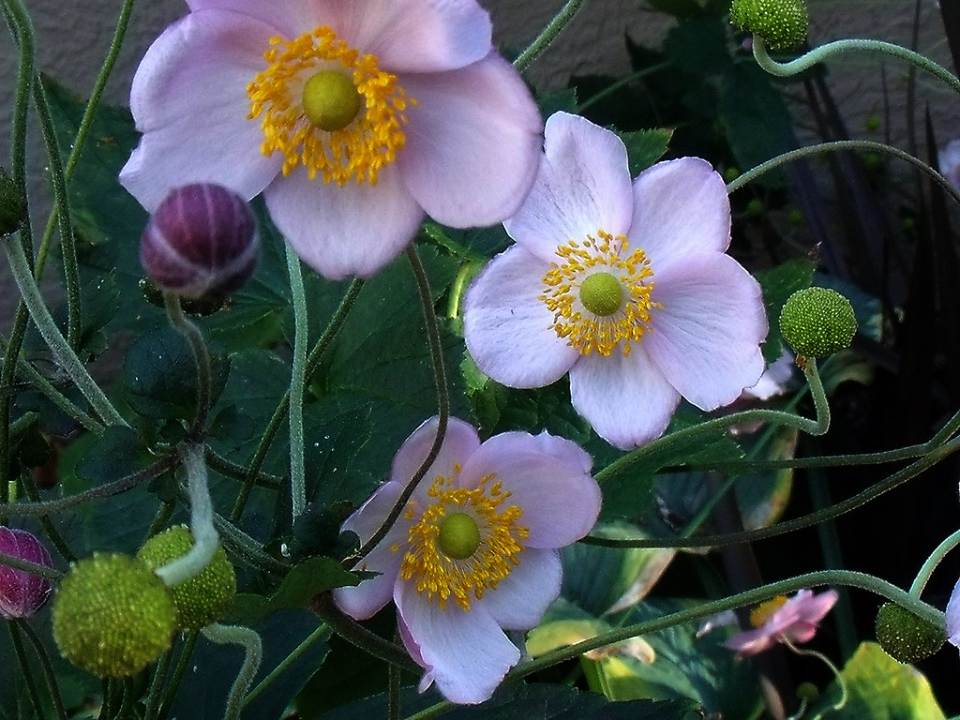
Japanese Anemone is a graceful perennial that blooms in late summer and fall, producing large, showy flowers in shades of white and pink. These plants thrive in partial to full shade, making them perfect for planting under trees where the ground is consistently cool and moist. The flowers stand out against the dark green foliage, creating a lovely contrast.
Japanese Anemones can reach heights of 2 to 4 feet, and their blooms last for weeks, adding long-lasting color to shaded areas. They grow well in well-drained soil and prefer a slightly acidic environment. After blooming, the plant’s foliage remains attractive throughout the season, offering structure and texture to your garden.
Foxglove (Digitalis purpurea)
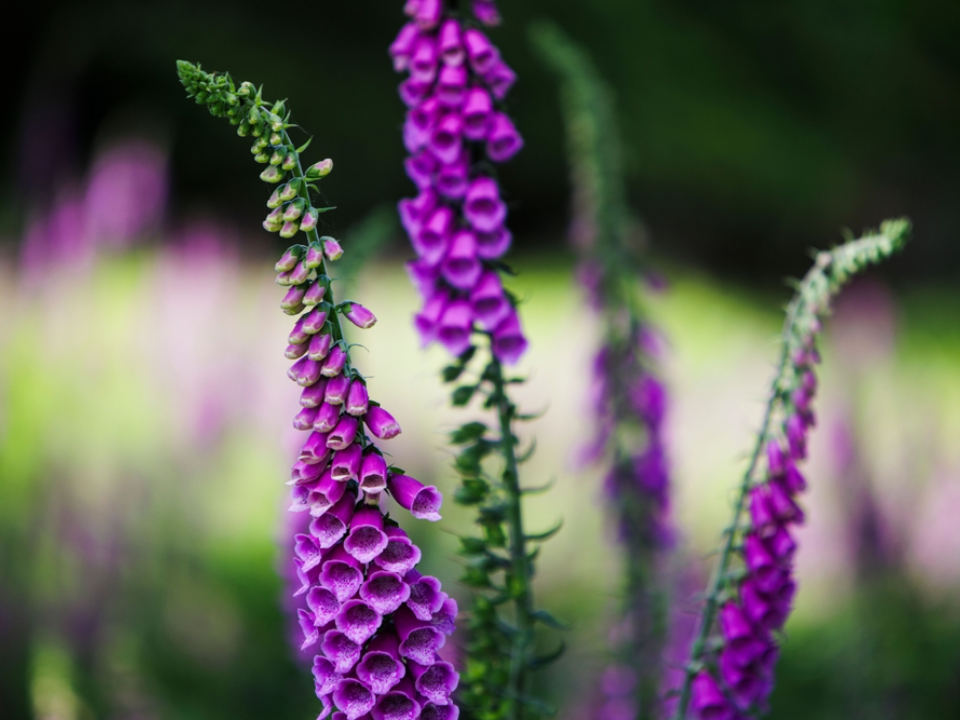
Foxglove is a tall, striking plant with spire-like flower clusters that come in shades of purple, pink, and white. These plants are ideal for partial shade, making them great for planting under trees where they can benefit from dappled light. Foxglove blooms in early summer and attracts pollinators like bees and hummingbirds with its tubular flowers.
It thrives in well-drained soil and prefers moist conditions, making it perfect for shaded garden spaces. The plant can reach heights of 3 to 5 feet, and its tall flower spikes create an eye-catching focal point. Foxglove is also a favorite for adding vertical interest to the garden, as its flowers tower above the surrounding plants.
Jack-in-the-Pulpit (Arisaema triphyllum)
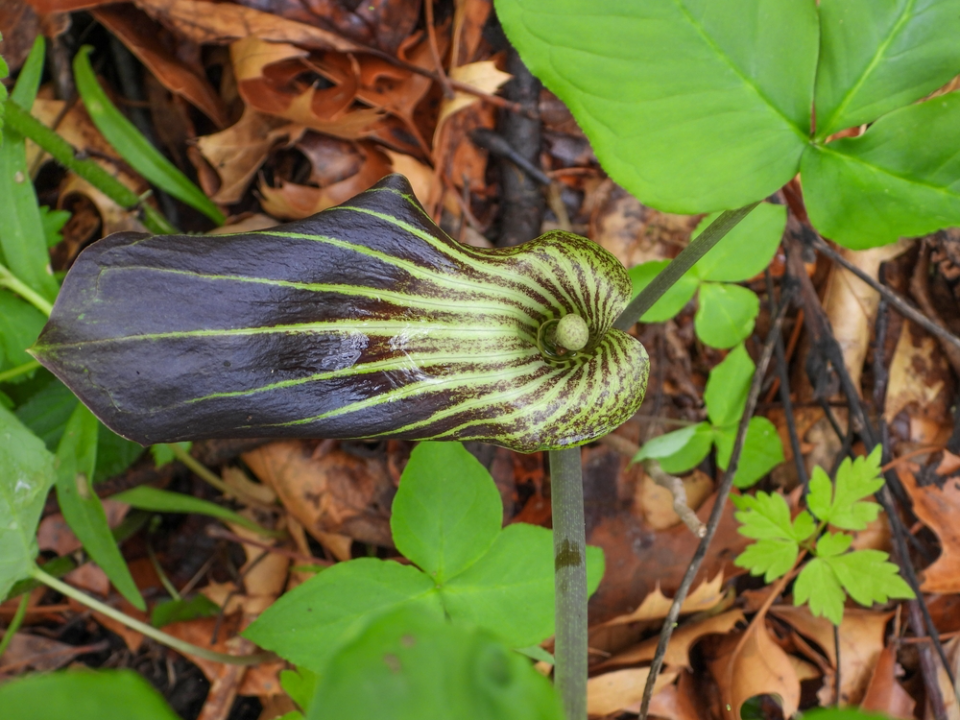
Jack-in-the-Pulpit is a unique woodland plant that produces unusual, hooded flowers resembling a “pulpit” with a spire-like structure inside. It thrives in moist, shaded areas and is ideal for planting under trees. The plant features large, broad leaves that provide attractive ground cover, while its distinctive flowers bloom in the spring.
Jack-in-the-Pulpit prefers rich, organic soil and grows well in areas with dappled sunlight. This plant is native to North America and brings a touch of the forest floor to shaded gardens. It’s perfect for adding an element of mystery and wonder, as its unique flowers often surprise visitors.
Pulmonaria (Pulmonaria spp.)
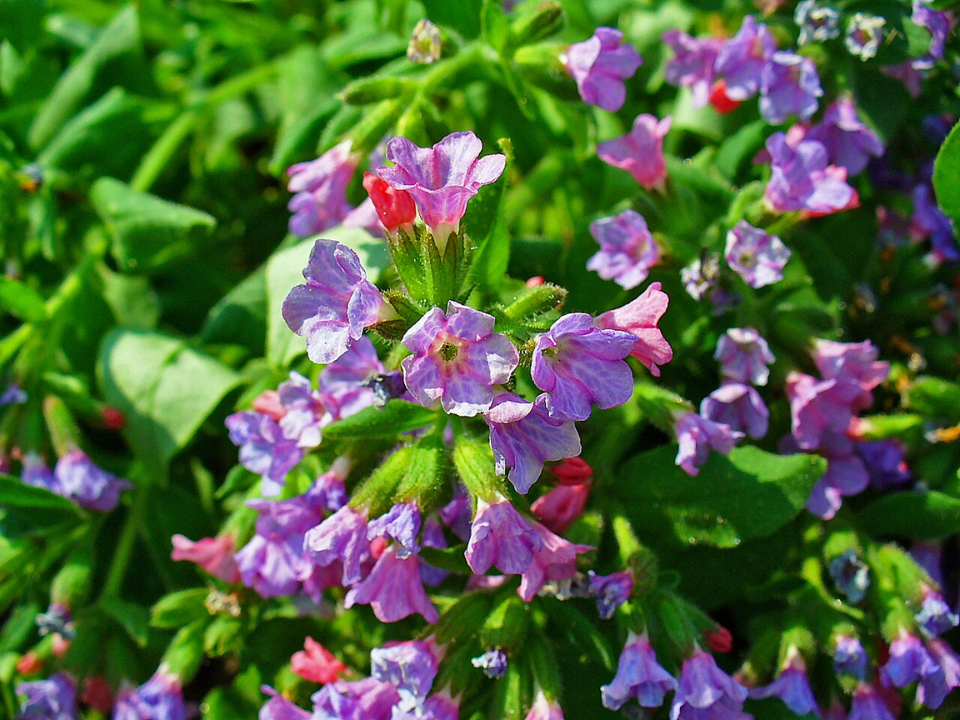
Pulmonaria, or Lungwort, is a spring-blooming perennial with attractive, spotted leaves and bright clusters of blue, pink, or purple flowers. This plant thrives in the cool, shaded environments under trees, where it can benefit from moist, well-drained soil. Pulmonaria grows in dense clumps and provides early-season color before many other plants begin to bloom.
The flowers are a favorite among pollinators, attracting bees and butterflies to the garden. Its leaves, which are often silver-speckled, remain attractive even after the flowers fade. Pulmonaria is a great choice for adding texture and color to shaded areas while providing much-needed support for local wildlife.
Epimedium (Epimedium spp.)

Epimedium, or Barrenwort, is a charming ground cover plant that thrives in deep shade, making it an excellent choice for planting under trees. This plant produces delicate, nodding flowers in shades of yellow, purple, or white in early spring. Epimedium grows well in moist, well-drained soil and is perfect for areas where other plants might struggle.
Its heart-shaped leaves form a dense mat that provides excellent ground cover, helping to suppress weeds. The flowers, though small, are quite striking and add a touch of whimsy to the garden. Epimedium is a low-maintenance plant that can easily spread over time, providing long-lasting beauty in shaded garden spots.
Winter Jasmine (Jasminum nudiflorum)
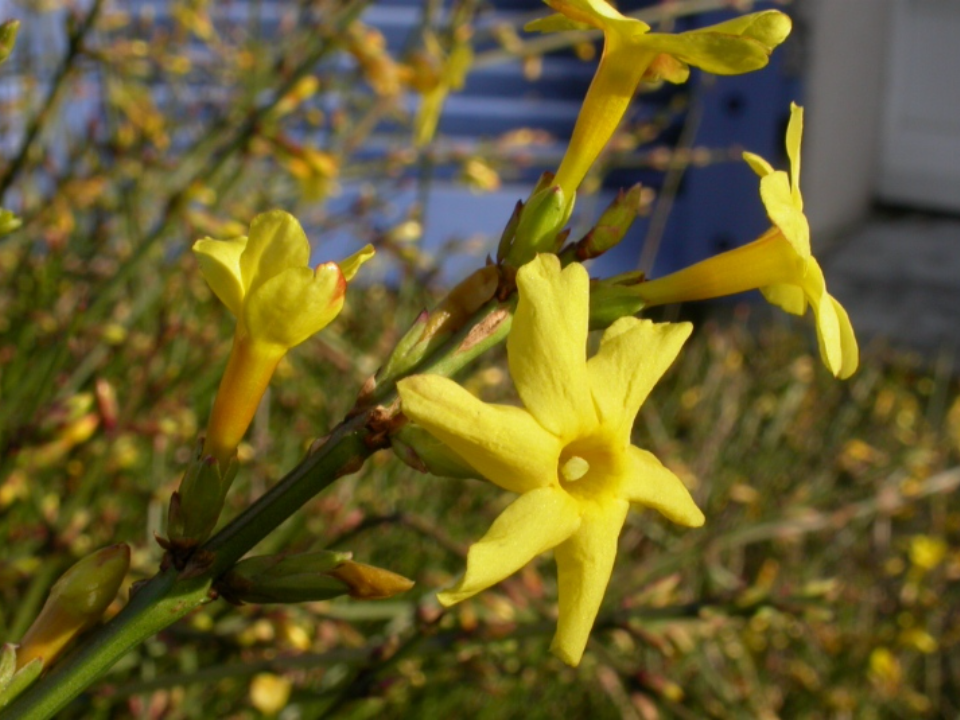
Winter Jasmine is a unique, deciduous shrub that blooms in late winter to early spring. Its bright yellow flowers are a welcome burst of color when most other plants are still dormant. This plant thrives in partial shade and is perfect for planting under trees, where it can benefit from the cool, filtered light.
Winter Jasmine is known for its ability to thrive in a variety of soil conditions, though it prefers well-drained, slightly acidic soil. The plant can grow as a sprawling ground cover or be trained to climb a trellis. Its cheerful yellow flowers are especially striking against its green stems, making it a standout in any shaded garden.
Vinca Minor (Common Periwinkle)
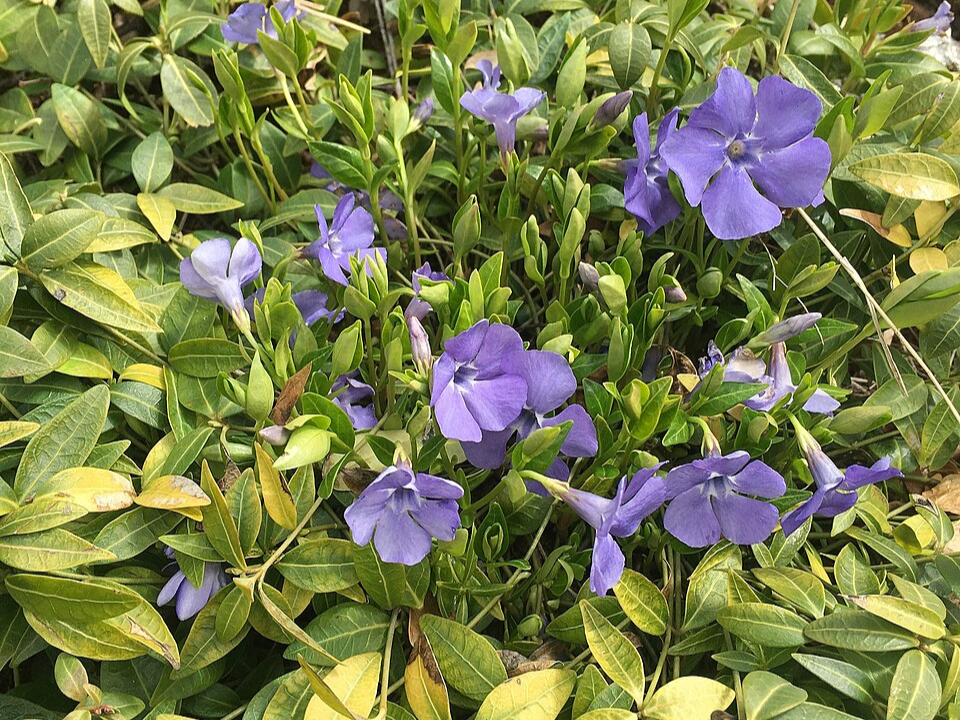
Vinca Minor, or Common Periwinkle, is a fast-growing ground cover plant that thrives in shaded areas under trees. It produces small, funnel-shaped blue or purple flowers in early spring, creating a carpet of color beneath the canopy. Vinca Minor is perfect for planting in moist, well-drained soil and can easily spread to fill large areas.
Its glossy green leaves provide year-round interest, even after the flowers have faded. The plant is a great choice for areas where you want to suppress weeds and create a dense, evergreen ground cover. Vinca Minor also works well as an erosion control plant, helping to stabilize soil in shady garden spaces.
This article originally appeared on Avocadu.