
17 Spring Plants That Pollinators Find First
As the days grow longer and warmer, spring brings with it a burst of new life in the garden. Pollinators, like bees and butterflies, are among the first to take notice of these early blooms, seeking out the flowers that offer them much-needed nectar. Some plants are particularly good at catching their attention, providing a vital food source when they need it most. These plants are not just pretty; they play an important role in supporting local ecosystems by helping to nourish pollinators that are essential for the health of our gardens and wild spaces. Whether you are looking to enhance your garden or simply help the environment, planting these early spring flowers is a great way to do both.
This post may contain affiliate links, which helps keep this content free. Please read our disclosure for more info.
Crocus
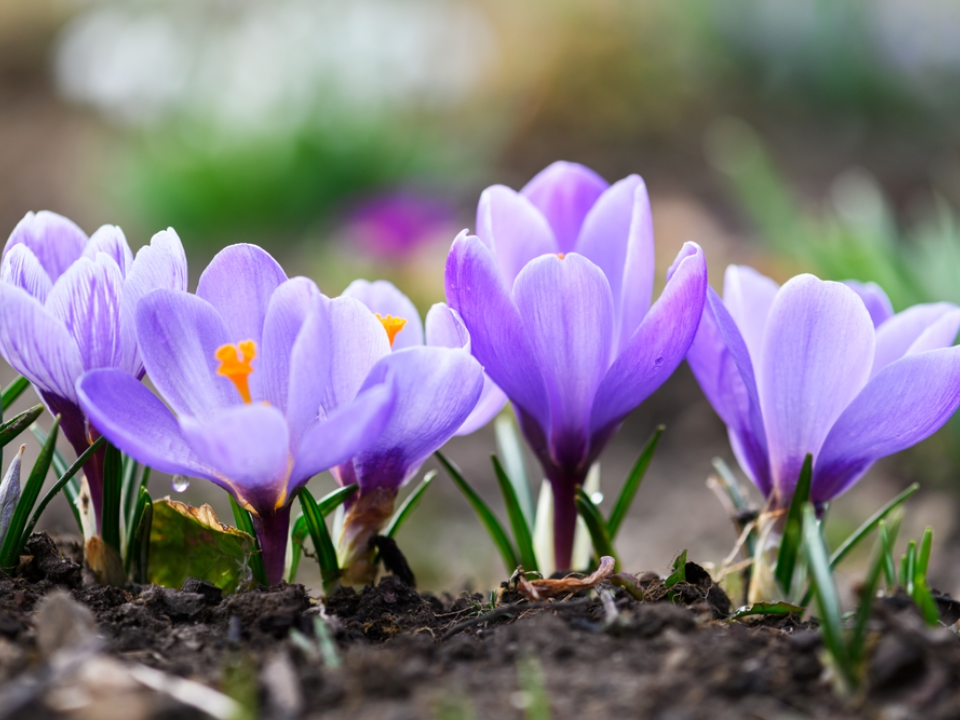
Crocus is often one of the first flowers to appear in early spring, making it a favorite for pollinators like bees. This low-growing plant has vibrant purple, yellow, or white flowers that are easy to spot after a long winter. As early bloomers, they provide a much-needed source of nectar when food is scarce for pollinators. Crocus flowers open up in the sunlight and attract bees and other insects looking for their first meal of the season.
They thrive in well-drained soil and need plenty of sunlight to bloom successfully. The beauty of crocus lies in its simplicity and early bloom time, helping pollinators kick off the season with a good start. If you are looking to add some color to your garden while supporting local pollinators, crocus is an excellent choice.
Snowdrop
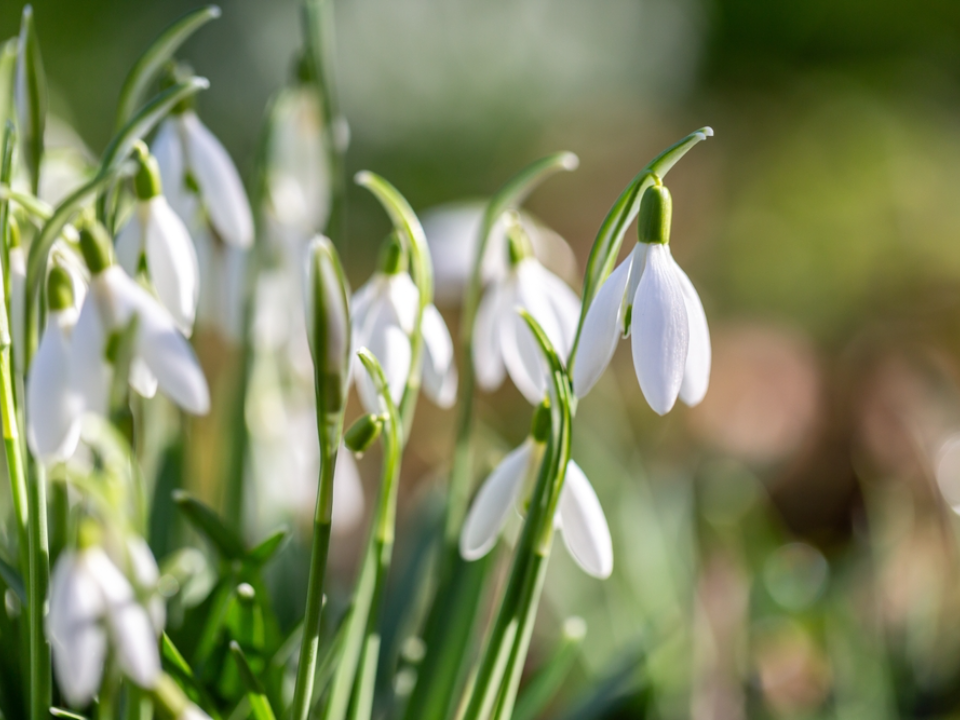
Snowdrops are another early spring bloomer that is perfect for attracting pollinators after the winter months. These delicate white flowers typically emerge while snow is still on the ground, signaling the arrival of spring. Their shape and scent make them irresistible to bees, especially when other flowers are still dormant. Snowdrops thrive in moist, well-drained soil and can grow in partial shade, making them versatile for various garden locations.
The flowers bloom in clusters, creating a beautiful carpet of white in the garden. Bees and other insects flock to them as soon as the weather warms up, finding the early nectar they need to get going for the season. Snowdrops are easy to grow and require minimal care, making them a great choice for any garden looking to support pollinators.
Hellebore

Hellebores are unique spring flowers that bloom in late winter to early spring, making them an early source of nectar for bees and other pollinators. Their beautiful cup-shaped flowers come in a range of colors, including purple, pink, and white. Unlike many other spring flowers, hellebores bloom in the shade, making them an excellent choice for gardens with less sunlight.
As the flowers open, they provide pollinators with an early source of food, which helps them build up their strength after the cold winter months. The sturdy leaves of hellebores remain green throughout the winter, making them an attractive addition to the garden even when not in bloom. Hellebores are low-maintenance plants that thrive in well-drained, slightly acidic soil, and they are perfect for woodland gardens or shaded areas.
Pussy Willow
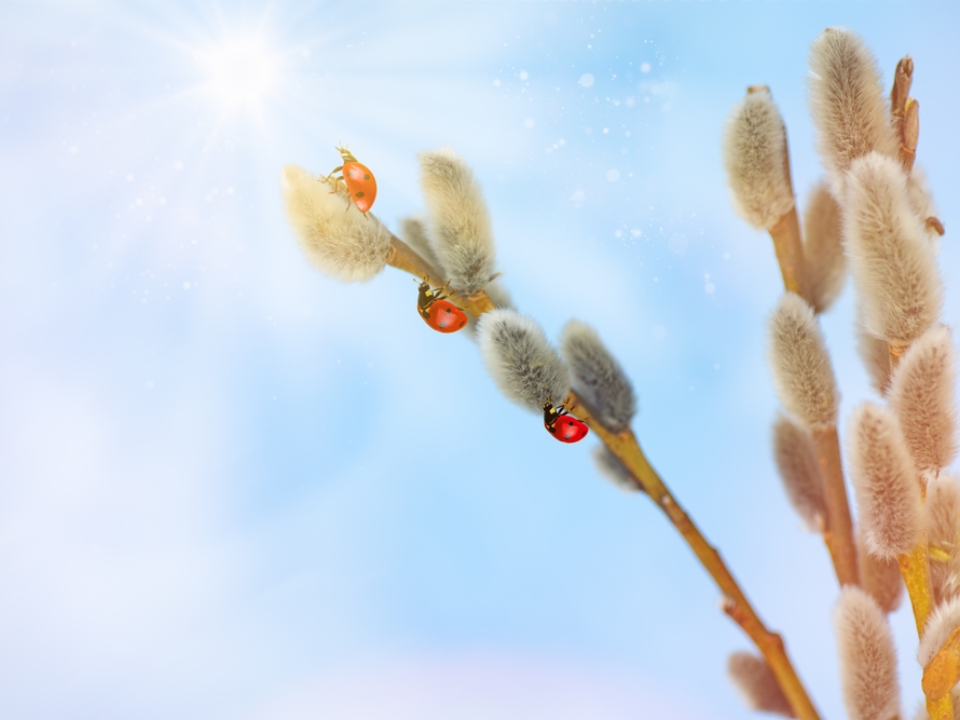
Pussy willows are a beloved sign of spring and one of the first plants to catch the attention of pollinators. Known for their soft, fuzzy catkins, pussy willows bloom in early spring and provide much-needed nectar for early arriving bees. The catkins open up in a soft, fuzzy form that attracts pollinators from miles around. These shrubs are easy to grow and can tolerate a wide range of soil types, although they prefer moist conditions.
Pussy willows are known to thrive in wetlands, making them an excellent addition to garden ponds or damp areas. Their early bloom time and abundant flowers help support local bee populations, ensuring they have food as soon as the weather turns warmer. With their beautiful, silvery blooms, pussy willows are a welcome addition to any spring garden.
Primrose
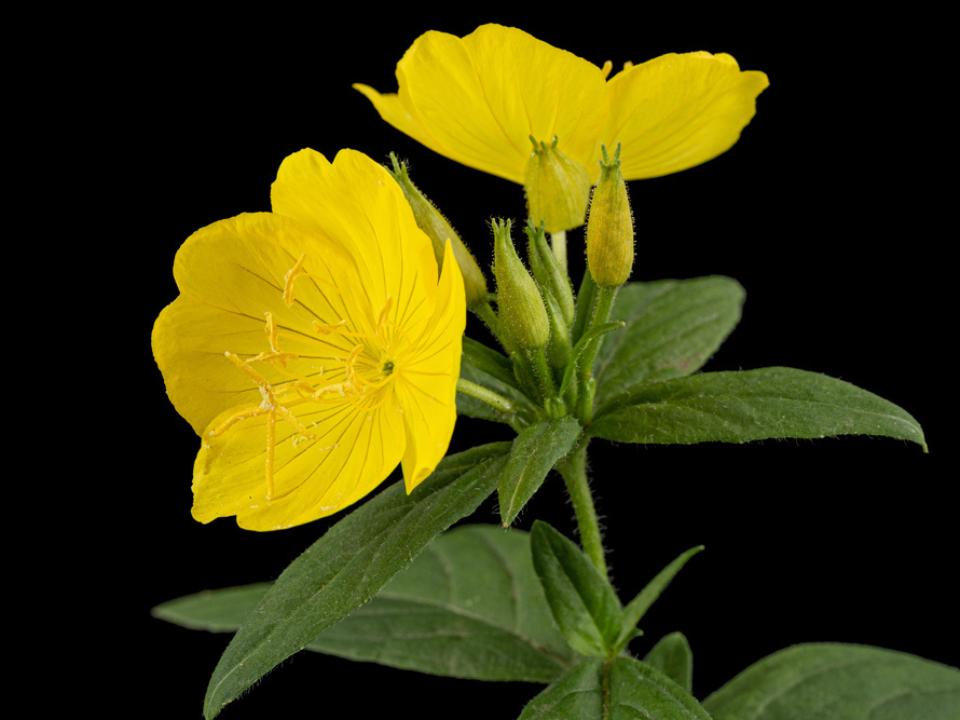
Primroses are another spring flower that offers an early food source for pollinators. These cheerful flowers come in various colors, including yellow, pink, and purple, and often bloom in the early days of spring. Their brightly colored blooms are easy for bees and other insects to spot, especially when many other plants are still dormant.
Primroses thrive in moist, well-drained soil and can grow in both sunny and partially shaded areas. Their early blooming time makes them a vital resource for bees, who are often in search of food after the long winter. Whether planted in the garden or in containers, primroses are an easy way to add color and support pollinators in your outdoor space. Their long-lasting blooms provide pollinators with a steady source of nectar throughout the season.
Winter Aconite
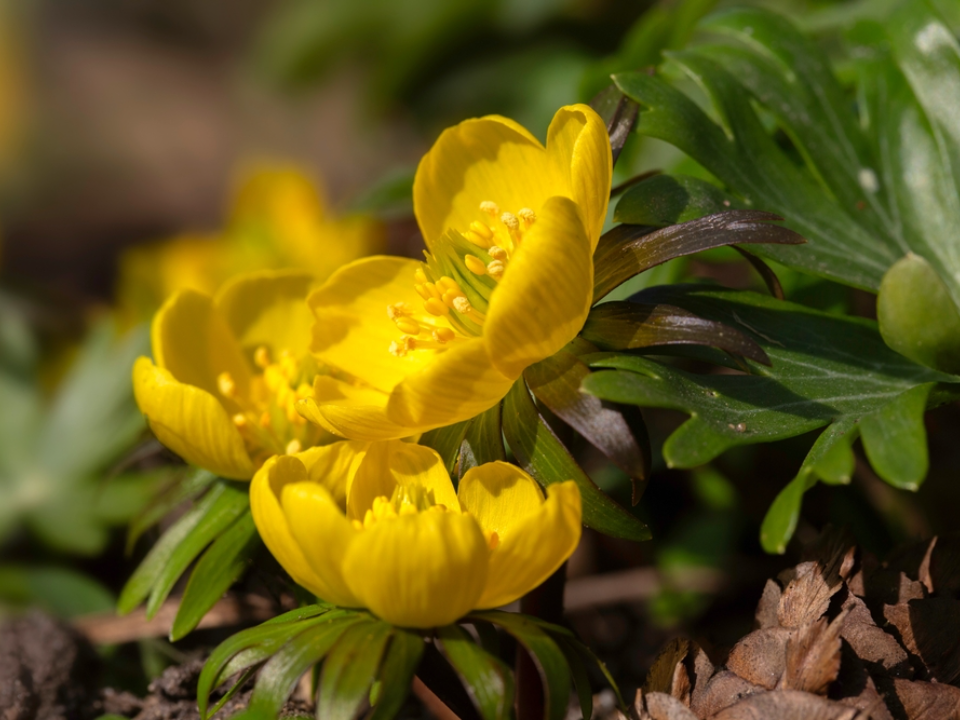
Winter aconite is one of the earliest spring bloomers, often appearing in February or March, providing a vital food source for pollinators. The bright yellow flowers emerge from the ground even when there is still snow, giving bees and other insects an early source of nectar. Winter aconite thrives in well-drained soil and can tolerate partial shade, making it a great choice for woodland gardens or shady areas.
These flowers are low-growing and spread quickly, forming small clusters that brighten up any garden. Their early blooms help support the local pollinator population, providing a much-needed food source after the long winter months. Winter aconite is easy to grow and requires little care, making it a perfect addition to any spring garden. It is a great choice if you want to help pollinators while adding vibrant color to your landscape.
Hepatica
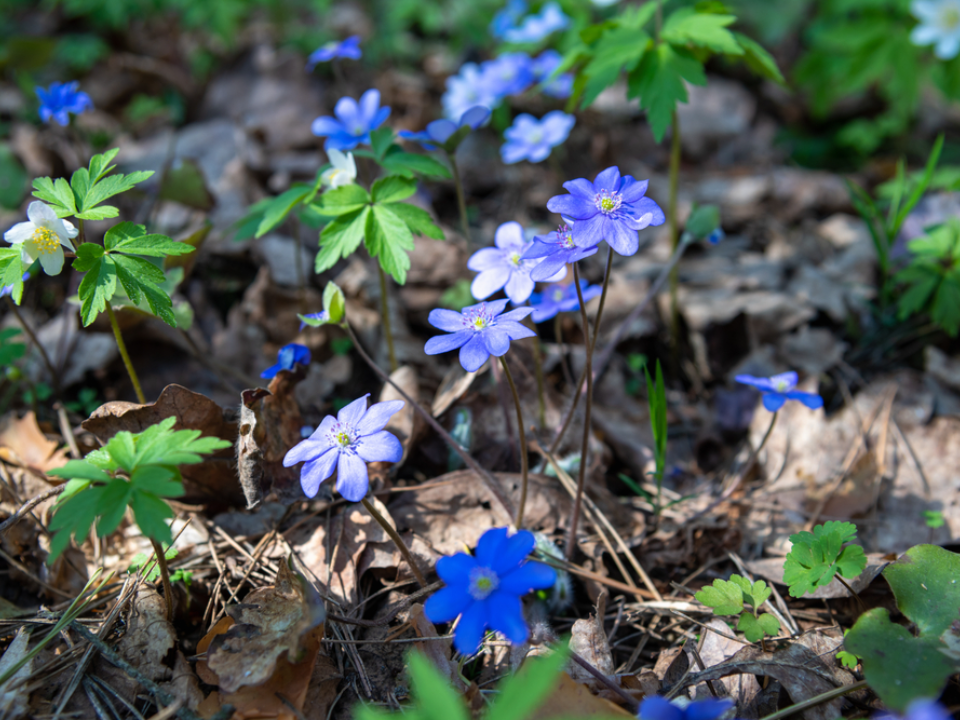
Hepatica is a beautiful early-spring flower that is often found in woodlands and shaded areas. These small, star-shaped flowers come in shades of purple, blue, or white and bloom in early spring when the weather starts to warm up. Hepatica provides an early source of nectar for pollinators like bees, making it an important plant for helping them recover from winter.
These hardy plants thrive in moist, well-drained soil and can grow in both shaded and partially shaded areas. Hepatica is often seen as a woodland treasure because of its delicate flowers and early bloom time. The flowers are small but abundant, creating a stunning display that attracts pollinators from near and far. Hepatica is easy to care for and is an excellent choice for anyone looking to create a pollinator-friendly garden.
Bleeding Heart
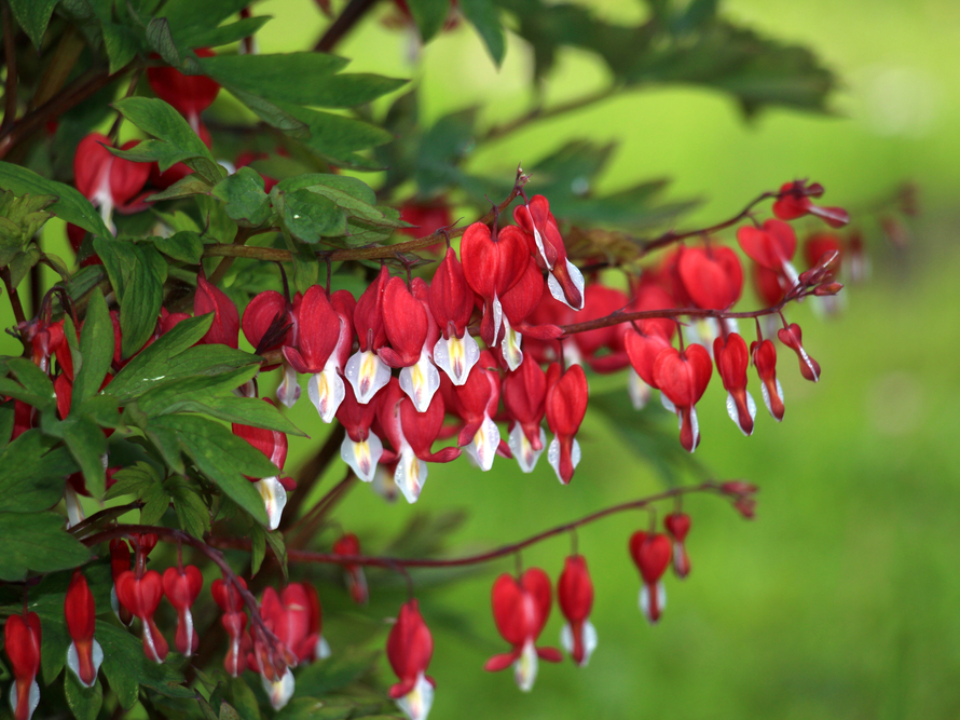
Bleeding hearts are one of the most unique and beautiful flowers that bloom in the spring. Their heart-shaped flowers, which hang from arching stems, come in shades of pink, red, and white, adding a whimsical touch to any garden. These plants are perfect for shaded areas, as they thrive in moist, well-drained soil and partial sunlight.
While their stunning flowers are a visual treat, they also provide an early nectar source for pollinators like bees. The long-lasting blooms of bleeding heart offer bees and other insects a reliable food source, helping to sustain them in the early days of spring. Bleeding hearts are a great way to add charm to your garden while supporting local pollinators. These plants can spread over time, filling in gaps in the garden and adding to its beauty.
Lungwort
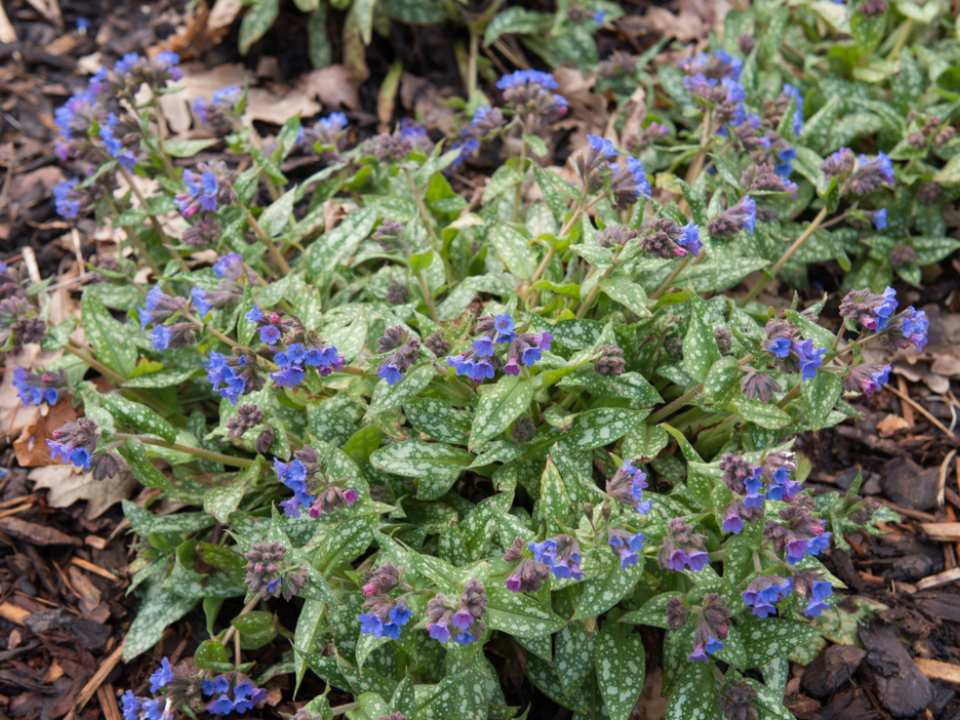
Lungwort is an early-blooming perennial that offers both beauty and practicality in the garden. The plant produces clusters of blue, purple, or pink flowers in early spring, which quickly attract pollinators such as bees and butterflies. Lungwort thrives in moist, well-drained soil and is often found in woodland gardens or shaded areas. The plant’s bold, spotted leaves remain green throughout the year, making it a welcome addition to the garden even when the flowers are not in bloom.
Lungwort’s early blooms provide a much-needed nectar source for bees, especially when few other plants are flowering. It is a hardy plant that requires minimal care and can easily fit into a variety of garden settings. Lungwort is an excellent choice for anyone looking to support pollinators while adding texture and color to the garden.
Magnolia
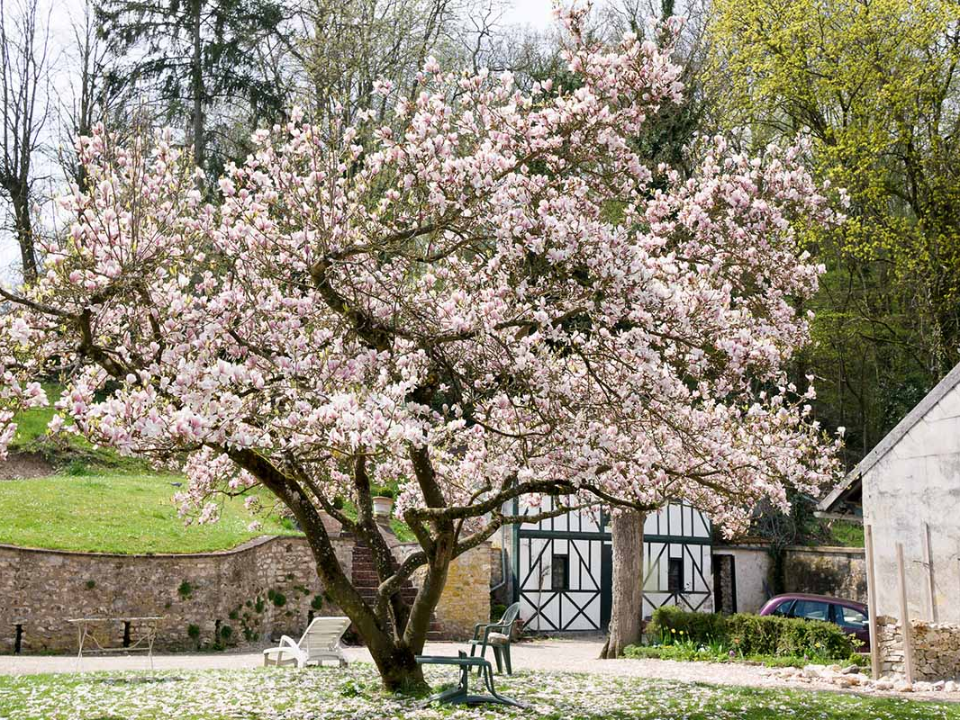
Magnolia trees and shrubs are often some of the first to bloom in spring, providing a significant source of nectar for pollinators. Their large, fragrant flowers come in a variety of colors, from white to pink and purple, making them stand out in the garden. The early blooms attract bees, butterflies, and other insects, helping them fuel up after the long winter months.
Magnolia trees prefer well-drained, slightly acidic soil and can tolerate full sun or partial shade. Their size and structure make them ideal for planting in larger gardens, where their striking appearance and early bloom time can really shine. In addition to supporting pollinators, magnolias offer a stunning display of flowers that brighten up the spring landscape. These trees are low-maintenance once established and can live for many years, making them a valuable addition to your garden.
Forsythia
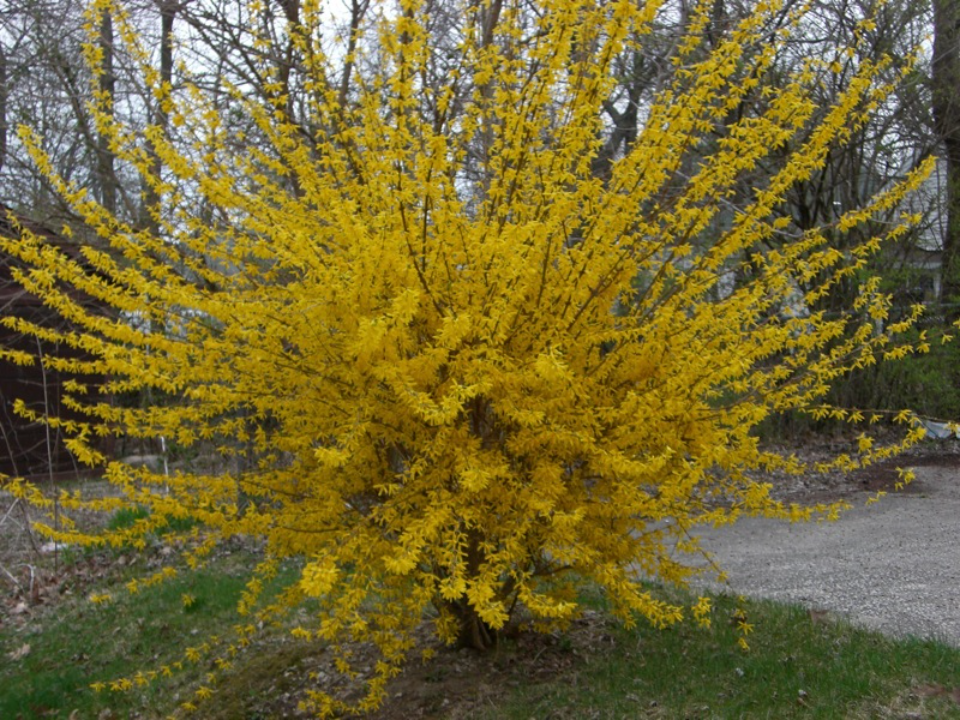
Forsythia is known for its bright yellow flowers that bloom early in the spring, often before the leaves appear. The striking color of the flowers catches the eye and makes for an excellent early food source for pollinators like bees. Forsythia thrives in full sun and well-drained soil, and it can tolerate a range of soil types, making it easy to grow in most gardens.
The plant’s ability to bloom early means that bees can find nectar right when they need it, before many other flowers begin to open. Forsythia is a hardy shrub that grows quickly, spreading rapidly to fill garden spaces. Once in bloom, it creates a stunning display of yellow flowers that lasts for several weeks. Forsythia is perfect for gardeners looking for a low-maintenance, pollinator-friendly plant that adds early color to the garden.
Lungwort
Lungwort is an early-blooming perennial that offers both beauty and practicality in the garden. The plant produces clusters of blue, purple, or pink flowers in early spring, which quickly attract pollinators such as bees and butterflies. Lungwort thrives in moist, well-drained soil and is often found in woodland gardens or shaded areas. The plant’s bold, spotted leaves remain green throughout the year, making it a welcome addition to the garden even when the flowers are not in bloom.
Lungwort’s early blooms provide a much-needed nectar source for bees, especially when few other plants are flowering. It is a hardy plant that requires minimal care and can easily fit into a variety of garden settings. Lungwort is an excellent choice for anyone looking to support pollinators while adding texture and color to the garden.
Sweet Violet
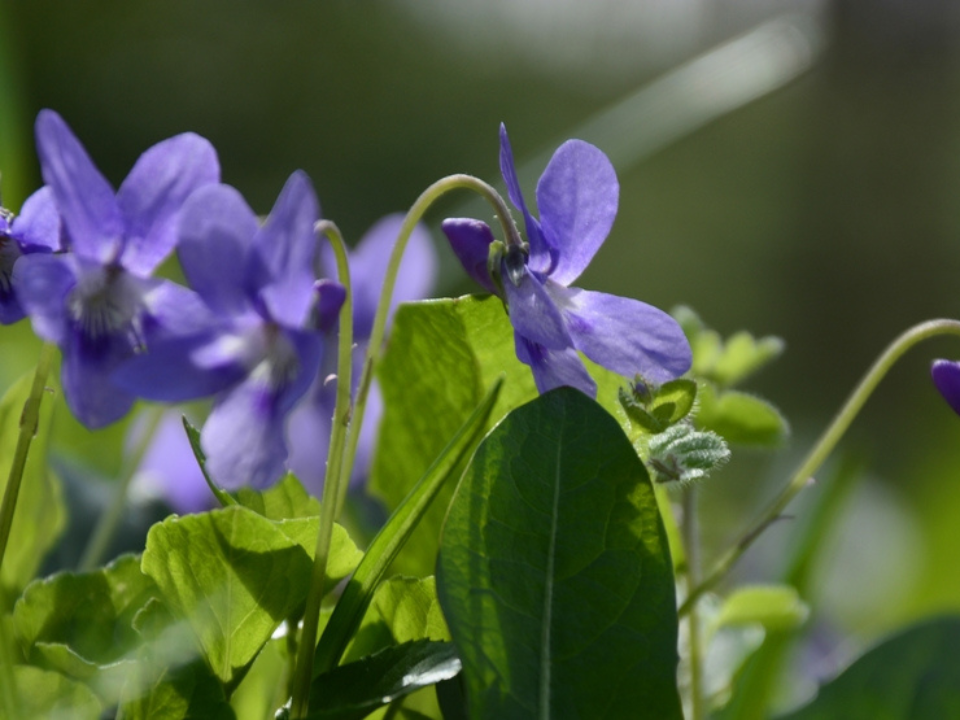
Sweet violets are charming spring flowers that emerge early in the season and provide an important food source for pollinators. These fragrant, purple flowers have a lovely scent that attracts bees, butterflies, and other insects. Sweet violets thrive in moist, well-drained soil and can grow in partial shade, making them ideal for woodland gardens or areas with less direct sunlight.
The flowers bloom for several weeks, offering a steady supply of nectar to pollinators. Sweet violets are easy to grow and can spread quickly, filling in gaps in the garden with their vibrant blooms. Their early flowers help to support local pollinators by providing them with the food they need after the long winter months. Whether planted in containers or in the ground, sweet violets are a great choice for adding early color and supporting pollinators.
Bloodroot
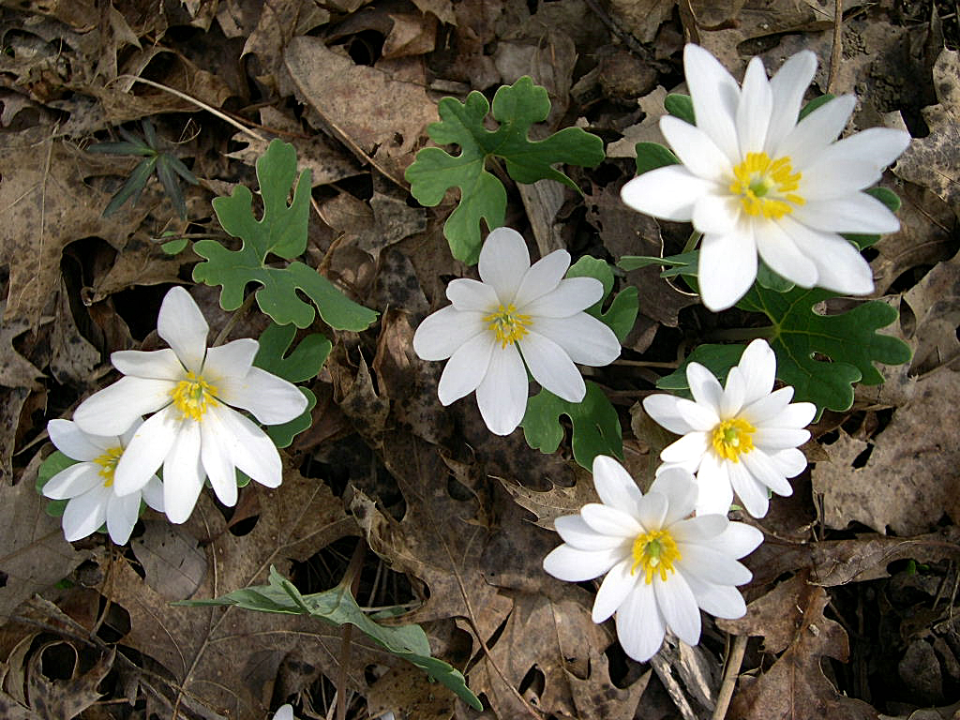
Bloodroot is an early-blooming wildflower that is native to woodland areas. It produces stunning white flowers that open up in early spring, providing an early nectar source for bees. The flowers are large, white, and striking, blooming in clusters at the base of the plant.
Bloodroot thrives in moist, well-drained soil and prefers partial to full shade, making it ideal for woodland gardens. Its early blooms help support pollinators who are waking up from winter and searching for food. The plant’s distinct leaves and early flowers make it a valuable addition to any garden aiming to attract pollinators. Once established, bloodroot is low-maintenance and can spread to create a beautiful, naturalized look in the garden.
Celandine Poppy
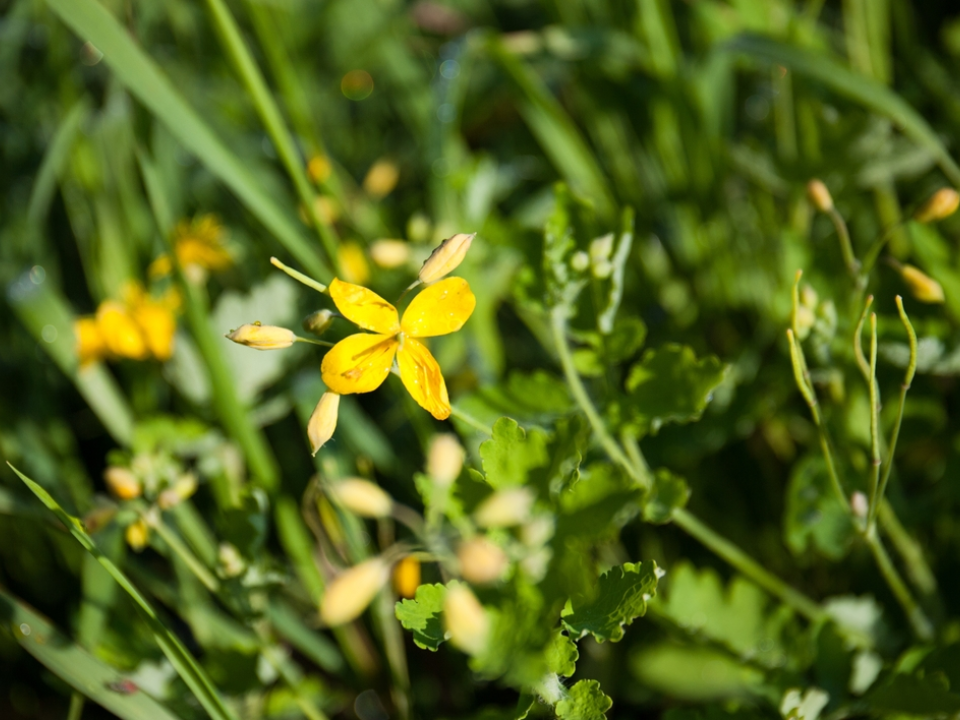
Celandine poppies are one of the earliest blooming perennials in the spring, offering bright yellow flowers that are a beacon for pollinators. The flowers appear in early spring, creating a much-needed food source for bees and butterflies as they emerge from winter. Celandine poppies prefer well-drained soil and partial shade, making them a great option for woodland gardens or shaded corners of your yard. Their cheerful yellow flowers stand out in the garden, drawing attention from pollinators looking for early nectar.
Celandine poppies are easy to grow and are typically pest-resistant, making them a great choice for low-maintenance gardens. The flowers bloom for several weeks, providing bees with a reliable food source. If you want to brighten up your spring garden while supporting pollinators, celandine poppies are an excellent choice.
Solomon’s Seal

Solomon’s seal is a graceful spring perennial known for its arching stems and delicate white flowers. These flowers bloom in early spring, providing a source of nectar for early arriving bees and other pollinators. Solomon’s seal thrives in moist, well-drained soil and prefers partial to full shade, making it an excellent choice for woodland gardens or shaded areas.
The plant’s distinctive, bell-shaped flowers dangle in clusters, adding a unique touch to any garden. Bees are drawn to the flowers for their nectar, which provides them with much-needed energy after the winter months. Solomon’s seal is low-maintenance and can grow in a variety of soil types, making it a great addition to any garden. It also makes a beautiful ground cover that can fill in spaces and add texture to the landscape.
Virginia Bluebell
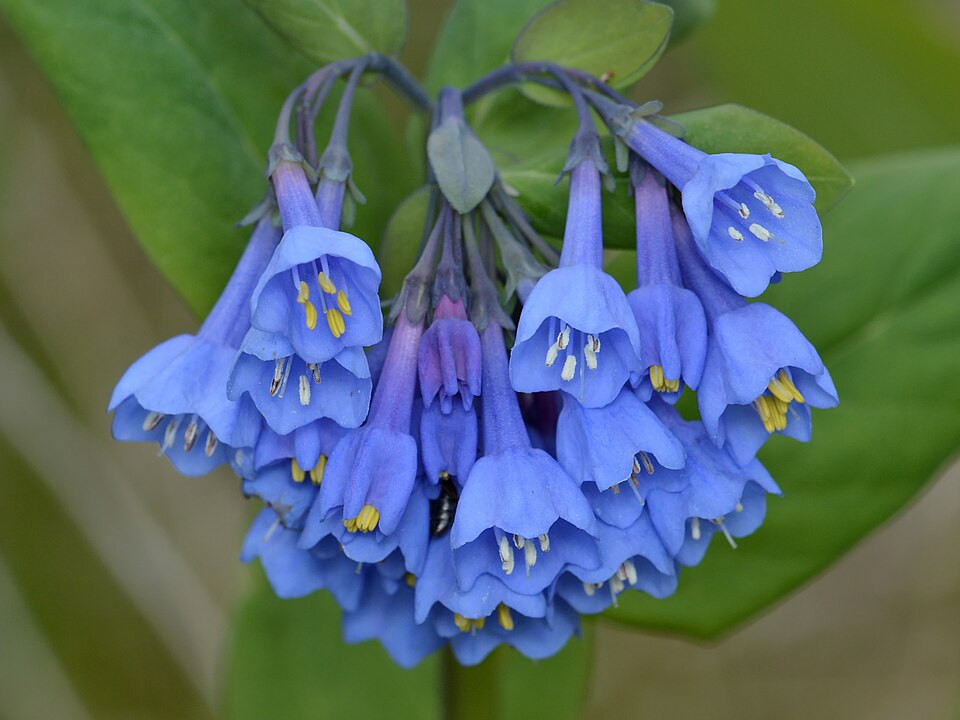
Virginia bluebells are native spring flowers that offer a burst of color early in the season, making them an excellent food source for pollinators. These blue, bell-shaped flowers bloom in clusters and attract bees, butterflies, and hummingbirds. Virginia bluebells thrive in moist, well-drained soil and prefer partial to full shade, making them ideal for woodland gardens or shady spots in your yard.
The flowers bloom in early spring and last for several weeks, providing pollinators with a reliable source of nectar. Virginia bluebells are easy to grow and spread quickly, creating beautiful clusters of blue flowers in the garden. Their early blooms and vibrant color make them a favorite for supporting local pollinators. They are a perfect choice for anyone looking to add early color to their landscape while helping pollinators thrive.
This article originally appeared on Avocadu.