
18 Vegetables That Actually Work in Comfort Food
There is something satisfying about a warm, filling meal that leans on vegetables in ways that actually taste good and feel right at home on the table. Some vegetables melt into creamy casseroles, soups, and baked dishes so easily that they feel like they were meant to be there from the start. Others bring sweetness, body, or a soft texture that makes rich meals feel more complete. This kind of cooking is less about trying to be fancy and more about using simple ingredients that make dinner feel cozy and familiar. When the right vegetable goes into the right dish, it adds flavor and texture without taking away that hearty, comforting feel people want.
This post may contain affiliate links, which helps keep this content free. Please read our disclosure for more info.
Potatoes
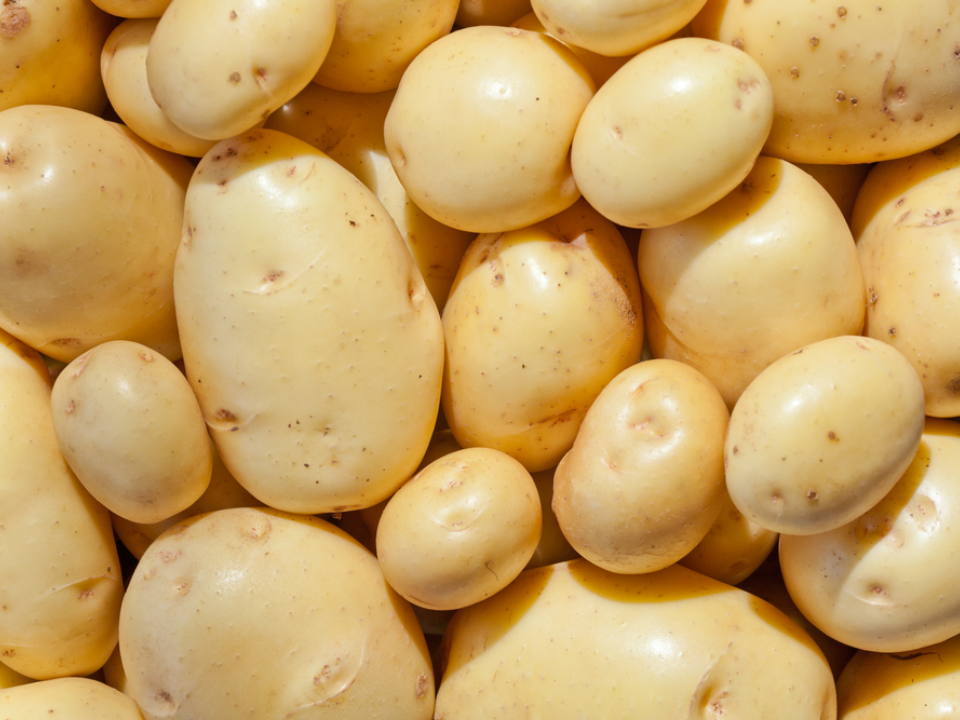
Potatoes are one of the easiest vegetables to fold into comfort food because they bring body, softness, and a filling texture that people already link with cozy meals. Mashed potatoes can sit under a shepherd’s pie, get whipped into a creamy casserole, or land beside meatloaf without feeling out of place. Roasted potatoes can add crisp edges to a baked dish, while sliced potatoes turn into tender layers in a gratin. They also take on butter, cheese, cream, garlic, and broth very well, which makes them a natural match for hearty cooking.
Even when a recipe is built around pasta or meat, potatoes can still work as the part that makes the meal feel complete. Sweet potatoes may get more attention in some kitchens, yet regular potatoes stay hard to beat for old-school comfort. Their mild flavor gives room for the rest of the dish to shine while still making the whole plate feel warm and satisfying. That is why potatoes keep showing up in so many meals people want on cold nights or slow weekends.
Sweet Potatoes
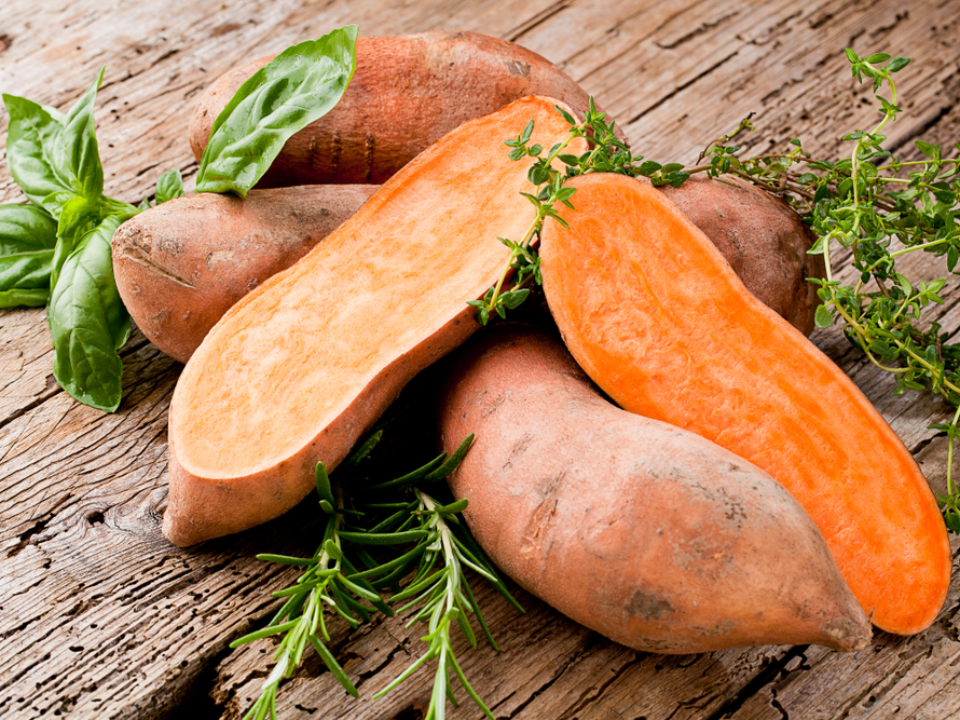
Sweet potatoes bring a gentle sweetness that fits beautifully into many kinds of comfort food, especially dishes that need a soft and creamy base. They work well in mashed form with butter and a little salt, and they can also be baked into casseroles with warm spices or a crunchy topping. In a savory pie or baked pasta, sweet potatoes add a softer flavor than squash while still giving the dish depth. Their color makes a plate look inviting, which matters when comfort food is supposed to feel welcoming before the first bite.
They pair nicely with cheese, browned onions, sausage, black beans, and even greens, so they are much more flexible than people sometimes think. Sweet potatoes also hold their shape better than some other root vegetables, which makes them useful in stews and tray bakes. When pureed into soups, they turn out silky and filling without needing too many extra ingredients. That balance of sweetness, starch, and warmth gives them a strong place in comfort cooking.
Cauliflower
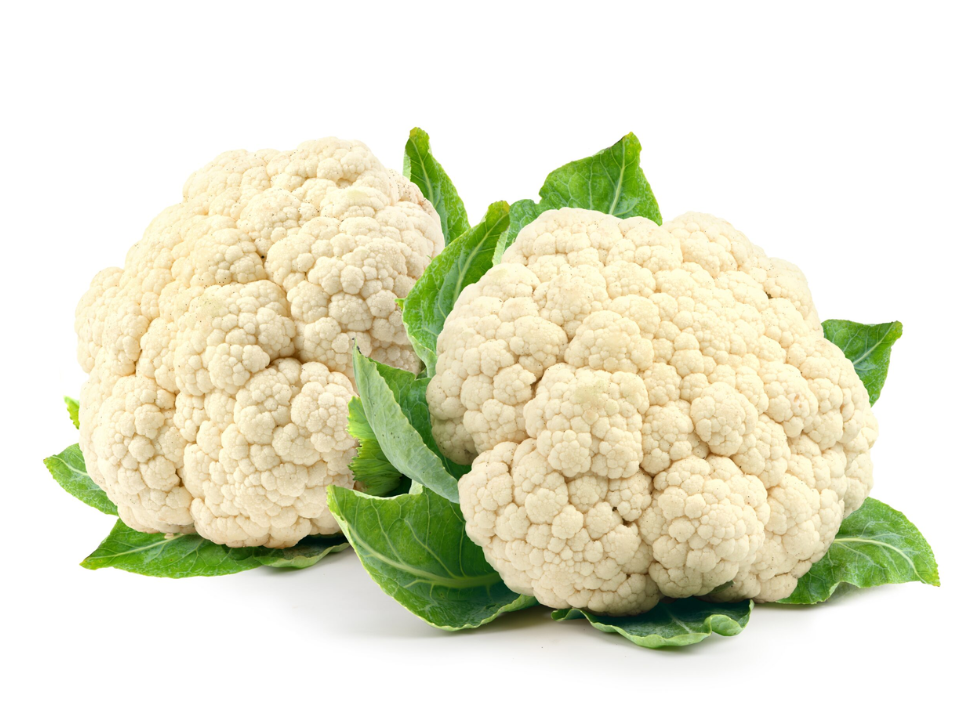
Cauliflower works in comfort food because it can lean creamy, mild, or slightly nutty depending on how it is cooked and seasoned. When roasted, it gets golden edges and a deeper flavor that can stand up to cheese sauces, pasta, and baked casseroles. When steamed and mashed, it turns soft enough to mix into potatoes or take the place of part of the cream in a soup.
Cauliflower is also a good fit in mac and cheese because it blends into the sauce while still bringing a little bite. In casseroles, it soaks up butter, herbs, and breadcrumbs in a way that makes the whole dish feel more complete. It can also go into pot pies, creamy bakes, and gratins without making the meal feel too heavy. A lot of vegetables fade into the background, yet cauliflower has enough structure to feel like a real part of dinner.
Carrots
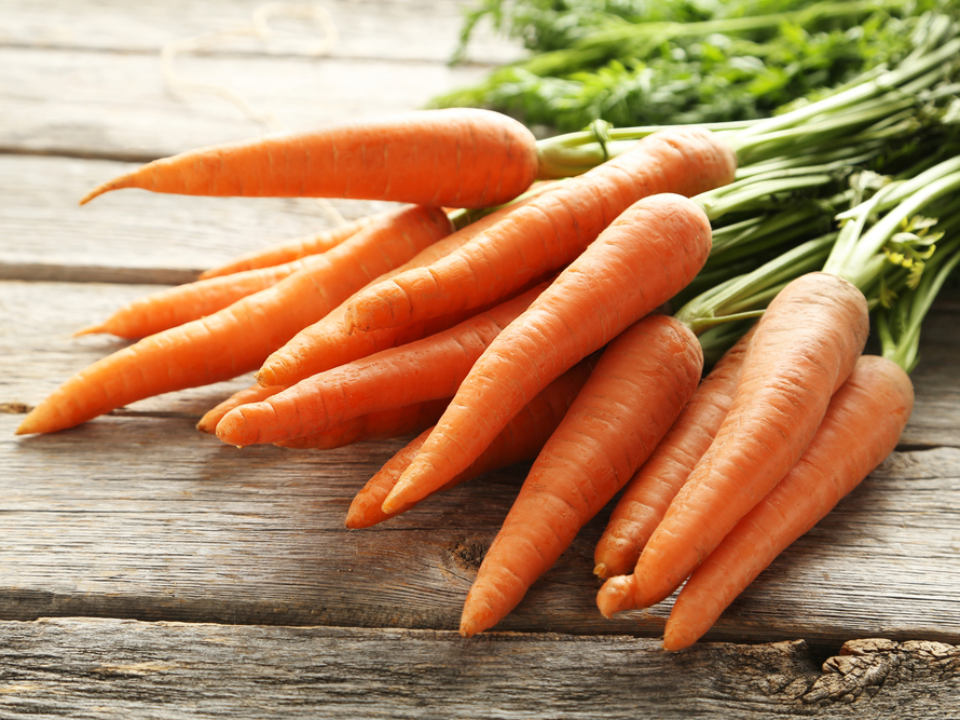
Carrots bring natural sweetness, color, and tenderness to comfort food, which is why they keep turning up in soups, stews, pot pies, and braises. They soften in a way that feels homey, especially when they are cooked slowly with onions, celery, and broth. In chicken pot pie, carrots help round out the filling and give small bursts of sweetness against the creamy sauce. They are also excellent in beef stew because they hold their shape while still turning tender enough to eat with a spoon.
Carrots can even be folded into baked pasta dishes or blended into tomato sauce to mellow acidity and add a fuller taste. Their bright color helps heavy dishes look a little more lively without changing the feel of the meal. In pureed soups, they become velvety and pair well with ginger, garlic, cream, or even cheddar. That ability to work in chunky dishes and smooth ones makes carrots a dependable part of comfort cooking.
Butternut Squash
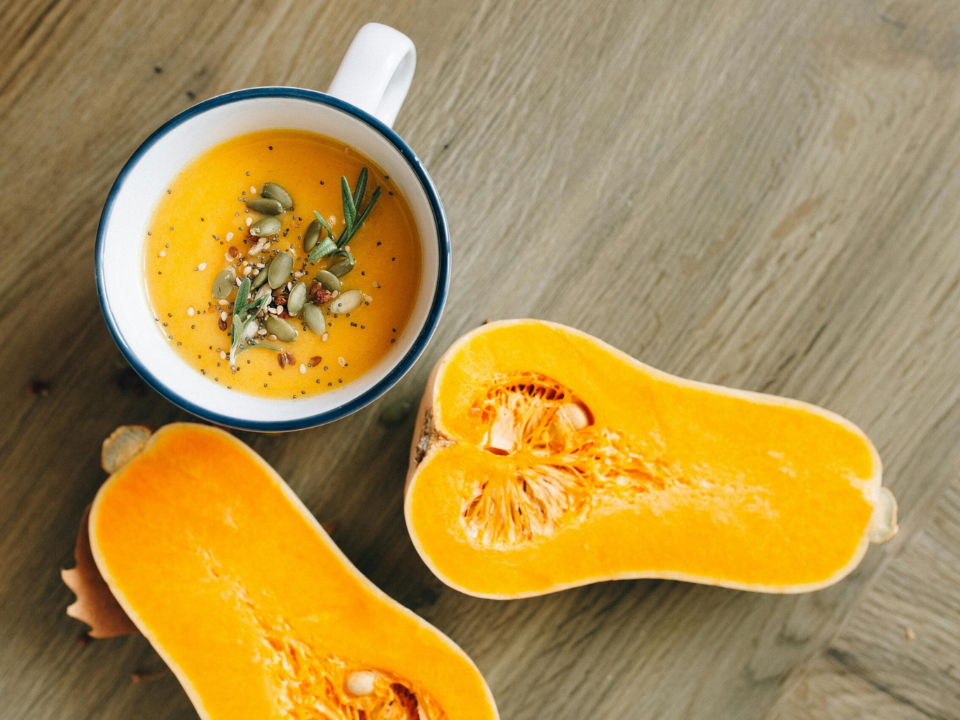
Butternut squash has the kind of soft, slightly sweet flesh that slips easily into comfort food without much effort. Roasted cubes can go into pasta bakes, risotto, or hearty grain bowls, while pureed squash can be stirred into soups and cheese sauces for a silkier texture. It feels right at home in baked dishes because it turns tender and rich after a little time in the oven. The flavor is mellow enough to pair with butter, sage, cream, brown rice, sausage, and plenty of cheeses.
In lasagna or stuffed shells, butternut squash adds a gentle sweetness that keeps a cheesy meal from feeling too flat. It can even stand in for some of the cream in a soup, which gives the dish body without taking away that cozy feeling people want. The texture is one big reason it works so well, since it becomes soft and spoonable in the best way. When comfort food needs a vegetable that feels warming and full, butternut squash does the job very well.
Onions
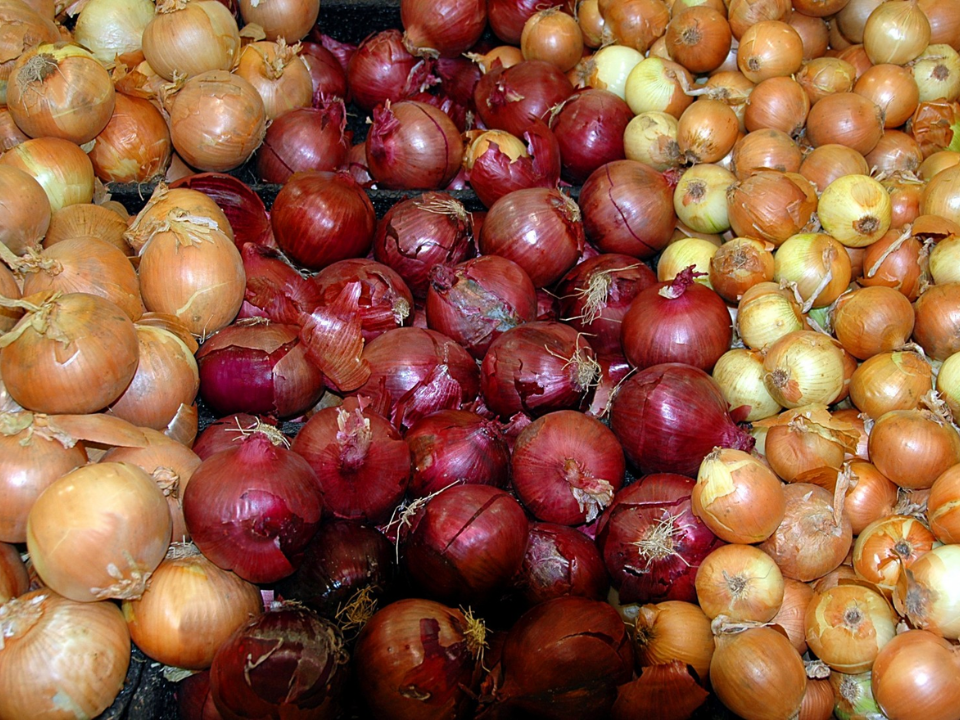
Onions are one of the quiet reasons comfort food tastes as good as it does, even when people do not think of them as the star. When cooked slowly, they turn soft, sweet, and deeply savory, which gives soups, casseroles, gravies, and pies a fuller taste. A tray of scalloped potatoes, a pan of meatloaf, or a bubbling pot of stew often starts with onions because they lay down the flavor base.
In dishes like French onion soup, they move from support to center stage and show just how rich a vegetable can be on its own. They also mix well with cream, butter, cheese, and stock, which are all common parts of comfort cooking. Raw onions can feel harsh, yet cooked onions become mellow and almost jammy with enough time. That change makes them one of the most useful vegetables for building warmth into a meal.
Spinach
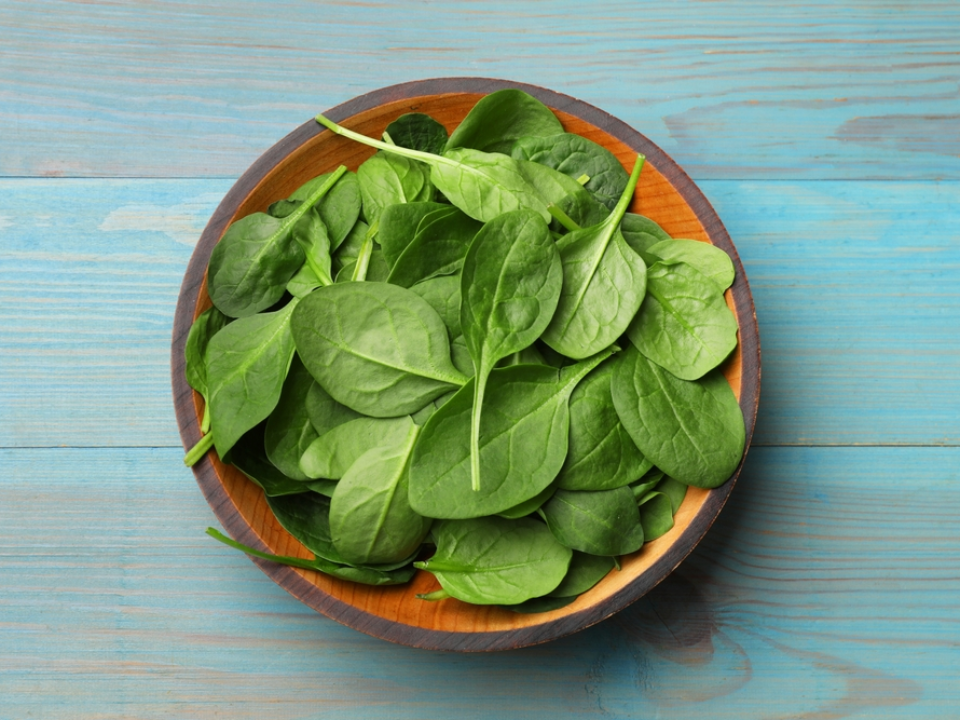
Spinach may seem too light for comfort food at first, yet it works surprisingly well when tucked into creamy and cheesy dishes. It wilts quickly, which makes it easy to fold into lasagna, stuffed shells, baked dips, casseroles, and soups without a lot of extra work. In a rich dish, spinach adds a fresh note that keeps the meal from feeling too heavy or flat. It also pairs very well with ricotta, mozzarella, parmesan, cream, garlic, and eggs, so it fits into many baked favorites.
Because spinach cooks down so much, a generous amount can go into a recipe without changing the overall texture too much. That makes it a good choice when you want a vegetable in the dish without taking away the soft, cozy feel. Spinach also works in creamy rice dishes and breakfast bakes, where its color makes the plate look a little more alive. Its mild flavor and soft texture give it a natural place in many comfort meals.
Cabbage
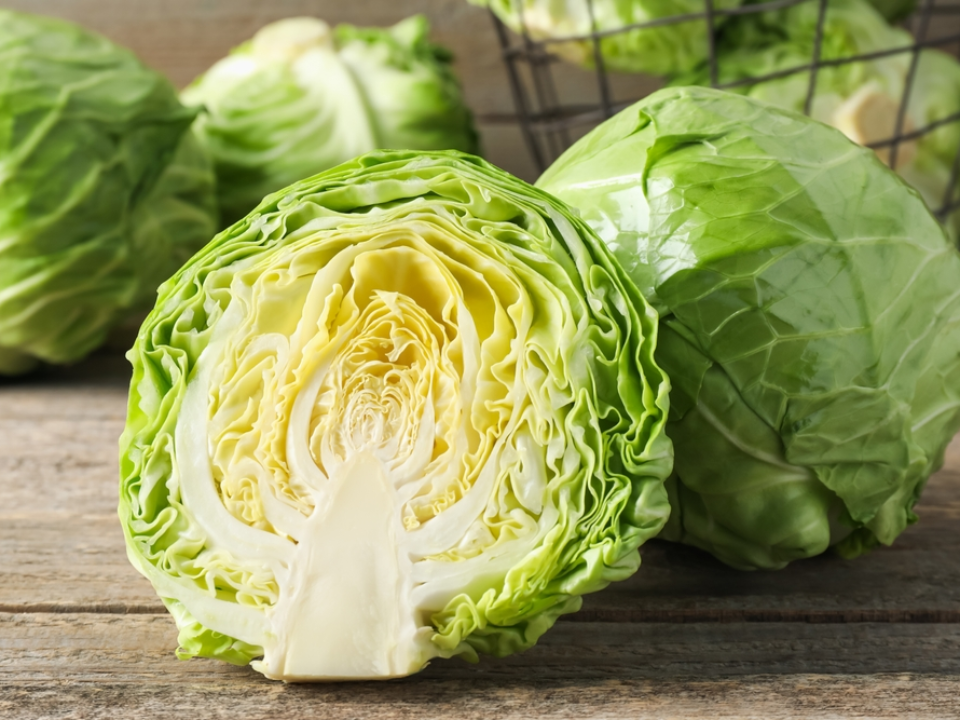
Cabbage is often overlooked, yet it has a strong place in comfort food because it turns tender, sweet, and deeply flavorful when cooked well. Braised cabbage can sit beside sausages, mashed potatoes, or roast meat and make the whole meal feel hearty and complete. In soups and stews, it softens enough to blend into the broth while still giving a little texture. Stuffed cabbage rolls are another great example of how this vegetable can carry a filling and still feel soft and soothing after a long bake.
Cabbage also works in skillet dishes with butter and onions, where it picks up flavor while keeping a bit of body. It is budget friendly, filling, and easy to stretch across a few meals, which is part of why it has stayed tied to home cooking for so long. Red cabbage can go sweet and tangy, while green cabbage leans more savory and mellow when cooked down. That range gives cabbage more comfort food value than many people expect.
Broccoli
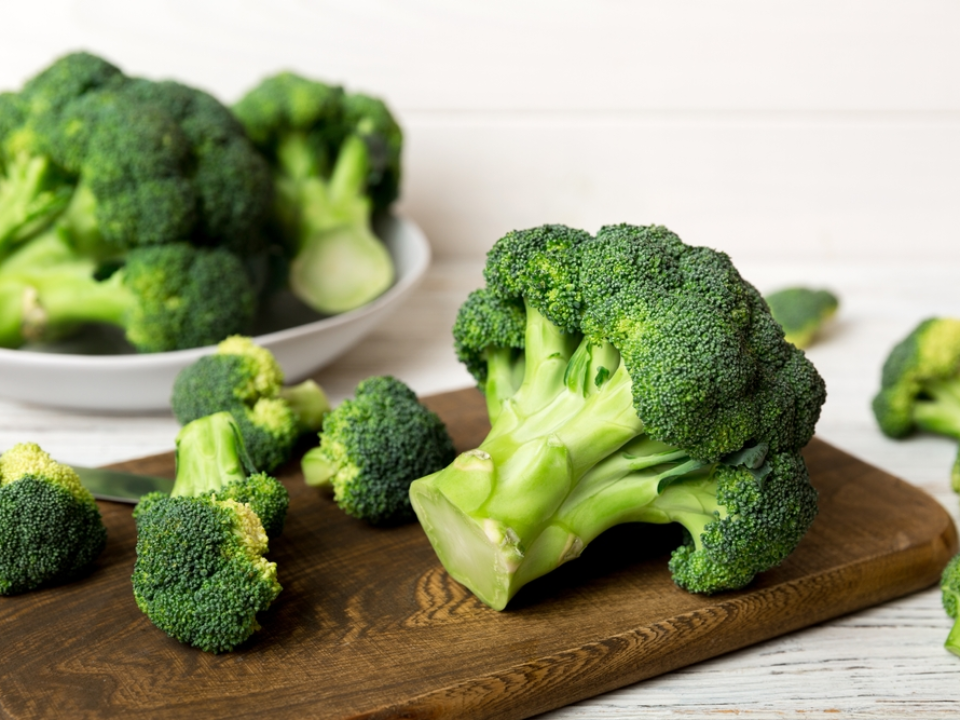
Broccoli earns its place in comfort food because it can hold up to creamy sauces, melted cheese, and baked textures without disappearing. One of the clearest examples is broccoli cheddar soup, where the vegetable gives shape and freshness to an otherwise rich bowl. It also works beautifully in casseroles, rice bakes, pasta dishes, and potato-based meals where a little green helps balance the heavier parts.
The florets catch sauce well, which means each bite still tastes full and satisfying. Broccoli can be roasted for a deeper flavor or steamed for a softer feel, depending on what the dish needs. It pairs well with garlic, butter, cheddar, parmesan, chicken, and rice, which are all common comfort food ingredients. Even when it is mixed into a rich bake, broccoli keeps enough structure to stay noticeable on the fork. That mix of tenderness, flavor, and balance makes broccoli one of the best vegetables for cozy meals.
Parsnip
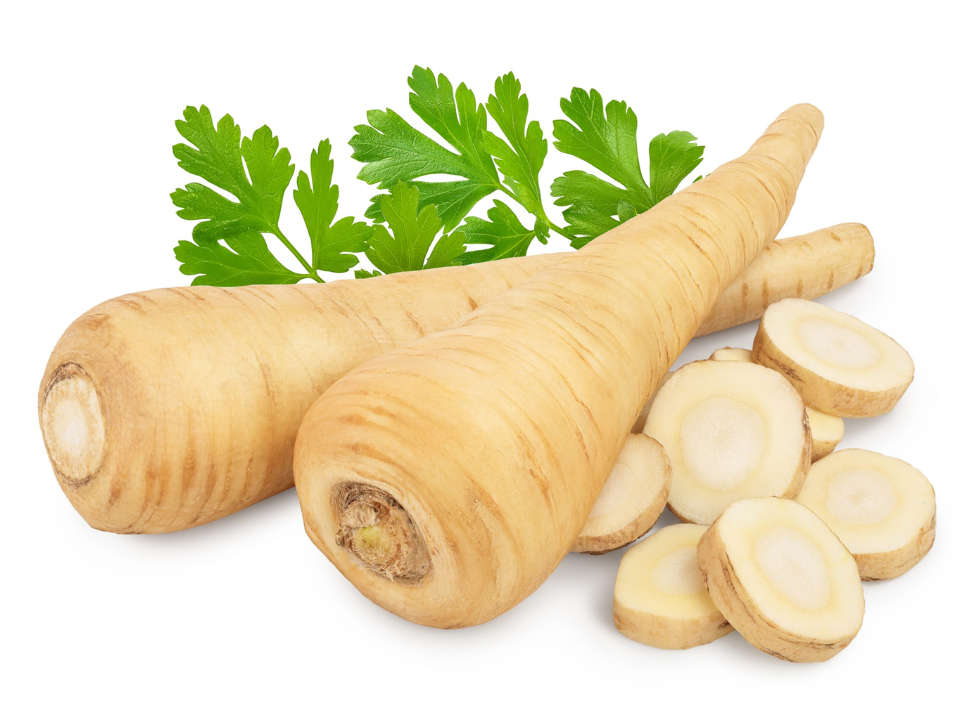
Parsnips are a great fit for comfort food because they bring a gentle sweetness and a soft texture that feels right in rich, warm meals. When roasted, they get lightly caramelized edges that pair nicely with chicken, beef, or a creamy sauce. Mashed parsnips can be served on their own or mixed with potatoes for a deeper and slightly sweeter flavor. They also work well in soups, where they add body and a mellow earthy note without taking over the whole dish. In slow-cooked stews, parsnips turn tender and soak up broth in a way that makes each bite feel full and warming.
Their pale color helps them blend into casseroles and baked dishes without changing the familiar look people expect from comfort food. Parsnips have been used in home cooking for a long time, which gives them that old-fashioned dinner table feeling many people love. When a dish needs a root vegetable that feels hearty without being too heavy, parsnips do that job very well.
Leeks
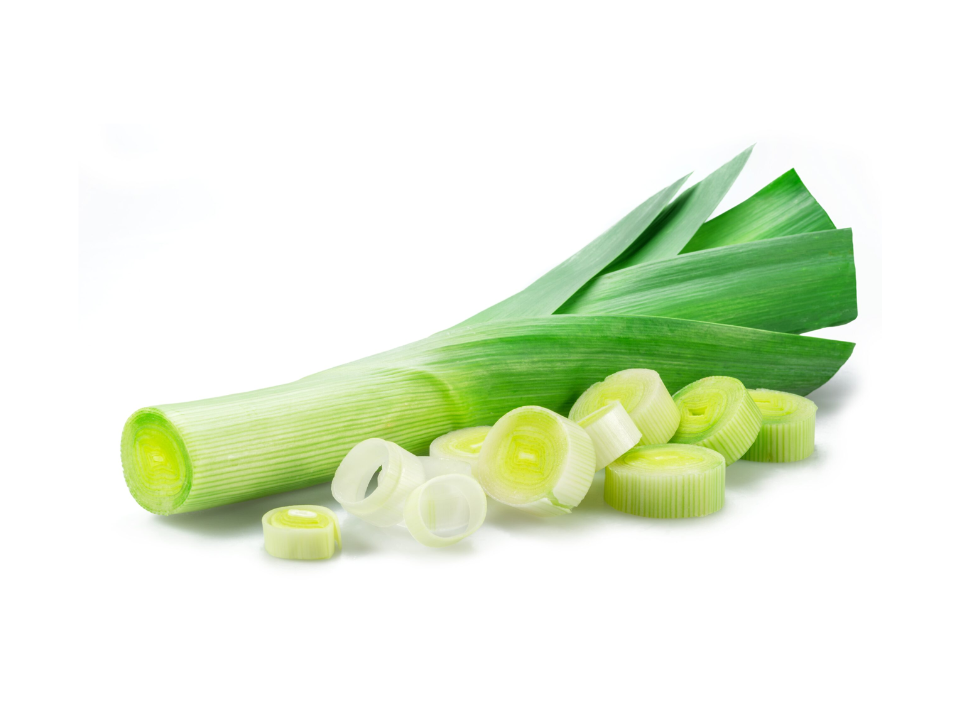
Leeks bring a soft onion-like flavor that works beautifully in comfort food, especially when a dish needs something gentle and mellow. Once cooked down in butter or oil, they become silky and slightly sweet, which makes them a natural match for potatoes, cream, and cheese. They are excellent in potato soup, chicken pie filling, rice dishes, and creamy pasta bakes because they add flavor without feeling harsh. Leeks also give baked casseroles a more delicate taste than standard onions, which can be useful when the rest of the ingredients are already rich.
Their texture turns very soft with heat, so they almost melt into the dish and make it feel smoother. In savory tarts and gratins, leeks help build that warm and filling character people expect from cold-weather meals. They also pair nicely with bacon, mushrooms, and herbs, which makes them easy to work into many favorite recipes. For anyone who likes comfort food with a softer flavor base, leeks are a very good vegetable to keep in mind.
Peas
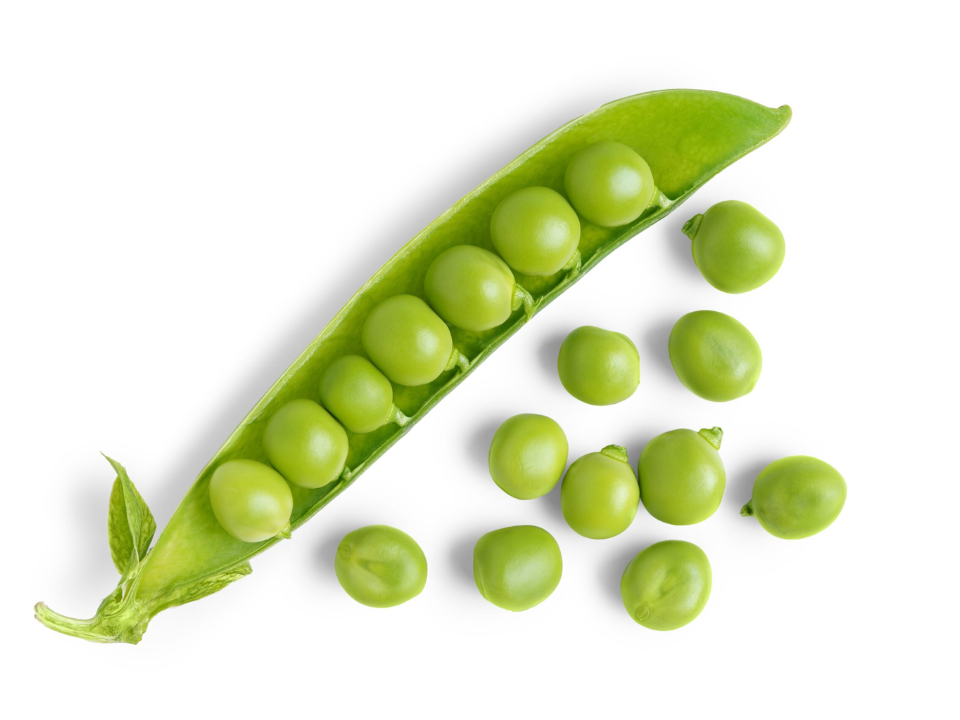
Peas may be small, yet they do a lot for comfort food because they add sweetness, color, and a tender pop that breaks up heavier textures. Chicken pot pie is a perfect example since peas brighten the filling while still fitting right into the creamy sauce. They are also common in casseroles, fried rice, mac and cheese, and noodle dishes where a little vegetable freshness helps the meal feel balanced. Frozen peas are especially useful because they can be stirred in near the end of cooking and still taste good without much extra work.
Their mild sweetness pairs well with butter, cream, ham, chicken, and mashed potatoes, so they slide into many comfort dishes with ease. In shepherd’s pie or tuna casserole, peas keep the dish from feeling too dense from start to finish. They also mash well into soups or spreads if someone wants a softer texture and a greener look. That mix of comfort, familiarity, and easy use gives peas a steady place in homey cooking.
Corn
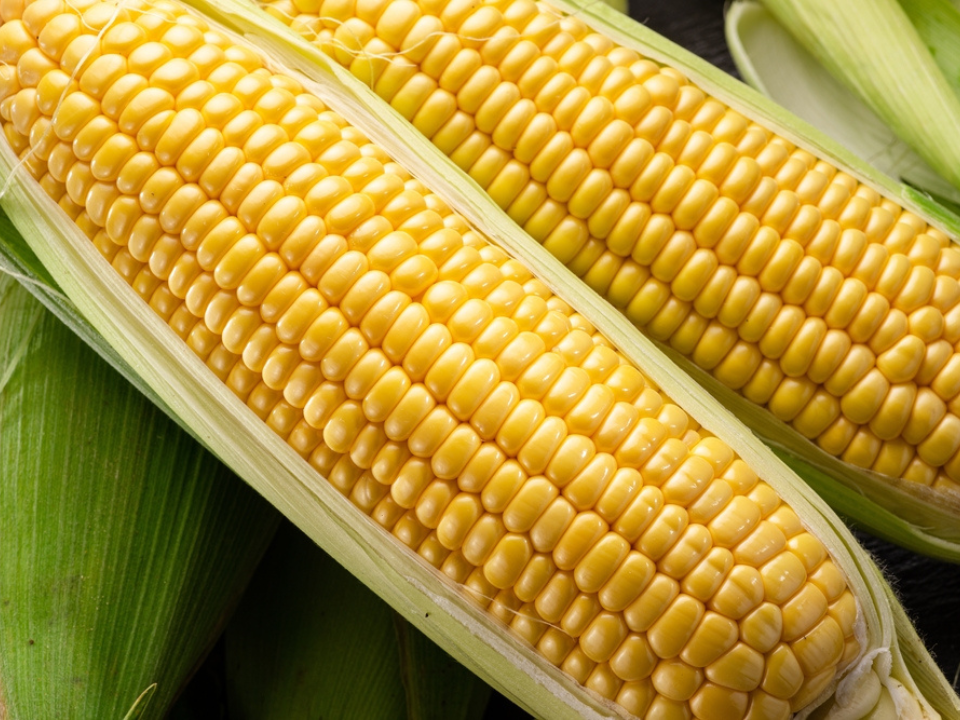
Corn works in comfort food because it brings sweetness, softness, and a little bite that helps rich meals feel livelier. It can be folded into chowders, casseroles, cornbread, skillet bakes, and creamy side dishes without feeling out of place. In a chicken and corn soup or a corn pudding, the vegetable becomes one of the main reasons the dish feels warm and satisfying.
Corn also pairs nicely with cheese, cream, bacon, potatoes, and peppers, which are all common parts of comfort meals. The kernels hold their shape during cooking, so they add texture even in very soft dishes. In baked casseroles, corn gives little bursts of sweetness that keep each forkful interesting. It also works in fillings for pot pies or tamale-style bakes, where it adds a familiar home-cooked feel. Since it can go in both side dishes and main dishes, corn is one of the easiest vegetables to bring into comfort food.
Zucchini
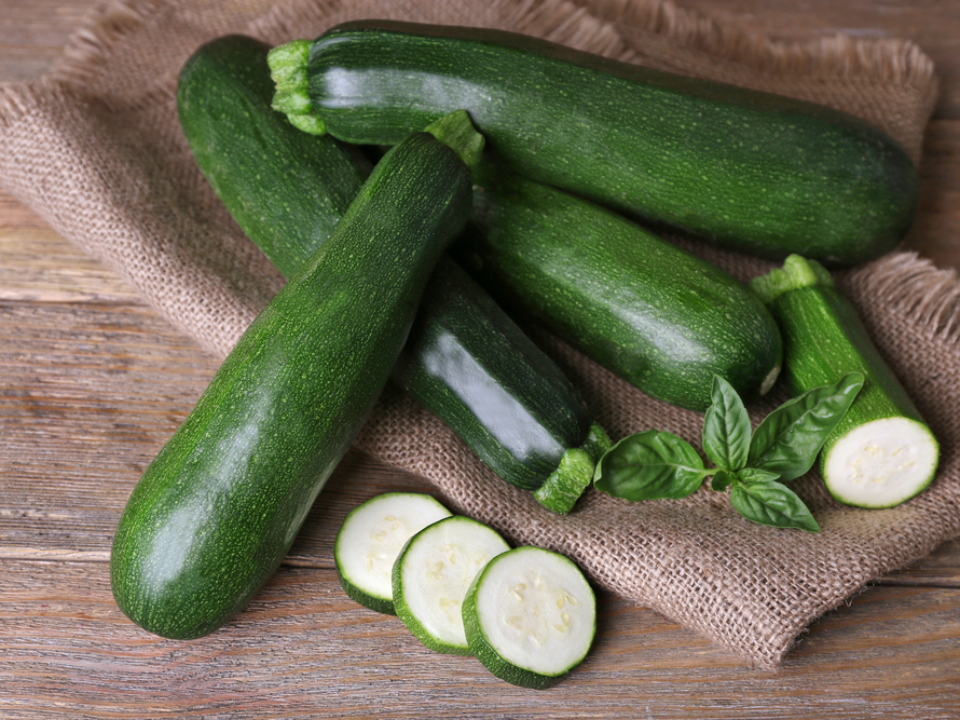
Zucchini fits into comfort food more easily than many people expect because it has a mild taste and a tender texture that works in all kinds of warm dishes. It can be sautéed and folded into pasta bakes, sliced into casseroles, or layered into cheesy vegetable gratins. Because zucchini takes on the flavor of the ingredients around it, it works well with tomato sauce, cream sauce, garlic, herbs, and melted cheese. In baked dishes, it softens enough to feel tender and soothing without turning the meal watery if it is cooked the right way.
Zucchini is also useful in soups and skillet meals where a lighter vegetable still needs to feel at home beside richer ingredients. It can even be mixed into meat sauces or stuffing mixtures to give a dish a little more softness and moisture. The green skin adds some color, which helps creamy or beige dishes look more appealing on the plate. When comfort food needs a vegetable that blends in without being boring, zucchini is a strong choice.
Eggplant

Eggplant works in comfort food because it becomes silky, tender, and rich once it is cooked through, especially in baked dishes. It is a natural fit for meals like eggplant parmesan, layered casseroles, and tomato-based pasta bakes where cheese and sauce are already part of the plan. The flesh absorbs flavor very well, so garlic, herbs, olive oil, tomato sauce, and cheese all sink into it nicely. When roasted, eggplant gets soft and full in a way that makes it feel substantial, which is important in a comfort dish.
It can also be folded into ragouts and stews where it thickens the mixture a little and adds a deep, mellow character. Some vegetables stay firm no matter what, yet eggplant gives that almost creamy texture people often want in a warm baked meal. Its darker flavor works nicely with other vegetables too, especially onions, peppers, and mushrooms. That rich texture is why eggplant earns a place in many favorite dishes meant for slow dinners and second helpings.
Celery
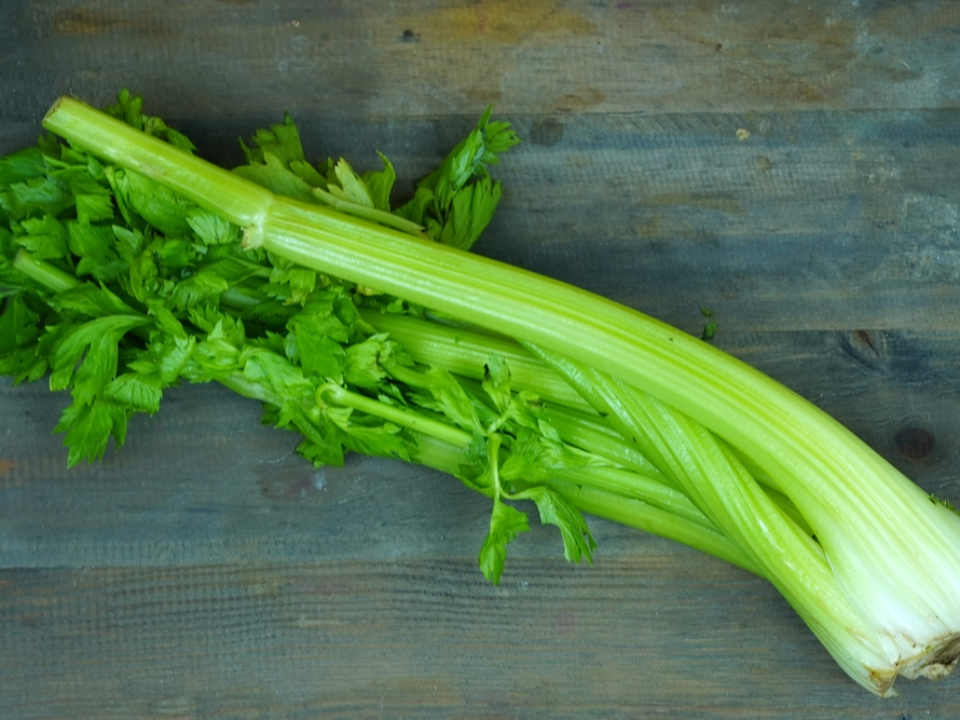
Celery may not get much attention on its own, yet it plays a big part in comfort food by building flavor from the first step of cooking. It is often cooked with onions and carrots as the base for soups, stews, pot pies, stuffing, and casseroles. Once softened, celery adds a gentle savory note and a little sweetness that helps broth-based dishes taste fuller. In chicken noodle soup, it gives the bowl that familiar homemade flavor many people connect with care and warmth.
Celery also brings a soft crunch when it is cooked just enough, which can help break up creamy or very soft textures. In stuffing and dressing, it adds freshness and keeps the mixture from feeling too heavy. Even though it usually works in the background, the dish would feel flatter without it. That quiet but important role makes celery one of the vegetables that truly helps comfort food taste like comfort food.
Turnips
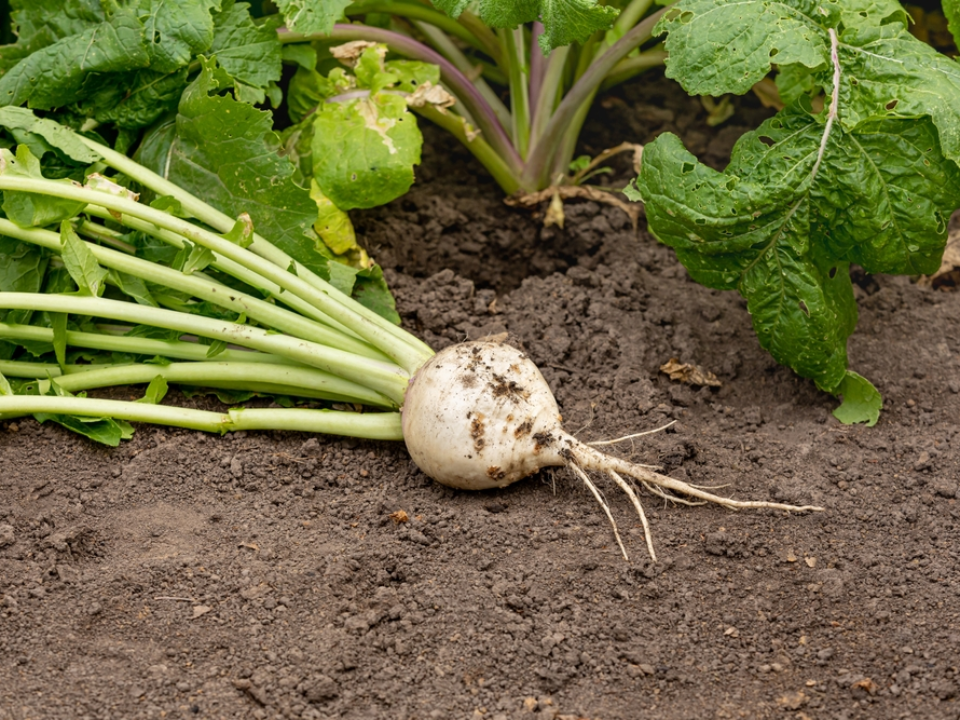
Turnips deserve more attention in comfort food because they bring a gentle earthiness and a tender bite that works well in slow-cooked dishes. When roasted, they mellow out and take on a sweeter edge that pairs nicely with butter, herbs, and pan juices. In soups and stews, turnips soak up flavor from the broth and become soft enough to feel right at home beside meat and other root vegetables. They can also be mashed, either alone or with potatoes, for a side dish that feels old-fashioned and filling.
Smaller turnips usually taste milder, which makes them especially useful in dishes meant to feel warm and familiar. Their texture holds up better than some softer vegetables, so they do not disappear after a long cooking time. In country-style cooking, turnips have a long history of showing up in hearty meals made to feed a whole family. That kind of kitchen history makes them a natural part of comfort food.
Green Beans
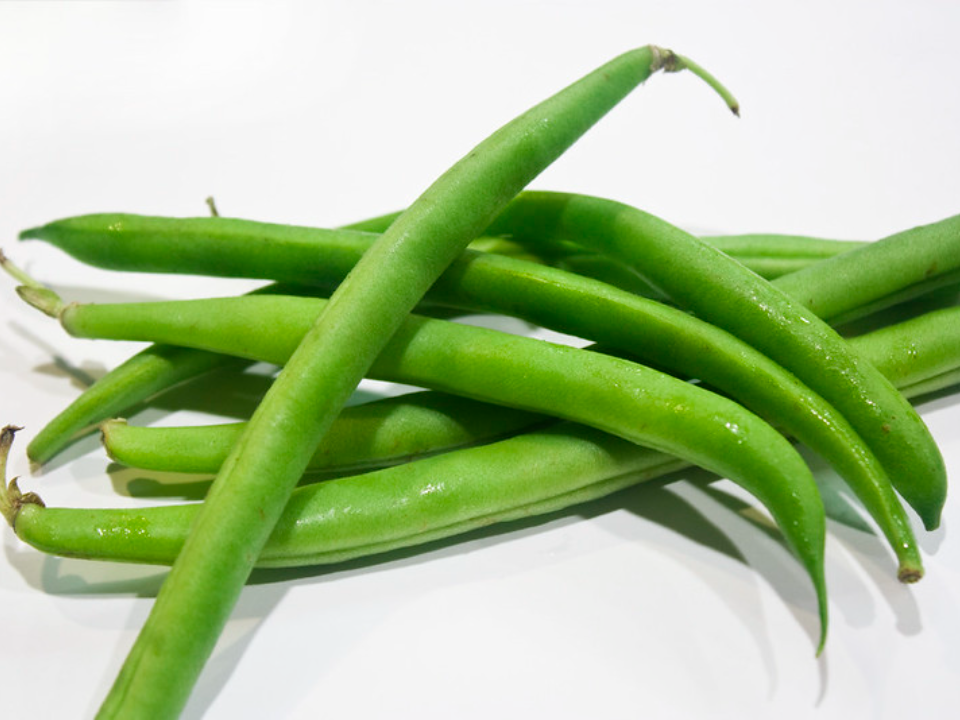
Green beans work in comfort food because they can go tender, buttery, and full of flavor while still keeping a bit of shape on the plate. They are a classic part of casserole cooking, especially when mixed with a creamy sauce and a crisp topping. Green beans also pair nicely with bacon, onions, garlic, mushrooms, and potatoes, which gives them plenty of room in warm side dishes and skillet meals.
When braised or slow-cooked, they become softer and pick up seasoning in a way that feels deeply homey. In holiday meals and Sunday dinners, green beans often show up beside heavier foods, helping round out the plate without making it feel too rich. They can also go into soups and pot roasts, where they add color and a gentle vegetable flavor that fits the rest of the meal. Their familiar taste is part of what makes them work so well in food meant to feel comforting. Even a simple pan of seasoned green beans can make dinner feel more complete and more satisfying.
This article originally appeared on Avocadu.