
17 Rare Spring Wildflowers You Can See in the U.S.
When spring arrives, it brings with it a variety of beautiful wildflowers. Among them are some that are rare and not easily found, making their appearance a special event each year. With a little knowledge of their blooming schedules, you can plan the perfect nature outing to catch them in their prime. These wildflowers are scattered across the U.S., each one adding its own unique charm to the landscape.
This post may contain affiliate links, which helps keep this content free. Please read our disclosure for more info.
Virginia Bluebell (Mertensia virginica)
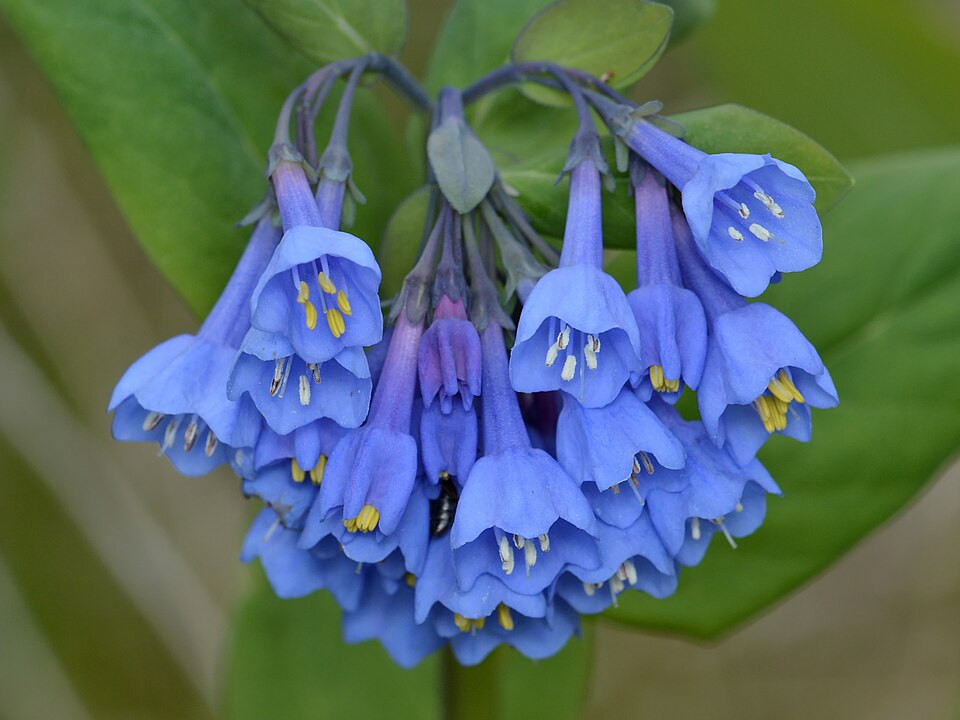
Virginia Bluebells are native to the woodlands of the eastern United States and bloom from early to mid-spring. These delicate, bell-shaped flowers are typically blue, but occasionally a white variant appears. The plants grow well in moist, well-drained soil, often found in shady areas of forests or along streams. Their vibrant color makes them a favorite for early spring hikes and garden enthusiasts.
The bluebells tend to bloom in April, making them one of the first signs of spring. They thrive in areas with a cool climate and will bloom earlier in the southern parts of the U.S. than in the north. Once the flowers fade, their leaves turn yellow and wither, preparing the plant for the summer months. This flower is often found in national parks and nature reserves, where it adds a pop of color to the forest floor.
Pasque Flower (Anemone patens)
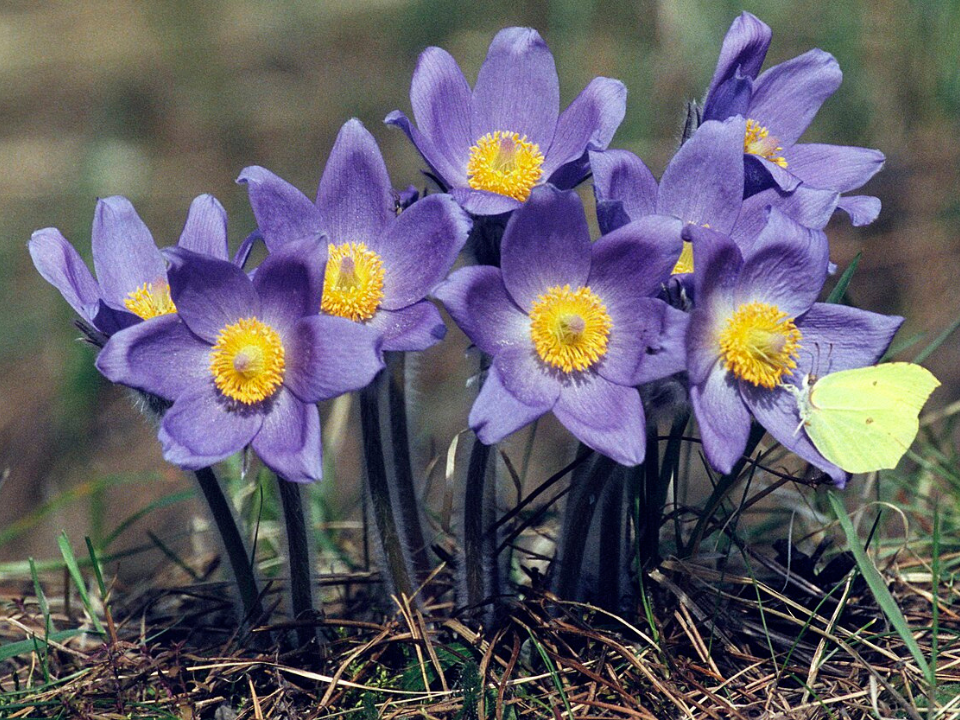
Pasque Flowers are early bloomers, gracing the landscape with their striking purple or white flowers. These wildflowers are primarily found in the Great Plains, the Rocky Mountains, and parts of the Midwest. Pasque flowers grow in dry, open fields or rocky slopes and are known for their resilience in harsh environments. Their soft, feathery petals and distinctive shape make them stand out among other spring blooms.
The Pasque Flower blooms in late March through early April, depending on the region. It is particularly prevalent in places like Colorado and the Dakotas, where its vibrant blooms contrast against the early spring landscape. The flower’s name comes from the Latin “pascha,” referring to Easter, as it typically blooms around the holiday. These flowers attract early-season pollinators, such as bees and butterflies, making them essential for local ecosystems.
Showy Lady’s Slipper (Cypripedium reginae)
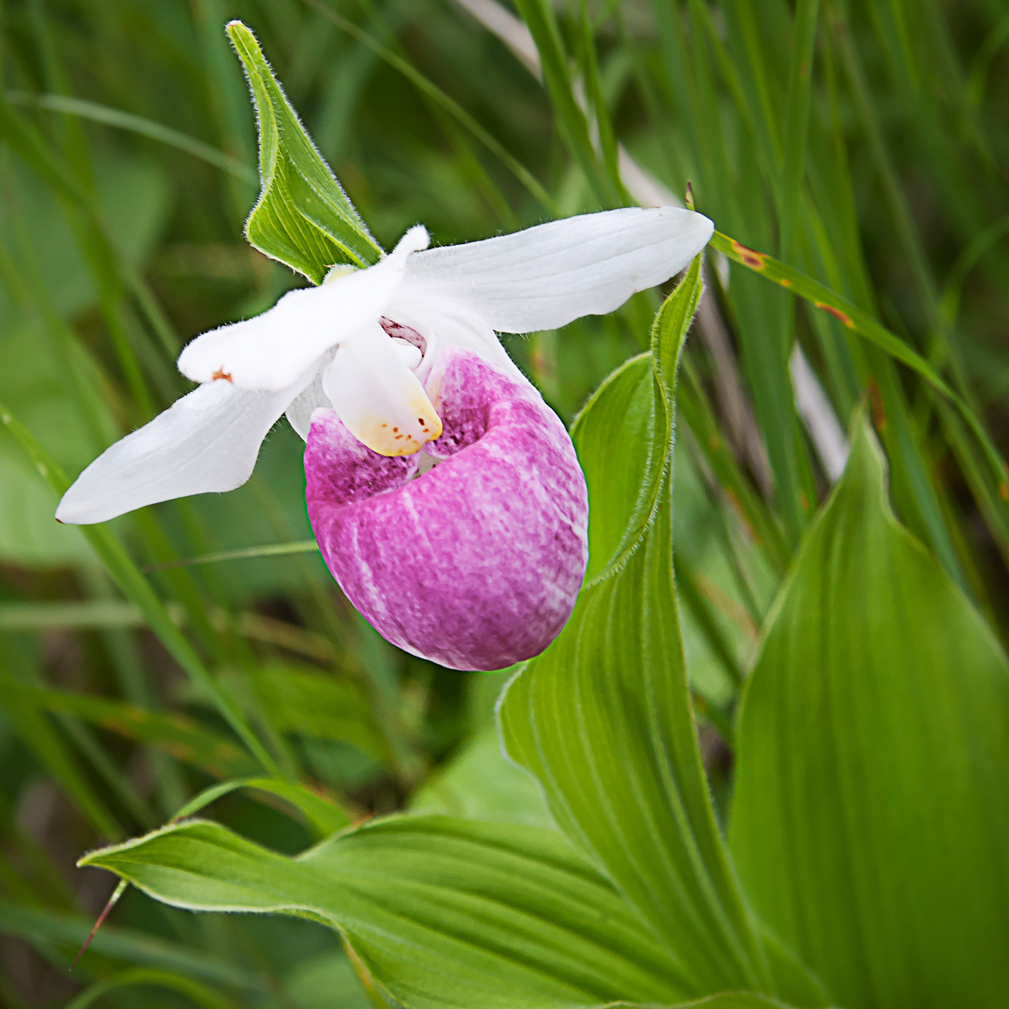
Showy Lady’s Slipper is one of the most stunning wildflowers in the U.S., found in the northern parts of the country, especially in Minnesota, Wisconsin, and Michigan. This orchid blooms in late spring and is prized for its large, pinkish-white petals shaped like slippers. The flower grows in moist, well-drained soils, often in marshy or woodland areas, where it thrives in cool, shaded environments. The Showy Lady’s Slipper is often found in nature reserves, protected due to its rarity.
The blooming season for Showy Lady’s Slipper typically occurs from late May to early June. Its vibrant color and unique shape make it a favorite among wildflower enthusiasts and photographers. However, these plants are quite difficult to cultivate outside of their native habitats, making them a rare find. Conservation efforts help protect the Lady’s Slipper, ensuring its presence in wildflower-rich areas across the U.S.
Trillium (Trillium grandiflorum)
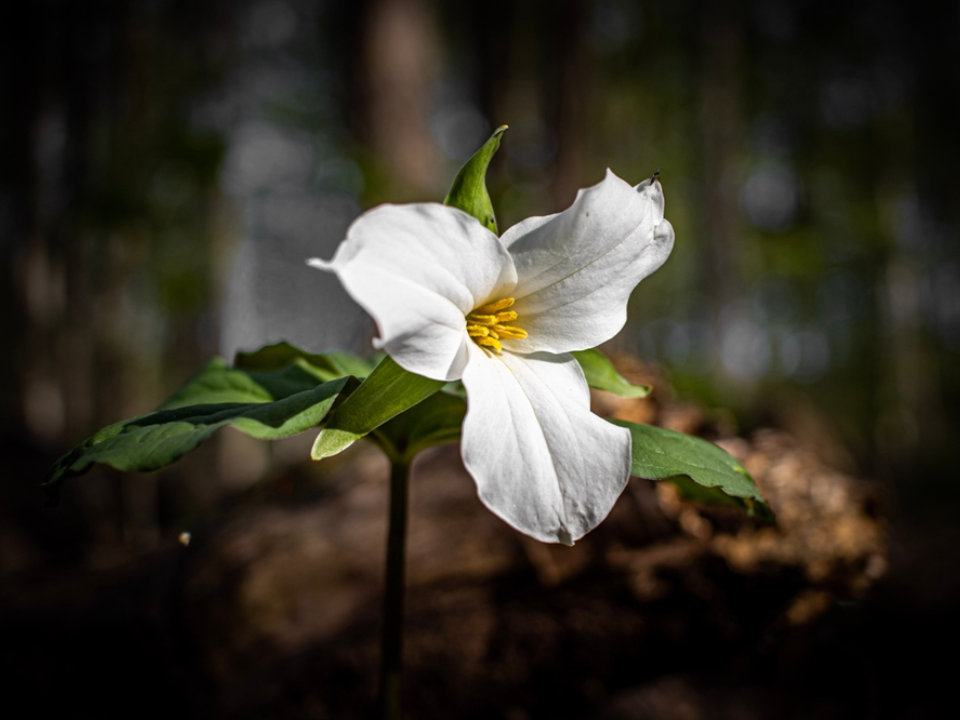
Trillium, also known as the “wake robin,” is a perennial wildflower found primarily in the forests of the northeastern U.S. This plant is easily recognizable by its three-petaled white flowers that bloom in early spring. Trillium is a slow-growing flower, with each plant taking several years to mature and bloom. The flower thrives in rich, well-drained soils and often grows in clusters in the shady, damp forests.
Trillium blooms from late April through May, and its flowers gradually change color from white to pink as they mature. As one of the first flowers to appear in the spring, it offers vital nectar to early-season pollinators. However, due to habitat destruction and over-collection, Trillium is considered vulnerable in some areas. Many states have laws protecting this wildflower to ensure its survival.
Yellow Lady’s Slipper (Cypripedium calceolus)
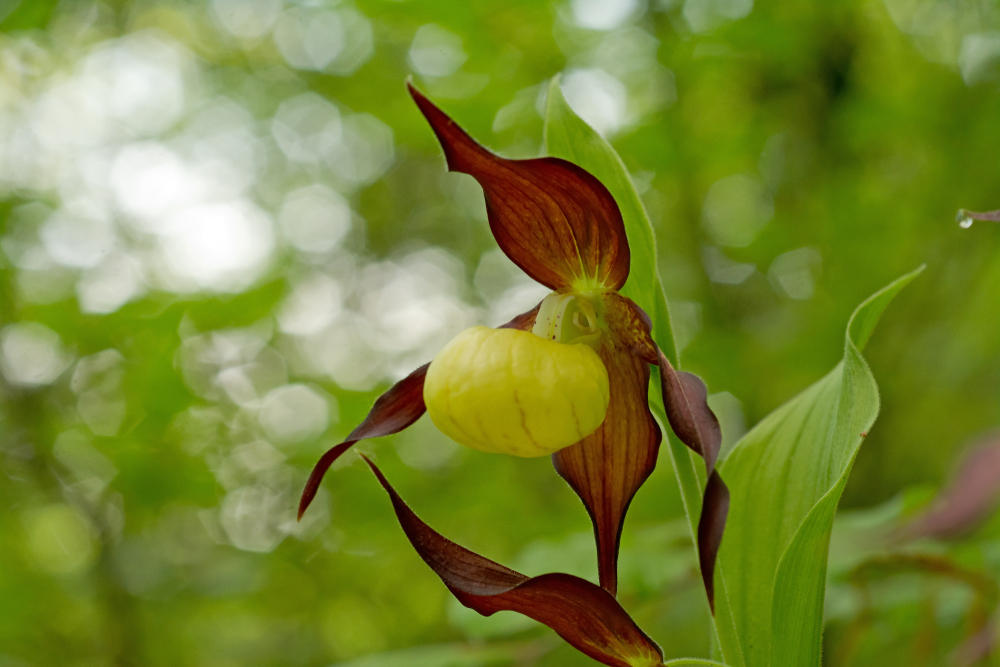
The Yellow Lady’s Slipper is another member of the orchid family, known for its beautiful, yellow “slipper”-shaped flowers. This rare wildflower can be found in parts of the Midwest, as well as in the Pacific Northwest. It grows in shady, forested environments, preferring moist, well-drained soil. The Yellow Lady’s Slipper is a resilient plant, thriving in areas with little disturbance.
Blooming from late spring to early summer, usually in May or June, it adds a splash of color to the shaded forest floor. The flower’s bright yellow color attracts pollinators such as bees and moths, which are crucial for its reproduction. The plant is slow-growing, and its population is declining due to habitat loss and overharvesting. It is listed as a protected species in many states, helping ensure its survival in the wild.
Wild Lupine (Lupinus perennis)
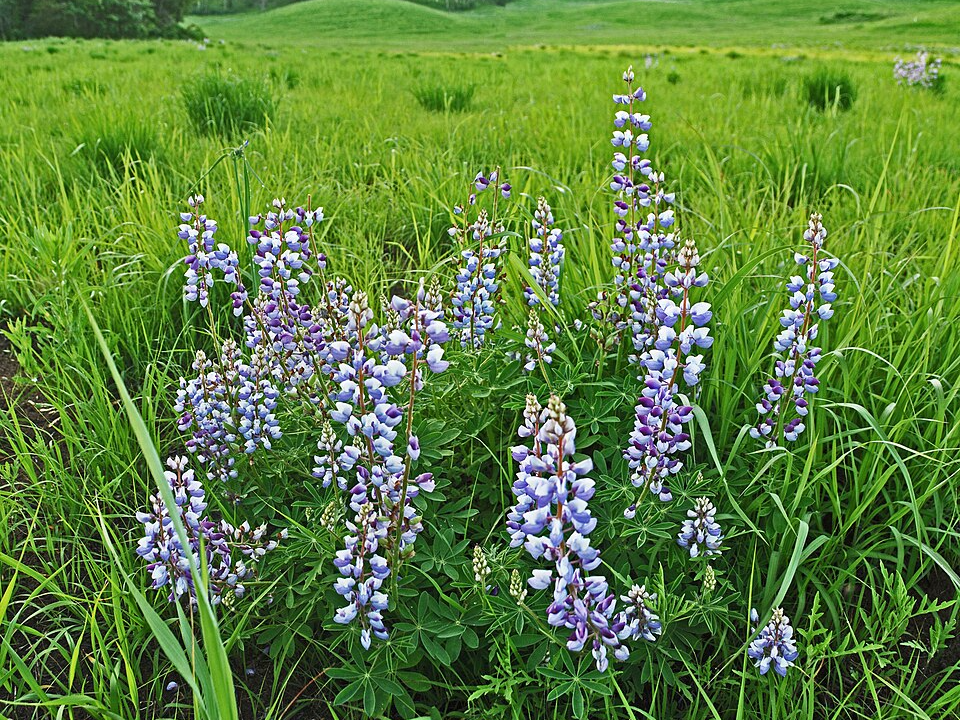
Wild Lupine is a perennial wildflower native to the eastern and central U.S., particularly in sandy soils and open woodlands. Known for its striking blue, purple, or pink spikes of flowers, it blooms in the late spring, often from May to early June. Wild Lupine plays a vital role in its ecosystem by enriching the soil with nitrogen, making it beneficial for surrounding plants. It is often found in prairie or coastal regions, thriving in areas with full sunlight.
Wild Lupine flowers are rich in nectar, attracting a variety of pollinators, including bees and butterflies. While it is not as rare as some other wildflowers, it is still a prized find in the wild. The plant’s distinct beauty and ecological importance make it an essential part of the spring landscape. Gardeners appreciate it for its ability to attract pollinators and its resilience in drought-prone areas.
Goldenseal (Hydrastis canadensis)
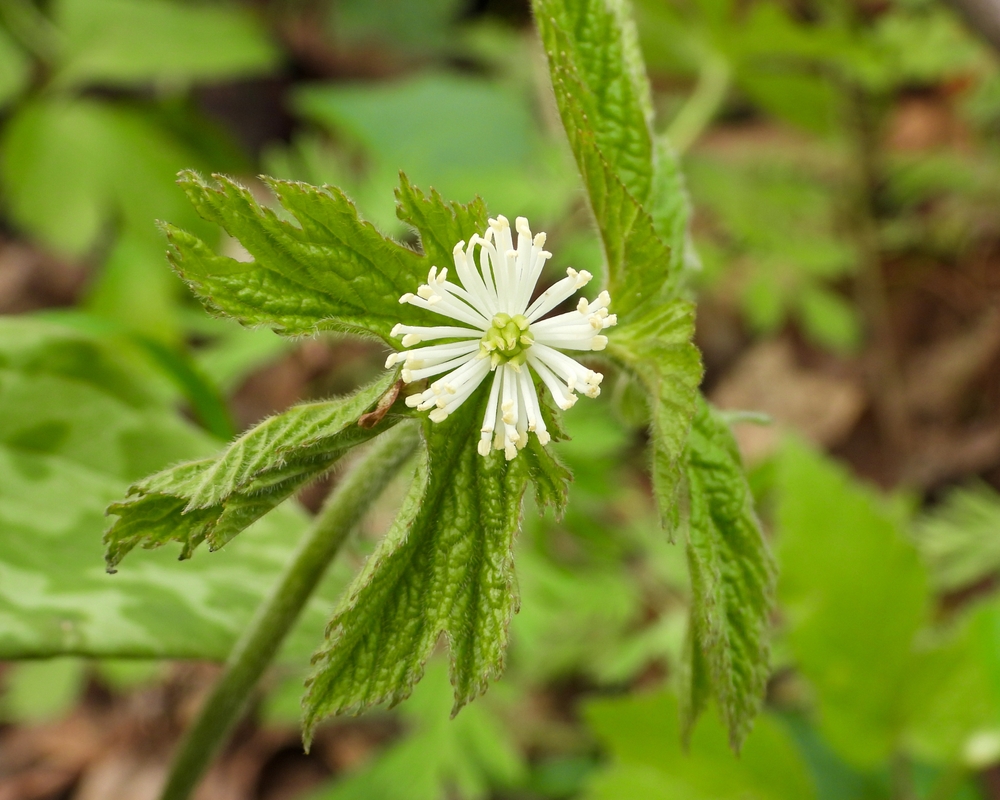
Goldenseal is a medicinal plant that grows in the shaded forests of the eastern U.S., particularly in the Appalachian Mountains. The plant is prized for its small, white flowers that bloom in late spring and its distinctive yellow roots, which have been used in herbal medicine for centuries. Goldenseal thrives in rich, moist, well-drained soils and can often be found in areas with a natural canopy of trees.
The plant blooms in May and June, and its flowers are not as noticeable as its bright yellow roots. Goldenseal has long been used for its anti-inflammatory and antimicrobial properties, making it a valuable plant for traditional herbal remedies. However, due to overharvesting for medicinal purposes, Goldenseal is becoming rare in the wild. Conservation efforts are underway to protect this valuable plant and its habitat.
Bluebell (Hyacinthoides non-scripta)
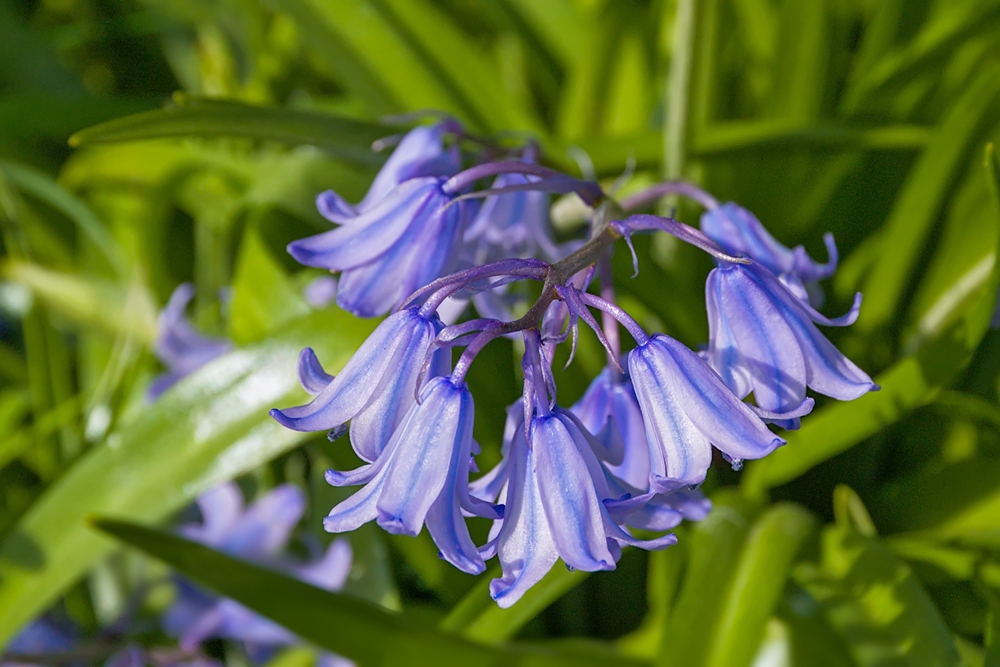
Bluebells are well-known for their striking blue flowers that blanket the woodlands in spring. Native to the eastern U.S., this wildflower thrives in shaded areas, often in moist, well-drained soils. Bluebells bloom in early spring, from late March to early April, covering the forest floor in a sea of color. The plants prefer areas that stay cool and moist, making them perfect for shaded gardens or natural woodland settings.
During their blooming period, Bluebells attract bees and other pollinators, ensuring the continued spread of these beautiful plants. While they are not rare in all areas, they can still be difficult to find in some parts of the U.S., especially in regions with too much sunlight or too little moisture. Their vibrant color and fragrance make them a favorite for wildflower lovers. Bluebells are a popular addition to botanical gardens and nature preserves across the country.
Spotted Wintergreen (Chimaphila maculata)
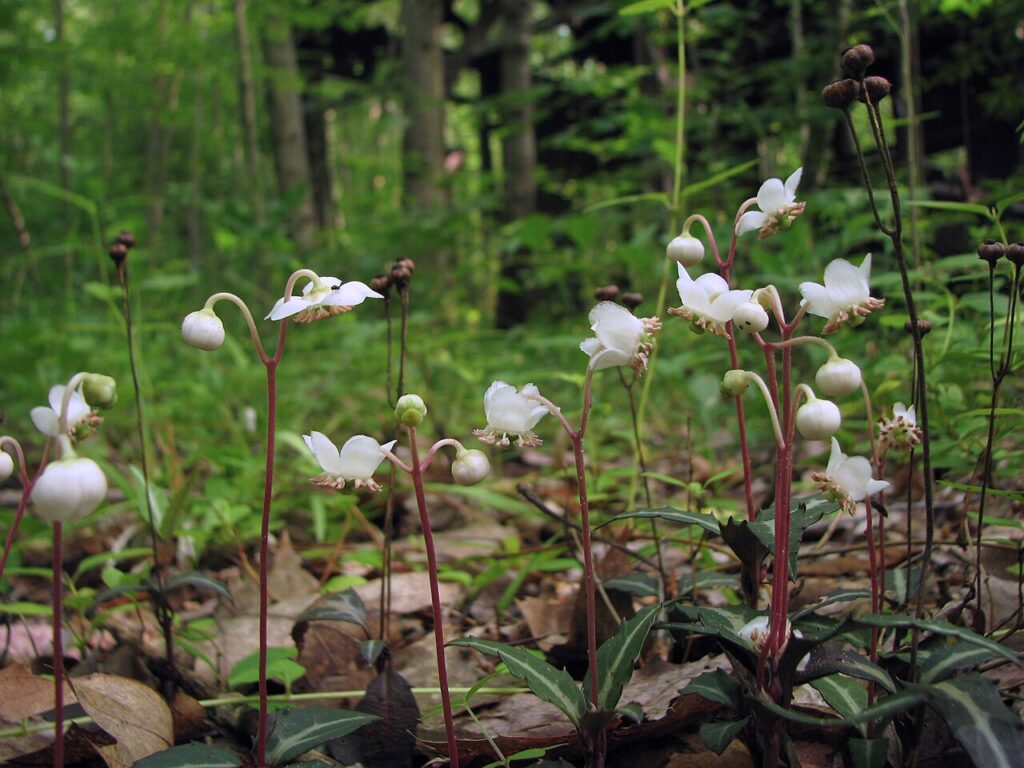
Spotted Wintergreen is a small, evergreen wildflower that can be found in the shaded woods of the northeastern U.S. This plant has distinctive white flowers with purple spots, which bloom in late spring. The flower grows on a small shrub-like plant that thrives in acidic, well-drained soils and shaded areas. Its evergreen nature allows it to stand out in winter, even before the spring blooms appear.
Blooming in May and June, Spotted Wintergreen is often hidden among the forest understory, making it a rare find. The plant is slow-growing and takes several years to mature, which adds to its rarity. Though it is not endangered, Spotted Wintergreen can be difficult to locate due to habitat loss and competition with other plants. Those who are lucky enough to spot it often admire its unique beauty and delicate flowers.
Scarlet Beebalm (Monarda didyma)
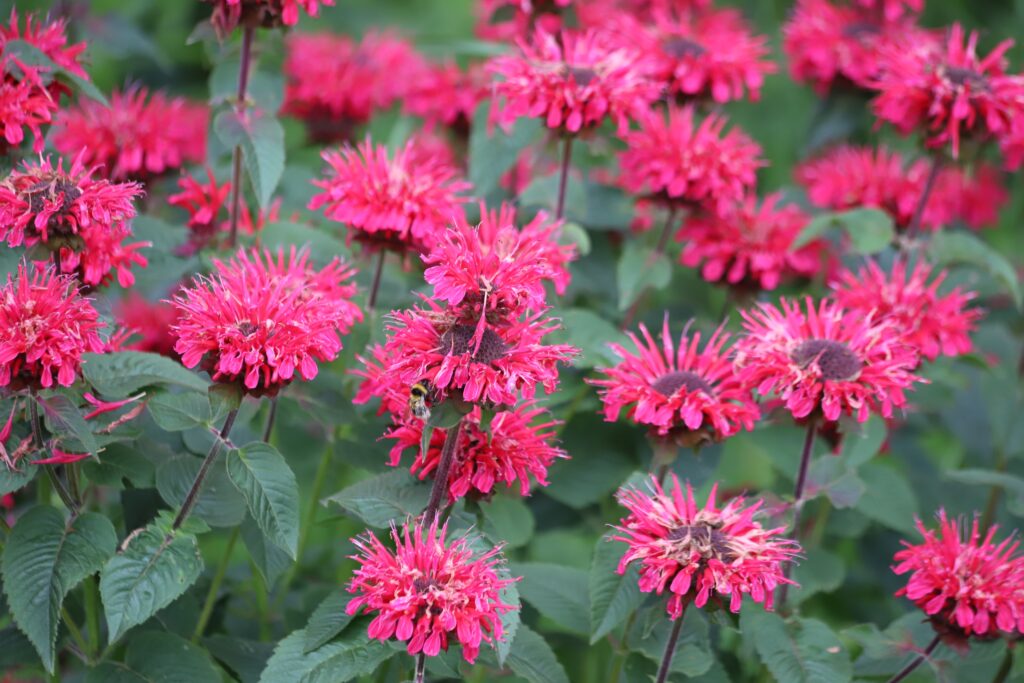
Scarlet Beebalm is a striking wildflower found primarily in the eastern U.S., often in moist meadows or along riverbanks. Known for its bright red flowers that attract pollinators, this plant blooms in mid- to late spring. Its tubular flowers are a favorite for hummingbirds and bees, making it a vital part of the ecosystem. Scarlet Beebalm is a hardy plant, thriving in a variety of soil types as long as it remains moist.
The blooms of Scarlet Beebalm typically appear from late May through June. These wildflowers are often used in landscaping due to their vibrant color and ability to draw pollinators. They grow well in full sunlight and can spread quickly, creating a stunning patch of color in meadows or gardens. Scarlet Beebalm is not only beautiful but also beneficial, with its leaves often used in traditional herbal teas.
Marsh Marigold (Caltha palustris)
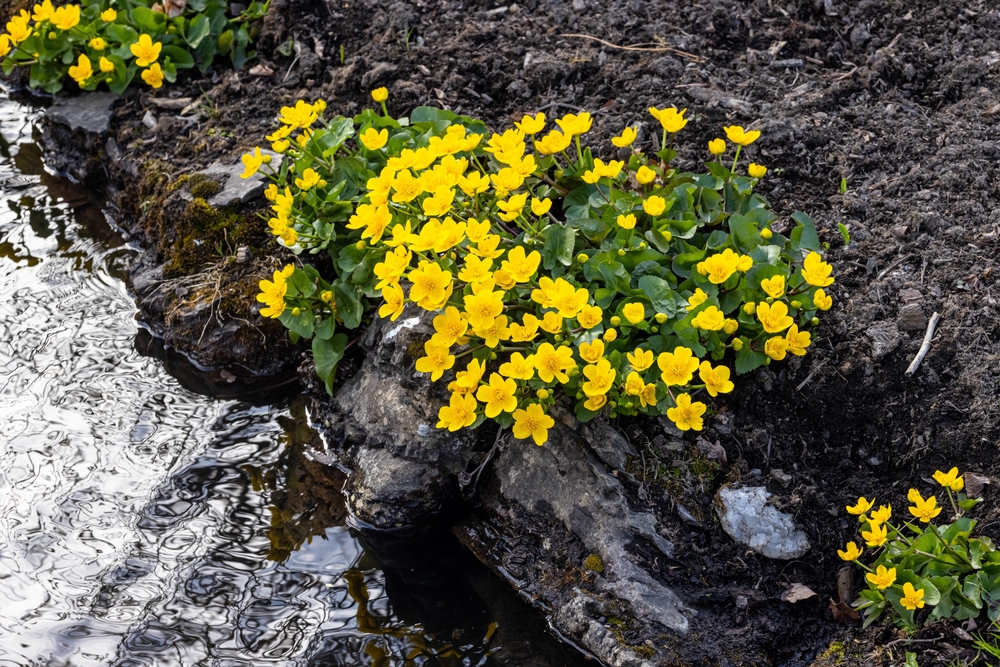
Marsh Marigold is a beautiful spring wildflower found in wetlands, particularly in the northern U.S. It is known for its bright yellow flowers that bloom in early spring, typically from April to May. The plant thrives in moist, acidic soils and can often be found growing along streams, ponds, or in marshy areas. Its vibrant yellow blooms stand out against the green of surrounding plants, making it easy to spot in the wild.
Though it is not as rare as some other wildflowers, Marsh Marigold can still be difficult to find in certain regions due to habitat loss. The plant is also known for its medicinal properties, with its roots historically used to treat various ailments. However, caution is needed, as parts of the plant can be toxic if consumed in large quantities. Marsh Marigold is a beautiful addition to wetlands and offers early-season color to the landscape.
Purple Coneflower (Echinacea purpurea)
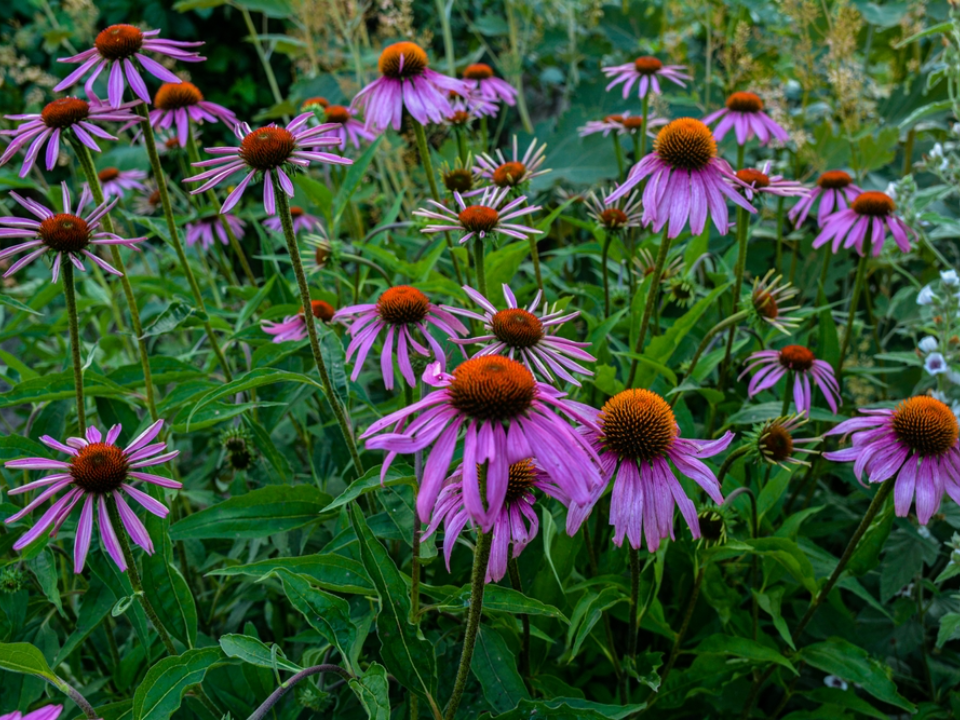
Purple Coneflower is a popular wildflower found across the central and eastern U.S., known for its large, striking purple petals and distinct cone-shaped center. It blooms from late spring to mid-summer, usually starting in May and continuing into July. This hardy flower thrives in prairies, meadows, and open woodlands, often found in well-drained soil with full sunlight. It is highly attractive to bees, butterflies, and birds, which are drawn to its nectar.
The plant’s medicinal properties add to its appeal, with Echinacea often used in herbal remedies to support the immune system. Though it is native to the U.S., it has been cultivated and naturalized in many gardens, valued for both its beauty and health benefits. Purple Coneflower is a resilient plant, handling dry conditions better than many other wildflowers. Its vibrant color makes it a standout in any landscape or wildflower patch, especially during its peak bloom in June.
Wild Ginger (Asarum canadense)
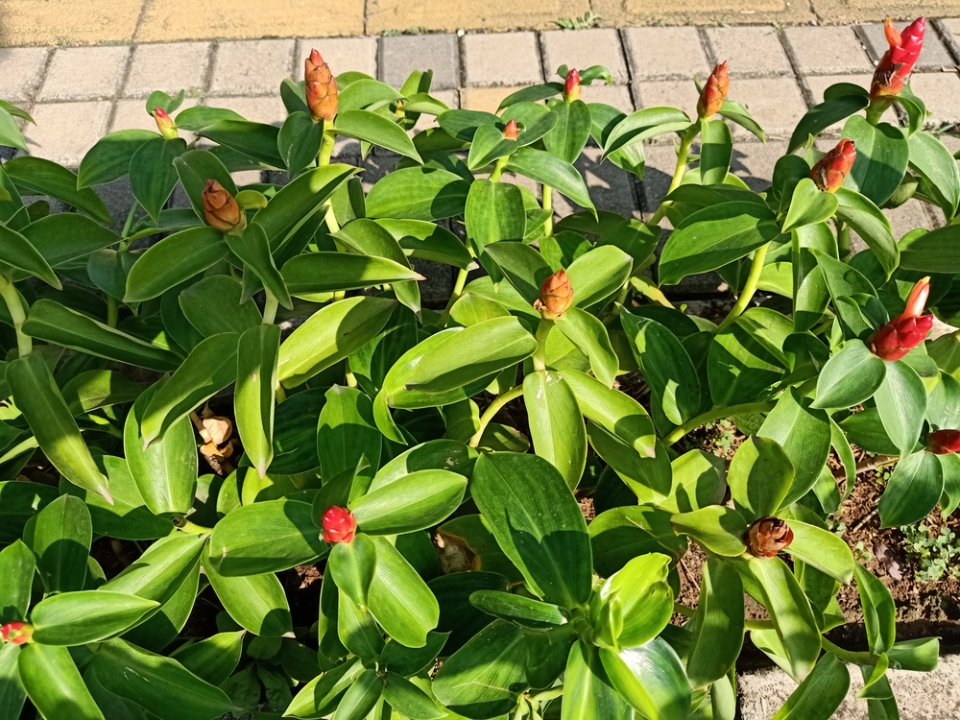
Wild Ginger is a perennial herb native to the woodlands of the eastern U.S. Its unique, heart-shaped leaves and small, maroon flowers make it a fascinating find for wildflower enthusiasts. Wild Ginger blooms in early to mid-spring, often in April or May, and thrives in moist, shaded environments such as forest floors or alongside streams. Despite its name, it does not resemble true ginger, but its roots have a spicy, ginger-like scent.
The flowers of Wild Ginger are hidden beneath its leaves, making them difficult to spot, which is part of what makes this plant rare. The flowers are typically maroon and bell-shaped, appearing in spring before the leaves fully unfold. Wild Ginger is commonly used in traditional herbal medicine, though it is considered toxic if consumed improperly. Its foliage provides excellent ground cover in shaded gardens, where it adds texture and interest.
Wild Columbine (Aquilegia canadensis)
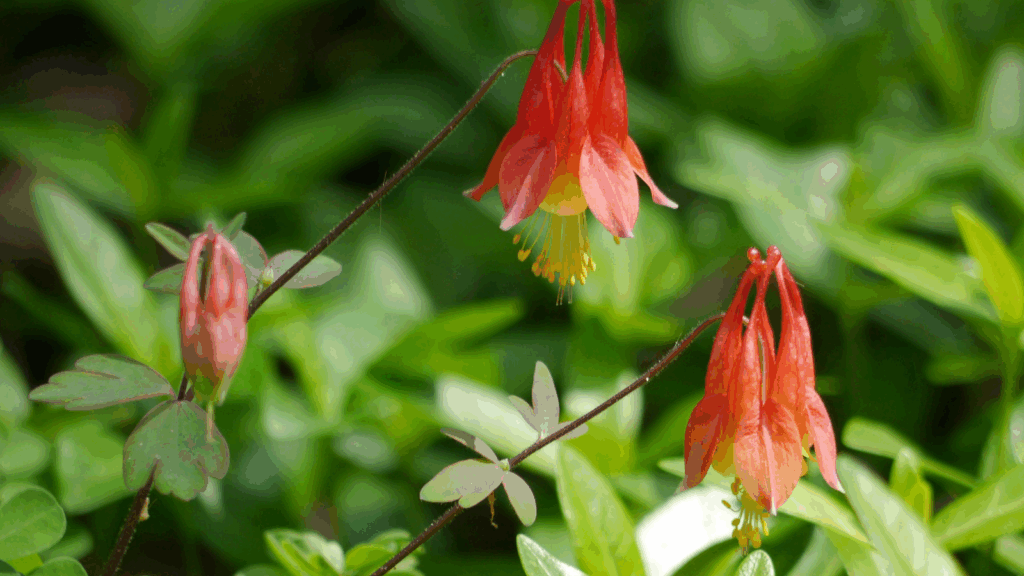
Wild Columbine is a unique, native wildflower found throughout the U.S., particularly in the woodlands and rocky hillsides of the eastern half of the country. Known for its striking, red and yellow tubular flowers, this plant blooms in early to mid-spring, usually in April or May. The flower’s distinct shape, with its spurred petals, makes it easily recognizable among other wildflowers. Wild Columbine thrives in moist, well-drained soils in partially shaded areas, making it perfect for woodland gardens or natural landscapes.
The blooms of Wild Columbine attract hummingbirds, which are drawn to the plant’s nectar-rich flowers. While it is common in some areas, it is still considered a rare find in other parts of the country, particularly where urban sprawl has altered natural habitats. Wild Columbine’s seeds are often dispersed by ants, which carry them to new areas where they can establish roots. Its striking appearance and value to local pollinators make it a desirable addition to any garden.
Sand Verbena (Abronia villosa)
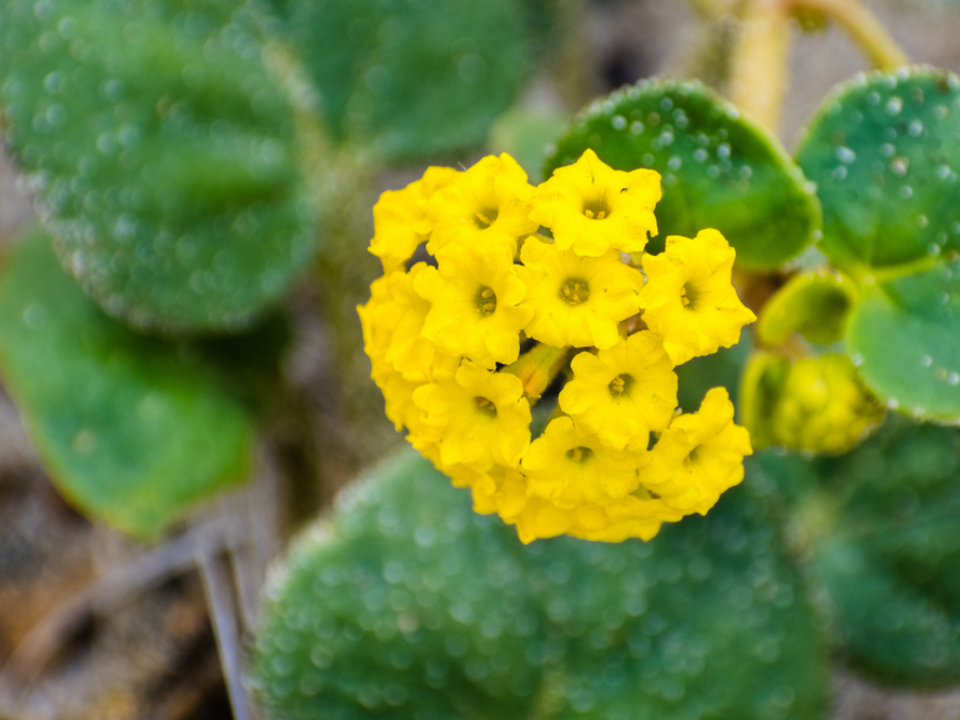
Sand Verbena is a vibrant wildflower found in the deserts and sandy plains of the southwestern U.S., especially in California, Nevada, and Arizona. Known for its bright purple, pink, or white flowers, it blooms in late spring to early summer, typically between April and June. Sand Verbena thrives in dry, sandy soils and full sunlight, often growing in arid desert conditions. Its colorful flowers make it a stunning sight in the harsh desert landscape, attracting pollinators such as bees and butterflies.
Despite the challenging environment, Sand Verbena is highly adaptable, with its deep root system helping it survive in areas with little rainfall. It grows in sprawling clusters, creating patches of color in otherwise barren landscapes. Sand Verbena’s resilience and beauty make it a favorite for desert gardeners and wildflower enthusiasts. It is also a critical part of the ecosystem, providing food and habitat for early-season pollinators in dry regions.
Yellow Trout Lily (Erythronium americanum)
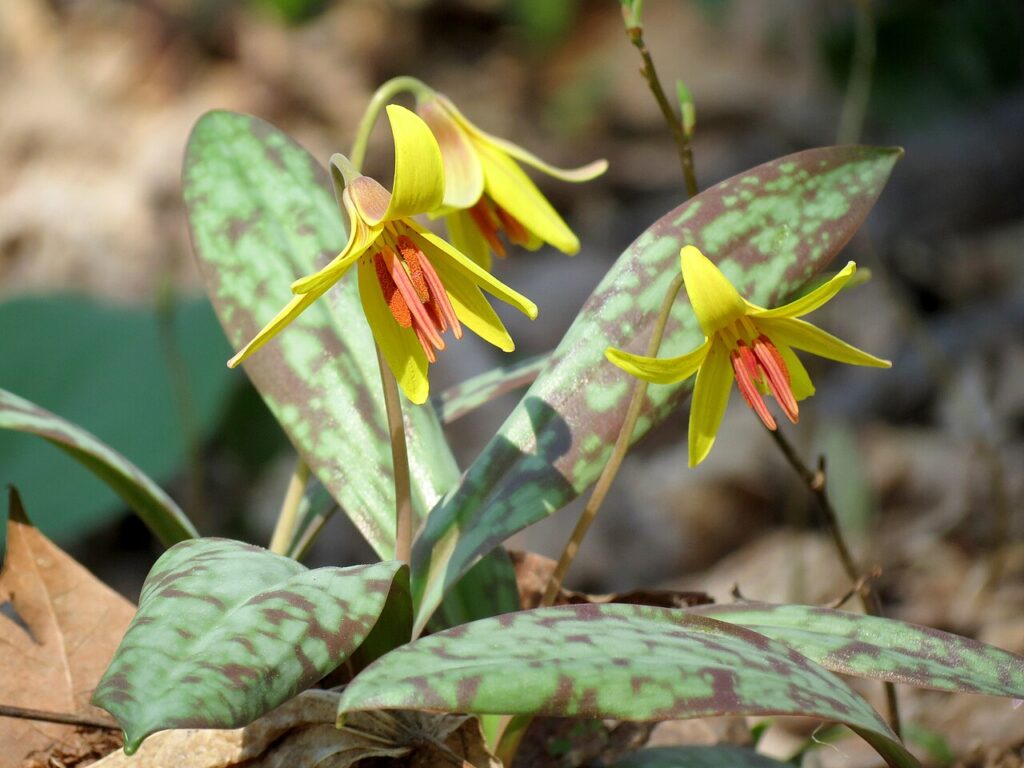
Yellow Trout Lily is a spring-blooming wildflower found in the moist, rich soils of woodlands across the eastern U.S. It gets its name from the unique, mottled leaves that resemble the markings on a trout’s skin. This plant blooms in early spring, typically in March and April, with bright yellow flowers that emerge before the leaves fully unfold. Yellow Trout Lily grows in shaded, forested areas where the soil is rich in organic material and moisture.
The flower’s early bloom attracts a variety of pollinators, including bees and ants, which help spread its seeds. It is often found in large colonies, where hundreds of plants bloom together, creating a beautiful spring display. Yellow Trout Lily is slow to establish, with plants often taking several years to flower for the first time. Though it is not endangered, it is considered rare in some areas due to habitat loss and the destruction of its woodland environments.
Red Trillium (Trillium erectum)
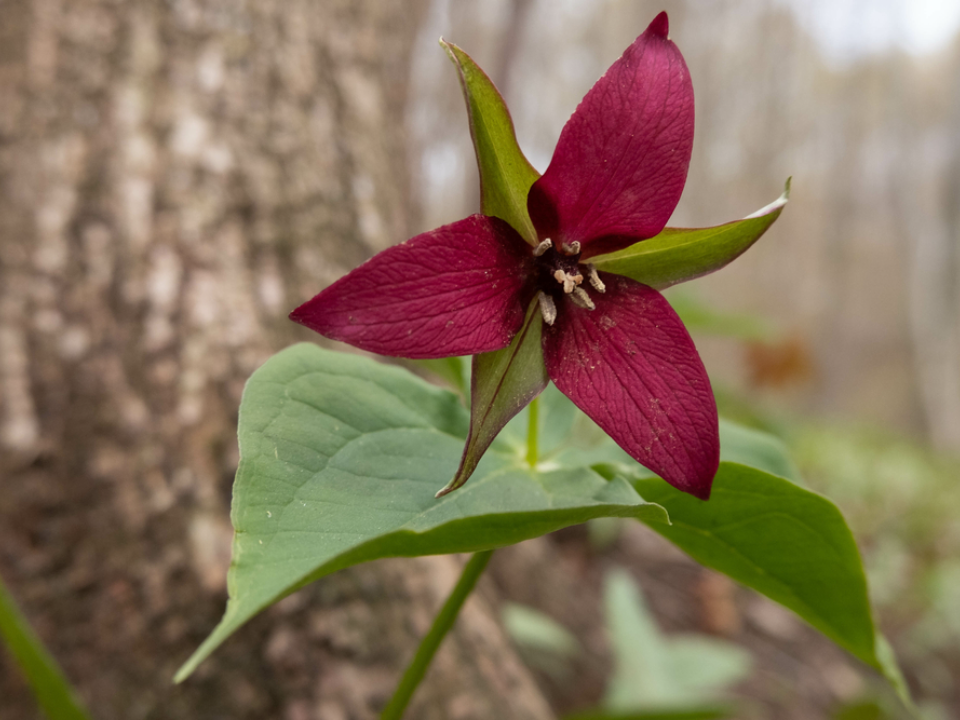
Red Trillium, also known as Wake Robin, is a rare wildflower found in the woodlands of the northeastern U.S. It features deep red, three-petaled flowers that bloom in early spring, typically from April to May. The flowers are often accompanied by three broad leaves that provide a striking backdrop to the blooms. Red Trillium thrives in moist, well-drained soils found in shaded areas of forests, often near streams or in damp ravines.
The plant’s blooms only last for a short period, making it a rare treat for those who encounter it. Red Trillium’s seeds are dispersed by ants, which play a crucial role in its reproduction. Though it is not endangered, Red Trillium is considered rare in certain parts of the U.S. due to habitat destruction. Many states have laws protecting the plant, ensuring that future generations will continue to enjoy its stunning flowers.
This article originally appeared on Avocadu.