
11 Companion Plants to Boost Your Vegetable Garden This March
Companion planting is a fantastic way to enhance your vegetable garden, especially as the season transitions into spring. By pairing certain plants together, you can encourage healthy growth, deter pests, and improve soil quality. March is the perfect time to start considering these plant partnerships. Keep reading to discover which plants work best together and why they should be in your garden.
This post may contain affiliate links, which helps keep this content free. Please read our disclosure for more info.
Marigolds and Tomatoes
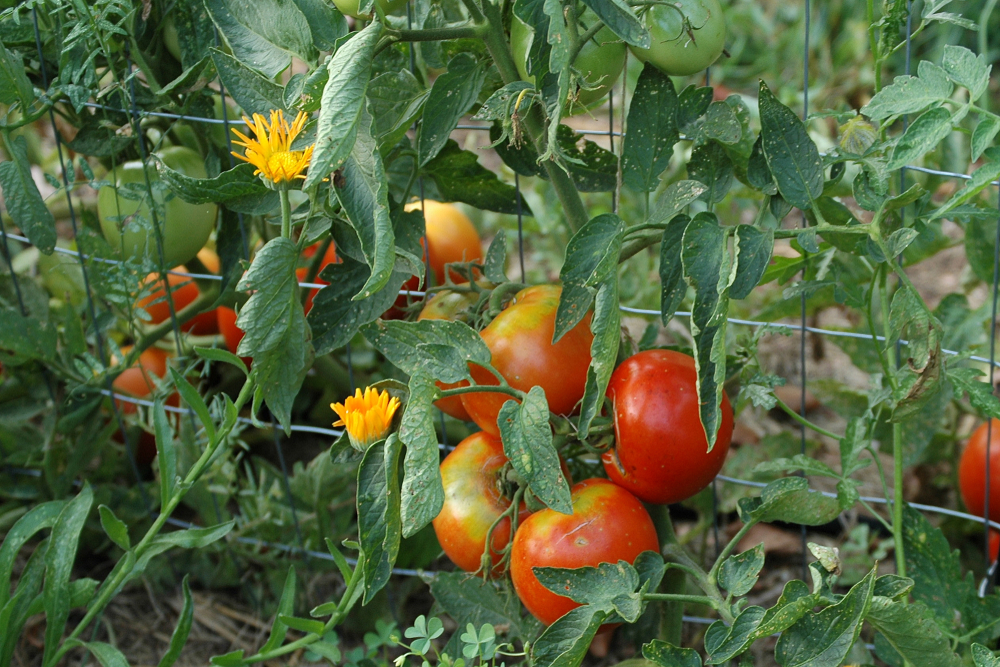
Marigolds are a classic companion for tomatoes, providing a natural pest deterrent. The scent of marigolds repels many harmful insects, including aphids, whiteflies, and nematodes, which can damage tomato plants. Additionally, their vibrant blooms attract beneficial insects like ladybugs and lacewings, which help keep pest populations in check. Growing marigolds around your tomato plants can also improve soil health by releasing compounds that reduce the presence of root-damaging nematodes.
Tomatoes, on the other hand, benefit from the protection marigolds provide while adding beauty to the garden. Plant marigolds around the base of your tomato plants to create a natural barrier against pests. The flowers can also improve tomato flavor by enhancing the growth of surrounding plants. This pairing works well in containers, raised beds, or traditional garden rows, offering a practical solution for keeping your tomatoes healthy and thriving.
Basil and Peppers
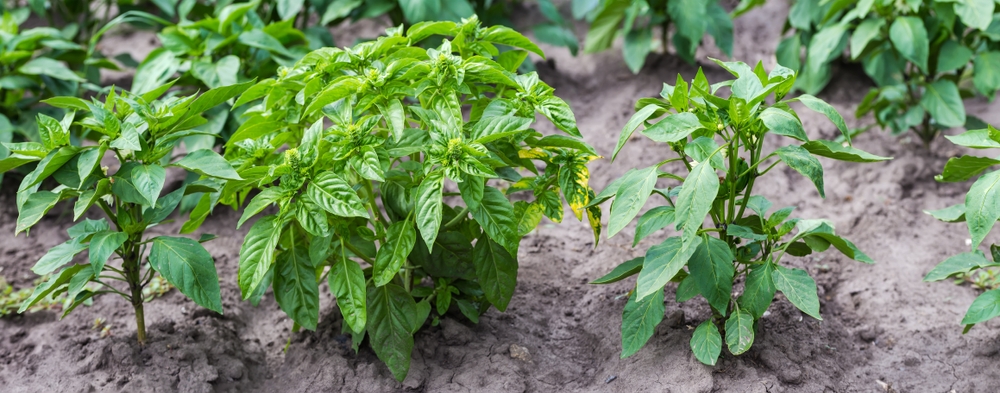
Basil is known to pair beautifully with peppers, benefiting both plants in several ways. Basil enhances the flavor of peppers and helps boost their growth, especially in the early stages. The aromatic oils in basil are known to repel certain pests, including aphids, spider mites, and mosquitoes, which are common threats to pepper plants. Additionally, basil’s robust foliage can provide some shade to pepper plants, helping them stay cool during warmer months.
Peppers benefit from this pairing as basil can also help improve air circulation around the plants, reducing the likelihood of fungal diseases. Growing basil near peppers can also attract pollinators like bees, which are crucial for pepper flowering. To get the most out of this combination, plant basil near peppers, making sure there is enough space for both to thrive. Whether you’re growing sweet peppers or hot varieties, this duo can give your garden an extra boost.
Carrots and Onions
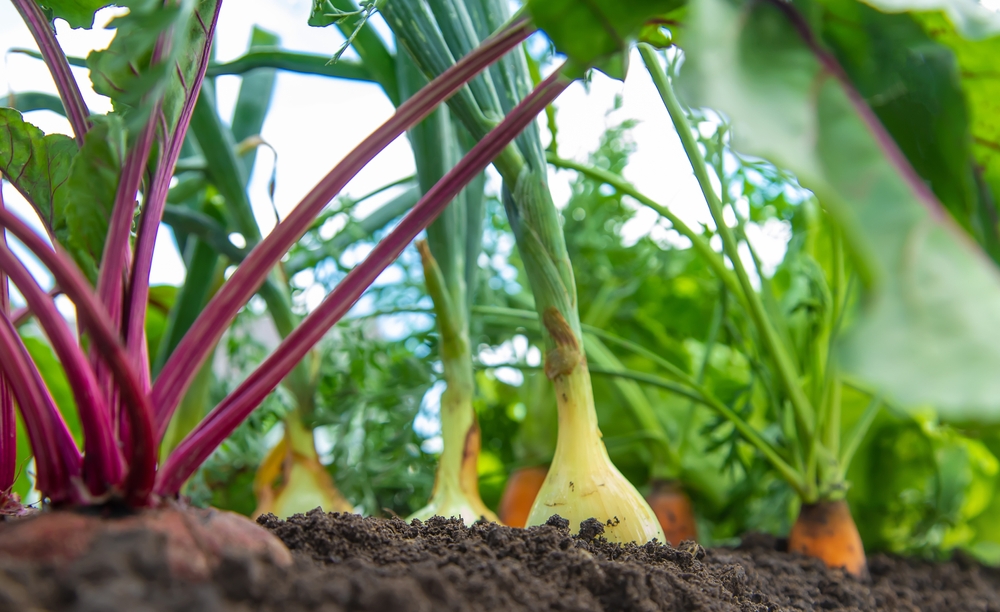
Carrots and onions form an excellent companion pairing that maximizes garden space while helping to deter pests. Onions, with their strong scent, help keep pests, such as carrot flies, away, which are a common threat to carrot crops. In return, carrots help loosen the soil around onion plants, allowing their roots to grow deeper and promoting better air circulation. This mutually beneficial relationship makes them perfect companions for a vegetable garden.
Onions also have the added benefit of being a natural repellent for other pests, such as aphids and slugs, which can harm a variety of plants. Plant carrots and onions in close proximity to save space while maximizing their growth potential. This pairing can be especially effective when planted in rows or mixed beds, where both plants can thrive without overcrowding each other. By pairing these two, your garden can benefit from increased productivity with fewer pests.
Beans and Cucumbers
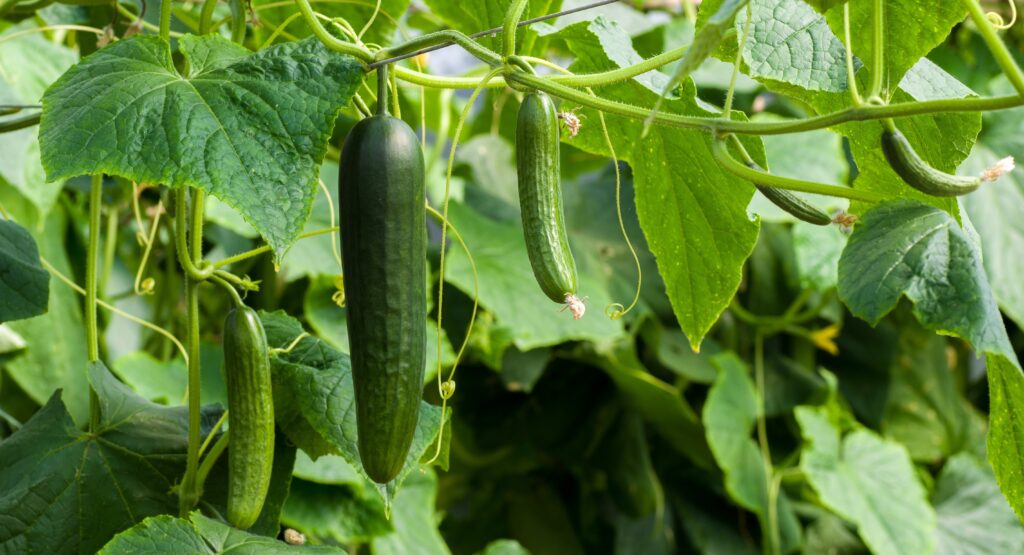
Beans and cucumbers are another fantastic combination that works well together in vegetable gardens. Beans are nitrogen-fixing plants, meaning they add valuable nitrogen to the soil, which cucumbers can utilize to grow strong and healthy. The vines of cucumber plants benefit from the structure provided by bean plants, which can act as a natural trellis for cucumber vines to climb. This allows cucumbers to grow vertically, saving space in the garden.
The benefits go both ways, as beans are also protected from certain pests when planted near cucumbers. The wide leaves of cucumber plants can shield beans from harsh sunlight, helping them grow with more stability. Both crops work together to create a more resilient garden that makes efficient use of space and resources. Plant beans and cucumbers near each other, ensuring they have room to grow and thrive, and enjoy a bountiful harvest.
Nasturtiums and Squash
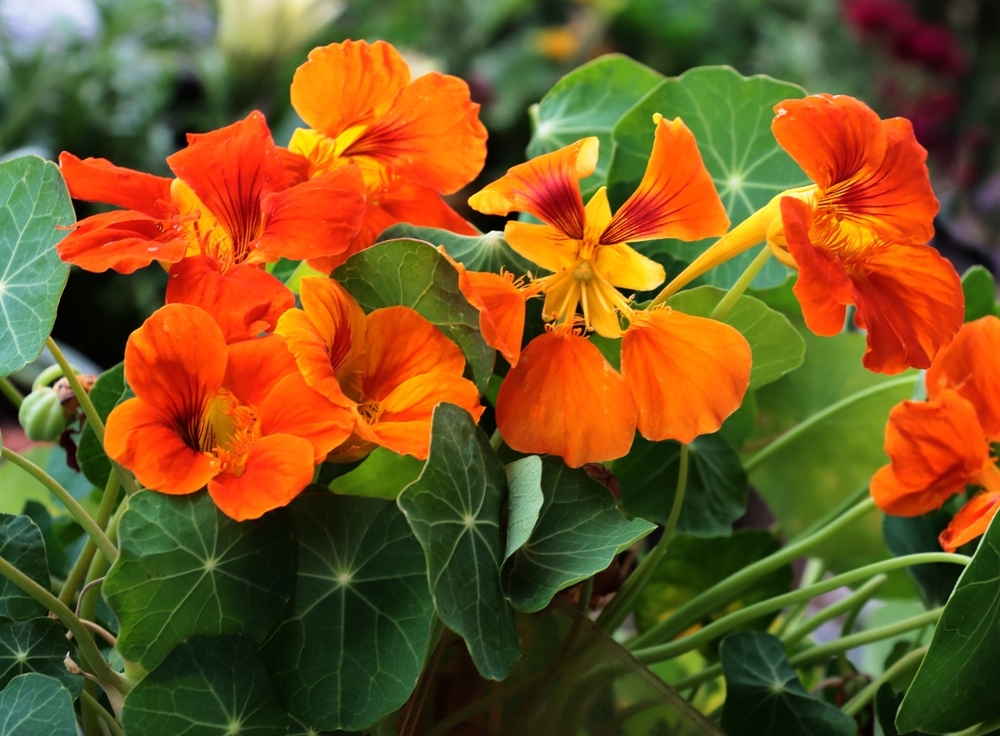
Nasturtiums are a great companion for squash, offering both pest control and aesthetic appeal. These vibrant flowers attract aphids, whiteflies, and other harmful insects away from your squash plants. Their strong scent masks the smell of squash, which can be enticing to certain pests. Nasturtiums also act as a ground cover, preventing weeds from growing around squash plants and helping to retain moisture in the soil.
Squash plants, in turn, benefit from the shade provided by nasturtiums, which keeps the soil cooler and reduces the risk of heat stress during the warmer months. The flowers’ bright colors attract pollinators like bees, which help increase squash yields. Plant nasturtiums at the base of your squash plants, making sure to leave enough space for both to grow. This pairing helps create a healthy, thriving garden without the use of harmful chemicals.
Garlic and Kale
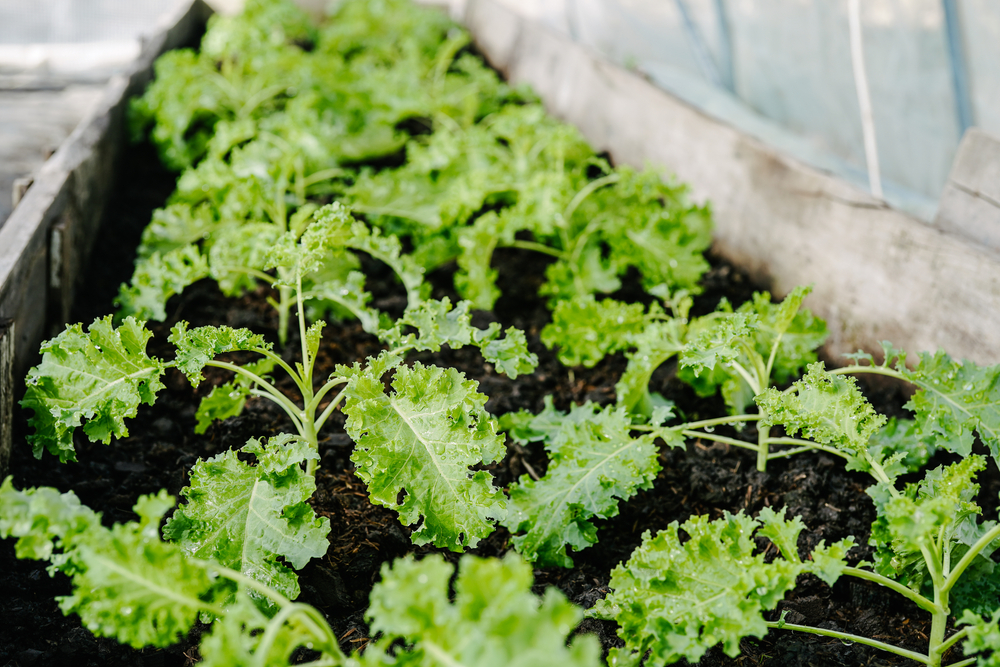
Garlic and kale are another strong pairing for boosting your vegetable garden. Garlic acts as a natural repellent for pests like aphids, cabbage worms, and slugs, which are often drawn to kale. The strong smell of garlic can mask the scent of kale, making it less noticeable to these harmful insects. In return, kale’s large leaves help provide some shade to garlic, which can help prevent the bulbs from becoming too exposed to the sun.
Kale’s deep roots also help improve soil structure, which benefits garlic by providing better drainage. This pairing works well in small spaces, such as raised beds or containers, as garlic can be planted in the spaces between kale plants. By incorporating garlic into your kale patch, you can minimize the need for chemical pest control while boosting your vegetable yields. This combination is a great example of how companion planting can benefit both plants in a meaningful way.
Lettuce and Radishes
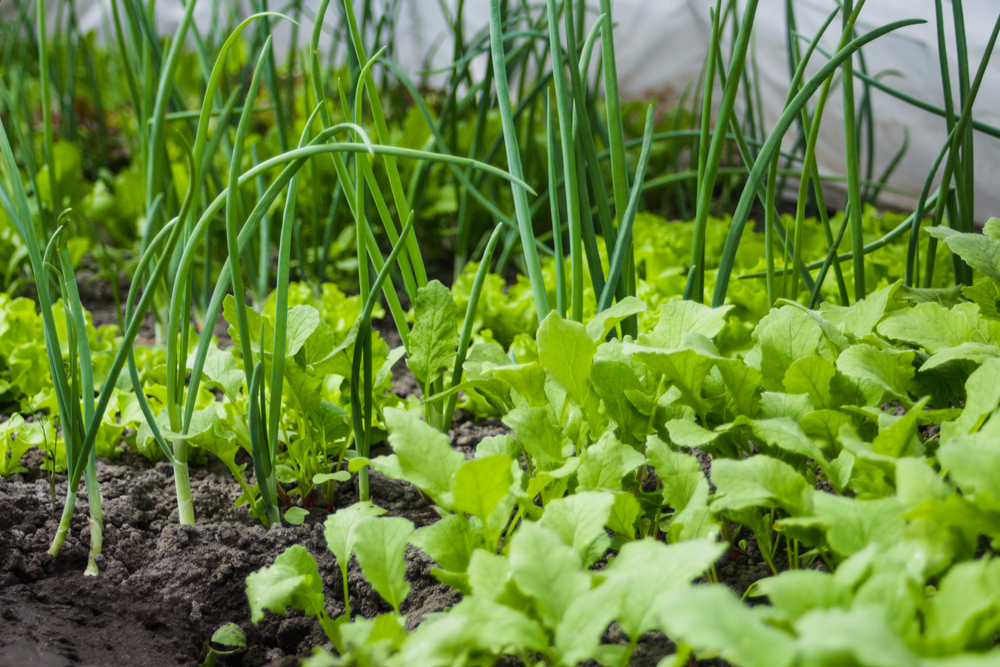
Lettuce and radishes are an easy-to-grow combination that thrives in cooler temperatures, making them perfect for planting in March. Radishes grow quickly and help break up the soil around lettuce plants, making it easier for their roots to spread. Lettuce, in turn, provides shade for radishes, preventing them from becoming too exposed to the sun, which can make them go to seed too early. This pairing helps both crops grow at their best while saving garden space.
Radishes are also beneficial for keeping pests like aphids away from lettuce plants. Since radishes grow so quickly, you can harvest them early, leaving room for lettuce to take over the space. The two plants do well in companion plantings because they don’t compete for resources. Plant them together in rows or small spaces, and enjoy the ease of growing these complementary crops in your garden.
Oregano and Peppers
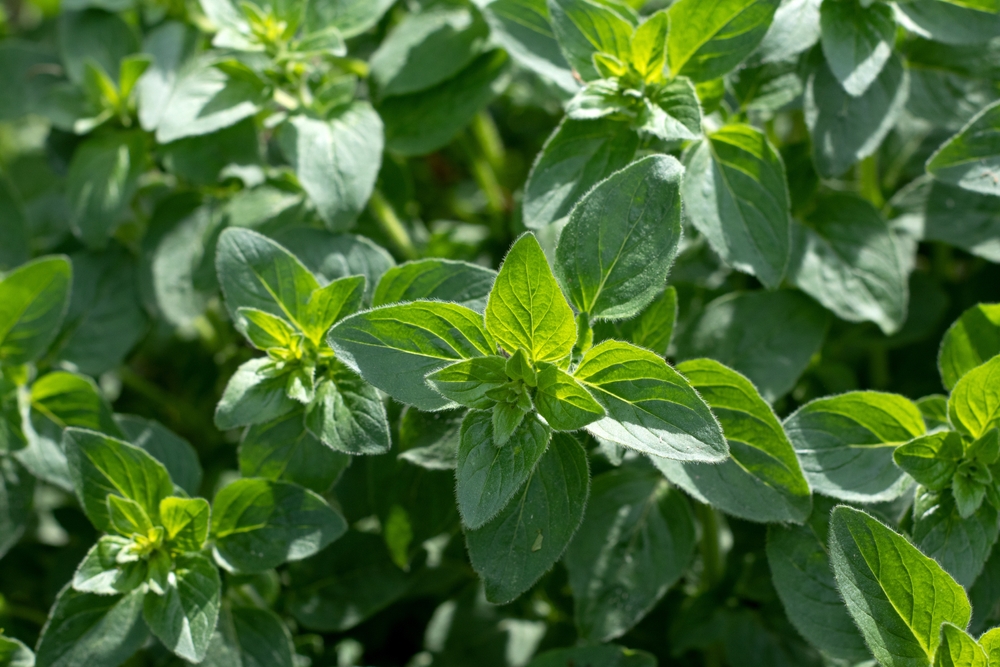
Oregano is an excellent herb to pair with peppers, offering natural pest control and flavor enhancement. Oregano helps deter pests like aphids, flea beetles, and spider mites, which are common threats to pepper plants. The strong scent of oregano can also mask the scent of peppers, making it harder for pests to locate them. Peppers, in turn, benefit from the extra protection oregano provides, allowing them to grow stronger and healthier.
Oregano’s growth also provides ground cover around peppers, helping to retain moisture in the soil. As an added bonus, oregano’s perennial nature means you can enjoy it year after year. Plant oregano near your peppers, making sure it does not overwhelm the peppers by spreading too much. This simple pairing can help create a more resilient and productive garden.
Dill and Cucumbers
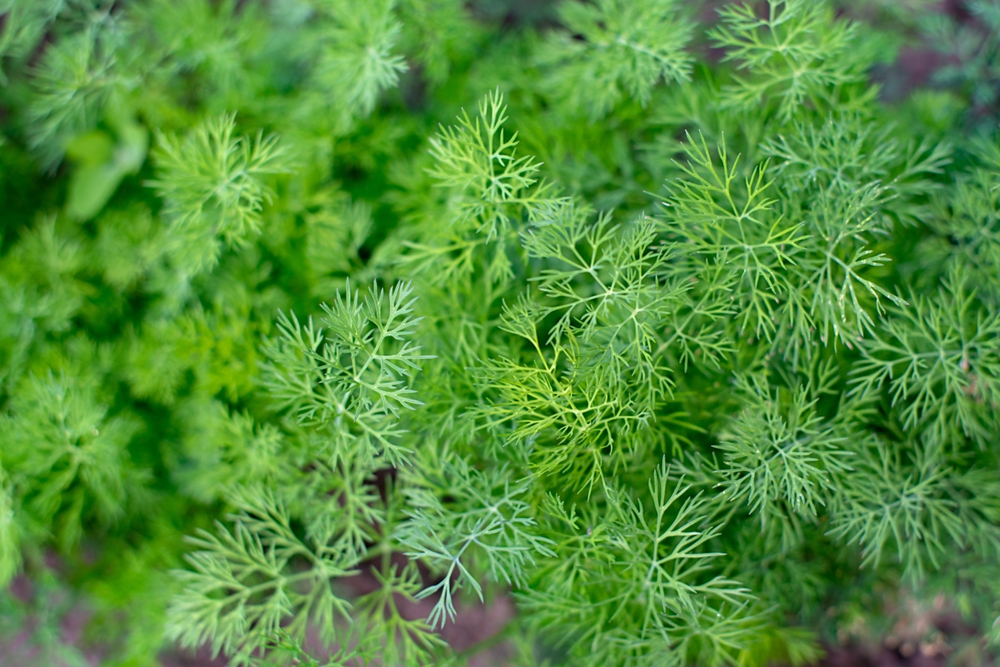
Dill and cucumbers are another classic pairing in vegetable gardens, especially during the spring. Dill attracts beneficial insects like ladybugs and hoverflies, which help control aphids and other pests that often target cucumbers. The presence of dill can also help improve the flavor and health of cucumbers. These two plants thrive together, as they both prefer similar growing conditions, such as full sun and well-drained soil.
Cucumbers, on the other hand, help provide some shade for dill, which can sometimes become leggy in the heat. This combination works well when planted in containers, raised beds, or garden rows. As an added bonus, dill is also a great herb to use in pickling, making this pairing even more rewarding. By planting these two together, you’ll enjoy both a healthier garden and fresh cucumbers for your kitchen.
Thyme and Eggplant
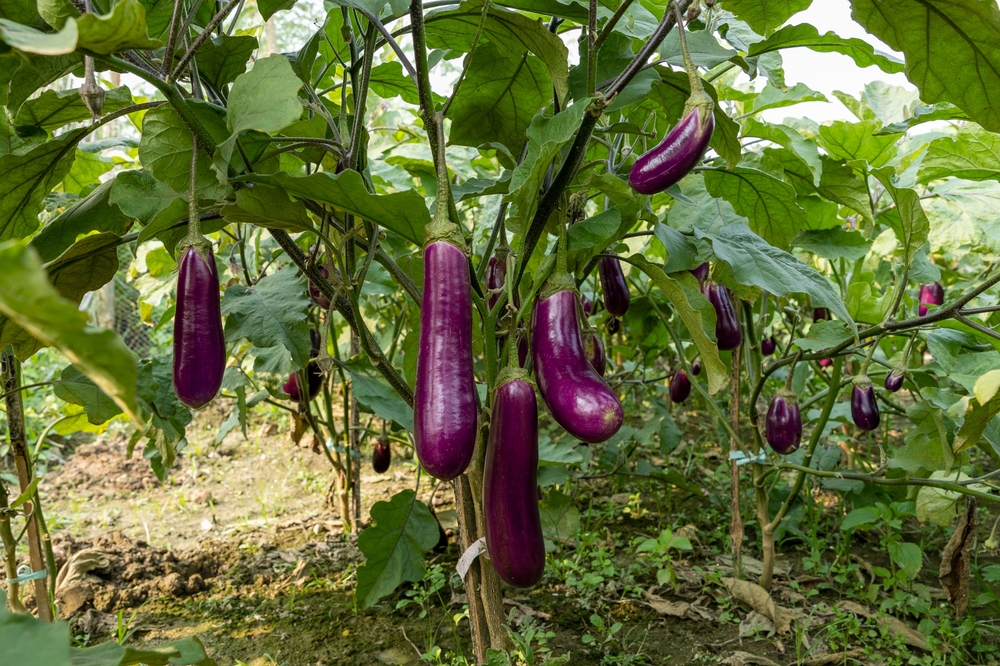
Thyme and eggplant form an excellent partnership, offering a number of benefits to both plants. Thyme helps repel pests like flea beetles and aphids, which are common issues for eggplant growers. The strong aroma of thyme can mask the scent of eggplants, making them less appealing to pests. In return, eggplants provide some shade for thyme, which helps keep it from becoming too dried out in the summer heat.
This pairing is particularly effective in gardens with limited space, as both plants can grow well in containers or raised beds. Thyme’s ground-covering nature also helps retain moisture around the base of eggplants, promoting healthier growth. Whether you are growing Italian eggplants or more traditional varieties, thyme is a great companion to help protect your plants. This combination can create a more resilient and productive garden without the need for harsh chemicals.
Borage and Strawberries
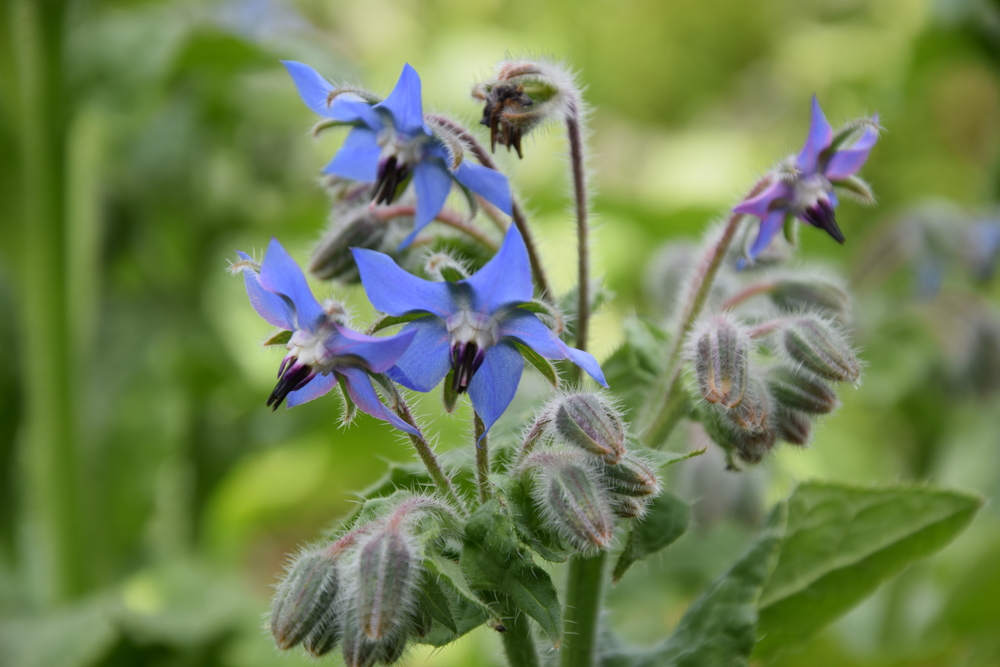
Borage and strawberries are a unique and beneficial pairing for your garden. Borage, known for its bright blue star-shaped flowers, attracts pollinators like bees, which are essential for strawberry production. Additionally, borage helps repel harmful pests such as aphids and cabbage worms, which may otherwise target your strawberry plants. The leaves of borage can also be used to mulch around strawberries, helping retain moisture in the soil and reduce weed growth.
Strawberries benefit from this relationship as borage’s growth provides shade for the strawberries’ shallow roots, preventing them from drying out in the heat. Borage is also known to improve the flavor of strawberries, making them sweeter and more vibrant. This pairing works well in garden beds, raised beds, or containers, and the combination of attractive flowers and fruit makes it a visual treat in your garden. Grow borage next to your strawberry plants for a beautiful and productive garden space.
This article originally appeared on Avocadu.