
16 Spring Native Plants That Are Easy to Find at Nurseries
Spring is a time of renewal, and there’s no better way to celebrate than by adding native plants to your garden. These plants are easy to find at most nurseries and offer a simple, sustainable way to bring more life to your yard. Native species are well-suited to the climate, meaning they require less attention and water. If you’re looking for plants that work well in your local environment, keep reading for some great options to consider.
This post may contain affiliate links, which helps keep this content free. Please read our disclosure for more info.
Purple Coneflower (Echinacea purpurea)
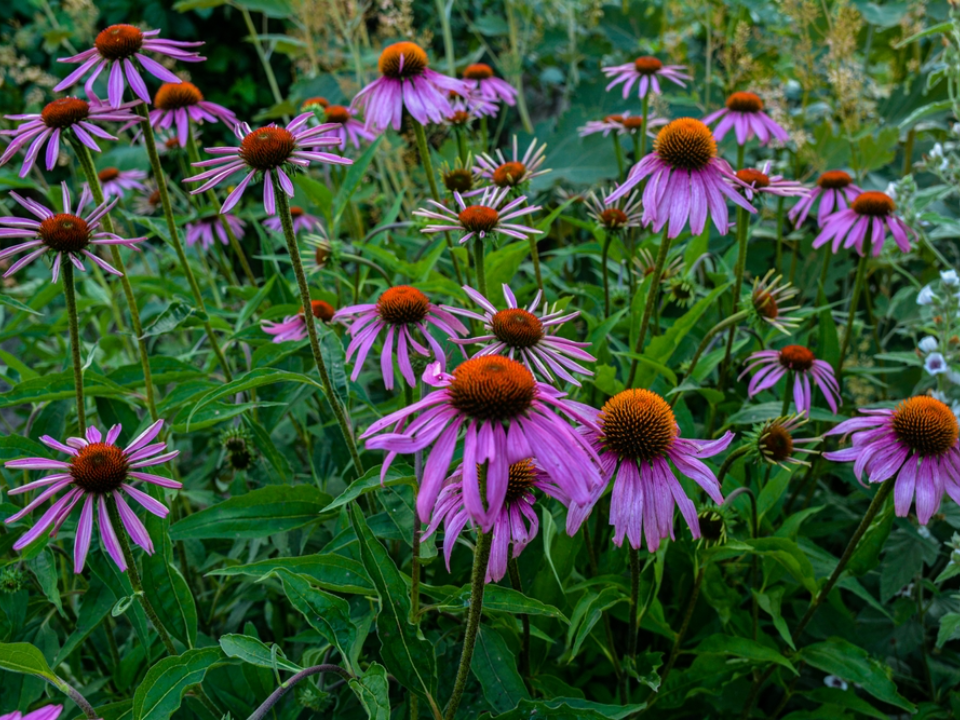
Purple Coneflower is a popular native plant that can be found at most nurseries during spring. It is native to North America and thrives in well-drained, loamy soil. These plants are often chosen for their beauty and ability to attract pollinators like bees and butterflies. They grow well in full sun and can tolerate drought conditions once established.
This plant requires minimal care and is perfect for gardeners who want a low-maintenance option. Purple Coneflower grows to a height of about 2-4 feet and is known for its striking purple petals and prominent central cone. It is a great addition to wildflower gardens and can blend seamlessly into any natural setting. Its medicinal properties are also an added benefit, as it is often used in herbal remedies.
Black-eyed Susan (Rudbeckia hirta)
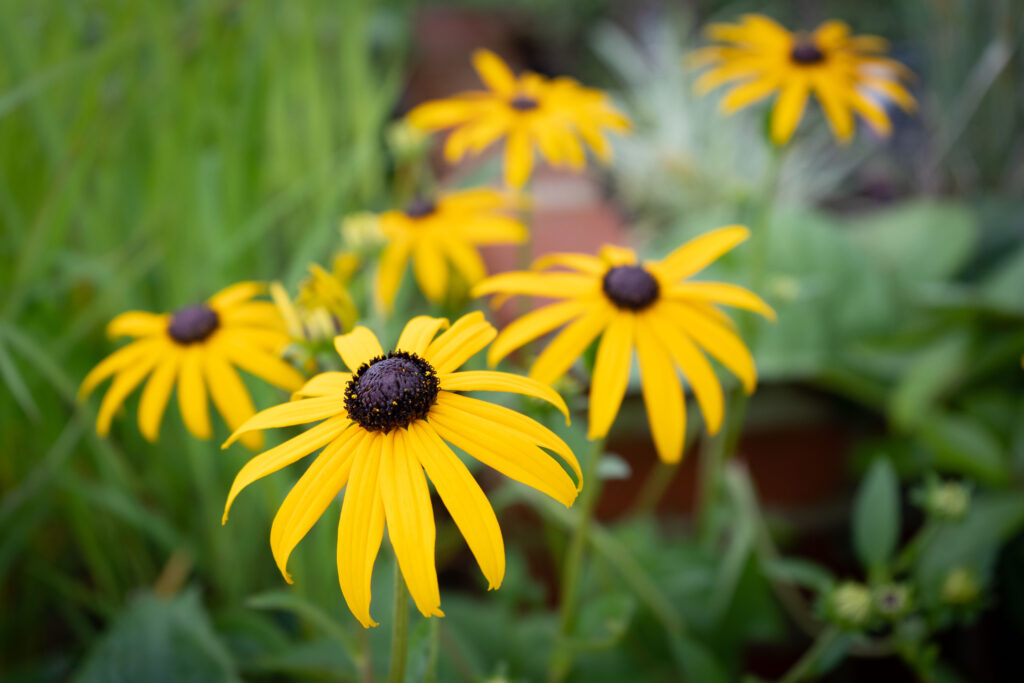
Black-eyed Susan is another spring native plant that is easy to find in most nurseries. Native to North America, this plant thrives in dry to medium soil conditions and does best in full sun. Known for its vibrant yellow petals and dark center, it adds a cheerful touch to any garden. These plants grow quickly and establish themselves with little maintenance.
Black-eyed Susan is tolerant of various soil types, making it a versatile choice for different garden settings. It reaches a height of 1 to 3 feet and is a great option for borders, meadows, or pollinator gardens. These plants also attract birds, especially goldfinches, who enjoy the seeds. Their long blooming period from late summer to fall adds color and interest to the garden.
Wild Geranium (Geranium maculatum)
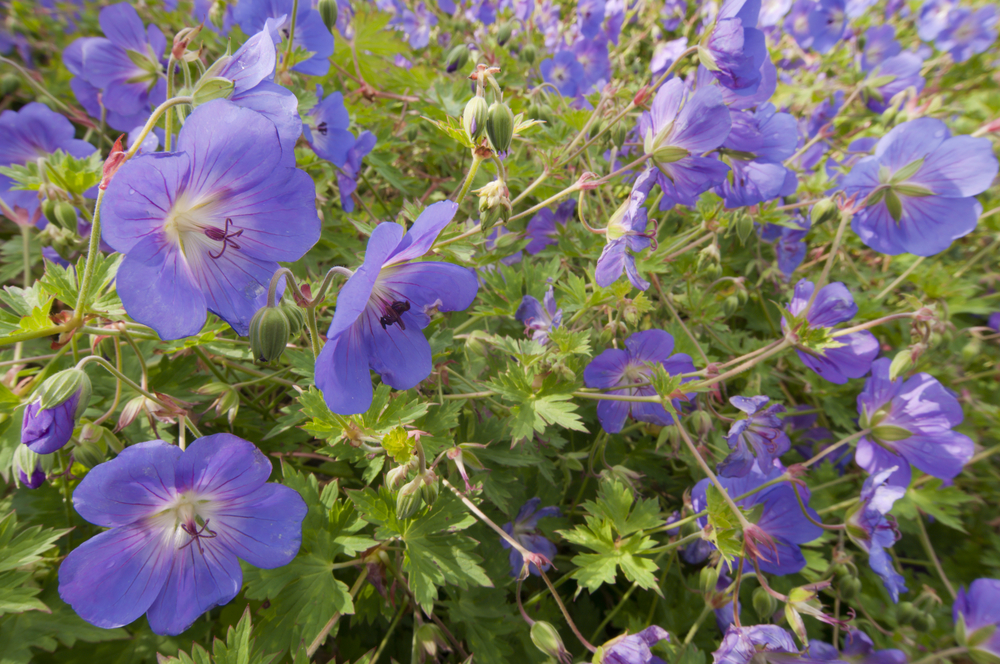
Wild Geranium is a spring perennial native to North America, often found in shady woodland areas. It thrives in moist, well-drained soil and does best in partial to full shade. This plant is easy to find in nurseries and is a great choice for adding texture to shaded garden beds. Its delicate pink to purple flowers brighten up the undergrowth and attract bees and other pollinators.
The Wild Geranium grows to about 1-2 feet tall and spreads over time to create a lovely groundcover. Its leaves are deeply lobed, adding attractive foliage to the garden even when it is not in bloom. It is an excellent choice for woodland gardens or areas with dappled sunlight. Once established, Wild Geranium requires very little care and can thrive in cooler climates.
Virginia Bluebell (Mertensia virginica)
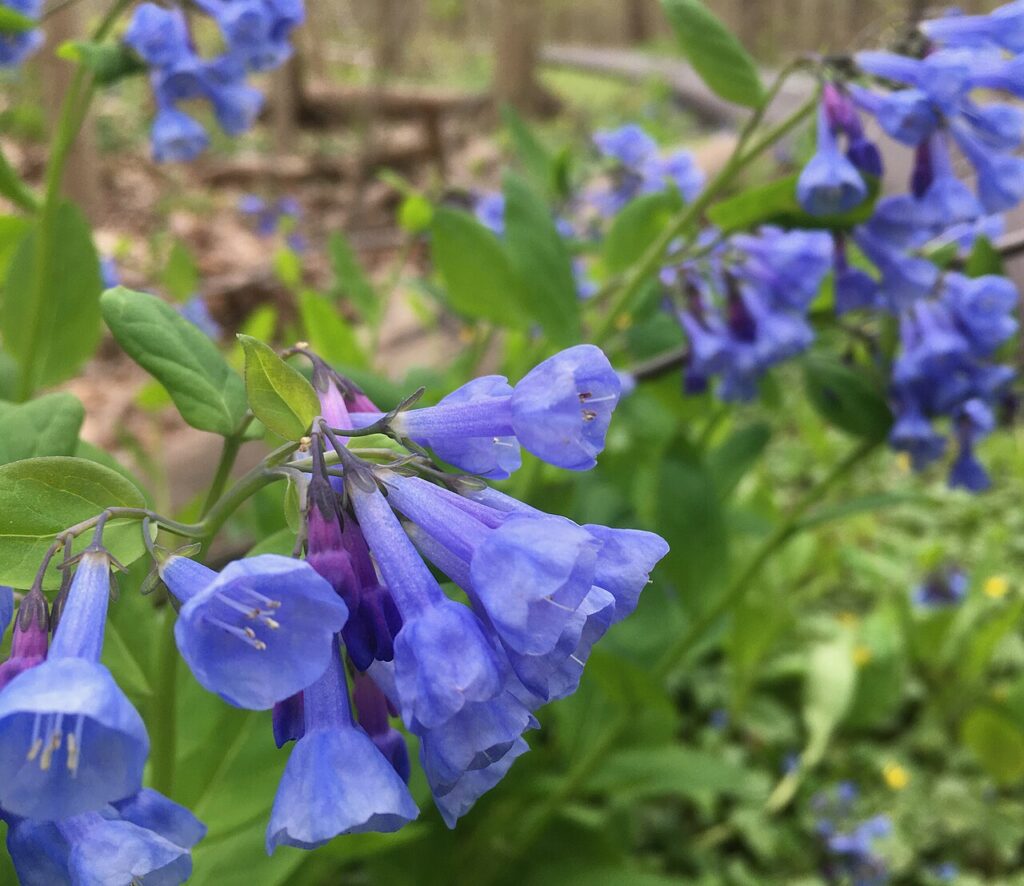
Virginia Bluebell is a spring native plant that bursts into blue flowers early in the season. It is native to Eastern North America and prefers moist, well-drained soil, making it perfect for woodland or shaded gardens. These plants bloom in the early spring and are a great way to add color and life to your garden. Virginia Bluebells grow well in partial shade but can tolerate full sun if the soil remains moist.
This perennial can grow to about 1-2 feet tall and spreads gracefully over time. It is often found in woodland gardens or naturalized areas where moisture levels are consistent. The bluebell flowers start as pink buds before transitioning into their signature blue color. Their striking appearance and pleasant fragrance make them a popular choice for spring gardens.
Golden Alexanders (Zizia aurea)
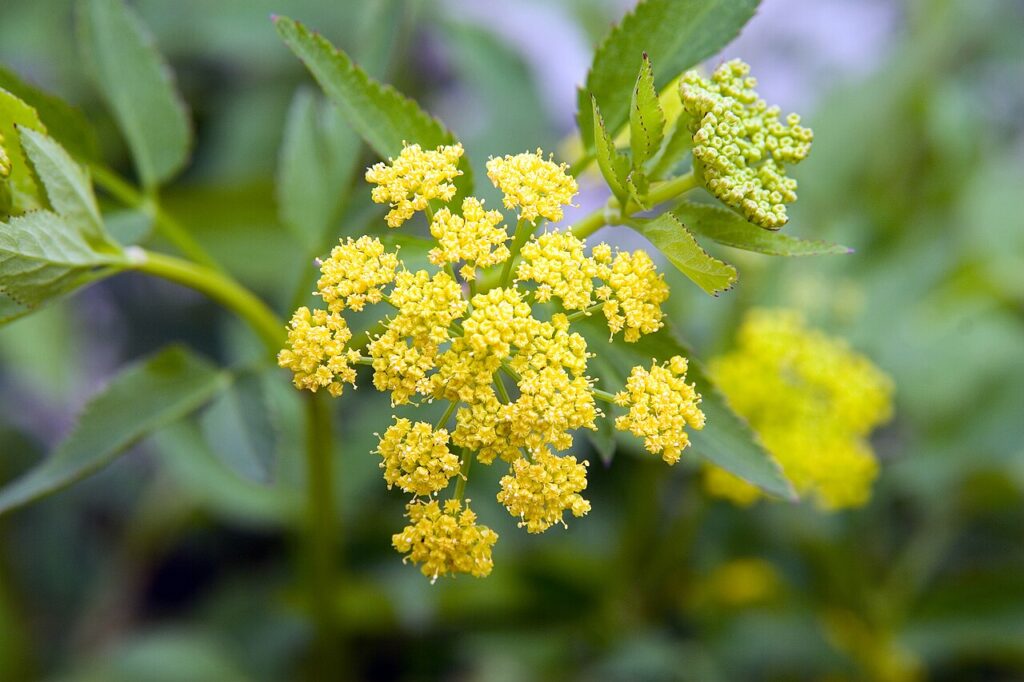
Golden Alexanders is a native spring plant that can be found in moist prairies, meadows, and woodlands. It prefers moist, well-drained soils and does best in partial shade to full sun. This plant is native to Eastern North America and produces clusters of small, yellow flowers that resemble those of the parsley family. It can be easily found at nurseries due to its popularity as a spring-blooming native.
Golden Alexanders grows to a height of about 1-2 feet and offers a unique burst of yellow in early spring. It attracts a variety of pollinators, including bees and butterflies, making it a great addition to any pollinator garden. This plant is relatively low-maintenance and thrives in a variety of soil types. It pairs well with other spring bloomers in a naturalized garden.
Wild Blue Indigo (Baptisia australis)
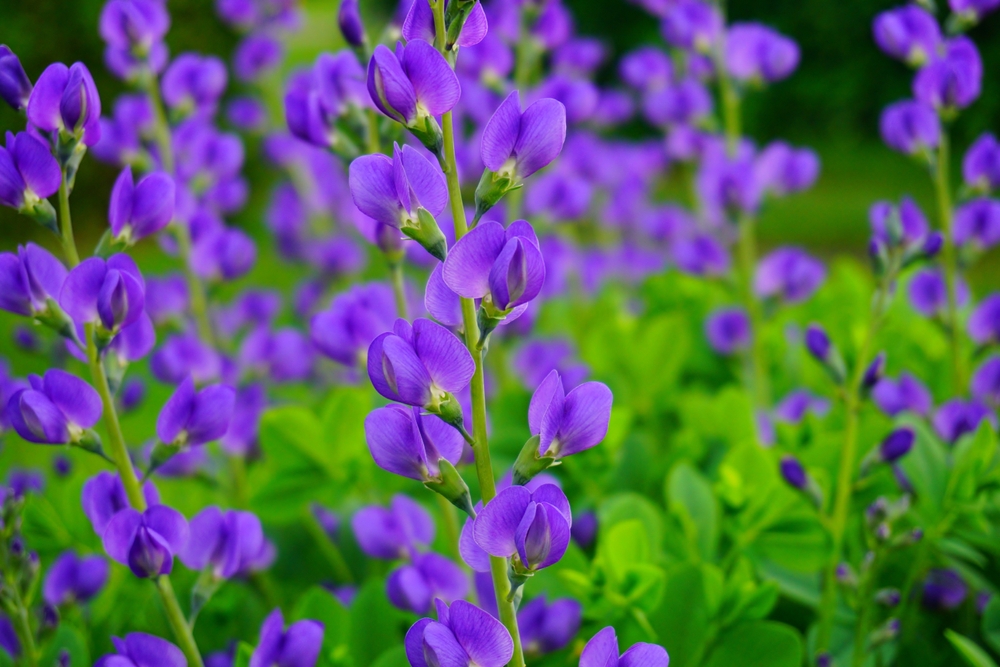
Wild Blue Indigo is a native North American plant that can easily be found at nurseries in spring. It thrives in well-drained, sandy to loamy soils and prefers full sun to partial shade. This plant is known for its striking blue flowers and its ability to attract pollinators like bees. It’s a perfect choice for gardeners who want a tall, showy plant that also supports wildlife.
The Wild Blue Indigo grows to about 3-4 feet tall and has a long blooming season, usually from late spring to early summer. It is a hardy plant that can tolerate drought conditions once established. Its deep blue flowers are followed by attractive seed pods that add interest to the garden. This plant is also excellent for erosion control and is a great addition to wildflower meadows.
Cardinal Flower (Lobelia cardinalis)
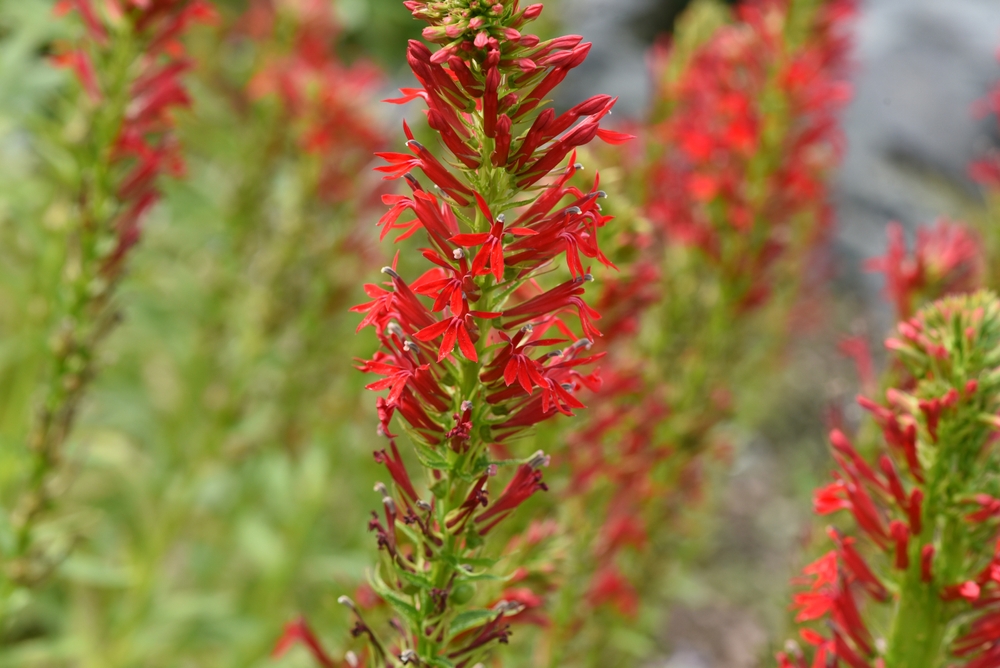
Cardinal Flower is a native spring plant that brings vibrant red flowers to garden spaces. It prefers moist, well-drained soil and does best in partial to full sun. Native to North America, it is commonly found in wetlands and along stream banks. This plant is easy to find in nurseries and is a favorite among gardeners looking to add bold color to their landscapes.
Growing to about 2-4 feet tall, Cardinal Flower attracts hummingbirds, which are drawn to its bright red flowers. It thrives in consistently moist conditions, making it perfect for water gardens or bog gardens. While it prefers slightly acidic soil, it can adapt to a variety of garden environments. It is relatively low-maintenance once established and offers long-lasting color throughout the summer.
Purple Prairie Clover (Dalea purpurea)
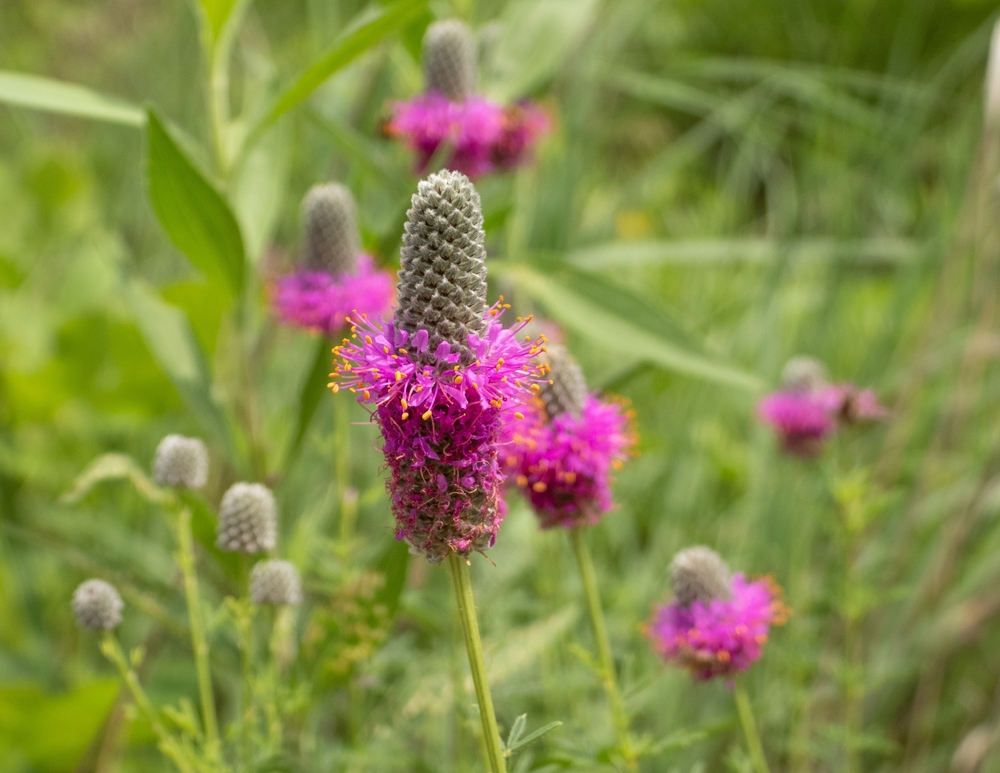
Purple Prairie Clover is a stunning spring native plant that is native to North America. It thrives in well-drained, sandy or loamy soils and does best in full sun. This plant is often found in prairies and open meadows, where it attracts bees and butterflies. It is easy to find in nurseries and is known for its striking purple flowers that bloom in late spring to early summer.
The Purple Prairie Clover grows to a height of about 1-2 feet and forms dense, upright clusters. Its unique flowers grow in cylindrical spikes that add texture and color to the garden. It is drought-tolerant once established, making it an excellent choice for dry, sunny areas. This plant is great for attracting pollinators and adds vibrant color to prairie gardens or native plant landscapes.
Smooth Penstemon (Penstemon digitalis)
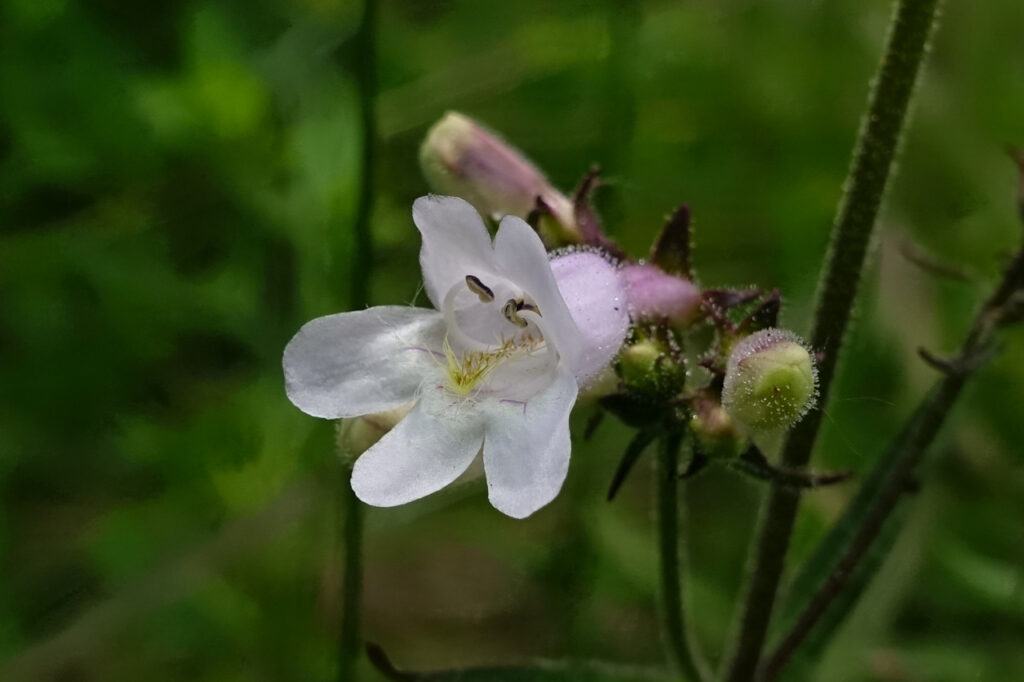
Smooth Penstemon is a beautiful spring native plant that grows well in full sun and well-drained soil. It is native to North America and often found in prairies and meadows. Known for its tubular white to pale pink flowers, it attracts a variety of pollinators, including bees and hummingbirds. Nurseries typically carry this plant because of its popularity in native plant gardens.
This perennial grows to about 1-2 feet tall and forms clusters of tall, slender spikes. It is low-maintenance and drought-tolerant once established, making it a good fit for dry or sandy soils. Smooth Penstemon thrives in full sun, where its flowers bloom throughout late spring and early summer. It is a great addition to wildflower meadows or naturalized gardens.
Wild Columbine (Aquilegia canadensis)
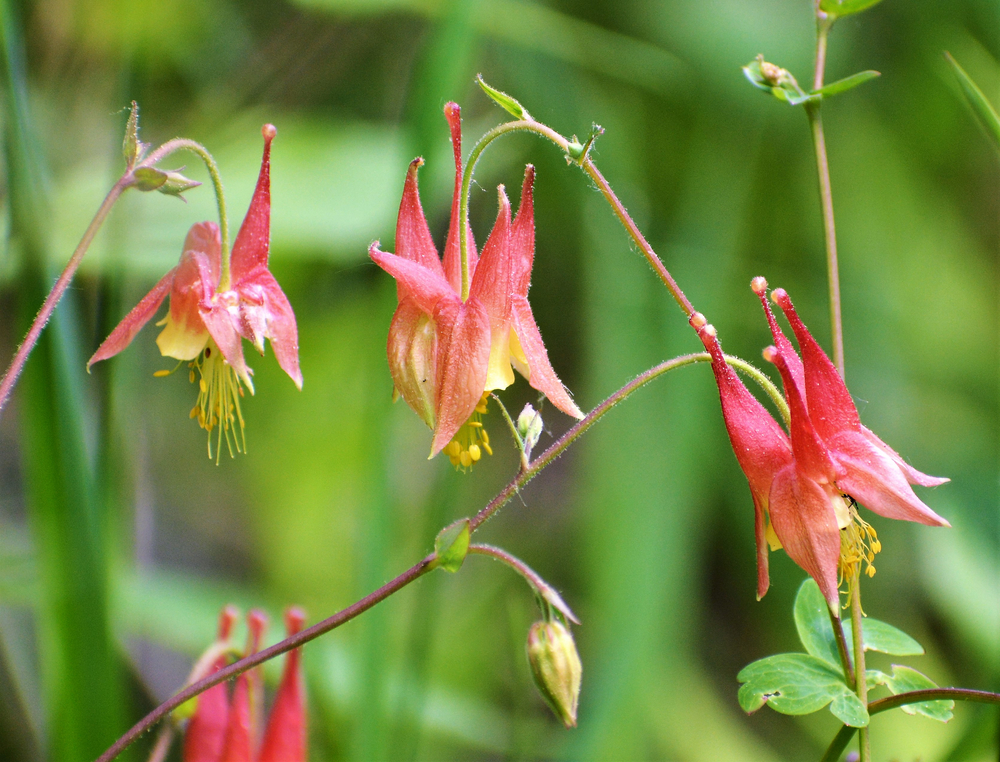
Wild Columbine is a native spring plant known for its delicate, nodding flowers. Native to Eastern North America, this plant thrives in well-drained, moist soil and prefers partial shade to full sun. It is often found in woodlands or shaded meadows, where its red and yellow flowers attract hummingbirds and pollinators. Wild Columbine is widely available in nurseries due to its beauty and low maintenance needs.
This perennial grows to about 1-3 feet tall and features uniquely shaped flowers that stand out in the garden. Its delicate foliage and attractive flowers make it an excellent addition to woodland or shade gardens. Wild Columbine is also beneficial to the garden ecosystem, as it supports a wide range of pollinators. It’s a great plant for gardeners looking to add color and wildlife-friendly options to their spaces.
Mayapple (Podophyllum peltatum)
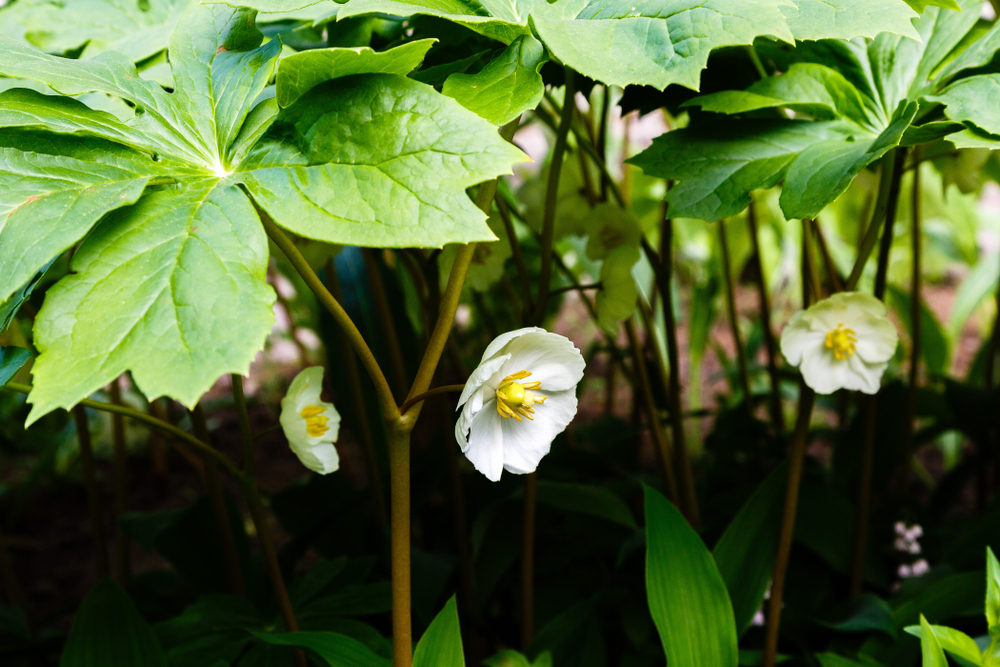
Mayapple is a unique native spring plant found in shady woodlands and forests across North America. It prefers moist, well-drained soil and partial to full shade, making it perfect for woodland or shaded gardens. This plant is known for its large, umbrella-like leaves and white flowers that bloom in early spring. Mayapple is often available in nurseries for gardeners looking for something different and low-maintenance.
This plant grows to about 12-18 inches tall and spreads slowly, creating a lush groundcover in shady areas. It thrives in rich, moist soils and can adapt well to woodland settings. Mayapple’s flowers are followed by small, round fruits that are not edible but are attractive to wildlife. It is ideal for gardeners who want to create a natural, woodland-inspired garden.
Goldenrod (Solidago spp.)
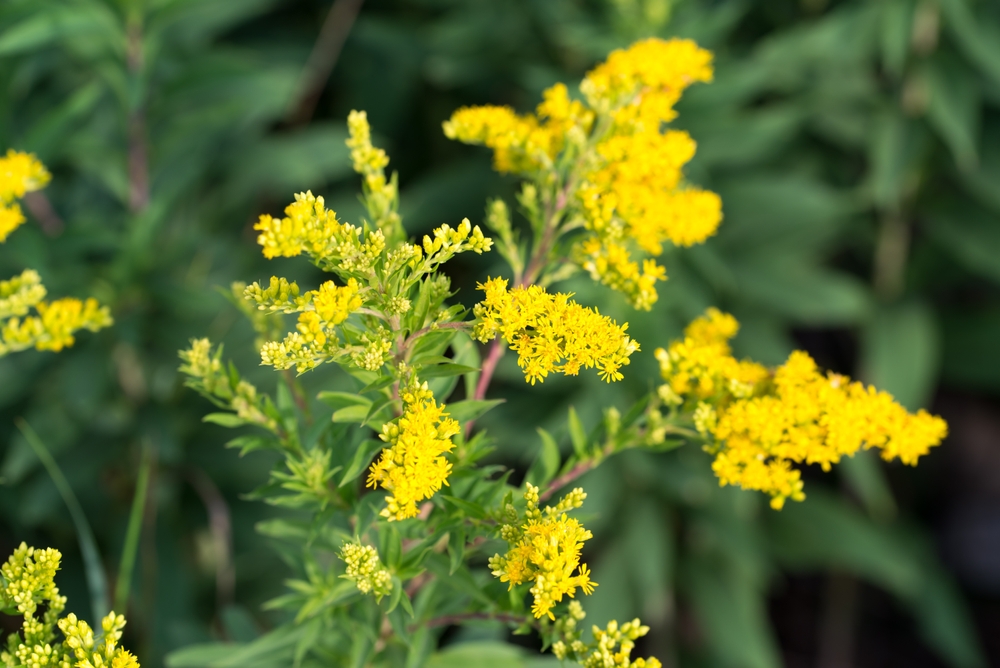
Goldenrod is a brilliant native plant that brightens up gardens in late summer to fall. It thrives in full sun and well-drained, fertile soils, often found in prairies and meadows across North America. Goldenrod is known for its clusters of golden yellow flowers that attract bees, butterflies, and other pollinators. It is easy to find in nurseries and is often used in wildflower meadows or pollinator gardens.
The plant grows to about 2-4 feet tall and forms dense, upright clusters of flowers. It is drought-tolerant once established and can handle various soil types. Goldenrod also offers excellent erosion control, making it useful for stabilizing soil in windy or sloped areas. Its vibrant blooms continue throughout late summer and fall, providing essential nectar for pollinators.
Spiderwort (Tradescantia spp.)
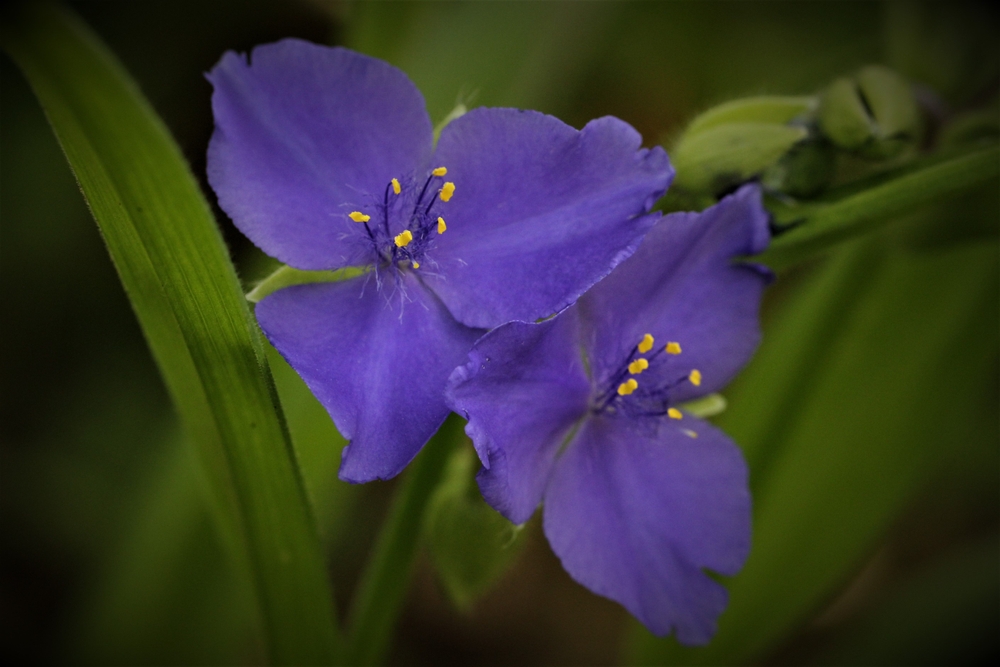
Spiderwort is a spring-blooming native plant that offers striking blue to purple flowers. Native to North America, it thrives in well-drained, moist soils and prefers full to partial sun. This plant is easy to find at nurseries and is a great option for adding color to your garden. Its grass-like foliage makes it a versatile addition to beds, borders, or naturalized areas.
Spiderwort grows to about 1-2 feet tall and blooms profusely in late spring. It is low-maintenance and tolerates a variety of soil conditions, including clay and sandy soils. Once established, it’s drought-tolerant and can thrive with minimal care. The flowers attract bees and butterflies, making it a great choice for pollinator gardens.
Common Milkweed (Asclepias Syriaca)
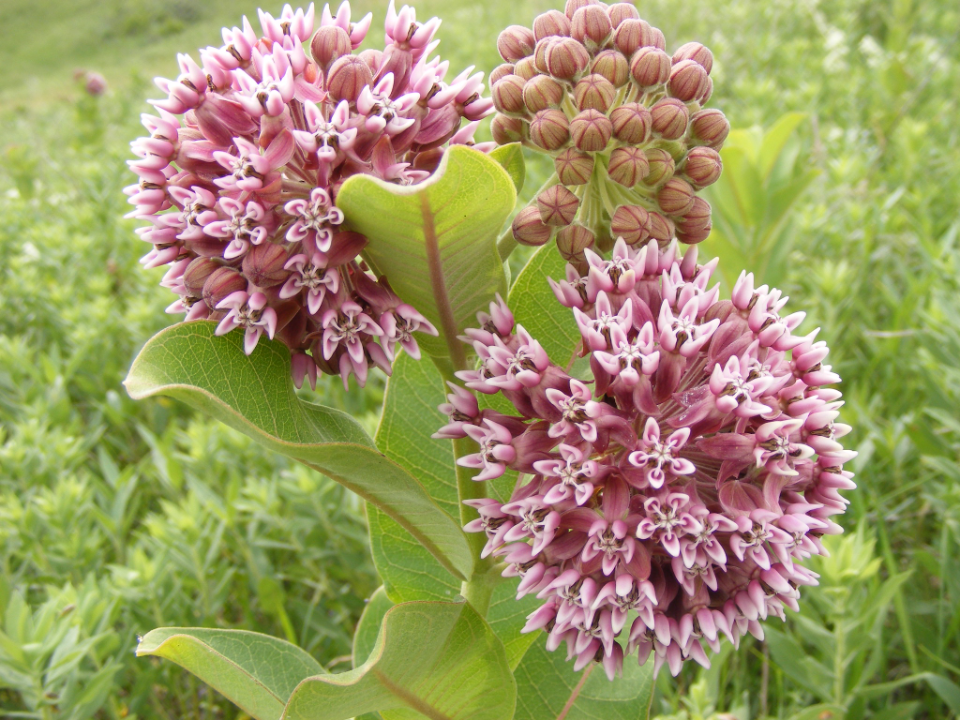
Common Milkweed is a native plant that is well-loved for its role in supporting pollinators, especially monarch butterflies. Native to North America, it thrives in well-drained, sandy or loamy soils and prefers full sun. It is easy to find at nurseries because of its popularity in pollinator and wildlife gardens. The large, round clusters of pink flowers add striking color to any garden.
The plant can grow 3-4 feet tall and is excellent for creating a natural habitat for pollinators. Its broad leaves and large flower clusters provide shelter and food for a variety of insects. Common Milkweed is also known for its ability to grow in poor soils and tolerate drought once established. It is an important addition to any garden focused on supporting native wildlife.
Butterfly Weed (Asclepias tuberosa)
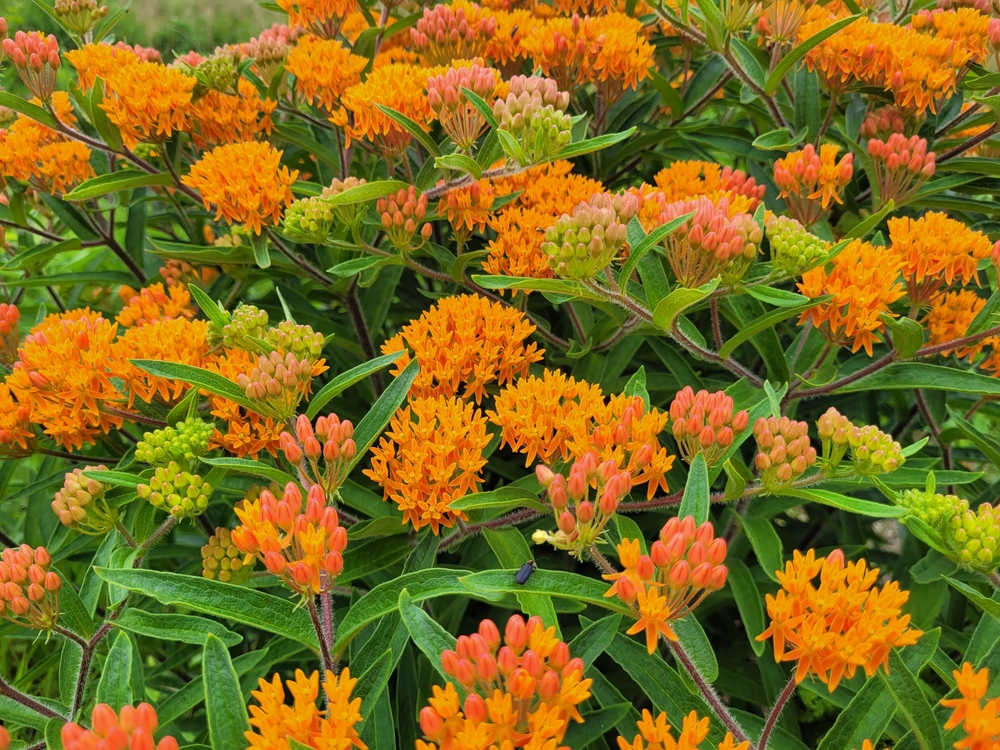
Butterfly Weed is a native plant that provides a stunning display of bright orange flowers. Native to North America, it grows well in full sun and well-drained, sandy soils. It is easy to find in nurseries, particularly for those focused on pollinator gardens. The flowers attract a wide range of pollinators, particularly butterflies, which makes it a valuable addition to any garden.
This perennial grows to about 1-2 feet tall and thrives in dry, rocky soils. It is drought-tolerant once established, making it a great choice for areas with minimal irrigation. Butterfly Weed is also known for its deep taproots, which help it survive in tough conditions. It’s a popular choice for gardeners looking to attract butterflies and other pollinators.
Sneezeweed (Helenium autumnale)
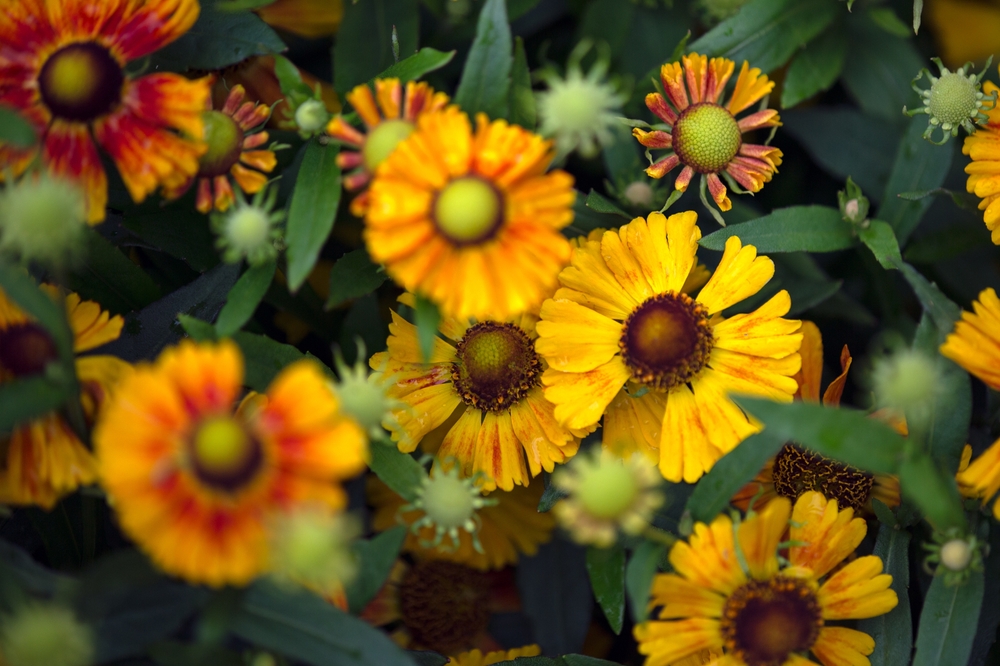
Sneezeweed is a native spring plant known for its bright yellow and orange daisy-like flowers. Native to North America, it thrives in moist, well-drained soils and prefers full sun. Sneezeweed can be easily found in nurseries and is often used in wildflower gardens. Its vibrant blooms add a touch of color and provide nectar for bees and butterflies.
This plant grows to about 2-4 feet tall and works well in meadows, gardens, and along water edges. It tolerates various soil types and can adapt to different moisture levels. Sneezeweed’s long-lasting flowers add interest to the late summer and fall garden. It’s an excellent choice for gardeners seeking a low-maintenance plant that attracts pollinators.
This article originally appeared on Avocadu.