
18 Grocery Staples That Help Stretch a Meal Further
Some of the best meals come from pantry basics that quietly do a lot of work in the kitchen. When the budget feels tight, a few well chosen grocery staples can make dinner feel fuller, heartier, and easier to pull together. Things like grains, beans, pasta, and canned goods can turn small amounts of meat or vegetables into something that feeds everyone well. They also make it easier to use leftovers in ways that still taste fresh and satisfying. Keeping these kinds of staples on hand can take some of the stress out of meal planning during busy weeks. With the right mix of basics in your kitchen, it gets much easier to make food stretch without making meals feel plain.
This post may contain affiliate links, which helps keep this content free. Please read our disclosure for more info.
Rice
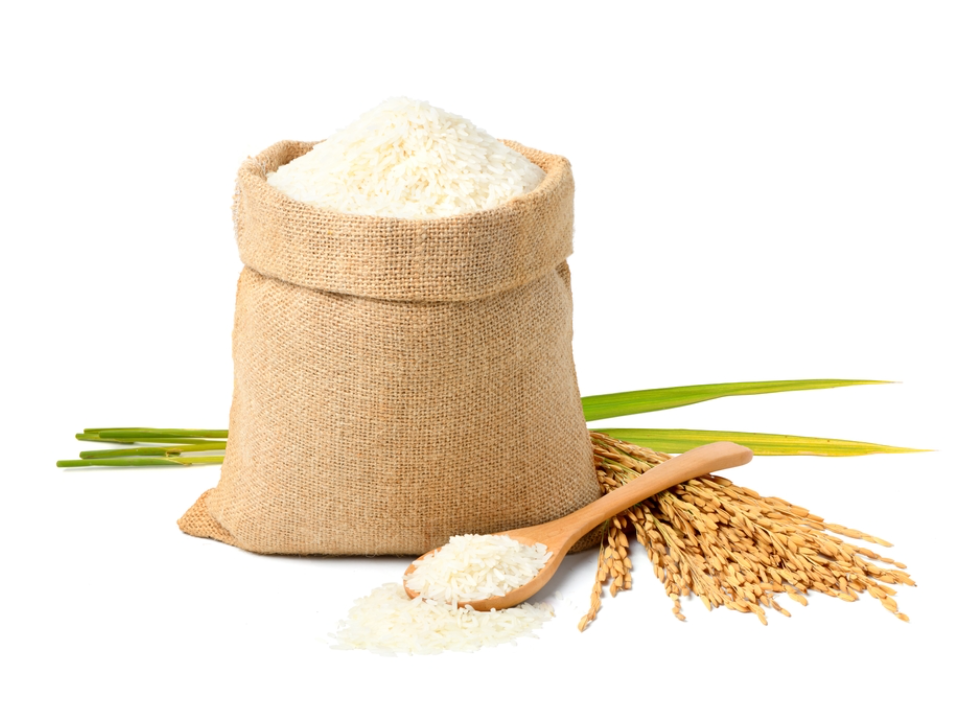
Rice is one of those pantry basics that can carry a meal without costing much at all. A small scoop can sit under stir fry, grilled meat, stewed beans, sautéed vegetables, or fried eggs and make the plate feel much more filling. It also works well when you need to turn leftovers into something that feels new, since cold rice can become fried rice, soup filler, or a quick rice bowl.
White rice lasts a long time in the pantry, while brown rice adds a nuttier taste and a little more texture. Families often keep it around because it pairs with almost anything and does not ask for many extra ingredients. You can season it with broth, garlic, onion, herbs, or a little butter to give it more character without spending much. When money is tight or the fridge looks bare, rice helps pull the whole meal together in a very reliable way.
Dried Beans
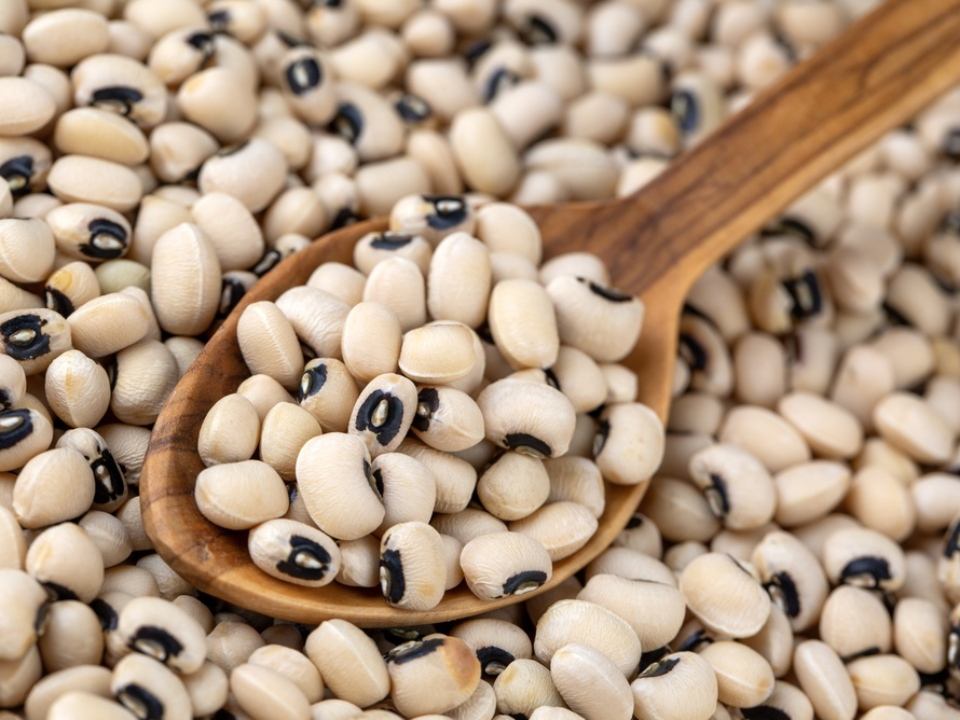
Dried beans are one of the best staples for making food go farther because they are filling, low in cost, and packed with substance. Once cooked, they can be used in soups, stews, chili, tacos, burritos, rice bowls, or simple side dishes. A single bag makes a large batch, which means one cooking session can cover several meals during the week.
Beans also take on the flavor of whatever you cook them with, so they work well with onion, garlic, tomatoes, spices, and broth. Black beans, pinto beans, navy beans, and chickpeas all bring something a little different to the table, which keeps meals from feeling too repetitive. They also hold up well in the freezer, so extra portions do not have to go to waste. When paired with rice, bread, or roasted vegetables, dried beans turn a light meal into something much more satisfying.
Pasta
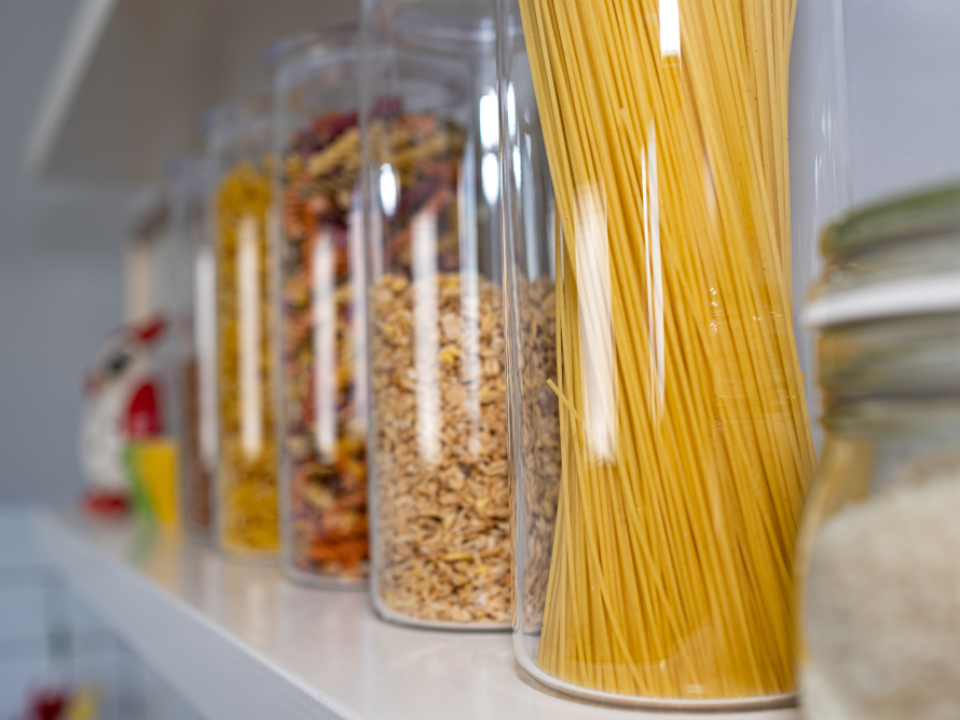
Pasta is a classic grocery staple because it fills people up fast and works with many low-cost ingredients. A box can feed several people when mixed with sauce, vegetables, beans, canned fish, or a bit of ground meat. It is also useful on busy nights since it cooks quickly and does not need much planning. Even a very small amount of sausage, bacon, or shredded chicken can stretch across a full pot of pasta and still feel like enough.
Different shapes help keep meals interesting, since spaghetti, penne, rotini, and shells each bring a different feel to the dish. Pasta also works in baked casseroles, cold salads, and soups, so it does not get stuck in one role. When the goal is to make dinner feel full without adding too much to the bill, pasta usually gets the job done.
Potatoes
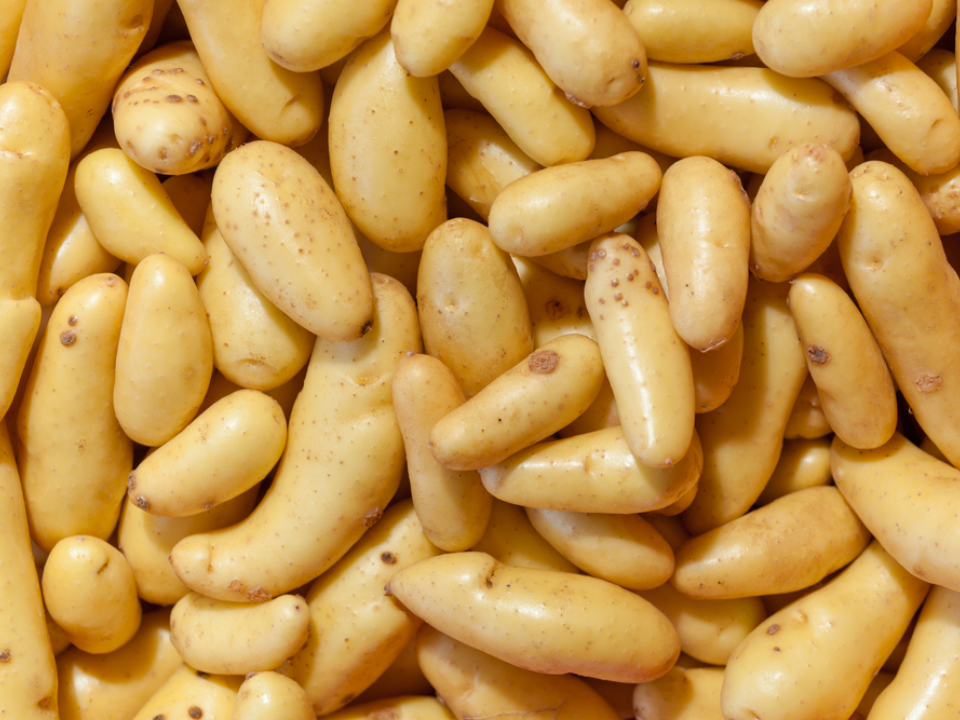
Potatoes are a strong choice for stretching meals because they are hearty, low in cost, and very filling. They can be baked, mashed, roasted, fried in a skillet, or added to soups and stews with very little effort. One bag can support several dinners and even a few breakfasts, especially when leftovers are turned into hash or skillet potatoes. They also pair well with just about any protein, from eggs and beans to chicken and beef.
A small amount of cheese, sour cream, or butter can make potatoes feel much richer without needing a long list of ingredients. Since they have a mild flavor, they work with many seasonings and can lean cozy, spicy, or savory depending on what you have at home. When a meal feels too small, potatoes usually help round it out in a big way.
Egg
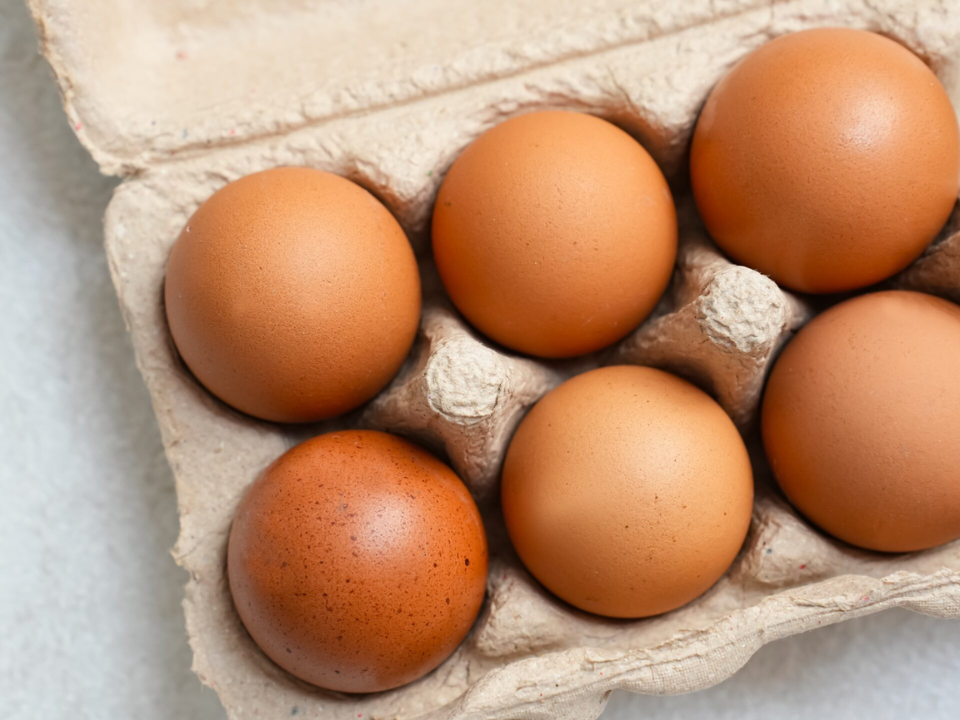
Eggs are one of the handiest staples to keep around when you need food that is filling and useful in many ways. They can stand on their own for breakfast, lunch, or dinner, or they can stretch dishes like fried rice, noodles, sandwiches, casseroles, and salads. A couple of eggs can turn leftover vegetables or bits of meat into a full meal without much trouble. They cook fast, which helps on nights when there is not much time or energy left.
Scrambled eggs on toast, a simple omelet, or a baked egg dish can all feel satisfying without being expensive. Eggs also bring protein and richness to meals that might otherwise feel too light. When the fridge looks nearly empty, eggs often make it possible to pull together something warm and decent.
Oats
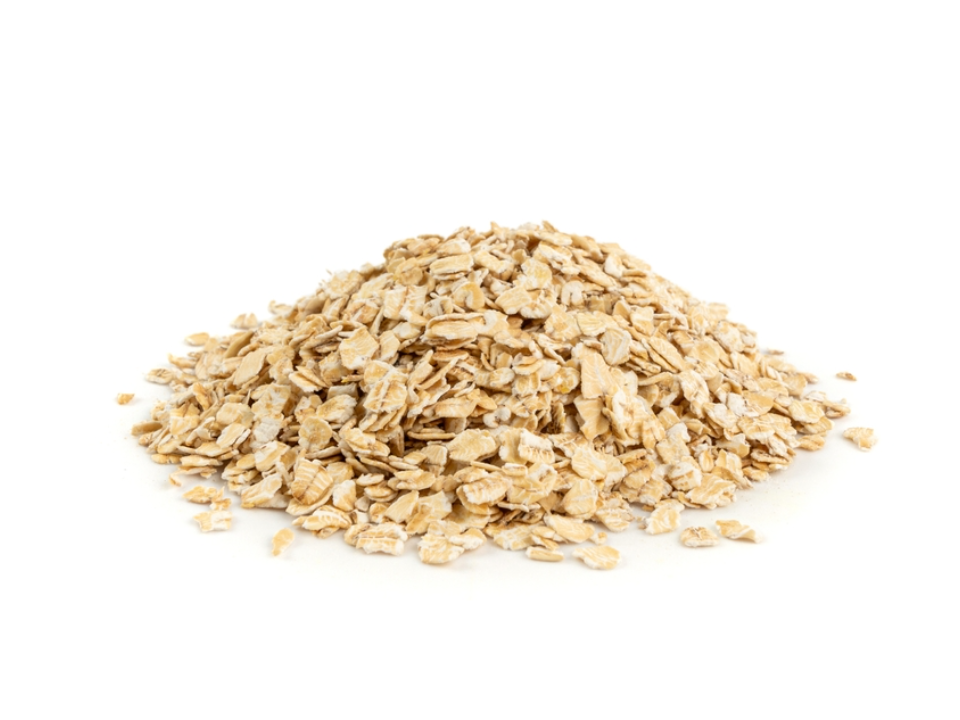
Oats are often linked with breakfast, though they can do much more than that when you are trying to make groceries last. A bag of oats can feed many people over several mornings, and it can also be used in muffins, pancakes, meatloaf, cookies, and homemade granola. Since oats absorb liquid and swell as they cook, a small amount goes farther than people sometimes expect.
are filling and gentle in flavor, which makes them easy to pair with fruit, cinnamon, peanut butter, yogurt, or milk. On the savory side, oats can even be stirred into meat mixtures to help stretch ground beef or turkey. They store well and usually cost less than many packaged breakfast foods, which makes them a good pantry item to keep on hand. When a meal or snack needs to feel a little heavier and more satisfying, oats do a lot of quiet work.
Lentils
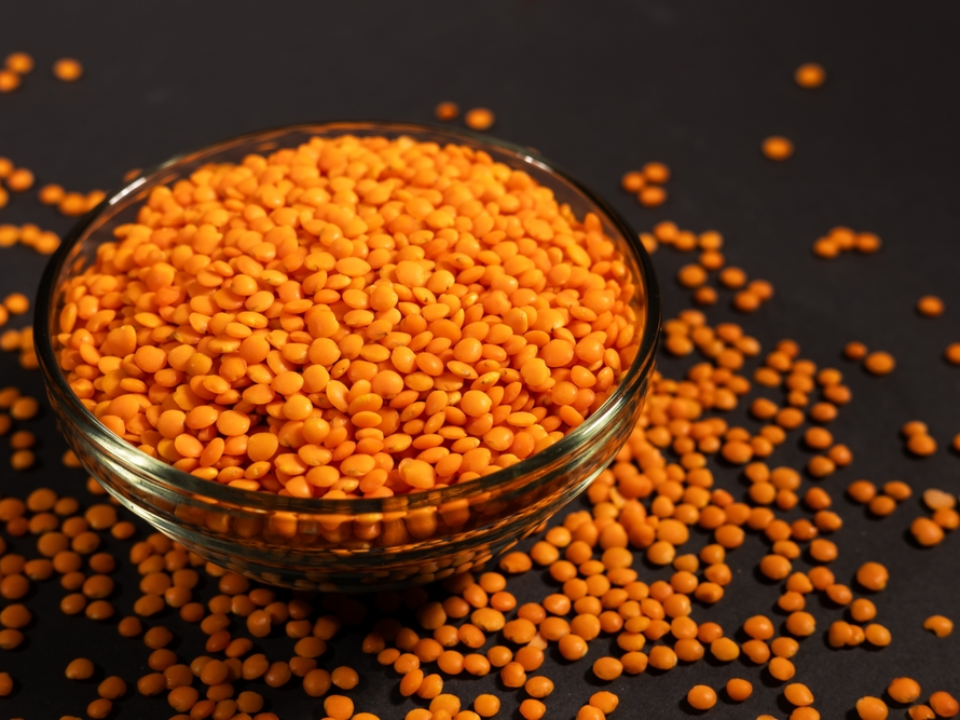
Lentils are a great staple for anyone who wants low cost meals that still feel hearty and full. Unlike many dried beans, lentils cook fairly quickly, so they are useful when time is short. They can be used in soups, curries, stews, grain bowls, and salads, or served as a side with rice and vegetables. Their earthy flavor works nicely with garlic, onions, tomatoes, cumin, and many other pantry basics.
Because they hold their shape or soften depending on the type, they can fit into several styles of cooking without much trouble. Lentils also make a little meat go farther when both are cooked together in a sauce or soup. When the goal is to keep dinner filling while spending less, lentils are one of the strongest staples to bring home.
Canned Tomatoes
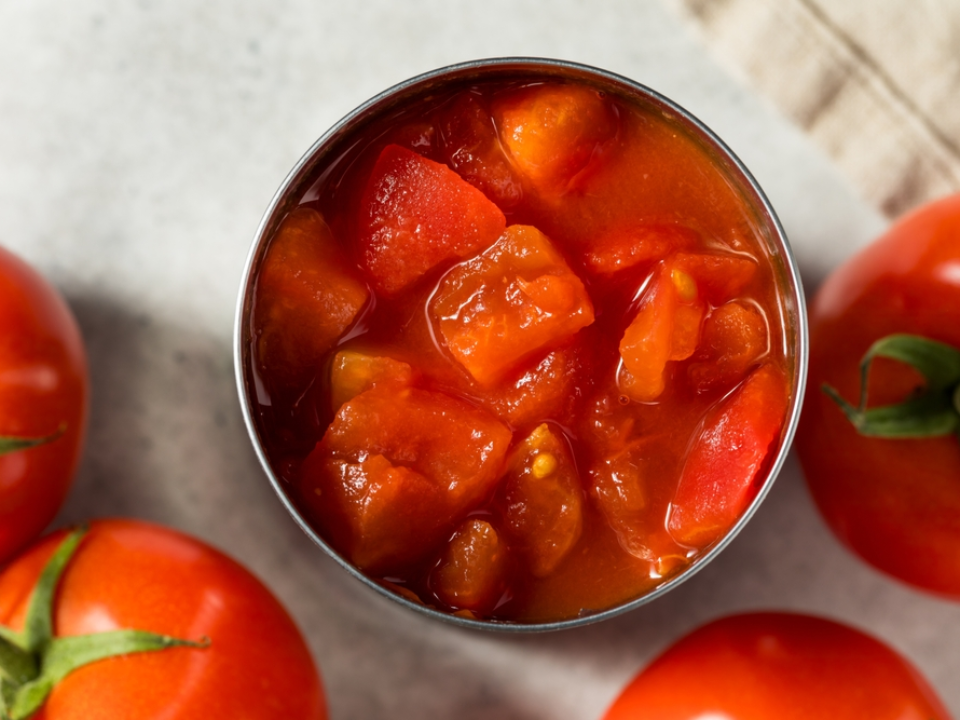
Canned tomatoes do a lot of heavy lifting in the kitchen because they add body, flavor, and moisture to many low-cost meals. They can become pasta sauce, soup base, chili starter, casserole filling, or a simmer sauce for beans and vegetables. Since they are already peeled and packed, they cut down on prep work and make it easier to get dinner going.
Crushed, diced, whole, or sauce forms each have their own use, which gives you room to change things up without buying a long list of items. They pair well with onions, garlic, pasta, rice, lentils, and almost any kind of bean. A single can can make a dish feel richer and more complete, even when there is not much meat in the pot. Keeping a few cans in the pantry makes it easier to turn random ingredients into a meal that feels planned.
Onions
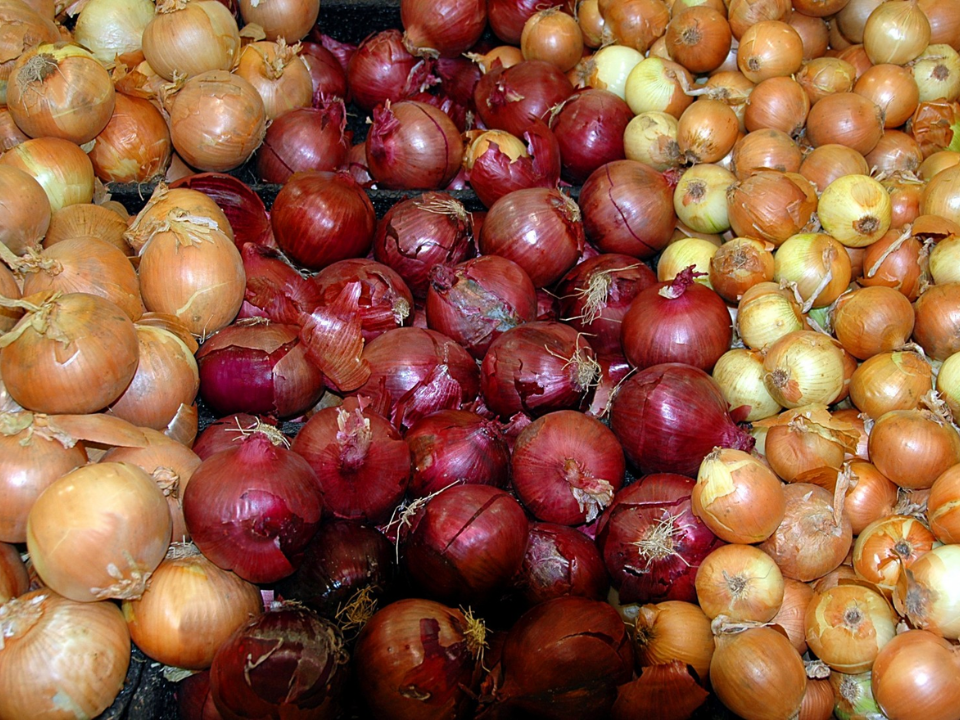
Onions may seem basic, though they are one of the most useful staples for stretching a meal and building flavor from the start. A chopped onion can make soups, stews, rice dishes, sauces, beans, and skillet meals taste fuller and more rounded. Because they are usually low in cost, they add a lot without making a grocery bill climb too fast.
They also work with nearly every savory ingredient, which means they rarely go unused. Cooked slowly, onions turn soft and sweet, which helps simple meals taste more comforting and rich. They can also be sliced into sandwiches, roasted with potatoes, or mixed into egg dishes for extra substance. When a meal feels plain or thin, onions often help it feel much more complete.
Frozen Mixed Vegetables
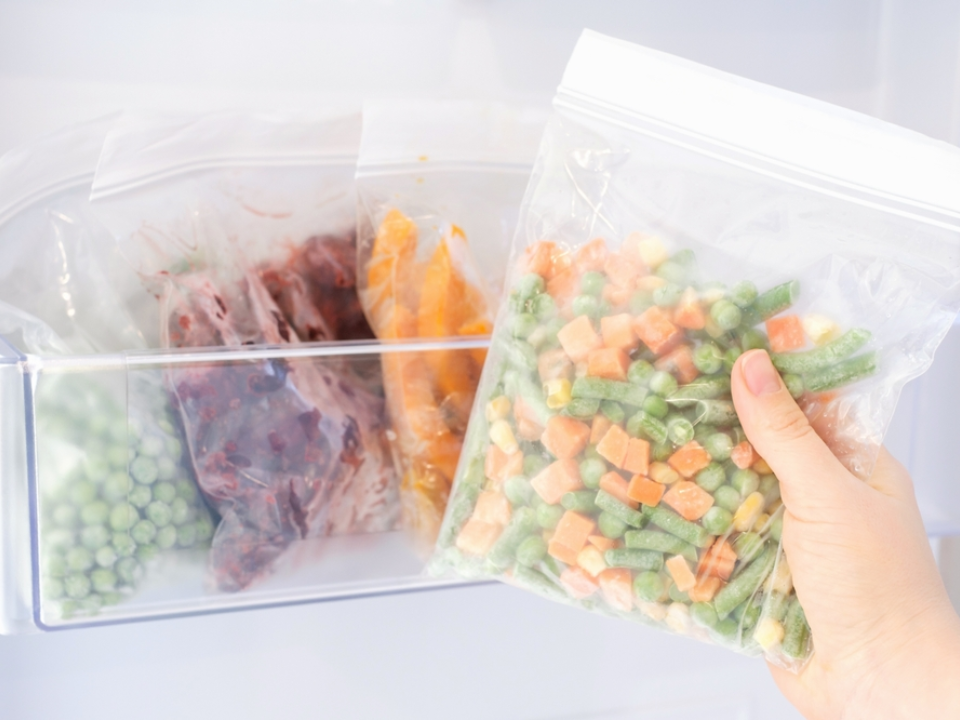
Frozen mixed vegetables are a strong staple because they give you variety without the worry of produce going bad too soon. A single bag can be added to rice, noodles, soups, casseroles, pot pies, and stir fry, which helps stretch the main dish with color and texture. Since the vegetables are already chopped, they save time and make weeknight cooking easier. They are also handy when the fridge is running low and there is not much fresh produce left to use.
Peas, carrots, corn, and green beans can make a meal look and feel more balanced without much extra cost. Frozen vegetables can also be added in small amounts, so you only use what you need and keep the rest for later. When dinner needs a quick way to feel fuller, this is one of the easiest items to pull from the freezer.
Tortillas
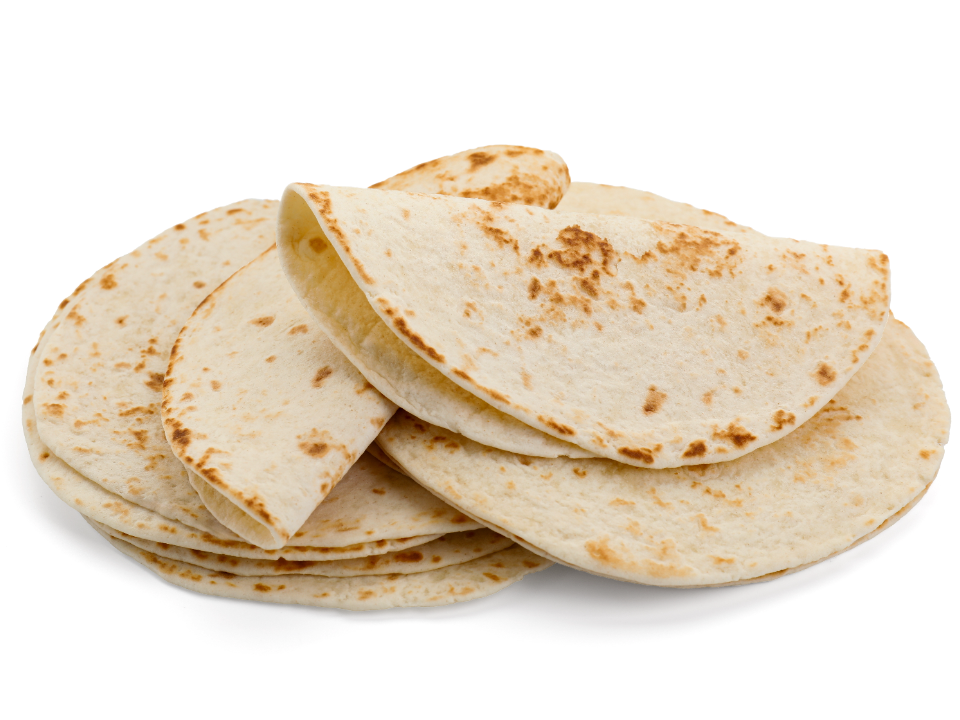
Tortillas are one of the easiest staples to keep around when you want meals to go a little farther. They can turn small amounts of beans, eggs, chicken, cheese, or leftover vegetables into tacos, quesadillas, wraps, and burritos that feel filling. A pack usually gives you several meal options, which makes it useful for lunch boxes, quick dinners, or late snacks.
They also take up less space than a loaf of bread and tend to last well in the fridge. Even when the fillings are simple, a warm tortilla makes the meal feel more put together and satisfying. You can cut them into strips for soup, bake them into chips, or layer them into casseroles when you want something different. When the fridge has bits and pieces that do not seem like enough on their own, tortillas often pull them into a full meal.
Cabbage
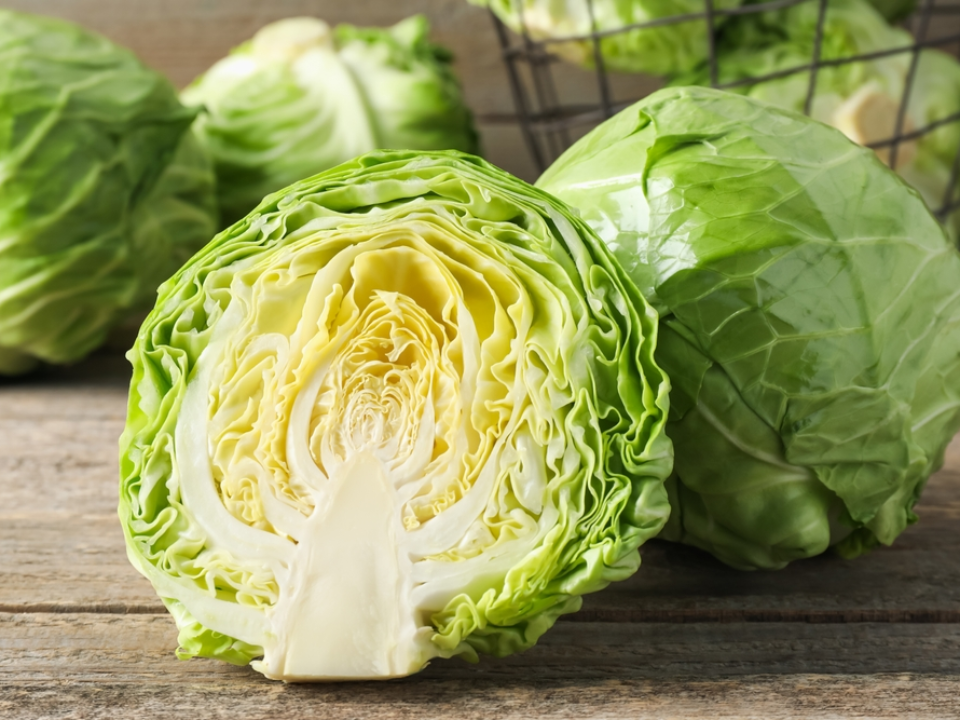
Cabbage is one of those vegetables that gives a lot for the price and lasts much longer than many other fresh items. A single head can be used in slaws, soups, stir fry, skillet meals, and simple sautéed sides across several days. It adds bulk and texture without taking much from the grocery budget, which makes it useful when meat or other pricier foods are limited.
Cabbage also changes a lot depending on how it is cooked, since it can stay crisp in salads or turn soft and mellow in warm dishes. It pairs well with noodles, rice, potatoes, sausage, and beans, so it fits into many meal plans without much trouble. Since it has a mild taste, it takes on garlic, onion, butter, soy sauce, and spices very well. When dinner feels too small, cabbage is an easy way to fill out the pan and make the meal last longer.
Carrot
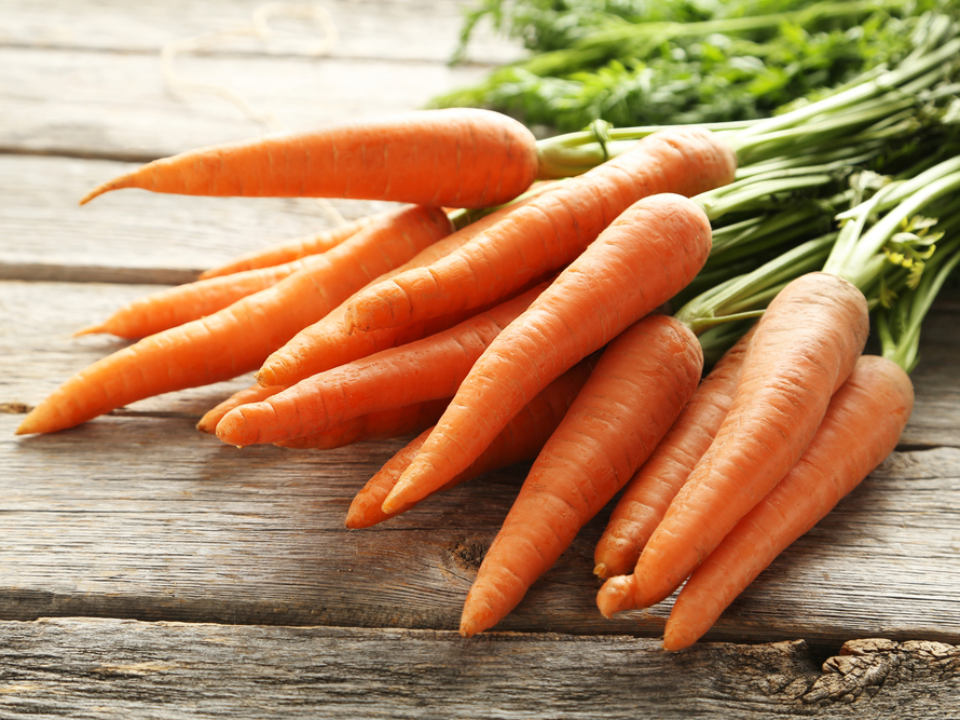
Carrots are a low cost staple that can work in many meals without asking for much preparation. They can be roasted, steamed, shredded, sautéed, or added to soups and stews where they bring a little sweetness and more body. A bag of carrots usually lasts a while in the fridge, so they are useful when you need produce that does not spoil too quickly.
They also fit into both savory meals and snacks, which gives them more value than one single purpose item. Chopped carrots can stretch ground meat dishes, chicken soups, rice bowls, and pasta bakes with very little effort. Grated carrots can even be mixed into salads, muffin batter, or fritters when you want more use out of them. When you need something simple that fills out meals and adds color to the plate, carrots are a very handy choice.
Bread
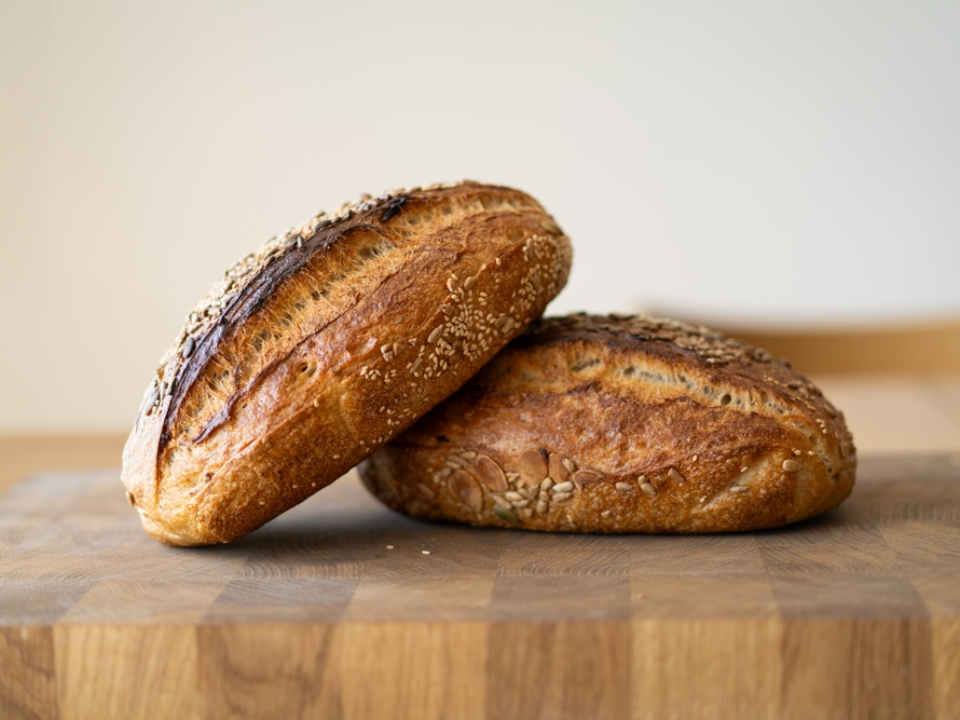
Bread is a familiar staple that helps stretch meals because it can fill gaps in many simple dishes. It can be used for sandwiches, toast, grilled cheese, breakfast plates, and quick sides with soup or pasta. A few slices can make leftovers feel like a planned lunch instead of random bits from the fridge.
Bread also works well for stretching breakfast since eggs, peanut butter, jam, or butter can turn it into something satisfying without much effort. Stale bread does not have to be wasted either, since it can become croutons, breadcrumbs, French toast, or bread pudding. Because it is so flexible, a loaf often gets used up in many different ways before the week is over. When the meal on the stove feels a little thin, bread on the side can make the table feel fuller.
Cheese
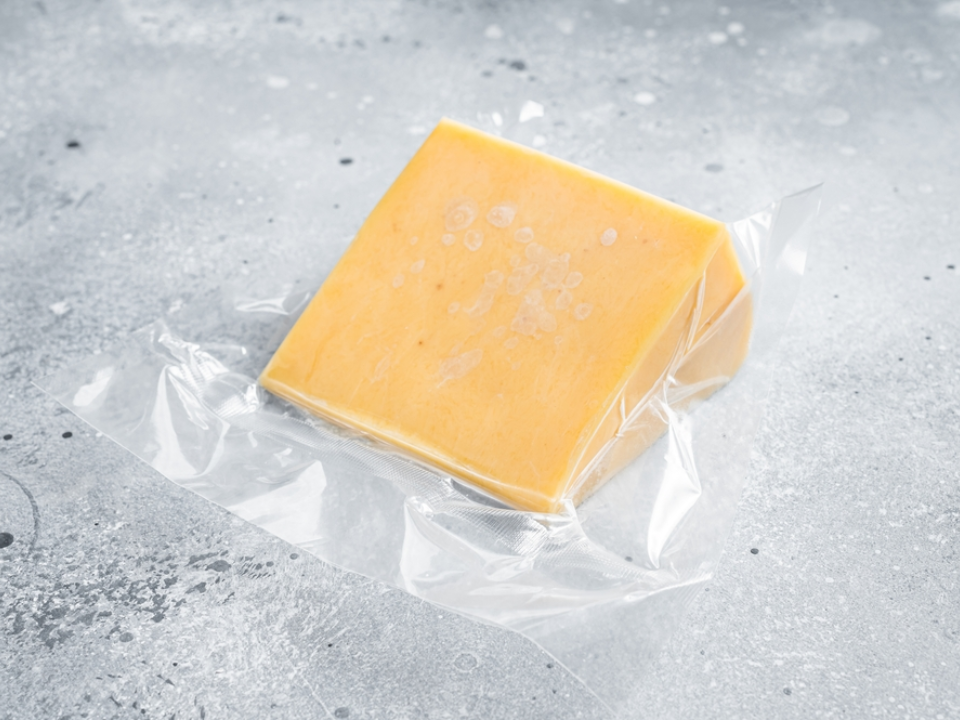
Cheese helps stretch meals because even a small amount can add a lot of flavor and make a dish feel richer. Sprinkled over pasta, beans, eggs, potatoes, rice, or vegetables, it can help plain food feel more complete. It is especially useful when there is only a little meat available, since cheese can make the meal seem heartier without much extra cooking.
Shredded cheese melts into casseroles, soups, quesadillas, and sandwiches, which gives one ingredient several roles in the kitchen. Block cheese can also be sliced for snacks or lunches, which adds more value to what you buy. Since it pairs with many pantry basics, it rarely sits unused for long. When dinner needs a little push to feel satisfying, cheese often does the job with just a handful.
Canned Tuna
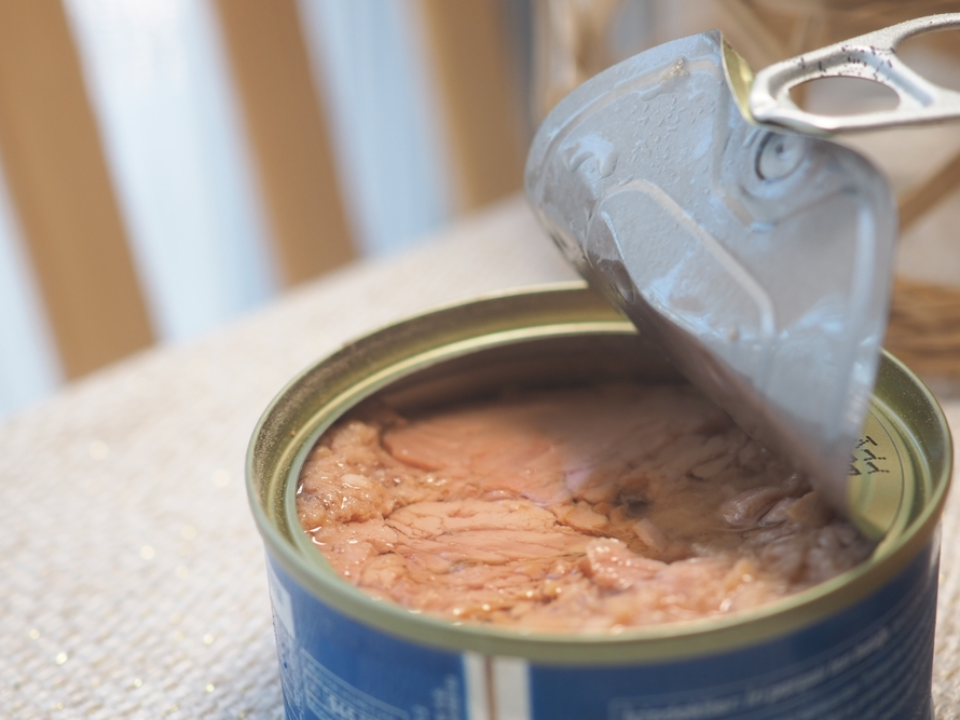
Canned tuna is a useful staple because it gives you protein that is ready to use right away and does not cost as much as many fresh meats. One can can be mixed into pasta, rice, sandwiches, salads, or patties and still go a surprisingly long way. It is especially handy for quick lunches and no fuss dinners when there is not much time to cook. Tuna also pairs well with pantry basics like mayonnaise, onions, bread crumbs, and noodles, which makes it easy to work into simple meals.
A little can be stretched with rice or pasta so that it feeds more than one person without feeling too skimpy. Since it stays in the pantry for a long time, it is good to keep on hand for nights when the fridge is almost empty. When you need a low cost item that can turn into a meal fast, canned tuna is hard to ignore.
Flour
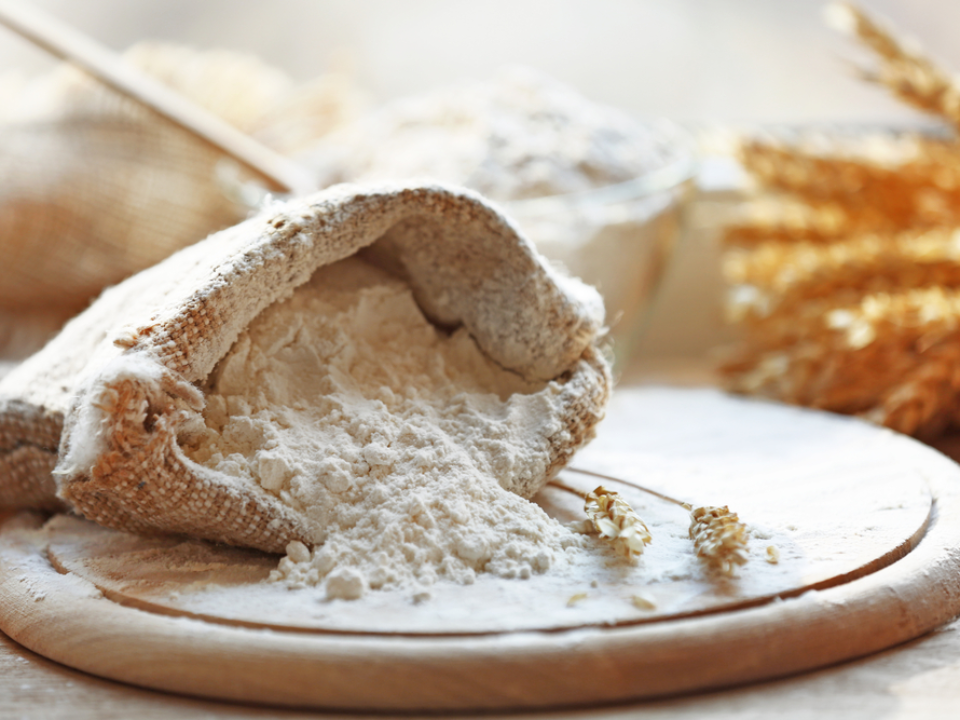
Flour is one of the most useful basics to keep in the kitchen because it opens the door to many low cost foods made at home. It can be used for pancakes, biscuits, flatbreads, muffins, dumplings, and simple gravies that help a meal go farther. A small amount can also thicken soups and sauces, which makes them feel heartier and more filling.
Flour is handy when you want to make something from scratch instead of buying a packaged version at a higher price. Even a simple flour tortilla or skillet flatbread can turn a basic dinner into something more substantial. It also works as a coating for fried foods or to help meat and vegetables brown nicely in the pan. When groceries feel tight, flour gives you many ways to keep meals going with ingredients you may already have.
Yogurt
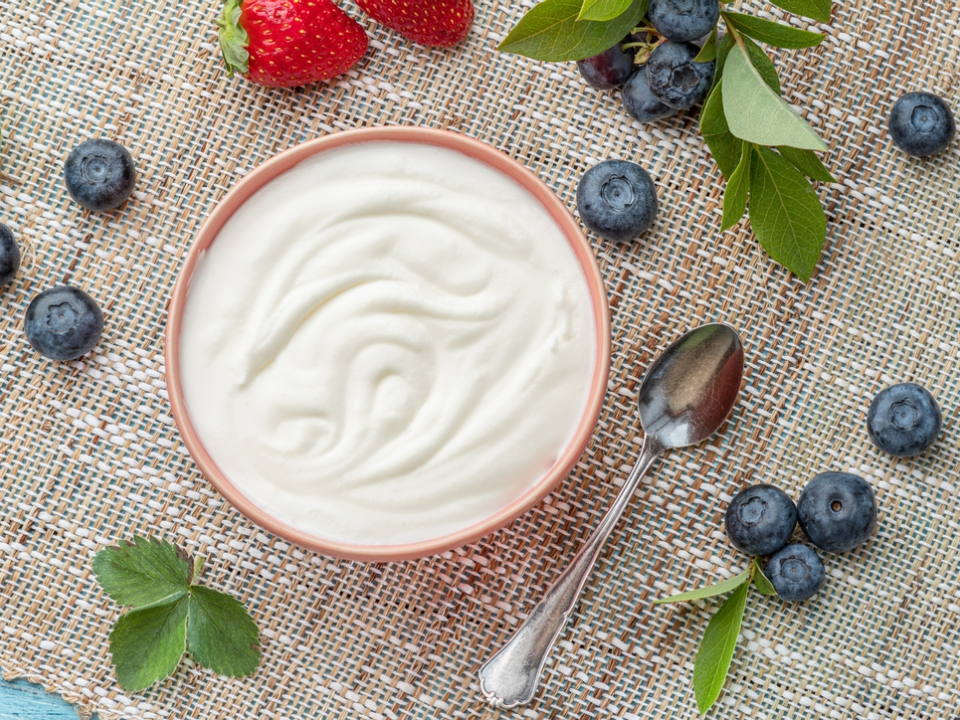
Yogurt is a helpful staple because it can cover breakfast, snacks, sauces, and even baking without much trouble. It can be eaten plain, mixed with oats, topped with fruit, or stirred into smoothies to make simple ingredients feel more filling. In savory meals, yogurt can stand in for sour cream, mix into dressings, or go alongside roasted vegetables and rice bowls. A tub often gives more value than single serve cups, especially if several people in the house eat it during the week.
It also works in marinades and baked goods, so it can do more than one job in the kitchen. Since it adds creaminess and a little tang, it helps basic meals feel less plain. When you want one grocery item that can stretch across several parts of the day, yogurt is a strong one to keep around.
This article originally appeared on Avocadu.