
18 Spring Bulbs That Return Reliably Every Year
There is something especially satisfying about planting spring bulbs and seeing them come back when the weather starts to warm. After a long winter, those first flowers can make a yard feel fresh, lively, and full of color again. Some bulbs are much better than others at coming back year after year, which makes them a smart pick for gardeners who want beauty that lasts. With the right choices, you can fill beds, borders, and walkways with blooms that settle in and keep showing up each season. These plants do a lovely job of bringing early color while asking for very little once they are happy in the ground.
This post may contain affiliate links, which helps keep this content free. Please read our disclosure for more info.
Daffodils
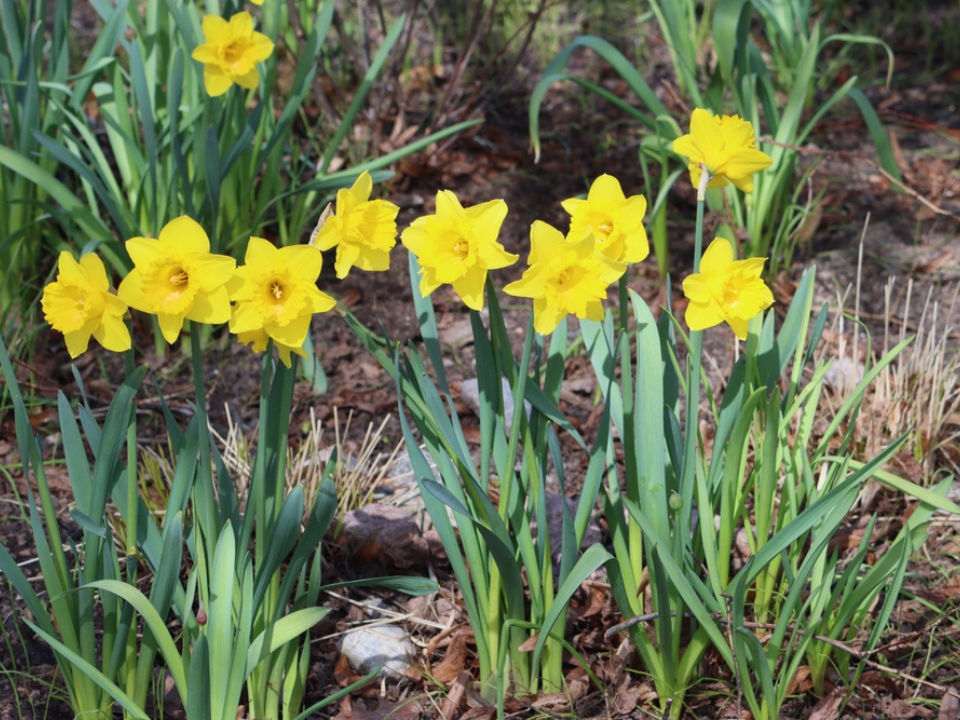
Daffodils are among the most dependable spring bulbs for a garden that wakes up with color after winter. Once they settle into a spot they like, they often come back year after year with little trouble. Their trumpet-shaped blooms show up in shades of yellow, white, peach, and soft orange, which gives gardeners a wide range of looks to work with. These bulbs usually prefer well-drained soil and a place with sun during their growing season.
They are also less likely to be bothered by deer and rodents, which makes them a favorite in many yards. After flowering, the leaves should be left in place until they yellow and dry so the bulb can store energy for the next season. Planting them in groups rather than single bulbs gives a fuller and more natural display. With that simple care, daffodils can hold their place in the garden for many years.
Crocuses
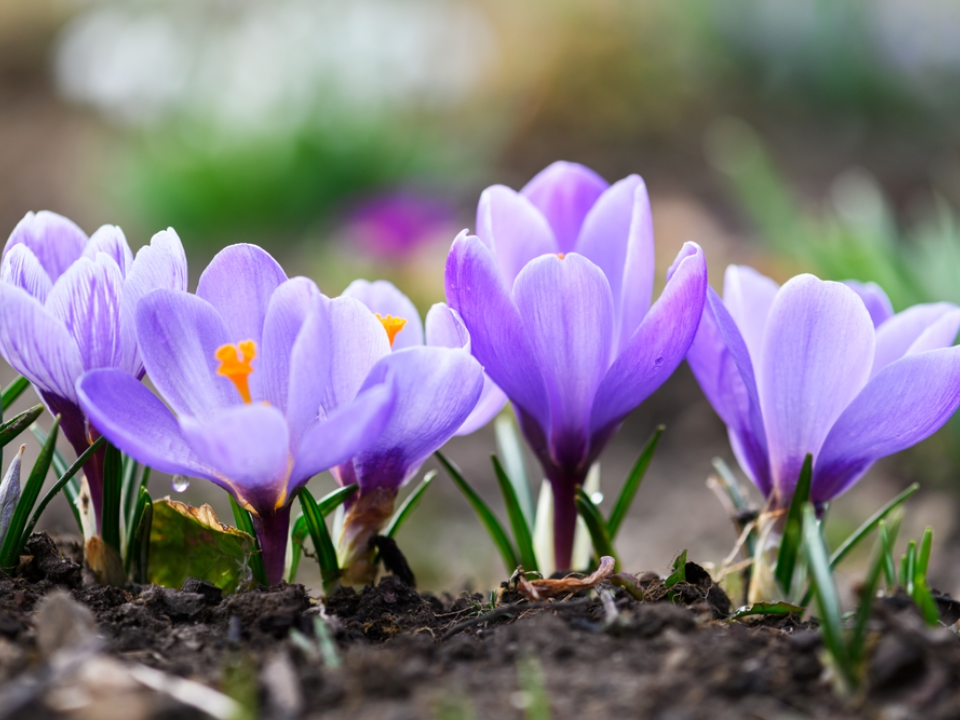
Crocuses are often some of the first flowers to appear when the weather starts to warm. Their low-growing blooms can push through cold soil and sometimes even appear beside patches of late snow. Purple, white, yellow, and striped forms bring quick color to borders, lawns, and rock gardens. They do best in areas with good drainage, since wet soil can cause the bulbs to rot.
Many gardeners like using them in drifts because the effect looks soft and natural once they bloom together. Their grassy leaves stay small, so they do not create much mess as the season moves along. Bees are often drawn to crocuses early in spring when few other flowers are open. That early bloom time and easy return make them a lasting garden favorite.
Hyacinth
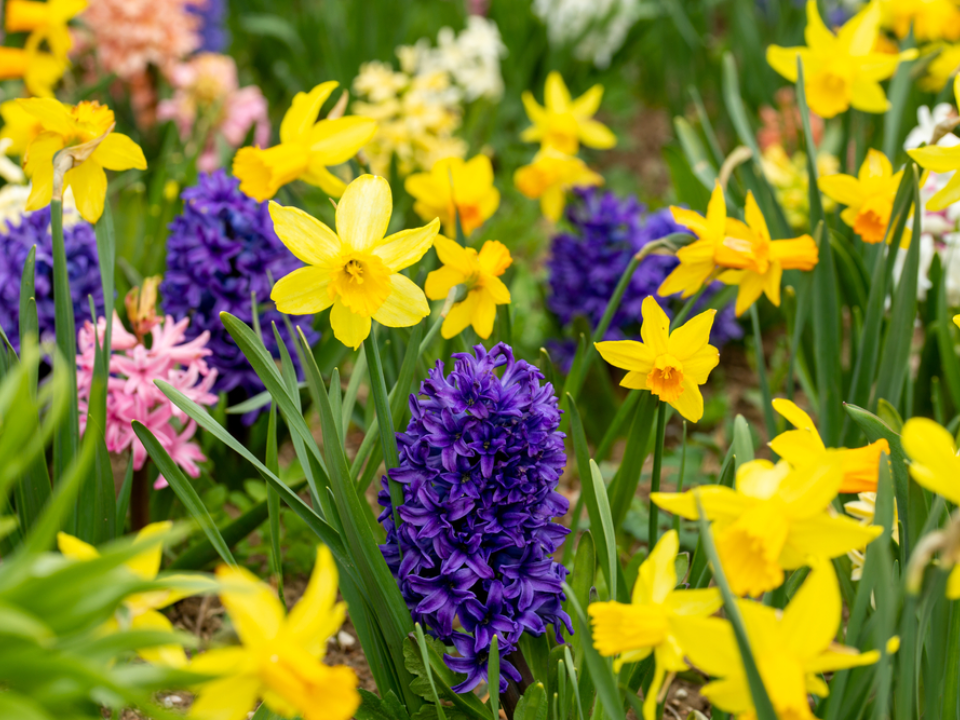
Hyacinths are loved for their rich fragrance and dense flower spikes that stand out in early spring beds. Their blooms come in pink, blue, white, purple, and soft yellow, adding strong color in a compact space. These bulbs usually return well when planted in soil that drains properly and does not stay soggy. A sunny spot helps them flower well, though light shade can still work in many gardens.
Their scent can carry across a walkway or patio, which makes them especially nice near entrances and seating areas. After the blooms fade, the leaves still need time to feed the bulb for the next growing season. Some gardeners notice smaller flower spikes after several years, though the plants often still come back. Even with that change, hyacinths remain one of the most satisfying spring bulbs to grow.
Snowdrops
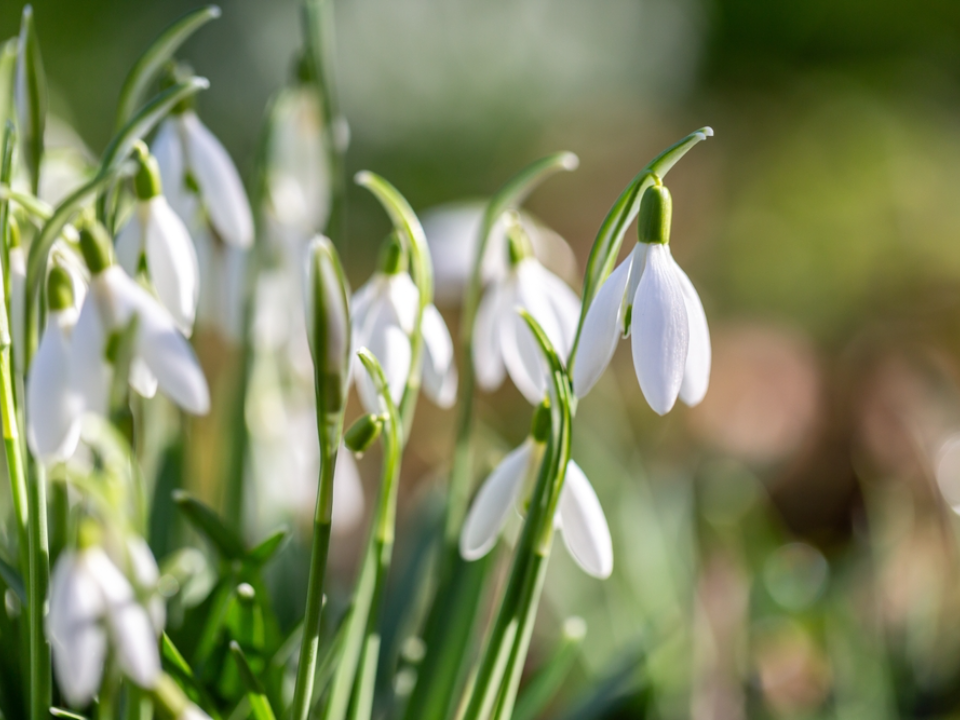
Snowdrops are treasured for their delicate white flowers that often appear very early in the season. In many places, they bloom when winter still feels close, which gives them a special charm. Their nodding flowers may look fragile, yet these plants are tougher than they seem. They usually prefer moist but well-drained soil, especially in spots that get sun in late winter and spring.
Woodland edges and the base of deciduous trees often suit them well. Snowdrops slowly form clumps, and those clumps can be divided after flowering if a gardener wants to spread them around. Their clean white color stands out beautifully against dark soil and fading winter ground. Once established, they often return with quiet dependability.
Siberian Squill
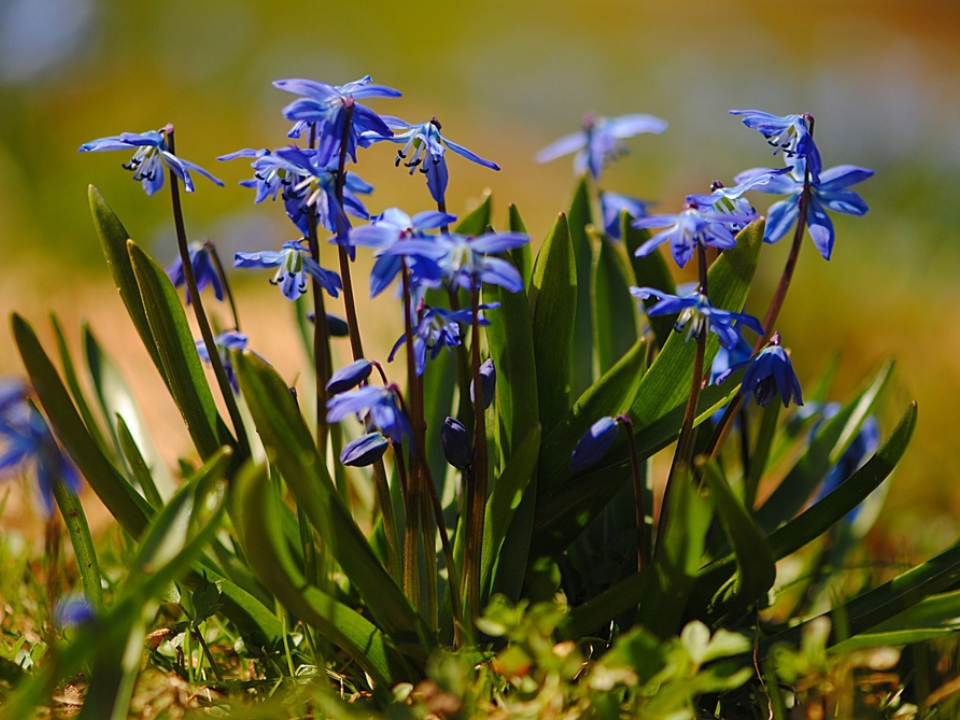
Siberian squill is known for its vivid blue flowers that open low to the ground in early spring. The blooms may be small, though they make a strong impact when planted in large numbers. This bulb naturalizes well in lawns, under trees, and in informal garden spaces where it can spread gently over time. It is well suited to cold climates and handles chilly spring weather with ease.
The grass-like leaves fade away after flowering, which helps the plant slip out of sight as other spring growth takes over. Good drainage matters, though the bulbs are otherwise not difficult to grow. Many gardeners enjoy the way this plant creates a carpet of blue when allowed to settle in. That easy habit is one reason it returns so well from one year to the next.
Species Tulips
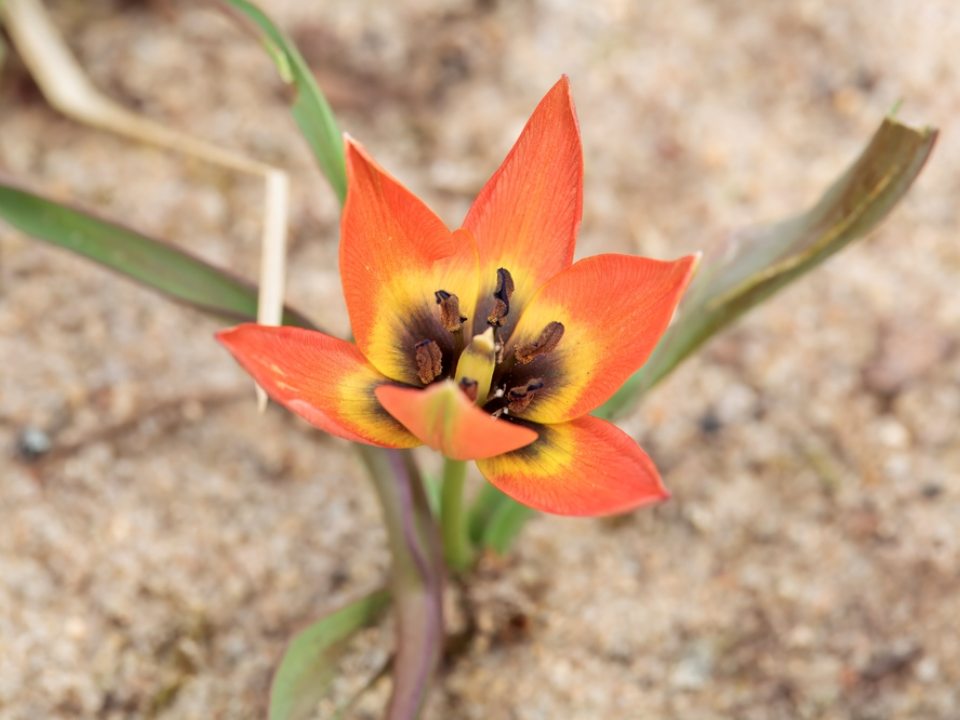
Species tulips are often more dependable over time than many large hybrid tulips sold for showy spring displays. They are usually shorter, smaller, and closer to their wild relatives, which helps them adapt better to garden life. Their flowers may be star-shaped, pointed, or cup-like, and they come in lovely shades of red, cream, yellow, pink, and orange. These tulips like sunny spots and soil that drains well, especially during summer dormancy.
Unlike some large tulips that fade after one season, species tulips are more likely to come back and even form larger clumps. Their smaller size makes them a good fit for rock gardens, front borders, and dry sunny edges. They open wide in sunlight, which gives them a lively and open look during the day. For gardeners who want tulips with staying power, these are often a better pick.
Glory of the Snow
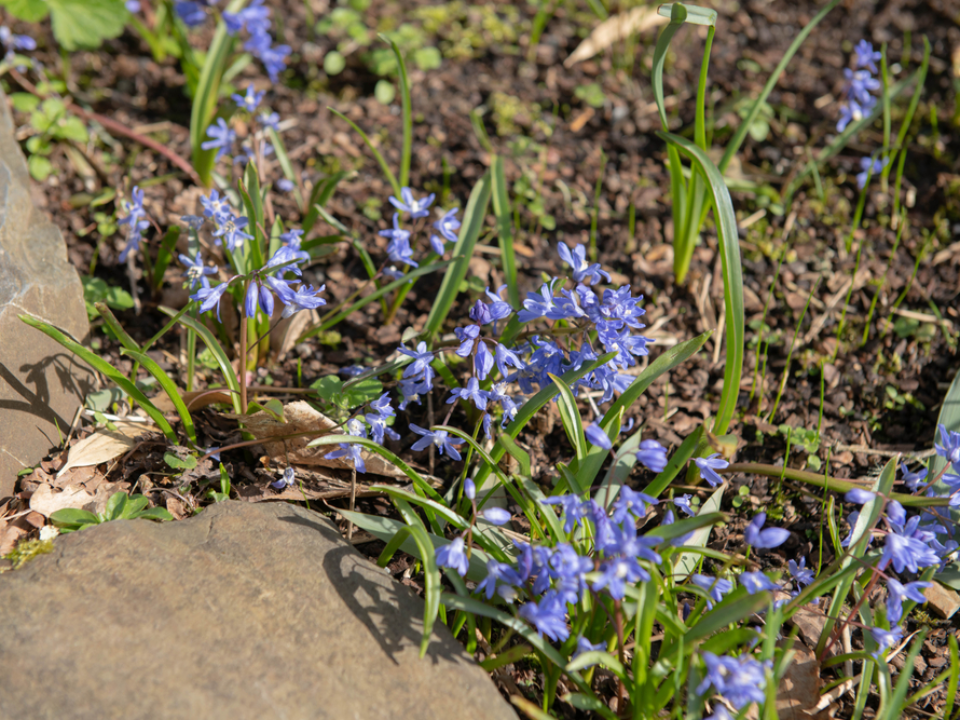
Glory of the snow lives up to its name by blooming very early and bringing color when the garden is still quiet. Its starry flowers usually come in shades of blue, pink, or white, often with pale centers that make them stand out. These bulbs stay fairly small, though they can spread over time and form lovely drifts. They do well in sunny spots during spring and can also grow under deciduous trees before the canopy fills in.
Their early flowers are useful for bees looking for nectar after winter. The leaves remain short and tidy, so the plant fits easily into many garden styles. Once planted, these bulbs usually ask for little beyond decent drainage and time to settle in. That easy nature makes glory of the snow a bulb many gardeners value for the long run.
Camassia
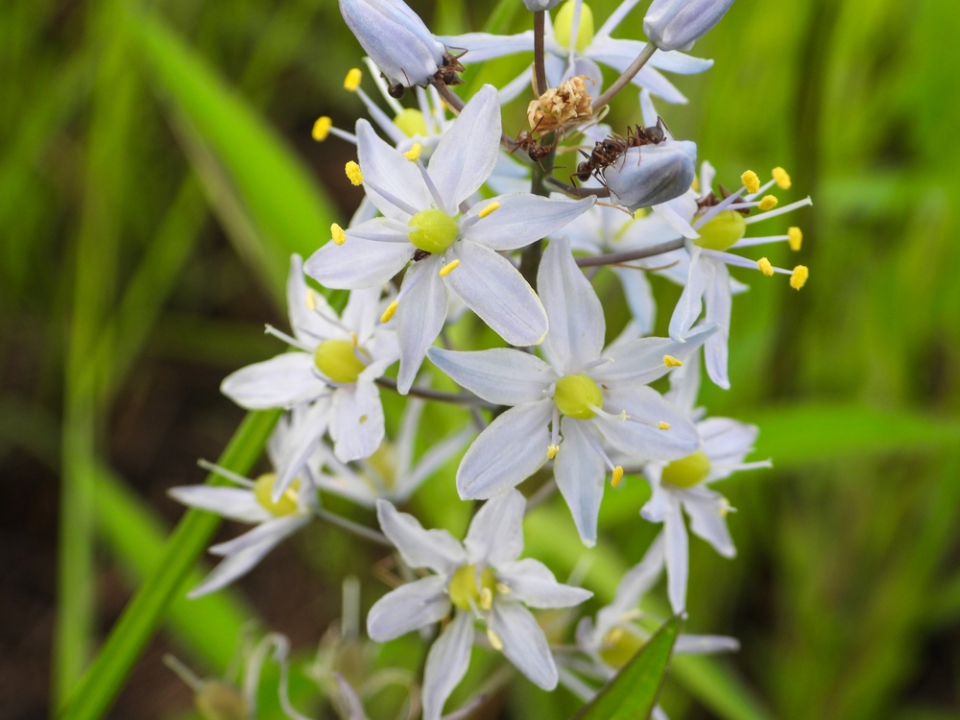
Camassia brings a slightly different look to spring bulb planting because its flowers rise on taller stems than many other bulbs. The star-shaped blooms open along upright spikes in shades of blue, violet, cream, or white. This plant works especially well in cottage gardens, meadow plantings, and damp spots where other bulbs may struggle. In fact, camassia can handle more moisture than many spring bulbs, as long as the soil does not stay waterlogged all year.
Its grassy leaves form a clump at the base before the flower stems rise above them. The plant has a natural and graceful look that pairs well with late spring perennials and ornamental grasses. Once it settles in, camassia can return for many seasons and gradually form larger clumps. It is a fine choice for gardeners who want spring bulbs with height and gentle movement.
Winter Aconite
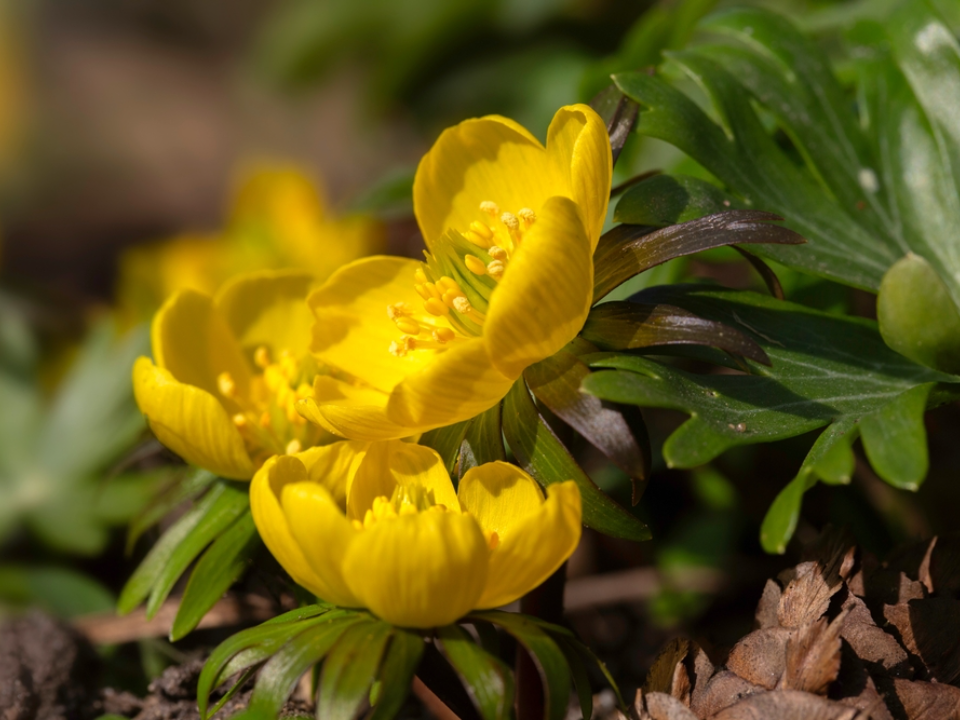
Winter aconite is one of the earliest signs that the garden is coming back to life. Its small yellow flowers sit above a collar of green leaf-like bracts, giving each bloom a neat and tidy look. These bulbs often bloom very early, sometimes around the same time as snowdrops. They are especially attractive in woodland gardens, under trees, and along shaded paths that get sun before leaves fill in overhead.
The flowers may be small, though their rich yellow color shows up clearly against winter soil and leaf litter. Winter aconite likes soil that does not dry out too harshly while it is growing. Once happy, it can spread and make a lovely carpet that grows better with time. That steady return has made it a much-loved bulb for early spring scenes.
Allium
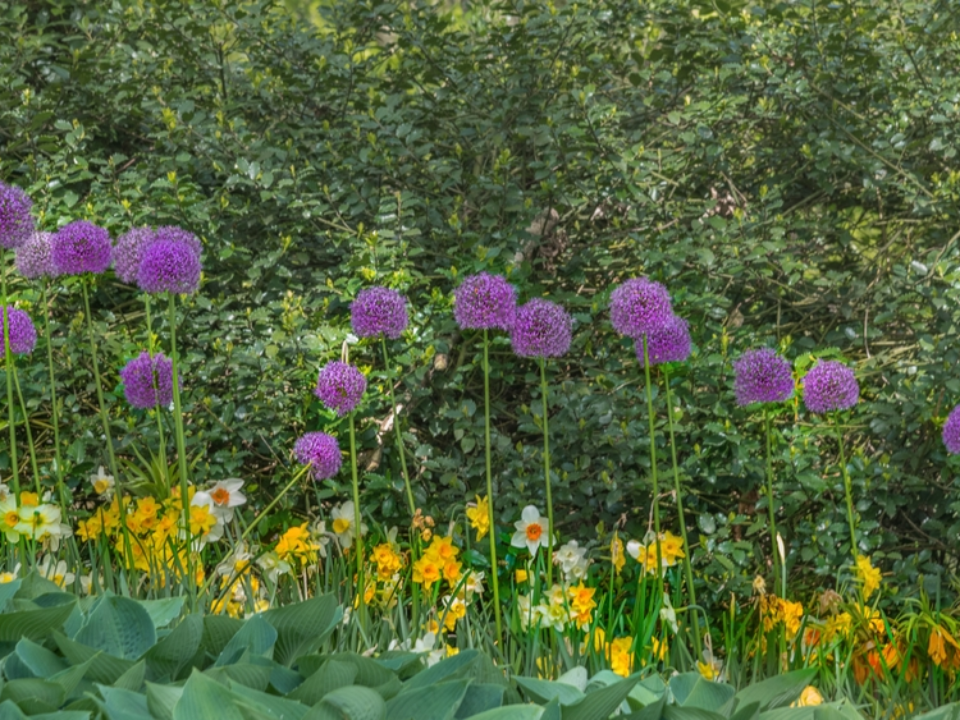
Alliums are often linked with late spring and early summer, though many fit beautifully into the spring bulb season. Their round flower heads sit on tall stems and bring a strong shape that contrasts nicely with softer spring flowers. Purple is the most familiar color, though some kinds bloom in white, pink, or blue tones.
These bulbs like full sun and soil that drains well, especially during the colder months. Many types are not favored by deer, rabbits, or rodents, which adds to their value in home gardens. Their dried seed heads can stay attractive for a while after the flowers fade, adding extra interest. Smaller alliums can settle into borders easily, while taller forms make a strong statement farther back in the bed. With the right conditions, alliums can return well and become a steady part of the spring display.
Iris reticulat
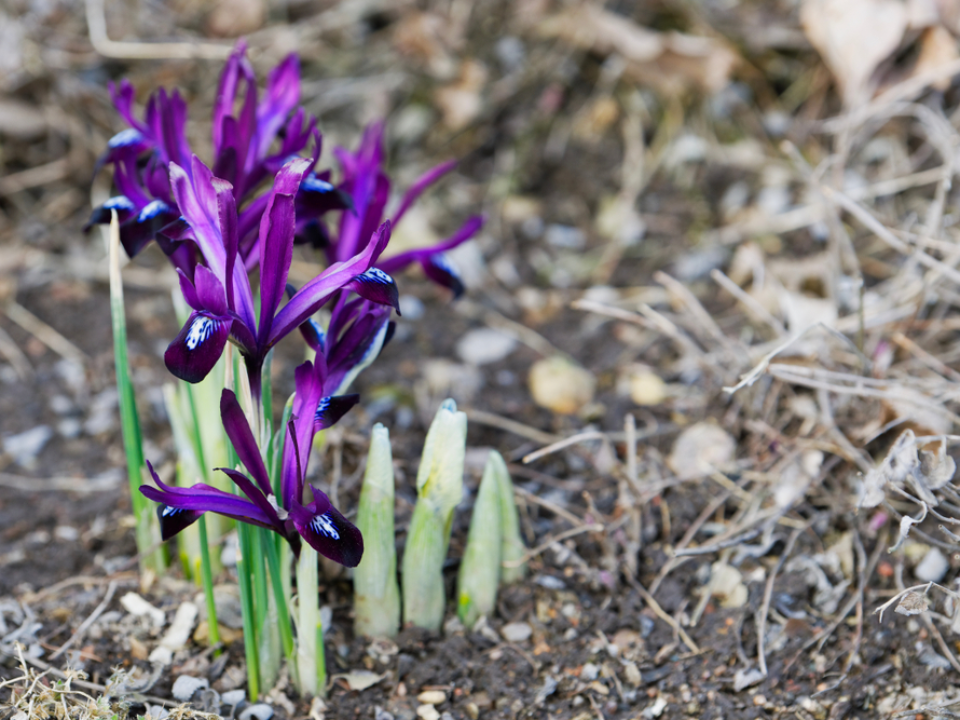
Iris reticulata is a small bulbous iris that flowers early and brings rich color when much of the garden is still waking up. Its blooms often come in deep purple, blue, or violet, usually marked with yellow or white on the falls. Though the flowers are small, they have a striking shape that draws attention right away. This plant does best in sunny places with sharp drainage, making it a strong choice for rock gardens and raised beds.
Its narrow leaves continue growing after bloom time, feeding the bulb for the next cycle. In wetter soil, the bulbs may not last as well, so placement matters a great deal. Where conditions suit them, these irises can come back nicely and may even multiply. Their early flowering habit gives gardeners a welcome burst of color near the end of winter.
Fritillaria meleagri
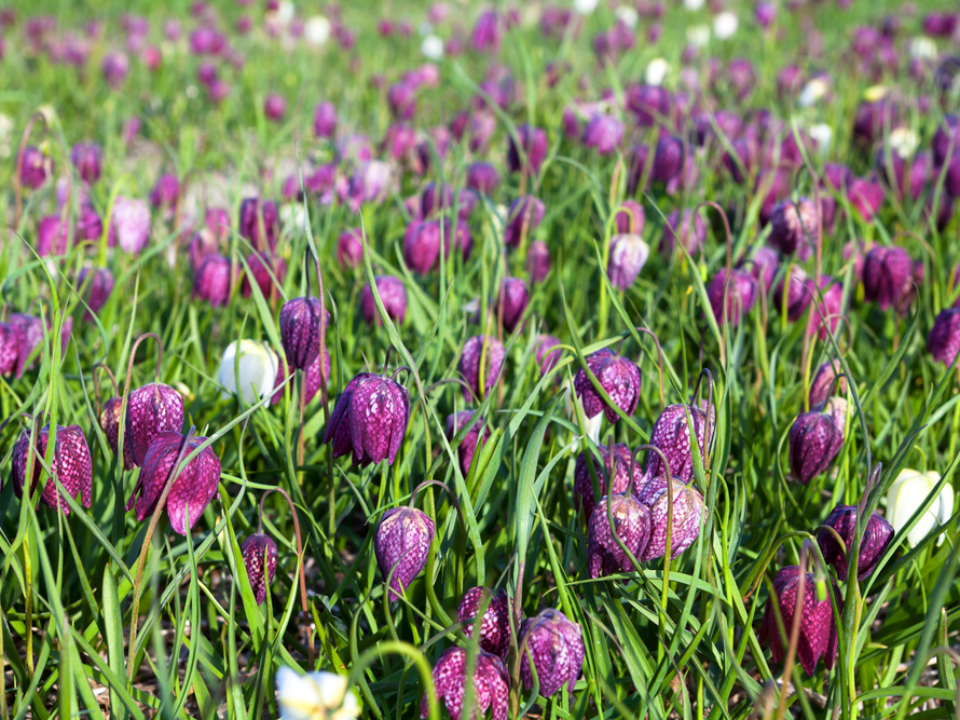
Fritillaria meleagris is often called snake’s head fritillary because of its unusual, checkered petals. The flowers hang downward and usually come in purple, plum, or white shades, giving them a gentle and almost wild look. This bulb is especially lovely in damp meadows, open woodland gardens, or borders with moisture-retentive soil. It tends to prefer spring moisture while still needing soil that is not stagnant
The plant has a natural appearance that blends well with ferns, primroses, and other soft spring companions. Because the flowers are so different from common tulips and daffodils, they add variety to a bulb planting. Once established in the right place, they often return quietly without needing much fuss. Gardeners who enjoy unusual flowers often find this one worth the space.
Starflower
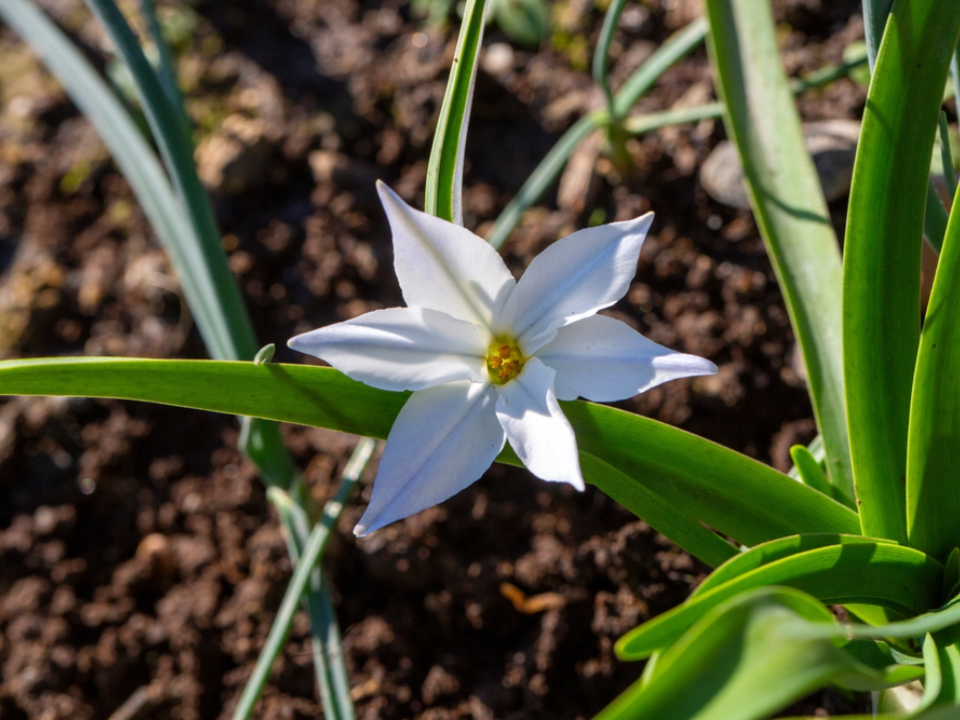
Starflower, often sold as Ipheion, is a small bulb that produces star-shaped blooms in pale blue, white, or soft violet. The flowers have a clean and airy look that suits borders, pots, and rock gardens. When the leaves are brushed, they can give off a light onion-like scent because the plant belongs to the allium family.
Starflower does well in sunny areas and prefers soil that drains well through the year. It can spread gently and form wider clumps, which gives a soft carpet effect over time. In milder climates, the foliage may last longer, while in colder spots it follows a more traditional spring cycle. The flowers open nicely in daylight and close when light fades, adding a bit of daily movement to the garden.
Dutch Iris
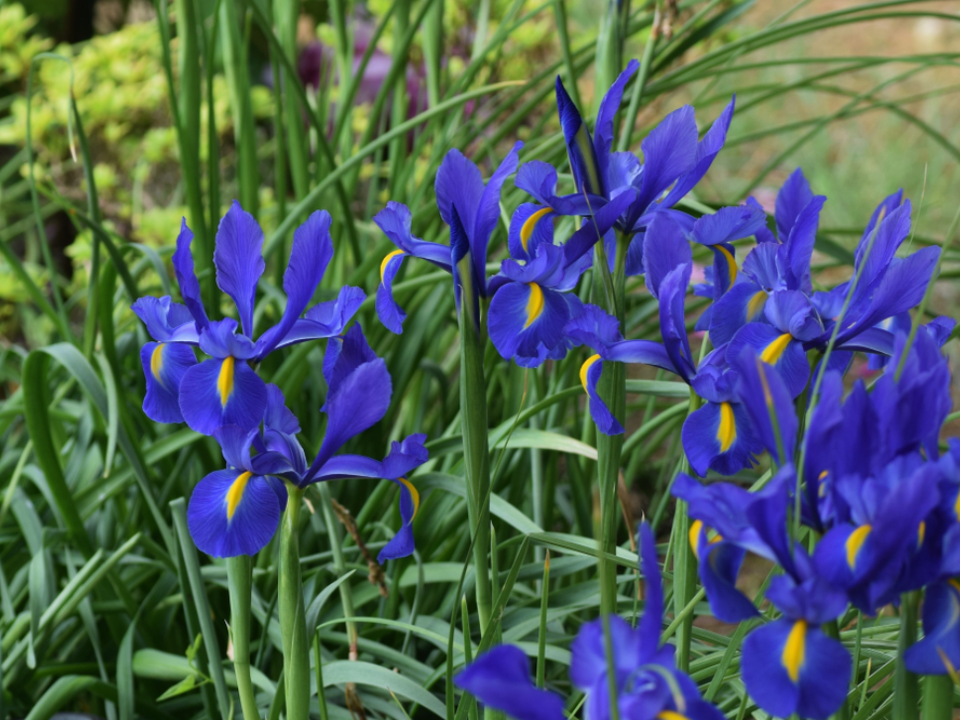
Dutch iris is often grown for cut flowers, though it can also be a lovely garden bulb in the right setting. Its blooms have an elegant form and usually appear in shades of blue, purple, yellow, and white. These bulbs like full sun and soil that does not stay wet for long periods. In warmer and drier garden areas, they are more likely to return from one season to the next.
Their upright leaves give structure even before the flowers open, and the blooms rise on stems that work well among late spring plants. Some gardeners treat them as short-term performers, though others have good luck keeping them for several years. Planting them in a protected and well-drained site gives them a better chance of coming back. When they settle in well, Dutch iris can be a graceful and lasting part of the spring border.
Puschkinia
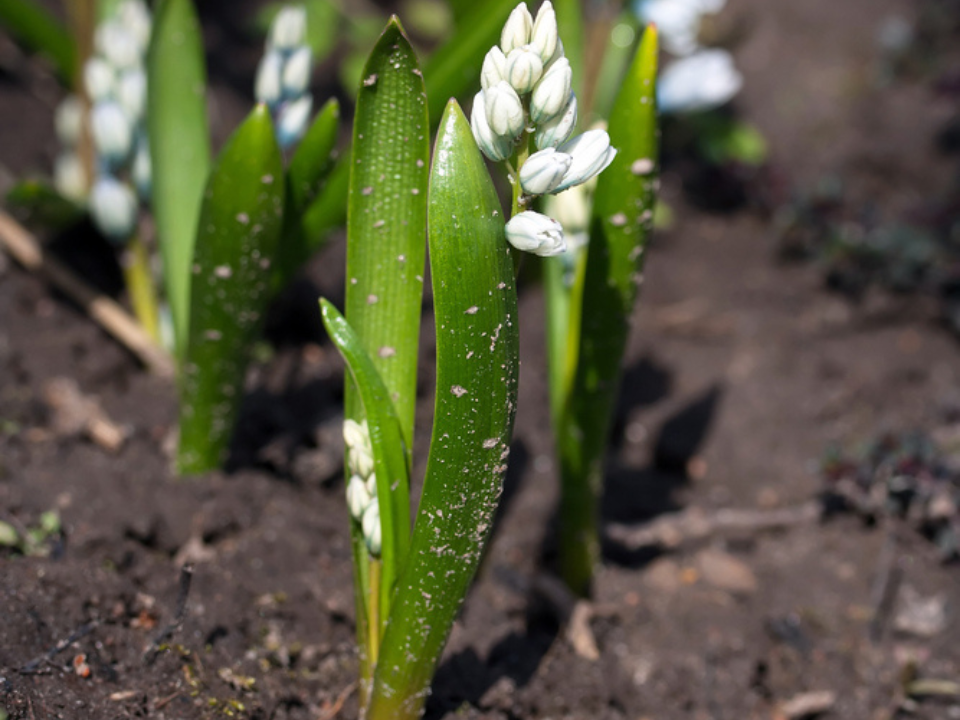
Puschkinia, often called striped squill, is a small spring bulb with pale blue to white flowers marked by a darker blue line through each petal. That gentle striping gives the blooms a soft and delicate look up close. It flowers in early to mid spring and fits well along paths, in rock gardens, or under deciduous trees.
The plant likes sun during its growing season and soil that drains well after rain. Because it stays compact, it works best in groups where the flowers can be seen clearly. Over time, puschkinia can spread and form a light ground cover of spring color. Its soft tones pair well with stronger yellows and deeper blues from other bulbs. For gardeners who enjoy subtle flowers, this is a lovely bulb that often returns faithfully.
Anemone bland
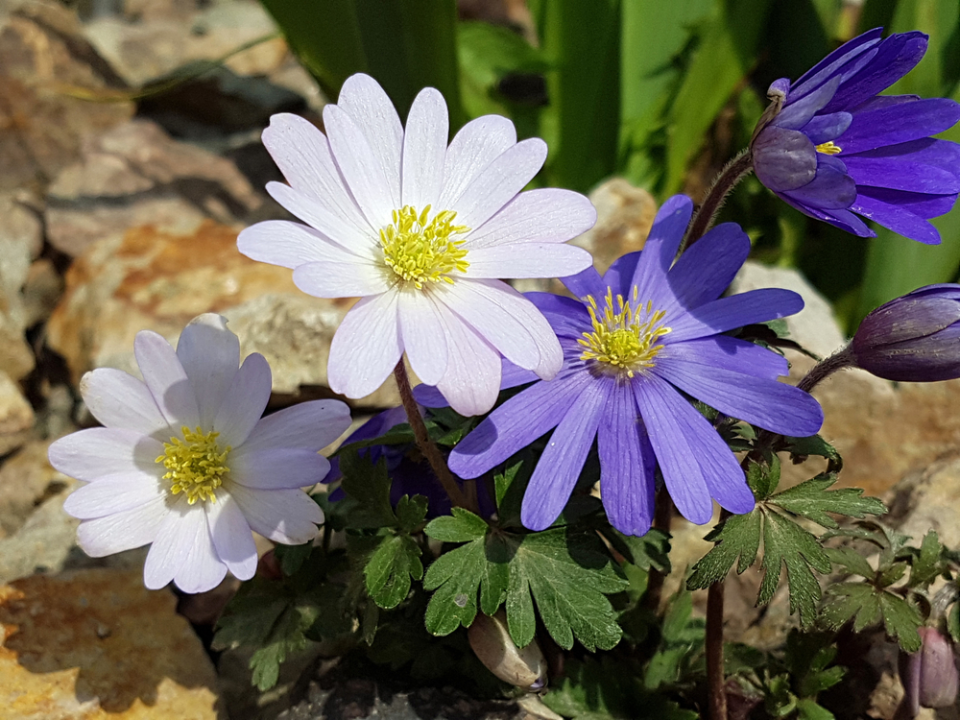
Anemone blanda is a low-growing bulb-like plant that spreads into colorful mats during spring. Its daisy-like flowers come in blue, pink, white, and lavender, which gives gardeners a nice range of soft spring shades. The ferny foliage adds texture even before the flowers fully open. This plant does best in soil that drains well and in places that get sun in early spring.
It works very well under trees, in woodland edges, or at the front of mixed borders. Once it settles in, it can spread gently and fill open spaces with a natural look. The flowers open wider in sun and close a bit when the weather turns cool or cloudy. That simple charm and steady return make Anemone blanda a favorite for many spring gardens.
Leucoju
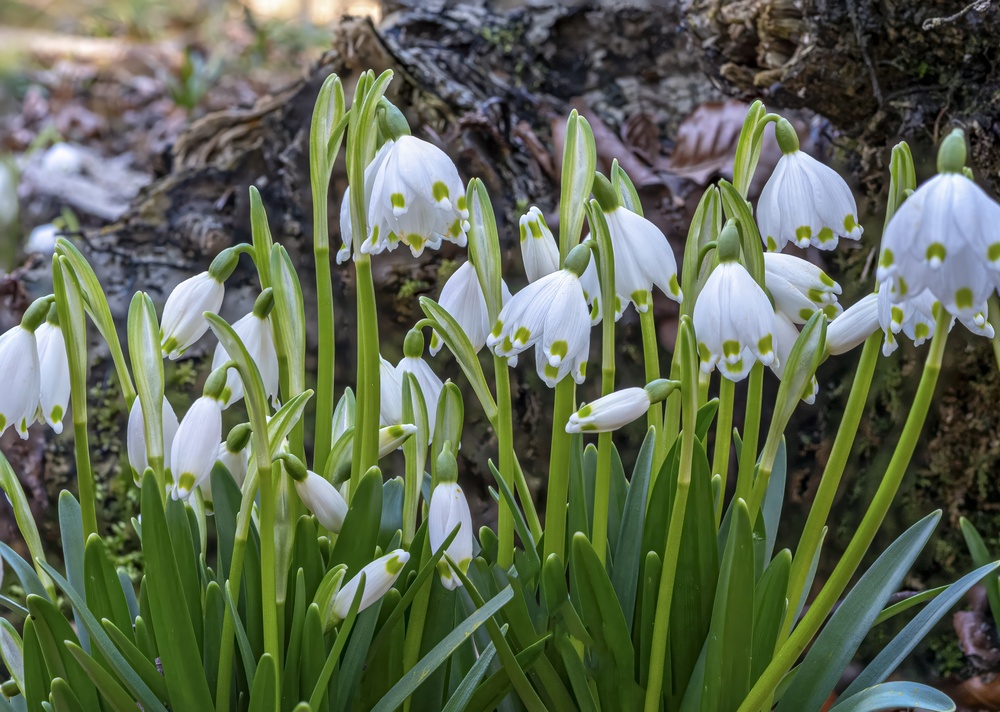
Leucojum, often called spring snowflake, has nodding white flowers that hang like little bells above green stems. Each petal tip usually carries a small green mark, which gives the flower a neat and polished look. This bulb enjoys soil that holds some moisture, making it useful in spots where other bulbs may not do as well. It fits nicely beside ponds, along damp borders, or under trees where spring light still reaches the ground.
The plant is taller than snowdrops, so it can stand out a bit more in mixed plantings. Its leaves are strap-like and stay fresh during the growing period without looking untidy. Once planted in a suitable place, leucojum often returns for many years with little trouble. It is a gentle and graceful flower that gives steady spring interest.
Scilla mischtschenkoan
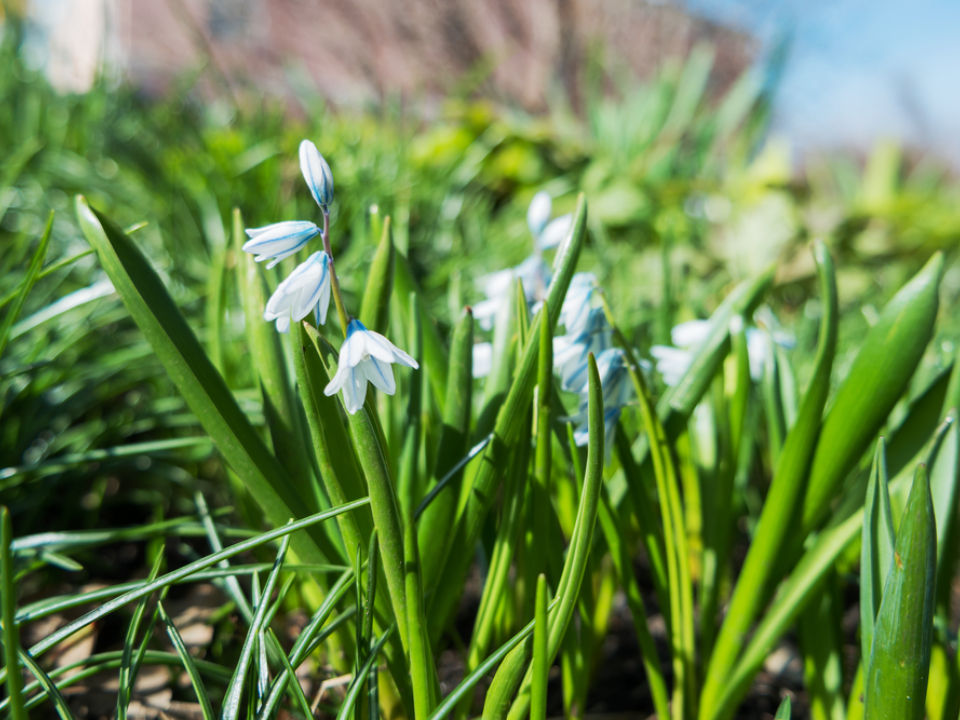
Scilla mischtschenkoana is a lesser-known bulb, though it deserves more attention for its soft early bloom. Its flowers are usually very pale blue or almost white, often marked with a slightly deeper blue stripe through the center. That cool coloring gives it a calm and fresh look in the spring garden. It blooms early and stays low, which makes it useful near paths, rock gardens, and the front of borders.
Like many small bulbs, it prefers good drainage and a sunny or lightly shaded site during its growth period. It can multiply over time and form modest drifts that look natural rather than stiff. Because the flowers are light in color, they show up best against dark mulch or bare spring soil. For gardeners who like subtle beauty, this bulb is a steady and rewarding pick.
This article originally appeared on Avocadu.