
14 Climbing Vines That Thrive When Planted in Early Spring
When early spring arrives, many gardeners start looking for plants that will fill vertical spaces. Climbing vines are a great choice for fences, pergolas, and garden arches. With cool soil and mild weather, young vines have time to settle before the heat of summer. Many gardeners find that spring planting leads to strong growth later in the season.
This post may contain affiliate links, which helps keep this content free. Please read our disclosure for more info.
Clematis
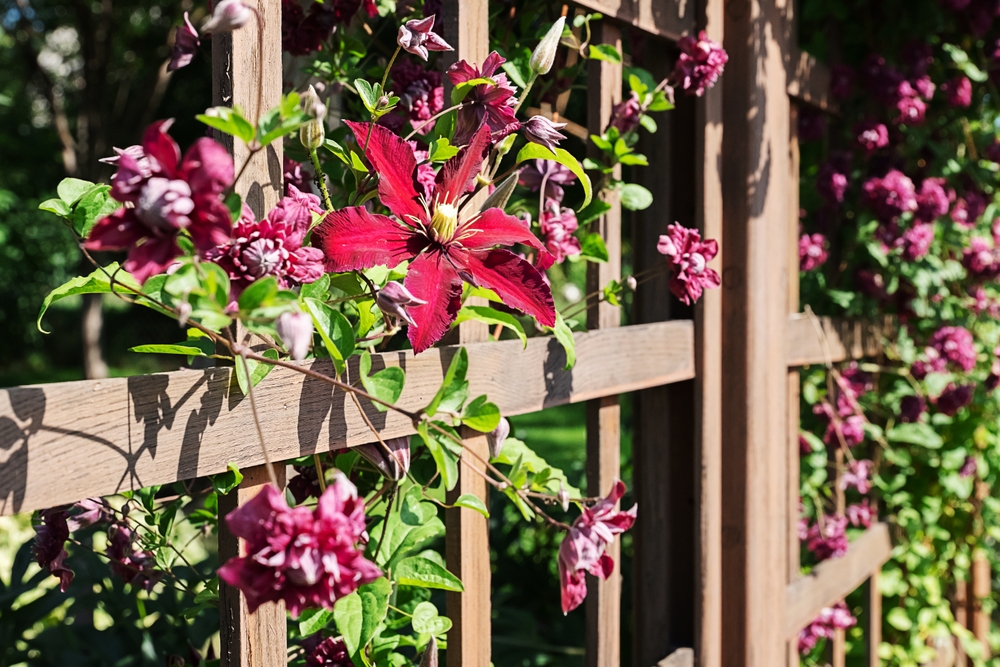
Clematis is one of the most admired climbing vines in many gardens because of its wide range of colors and flower shapes. Planting it in early spring gives the roots time to settle into cool soil before the strong warmth of late spring arrives. As the season moves forward, the plant begins sending slender vines upward that weave through trellises, fences, and arches. Some varieties produce flowers the size of a small plate, while others carry smaller blooms that appear in large numbers. Gardeners often choose clematis to bring vertical interest into the garden while adding a long season of flowers.
This vine grows best in a location where the top of the plant receives sunlight while the base stays cool and shaded. Many gardeners place mulch or low plants near the roots to keep the soil cool. Clematis prefers soil that drains well and should be watered regularly during its first growing season. As the plant settles into its space, the vines grow thicker and begin covering the support structure. With proper care, a mature clematis can return every year with a striking display of blooms.
Honeysuckle
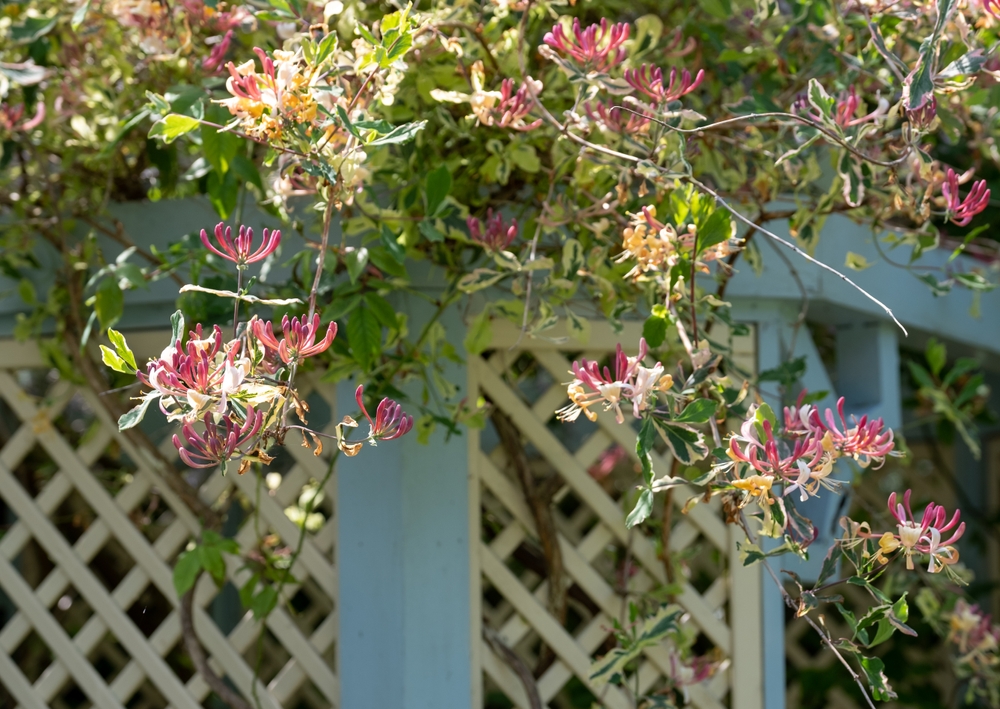
Honeysuckle is a climbing vine known for its sweet fragrance and colorful clusters of tubular flowers. Early spring planting allows the young plant to settle before it begins its strong seasonal growth. As the vine grows, it sends out flexible stems that wrap around nearby structures such as trellises, fences, or garden arches. Many gardeners enjoy planting honeysuckle near seating areas so the scent of the flowers drifts through the garden. The blooms also attract hummingbirds and bees, bringing lively activity into the yard.
This vine grows well in sunny areas where the plant receives several hours of light each day. Soil that drains well helps the roots stay healthy as the vine grows. Regular watering during the early months helps the plant settle comfortably into the garden bed. Some varieties grow vigorously and benefit from light trimming to guide the shape of the vine. Over time, honeysuckle can form a leafy screen filled with fragrant blooms.
Wisteria
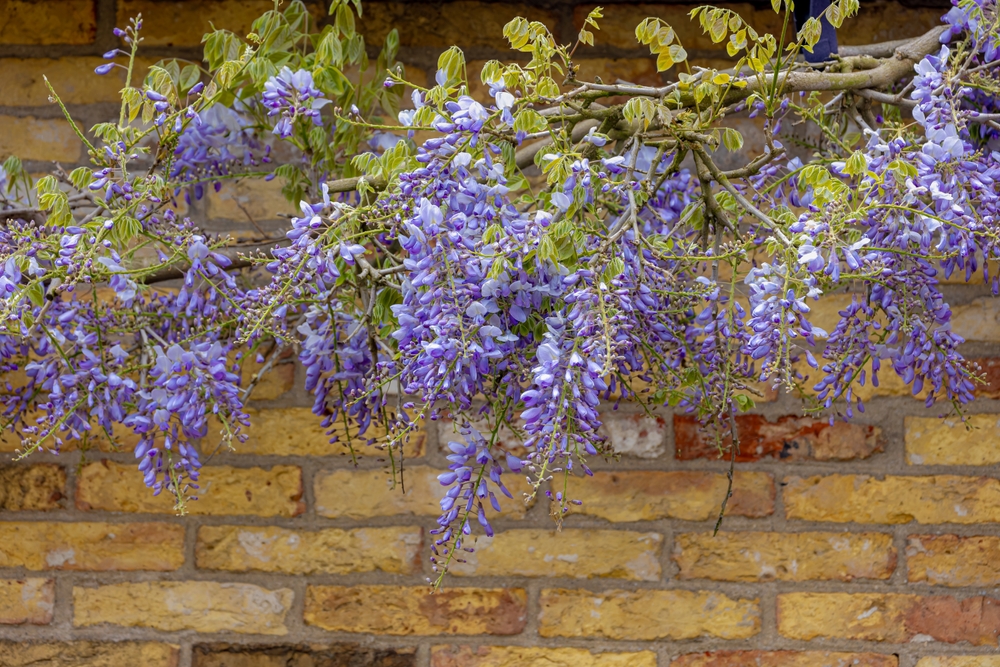
Wisteria is famous for its dramatic hanging clusters of purple, blue, or white flowers that appear in spring. Planting this vine in early spring gives the roots a strong start before the rapid growth of warmer weather begins. The stems twist slowly around sturdy supports as they climb toward the sunlight. Pergolas and large trellises are often chosen to hold the weight of this impressive vine. When the flowers appear, the entire structure can look as if it has been draped with cascading blooms.
This vine prefers a location with full sun and soil that drains well. Because wisteria becomes heavy as it matures, strong support structures are important from the start. Water young plants regularly so they settle well during their first growing season. Occasional trimming helps guide the growth and keeps the vine manageable. With patience, wisteria can become one of the most dramatic plants in the garden.
Trumpet Vine
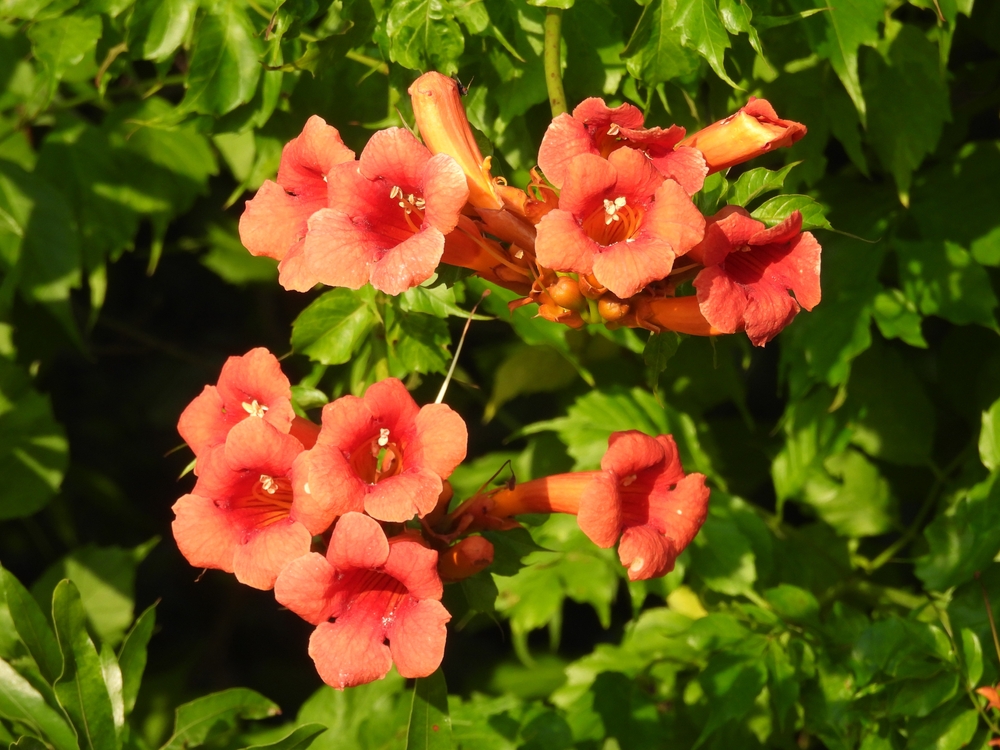
Trumpet vine is known for its bright orange flowers that resemble small trumpets hanging along the stems. Early spring planting allows the plant to settle before it begins sending out long climbing stems. As the weather warms, the vine quickly climbs along fences, trellises, and walls. The flowers appear in clusters and attract hummingbirds throughout the warmer months. Many gardeners plant trumpet vine where they want strong color and lively garden activity.
This vine grows well in sunny locations and adapts to many soil conditions as long as the ground drains well. Regular watering during the first season helps the roots settle firmly in the soil. Mature plants grow strongly and may need occasional trimming to guide their spread. The bright flowers appear repeatedly during the warm season. Over time, trumpet vine becomes a striking addition to vertical garden spaces.
Passionflower Vine
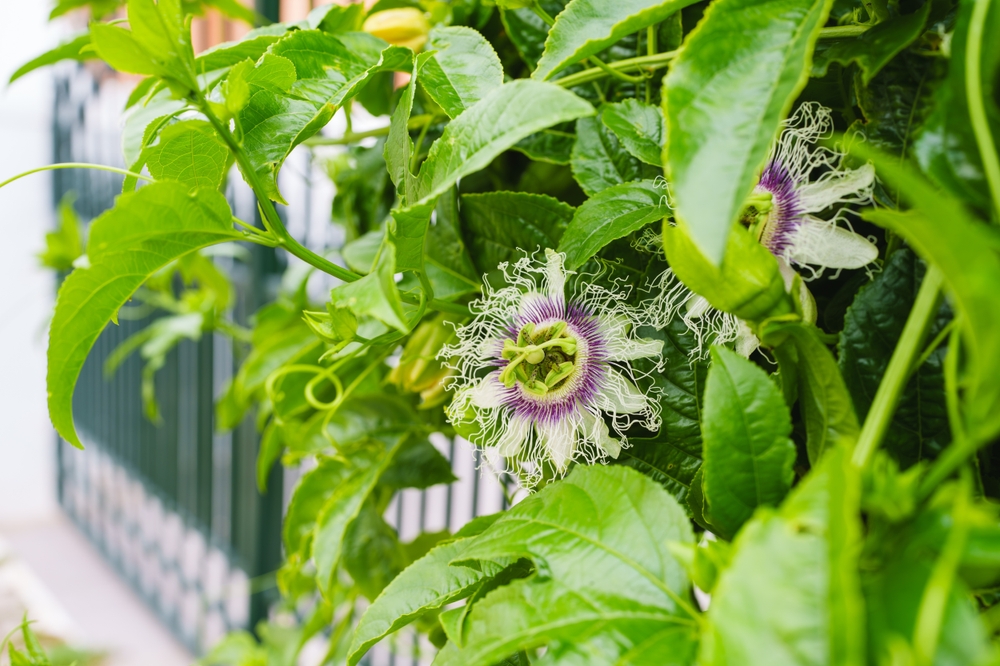
Passionflower vines are known for their unusual flowers that display layers of colorful filaments and petals. Planting them in early spring allows the roots to settle comfortably before strong seasonal growth begins. As temperatures rise, the vine produces long stems that climb easily along trellises or garden frames. The flowers often appear throughout the warm months and draw attention because of their unusual shape. Many gardeners enjoy the tropical look these vines bring to outdoor spaces.
This vine grows best in a sunny location where the plant receives plenty of light. Soil that drains well keeps the roots healthy and encourages steady growth. Regular watering during warm weather helps the plant continue producing flowers. Some varieties also produce small fruits later in the season. Passionflower vines bring both visual interest and lively garden activity.
Climbing Hydrangea
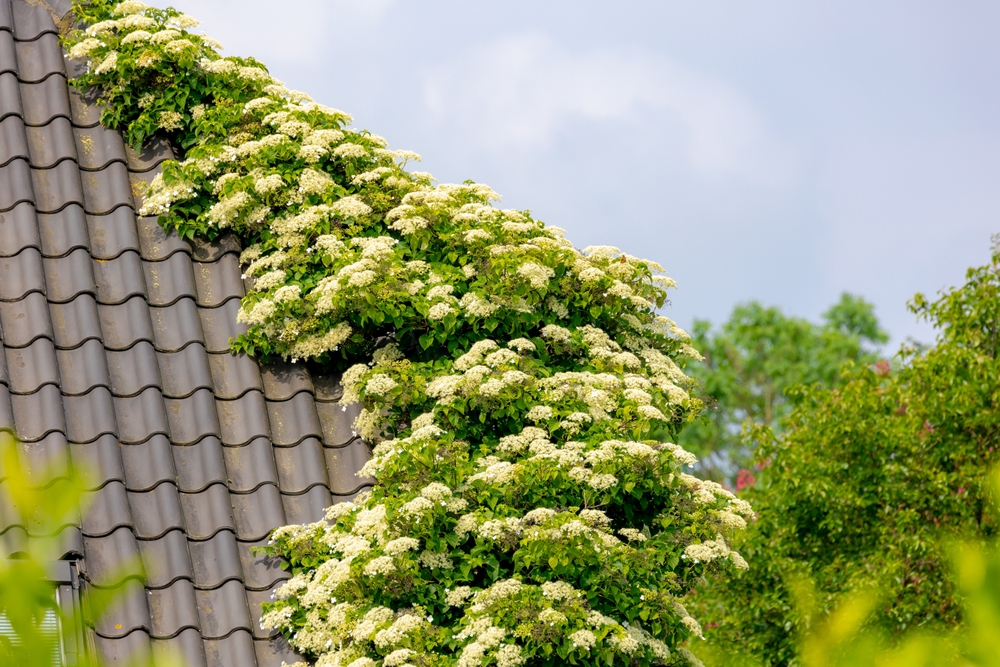
Climbing hydrangea is a graceful vine that produces clusters of creamy white flowers against deep green leaves. Planting it in early spring allows the roots to settle before the growing season gains speed. The plant grows slowly during its early years, yet once settled it becomes a strong climber. It uses small gripping roots along the stems to cling to walls, fences, or large trees. Over time, the vine forms a thick covering of foliage that looks attractive even when the plant is not in bloom.
This vine grows especially well in partial shade where the soil stays slightly cool and moist. Gardeners often choose climbing hydrangea for shaded garden walls or north-facing fences. Watering regularly during the first few seasons helps the plant settle and grow steadily. As the vine matures, the stems grow stronger and cover large surfaces. The flowers appear in flat clusters that brighten shaded areas of the garden.
Black Eyed Susan Vine
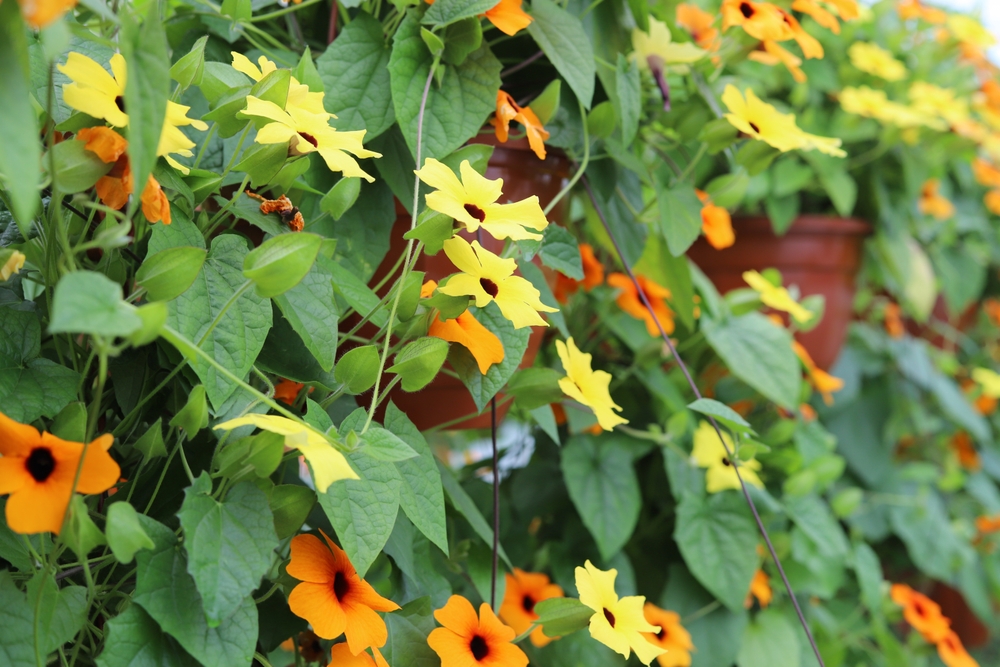
Black-eyed Susan vine produces cheerful flowers with bright petals and dark centers. Planting it in early spring gives the vine time to settle before its climbing growth begins. As the plant grows, the stems wrap gently around trellises or garden supports. The flowers appear throughout warm weather and add a lively splash of color. Many gardeners grow this vine to brighten fences or patio structures.
This plant grows best in sunny areas with soil that drains well. Regular watering during early growth helps the vine settle into the garden bed. The stems remain light and easy to guide along trellises or frames. The flowers may appear in shades of yellow, orange, or creamy white. Over time, the vine forms a cheerful display across garden structures.
Morning Glory
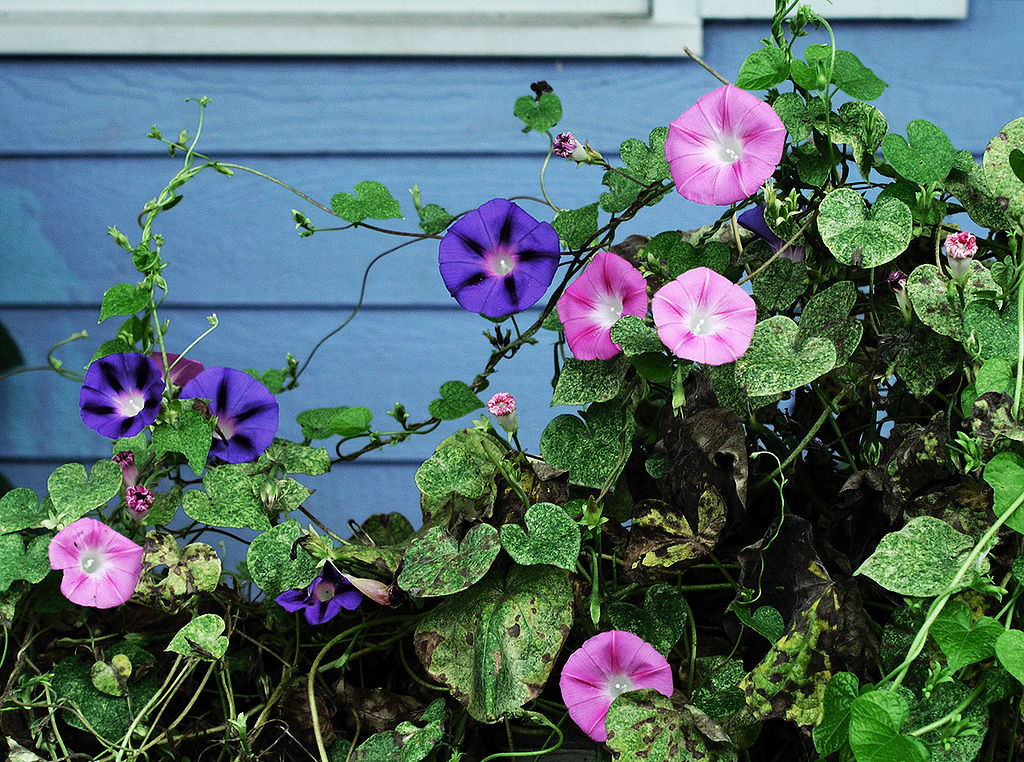
Morning glory vines are known for their trumpet-shaped flowers that open early each day. Planting them in early spring allows the seeds to settle before warm weather arrives. As the vines grow, they climb quickly along fences, trellises, and arches. The flowers appear in bright shades of blue, purple, pink, and white. Many gardeners enjoy watching the blooms greet the morning sunlight.
These vines grow best in sunny areas where the plants receive several hours of light each day. Soil that drains well helps the roots remain healthy throughout the season. Regular watering keeps the plants growing steadily during dry periods. The vines spread quickly once the weather warms. Morning glory plants can quickly cover a support structure with colorful blooms.
Star Jasmine
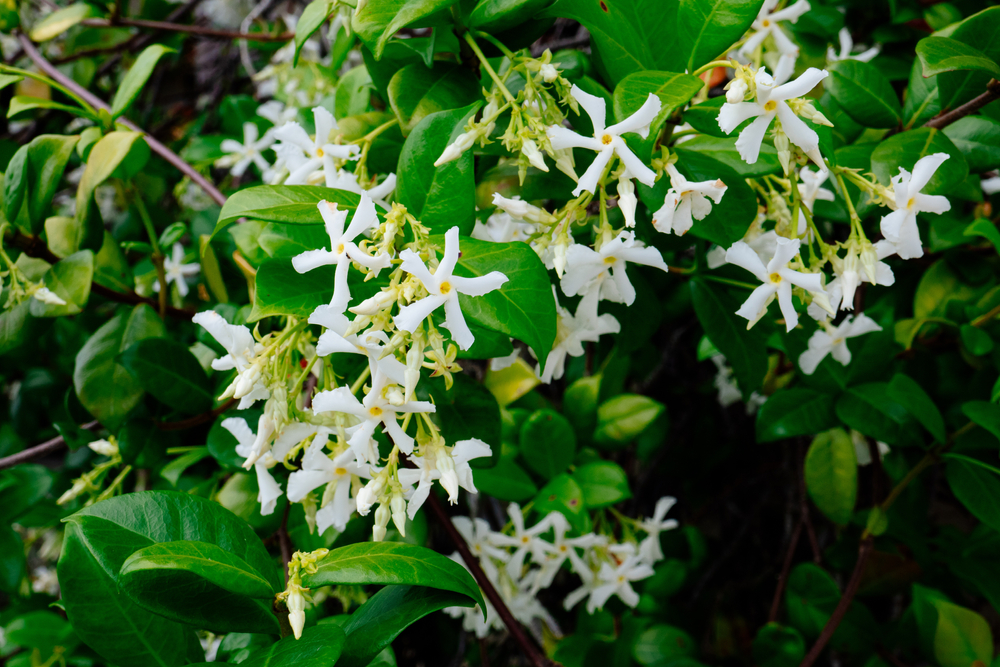
Star jasmine is admired for its clusters of small white flowers and glossy evergreen leaves. Planting this vine in early spring allows the roots to settle before warm weather speeds up growth. The stems gradually climb along trellises or garden walls as the plant spreads. When the flowers appear, they release a pleasant fragrance that drifts through the garden. Many gardeners plant star jasmine near patios or entryways for this reason.
This vine grows well in sunny or lightly shaded areas with soil that drains well. Regular watering during the early growing period helps the plant settle firmly into the soil. The leaves remain green through much of the year in mild climates. Over time the vine spreads across structures with dense foliage. The flowers appear in clusters that stand out against the dark leaves.
Climbing Roses
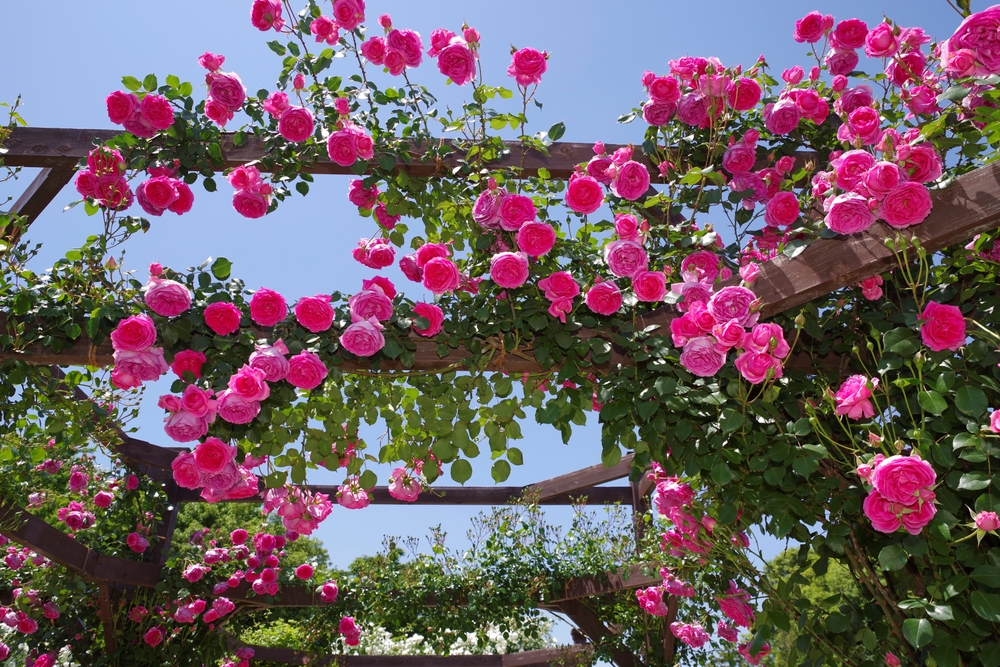
Climbing roses bring classic beauty to garden arches, fences, and pergolas. Early spring planting allows the roots to settle while the soil still holds cool moisture. As the plant grows, long canes stretch outward and upward along the support structure. Many varieties produce repeated waves of flowers during the growing season. The blooms appear in colors such as red, pink, white, and yellow.
These roses grow best in sunny locations with rich garden soil. Regular watering during the early growing period helps the plant remain healthy. Gardeners often guide the canes along trellises to create a graceful display. Light trimming encourages new flower growth later in the season. Over time, climbing roses can turn a simple arch into a colorful garden feature.
Canary Creeper
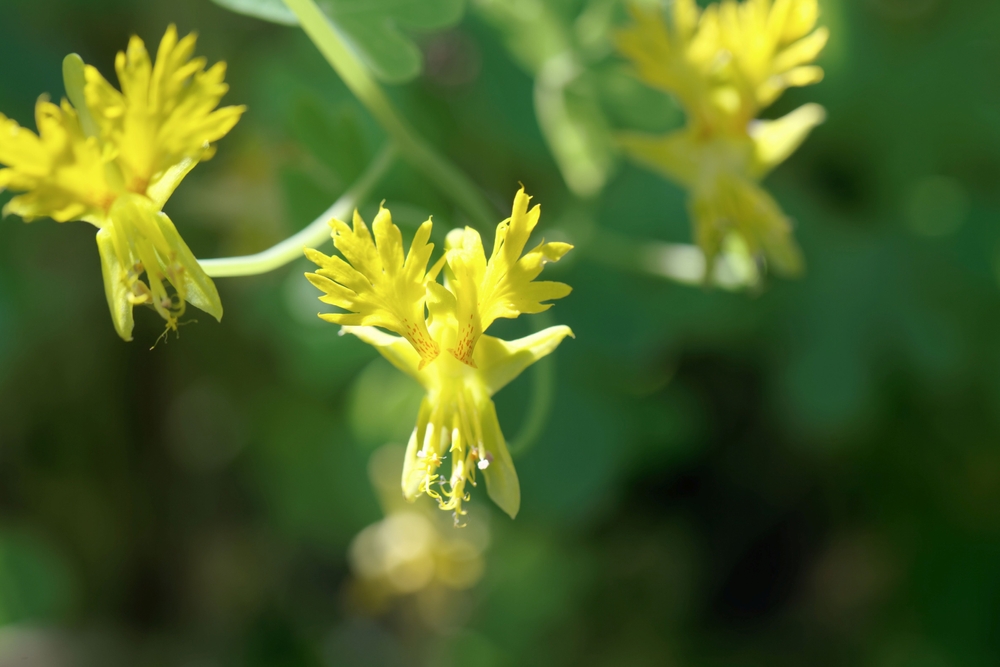
Canary creeper is a delicate climbing vine known for its bright yellow flowers shaped like tiny birds. Planting it in early spring allows the vine to begin growing as temperatures slowly rise. The thin stems climb easily along trellises and garden frames. Soft green leaves create a light and airy look as the vine spreads. Many gardeners plant it to add cheerful color to vertical garden spaces.
This vine grows best in sunny areas with soil that drains well. Regular watering helps the plant stay healthy during its early growth. The stems remain flexible and easy to guide along supports. As the plant grows, clusters of yellow flowers appear across the foliage. Canary creeper creates a lively display that brightens fences and garden structures.
Dutchman’s Pipe
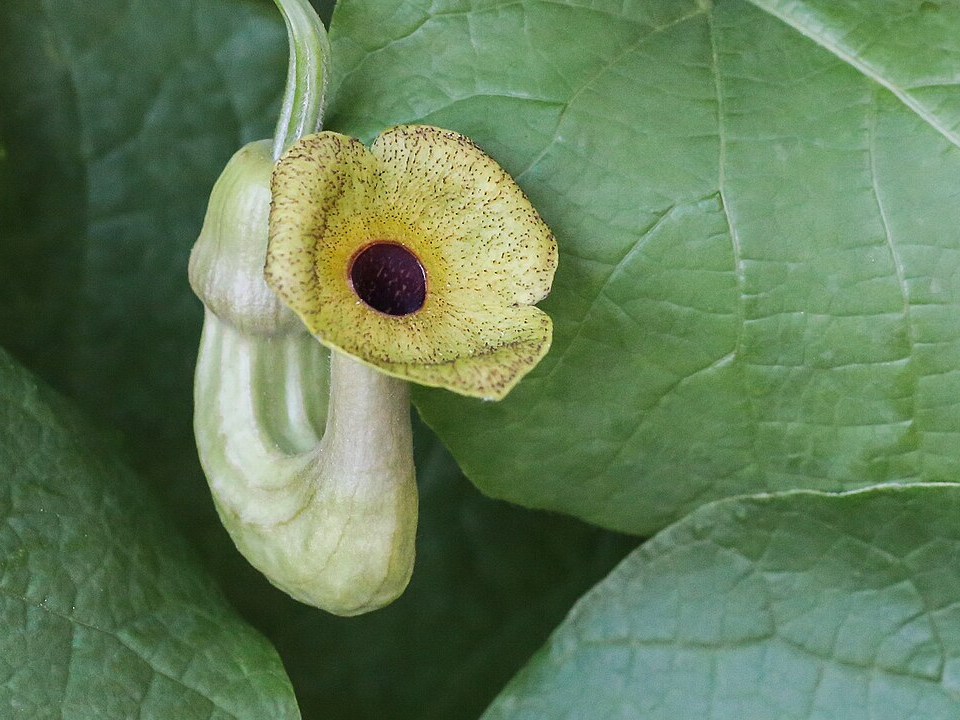
Dutchman’s pipe is a climbing vine known for its large heart-shaped leaves and unusual pipe-shaped flowers. Early spring planting allows the roots to settle before warm weather encourages rapid growth. As the vine grows, thick stems climb along pergolas, fences, and trellises. The dense foliage often forms a leafy canopy that provides shade beneath it. Gardeners often plant this vine where they want strong greenery and privacy.
This plant grows well in partial sun where the soil stays slightly moist. Regular watering during the early months helps the vine settle into the garden. The large leaves create a dramatic look as the plant spreads. Strong supports are important since the vine becomes heavy over time. Dutchman’s pipe can cover large structures with thick greenery.
Chocolate Vine
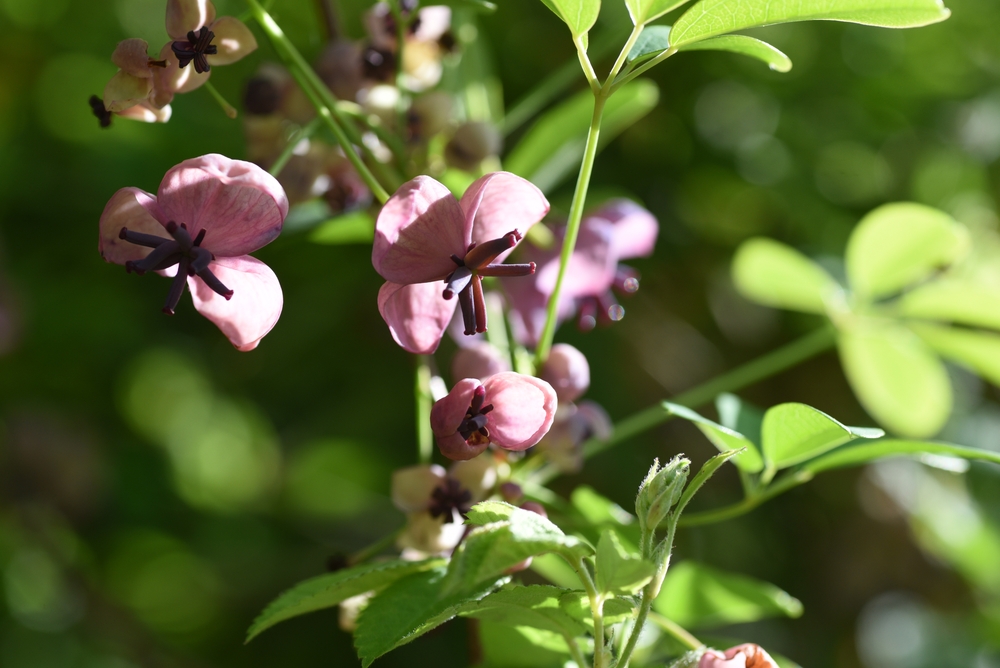
Chocolate vine produces small purple flowers that release a light, sweet scent during the spring season. Planting it in early spring gives the roots time to settle before strong seasonal growth begins. The vines climb easily across trellises, fences, and garden arches. Leaves grow in clusters of five and create a dense layer of greenery. Many gardeners grow this vine for its graceful appearance.
This plant grows well in sunny or lightly shaded garden areas. Soil that drains well helps the roots remain healthy as the vine spreads. Regular watering during the early growing period helps the plant settle comfortably. Light trimming can guide the growth of the stems along supports. Over time, chocolate vine forms a lush covering of leaves and flowers.
Scarlet Runner Bean
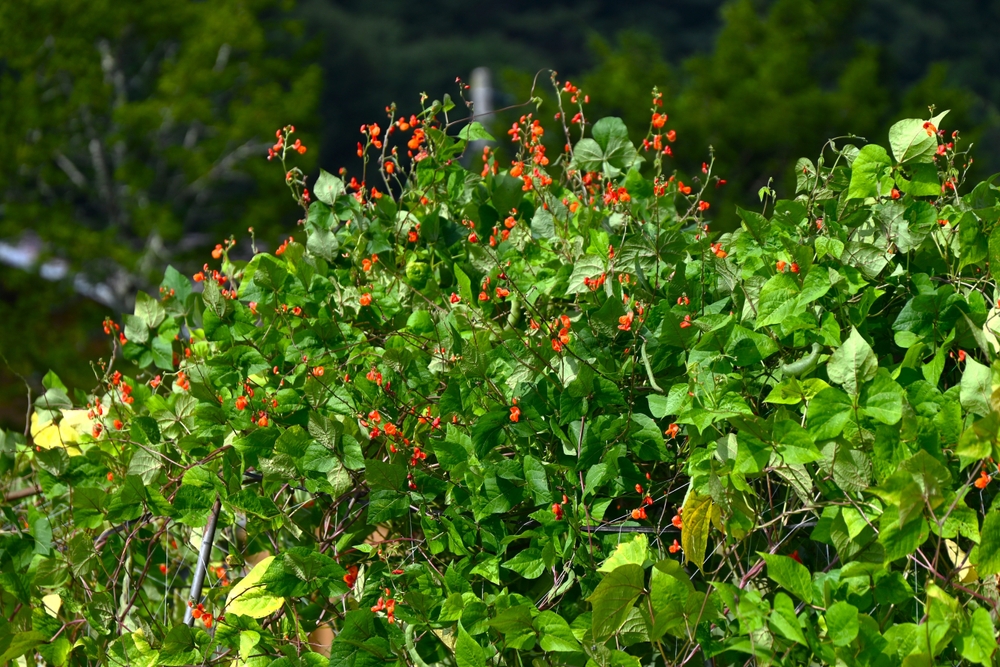
Scarlet runner bean is both an ornamental climbing vine and a food-producing plant. Early spring planting allows the seeds to settle before rapid growth begins. The vines climb upward along trellises or garden poles as the season progresses. Bright red flowers appear along the stems and attract pollinators. After flowering, long bean pods begin to form.
This plant grows best in sunny garden beds with soil that drains well. Regular watering encourages steady growth and flowering. Gardeners often provide strong supports so the vines can climb several feet high. The plant continues producing flowers and pods during warm weather. Scarlet runner bean adds color and food to the garden at the same time.
This article originally appeared on Avocadu.