
15 Low-Maintenance Ground Covers for March Gardens
March is a great time to give bare garden spaces a fresh start. Ground covers can fill open areas while keeping weeds under control and soil in place. Many options grow well with very little attention once they settle in. If you want a garden that looks full without constant work, these plants are worth a look.
This post may contain affiliate links, which helps keep this content free. Please read our disclosure for more info.
Creeping Thyme
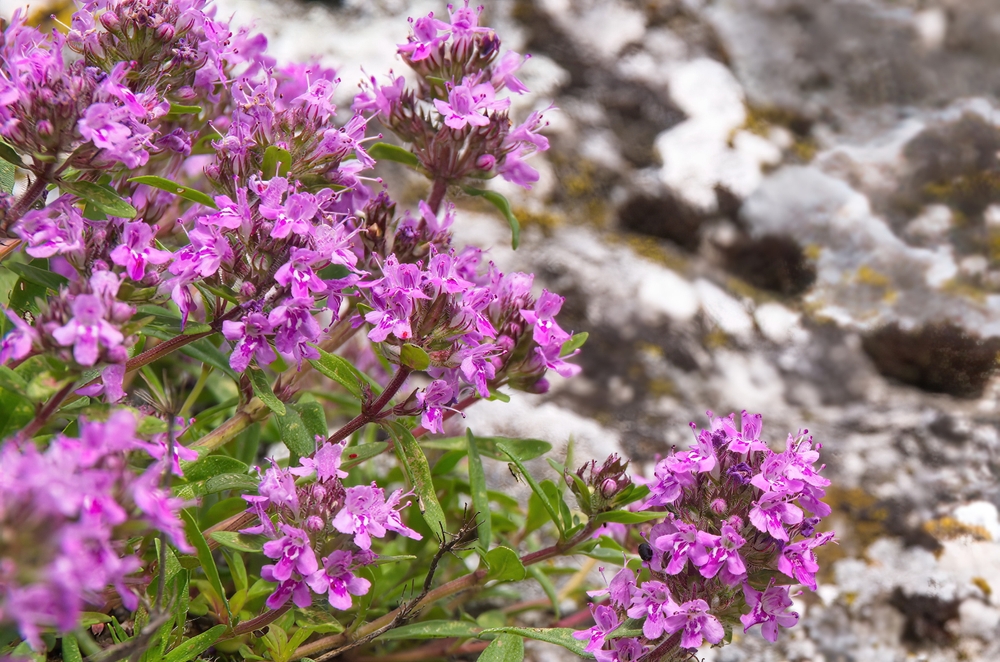
Creeping thyme is a favorite ground cover for gardeners who want something attractive that also requires very little attention. It spreads slowly across the soil, forming a dense mat of tiny aromatic leaves that stay low and tidy. March is a good time to plant it because the cooler soil helps young roots settle before the heat of late spring arrives. This plant works especially well along sunny borders, between stepping stones, or in rock gardens where space needs to be filled without crowding taller plants.
As the season moves forward, creeping thyme begins to produce small purple or pink flowers that draw bees and other pollinators into the garden. The foliage releases a pleasant scent when brushed or walked on, which makes it a popular choice for paths. Once it settles in, the plant handles dry soil surprisingly well and rarely requires extra watering. Light trimming after flowering keeps the mat compact and encourages fresh growth throughout the season.
Sweet Woodruff
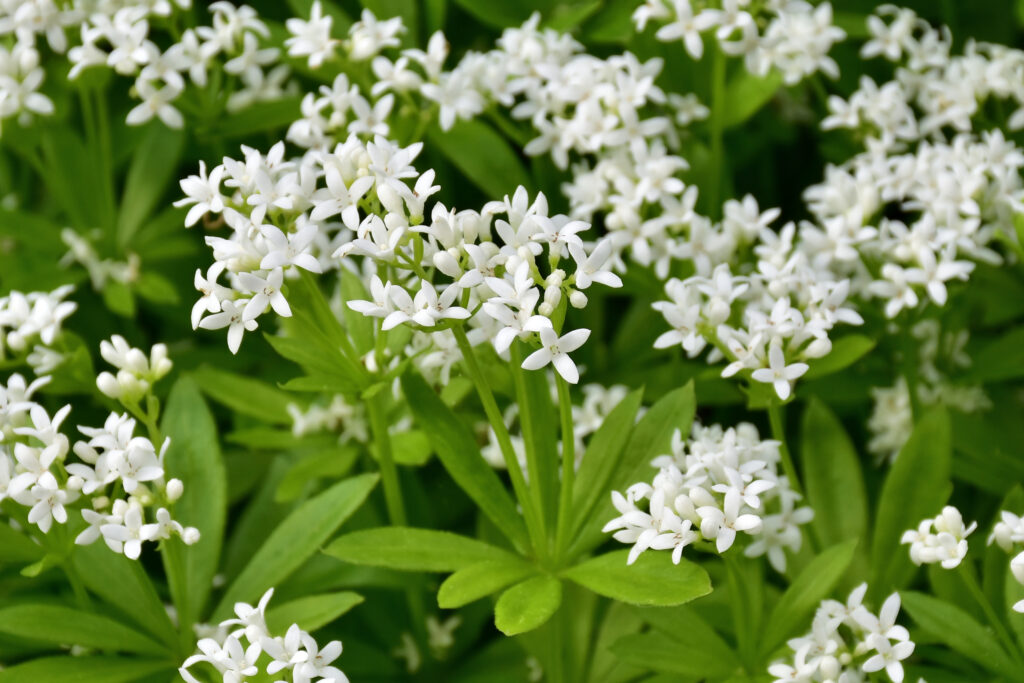
Sweet woodruff is an excellent ground cover for shaded garden areas where grass often struggles to grow. The plant forms soft clusters of bright green leaves arranged in neat circles around the stem. When planted in March, it takes advantage of cool spring conditions and gradually spreads through underground runners. Over time, it creates a smooth green carpet beneath shrubs, trees, or along woodland paths.
By late spring, small star-shaped white flowers appear above the foliage and bring a delicate charm to shady beds. The plant spreads steadily and helps shade the soil, which can reduce unwanted weeds. Gardeners often appreciate that it thrives in spots that receive little direct sunlight. The leaves also release a pleasant fragrance when crushed, which adds another subtle feature to this quiet but reliable plant.
Creeping Jenny
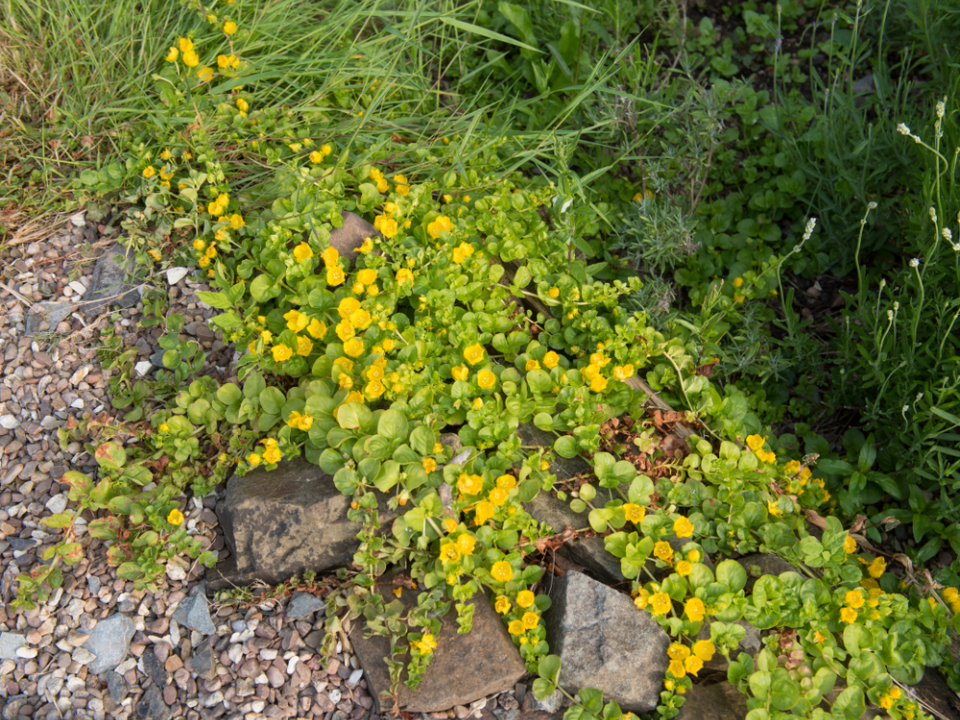
Creeping Jenny is known for its bright chartreuse foliage that instantly brings color to garden beds. The stems trail along the ground and root where they touch the soil, allowing the plant to spread naturally. Planting in early spring gives it plenty of time to settle in before warm weather arrives. It works beautifully along the edges of ponds, borders, and containers where the trailing stems can spill gently over the sides.
During late spring and early summer, small yellow flowers appear among the vivid leaves. The bright foliage stands out strongly beside darker green plants, creating a pleasing contrast. Creeping Jenny grows well in both sun and partial shade, which makes it useful in many garden settings. Occasional trimming helps keep the plant contained if it begins to spread farther than expected.
Ajuga
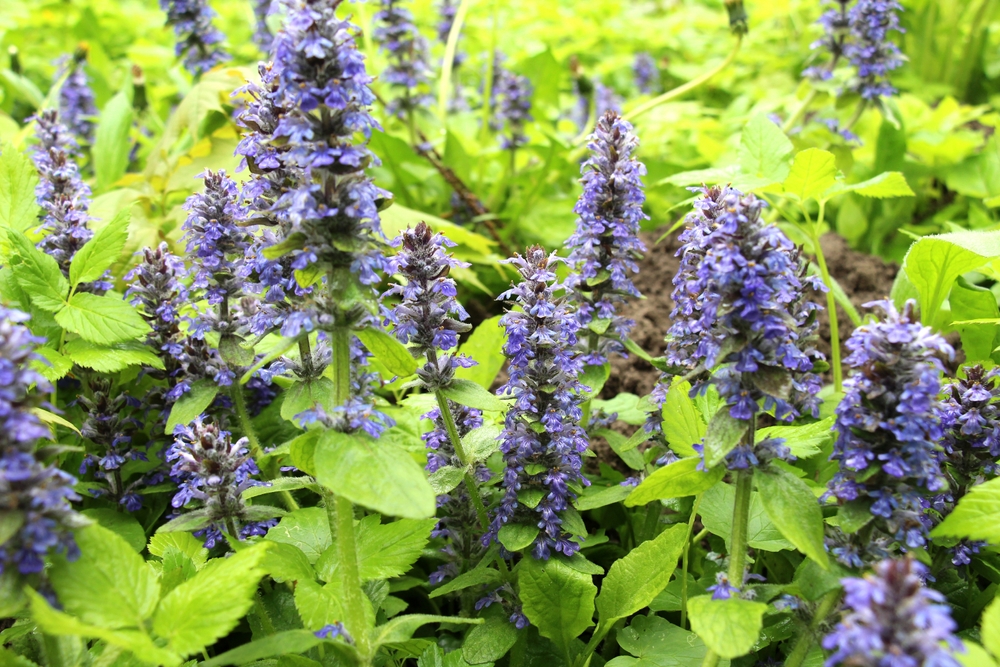
Ajuga, often called bugleweed, is a dependable ground cover that fills open soil with attractive foliage. The leaves grow in low rosettes and may appear deep green, bronze, or purple depending on the variety. Planting in March allows the plant to begin spreading while temperatures remain cool and comfortable. It works well along pathways, beneath shrubs, or in beds where gardeners want steady coverage.
In mid spring, tall spikes of blue or violet flowers rise above the leaves and bring lively color to the garden. These blooms attract bees and other pollinators that help support the local garden ecosystem. The thick growth of ajuga helps block sunlight from reaching weed seeds below. Once the plant settles in, it tends to spread gradually without requiring much attention.
Sedum
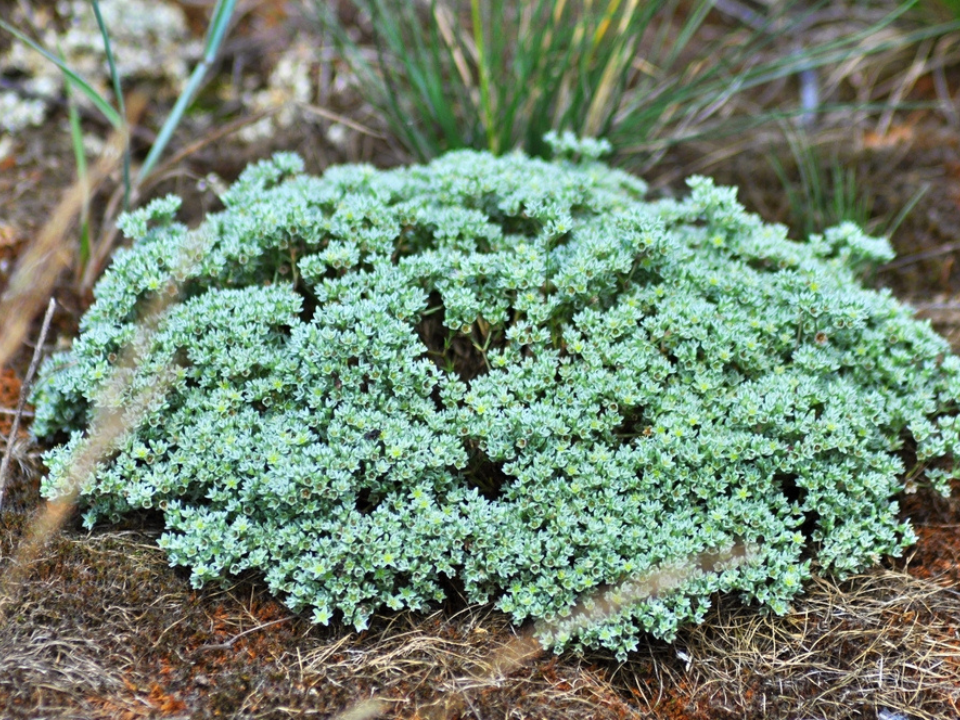
Sedum is a dependable ground cover that performs well in sunny garden beds where soil tends to dry out quickly. The plant grows close to the ground with thick, fleshy leaves that store moisture, which helps it tolerate periods without rainfall. Planting sedum in March allows the roots to settle while temperatures are still mild and the soil remains workable. It fits beautifully in rock gardens, along sunny borders, and in areas where many traditional ground covers struggle to grow.
As the season progresses, many sedum varieties produce clusters of small star shaped flowers that bring bees and butterflies into the garden. The foliage stays attractive through much of the growing season and often shows subtle changes in color as temperatures warm. Because the plant spreads slowly and keeps a tidy shape, it rarely requires trimming or regular care. Gardeners often rely on sedum to fill open spaces while adding texture and interest to dry areas.
Irish Moss
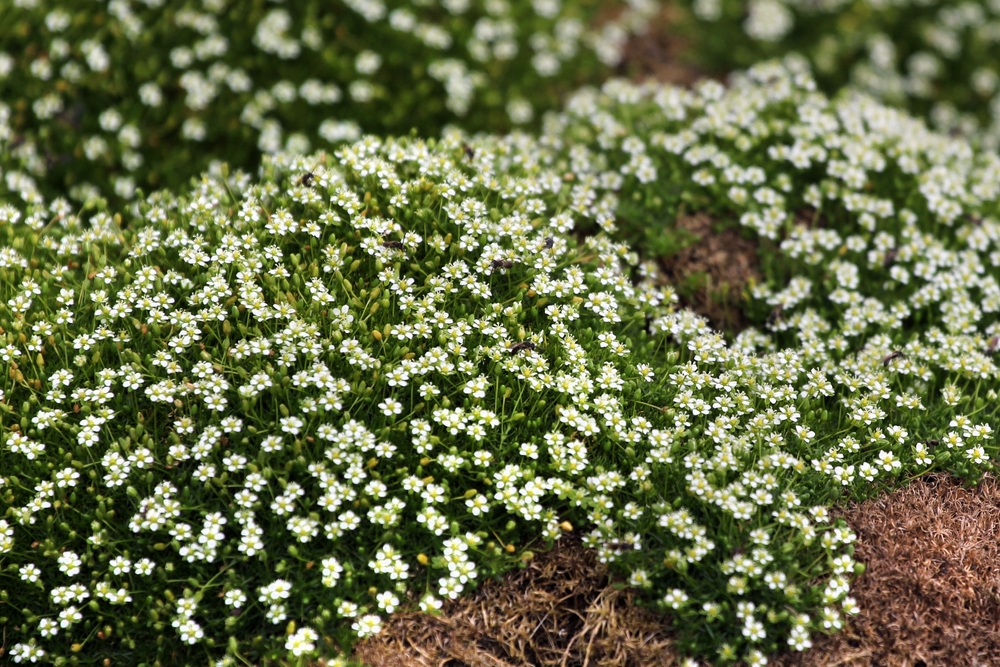
Irish moss forms a soft cushion of bright green foliage that spreads gently across the soil. The plant grows very low, creating a smooth carpet that works especially well between stepping stones or along garden paths. March planting allows it to settle in during cool weather when moisture is still present in the soil. Many gardeners use it near rocks and borders where the dense foliage softens the appearance of stone features.
During late spring, tiny white flowers rise just above the green mat and bring a delicate touch to the garden. Irish moss prefers evenly moist soil and performs best where it receives gentle sunlight rather than intense afternoon heat. Over time, the plant forms a dense layer that helps hold soil in place and keeps bare patches from appearing. Its neat, moss-like appearance makes it a favorite choice for decorative beds and small landscape features.
Creeping Phlox
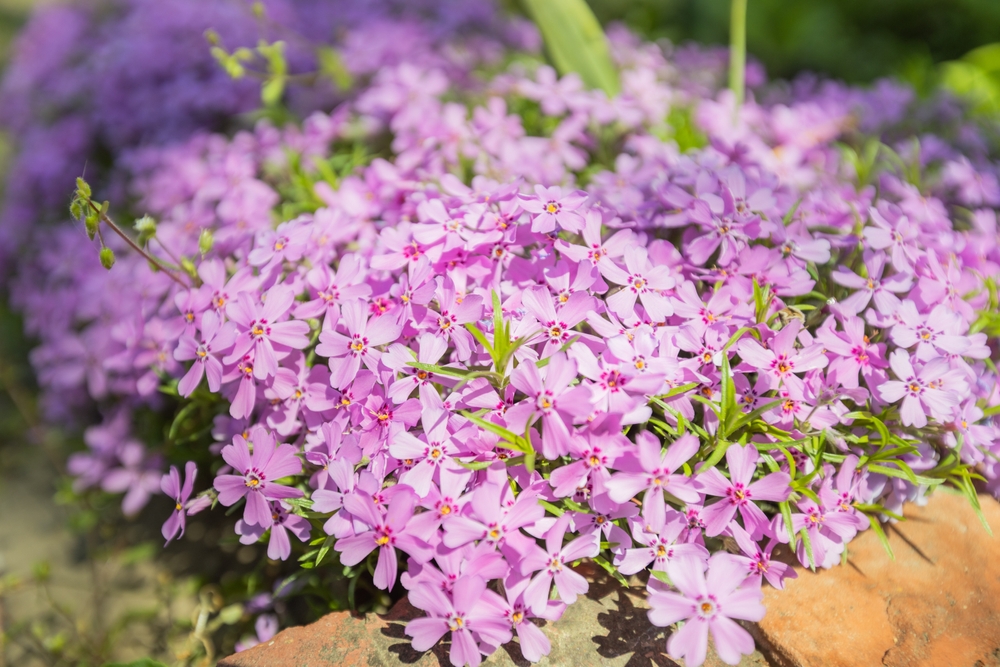
Creeping phlox is one of the most colorful ground covers that gardeners can add to early spring beds. The plant spreads outward in a low mat of evergreen foliage that remains compact throughout the year. Planting it in March gives the roots time to settle before the main flowering display begins. It performs beautifully on slopes, raised beds, and along retaining walls where the blooms can spill naturally over the edges.
In mid to late spring, creeping phlox becomes covered in bright flowers that range from pink and purple to blue and white. The blossoms often blanket the plant so completely that the foliage beneath is barely visible. This colorful display brings early life to the garden and attracts pollinators searching for nectar. Once the blooming period ends, a light trim helps keep the plant compact and encourages fresh growth.
Lamb’s Ear
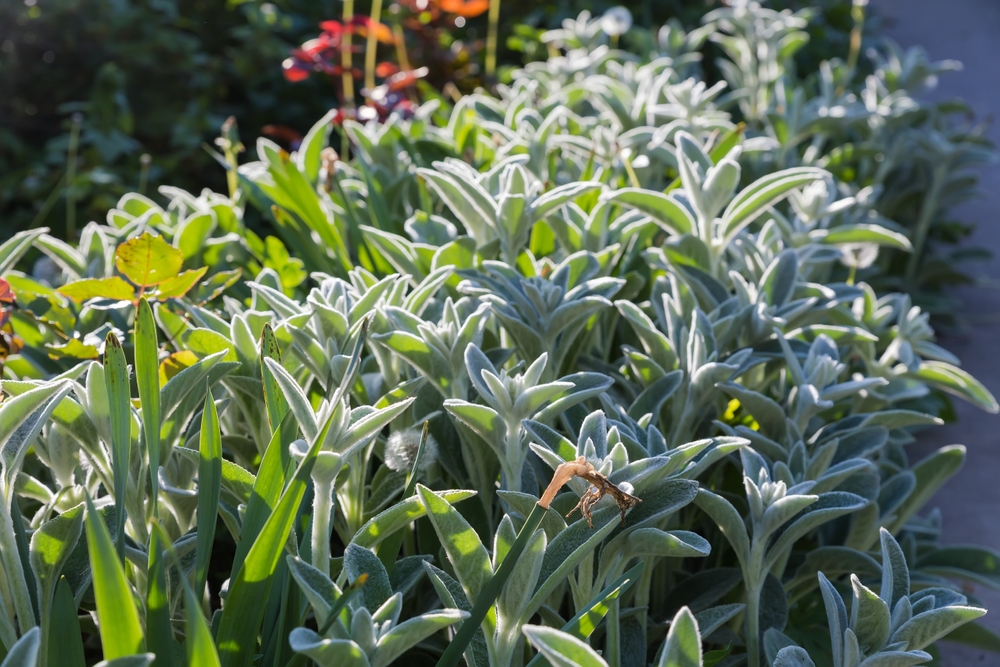
Lamb’s ear is widely loved for its thick, velvety leaves that have a soft silvery color. The foliage grows in low, spreading clusters that slowly fill open spaces in sunny garden beds. Planting it in March allows the plant to establish strong roots before summer temperatures rise. It performs especially well in well drained soil where many other plants may struggle.
By early summer, tall stems topped with purple flowers begin to rise above the soft foliage. Even when the plant is not flowering, the silver leaves add striking contrast among green plants and flowering perennials. Lamb’s ear handles dry conditions quite well once it becomes established in the garden. Many gardeners plant it along walkways so visitors can feel the unusual texture of the leaves.
Mazus
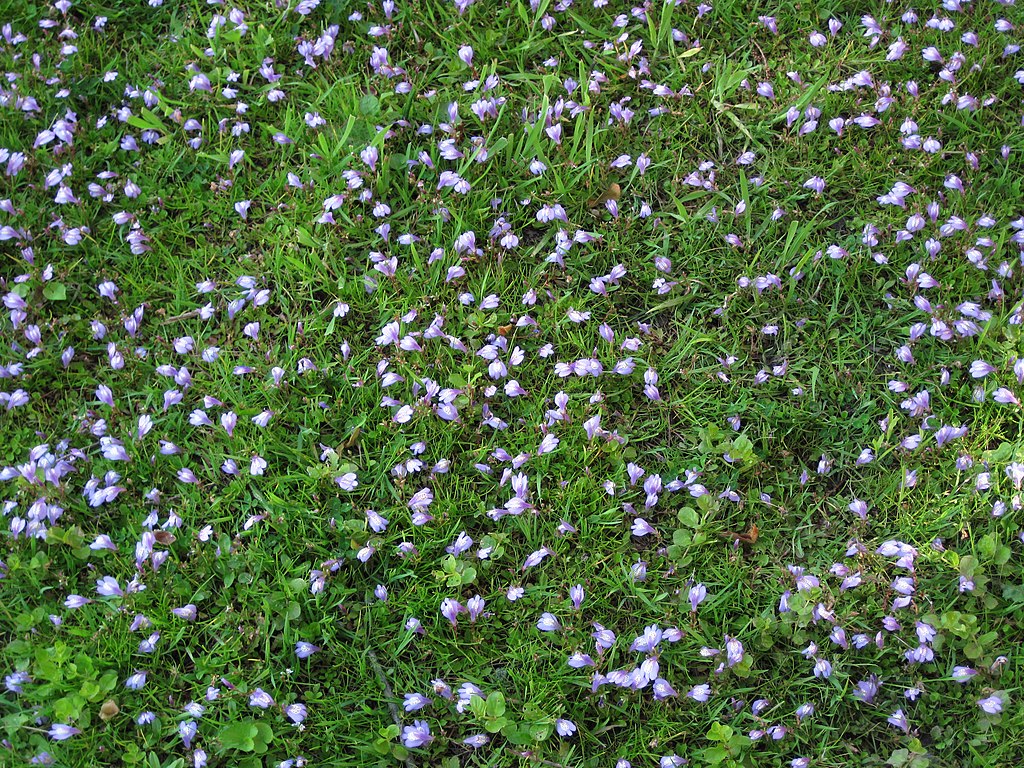
Mazus is a fast-spreading ground cover that forms a thick green mat close to the soil. Its small leaves create a soft carpet that fills open spaces between stepping stones and along garden borders. Early spring planting works well because cooler temperatures allow the plant to develop strong roots. It is especially useful in areas where grass struggles to grow evenly.
As spring progresses, small purple or blue flowers appear above the foliage and add a gentle splash of color. These blooms remain low to the ground yet still stand out against the green leaves. Mazus prefers soil that stays slightly moist and grows comfortably in partial sunlight. Over time, the plant spreads across open areas and helps prevent weeds from taking hold.
Blue Star Creeper
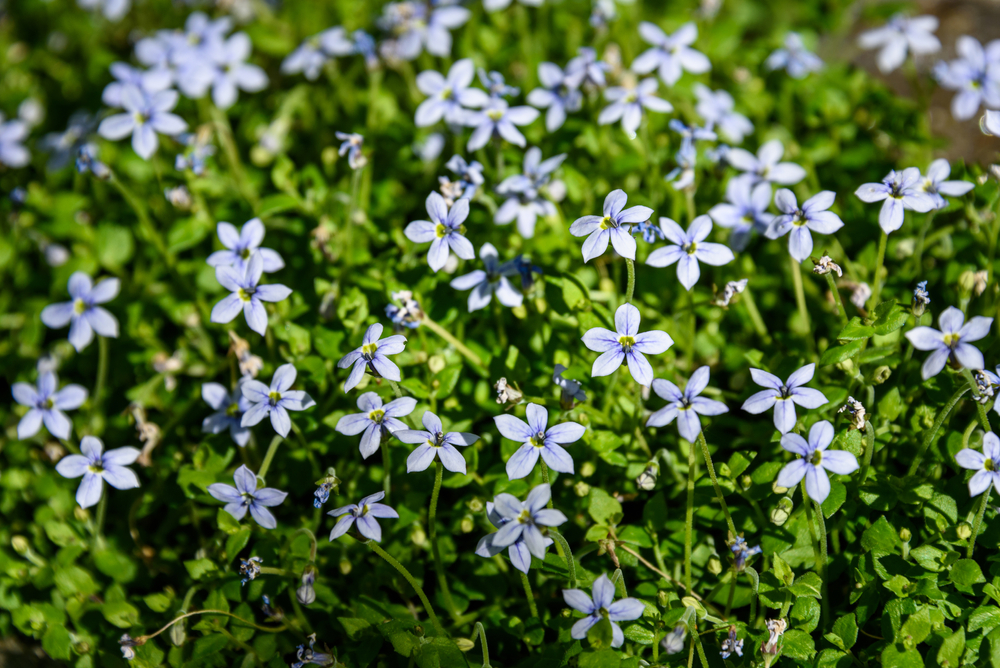
Blue star creeper is a delicate-looking ground cover that spreads slowly across garden beds. Its tiny leaves form a soft green carpet that stays close to the soil surface. Planting in March allows the plant to grow steadily during the mild temperatures of early spring. Gardeners often use it between stepping stones or along pathways where a low plant is needed.
During spring and early summer, the plant produces tiny pale blue flowers that resemble small stars. These blooms appear scattered across the foliage and give the plant its charming name. Blue star creeper grows well in both sunny spots and areas with light shade. Its gentle spreading habit makes it an easy way to fill small gaps in the garden.
Snow in Summer
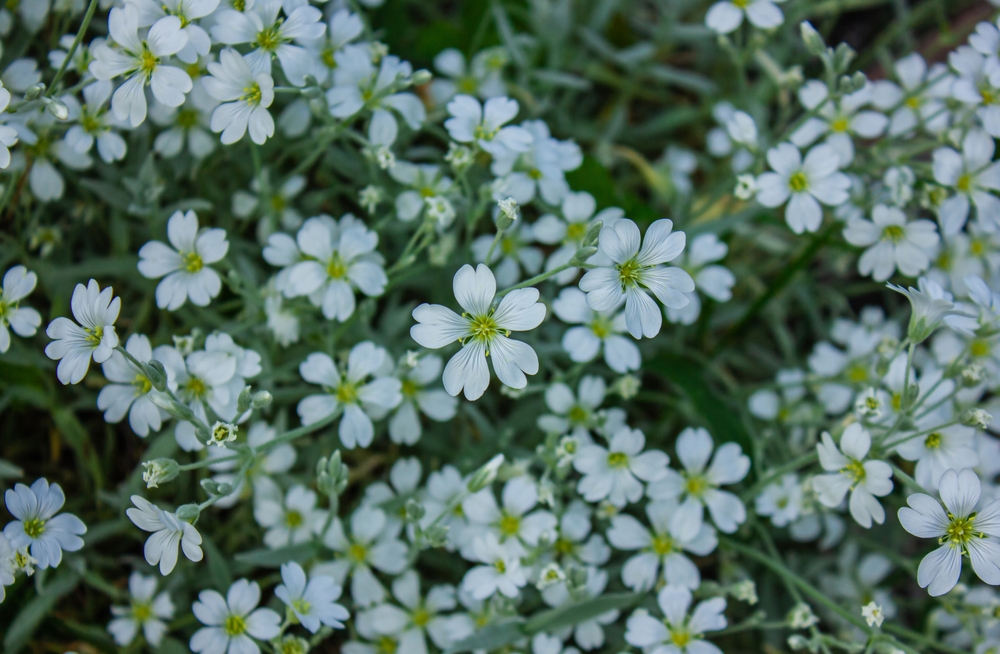
Snow in Summer is known for its silvery foliage and bright white flowers that appear later in spring. The plant spreads across the soil in a low mat that reflects sunlight and brightens garden beds. Planting in March allows the plant to establish before the blooming season begins. It performs well in sunny areas where the soil drains quickly.
When flowering begins, the plant becomes covered with white blooms that resemble a soft blanket across the garden. This display works especially well on slopes, rock gardens, and dry areas of the yard. The silvery leaves remain attractive even after the flowers fade. Once established, the plant continues to spread gradually with little attention.
Vinca Minor
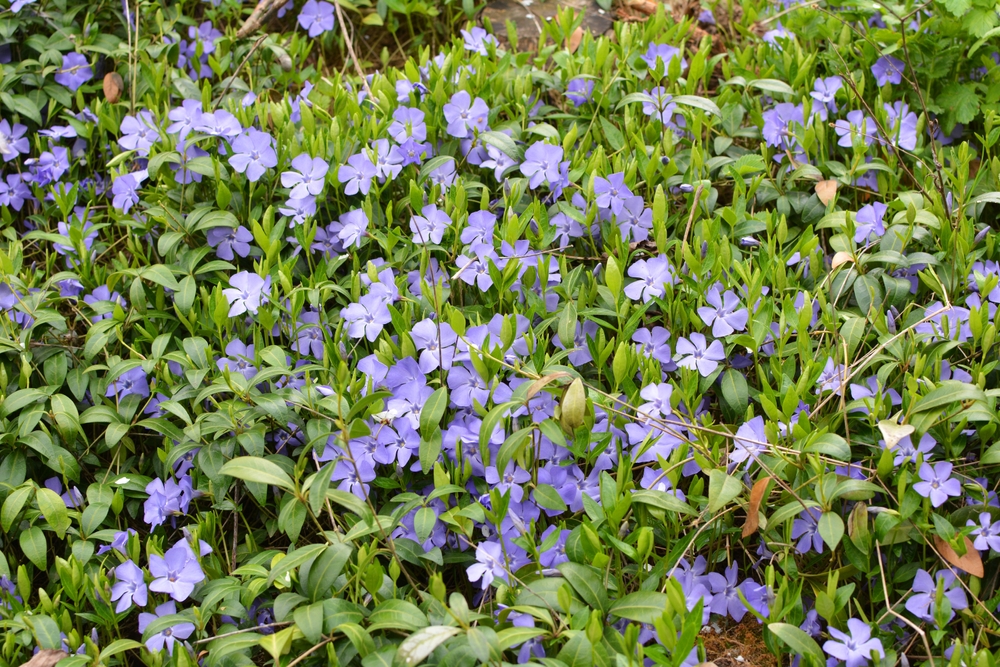
Vinca minor is a reliable ground cover often planted in shaded areas where other plants struggle to grow. Its glossy evergreen leaves spread outward and form a dense mat across the soil. Planting it in March allows the roots to establish while the weather remains cool. The plant is frequently used beneath trees or along shaded garden borders.
In spring, small purple or blue flowers appear among the leaves and add color to darker areas of the landscape. These blooms may continue to appear on and off through the growing season. Vinca minor spreads slowly and fills open spaces over time. Its steady growth keeps the soil covered and reduces the chance of weeds appearing.
Creeping Juniper
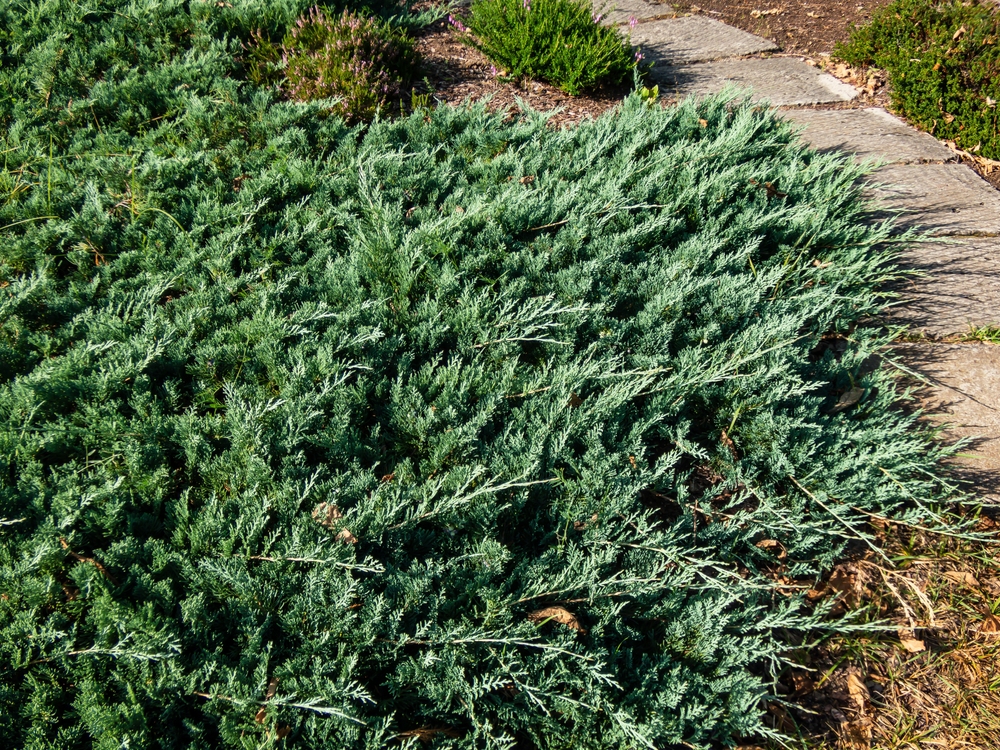
Creeping juniper is an evergreen ground cover that performs well in sunny and dry landscapes. The plant spreads outward with low branches that hug the soil and form a wide mat. Planting in March gives the roots time to settle before warmer temperatures arrive. It is often used on slopes where the spreading branches help hold soil in place.
The foliage remains attractive throughout the year and provides dependable coverage in large areas. Some varieties display shades of blue, green, or silvery tones that add interest to the garden. Creeping juniper handles dry soil well once it becomes established. Gardeners often rely on it for wide spaces where little maintenance is preferred.
Brass Buttons
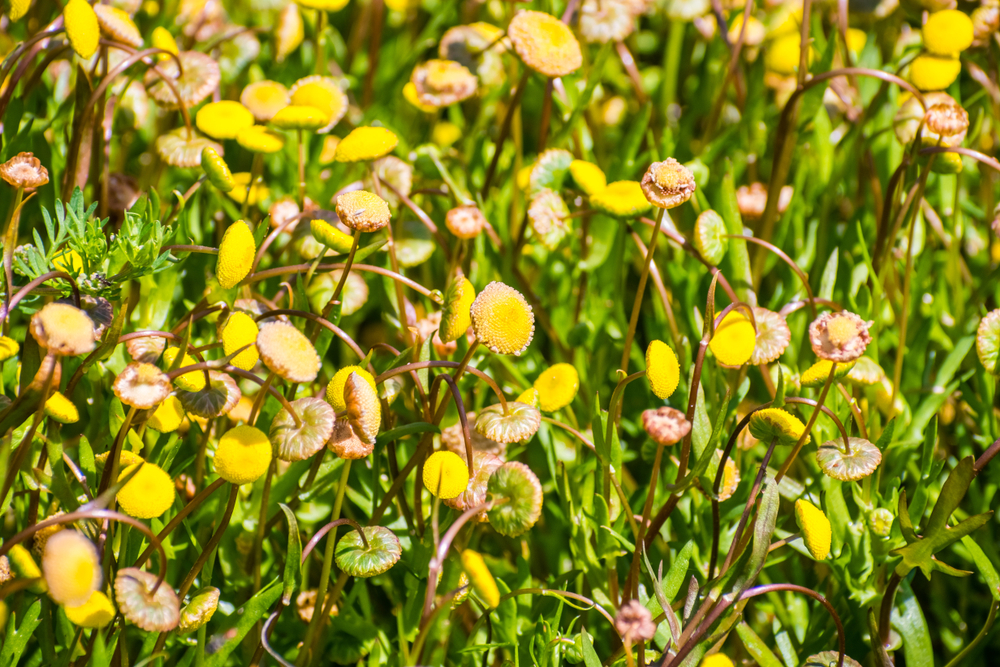
Brass buttons produce a dense layer of finely textured foliage that spreads across the soil surface. The leaves resemble tiny fern fronds and give the plant a delicate appearance. Planting it in March allows the plant to grow steadily during the cool conditions of early spring. It works well along borders, pathways, and between stepping stones.
During the growing season, small yellow flowers appear just above the foliage. These round blooms resemble tiny buttons and stand out clearly against the green leaves. Brass buttons prefer moist soil and partial sunlight for the best growth. Over time, it forms a thick mat that fills open areas of the garden.
Herniaria Glabra
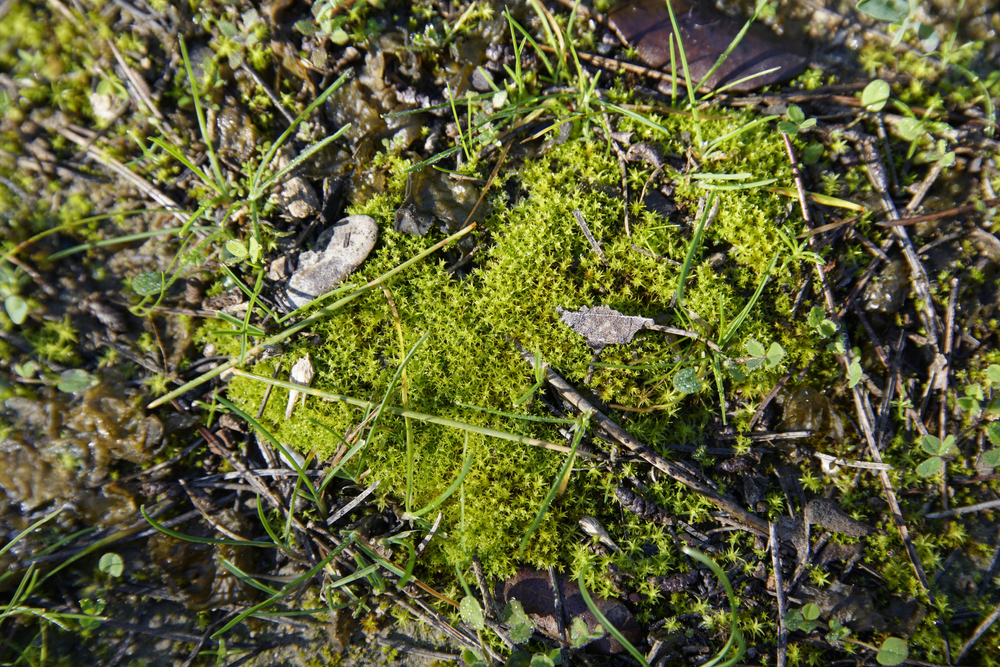
Herniaria glabra is commonly called green carpet because of the way it spreads tightly across the soil. The plant forms a dense mat of tiny bright green leaves that remain very close to the ground. Planting it in March allows the plant to establish before the warmer months arrive. It works especially well between paving stones or along garden paths.
The foliage stays attractive through the growing season and creates a smooth green surface across the soil. Herniaria glabra remains very low, which helps garden spaces look tidy and organized. The plant can tolerate light foot traffic in paths and stepping areas. Over time, it spreads outward and keeps bare soil neatly covered.
This article originally appeared on Avocadu.