
11 Cold-Hardy Options for Northern Gardens in Early Spring
Early spring in northern gardens can be unpredictable, with chilly soil, lingering frost, and sudden temperature swings. Choosing cold-hardy plants makes it possible to begin planting while winter still has a slight hold on the landscape. Many flowers, bulbs, and vegetables grow well in these cool conditions and begin producing long before warm weather arrives. With the right selections, gardeners can bring early color and fresh harvests to their beds while the season slowly shifts toward spring. These dependable plants handle the cold and help northern gardens come back to life.
This post may contain affiliate links, which helps keep this content free. Please read our disclosure for more info.
Hellebores
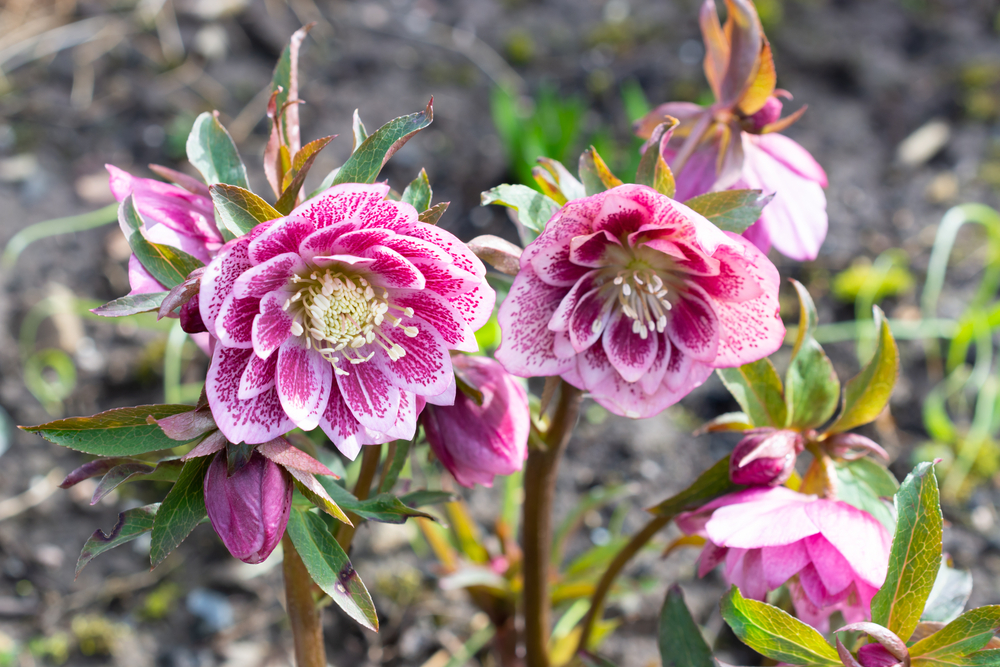
Hellebores are among the earliest perennials to appear in northern gardens as winter fades. Their thick evergreen leaves and strong stems allow them to handle lingering frost and chilly air without much trouble. These plants often bloom while patches of snow still rest on the ground, bringing color when most gardens remain quiet. Flowers appear in shades of cream, pink, purple, and deep burgundy. Because they bloom so early, they give gardeners a welcome sign that the growing season has begun.
Plant hellebores in well-drained soil with partial shade, which mimics the woodland settings they prefer. Dig a hole about twice the width of the root ball and set the crown level with the soil surface. Water the plant well after planting and apply a layer of mulch about two inches thick to help keep the soil evenly moist. Hellebores usually bloom from late winter through early spring and require little care once settled. Their ability to tolerate cold soil makes them dependable for northern landscapes.
Primula
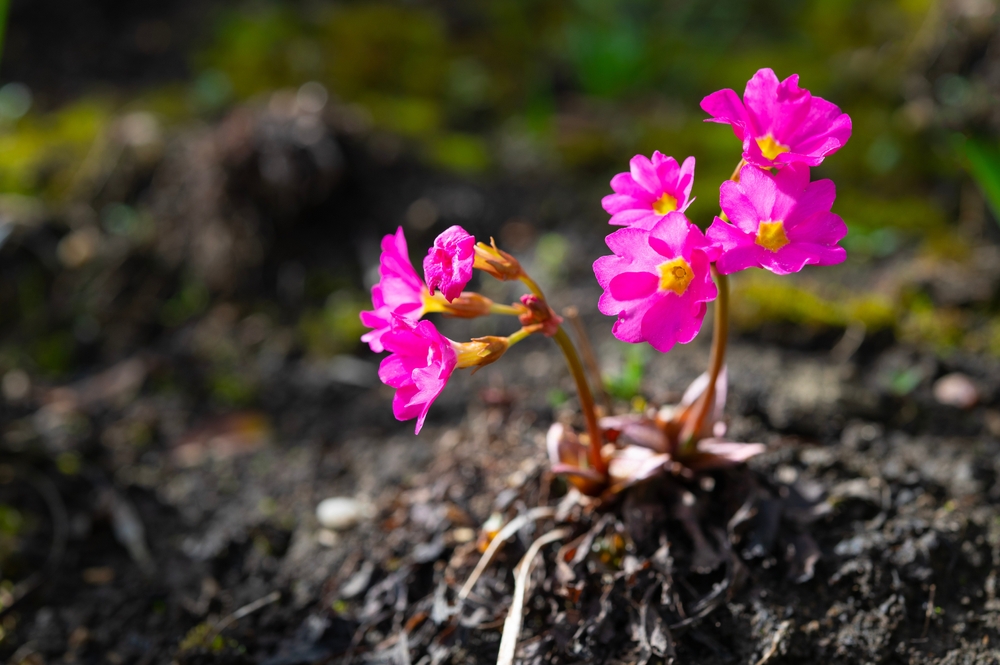
Primula, often called primrose, thrives in cool spring weather and performs well in northern gardens. The plants form neat rosettes of green leaves that hug the soil, helping them tolerate cold winds. Their cheerful flowers appear in shades of yellow, pink, purple, and white. Because they bloom early, they brighten garden beds that have only begun to wake from winter. Many gardeners rely on primula to bring early color to shady borders.
Plant primula in moist, rich soil that drains well and receives partial shade. Space plants about eight inches apart so their leaves have room to spread. Water regularly during dry spells, since these plants prefer consistent moisture. A light layer of compost worked into the soil each spring keeps them healthy. Their tolerance for cool temperatures allows them to thrive even when nights remain chilly.
Snowdrops
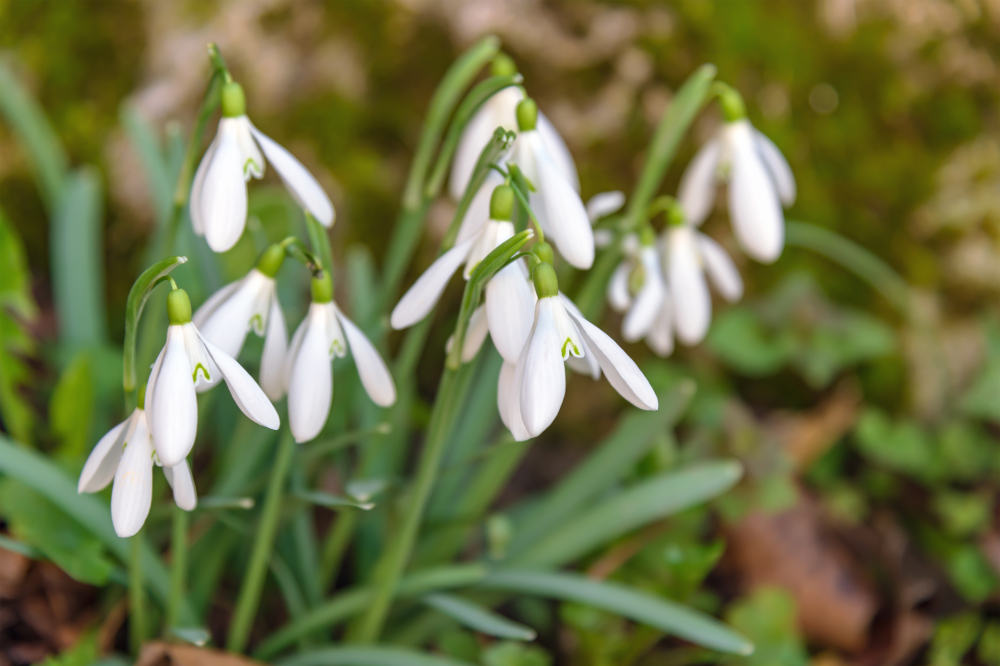
Snowdrops are small bulbs that bloom very early, often pushing through frozen soil and light snow. Their delicate white flowers hang like tiny bells above narrow green leaves. These bulbs survive harsh winter conditions and bloom as soon as the ground begins to thaw. Many gardeners plant them in clusters so the flowers form gentle drifts across the garden. Their appearance signals the earliest stage of spring.
Plant snowdrop bulbs in the fall about three inches deep and two inches apart. Choose a location with well-drained soil and partial shade, such as beneath deciduous trees. Water after planting so the soil settles around the bulbs. Once established, the bulbs multiply slowly and create natural-looking colonies. Their ability to bloom during cold weather makes them perfect for northern gardens.
Crocus
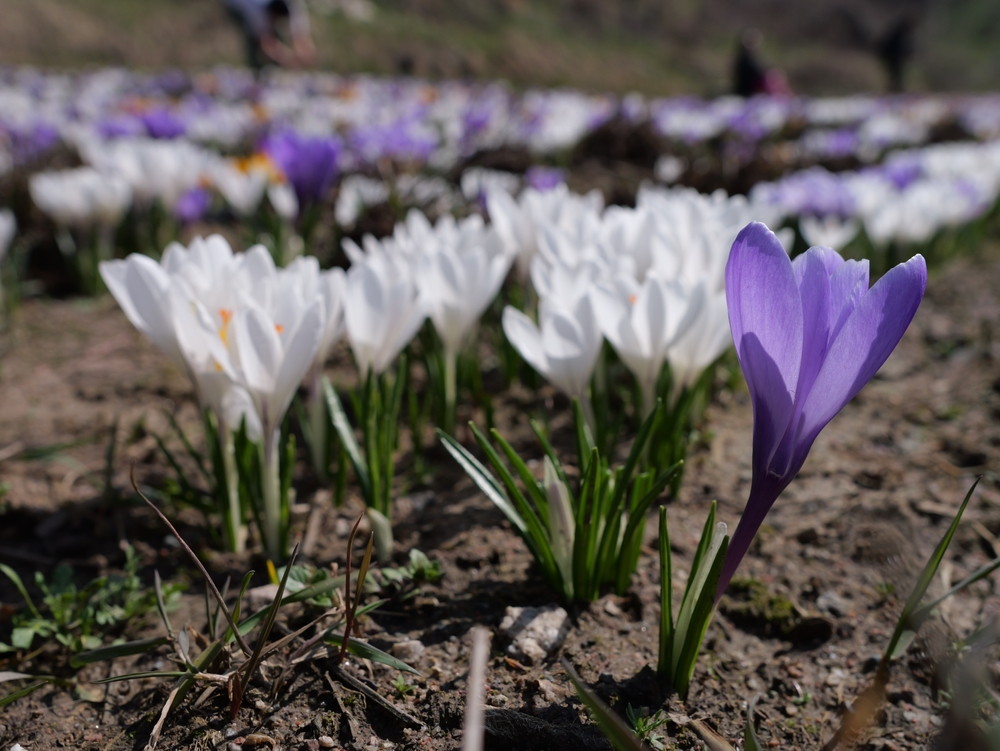
Crocus bulbs bring bright color to early spring landscapes while temperatures remain cool. Their cup-shaped flowers appear in shades of purple, yellow, and white. The plants grow only a few inches tall, yet their blooms stand out against the bare ground. Crocus flowers often open on sunny days and close again during cold evenings. This natural rhythm protects them from sudden frost.
Plant crocus bulbs about three inches deep and three inches apart in autumn. Choose a sunny location with loose, well-drained soil. Water once after planting, then allow natural winter moisture to care for them. In early spring, the shoots appear quickly and bloom soon after. Crocus thrives in cold climates and returns year after year with little attention.
Spinach
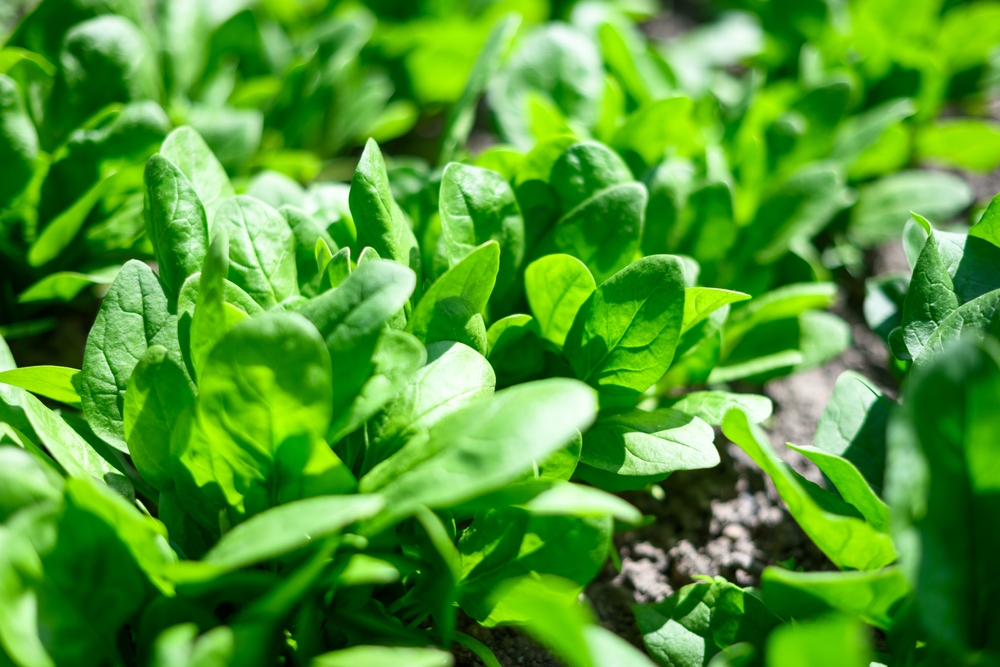
Spinach is one of the most reliable vegetables for early spring planting in northern areas. The seeds germinate in cool soil, and the plants tolerate light frost without damage. Dark green leaves grow quickly when temperatures remain between forty and sixty degrees. Because the plants mature fast, gardeners can harvest several rounds before summer heat arrives. This makes spinach an excellent early crop.
Sow seeds directly in the garden about half an inch deep and two inches apart. Space rows around twelve inches apart so the plants have room to grow. Keep the soil evenly moist while seeds sprout, which usually takes about one week in cool soil. Thin seedlings to four inches apart when they develop several leaves. Regular harvesting encourages new leaves and keeps the plants producing longer.
Kale
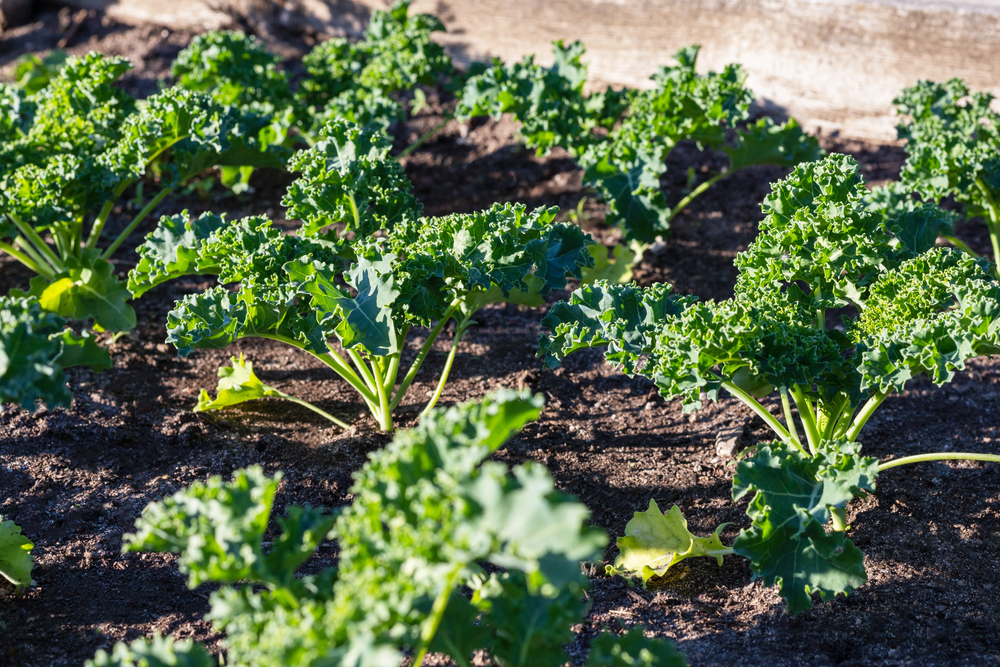
Kale is another leafy vegetable that thrives in cold weather and chilly soil. The sturdy leaves actually taste sweeter after exposure to light frost. Plants grow well in early spring when temperatures remain cool. Their thick leaves resist cold damage and continue growing while many other vegetables wait for warmer weather. Gardeners value kale for both its flavor and its ability to handle harsh conditions.
Plant kale seeds about half an inch deep and space them three inches apart. When seedlings reach a few inches tall, thin them so each plant stands about twelve inches apart. Choose a sunny garden bed with rich soil that drains well. Water regularly so the soil remains moist yet not soggy. Harvest outer leaves as the plant grows, which allows new leaves to keep forming.
Peas
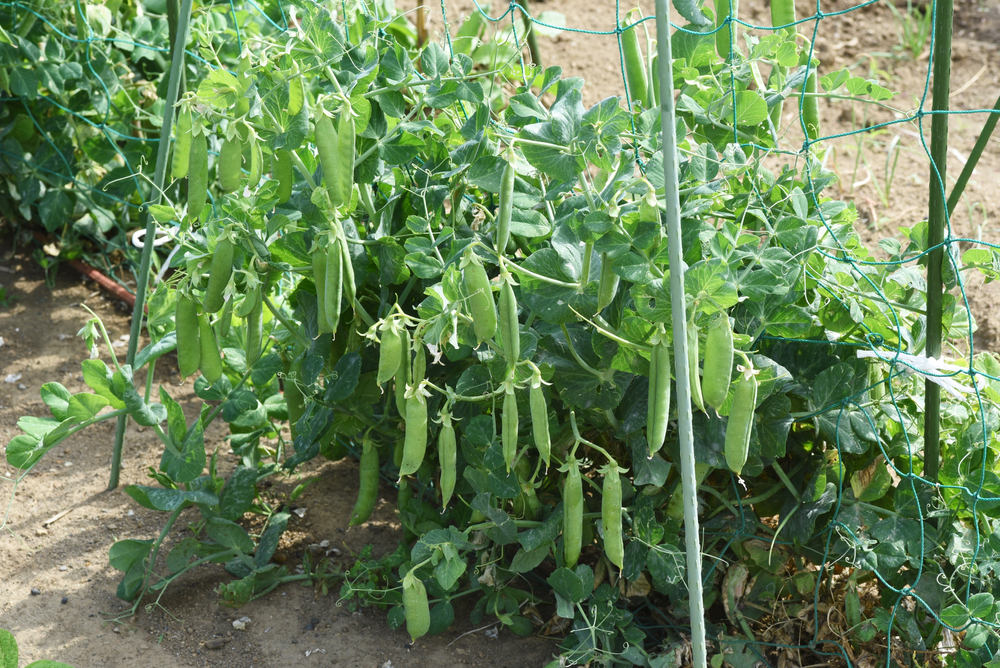
Peas are classic early spring vegetables for northern gardens. The seeds germinate in cool soil, and the plants tolerate frost once they emerge. Their climbing vines grow quickly and produce sweet pods before summer heat arrives. Pea plants prefer cool temperatures and often struggle once the weather turns warm. For this reason, early planting works best in colder regions.
Plant pea seeds about one inch deep and two inches apart along a support such as a trellis. Space rows roughly eighteen inches apart so vines have room to grow. Water after planting and keep the soil slightly moist while seedlings develop. When the plants begin climbing, gently guide the vines toward the support. Harvest pods when they are full yet still tender.
Pansies
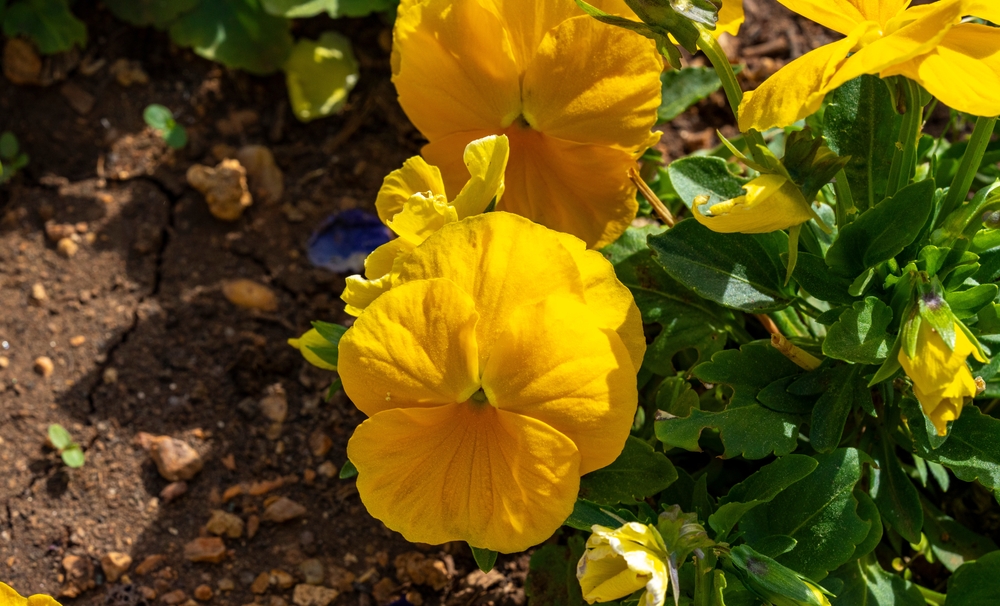
Pansies are popular flowers for early spring because they tolerate cold nights with ease. Their colorful faces appear in shades of purple, yellow, blue, and white. Even after frost, the plants often continue blooming. Their compact shape works well in garden beds, containers, and window boxes. Northern gardeners often plant pansies as soon as the soil becomes workable.
Plant pansies in rich soil with good drainage and partial to full sun. Space plants about six to eight inches apart. Water after planting so the roots settle into the soil. Removing faded blooms encourages new flowers to appear. Their ability to withstand cold weather allows them to bring color to gardens early in the season.
Radishes
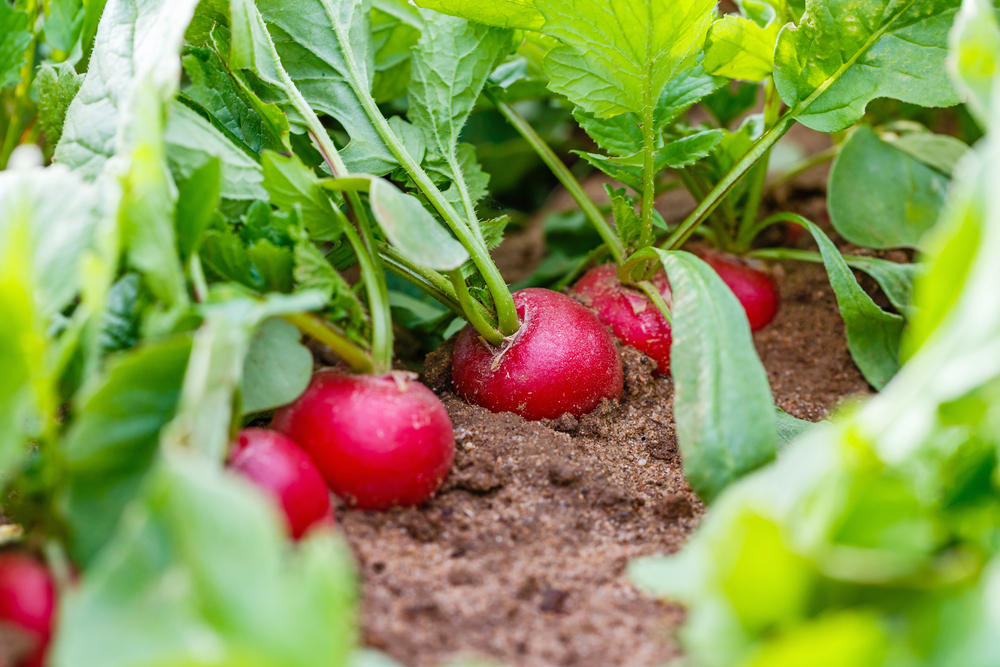
Radishes grow quickly in cool spring soil and mature within a few weeks. Their small roots form rapidly while temperatures remain mild. The plants tolerate light frost and often produce crisp roots before other vegetables begin growing. This quick growth makes radishes popular among northern gardeners who want early harvests. Their peppery flavor adds freshness to spring meals.
Sow radish seeds about half an inch deep and one inch apart. Space rows about ten inches apart so plants have room for leaf growth. Water lightly each day during dry periods so roots develop evenly. Thin seedlings to two inches apart once they appear. Harvest roots when they reach about one inch in diameter.
Swiss Chard
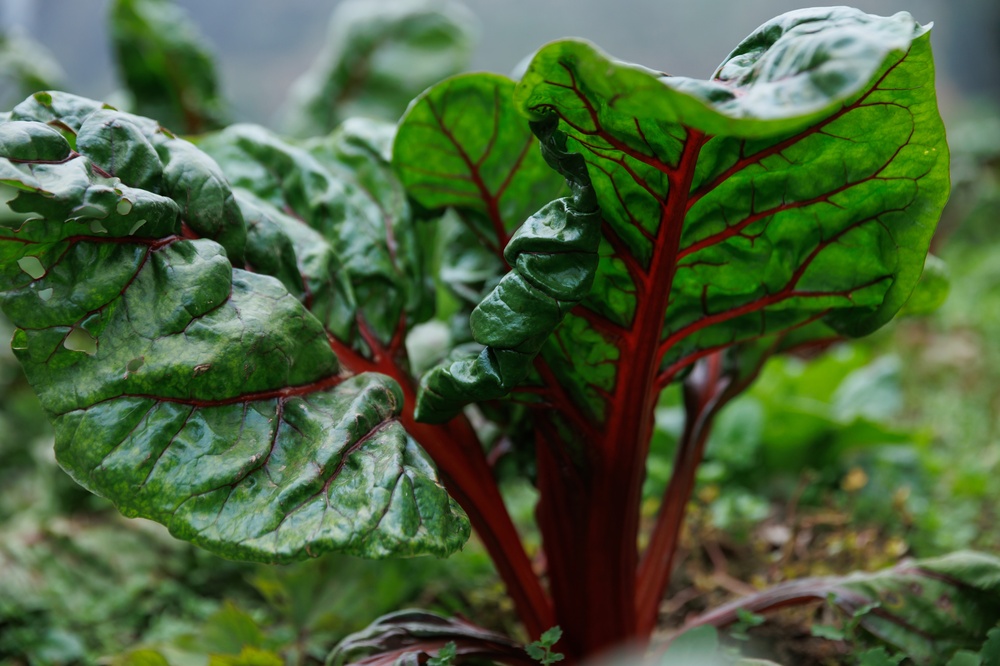
Swiss chard grows well in cool temperatures and can handle light frost during early spring. The plants produce broad leaves with colorful stems in shades of red, yellow, and white. Because the leaves remain tender in cool weather, they make a great early crop for northern gardens. Chard continues producing leaves for many weeks. Gardeners appreciate its steady harvest.
Plant seeds about half an inch deep and space them two inches apart. Thin seedlings to about ten inches apart once they grow several inches tall. Choose a sunny garden bed with rich soil and steady moisture. Harvest outer leaves while the plant continues producing new growth. This steady production keeps fresh greens available throughout spring.
Lungwort
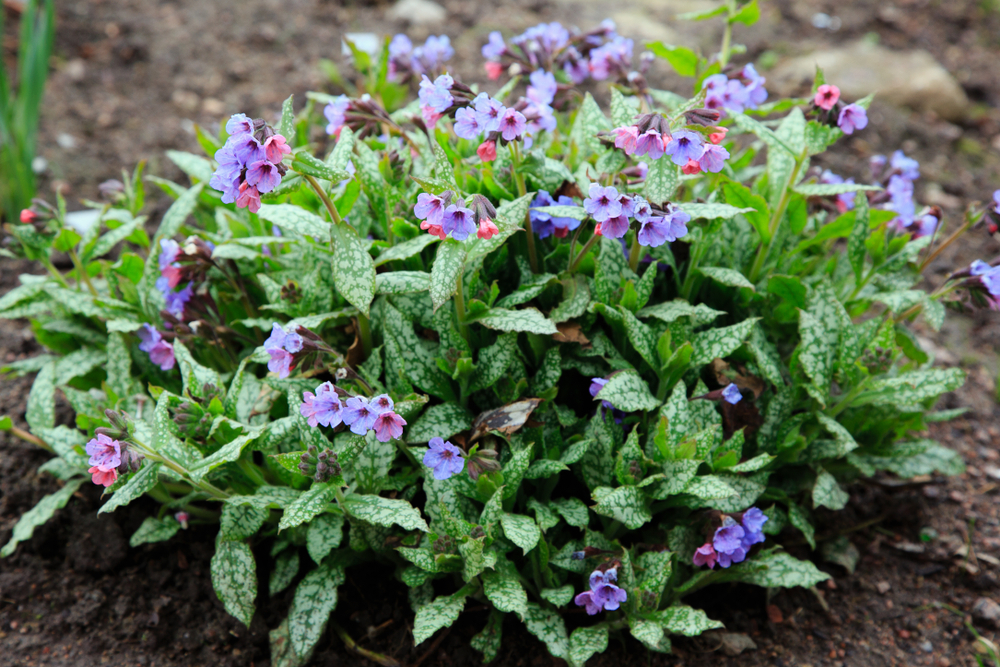
Lungwort is a shade-loving perennial that blooms early in cool climates. The plants produce clusters of pink and blue flowers above spotted leaves. Their foliage remains attractive even after blooming ends. Lungwort handles chilly soil and cool air with little difficulty. This makes it a dependable plant for early-season gardens.
Plant lungwort in moist, well-drained soil with partial shade. Space plants about twelve inches apart so their leaves can spread. Water regularly during the first growing season while roots settle. A light mulch layer helps keep soil cool and moist. Lungwort thrives in northern gardens where spring temperatures remain mild.
This article originally appeared on Avocadu.