
13 Heat-Tolerant Plants for Late March Planting in the South
Late March is a great time to plant crops that can handle rising temperatures in Southern gardens. As the soil warms and sunny days become more common, heat-loving vegetables and herbs have a better chance to settle in and grow well. Choosing the right plants during this part of the season can lead to a stronger garden and a longer harvest. With a good mix of warm-weather favorites, it is easier to keep your garden productive as spring moves closer to summer.
This post may contain affiliate links, which helps keep this content free. Please read our disclosure for more info.
Okra
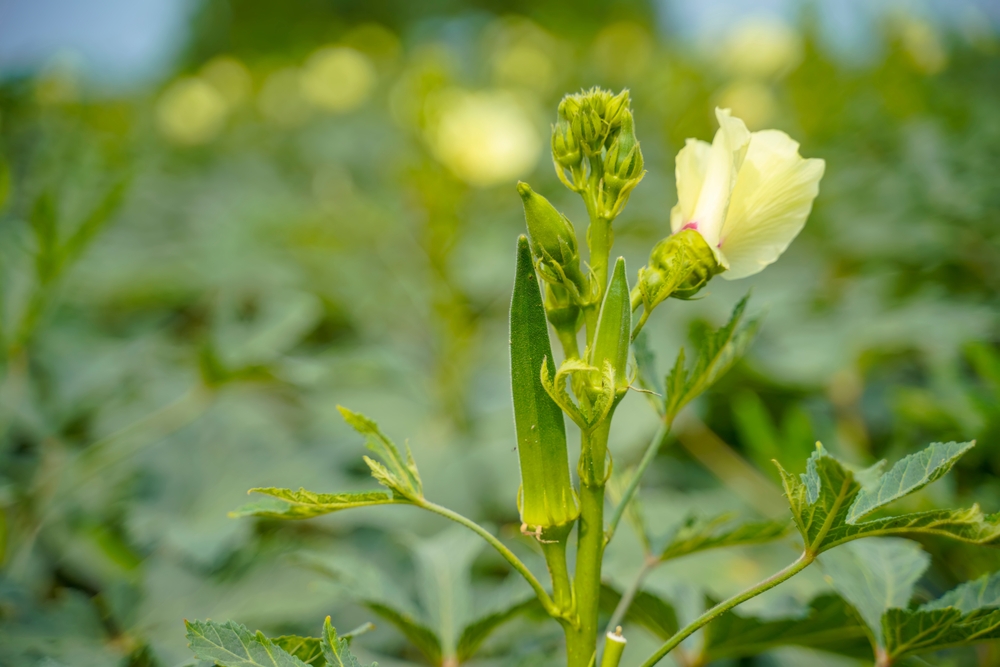
Okra is one of the best late March choices for Southern gardens because it loves warmth and settles in as the season starts to heat up. While many spring vegetables slow down once the air turns hot, okra grows with much less trouble and often keeps producing through summer. Its strong roots help it handle dry spells better than many other crops, which is helpful in places where rain can come and go. Gardeners like it for its long harvest season, fast growth once the soil is warm, and the way it keeps giving fresh pods when cooler-season plants are already fading.
For late March planting, okra does best in a spot with full sun and loose, well-drained soil. Seeds are usually planted about 1 inch deep and spaced 3 to 4 inches apart, then thinned so the strongest plants stand about 12 to 18 inches apart. Once the weather stays warm, the plants grow quickly and need only regular watering while getting started, followed by steady picking to keep new pods coming. In the South, where spring can turn hot quickly, okra fits the season naturally and often becomes one of the most reliable crops in the garden.
Eggplant
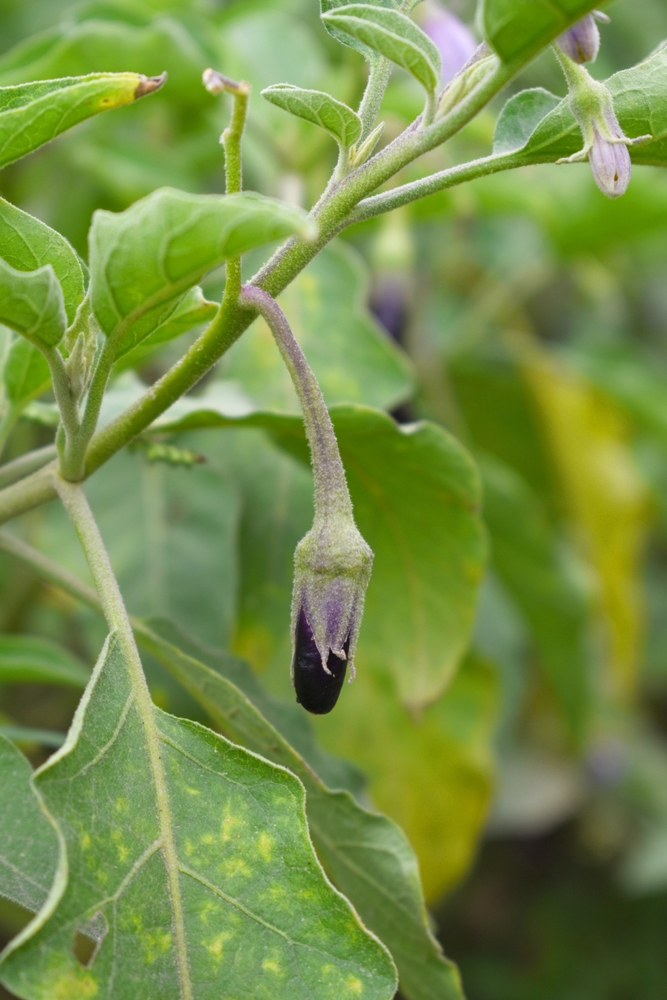
Eggplant is a very good fit for late March planting in the South because it likes rising temperatures and full sun. It grows best once chilly nights have passed, and it often settles into a strong pattern of growth as warm weather becomes more common. In Southern gardens, eggplant can keep producing through long stretches of heat, which makes it a useful choice for gardeners who want a crop that will hold up well into summer. Its fruits come in many sizes and shades, and the plants themselves usually stay vigorous when the weather turns hot.
This crop is usually planted from transplants rather than direct seed in the garden at that time of year. Each plant should have about 18 to 24 inches of space, along with rich soil mixed with compost, so the roots can spread well and support steady fruiting. A layer of mulch helps the soil hold moisture, which matters a lot once the hotter days arrive. Late March gives eggplant time to settle in before the strongest heat of the season, and that head start often leads to better growth and a longer harvest period.
Sweet Potatoes
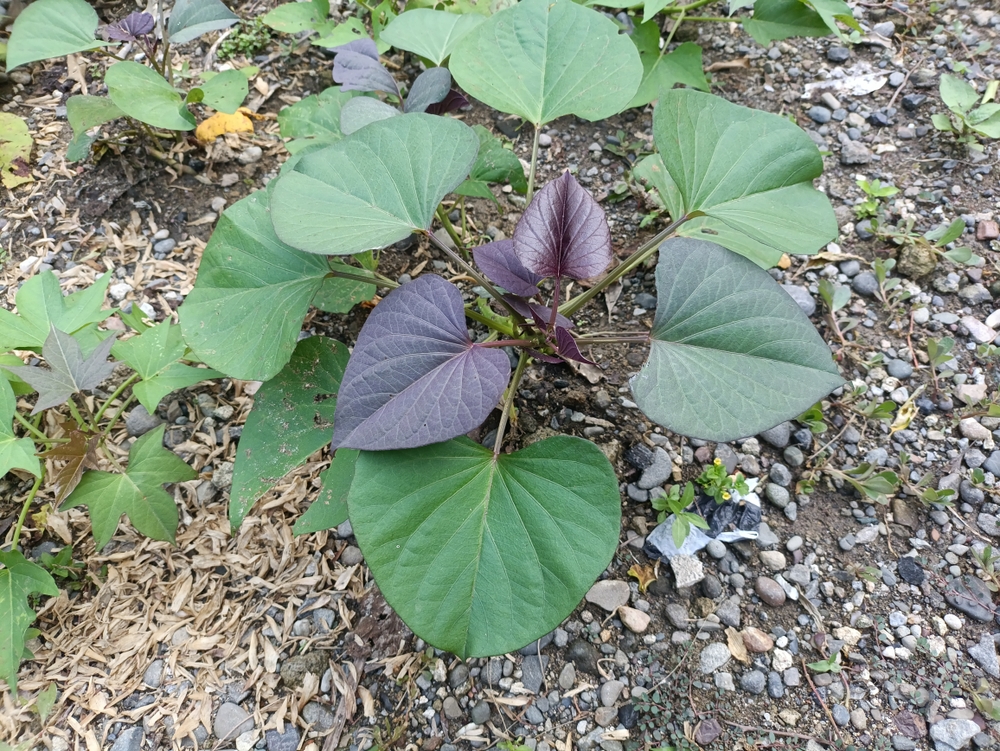
Sweet potatoes are made for hot Southern growing conditions, which is why they are such a strong choice for late March planting in the South. Once they get started, they enjoy warmth and put on fast vine growth as the season moves toward summer. Their spreading vines cover the soil and help reduce moisture loss, which can be useful during hot weather. Unlike crops that fade in heat, sweet potatoes often look stronger as temperatures rise, making them a dependable option for Southern gardeners.
They are usually planted from slips rather than seed, with each slip set about 12 to 18 inches apart in rows wide enough to give the vines room to spread. Loose, well-drained soil is important because it allows the roots to grow and swell properly under the surface. Raised rows or mounds are often used to give the roots even more room and better drainage. When planted in late March in warm Southern areas, sweet potatoes have plenty of time to root in and make good use of the long, hot season ahead.
Peppers
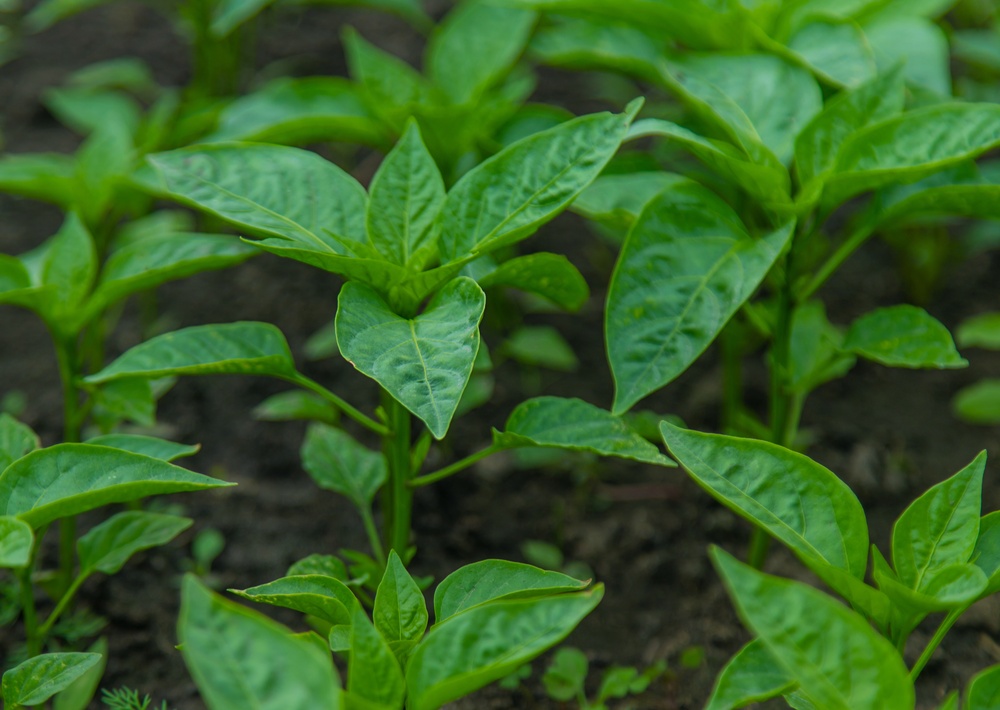
Peppers are one of the most popular warm-weather crops for a reason, and late March is often a good time to get them started in Southern gardens. They enjoy sunny weather, warm soil, and longer days, so they usually begin growing well once the chill has fully passed. Bell peppers, banana peppers, jalapenos, and many other kinds all do well in Southern heat when planted at the right time. Since they can continue flowering and forming fruit over a long season, they are a practical choice for gardeners who want steady harvests.
Most gardeners plant peppers as transplants and give them about 18 inches of space in fertile, well-drained soil. Compost helps the plants grow stronger early on, and mulch helps keep moisture in the ground as the weather warms. They need regular watering, especially while flowers and fruits are forming, because uneven moisture can affect production. With a late March start, peppers can settle in before the hottest months arrive and stay productive well into the warm season.
Southern Peas
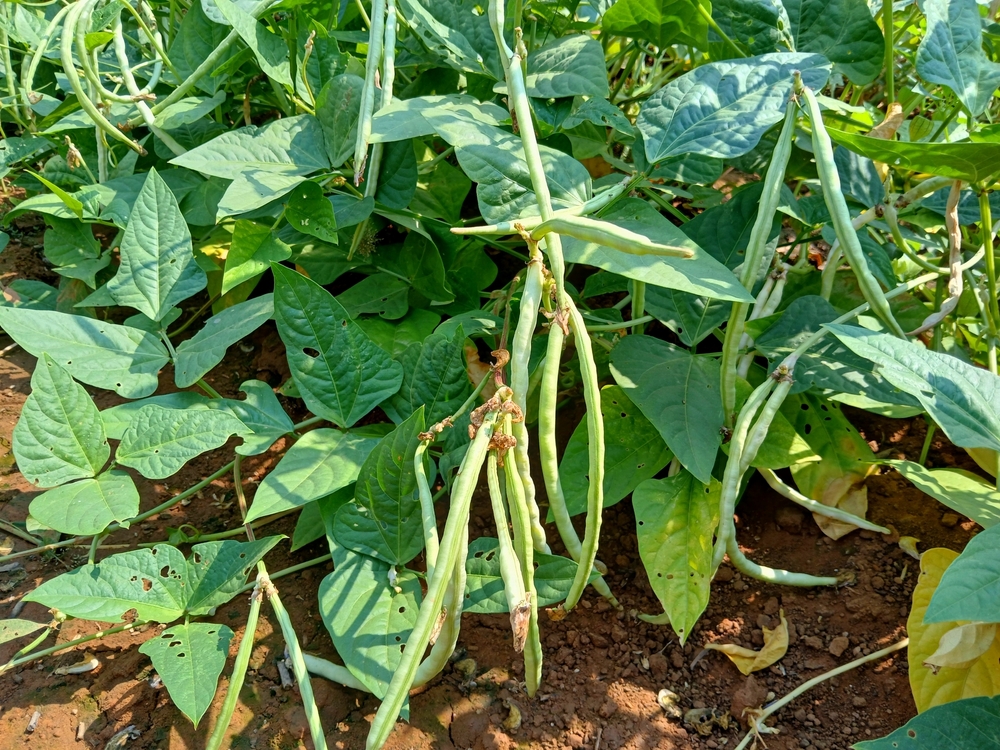
Southern peas, including black-eyed peas and crowder peas, are very well suited to late March planting in the South because they are naturally comfortable in warm weather. They do much better in rising heat than regular garden peas, which usually prefer cooler conditions and finish early. These plants grow steadily as the season warms, and they are valued for being fairly easy to grow even in places with strong sun and hot afternoons. In many Southern gardens, they are a trusted crop because they match the climate so well.
Seeds are usually planted directly into the ground once the soil is warm, about 1 inch deep, and a few inches apart. Depending on the variety, the plants may stay bushy or may need a little room to spread, so row spacing matters. They like full sun and usually do not need very rich soil, which makes them useful in many home gardens. When planted in late March, Southern peas get off to a good start and often keep going nicely as spring moves into summer.
Malabar Spinach
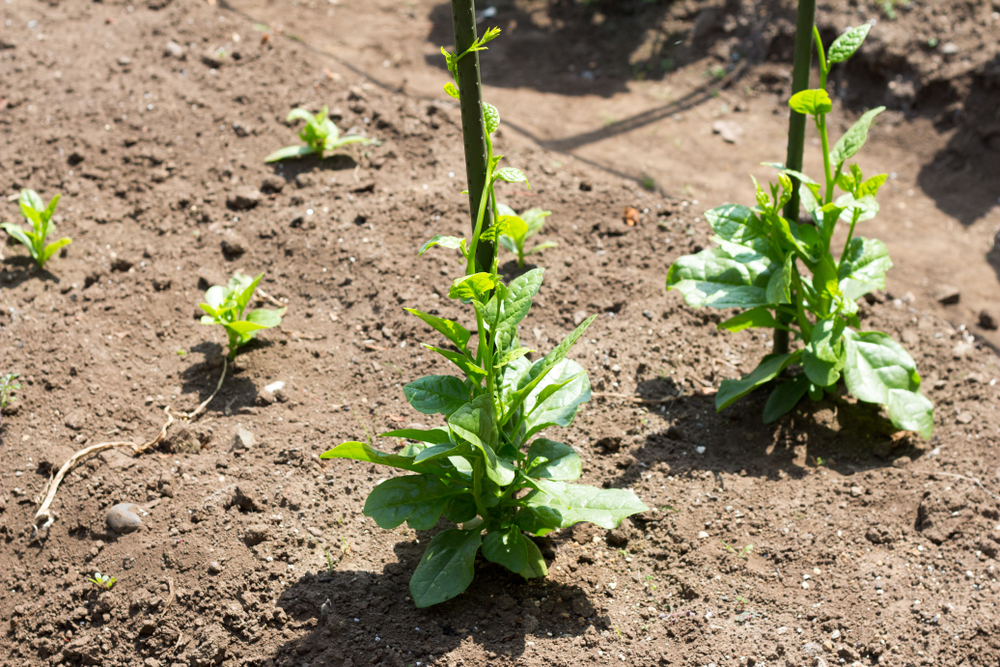
Malabar spinach is a great hot-weather choice because it keeps growing when true spinach has already given up. Even though it is used as a leafy green, it is actually a climbing vine that enjoys warm temperatures and humid conditions. In the South, that makes it especially useful for gardeners who want fresh greens after spring salad crops have stopped producing. Its thick leaves and soft stems can be used in fresh dishes or lightly cooked meals, and the plant stays lively during hot weather.
Seeds or transplants can be set out in late March once the ground has warmed, and the plant should be given a fence, trellis, or other support to climb. It likes rich soil, steady moisture, and a sunny or lightly shaded spot where it can grow upward through the season. Since it is a vine, regular picking helps keep it full and productive while also giving a steady leaf harvest. In Southern gardens, Malabar spinach fills an important role because it gives leafy growth at a time when many other greens cannot handle the heat.
Yardlong Beans
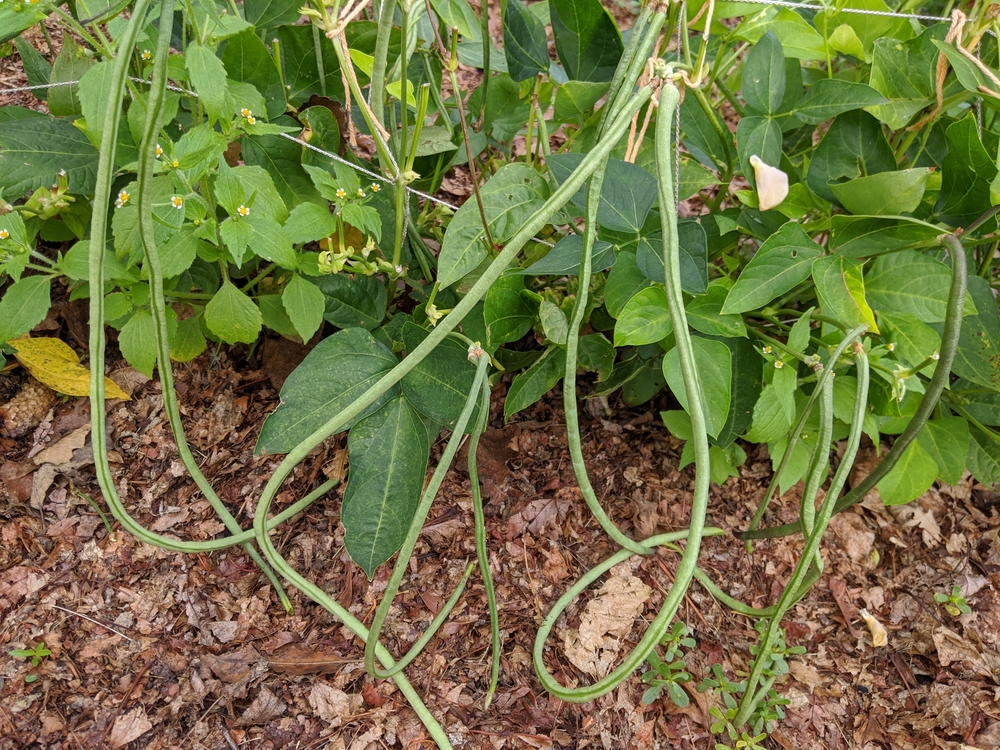
Yardlong beans are a strong, warm-weather crop that performs very well in Southern gardens once temperatures begin to rise. Unlike some common beans that slow down or struggle in hot weather, yardlong beans often grow happily through summer heat. Their long hanging pods make them easy to spot and harvest, and the vines themselves can grow quickly once the weather stays warm. For gardeners in the South, they are a useful plant when late March marks the start of a long, hot season.
The seeds are usually planted directly into warm soil and given a trellis, poles, or a fence to climb. Since the plants are vigorous vines, they need vertical support and enough room for good air movement. Full sun and regular watering help them grow fast, especially early in the season, while they are building stems and leaves. With late March planting, yardlong beans have time to settle in before the hottest period arrives, and they often reward that timing with a long stretch of fresh pods.
Tomatillos
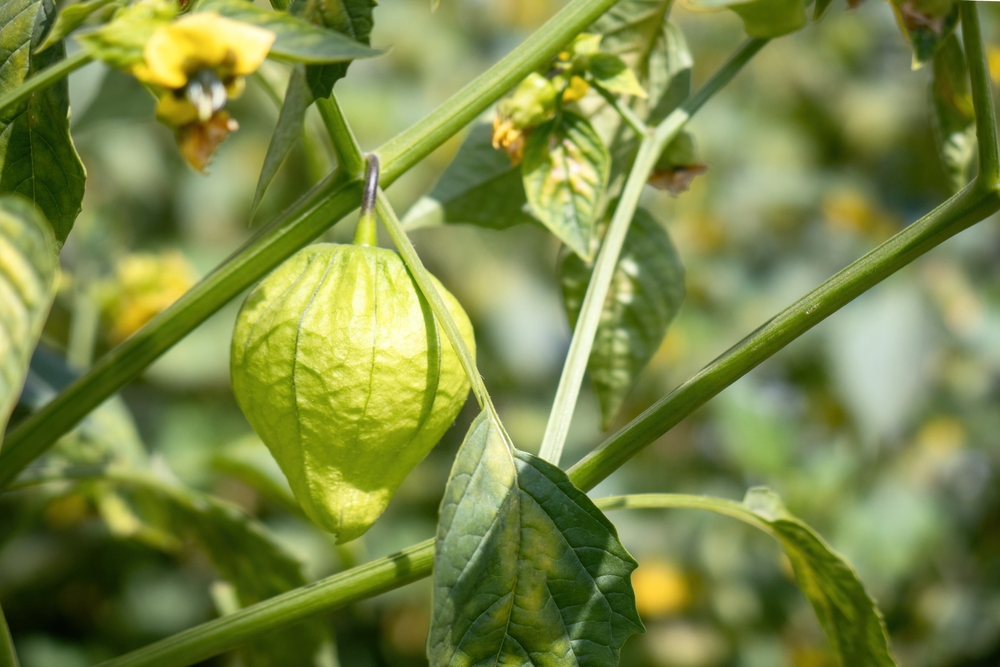
Tomatillos do very well in warm Southern weather, which makes them a good late March planting choice. They are related to tomatoes and peppers, yet many gardeners find them a little more forgiving once summer heat arrives. The plants grow into large, branching forms and produce husked fruits that are used in many cooked dishes and sauces. Since they prefer warmth and steady sunshine, they fit naturally into the Southern garden as spring shifts toward hotter days.
Tomatillos are usually planted from transplants, with each plant spaced about 2 to 3 feet apart so it has enough room to spread. They do best in rich, well-drained soil and often benefit from cages or supports because they can become heavy with growth. Planting more than one is useful since fruit set is better when two or more plants grow together. In late March, they get a helpful head start in warm regions, which allows them to root in well and handle the hotter months with less trouble.
Basil
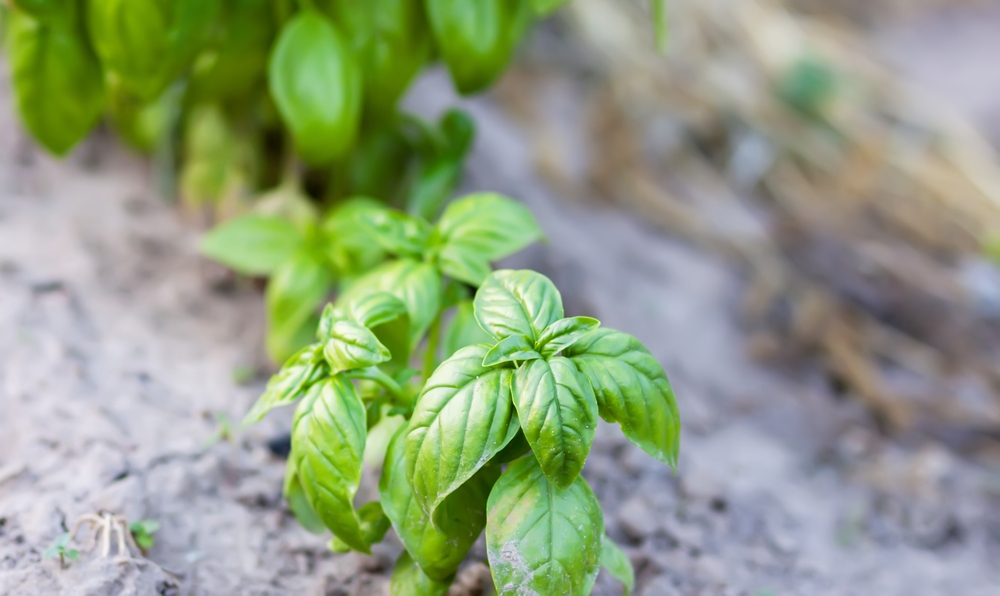
Basil is one of the easiest herbs to grow once the weather turns warm, and that makes it a natural choice for late March planting in the South. It likes sunshine, warm soil, and steady growth through rising temperatures, so it often looks better as the season moves along. In many Southern gardens, basil grows fuller and leafier after spring settles down and the danger of cold nights is gone. Since it can be picked often for fresh use, it gives a long season of value from a small planting space.
This herb can be grown from seed or small transplants and does best in full sun with well-drained soil. Plants should be spaced about 10 to 12 inches apart so air can move around them, which helps during warm and humid weather. Pinching off the growing tips once the plants get established leads to a bushier shape and more leaves over time. With a late March planting in the South, basil usually gets the warm conditions it likes and can keep producing for many weeks.
Luffa
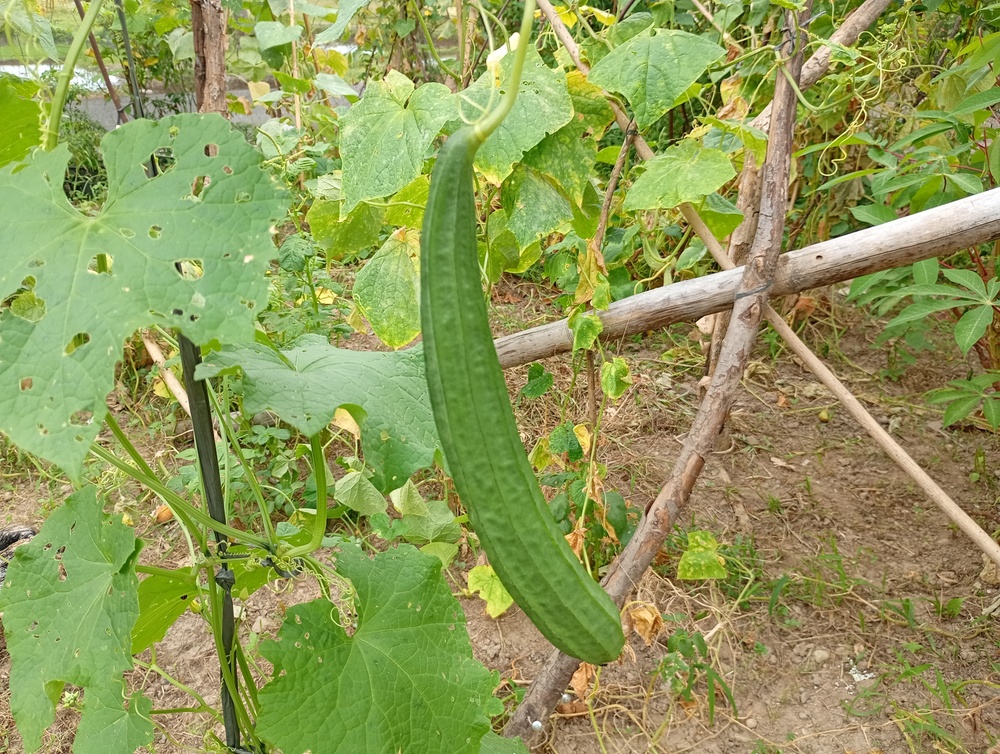
Luffa is a heat-loving vine that grows very well in Southern conditions and belongs on a list of late March planting choices for the South. While many people know it for the dried sponge inside mature fruits, young luffa can also be eaten like squash when harvested early. The plant likes a long warm season and grows best once the weather is fully moving away from cool spring conditions. In the South, that makes late March a useful planting period in many areas where warmth begins to settle in early.
Seeds are planted in warm soil and usually need a sturdy trellis because the vines become large and active as the season goes on. Full sun, fertile soil, and regular watering help the plants build strong vines and set fruit well. Because luffa needs time to mature fully, getting it into the ground in late March can be a good move in warm Southern spots. Once summer arrives, the vine usually looks right at home and makes good use of the heat.
Roselle
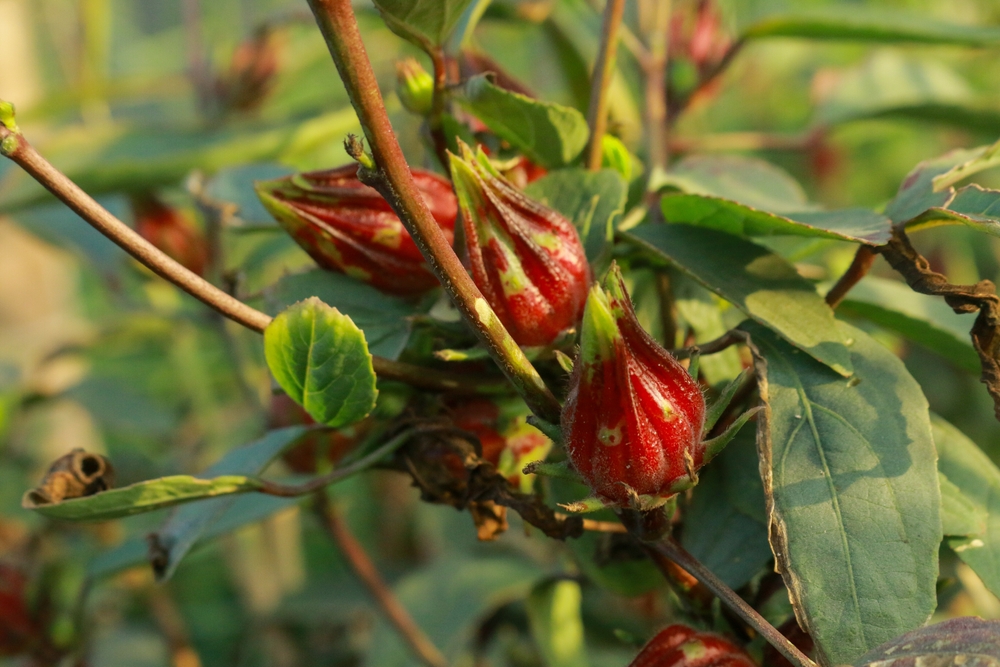
Roselle is a warm-season hibiscus that does especially well in hot Southern gardens, making it a smart choice for late March planting in the South. This plant likes heat, sunshine, and a long growing period, so Southern conditions often suit it beautifully. It is known for its tart red calyxes, which are often used in drinks and preserves, while the young leaves can also be used in the kitchen. Since it keeps growing through hot weather, roselle is a good plant for gardeners who want something a little different that still fits the climate.
Plants need a sunny spot and enough room to spread because they can become fairly large as the season goes on. Rich, well-drained soil helps them grow strongly, and steady watering is helpful while they are young and getting established. Once settled, roselle handles heat quite well and adds color and shape to the garden even before harvest time. With a late March start in warm Southern areas, it has time to build size before summer peaks and often performs very nicely through the long hot season.
Armenian Cucumber
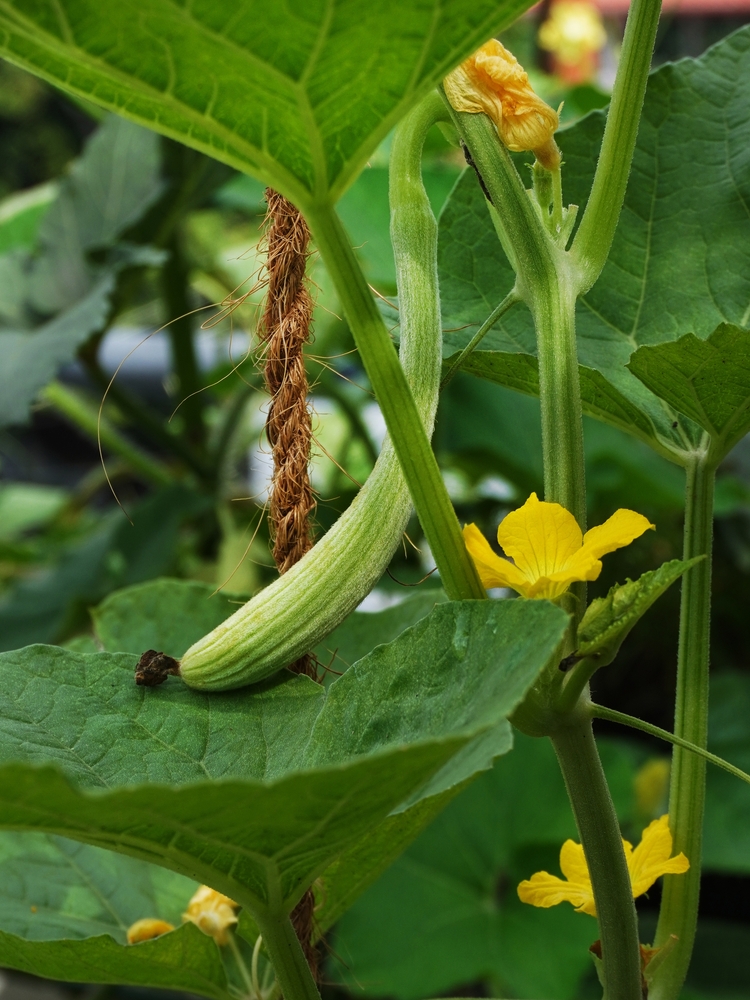
Armenian cucumber is a very good pick for Southern gardens because it handles heat better than many standard cucumber types. Even though it is used much like a cucumber, it tends to stay productive in warmer conditions and often keeps going when common cucumbers begin to struggle. The fruits are long, crisp, and mild, and the vines can grow quickly once the weather turns warm. For late March planting in the South, it is a useful option for gardeners who want a fresh eating crop that can stand up to rising temperatures.
Seeds can be planted once the soil is warm, or young plants can be set out with support for climbing if you want straighter fruits and easier picking. The vines need full sun, well-drained soil, and enough room to spread or climb without crowding. Regular watering is important while fruits are forming, especially as warm days become more common. In Southern gardens, Armenian cucumber often fits better than many cooler-leaning cucumber types because it keeps its strength through hotter stretches of the season.
Hot Peppers
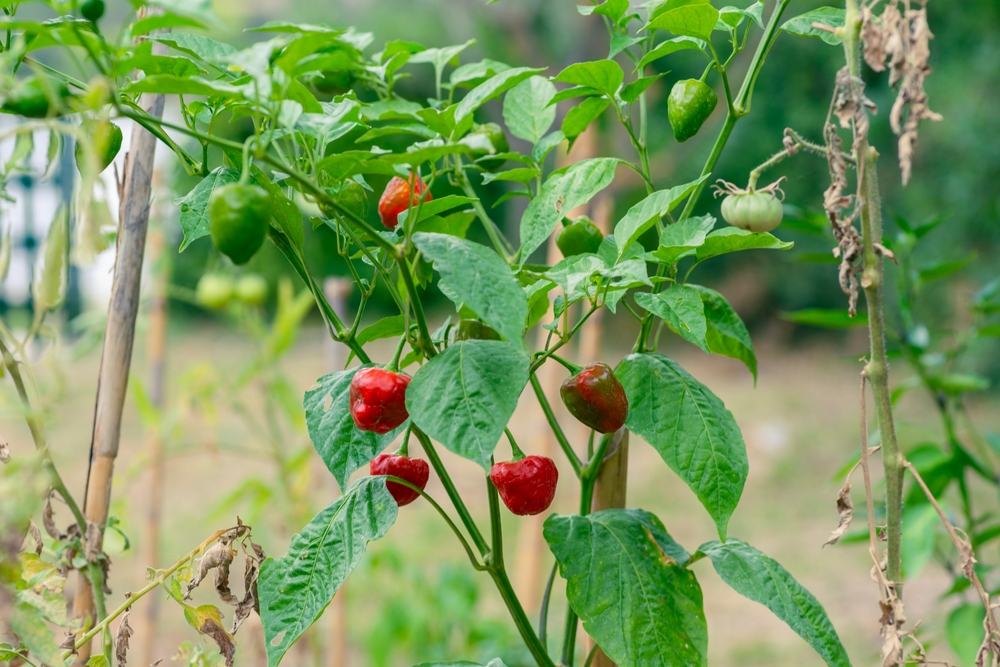
Hot peppers are made for warm gardens and are one of the easiest crops to match with late March planting in the South. Whether the variety is cayenne, serrano, jalapeno, or another type, most hot peppers enjoy the same conditions that define a Southern growing season. Once the soil is warm and the nights are mild, they begin putting on steady growth and usually continue through summer. Their ability to handle heat in both the garden and the kitchen makes them a favorite for many home growers.
These peppers are usually planted as transplants and spaced about 18 inches apart in a sunny bed with rich, loose soil. Compost helps build a healthy root area, and a light mulch layer helps the ground hold moisture once the days grow hotter. Regular watering supports flower and fruit production, especially during dry periods. With a late March planting, hot peppers usually have enough time to settle in well and go into the hotter part of the season with good strength.
This article originally appeared on Avocadu.