
11 Outdoor Activities to Enjoy on Family Hikes This Season
Family hikes feel a lot more fun when there is something for everyone to do along the way. Simple ideas like scavenger hunts, nature photography, and plant or bird spotting can keep kids interested while making the walk feel more special. These outdoor activities turn an ordinary trail into a shared family outing filled with fresh air, movement, and small moments to remember.
This post may contain affiliate links, which helps keep this content free. Please read our disclosure for more info.
Scavenger Hunt
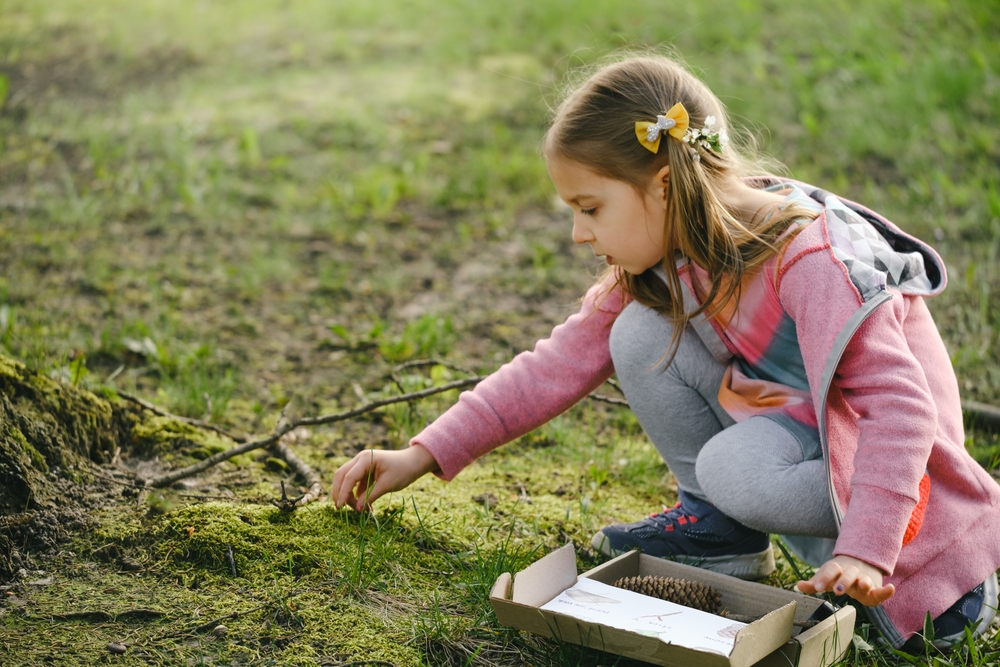
A scavenger hunt gives children and adults a fun reason to pay close attention to the trail. Instead of walking from one point to another without much focus, everyone starts looking for pinecones, smooth stones, feather shapes, fallen leaves, wildflowers, and other small details that might have gone unnoticed. This turns an ordinary hike into a shared game that keeps energy up, especially on longer walks. It also gives younger children a clear goal, which can help them stay interested when the trail starts to feel tiring.
Parents can make the activity fit the setting by choosing items that are easy to spot without disturbing the area. A simple paper list with things like something red, something rough, a bird feather on the ground, or a leaf bigger than your hand works very well. Older children may enjoy a themed list based on colors, textures, or shapes, while younger ones often like picture-based lists. By the end of the hike, the family has a reason to talk, laugh, and compare what each person found along the way.
Nature Photography
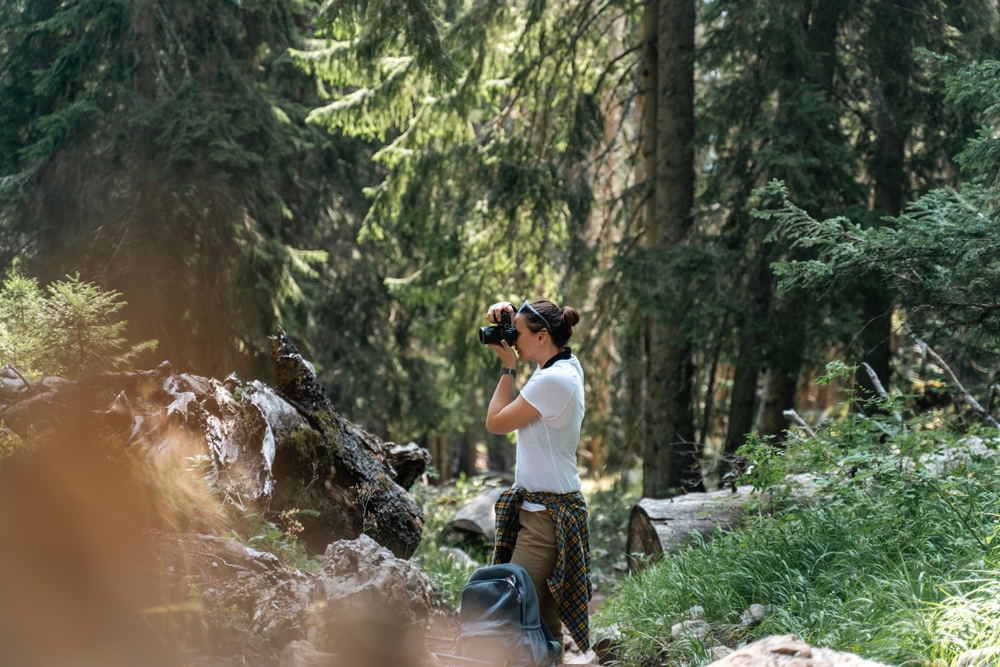
Nature photography adds a creative side to family hiking and gives everyone a chance to slow down. Children often enjoy using a phone or a simple camera to take pictures of flowers, tree bark, insects, clouds, and trail views. This activity helps them notice patterns, light, and color in a way that makes the hike feel more personal. It can also turn small moments, like spotting a butterfly or a twisted tree root, into something worth remembering later.
For adults, photography gives the hike a nice rhythm because it encourages short pauses without stopping the outing completely. Families can make it more fun by choosing themes such as best close-up, funniest tree shape, or prettiest view. At home, the photos can be turned into a simple album or shared slideshow, which helps the hike live on after the day ends. That added layer of memory makes a regular walk feel more meaningful and special.
I Spy
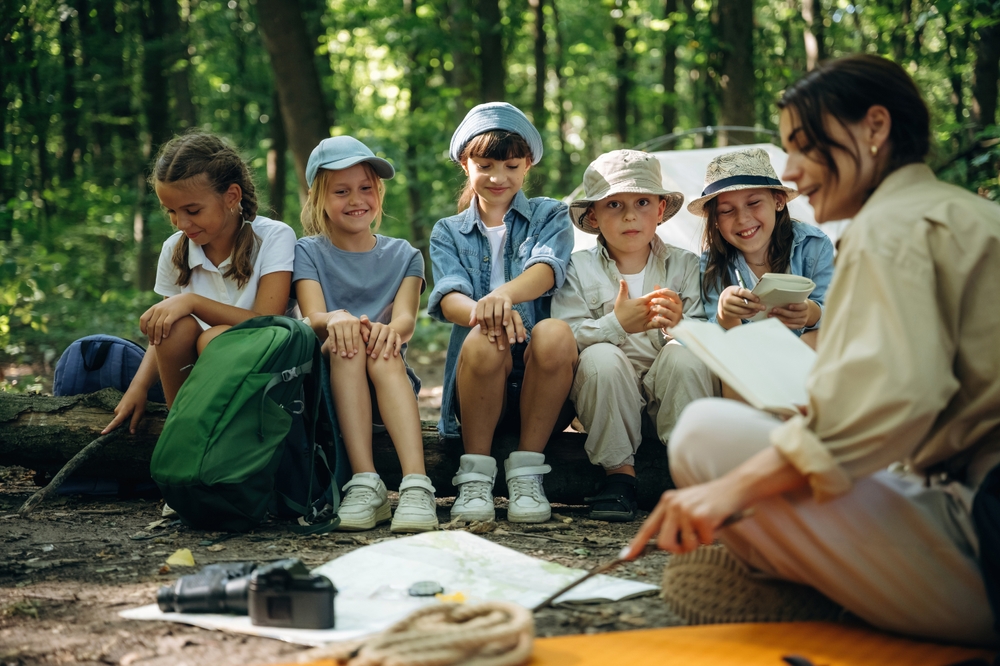
I Spy is one of the easiest ways to keep children involved on a trail, and it does not require any extra gear. A parent or sibling can say, “I spy something green” or “I spy something tiny near the ground,” and the rest of the group can guess while walking. Because the game can change at any moment, it works well during quiet stretches or when kids start asking how much farther they need to go. It also helps younger hikers stay aware of what is around them instead of focusing only on being tired.
This game works well because it can be made simpler or harder depending on the age of the group. For younger children, clues based on color or size are often best, while older children may enjoy clues tied to shape, texture, or location. It is a playful way to build observation skills without making the hike feel like a lesson. Families often find that even adults get pulled into the guessing and start spotting new things too.
Plant Identification Apps
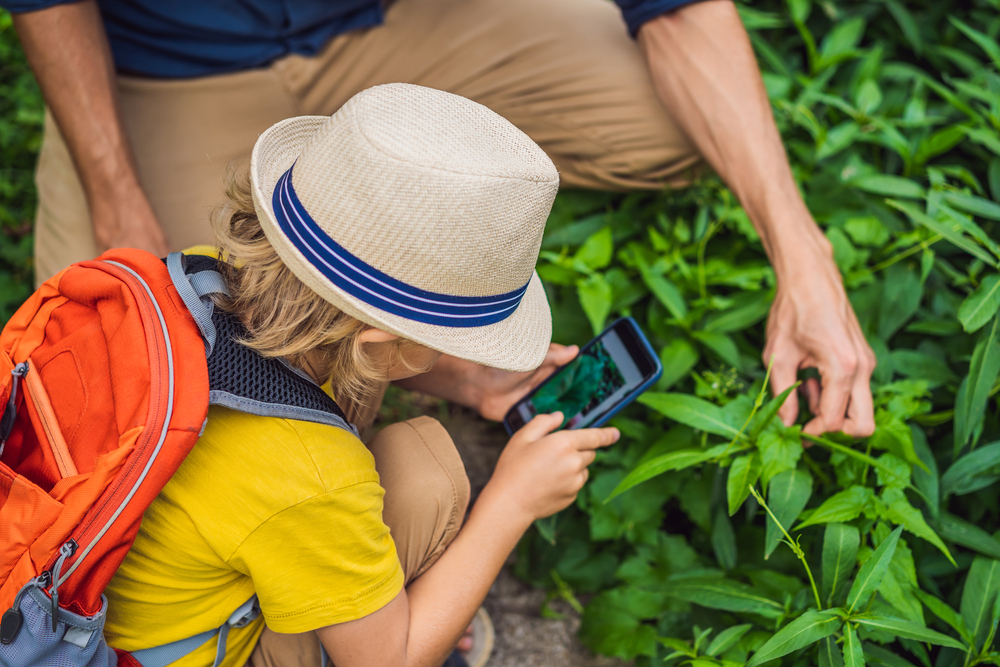
Using a plant identification app can make a family hike feel like a living field guide. When someone spots an interesting leaf, flower, or shrub, the group can pause, take a photo, and learn what it is. Children often enjoy seeing the name appear on the screen because it turns a random plant into something real and memorable. This can make the trail feel richer, especially in places filled with different grasses, ferns, and blooming plants.
The activity works best when families use it here and there instead of stopping for every single plant. That keeps the walk moving while still making room for curiosity. Over time, children may start remembering names and spotting familiar plants on later hikes, which gives them a stronger connection to the outdoors. It can also lead to good conversations about which plants are native, which ones attract pollinators, and why some should never be touched or picked.
Bird Identification Apps
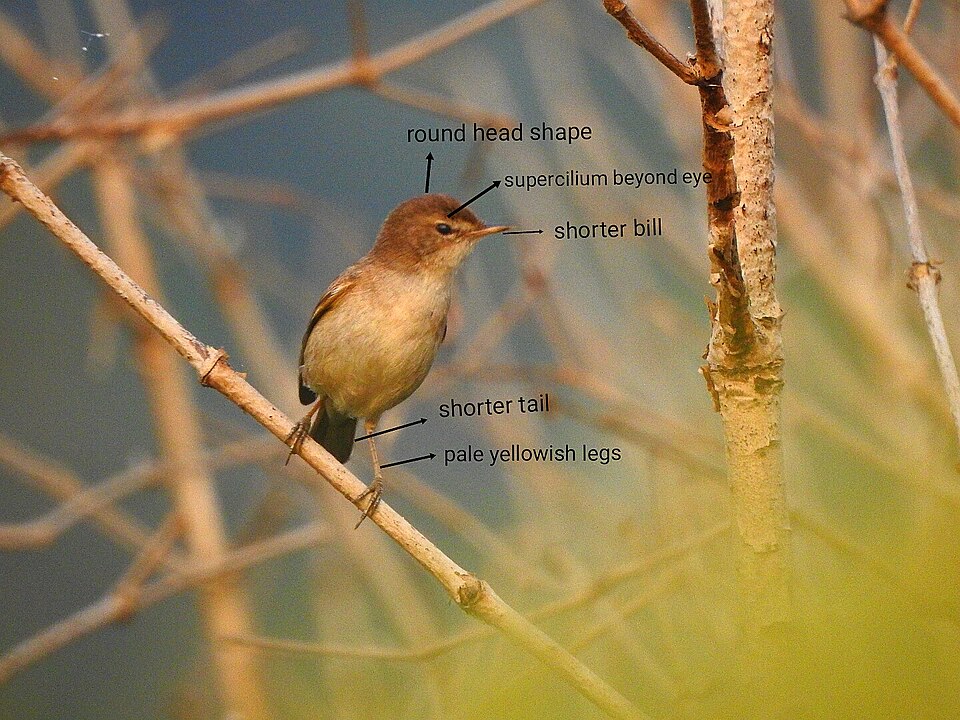
Bird identification apps can turn a quiet trail into an active listening game. Families may hear chirping from the trees or spot a bird hopping across the path, then use the app to compare sounds or pictures. This gives children a reason to stop and listen, which can be a nice balance to the more active parts of a hike. Even a short bird sighting can feel exciting when everyone tries to figure out what species they just saw.
This activity is especially good in the early morning, when birds are often easier to hear. Children may start to notice that some calls are soft and musical while others are loud and repeated, and that difference makes the experience more interesting. It also teaches patience, since birds do not always stay still for long. Families who use bird apps on several hikes often find that they start hearing the trail in a new way, not just seeing it.
Cloud Watching and Shape Guessing

Cloud watching is an easy activity for open trails, meadows, overlooks, or rest stops with a wide view of the sky. Families can lie back for a few minutes or sit on a blanket and point out shapes they see in the clouds. Children often enjoy saying a cloud looks like a rabbit, a dragon, or an ice cream cone. It adds imagination to the hike and creates a gentle break in the middle of the outing.
This activity works well because it requires nothing at all except time and a clear patch of sky. It can calm tired children and give them a chance to rest without feeling bored. Adults often find that it slows the pace in a good way and makes the day feel less rushed. A short cloud-watching break can reset the mood and help the family enjoy the rest of the trail more fully.
Wildlife Spotting Journal
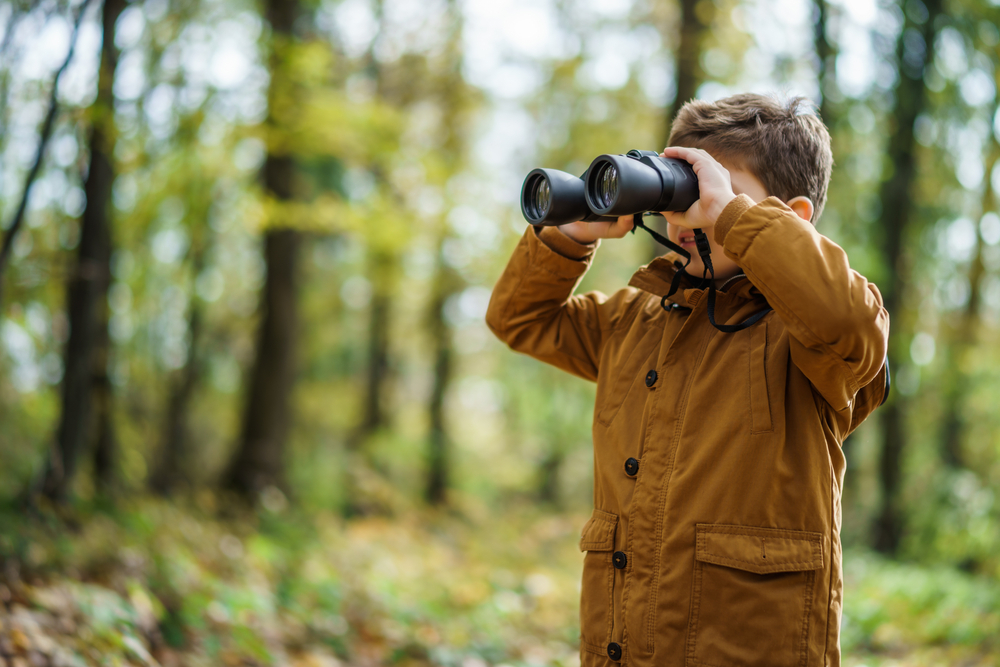
A wildlife spotting journal gives children a simple reason to watch carefully during the hike. They can bring a small notebook and write down or draw any squirrel, butterfly, lizard, bird, or animal track they notice. This makes the trail feel more active because everyone starts looking for signs of movement or sound. Even if the family does not see large animals, the act of recording small sightings keeps the outing interesting.
The journal becomes even more fun over time because it grows with each trip. Children can compare what they saw in one season with what they saw in another, and that gives them a stronger sense of how the natural world changes. Adults may enjoy adding notes about where the animal was seen or what it was doing. A simple notebook can turn a single hike into part of a longer family tradition.
Trail Sketching
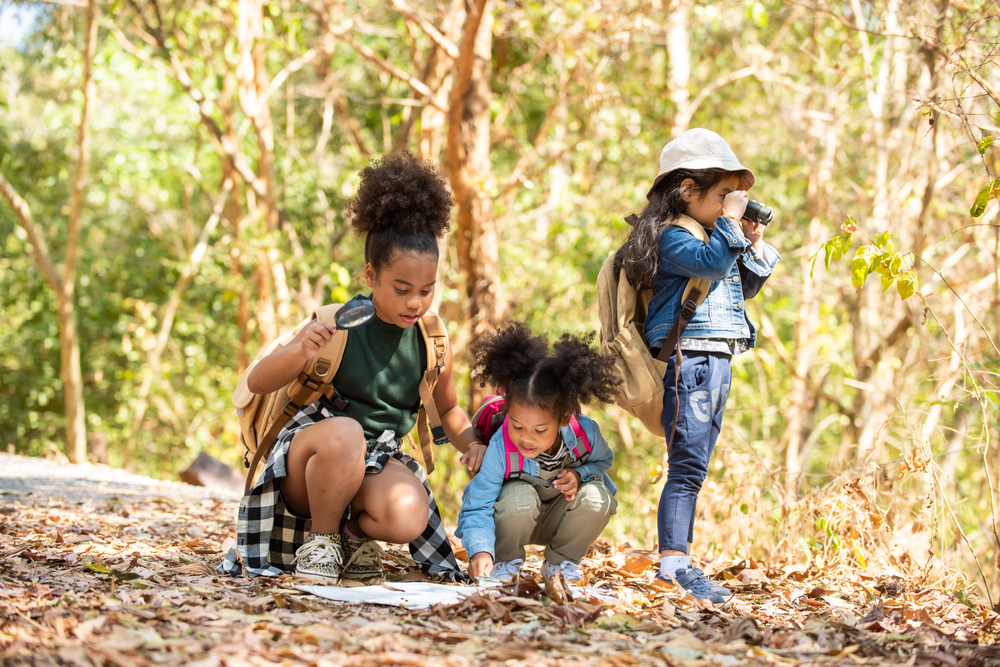
Trail sketching gives families a calm activity that encourages everyone to pause and look more carefully. A child might draw a pinecone, a tall tree, a rock formation, or the view from a lookout point. The drawing does not need to be perfect to be enjoyable. What matters is that the person sketching spends a few extra minutes noticing lines, shapes, and textures that they might otherwise miss.
This activity can be especially nice during a snack break or while resting on a bench or log. It gives children a quiet task and offers a nice break from nonstop walking. Adults may enjoy sketching too, even if it is just a quick outline of the trail or a leaf pattern. At the end of the day, the sketches often become keepsakes that feel more personal than a glance at the scenery.
Rock and Leaf Sorting
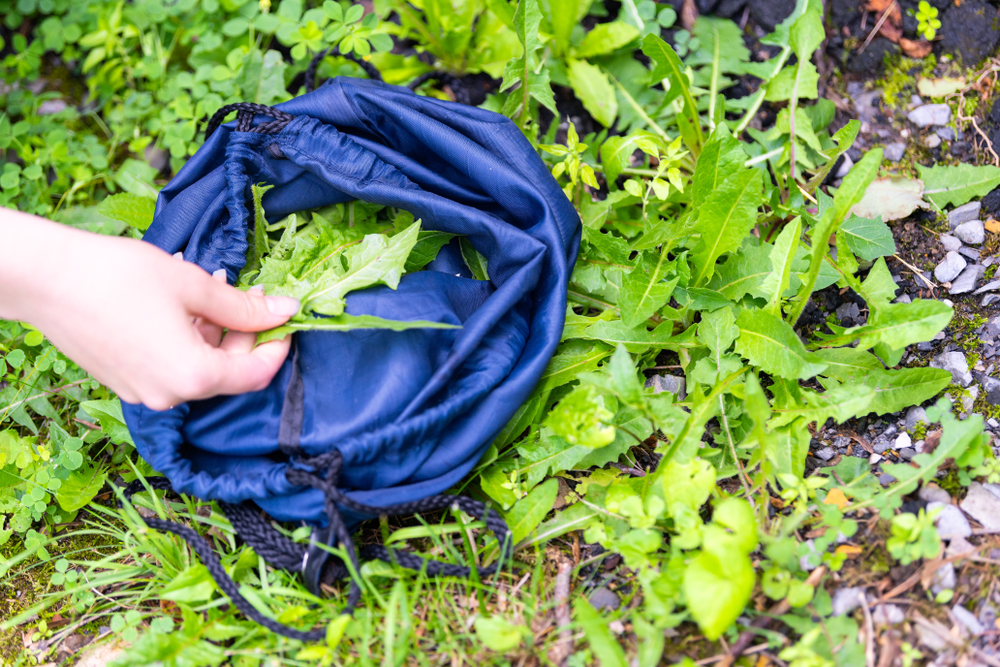
Rock and leaf sorting is a simple activity that works well for younger children, especially on easy trails. Families can gather fallen leaves or small loose rocks from the ground where allowed, then compare them by shape, size, color, and texture during a break. Children often enjoy making little groups, such as smooth and rough, round and pointed, or light and dark. This keeps their hands and minds busy while helping them look at the trail more closely.
The activity is useful because it builds attention in a very natural way. A child who starts out grabbing random items may soon begin noticing that one leaf has jagged edges while another has a waxy surface. Adults can guide the conversation without turning it into a school task. Once the sorting is done, the items can be returned to the ground if needed, and the family can keep moving with fresh interest.
Story Building Along the Trail
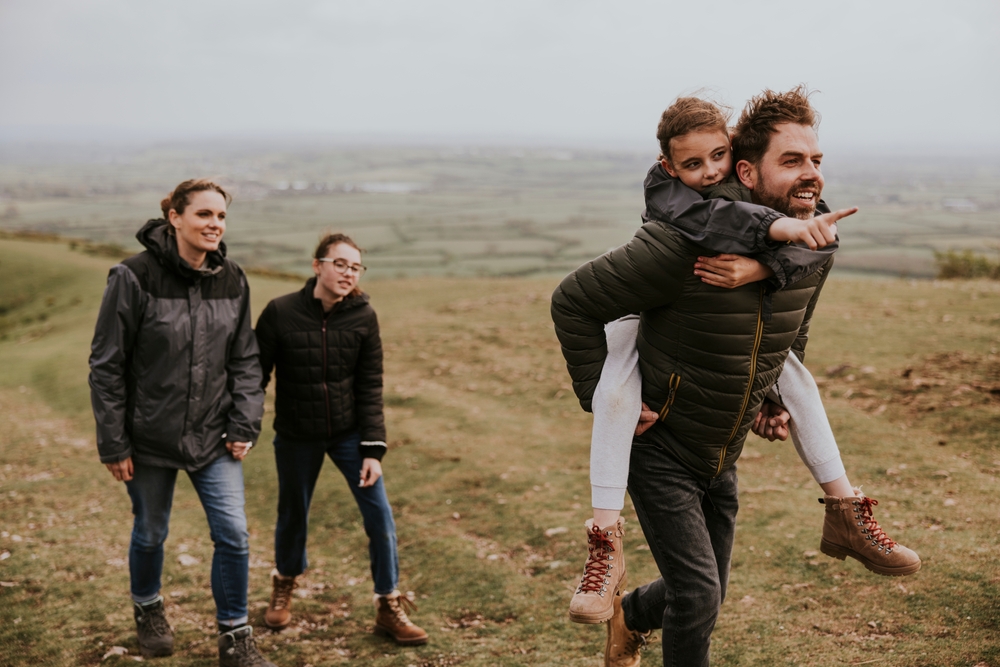
Story building turns a hike into a group game that grows with every step. One person starts with a sentence about the trail, such as a fox looking for a hidden den or a tiny bird going on a trip through the woods. The next person adds another sentence, and the story keeps growing as the family walks. Children usually love hearing silly twists, and the activity helps pass the time on long stretches of trail.
This works especially well when the path is steady, and there is less to stop for. Instead of focusing on how far is left, children start wondering what will happen next in the story. Adults can guide the tone so it stays fun, light, and tied to the outdoor setting. By the end of the hike, the family has made something together, and that shared story often becomes one of the best memories from the day.
Sound Mapping
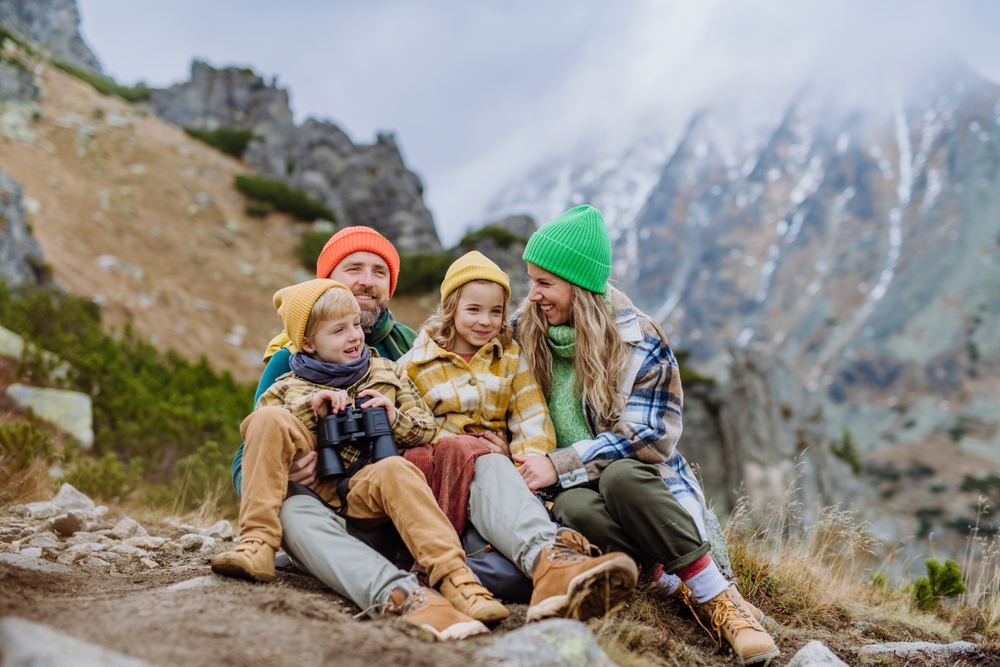
Sound mapping helps families pay attention to the parts of nature they cannot always see. During a short stop, each person can sit quietly for a minute and listen for sounds coming from different directions. They might hear rustling leaves, bird calls, running water, insects, or footsteps on gravel. Children can then point to where they think each sound came from or draw a simple map in a notebook.
This activity adds a peaceful moment to the hike and reminds everyone that the outdoors is full of life, even when the trail looks still. It also teaches children that nature is not only about what they can spot with their eyes. Many families are surprised by how many sounds they notice once they stop talking for a moment. That quiet pause can make the whole walk feel richer and more memorable.
This article originally appeared on Avocadu.