
18 High Fiber Foods That Aren’t Beans
Getting more fiber does not have to mean putting beans on every plate. There are plenty of other foods that can help you feel full, keep meals satisfying, and add more variety to your day. Fruits, vegetables, grains, seeds, and even a few snack options can all bring a good amount of fiber without making meals feel boring. Some are easy to toss into breakfast, while others fit right into lunch, dinner, or a quick snack.
This post may contain affiliate links, which helps keep this content free. Please read our disclosure for more info.
Raspberries
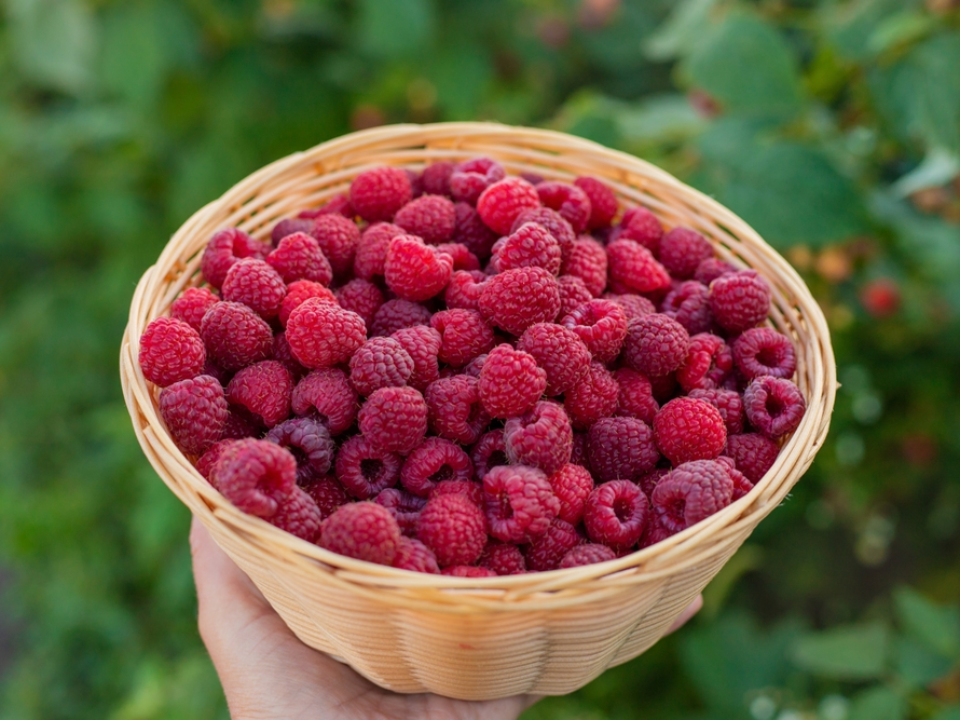
Raspberries are one of the easiest fruits to add when you want more fiber without touching beans. They are small, sweet, a little tart, and full of tiny seeds that add extra bulk to every bite. A bowl of fresh raspberries works well at breakfast, as a snack, or mixed into plain yogurt. They also pair nicely with oatmeal if you want a meal that keeps you feeling full longer.
Since they are naturally juicy, they can make simple foods taste a lot more interesting without much effort. Frozen raspberries work too, so you do not have to wait for peak season to enjoy them. They break down nicely in smoothies, though eating them whole gives you the most satisfying texture. If you want a fruit that feels light but still gives your digestion something solid to work with, raspberries are a great pick.
Pears
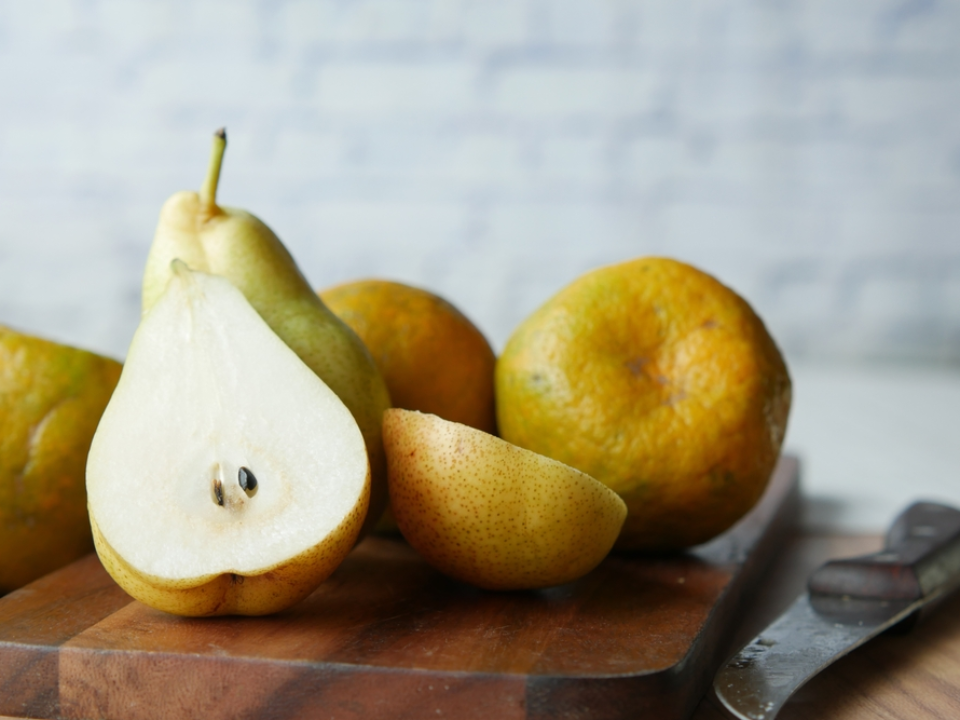
Pears are often overlooked, yet they bring a very good amount of fiber, especially when you eat the skin. They have a soft bite and mild sweetness that makes them easy to fit into everyday meals. A ripe pear can be eaten on its own, sliced into oatmeal, or added to a green salad with nuts and cheese.
Because pears are filling without feeling heavy, they are a nice choice for afternoons when you want something simple. Their natural sweetness can also cut cravings for candy or pastries. Baked pears are another good option if you want something warm after dinner. The soft flesh becomes even more tender in the oven, while the skin still adds some texture. Keeping pears around is an easy way to add more fiber with very little prep.
Oats
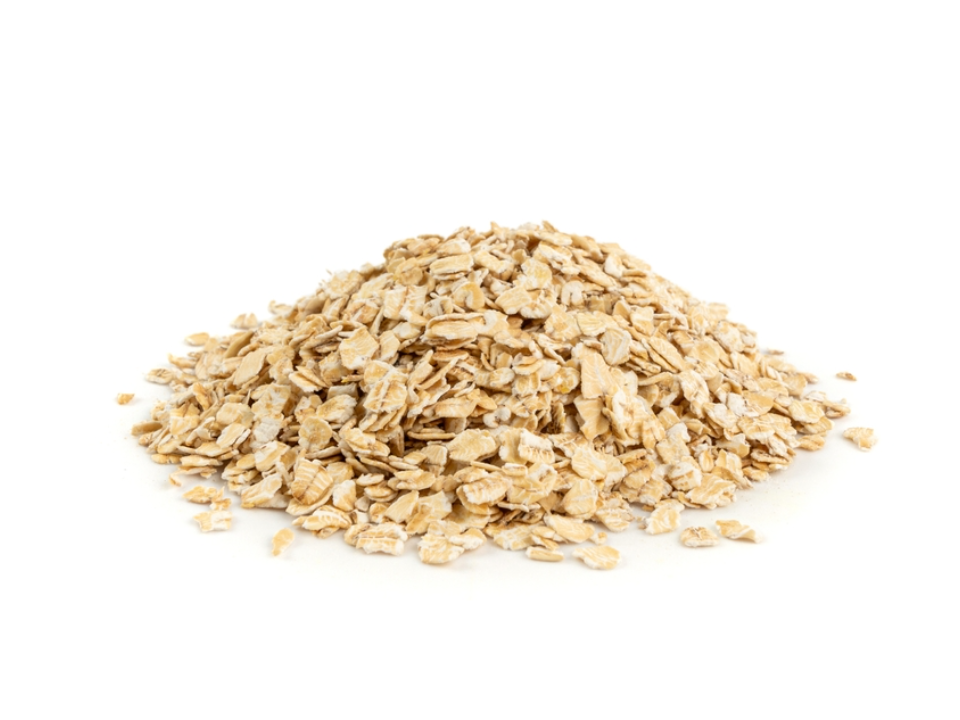
Oats are a steady and reliable food when you want more fiber in a form that feels comforting. A warm bowl of oatmeal can make breakfast more satisfying and can keep hunger from creeping back too soon. Oats also work in overnight oats, smoothies, pancakes, and homemade muffins. They have a mild taste, so they mix well with fruit, nuts, seeds, cinnamon, or peanut butter.
The fiber in oats is especially nice for people who want a breakfast that feels gentle on the stomach. Steel cut oats give a chewier texture, while rolled oats cook faster and are easier on busy mornings. You can even stir oats into meatballs or meatloaf for extra body and nutrition. For a pantry staple that fits into sweet and savory meals, oats earn their spot.
Chia Seeds
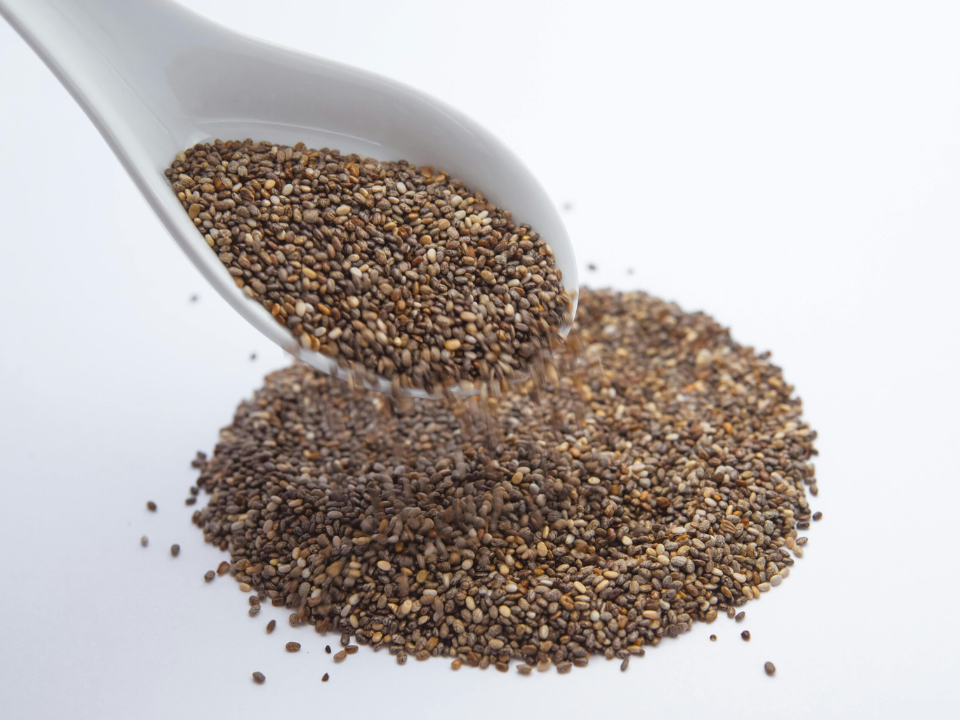
Chia seeds may be tiny, but they carry a lot of fiber for such a small food. When mixed with liquid, they swell and form a soft gel that makes puddings, smoothies, and yogurt bowls feel thicker and more filling. That texture may seem unusual at first, though many people end up liking it once they try it in the right recipe.
A spoonful or two can be mixed into oatmeal, cereal, or even a glass of water with lemon. Since chia seeds do not have a strong flavor, they blend into food without taking over the taste. They are especially handy when you want to add fiber without changing your meal too much. Chia pudding made with milk and fruit is one of the simplest ways to use them. If you want a small ingredient that can make a real difference, chia seeds are worth keeping in the kitchen.
Avocados
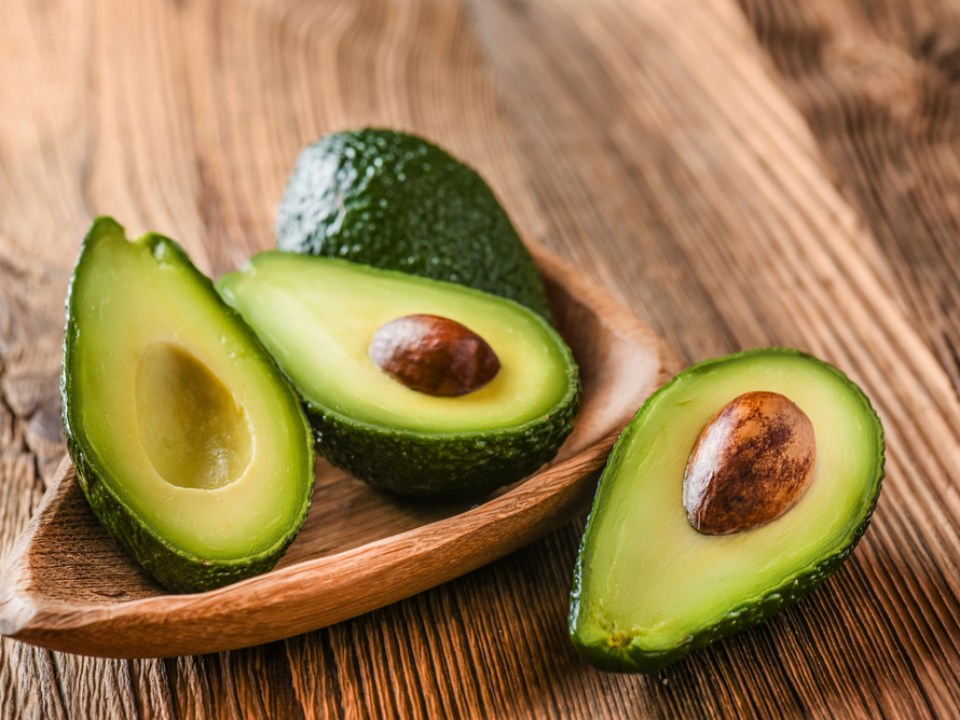
Avocados are known for their creamy texture, though they also bring a solid amount of fiber. That makes them useful for people who want food that feels rich and satisfying while still doing something good for digestion. Sliced avocado works on toast, in salads, in grain bowls, or next to eggs at breakfast.
Mashed avocado can also be spread on sandwiches instead of mayo for a softer and fresher bite. Since avocados have healthy fat along with fiber, they can help meals feel more complete and lasting. Their mild taste makes them easy to pair with salty, spicy, or citrus flavors. Even half an avocado can go a long way in adding substance to a plate. For something creamy that still pulls its weight in the fiber department, avocado is a strong choice.
Barley
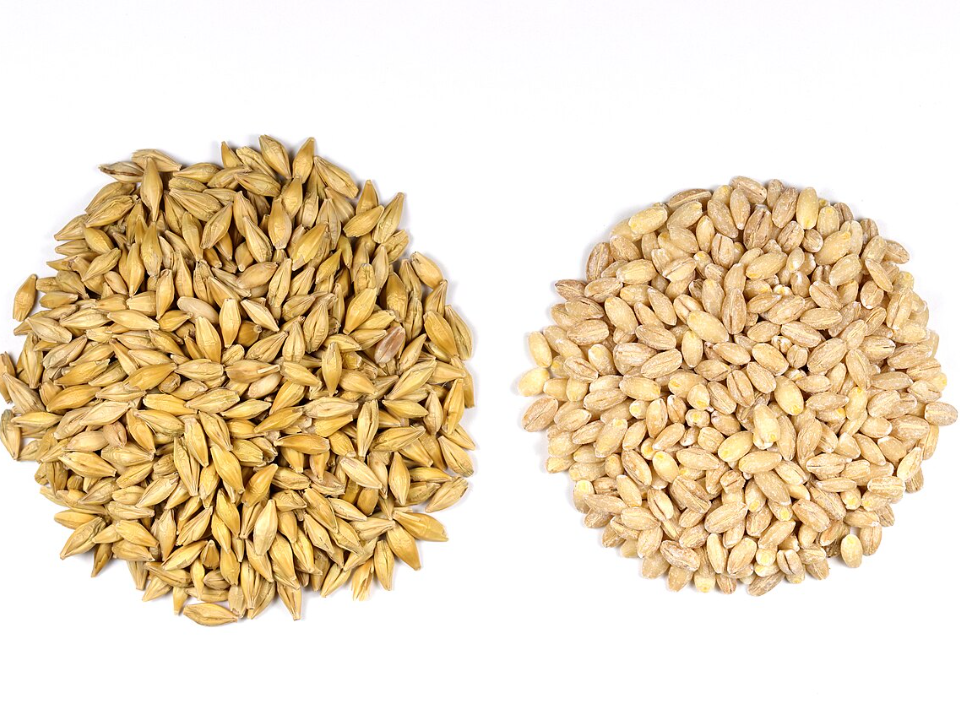
Barley is a hearty grain that deserves more attention from anyone trying to eat more fiber. It has a chewy texture that makes soups, grain bowls, and side dishes feel much more satisfying. Barley works especially well in vegetable soup because it soaks up flavor while still holding its shape. It can also be served in place of rice when you want something with a little more bite.
The grain has a mild, nutty taste that pairs well with mushrooms, chicken, roasted vegetables, and herbs. Because it is filling, a modest serving can make a meal feel complete. Cooked barley can even be chilled and used in salads with cucumbers, tomatoes, and a simple dressing. If you want a grain that feels sturdy and comforting, barley is a very good one to add.
Artichokes
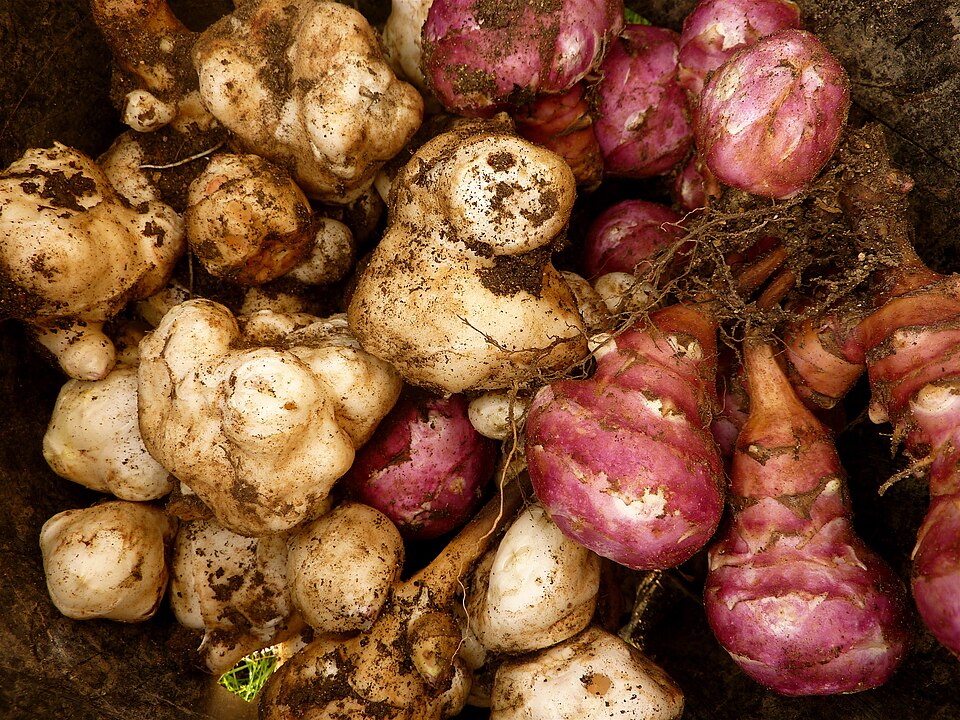
Artichokes are one of the best high fiber vegetables, though plenty of people do not cook with them often. Their leaves and tender heart have a unique taste that feels earthy, slightly sweet, and a little nutty. Steamed artichokes can be pulled apart leaf by leaf, which makes eating them slow and kind of fun. The heart is the best part for many people, and it can be chopped into pasta, salads, or grain bowls.
Jarred or canned artichoke hearts are a handy shortcut if working with whole artichokes feels like too much work. They mix nicely with lemon, olive oil, garlic, and cheese. Since they are hearty, they can make vegetable based meals feel more substantial. If you want more fiber from vegetables and want something different from the usual routine, artichokes are a great place to start.
Popcorn
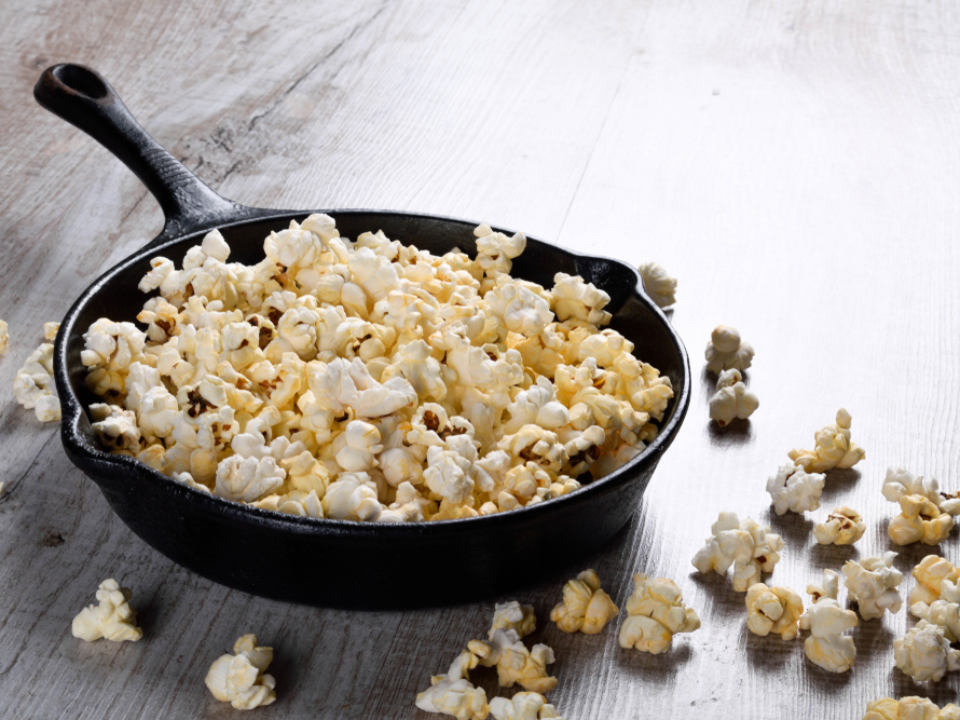
Popcorn can be a surprisingly good high fiber snack when it is kept simple. Air popped popcorn gives you a crunchy, satisfying option that feels much lighter than chips or crackers. Because it is a whole grain, it gives you more than just a salty snack experience. A big bowl can go a long way, which makes it useful for movie nights or afternoon snacking.
It tastes good with a little salt, though you can also add garlic powder, nutritional yeast, or cinnamon depending on what you like. The key is keeping the toppings reasonable so the snack stays balanced. Bagged popcorn can work too, though plain or lightly seasoned versions are usually the better pick. For a snack that feels fun and still adds fiber to the day, popcorn is a very easy choice.
Sweet Potatoes
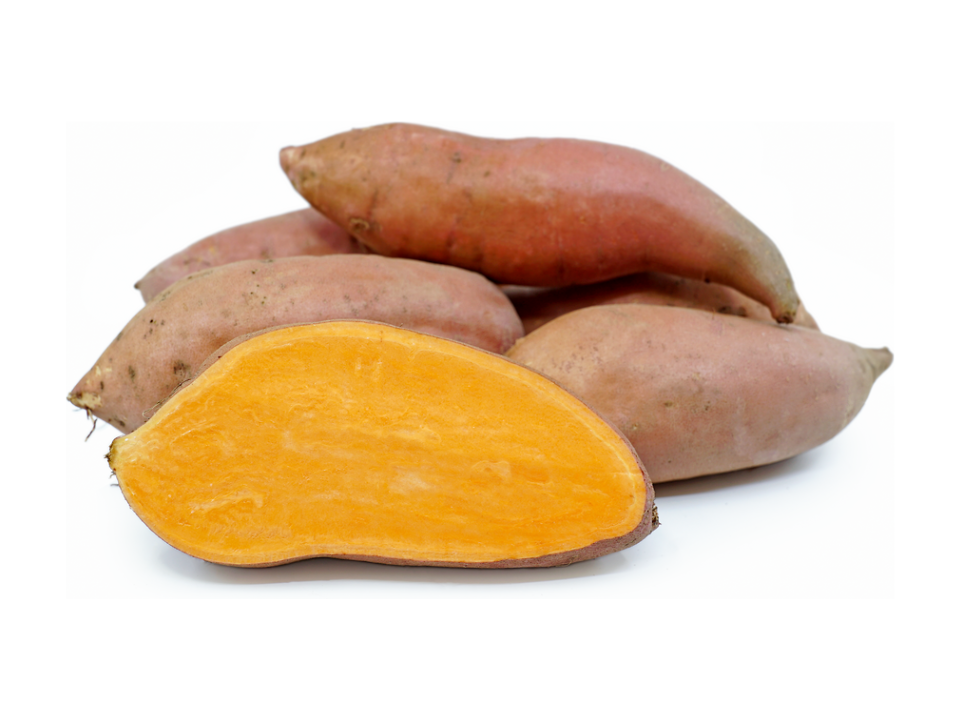
Sweet potatoes bring fiber, natural sweetness, and a soft texture that works in all kinds of meals. The skin adds extra fiber, so it is worth eating when the potato is washed well and cooked until tender. Roasted sweet potatoes can be served as wedges, cubes, or whole baked halves. They pair well with savory flavors like black pepper, garlic, and yogurt, and they also work with cinnamon or a drizzle of honey.
Because they are filling, they can turn a simple plate into something much more satisfying. Mashed sweet potatoes are another easy option, especially with roasted chicken or greens. You can even use cooked sweet potato in oatmeal or smoothies for a thicker texture. If you want a starchy food that offers more than plain white potatoes, sweet potatoes are a strong pick.
Flaxseeds
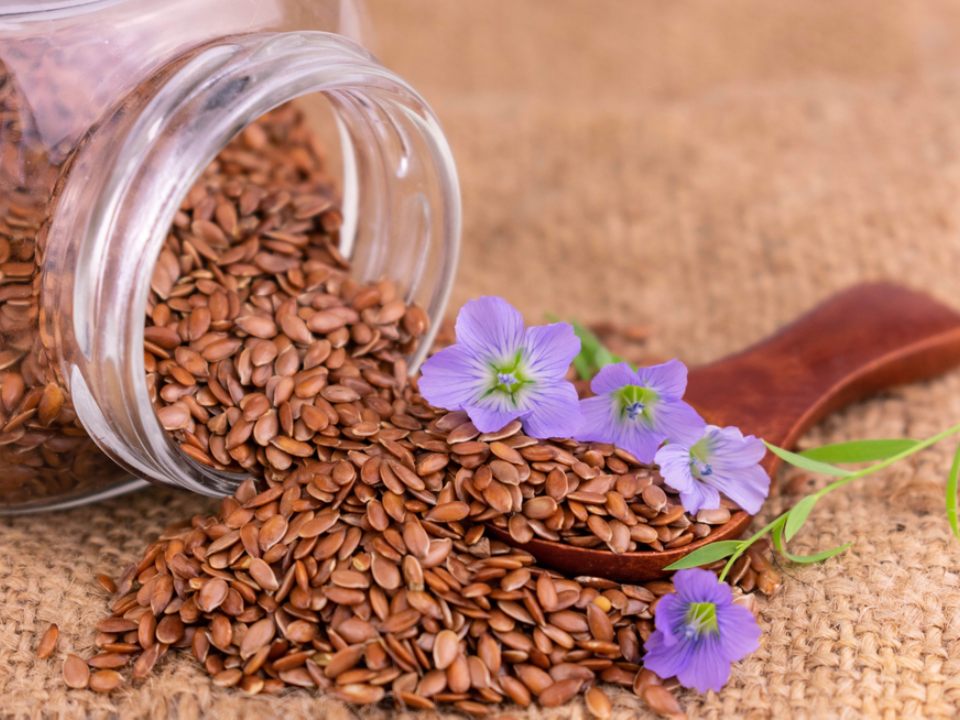
Flaxseeds are another small food that brings a lot of fiber without asking much from you. Ground flaxseed is usually the easiest form to use because it mixes smoothly into oatmeal, yogurt, cereal, and smoothies. It has a mild, nutty taste that fits into sweet foods without standing out too much. You can stir a spoonful into pancake batter or muffin mix for an easy upgrade.
Since flax works quietly in the background, it is useful for people who do not want to change the taste of their meals too much. Whole flaxseeds can pass through the body without breaking down fully, so ground flax is often the better choice. A little goes a long way, which makes it easy to keep daily meals simple. For a pantry item that slips into breakfast and snacks with almost no fuss, flaxseed is a very good one.
Apples
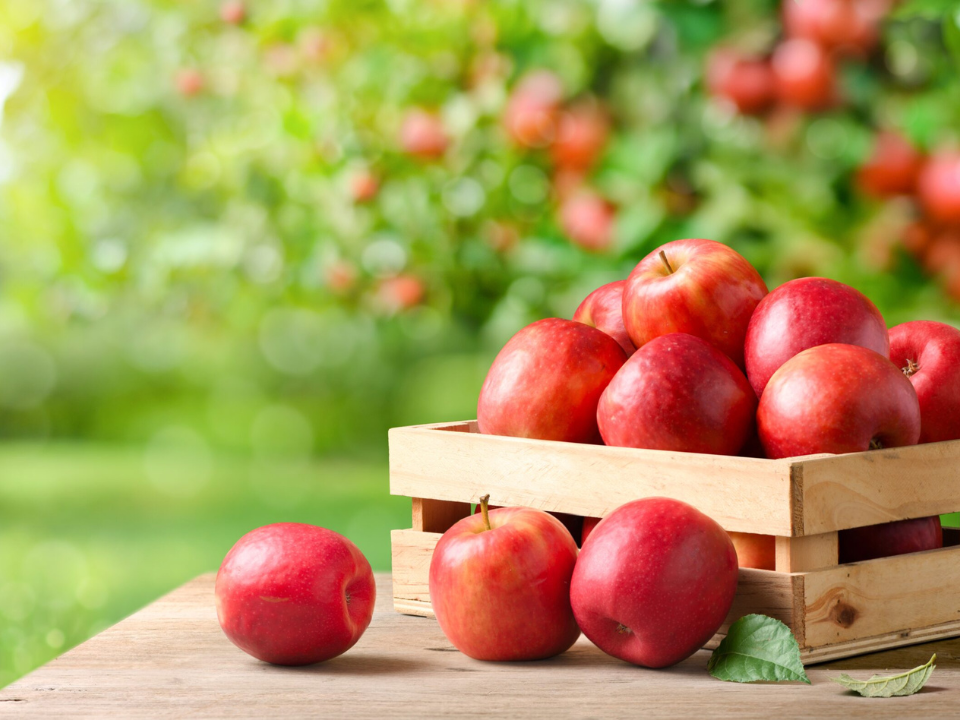
Apples are an easy high fiber pick that fits into almost any part of the day. The skin is where a good share of the fiber sits, so eating it unpeeled gives you more from each fruit. A crisp apple works well as a quick snack, though it can just as easily be sliced into oatmeal or yogurt. It pairs nicely with peanut butter, cheese, or a handful of nuts when you want something more filling.
Baked apples are another good option when you want a warm treat that still feels wholesome. Different kinds give you different textures, from extra crisp to soft and juicy. Keeping apples on hand is one of the easiest ways to bring more fiber into your routine.
Broccoli
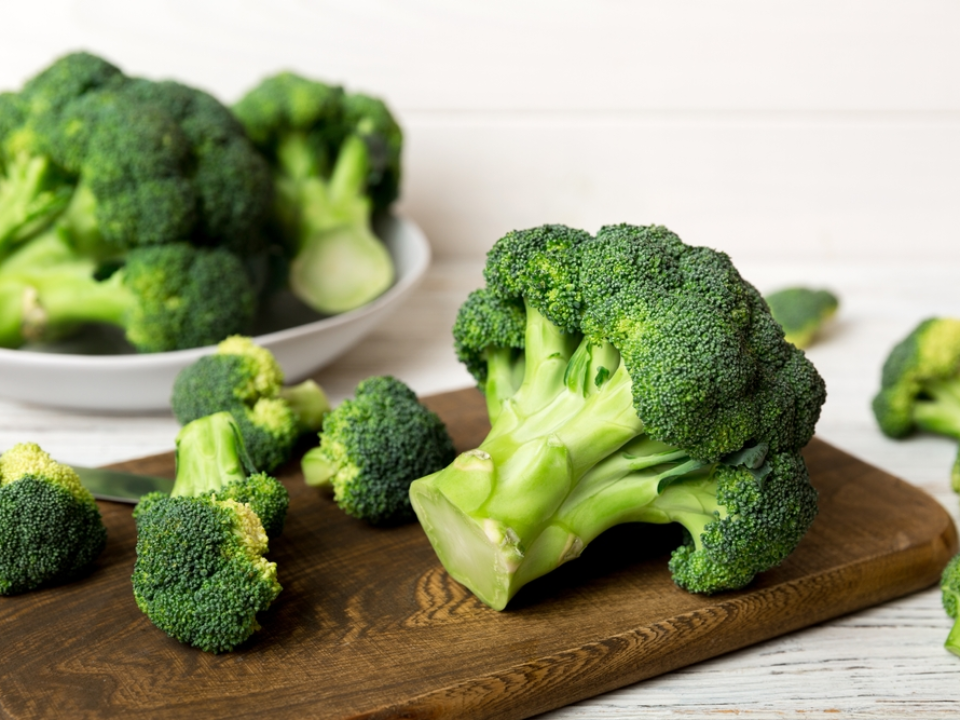
Broccoli is one of those vegetables that keeps showing up for good reason. It brings fiber, has a satisfying bite, and works with a wide range of meals. Steamed broccoli is fine, though roasting usually gives it a better flavor and a little crispness around the edges.
It can be tossed into pasta, stir fry, soup, or grain bowls without much effort. Even a small serving can make a meal feel more balanced and filling. Broccoli pairs well with garlic, lemon, parmesan, or a light sauce if you want more flavor. For a vegetable that is easy to cook and easy to fit into dinner, broccoli is a strong one to keep around.
Brussels Sprouts
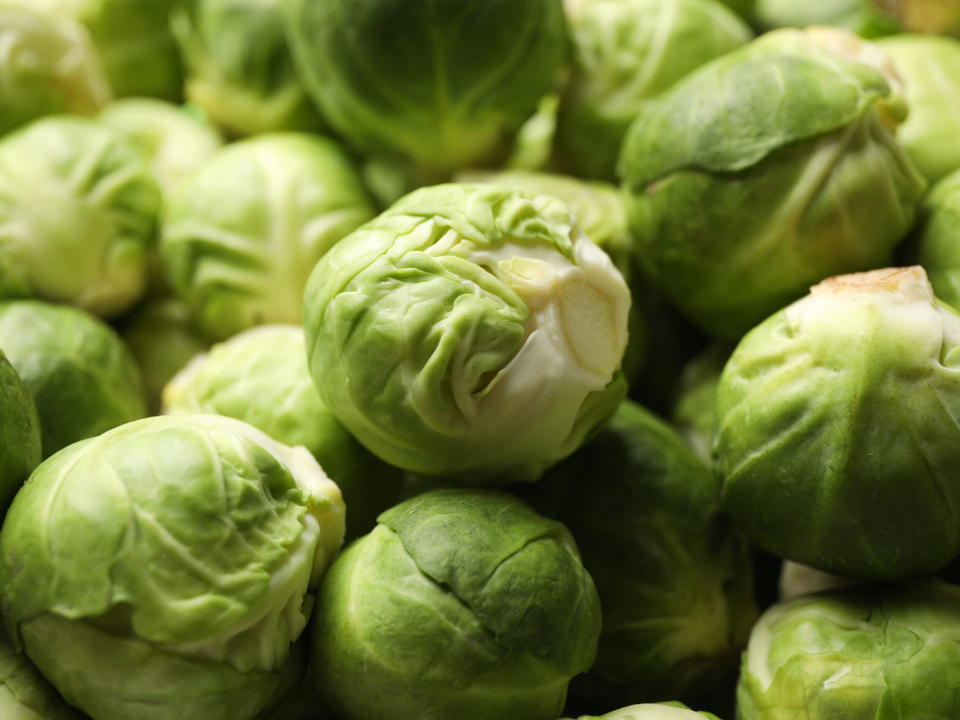
Brussels sprouts are a solid choice for fiber, especially when they are cooked in a way that brings out their best side. Roasting them until the outer leaves turn crisp makes a huge difference in taste and texture. They have a slightly earthy flavor that works well with olive oil, salt, garlic, or a little balsamic glaze. Shredded Brussels sprouts can even be used raw in salads for a crunchy base.
When cooked well, they feel hearty enough to stand next to chicken, fish, or grains without getting lost on the plate. Their small size makes them easy to portion, and they fill you up more than you might expect. If you have not liked Brussels sprouts in the past, roasting them is worth another tries.
Quinoa
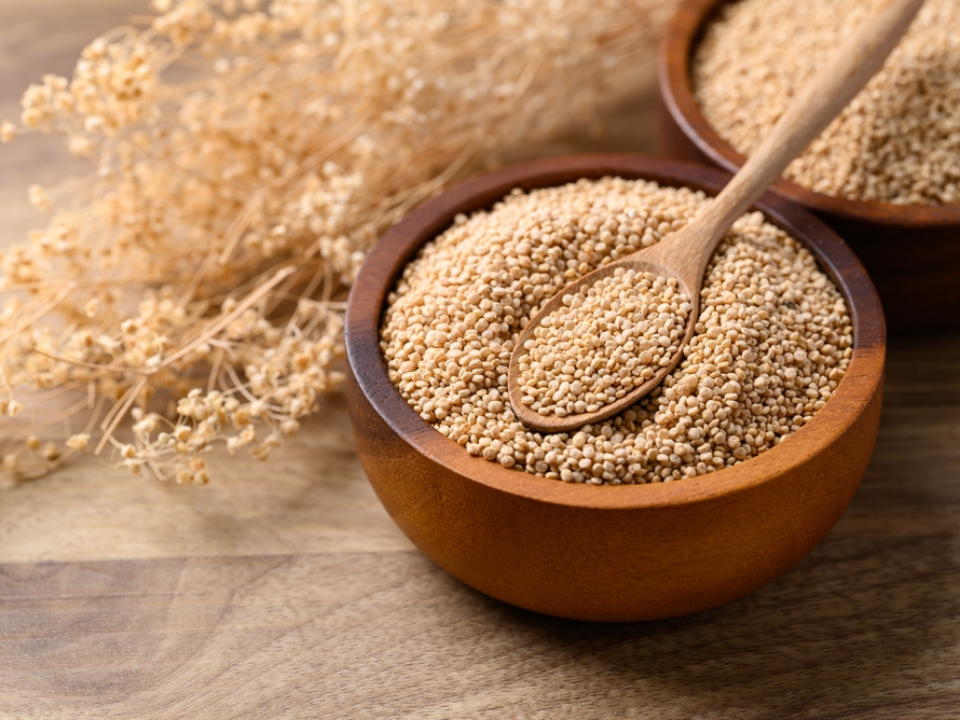
Quinoa is a seed that cooks like a grain and gives you a nice amount of fiber in a small serving. It has a light, fluffy texture with a mild nutty taste that goes with just about anything. Quinoa works as a base for bowls, a side dish for roasted meats, or a cold salad mixed with chopped vegetables.
Since it cooks faster than some other grains, it is handy on busy days. It can be eaten warm or cold, which makes leftovers easy to use the next day. A squeeze of lemon or a spoonful of dressing can wake it up right away. If you want a fiber friendly option that feels light but still filling, quinoa is a good one.
Bulgur
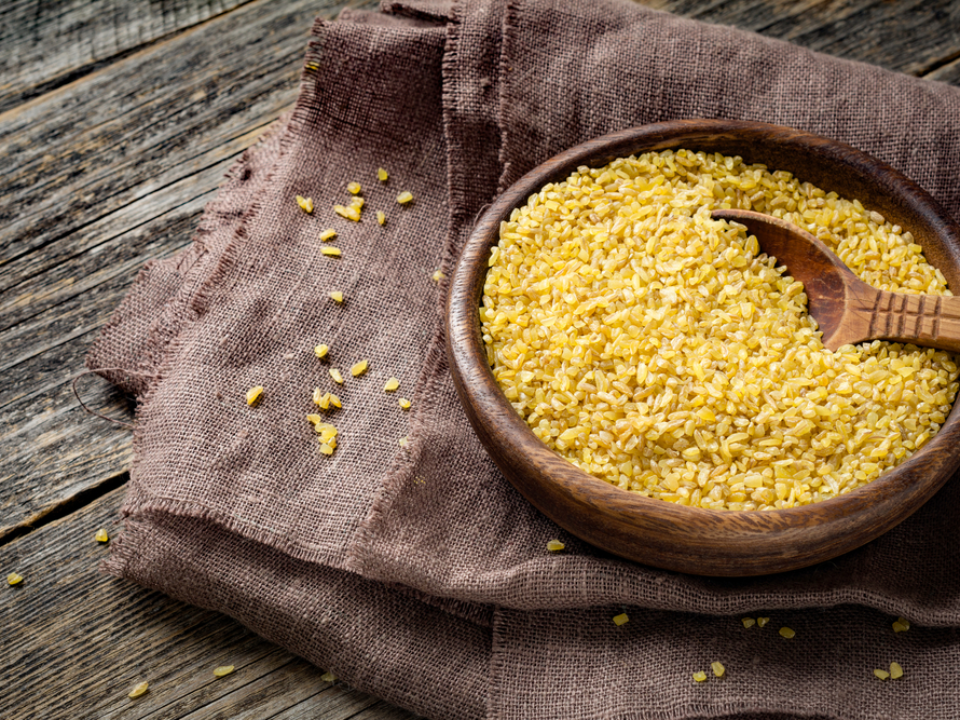
Bulgur is a whole grain made from cracked wheat, and it deserves more space in everyday meals. It cooks fairly fast and has a soft, chewy texture that makes it pleasant to eat. Bulgur is often used in tabbouleh, though it can do much more than that. It works well as a side dish, mixed into salads, or served under roasted vegetables and meat.
The mild taste makes it easy to season with herbs, garlic, onion, or a little olive oil. Because it is hearty without feeling too heavy, it fits nicely into lunch or dinner. For anyone wanting to branch out from rice, bulgur is an easy place to start.
Almonds
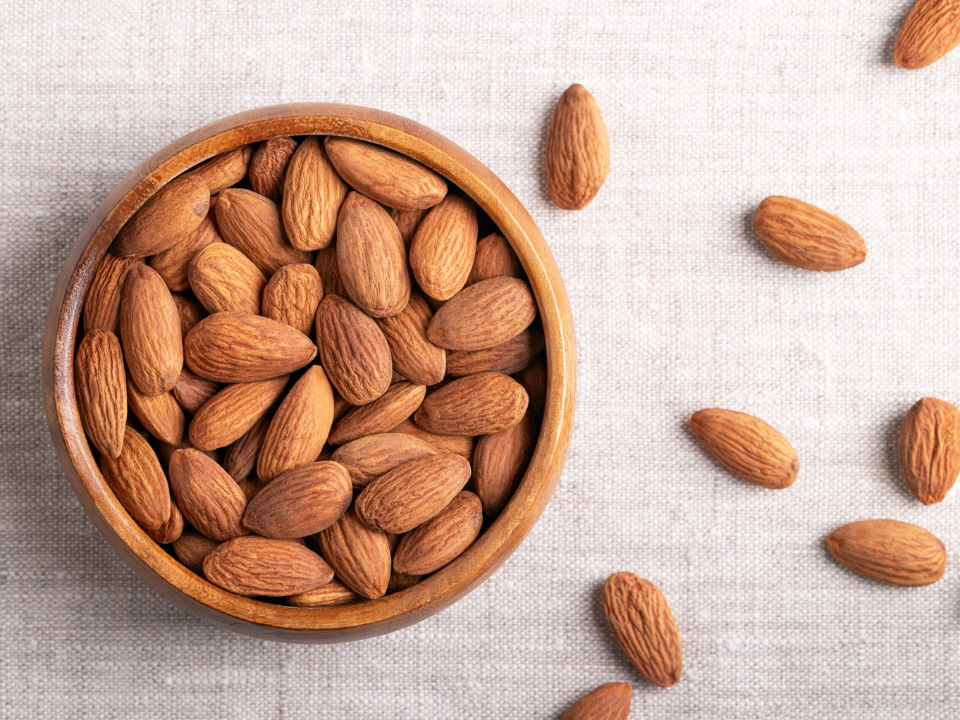
Almonds bring fiber along with a satisfying crunch, which makes them a handy snack to keep around. A small handful can take the edge off hunger and keep you going between meals. They work well on their own, though they are just as good mixed into oatmeal, yogurt, or salads. Sliced almonds can add texture to roasted vegetables or grain dishes without much fuss.
Almond butter is another option if you want the same general flavor in a softer form. Since nuts are filling, a little usually goes a long way. If you want a snack that feels easy and keeps well in the pantry, almonds are a good pick.
Pumpkin Seeds
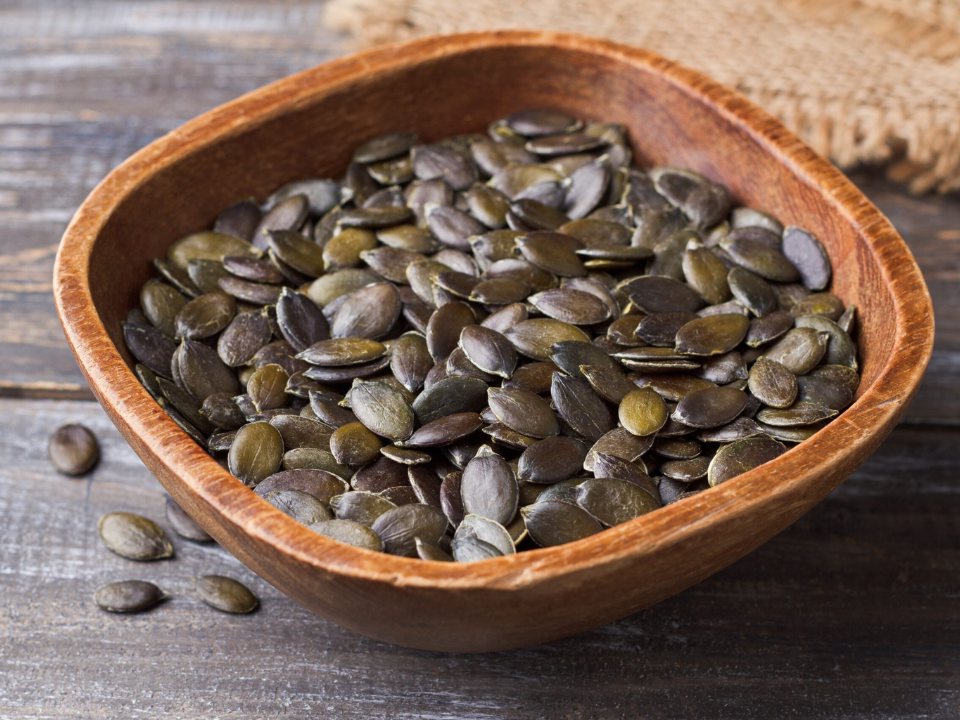
Pumpkin seeds are small, crunchy, and surprisingly useful when you are trying to eat more fiber. They make a nice topping for salads, soups, oatmeal, or yogurt, and they can be eaten by the handful as a snack. Their taste is mild and a little nutty, so they fit into sweet or savory meals without much trouble. Roasted pumpkin seeds are especially good when lightly salted.
They add texture to soft foods, which can make a basic meal feel more interesting. Because they are easy to sprinkle onto food, they are one of the easiest fiber foods to use often. Keeping a bag in the kitchen gives you a quick way to add something extra to meals without much prep.
Whole Wheat Pasta
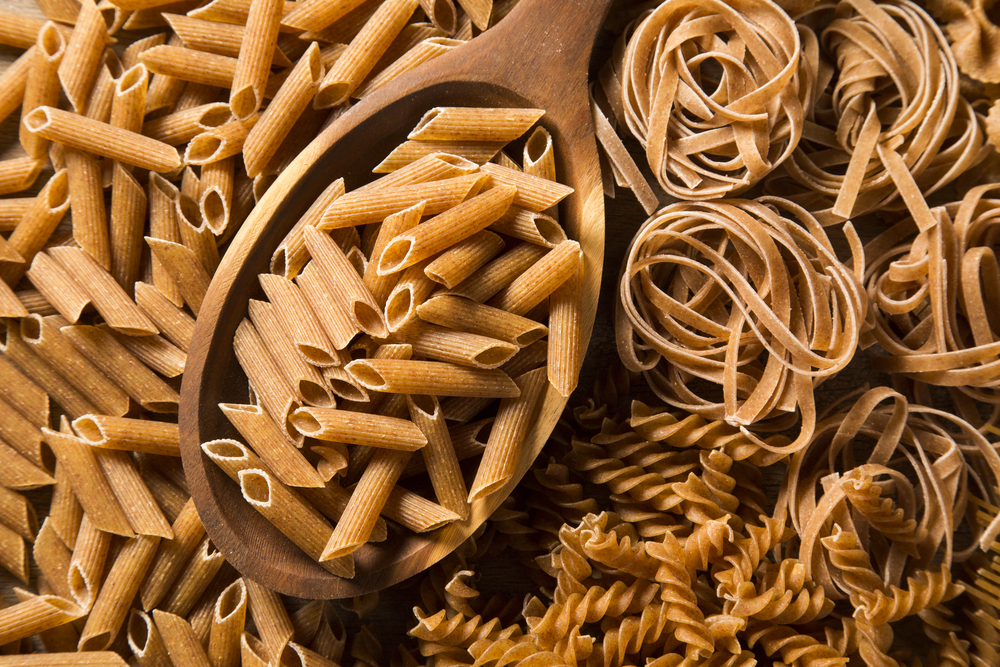
Whole wheat pasta is a practical swap when you want more fiber from a meal you may already eat often. It has a firmer texture than regular pasta, and that can make a dish feel more satisfying. The nutty flavor works especially well with tomato sauce, roasted vegetables, mushrooms, and olive oil-based sauces. It can be used in baked pasta dishes, pasta salads, or quick weeknight dinners.
Since pasta tends to be a comfort food for a lot of people, this switch can feel easy to stick with. Cooking it just until tender keeps the texture at its best. If you want a familiar dinner that gives you more staying power, whole wheat pasta is worth trying.
This article originally appeared on Avocadu.