
12 Evergreen Shrubs to Anchor Your Garden Through Spring
Evergreen shrubs give a spring garden lasting structure, rich color, and welcome texture while other plants are still waking up. They help flower beds, borders, and entryways look full and settled during a season when many trees and perennials are just starting to grow. From neat mounds to leafy statement plants, these shrubs bring shape and balance that hold the whole garden together. Adding the right evergreen shrubs can make your outdoor space look fresh, polished, and inviting all season.
This post may contain affiliate links, which helps keep this content free. Please read our disclosure for more info.
Boxwood
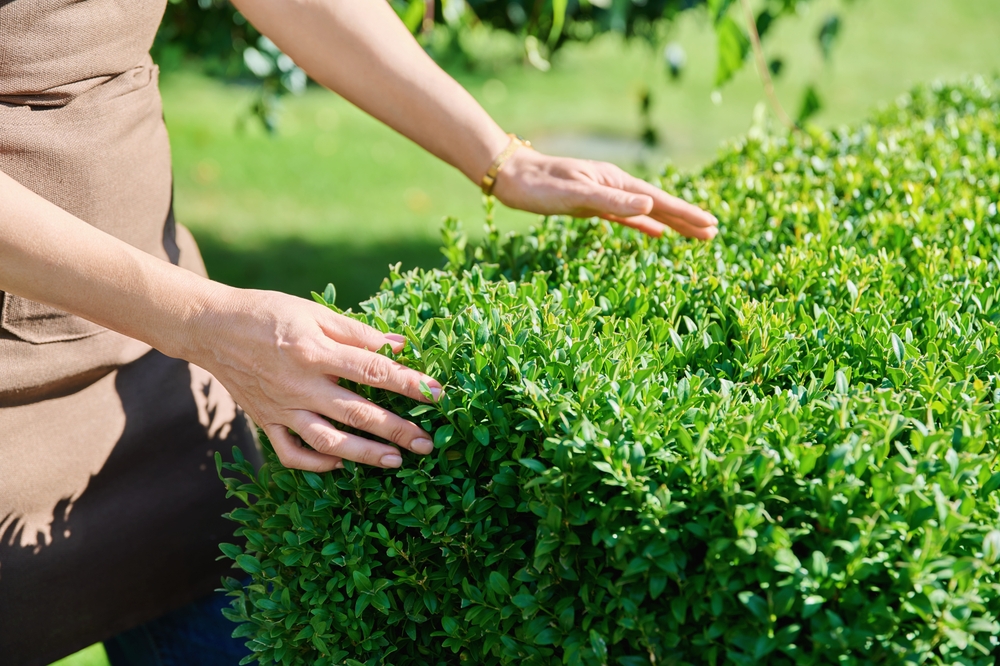
Boxwood earns its place in a spring garden because it gives the eye something calm and steady while many other plants are still leafing out. Its small, dense leaves hold a rich green tone that looks clean in cool spring light, and that steady look helps flower beds feel settled rather than bare. Even when perennials have only begun to push up from the soil, boxwood keeps beds, walks, and entry areas looking full and finished. It works especially well near foundations, front paths, and formal borders where a clear shape makes the whole garden feel more pulled together.
Another reason gardeners keep coming back to boxwood is its texture. The tight foliage contrasts nicely with soft tulips, loose daffodil leaves, and the airy growth of early spring perennials, so planting it nearby gives the scene more variety without looking messy. Rounded forms are especially useful because they soften corners and repeat nicely from one bed to another. Whether clipped into neat mounds or left a little looser, boxwood gives spring gardens a reliable green base that helps every nearby bloom stand out.
Japanese Holly
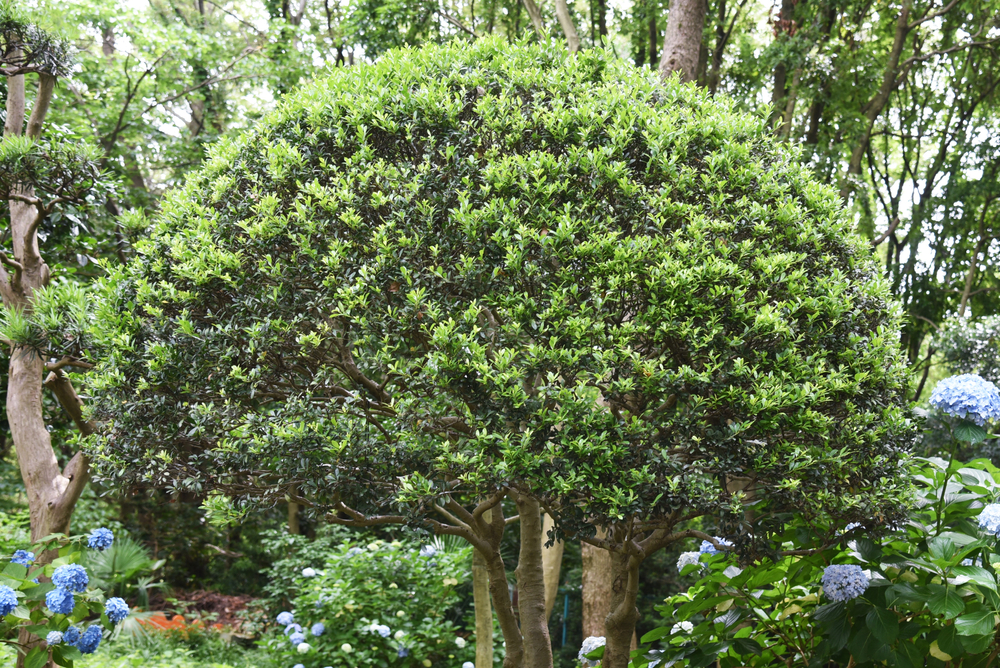
Japanese holly is a strong choice for gardeners who want the neat look of boxwood with a slightly different leaf and branching habit. Its small glossy leaves keep a tidy appearance through winter and into spring, which means the garden does not go through that awkward empty stage with quite as much force. When bulbs begin to flower, and deciduous shrubs are still thin, Japanese holly already has body and shape in place. That steady presence helps define paths, planting islands, and the edges of mixed borders.
It is especially useful in gardens that need year-round mounds or low hedging without a heavy or coarse look. The foliage has a fine texture that pairs beautifully with larger spring leaves such as hostas, peonies, or hydrangeas just starting to open. In spring, this contrast matters a great deal because fresh growth elsewhere can look scattered at first, while Japanese holly keeps a crisp outline. Used in repeated groupings, it ties separate parts of the garden together and gives the whole space a sense of order.
Inkberry Holly
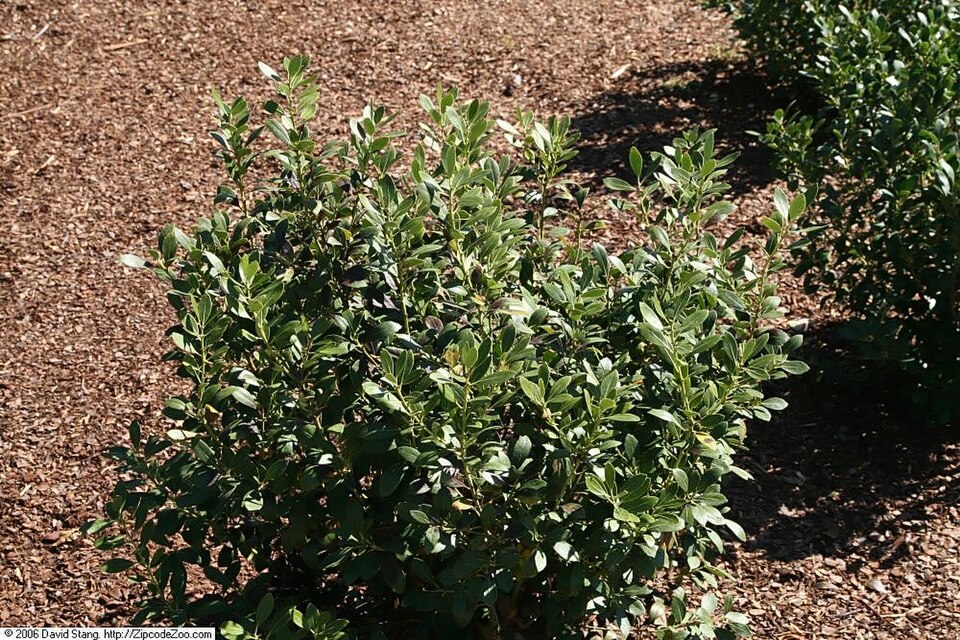
Inkberry holly brings a softer, more natural look than many clipped shrubs, which makes it perfect for spring gardens that lean informal. Its deep green leaves stay on the plant and keep borders from looking empty while flowering shrubs and perennials slowly wake up. Since early spring beds can look patchy for a few weeks, inkberry fills that gap with rounded fullness and steady color. It is especially helpful in wetter spots where other shrubs may struggle, so it can solve a design problem while still looking attractive.
The texture of inkberry is one of its best features. It is dense enough to anchor a bed, yet loose enough to blend into cottage gardens, woodland edges, or native plantings without looking stiff. In spring, when new leaves and flower stems are still small, the full body helps make the planting area look settled and alive. It works well near ferns, astilbes, and spring bulbs because its dark foliage provides a rich background that lets fresh greens and bright petals show more clearly.
Yew
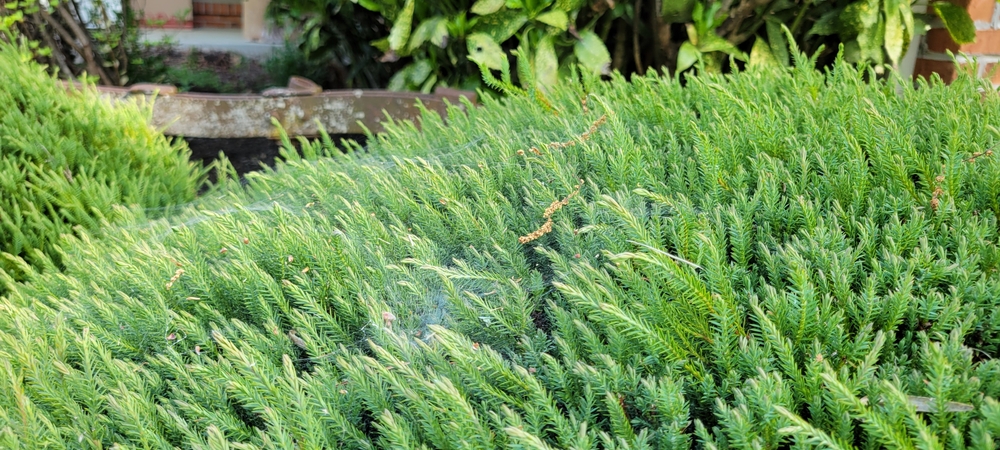
Yew is one of the best shrubs for giving a garden a strong backbone through spring. Its needles keep a deep, quiet green tone that grounds brighter seasonal color and helps beds feel established even before the rest of the planting fills in. When trees are still leafless, and many perennials are low to the ground, yew offers height, mass, and calm. That makes it especially useful along property lines, around foundations, or at the back of mixed borders where the garden needs substance.
Its real strength lies in form and dependability. Upright types can frame gates, steps, or corners, while spreading forms hold slopes and create low green cushions beneath flowering trees. In spring, this gives the whole garden a more finished look because there is already a strong visual base in place before the showier plants take over. Yew also pairs beautifully with soft pastel blooms, since the dark needles make pale pink, cream, and lavender flowers look richer and more noticeable.
Dwarf Alberta Spruce
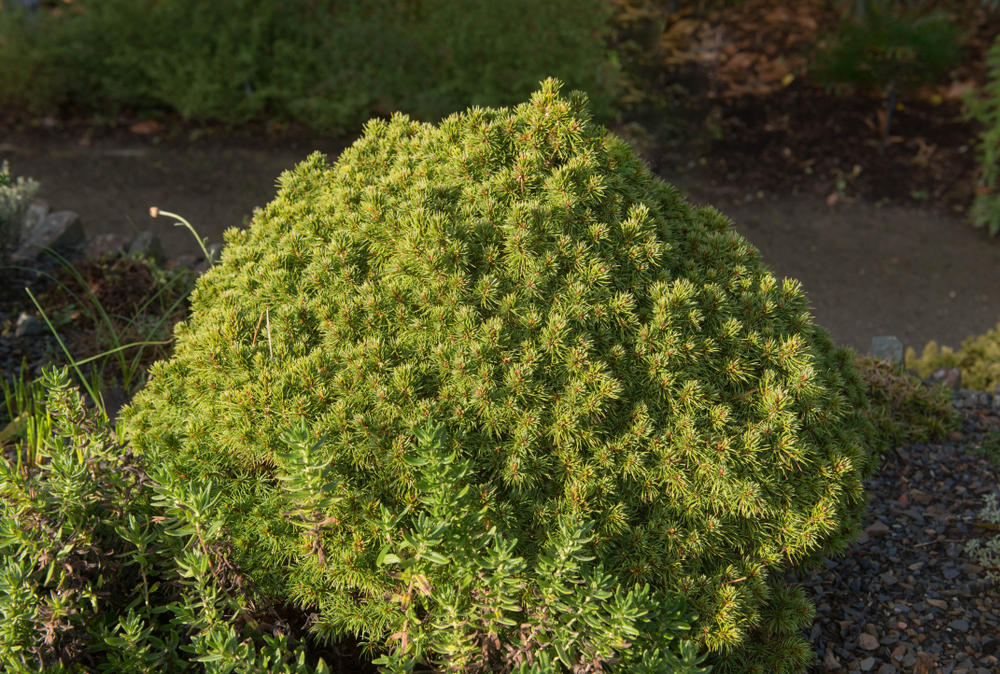
Dwarf Alberta spruce brings a very different look from broadleaf shrubs, and that is exactly why it is so useful in spring gardens. It’s fine needles and neat cone shape add a clear vertical note that helps break up rounded mounds and low, spreading plants. When the garden is full of early leaves and low flowers, this upright form gives the eye somewhere to rest. It works well at entryways, in formal beds, or as a repeating accent that gives a sense of rhythm.
Spring is when its clean outline really shines. Many plants in the garden are still uneven or just beginning to fill out, yet the dwarf Alberta spruce already looks complete and balanced. The soft green needles add texture without looking rough, and the steady color helps nearby tulips, pansies, and hyacinths look more vivid. Even in a small garden, one or two of these shrubs can give the planting a stronger shape and make the whole space feel more grounded.
Pieris Japonica
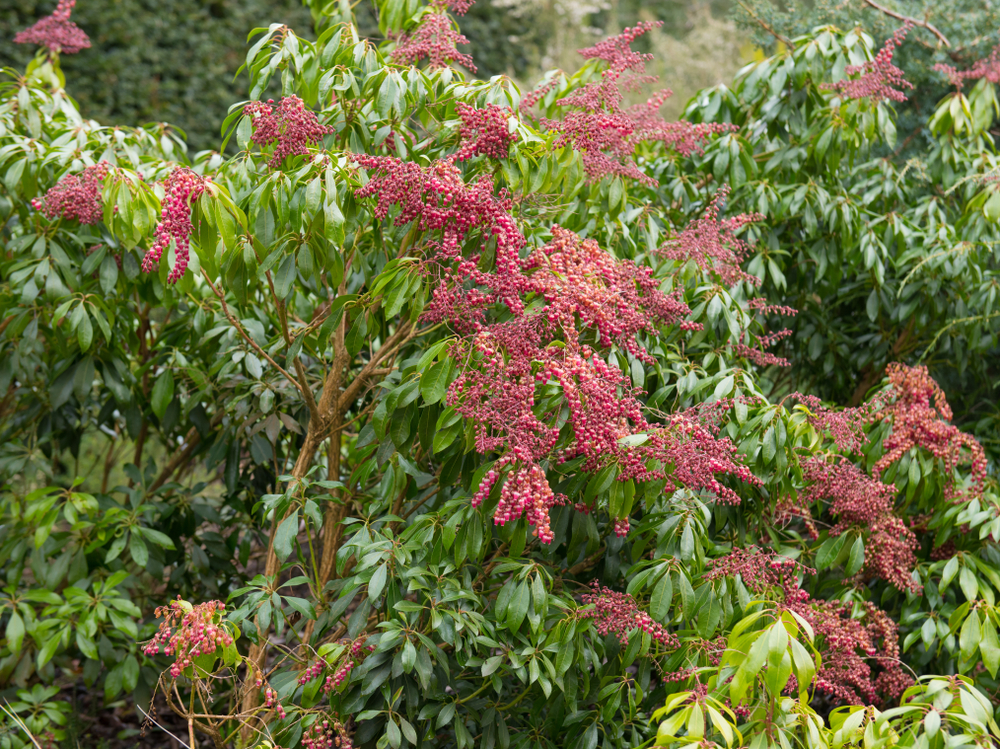
Pieris japonica is especially valuable in spring because it offers more than one kind of beauty at the same time. Its glossy leaves stay on the plant through winter, so the shrub already gives body and color when spring begins. Then, just as many other shrubs are still waking up, it produces drooping clusters of flowers that bring movement and brightness to the border. This makes it one of the most useful shrubs for giving a bed both stability and seasonal interest at once.
The foliage texture is another major reason to plant it. The leaves are smooth and polished, which contrasts beautifully with softer spring plants like hellebores, bleeding heart, and fern fronds. New leaf growth on some varieties opens in bronze or red tones, adding another layer of color when the garden needs it most. Tucked into a partly shaded bed, Pieris helps the space look full and lively in early to mid spring, even before many summer plants have begun to bloom.
Rhododendron
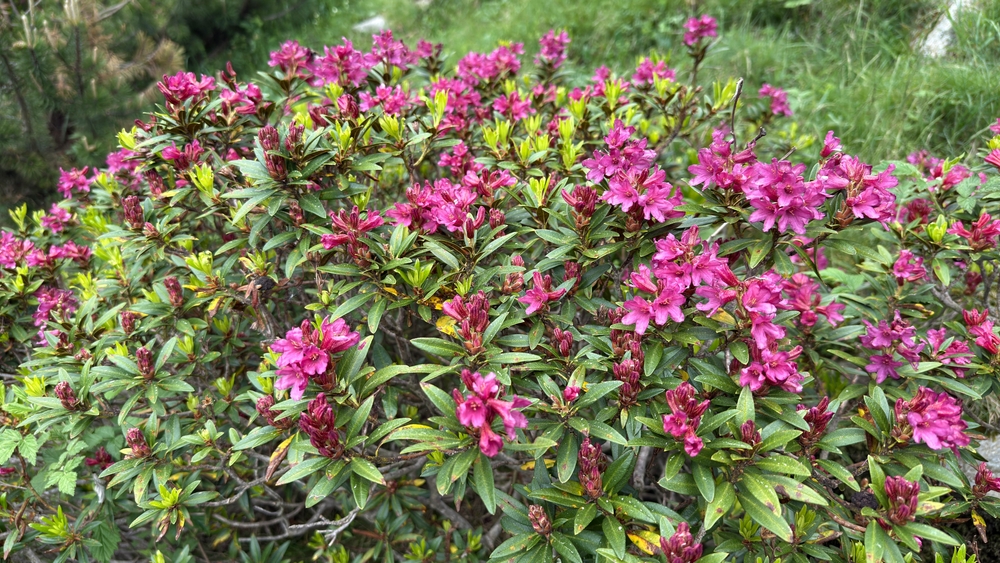
Rhododendron is a classic spring anchor because it combines a strong leafy presence with one of the season’s most loved flower displays. Long before it blooms, the broad, leathery leaves already give the garden weight and texture. That matters in spring, since many deciduous shrubs still look open and bare while the garden waits for fuller growth. Rhododendron fills that quiet gap by making borders and woodland beds look settled from the start.
When the flowers open, the shrub becomes even more useful because it turns from a background plant to a major focal point without losing its base of green structure. Large flower clusters in pink, purple, white, or red stand out against the dark leaves and help memorably mark spring. Even after the blooms fade, the foliage keeps doing the work of grounding the bed and tying other plants together. It is especially effective near azaleas, ferns, and shade perennials, where its broad leaves add richness and contrast.
Mountain Laurel
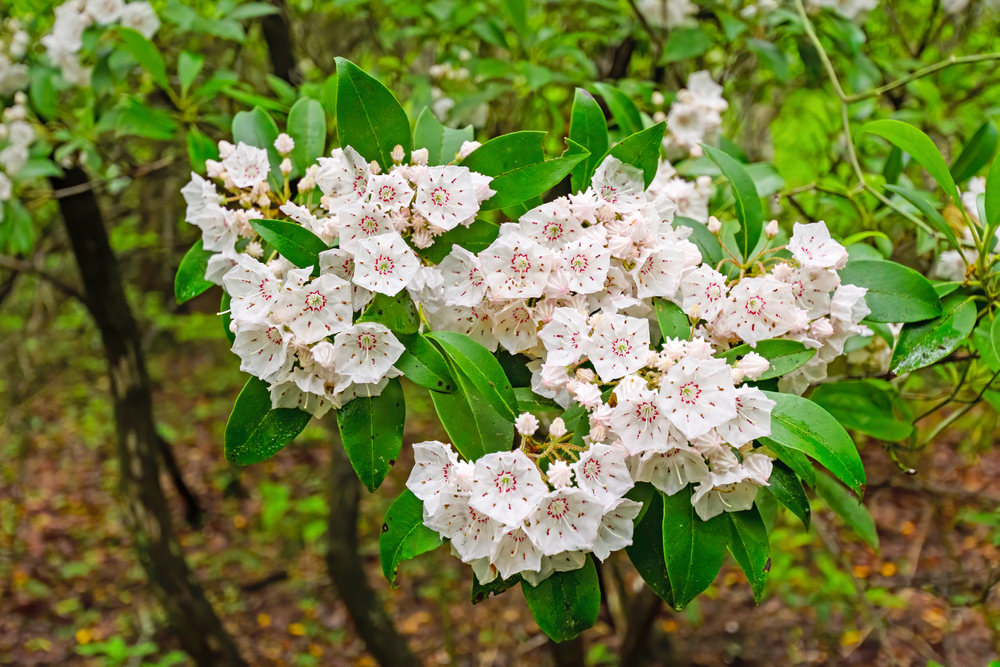
Mountain laurel gives gardens a refined, steady look in spring, especially in woodland or partly shaded settings. Its leathery leaves stay in place through the colder months, so the shrub already offers fullness and shape by the time spring arrives. This steady green mass is very helpful when surrounding plants are still small or late to emerge. It gives the bed a sense of maturity and balance that makes the entire planting feel more intentional.
Its late spring flower clusters add another reason to love it. The blooms have a delicate, almost sculpted look, and they appear against foliage that is already attractive on its own. That pairing of strong leaves and striking flowers lets mountain laurel carry a planting bed for several weeks when many other shrubs are still trying to catch up. Even when it is not blooming, the foliage texture remains useful because it contrasts so nicely with softer leaves and loose spring growth around it.
Azalea
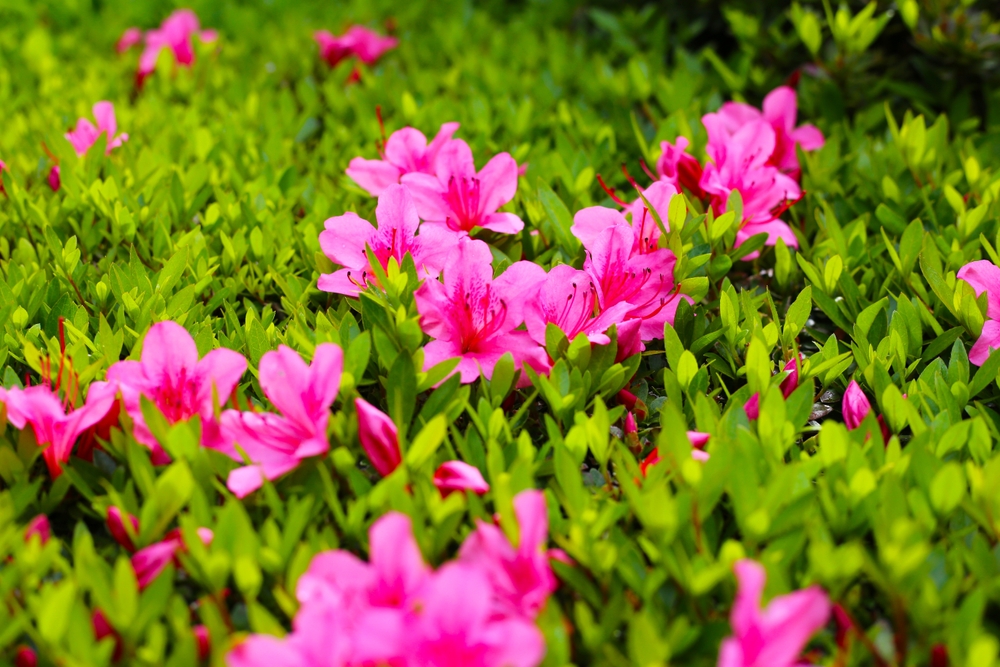
Evergreen azaleas are ideal for spring gardens because they bring a generous burst of color while still keeping leafy structure in place before and after flowering. Their foliage may look somewhat quiet through colder weather, yet it still provides a green framework that stops borders from feeling empty. Then, once bloom time begins, the shrubs light up with color in a way few others can match. This makes them especially useful near patios, front walks, and mixed borders where spring interest matters most.
They are also excellent for layering. In a bed with taller shrubs behind and bulbs or groundcovers below, azaleas fill the middle space beautifully and help everything feel connected. The small leaves and dense branching offer fine texture that works well beside larger perennials or the strappy leaves of bulbs. Once the flowers fade, the green mound remains, so the shrub keeps doing useful design work instead of disappearing into the background.
Euonymus
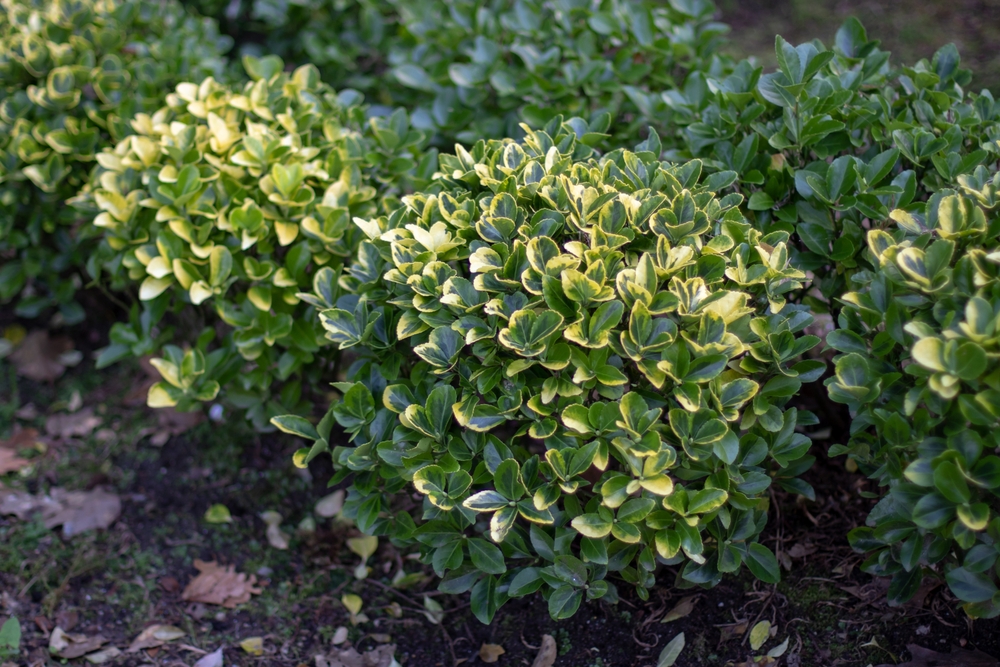
Euonymus is one of those shrubs that quietly hold a garden together in spring, especially in beds that need strong foliage contrast. Green varieties give a clean, steady base, while variegated forms bring light to corners that might otherwise look flat after winter. When many deciduous shrubs have just begun to leaf out, Euonymus already has a full shape that makes planting beds look alive. This helps paths, corners, and front foundation areas look cared for even before spring color reaches its peak.
Its value is tied closely to leaf pattern and texture. Variegated leaves can brighten shady or dull areas, while solid green forms add depth behind flowering bulbs and early perennials. In spring, that mix of shape and color is useful because it fills visual gaps left by sleeping plants and gives the eye a stronger planting line to follow. Whether used as a low hedge, a clipped mound, or a loose shrub in a border, euonymus gives spring gardens a welcome sense of fullness.
Juniper
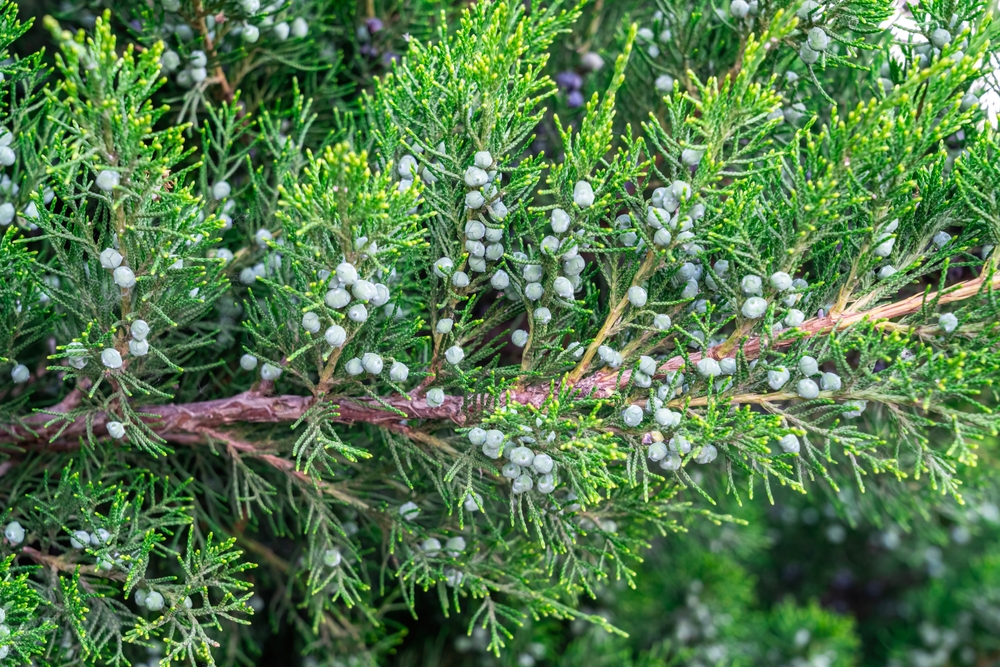
Juniper is a useful spring anchor because it comes in many shapes, from low spreading forms to upright columns, all with foliage that stays in place through the coldest months. That makes it easy to use in many parts of the garden, whether you need ground cover on a slope, a low edging plant, or a taller accent near steps or corners. In spring, when many plants are still waking slowly, juniper already provides strong lines and dependable green or blue-green color. It helps fill bare areas and gives the garden a stable frame.
Its needle texture also brings an important contrast. Soft spring leaves, flower petals, and bulb foliage look even more interesting when set against the fine, slightly prickly look of juniper. Blue-toned types are especially lovely in spring because they pair so well with pink tulips, yellow daffodils, and white flowering shrubs. Even when flowers steal the show, juniper keeps doing the quiet work of giving the garden depth, shape, and a sense of permanence.
Mahonia
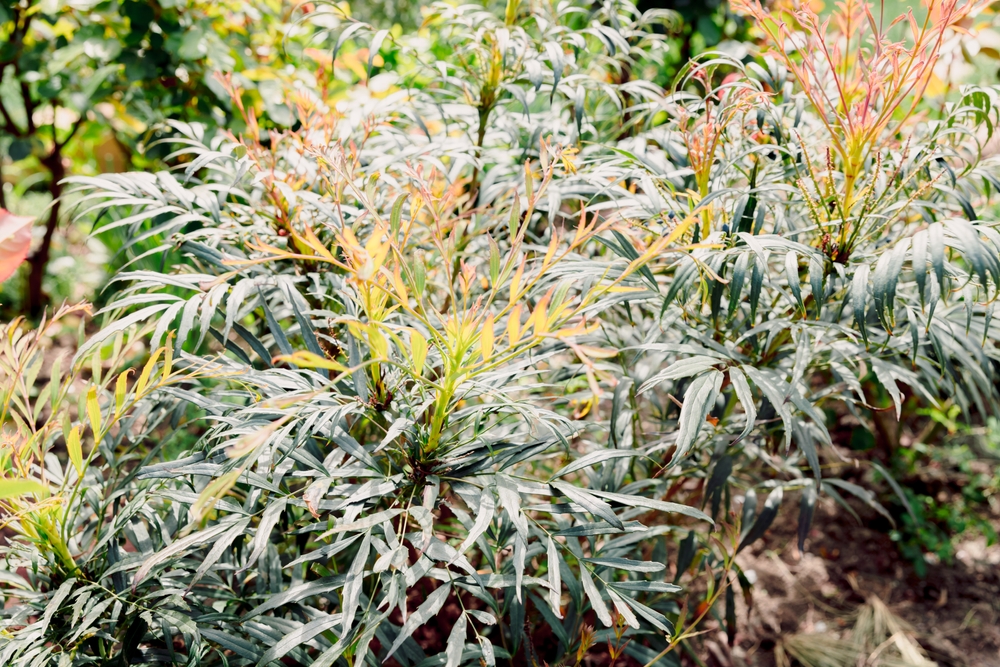
Mahonia stands out in spring because its spiny, architectural leaves bring a strong texture that few other shrubs can match. While many plants in the garden are soft and fresh at that time of year, mahonia gives a more dramatic leaf shape that keeps the bed from looking too uniform. Its foliage stays handsome through winter, so by spring it is already doing the job of filling space and holding a planting together. In shady borders, this can make a major difference because those areas often need strong forms to keep them interesting.
The shrub is especially useful when paired with plants that have softer outlines. Ferns, hellebores, and hostas all look richer next to mahonia because the leaf shapes contrast so clearly. Some types carry yellow flowers that add a welcome burst of brightness, which feels especially cheerful against the dark green leaves. Even when it is not in flower, mahonia gives a shady spring garden a stronger visual center and helps smaller nearby plants feel part of a larger, more settled picture.
This article originally appeared on Avocadu.