
13 Old Farmhouse and Americana Pieces Collectors Keep Buying
Old farmhouse and Americana pieces are vintage items that reflect country homes, small town life, and classic American traditions. Many of them were once used every day, which gives them a natural charm that newer decor often does not have. From practical kitchen pieces to painted furniture, they continue to draw interest year after year. Read on, and you may spot a few timeless finds that still stand out today.
This post may contain affiliate links, which helps keep this content free. Please read our disclosure for more info.
Red Wing stoneware crock
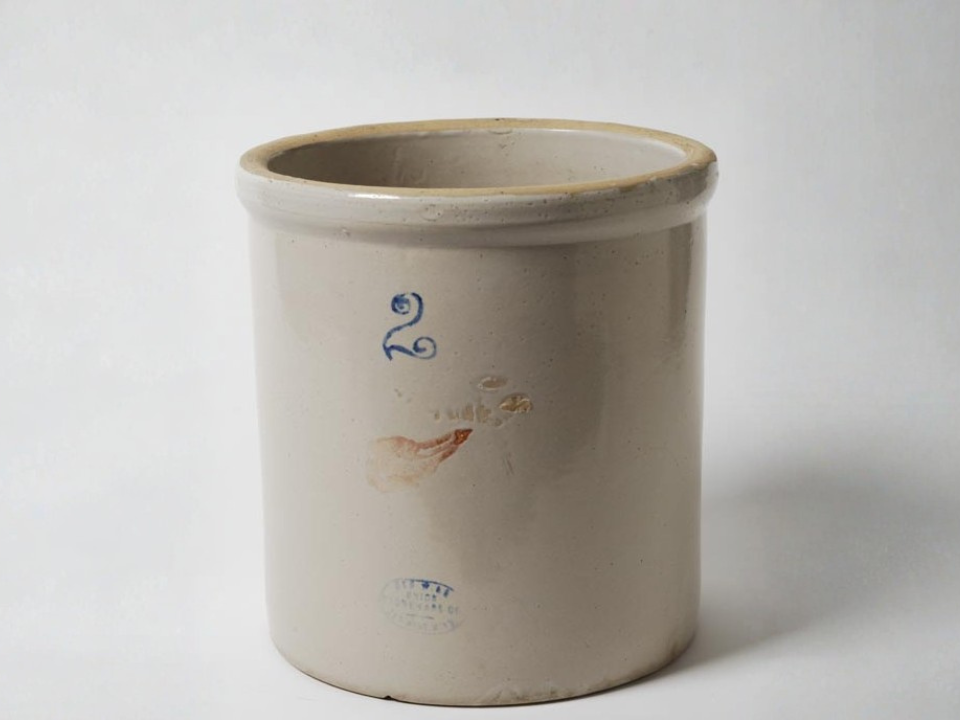
Red Wing stoneware crocks came into common use in the late 1800s, and collectors still buy them because they fit both country kitchens and Americana shelves. Most were made of salt-glazed stoneware with cobalt blue markings, and they were used for pickling, storing dry goods, and kitchen prep. A good example is a Red Wing 2-gallon crock with the wing mark, which often sells for about $40 to $375 depending on size, mark, and condition. Age, clean glaze, and strong blue decoration usually help the price.
What draws people in is the mix of use and shelf appeal these crocks still carry today. Smaller ones are easier to place in a kitchen, while larger ones tend to stand out as statement pieces. Chips, hairlines, and heavy staining can pull the value down quite a bit. A marked Red Wing crock with a clear logo usually gets more attention than an unmarked one.
Ball Mason jar
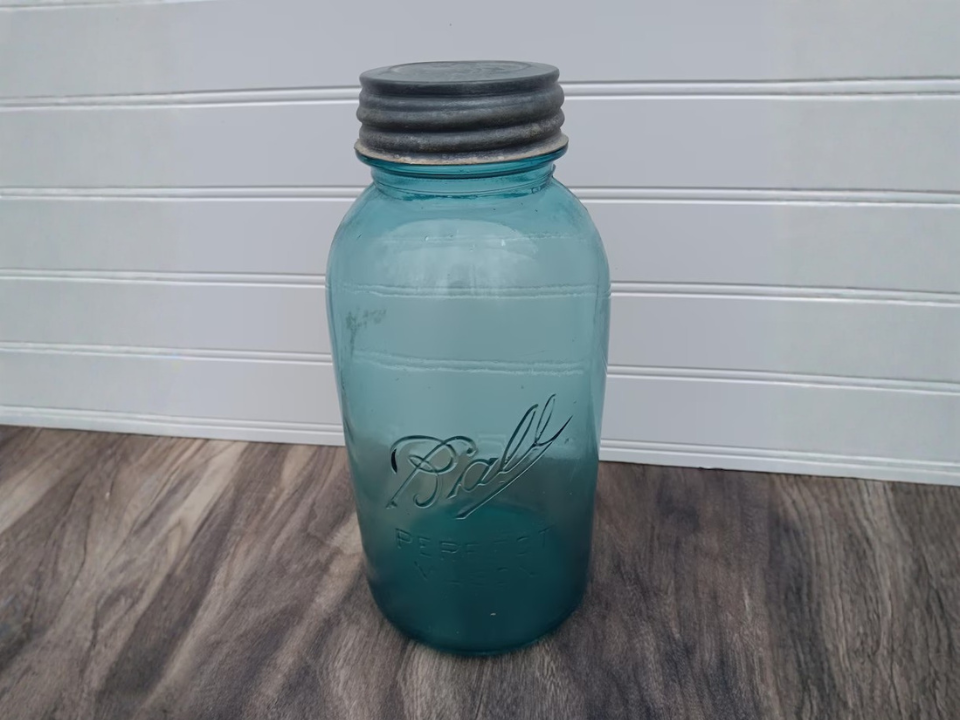
Ball Mason jars became a household staple in the late 1800s, and they still stay in demand with people who like farmhouse storage and old glass. Most were made of clear or aqua glass with zinc or glass lids, and they were used for home canning and pantry storage. A classic example is a Ball Perfect Mason blue quart jar from the 1910 to 1923 period, which often sells for about $10 to $75 depending on size and color. Strong embossing and an old lid can push the value higher.
Many buyers enjoy these jars because they feel useful, familiar, and easy to display in groups. Blue glass pieces usually pull more interest than plain, clear ones. Scratches and cloudy glass are common, though deep chips and cracked rims hurt value more. A shelf of matching Ball jars still gives a room that classic country look people keep wanting.
Dubl Handi washboard
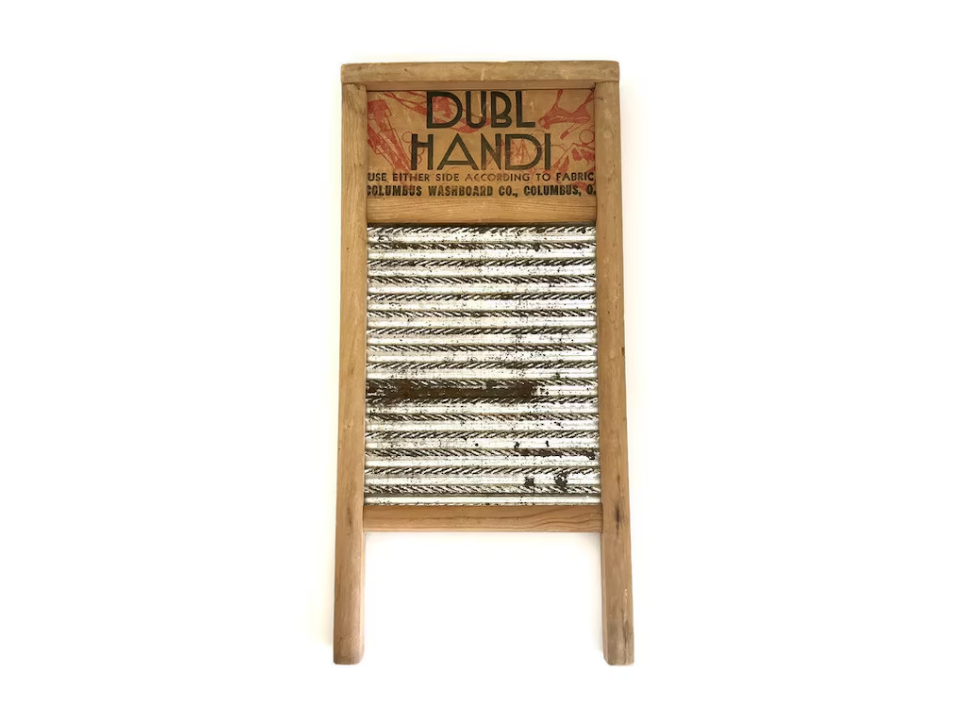
Small washboards like the Dubl Handi type became common in the early 1900s, and they are still picked up for both wall display and laundry room decor. They were usually made of wood with a ribbed metal rubbing surface, and they were used to scrub clothing by hand. A Columbus Washboard Company Dubl Handi piece often sells for about $15 to $45, while unusual cabinet forms can go higher. Size, stamp clarity, and less rust usually help the price.
One reason these boards keep selling is that they look good hanging on a wall and still read clearly as old farm tools. Smaller travel or pail size examples are very easy to work into a display. Bent metal, loose wood, or missing stamps can lower interest. A clean Dubl Handi board with its original look still feels very American and very homey.
Dietz Monarch lantern
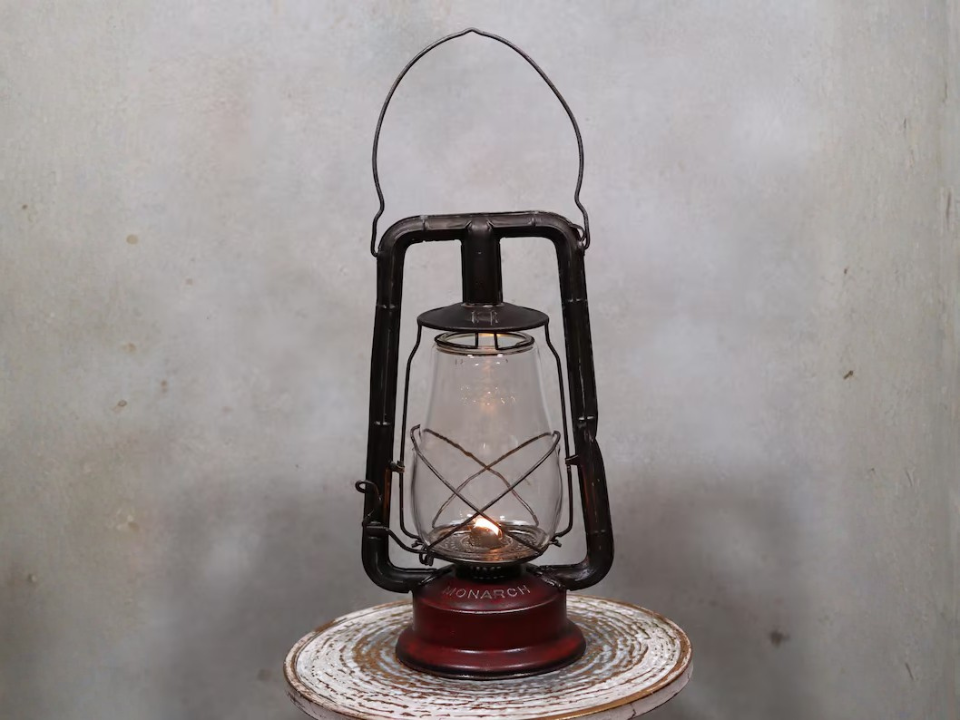
Hurricane lanterns were common by the late 1800s, and Dietz models remain a steady favorite with Americana buyers. They were made of tin-plated steel, wire, and glass, and they were used to light barns, porches, and outbuildings. A Dietz Monarch lantern often lands around $40 to $165 in the current market, with nicer painted examples reaching the top end. Original globe glass and working parts usually matter a lot.
Another thing people like is the fact that these lanterns still have a strong farm look without taking up much room. Red, blue, and less common finishes can pull more interest than plain metal ones. Dents, replaced globes, or frozen parts usually have a lower value. A Dietz lantern with its old glass and good color still feels like a solid pickup.
Hubley cast iron doorstop
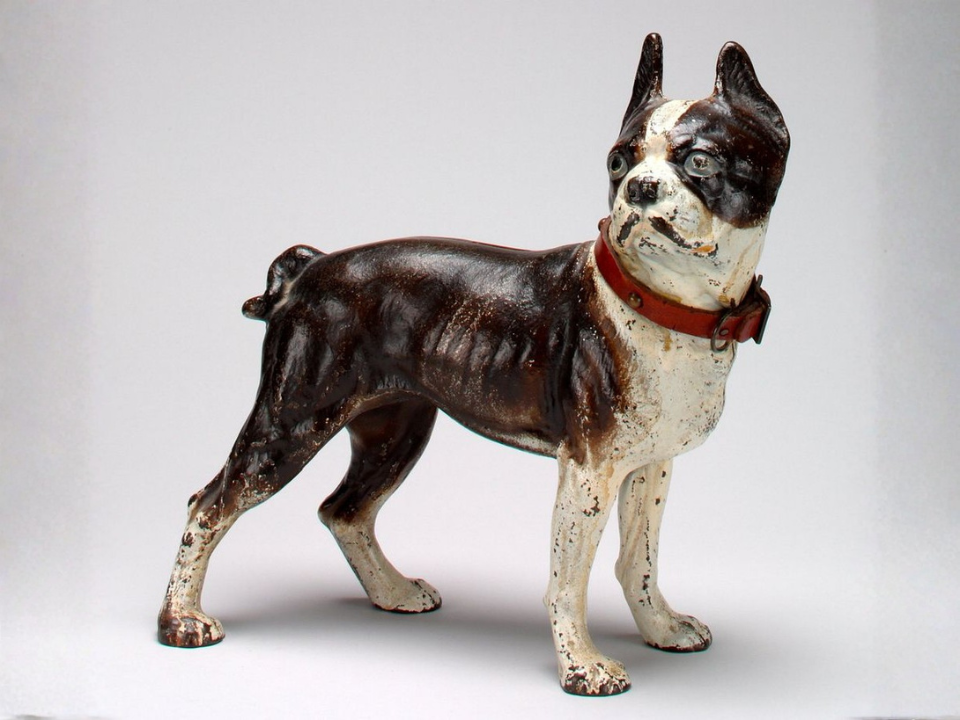
Cast iron doorstops became common in the late 1800s and early 1900s, and Hubley pieces stay high on many buyers’ lists. These were usually made of painted cast iron and used to hold doors open while also adding a little personality to a room. A good example is a Hubley geese or figural animal doorstop, with pieces ranging from about $24 to $189 and far higher for scarcer models. Strong original paint often helps the price more than people expect.
Collectors keep going back to these because they work as both useful hardware and small art objects. Animal forms and patriotic shapes tend to stand out fastest on a shelf. Repainted surfaces can hurt value, even when the piece still looks nice. A heavy old Hubley stop with honest wear usually has much more appeal than a fresh repaint.
Red Wing butter churn
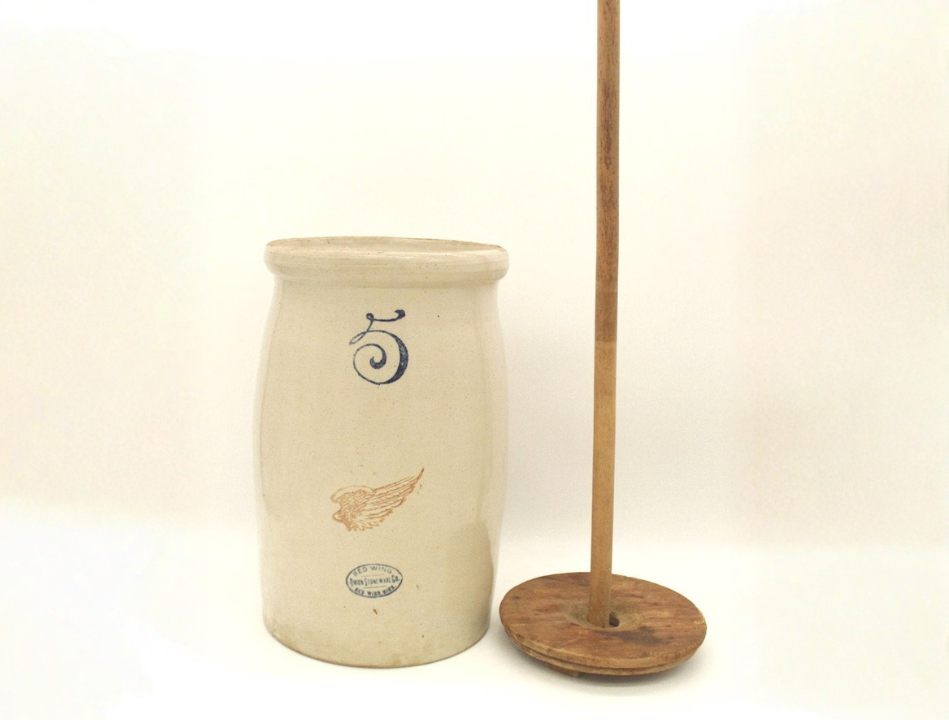
By the late 1800s, stoneware butter churns had become a familiar farmhouse item, and they remain a favorite with buyers who like old kitchen pieces. These churns were usually made of stoneware with a wooden dasher or lid, and they were used to turn cream into butter at home. One popular example is a Red Wing or Marshall Pottery churn, with many pieces now selling around $70 to $455. Complete parts and clean glaze can make a big difference in value.
Plenty of shoppers like butter churns because they look strong and useful even when they are no longer in service. Medium size churns are often easier to place in a room than the very large ones. Missing lids, cracks, or worn markings usually lower the selling price. A churn that still has its old look without major damage is often the one people grab first.
Enterprise wall coffee grinder
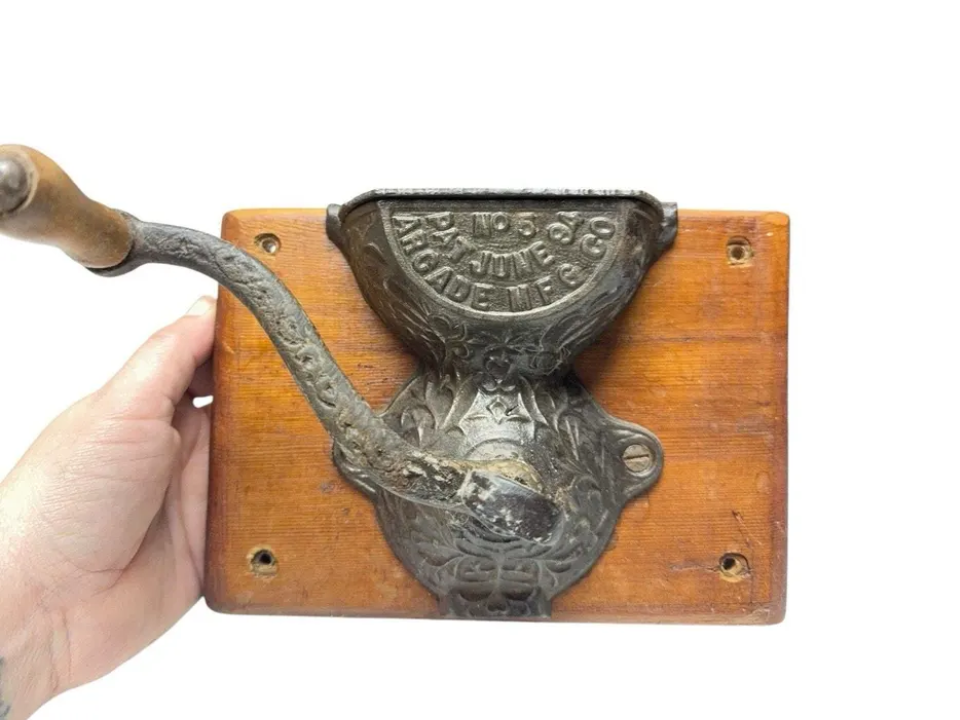
Wall-mounted coffee grinders took off in the late 1800s, and Enterprise examples are still strong sellers with kitchen antique fans. They were made of cast iron, wood, and glass, and they were used to grind coffee beans by hand at home or in a shop. An Enterprise No. 100 wall grinder often sells around $150 to $200, with better glass and cleaner metal helping the number. Original drawer parts and readable marks add to the appeal.
Buyers like these mills because they look useful even when they are hung as pure decor. The mix of wood, metal, and glass gives them a strong old store look. Broken jars, replaced handles, or rough repainting can hold the price down. A grinder that still turns smoothly often gets more interest than one sold only for display.
Hoosier cabinet
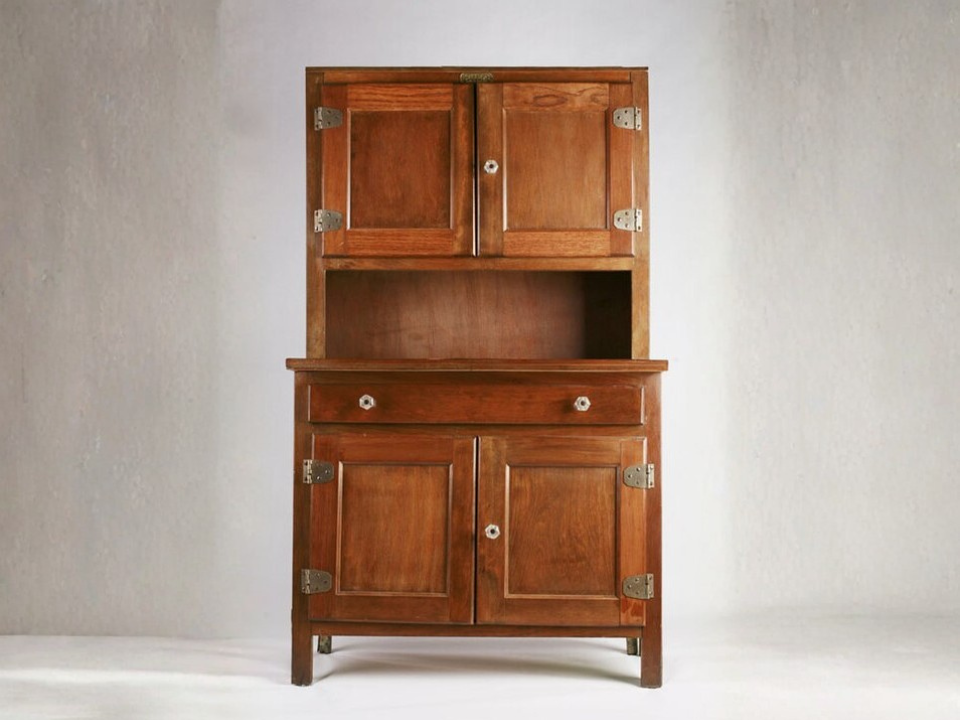
Hoosier cabinets rose in popularity in the early 1900s, and they remain one of the best-known farmhouse furniture pieces around. They were made of wood, glass, metal hardware, and often a porcelain work surface, and they were used as all-in-one kitchen storage and prep stations. A Hoosier Manufacturing example or a similar period cabinet can sell from about $187 on the low end to several thousand dollars for strong antique examples. Original flour bins, sifter parts, and labels can push values much higher.
What keeps people buying them is the way they bring storage, history, and presence into one piece. Smaller cabinets are easier to place, while full-size originals bring stronger collector interest. Refinished wood and missing hardware can reduce value. A cabinet with old glass, built-in bins, and more original parts is usually the one buyers remember.
Griswold cast-iron skillet
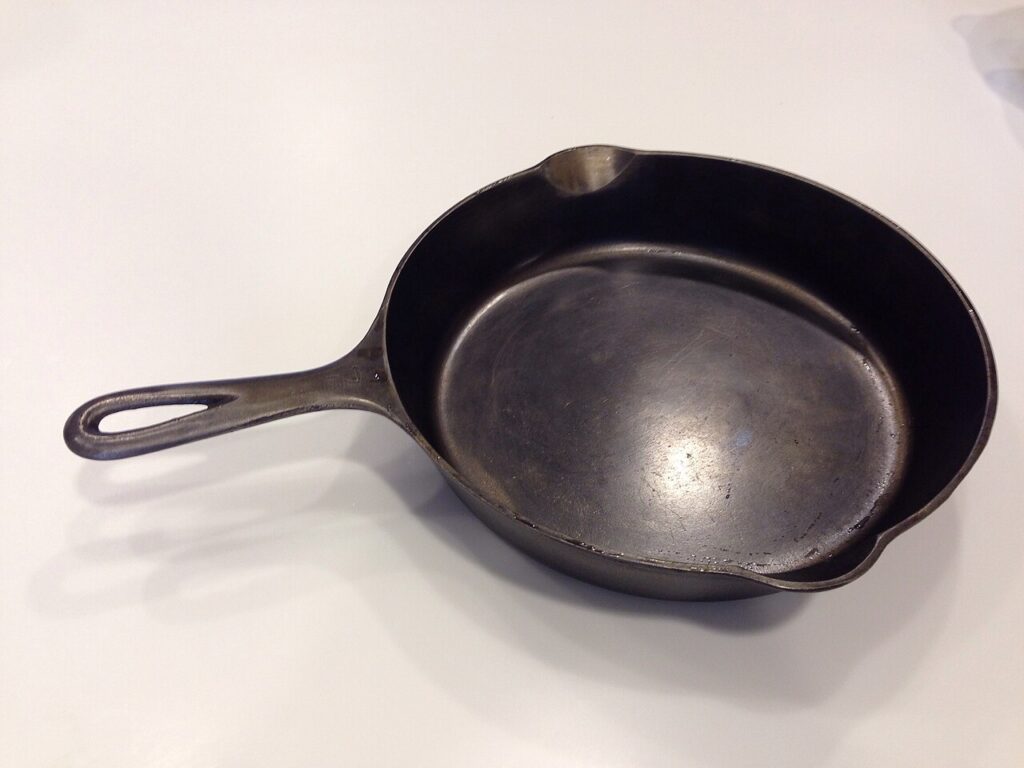
Griswold skillets came into use in the late 1800s, and they still have a very loyal following among cookware buyers. They were made of cast iron and used for frying, baking, and general stove work in farmhouse kitchens. A small Griswold skillet often sells around $50 to $125, while scarcer sizes and early marks can go much higher. Smooth cooking surfaces and readable logos usually matter a lot.
Cast iron fans keep buying Griswold because the pans cook well and also look right at home in old kitchen displays. The early ERIE marked pieces tend to draw special attention. Heavy rust, wobble, or pitting can bring prices down fast. A skillet that sits flat and still shows its mark well is usually the better buy.
Griswold trivet
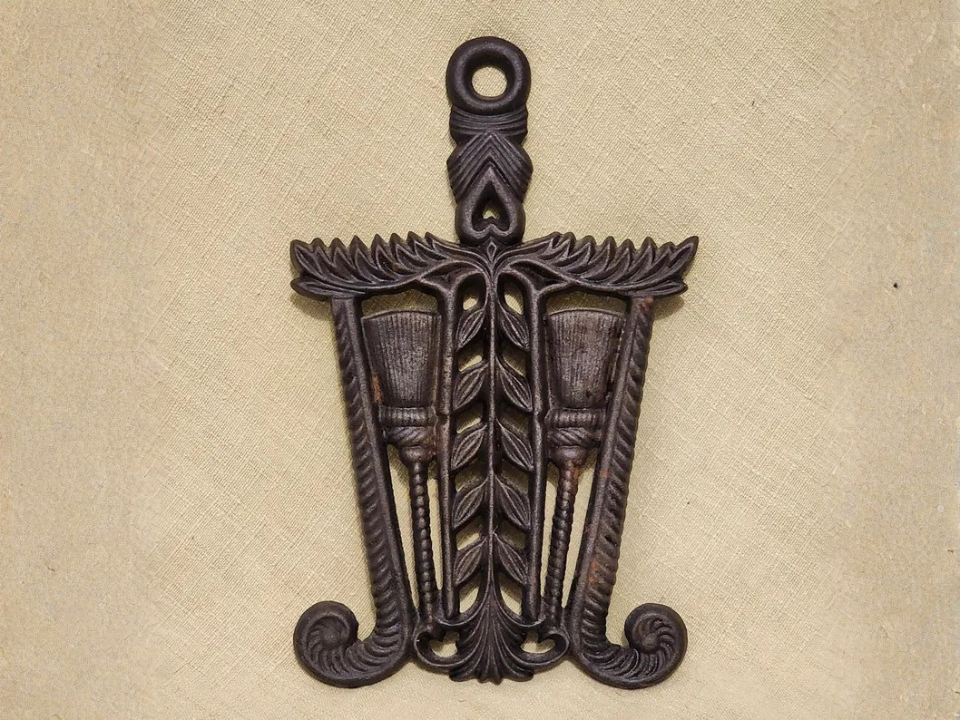
Cast-iron trivets became common in the late 1800s, and Griswold examples still appeal to people who like small kitchen antiques. They were made of cast iron and used to protect tabletops and counters from hot pots and kettles. A Griswold eagle or decorative trivet often sells for about $15 to $38, with scarcer patterns doing better. Pattern detail and less rust often help the value.
Small scale is part of the reason these pieces keep moving in shops and online sales. They are easy to group with cast-iron cookware, and they fit well into wall displays, too. Cracks or heavy loss of detail can make buyers pass. A trivet with a crisp pattern still brings that old kitchen feel without taking up much room.
Pet Milk Co milk can
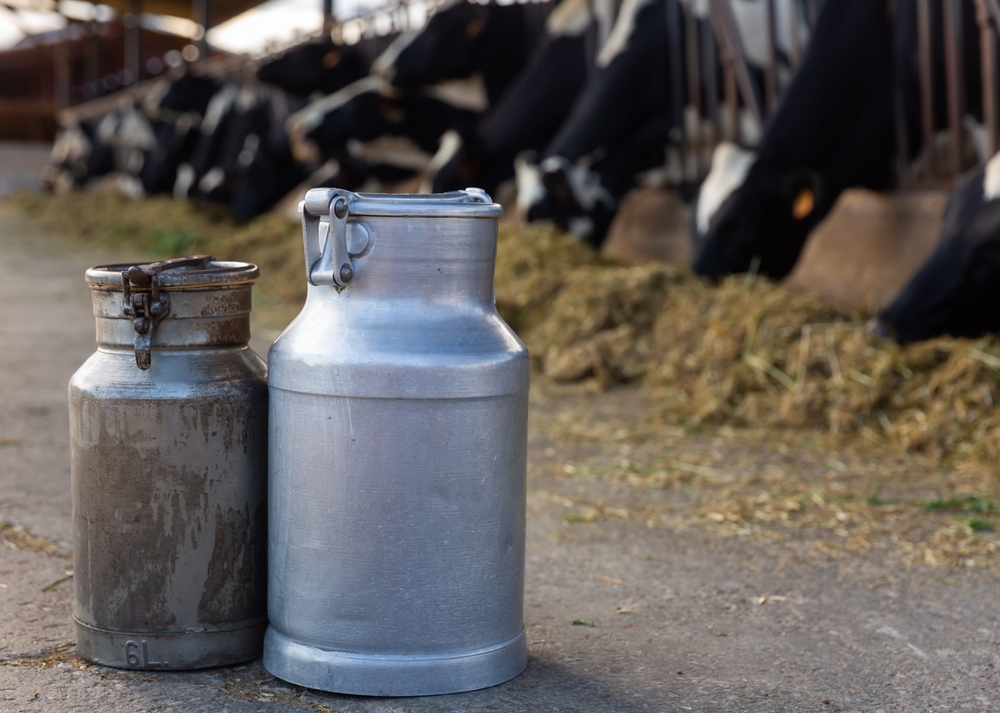
Milk cans became a familiar farm item by the late 1800s, and branded examples stay strong in the farmhouse market. They were usually made of steel or tin-plated metal and used to hold and move milk or cream. A Pet Milk Co cream can is one example collectors buy, and many sell around $40 to $211, depending on size, lid, and lettering. Better paint and less rust often mean a stronger price.
Farm buyers like these cans because they signal dairy history right away and work well as floor pieces. Some people use them for umbrellas or dried stems, which keeps interest steady. Dents, missing tops, and rough corrosion usually pull values down. A can with readable dairy or Pet Milk markings tends to stand out more than a plain one.
Munising dough bowl
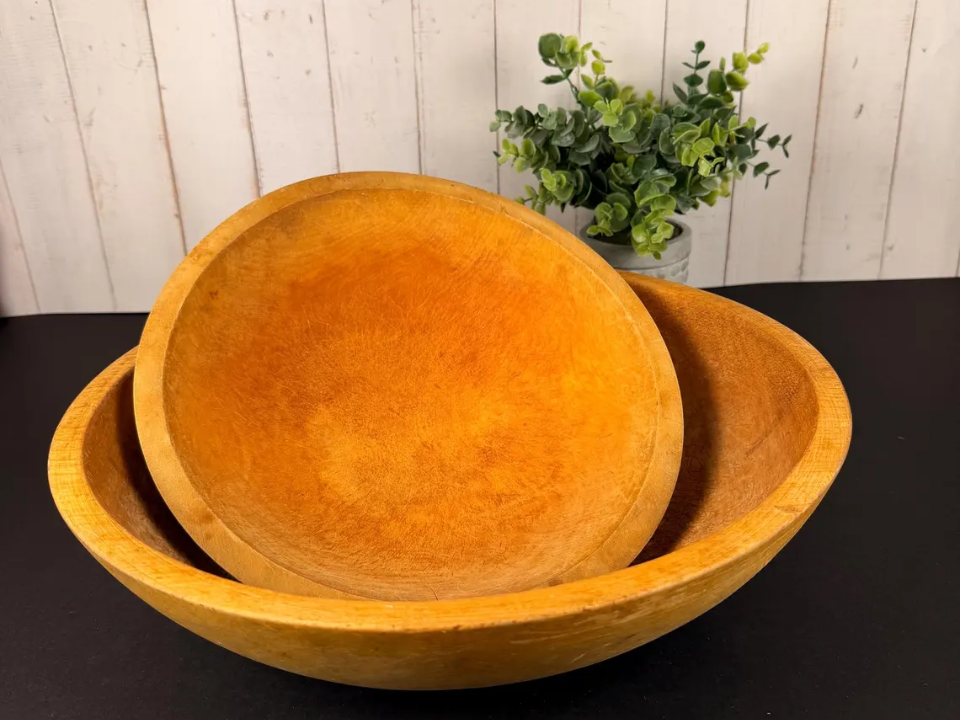
Hand-turned wooden bowls were in use long before the 1900s, and Munising examples remain a favorite with people who like old kitchen wood. They were made of turned hardwood and used for dough, fruit, mixing, and table service. A signed Munising bowl often sells around $50 to $96, with larger bowls and better surface color bringing more. Good old finish and less cracking usually help the number.
The appeal here comes from worn wood, soft shape, and the fact that no two old bowls age in quite the same way. Buyers often like deeper bowls because they work well as centerpieces. Chips, splits, or fresh sanding can hurt collector appeal. A bowl with old patina and a visible Munising mark usually gets more attention.
Clark’s spool cabinet
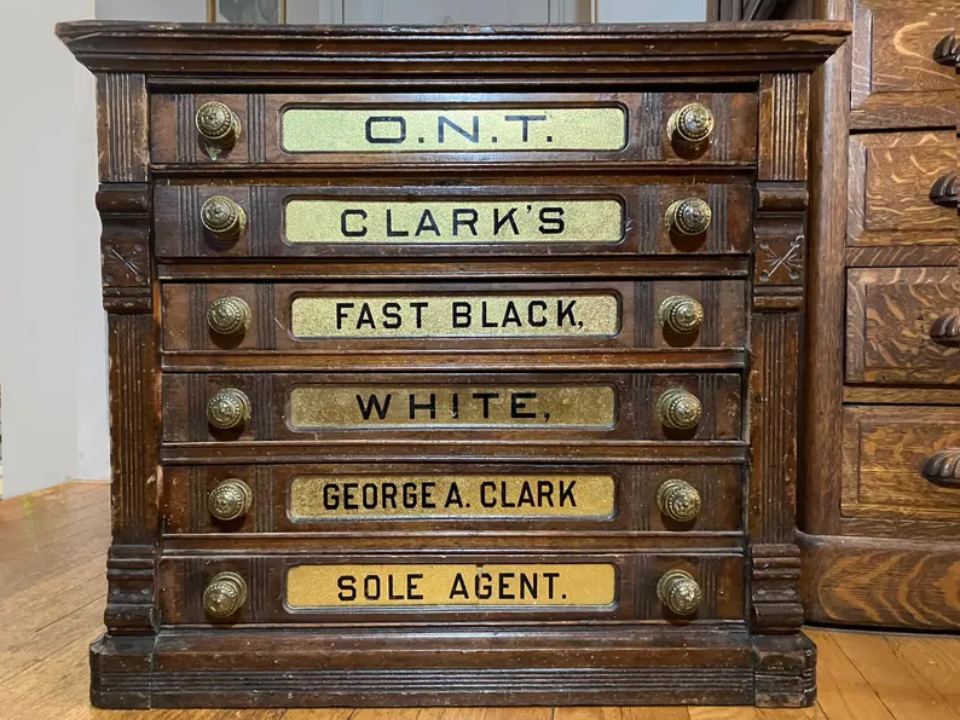
Store spool cabinets became common in the late 1800s, and Clark’s examples are still bought by serious Americana and sewing room buyers. They were made of wood with drawers, printed labels, and sometimes glass fronts, and they were used to hold thread for shop sales. A Clark’s spool cabinet can sell from about $384 to well above $2,000 depending on size, drawer count, and originality. Strong lettering and original drawer pulls usually help the most.
Sewing-related furniture keeps a strong place in the market because it mixes store history with useful storage. Smaller cabinets are easier to fit into a home, while tall or multi-drawer versions pull stronger collector interest. Repainted wood and missing interior dividers can lower the value. A cabinet with an old finish and clear Clark’s branding is usually one of the most wanted pieces in the room.
This article originally appeared on Avocadu.