
12 Antique Sewing Items and Notions That Became Collectibles
Sewing items from a bygone era have become valuable collectibles, cherished for their beauty and practicality. Many of these items were designed to be both functional and decorative, giving them an enduring charm. Collectors are drawn to their history and the craftsmanship involved in their creation. Whether you’re a sewing enthusiast or a collector, these items carry a unique story worth discovering.
This post may contain affiliate links, which helps keep this content free. Please read our disclosure for more info.
Singer Featherweight 221 Sewing Machine
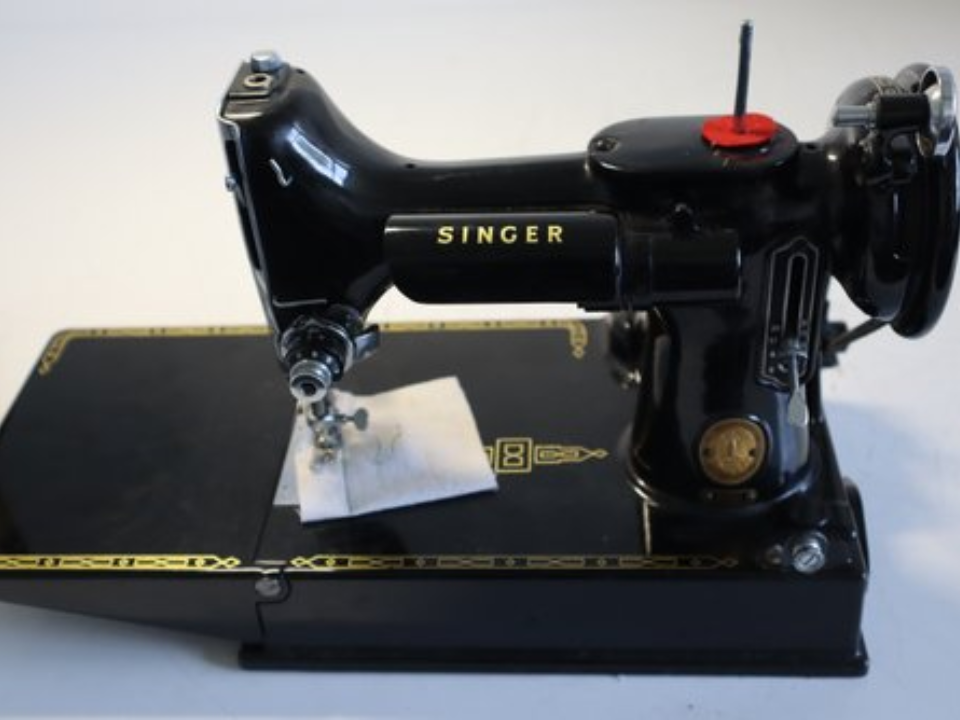
Singer introduced the Featherweight 221 in 1933, and it became collectible because it paired portability with lasting performance. It was usually made of cast iron with a black enamel finish, gold decals, and nickel-plated parts. Home sewers used it for garment sewing, mending, and piecing quilts on a machine that was much easier to carry than larger cabinet models. A well-kept Singer Featherweight 221 with its case and attachments can sell for about $200 to $750, with complete early sets often worth more.
What keeps interest high is the way this machine still works well while looking beautiful on display. Many buyers look for original cases, foot pedals, manuals, and matching attachments when judging value. Scratched decals, poor wiring, or missing parts can reduce the price significantly. Its strong name recognition and dependable build have kept it near the top of vintage sewing machine collecting.
Sterling Silver Thimbles
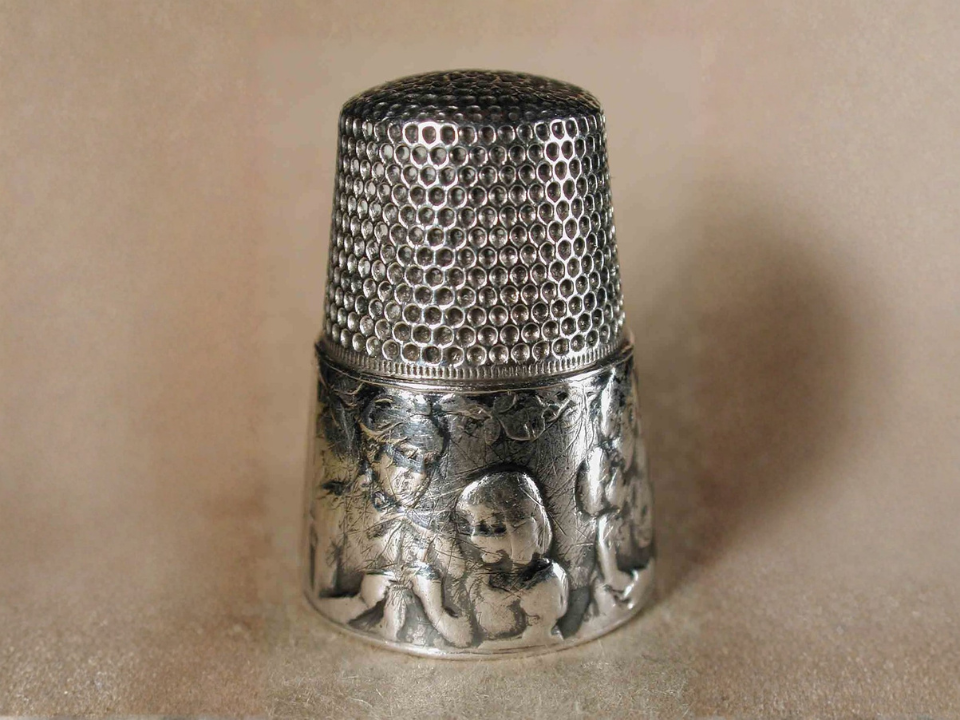
By the 1800s, sterling silver thimbles were already common sewing tools, and many later became prized collectibles. They were usually made of sterling silver, though some examples were brass, gold-filled metal, or mixed alloys. A thimble was used to push a needle through fabric while protecting the finger during hand sewing. Examples from Simons Brothers or Ketcham and McDougall often sell for around $20 to $150, while rare hallmarked pieces can go higher.
Collectors like these because even a tiny thimble can show fine detail and careful metalwork. Some were engraved with initials, floral bands, or decorative tops that make them more sought-after today. Dents, thin spots, or heavy wear can hold prices down. A clearly marked silver thimble in good shape remains one of the most popular small sewing antiques.
Wooden Thread Spools
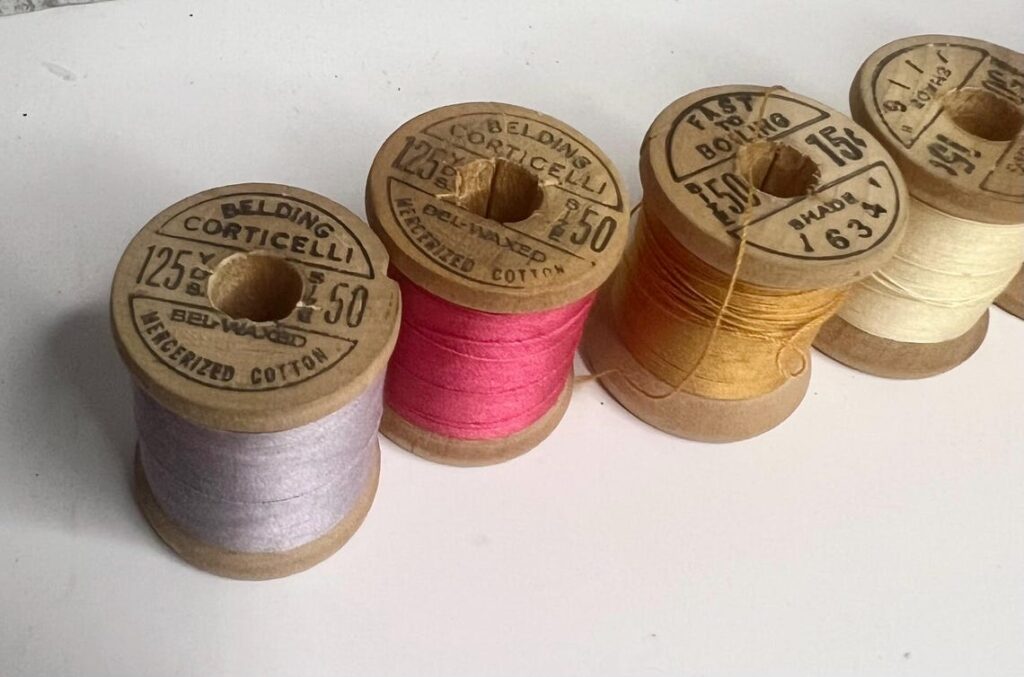
Wooden thread spools became common in sewing baskets and workrooms, and they are now collected for their age and charm. They were usually made of turned wood with paper labels and wrapped with cotton or silk thread. Their main use was to hold sewing thread for both handwork and machine stitching. Branded examples from Coats and Clark or Belding Corticelli often sell for about $5 to $30 each, with scarcer labeled pieces bringing more.
One reason these spools remain popular is the graphic appeal of their old labels and thread colors. Many were thrown out after use, so older examples with intact paper wraps are harder to find now. Collectors often group them by brand, label style, or thread shade. Even a small set can make an attractive display because it shows everyday sewing history in a simple form.
Victorian Pin Cushions
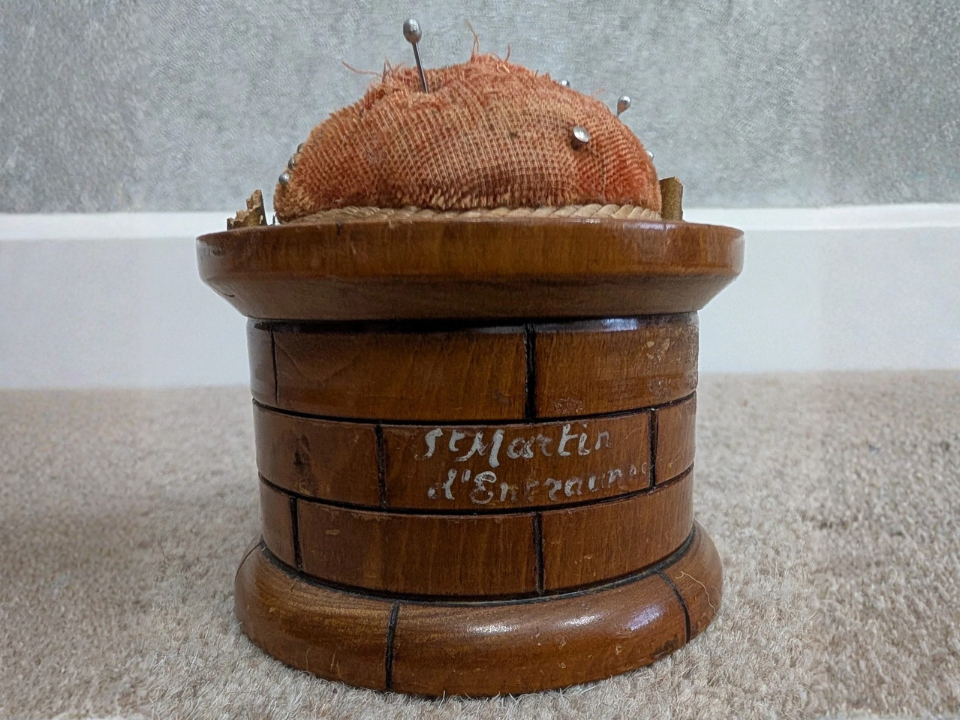
Pin cushions were essential sewing notions, and Victorian examples are now valued for both beauty and use. They were often made of velvet, silk, cotton, wool, lace, and sometimes mounted on glass, wood, or porcelain bases. Their purpose was to hold pins safely in one place while sewing, mending, or dressmaking. Antique Victorian pin cushions can sell for about $25 to $125, with figural or highly decorative examples bringing more.
Another part of their appeal comes from the wide range of shapes and finishes they were made in. Some were plain and practical, while others were shaped like shoes, chairs, animals, or little dolls. Wear to the fabric, fading, or missing trim usually affects value. A pin cushion with strong color and an unusual form is often much more desirable than a basic round one.
Wiss Sewing Scissors
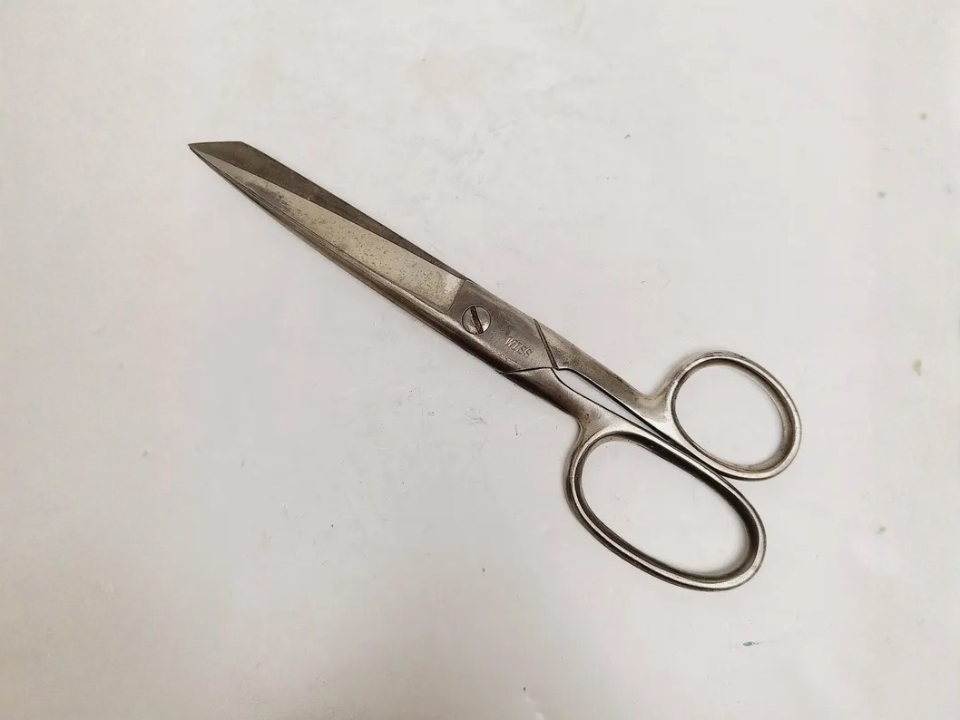
Quality sewing scissors became important household and dressmaking tools, and vintage Wiss examples are now widely collected. They were usually made of steel, sometimes with plated finishes or decorative handle work. These scissors were used to cut cloth, trim seams, and handle general sewing tasks that needed a clean edge. A marked antique or vintage Wiss pair often sells for about $15 to $90, while larger tailor shears may bring more.
Buyers still like old Wiss scissors because they often feel heavier and more solid than many newer pairs. Blade condition matters a lot, especially when the edges still meet cleanly from tip to base. Rust, pitting, or a loose pivot can lower the selling price. A sharp pair with a clear maker mark remains a very appealing tool for both use and display.
Singer Sewing Machine Throat Plates
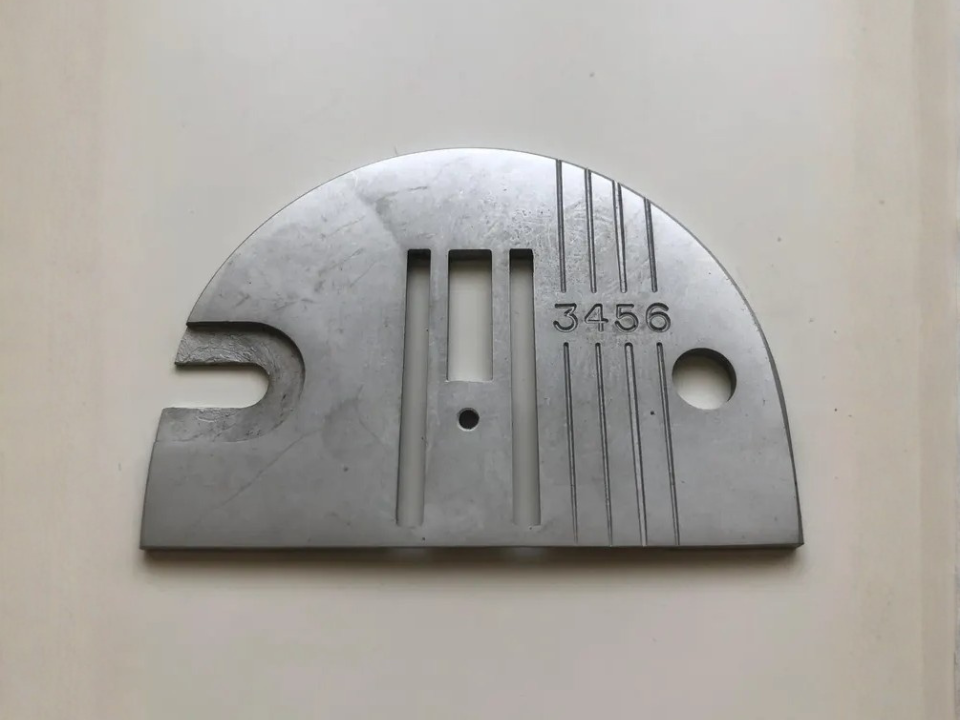
The throat plates became necessary parts and later drew attention from collectors of old sewing equipment. They were usually made of steel or nickel-plated metal and fitted beneath the needle area of the machine. Their use was to support fabric and allow the feed dogs and needle to work through a properly shaped opening. A Singer throat plate for a common model may sell for about $10 to $40, while rarer specialty plates can bring $50 to $100 or more.
Interest in these small parts comes from both repair needs and the appeal of machine-specific accessories. Standard plates are easier to find, but uncommon designs for specialty sewing jobs are harder to replace. Condition matters because bent metal, worn finish, or altered screw holes can make a plate less useful. A clean marked example tied to a desirable Singer model usually brings the strongest interest.
Sewing Needle Cases
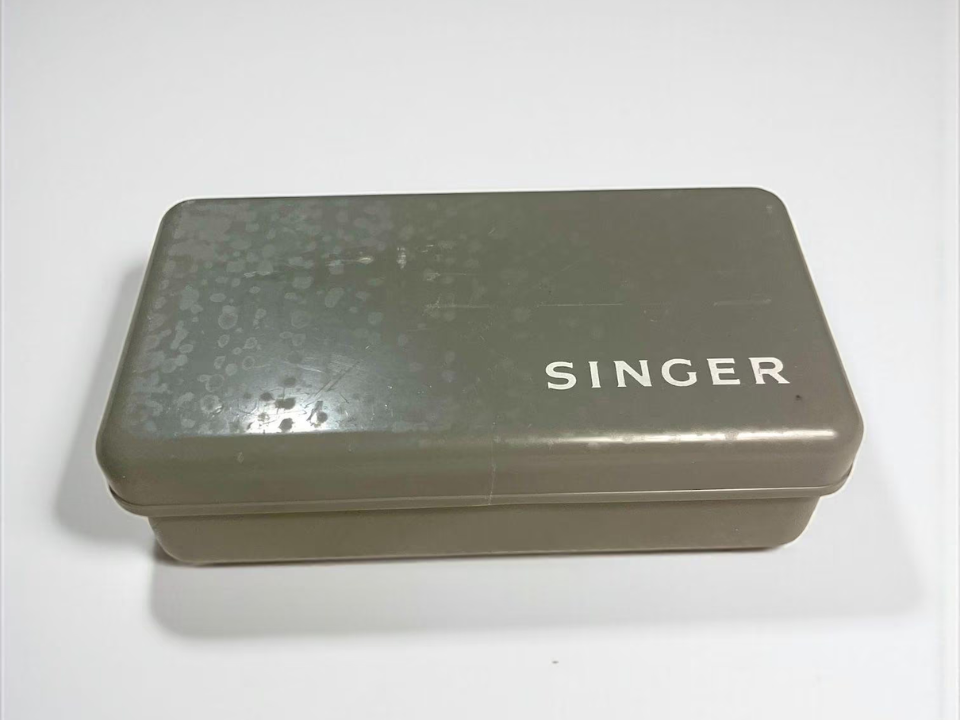
Sewing needle cases were already widely used, and antique examples are now collected as charming little accessories. They were usually made of wood, bone, metal, leather, ivory substitute, or early celluloid. Their job was to keep hand-sewing needles safe, dry, and easy to carry in a work basket or pocket. A Singer needle case or a decorative late 19th century example can sell for about $15 to $75, with uncommon materials bringing higher prices.
Much of their attraction comes from the fact that they combine usefulness with decoration in such a small object. Some have painted flowers, carved surfaces, or fitted interiors that make them stand out from plainer cases. Collectors usually pay more for examples with strong hinges, good lids, and less surface damage. A marked case from a known sewing brand often holds special appeal for people building a focused collection.
Retractable Tape Measures
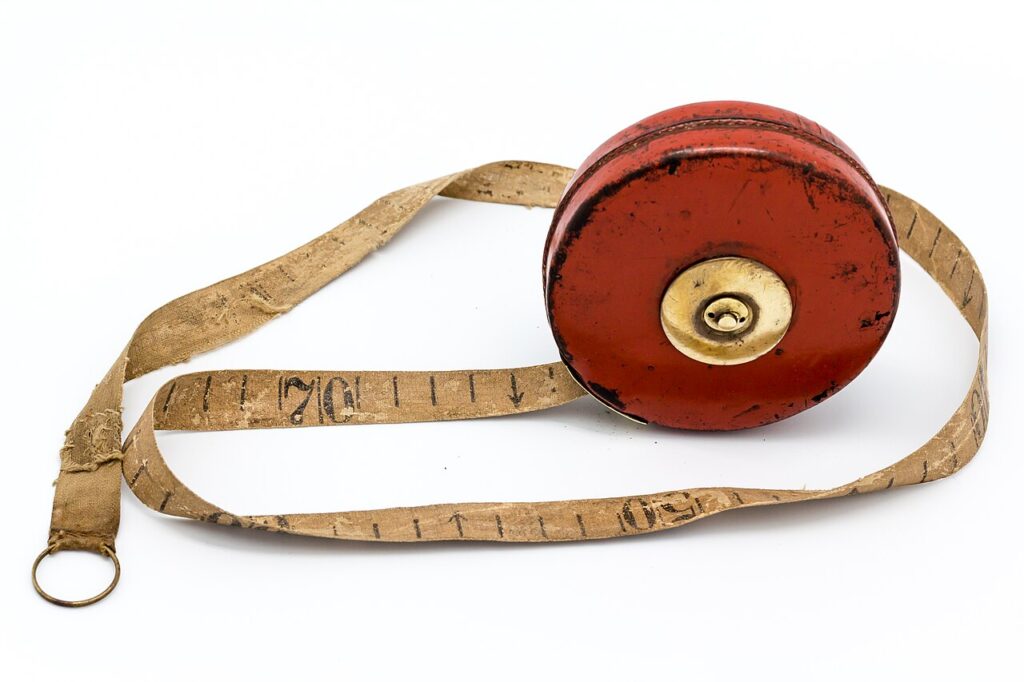
In the late 1860s, retractable tape measures became more common in sewing kits, and many older ones are now collector pieces. They were usually made with cloth or linen tapes inside metal, leather, or celluloid cases. Seamstresses used them to measure hems, waistlines, sleeves, and fabric lengths with better accuracy than fixed rulers allowed. Antique sewing tape measures often sell for about $15 to $60, with figural cases or cleaner working examples worth more.
Small sewing tools like this stay popular because they show clever design packed into a pocket-sized form. Some were made with decorative cases shaped like animals, shoes, or little household objects. A working return action and a readable tape often matter a great deal to buyers. Cases with strong graphics and less wear usually stand out in the market.
Antique Spool Holders
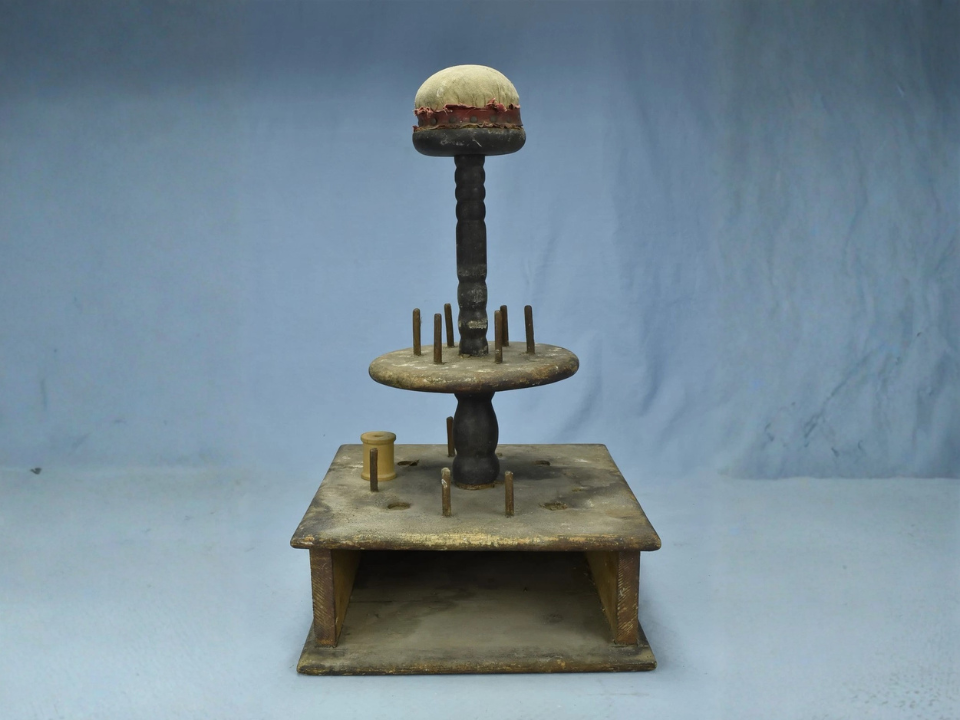
Spool holders became common companions to sewing machines and hand sewing setups, and many old examples are collectible today. They were usually made of wood, cast iron, or metal and were designed to hold one or more spools of thread. Their job was to keep the thread feeding neatly and keep the work area more orderly. Singer and Simanco spool holders often sell for about $25 to $100, with larger or less common examples going higher.
A good spool holder attracts buyers because it shows how sewing spaces were arranged before modern storage trays took over. Complete examples with all pegs or arms in place are often more valuable than damaged ones. Brand marks and original paint or finish can also help the price. Their practical design and strong period look make them a favorite with collectors of sewing room antiques.
Sewing Birds or Bird Clamps
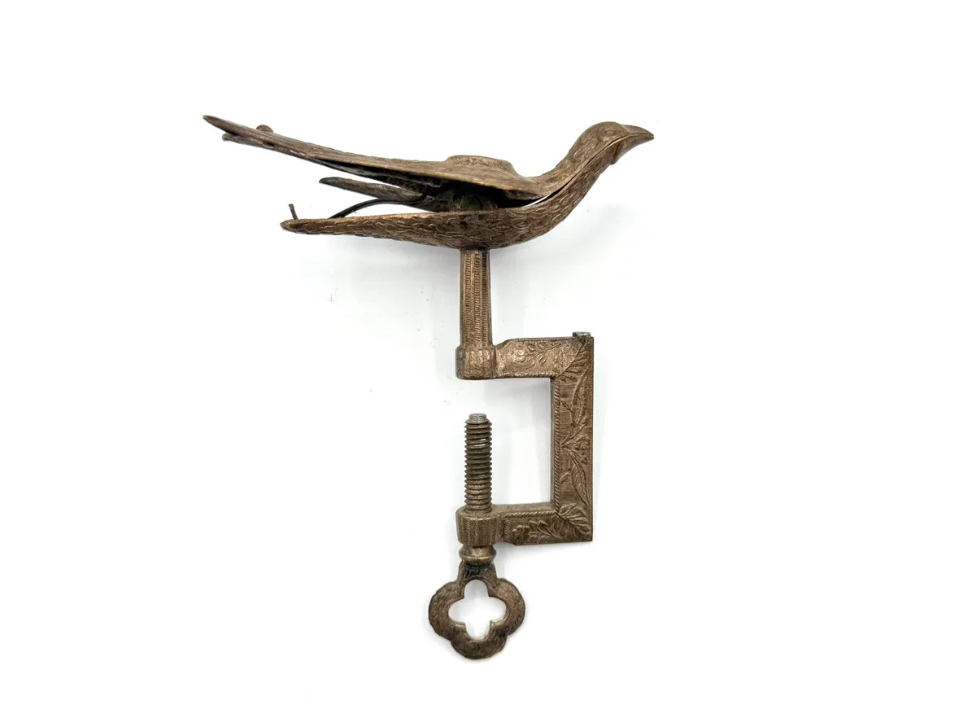
Sewing birds were already in use, and they remain one of the most unusual sewing collectibles on the market. They were usually made of cast iron or brass with a table clamp and a bird-shaped top that gripped fabric. This tool was used to hold cloth steady during hand stitching, so both hands could focus on the needlework. Antique sewing birds often sell for about $75 to $300, depending on age, finish, and working condition.
Few sewing tools catch the eye as quickly as a sewing bird on a shelf or worktable. The bird form gives it a decorative quality that goes well beyond simple usefulness. Buyers usually want the clamp, spring action, and beak grip to remain intact. A complete example with less damage can bring a very good price because many older ones were broken or heavily worn.
Darning Eggs
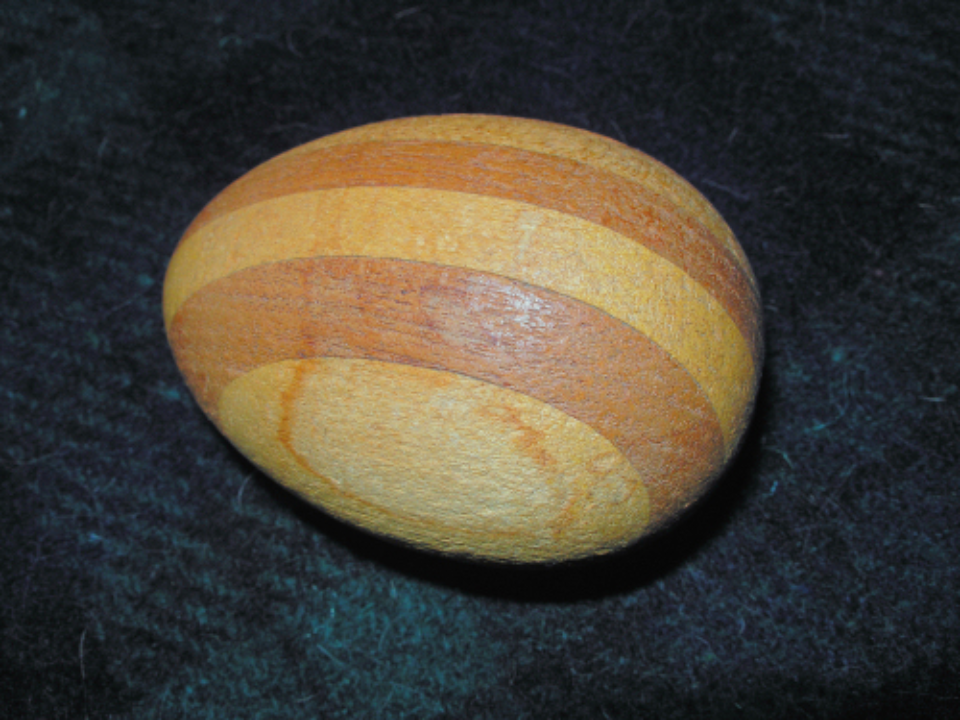
In the 1800s, darning eggs were everyday household tools, and today they are collected for their strong tie to old mending practices. They were usually made of smooth hardwood, though some had metal caps or decorative handles. Their use was to stretch socks or knitted cloth over a firm surface so holes could be repaired more neatly. Antique darning eggs often sell for about $15 to $60, while carved or unusual examples can bring more.
Their quiet appeal lies in how they represent thrift and careful home work from another time. Plain examples are common, yet collectors still enjoy the wood grain, worn finish, and turned shapes they often show. Better prices usually go to pieces with unusual forms or less damage. A nice darning egg may look simple, yet it tells a rich story about daily domestic life.
Hem Gauges
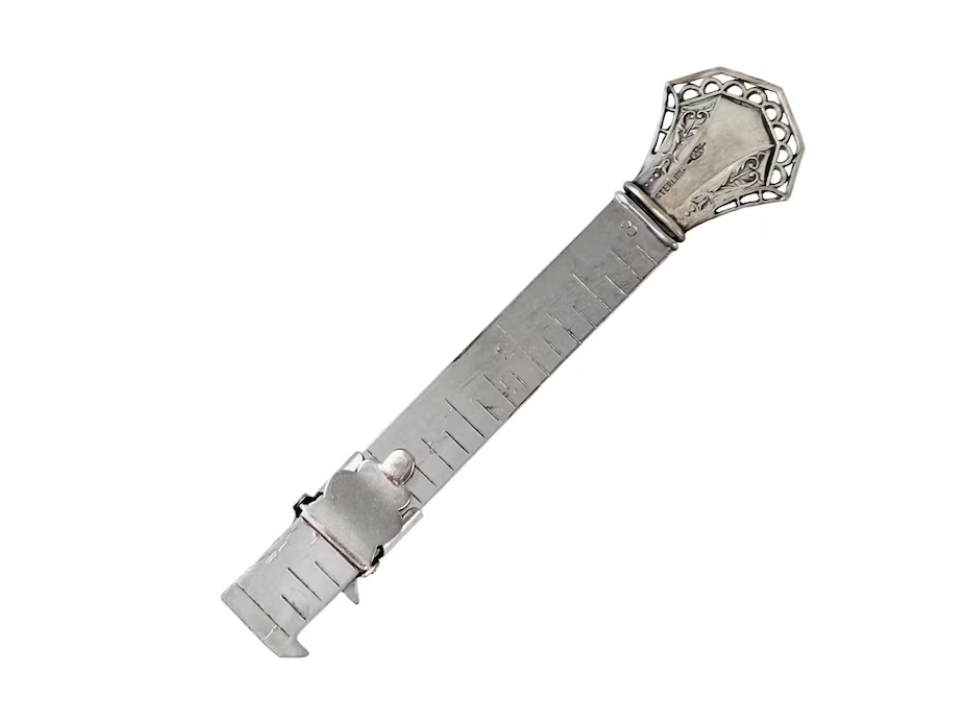
In the early 1900s, hem gauges became common dressmaking tools, so this item belongs later than the 1800s. They were usually made of metal, aluminum, brass, cardboard, or early plastic, depending on the maker and period. Their use was to measure hems, seams, pleats, and other small sewing distances with a fixed guide. Early hem gauges from known sewing tool makers often sell for about $5 to $25, while scarcer metal examples can bring more.
Buyers like these because they show how dressmaking became more organized and repeatable in the twentieth century. A sliding tab, clear measurement marks, and less wear usually help value. Damaged markings or bent parts can make them less useful and less wanted. Even a modest hem gauge still fits well in a collection because it represents the daily tools of garment making.
This article originally appeared on Avocadu.