
14 Spring Plants With Interesting Foliage, Not Just Flowers
Some spring plants earn their place in the garden with leaves that do a lot of the work. From silver tones to deep purple shades and striped patterns, foliage can bring just as much interest as blooms. These plants are a good pick when you want spring beds and pots to look full and eye-catching right away.
This post may contain affiliate links, which helps keep this content free. Please read our disclosure for more info.
Heuchera
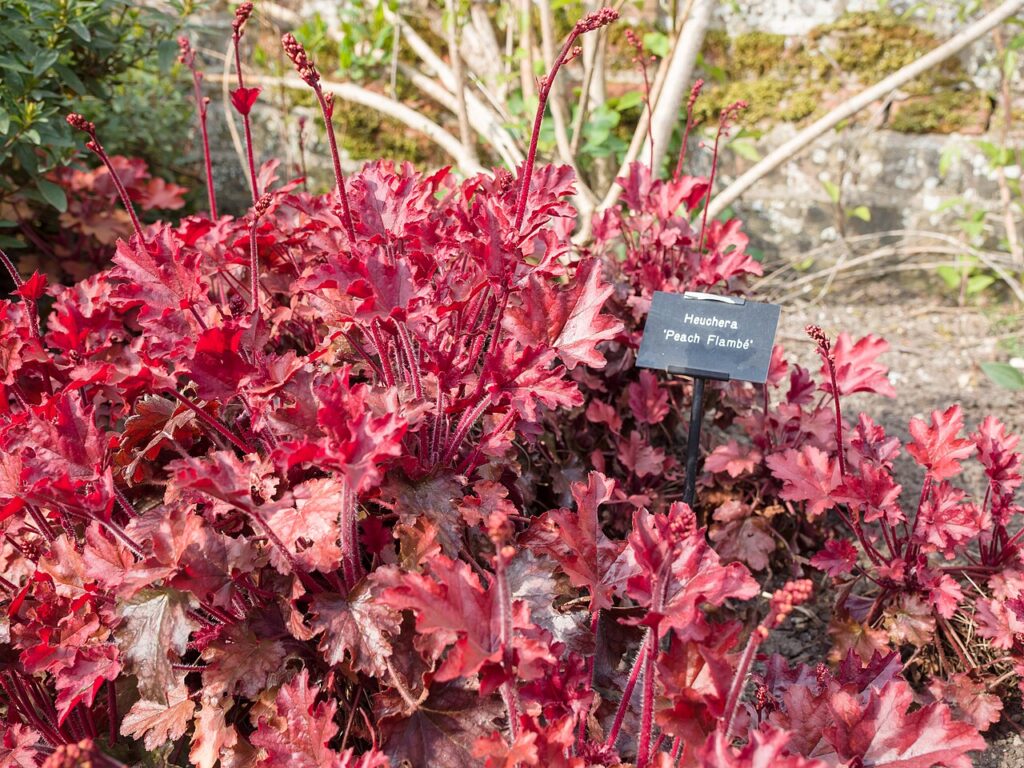
Heuchera is one of those plants that can wake up a spring bed before many flowers even start. The leaves come in shades like lime, bronze, plum, caramel, and deep burgundy, so it is easy to find one that fits almost any garden style. Many varieties have ruffled edges or a soft metallic look that catches attention when morning light hits them. Even when the plant stays fairly low to the ground, it still manages to make the space look richer and fuller.
In spring, fresh heuchera leaves often look especially clean and colorful after winter fades. It works well along borders, around stepping stones, or tucked into containers where the foliage can be seen up close. Gardeners like it because the plant gives color for a long stretch instead of peaking for only a short bloom period. When paired with green ferns, hostas, or pale flowers, the leaves stand out in a really pleasing way.
Japanese Forest Grass
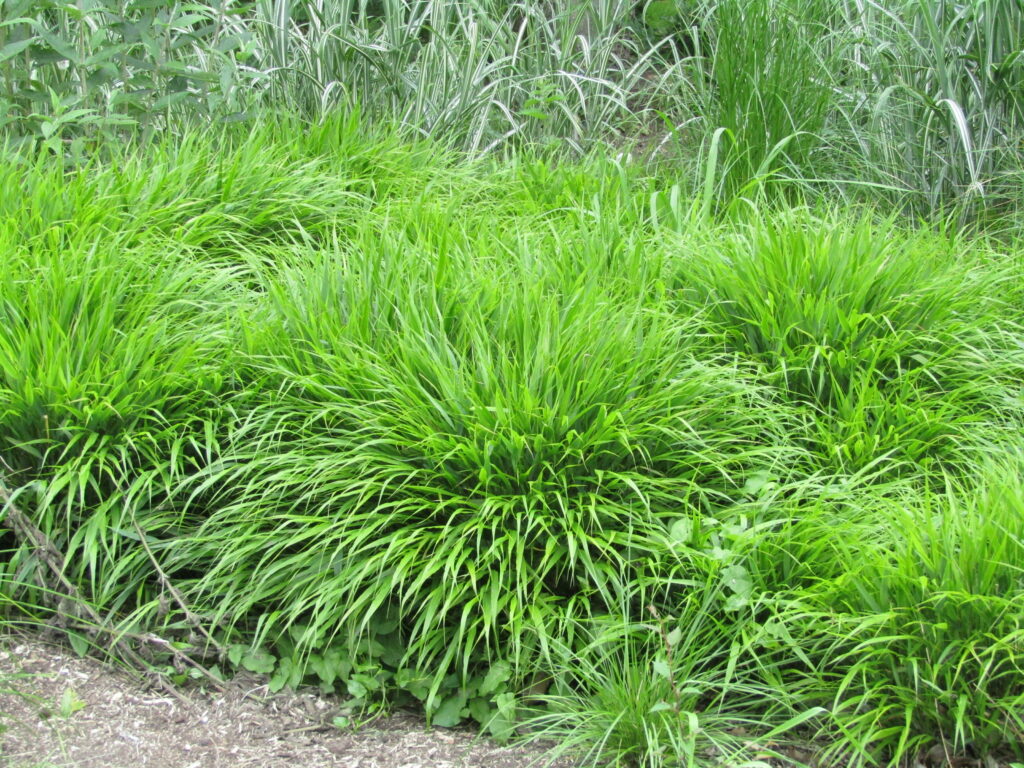
Japanese forest grass has a soft, flowing shape that makes a garden feel calmer right away. Its arching blades spill outward in a way that looks almost like a fountain, which gives beds and shady corners more movement. Some kinds are bright green, while others have gold leaves with thin stripes that lighten darker spots. In spring, that fresh new growth looks especially lovely because it arrives with a clean, soft texture.
This is a good plant for edges, paths, and places where you want the garden to feel a little looser. The leaves sway with even a light breeze, so the plant never looks stiff or flat. It pairs nicely with broader leaves from hostas and the finer texture of ferns, which keeps the planting from feeling one-note. Even without a single flower on it, Japanese forest grass still feels full of life.
Brunnera
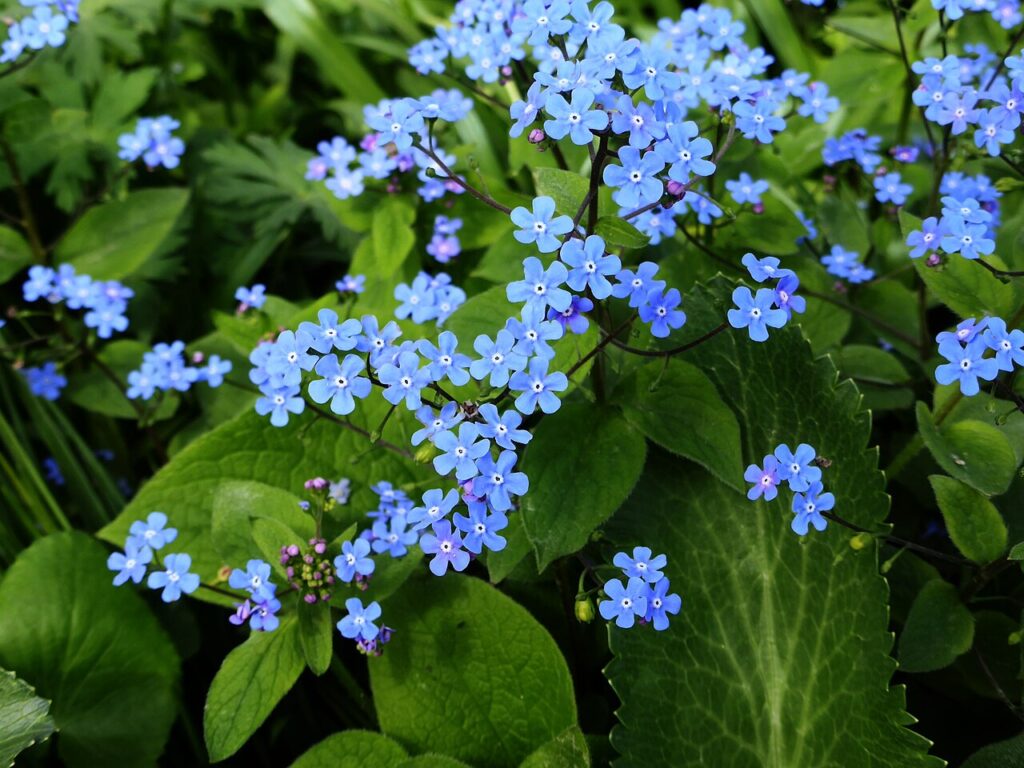
Brunnera is often grown for its heart-shaped leaves just as much as for its tiny blue blooms. Some of the prettiest kinds have silver washed across the leaf surface with green veins running through it, and that color mix looks cool and fresh in spring. The leaves have a slightly textured look that helps them stand out from smoother plants nearby. When a clump fills in, it gives shady beds a bright lift without looking flashy.
One reason gardeners keep coming back to brunnera is that it can make a quiet corner look more finished. The silver foliage reflects light in a gentle way, which helps darker parts of the yard feel less dull. It looks especially nice beside deep green plants because the contrast is clear without feeling harsh. After the small flowers pass, the leaves keep doing the real work for the rest of the season.
Lungwort
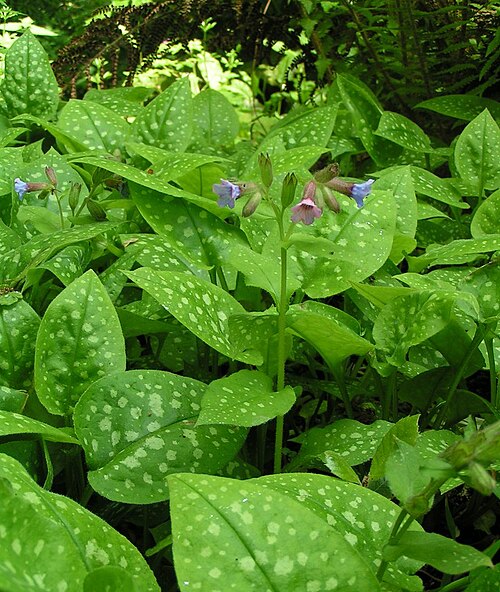
Lungwort is one of the more unusual spring foliage plants because the leaves often look speckled or splashed with silver. That mottled pattern gives it a slightly old-fashioned charm that fits cottage gardens really well. New growth can look soft and fresh in spring, especially when rain brings out the shine on the leaves. Even people who are not focused on foliage tend to notice it because the pattern is so different from most other garden plants.
The plant stays fairly compact, which makes it useful near the front of a border or under small shrubs. In shady spots, those spotted leaves can brighten the area long after the flowers are gone. It also mixes well with spring bulbs because the foliage helps fill empty spaces once bulb leaves begin to fade. When planted in small groups, lungwort gives the whole bed a more layered and settled look.
Hosta
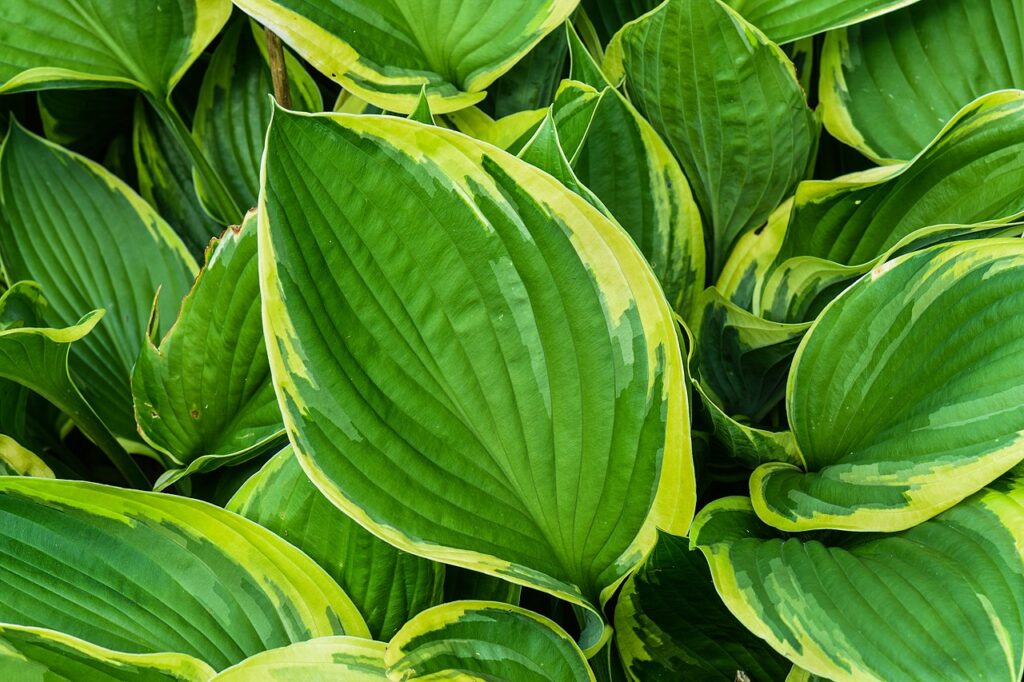
Hostas are famous for leaves that can be huge, ribbed, blue-green, gold, or edged in creamy white. In spring, the first leaves push up like rolled spears and slowly open into broad, full clumps that make garden beds look planted in a hurry. That early unfurling stage is part of the appeal because it gives the garden a sense of momentum. Some varieties are smooth and glossy, while others have puckered or quilted leaves that add extra texture.
A good hosta can make a plain shady area feel much more inviting. The larger kinds give weight to a planting, and the smaller ones fit neatly along paths or in containers. Because there are so many leaf colors and sizes, it is easy to mix a few together without the space feeling repetitive. Even when nothing nearby is blooming, hostas still hold the scene with very little effort.
Coleus
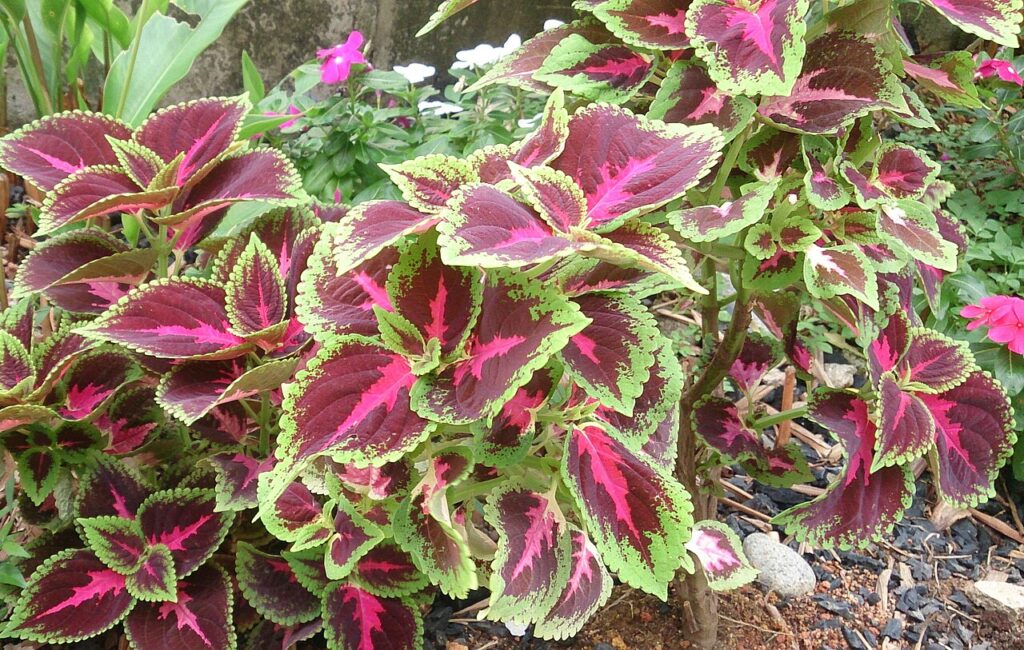
Coleus is hard to ignore once spring weather warms enough for it to settle in. The leaves can be splashed with green, burgundy, pink, lime, cream, and almost black tones, often all on the same plant. Some have jagged edges, some are rounded, and some look almost painted by hand because the markings are so dramatic. It is the kind of foliage plant that can wake up a tired container or fill an empty patch fast.
Many gardeners use coleus when they want color without waiting around for flowers. It works in pots, porch planters, and garden beds where the leaves can be seen from a distance. One plant can make a statement, while a group of them can turn into a real color patch in just a short time. If the rest of the garden leans green, coleus can bring in warmth and depth right away.
Caladium
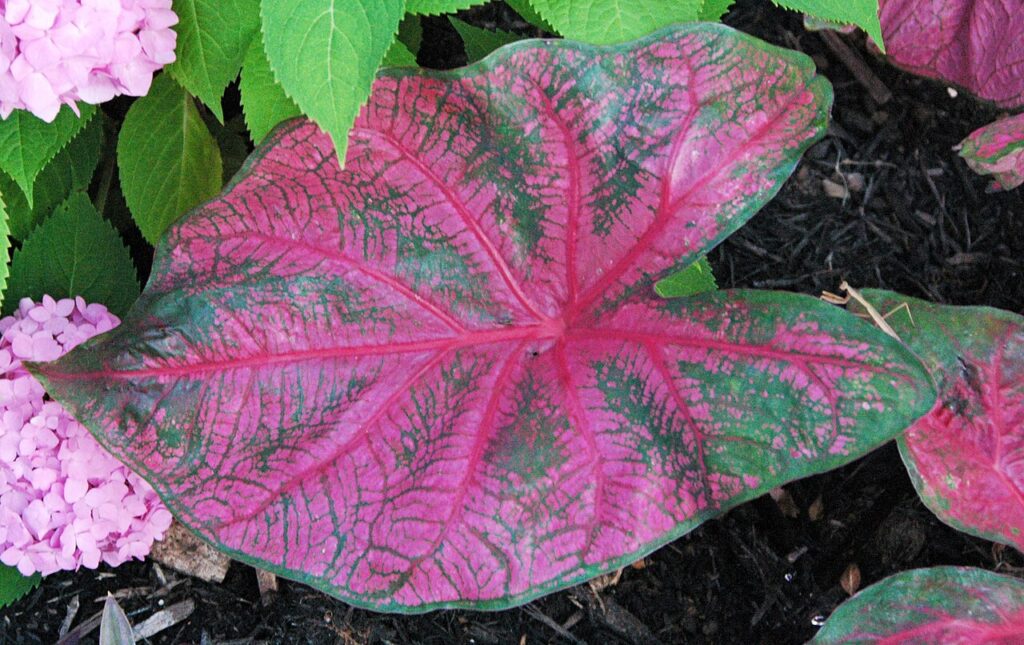
Caladium leaves look almost too pretty to be real when they first appear in spring and early warm weather. The foliage can be white, pink, red, green, or a mix of all four, often with veins and edges that look hand-drawn. Many leaves are shaped like hearts or arrows, which adds to the plant’s charm. Because the leaves are thin and slightly translucent, light shining through them can make the colors look even richer.
This plant is especially useful when a shady spot needs color that flowers are not giving. In containers, caladium has a lush look that feels full and soft without taking up much space at the base. In garden beds, it mixes well with ferns, hostas, and other shade lovers that let those patterned leaves stand out. Even a small planting can make a corner look much more alive.
Rex Begonia
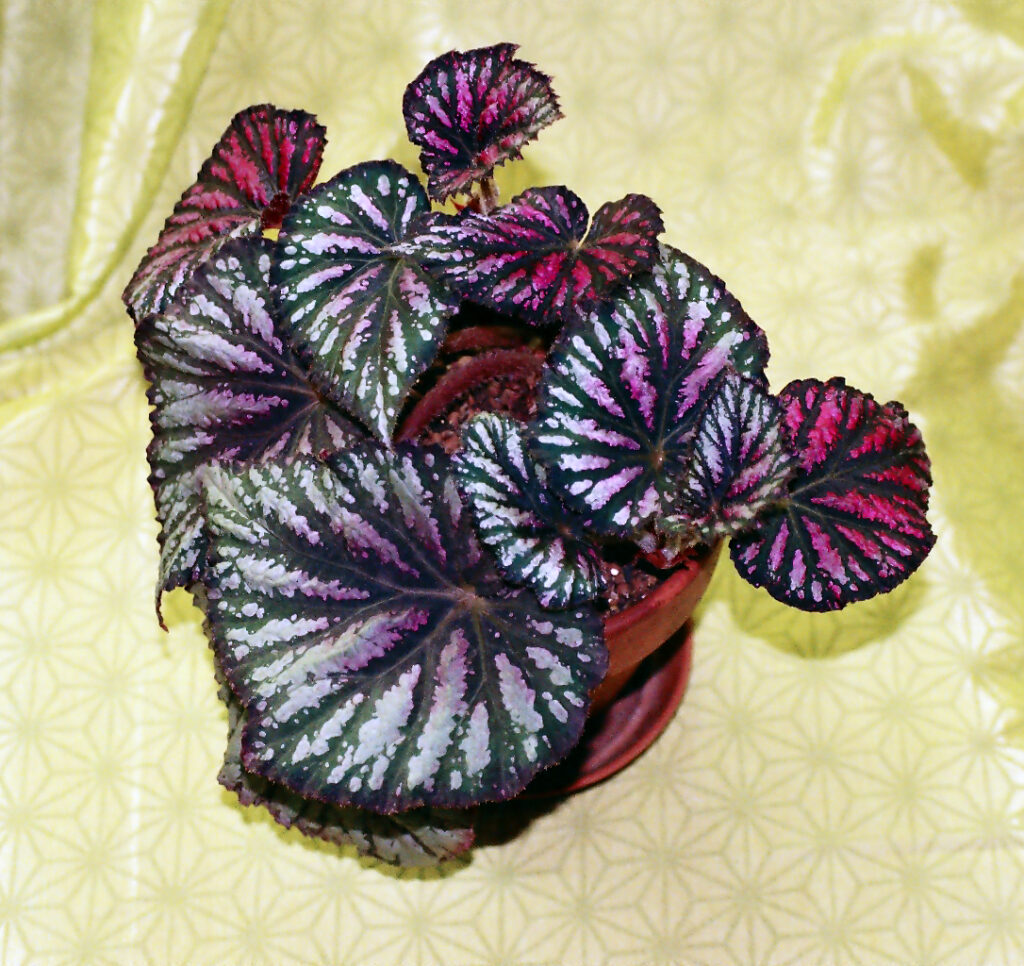
Rex begonia is grown almost entirely for its leaves, and once you see one up close, that makes perfect sense. The foliage can have silver, purple, green, charcoal, burgundy, and pink all on one plant, often with spirals, bands, or feathered markings. Some leaves are smooth and shiny, while others have a pebbled texture that gives them even more character. They look rich and a little dramatic, which is why they are often used where people can admire them nearby.
In spring and into the warmer months, rex begonias do especially well in sheltered spots and containers. They are great for patios, porches, and shady garden corners where their leaf patterns do not get lost. A single plant can feel special, though a small group makes a really beautiful display of mixed color and texture. When flowers are small or missing, the leaves more than carry the whole look.
Persian Shield
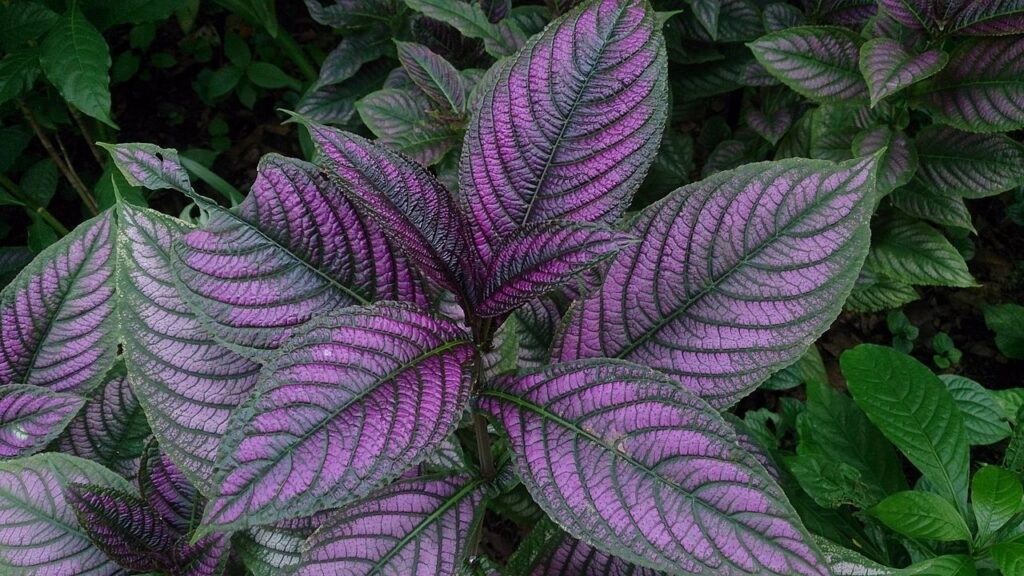
Persian shield is known for leaves that seem to glow in shades of purple and silver. In the right light, the foliage almost looks brushed with metal, which makes it very different from the usual spring greens. Each leaf is long and pointed, giving the plant a fuller, more dramatic shape as it grows. Even young plants can pull attention because the coloring is so rich.
It works well in beds and containers where you want a darker leaf to balance brighter greens. The purple tones pair nicely with chartreuse plants, silver foliage, and soft pink blooms if you do want to add flowers nearby. On its own, though, Persian shield still feels complete because the leaves do so much visually. It is one of those plants people tend to ask about when they see it.
Ajuga
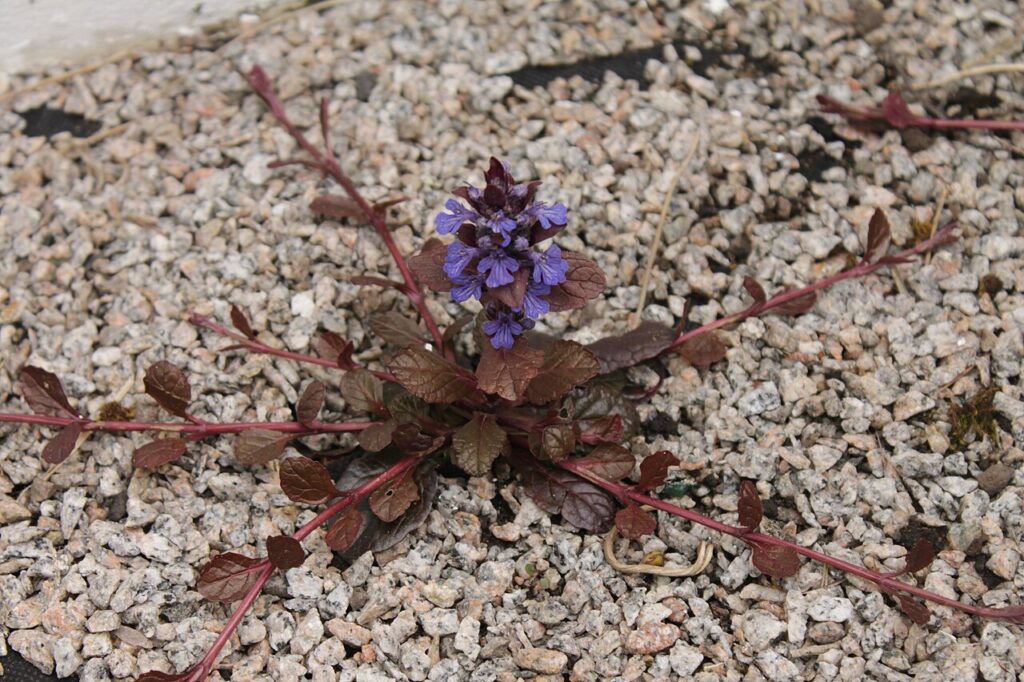
Ajuga is a low-growing plant that spreads into a mat of glossy, colorful leaves. Depending on the variety, the foliage may be deep green, bronze, chocolate, or purple, and some kinds have a really nice sheen. In spring, new growth can look especially fresh as it fills bare patches around stepping stones, trees, or border edges. The plant stays close to the ground, yet it adds a lot of color where plain mulch would otherwise show.
Because it hugs the soil, ajuga is useful for tying a planting together. It makes the garden feel fuller at the base and helps soften hard lines around rocks or path edges. The darker leaf colors are especially good when you want contrast against lighter plants nearby. Even when tiny flower spikes are absent, the foliage still gives the planting a finished look.
Dusty Miller
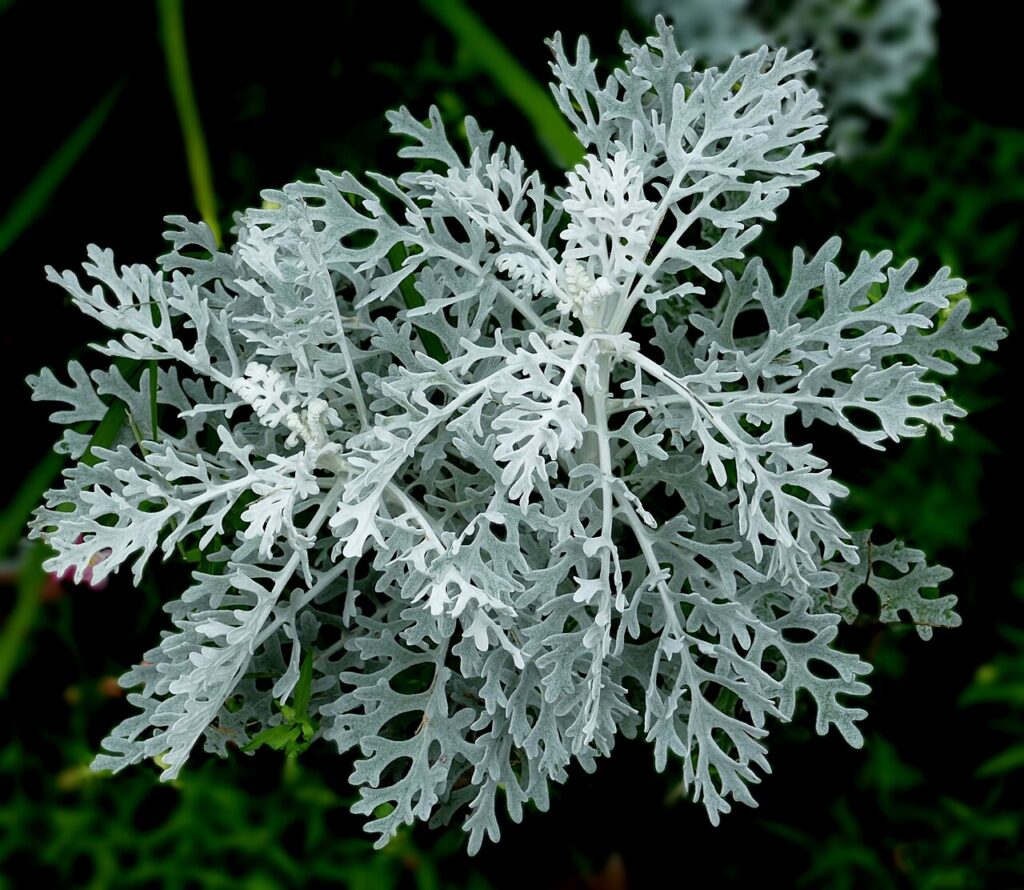
Dusty miller is easy to spot because the leaves are a soft silvery gray that stands apart from nearly everything around it. The foliage is often cut into lacy shapes, which gives the plant a light, airy feel even when it is filling space well. In spring, that cool silver tone looks especially fresh against green leaves and darker soil. It brings brightness to a bed without relying on blooms to do the job.
This plant is often used like a quiet accent, though it can be just as useful as a main feature in the right spot. It looks very good along borders, in mixed containers, or beside plants with purple or dark green foliage. The leaf texture keeps things from feeling too flat, and the pale color helps nearby plants stand out more clearly. For gardens that need contrast, dusty miller really earns its place.
New Zealand Flax
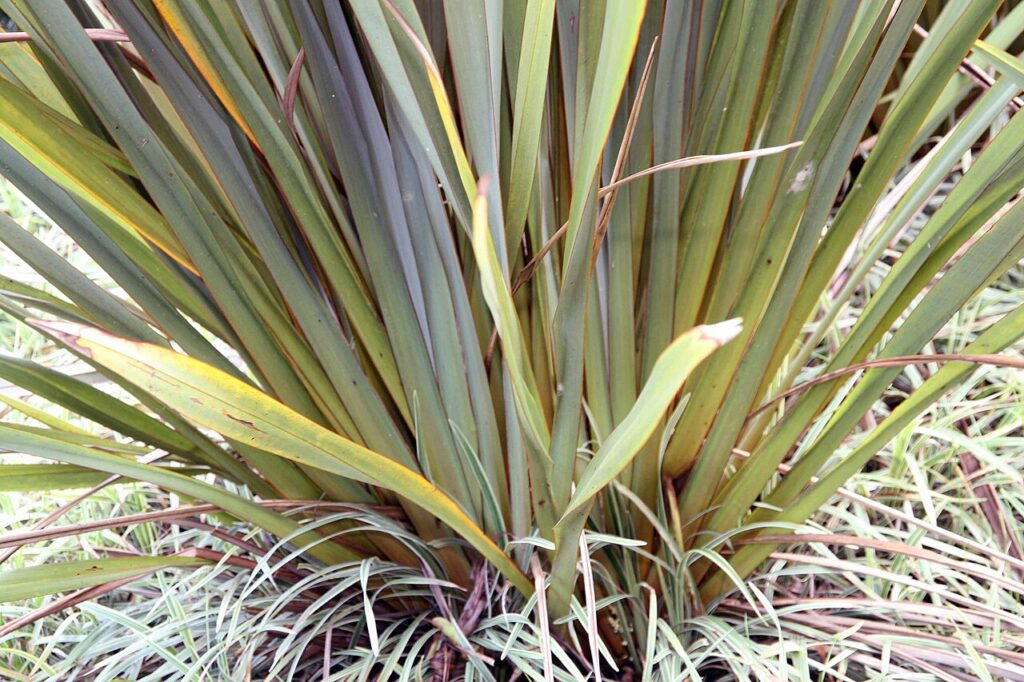
New Zealand flax brings a very different shape from most spring plants because the leaves are long, upright, and strap-like. Some kinds are green, while others have bronze, red, yellow, or striped foliage that makes them much more than a background plant. The leaves rise and arch with a strong shape that gives planting beds a cleaner, more structured look. Even a single clump can change the whole feel of a space.
This is a useful plant when a garden needs height and form without adding a shrub. It works especially well in modern-looking beds, large pots, and gravel gardens where the leaf shape can really stand out. Around softer plants, New Zealand flax adds contrast that keeps the planting from looking too loose. Its foliage is the whole point, and it does that job very well.
Japanese Painted Fern
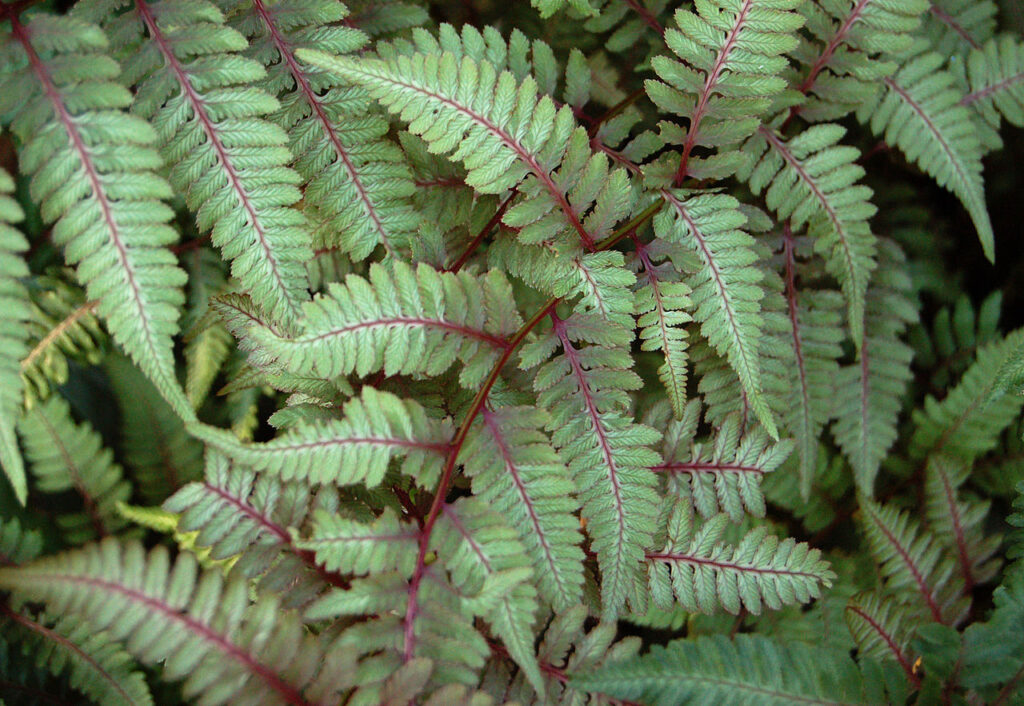
Japanese painted fern has some of the prettiest foliage of any shade plant. The fronds often mix silver, green, and burgundy tones, which gives the plant a cool, brushed look in spring. Because the leaf shape is finely cut, the color never feels heavy or overwhelming. Fresh fronds unfurl gently, and that stage alone adds plenty of beauty to a shaded bed.
It is a lovely choice for woodland-style gardens, shaded borders, and spots where larger leaves need a softer partner. The silvery tone helps brighten dark corners, while the burgundy midribs add just enough depth to keep it interesting. Planted near hostas or heucheras, it gives a nice contrast in both shape and color. Even without flowers, it still feels full of detail.
Lamb’s Ear
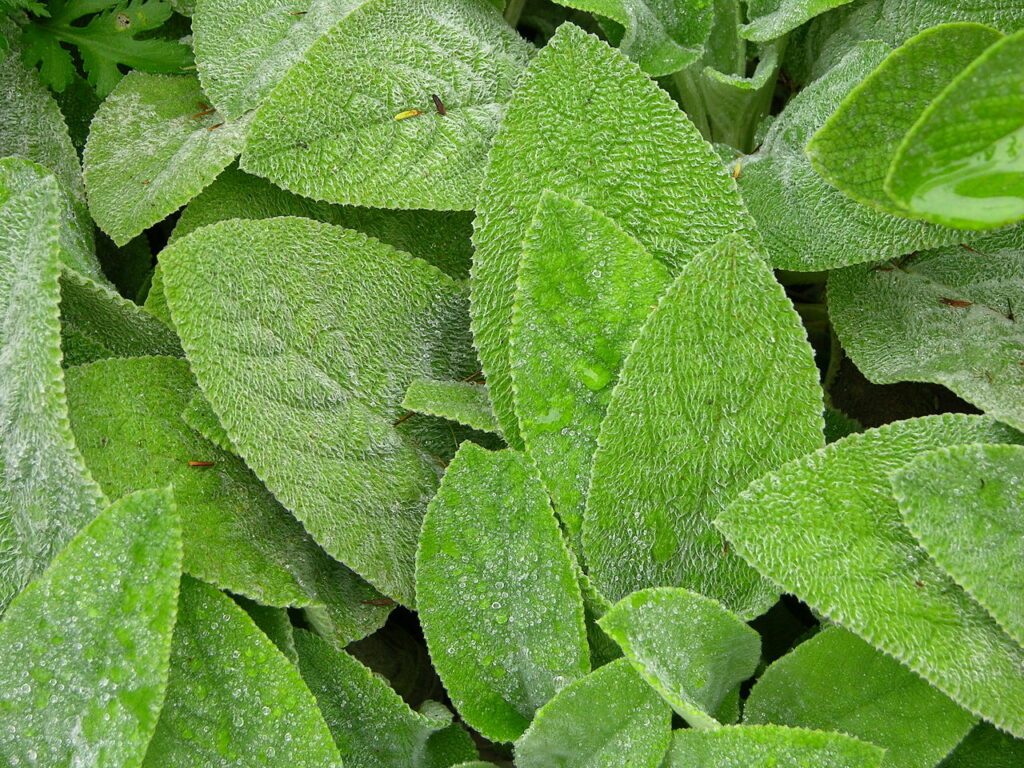
Lamb’s ear is usually grown for the leaves, which are thick, soft, and covered in fine silvery fuzz. The texture is the first thing most people notice, and it gives the plant a gentle, almost velvety look. In spring, fresh growth forms low clusters that brighten the garden with their pale gray-green color. It is one of the easiest foliage plants to enjoy because the leaves are attractive from the start.
This plant fits well along path edges, in dry beds, and in spots where children can safely touch the leaves. The soft color works as a calm contrast next to darker greens, purple leaves, or brighter flowers. Because the foliage stays appealing for a long stretch, lamb’s ear keeps pulling its weight long after bloom season shifts. It gives gardens a softer and more relaxed feel without asking for much in return.
This article originally appeared on Avocadu.