
15 White Flowering Spring Plants That Look Clean and Bright
White flowers can make a spring yard feel fresh, open, and easy on the eyes. Some bloom low to the ground, while others fill beds, borders, and shrubs with a soft white look. These plants are a good pick for anyone who wants spring color that feels simple and clean.
This post may contain affiliate links, which helps keep this content free. Please read our disclosure for more info.
Shasta Daisy
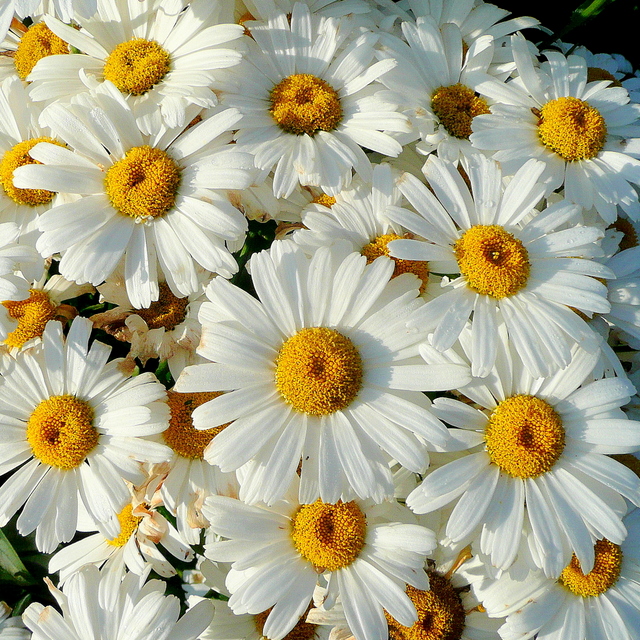
Shasta daisy gives a garden that classic white flower look that feels crisp and cheerful in spring and early summer. The petals are clean white around a sunny yellow center, so each bloom stands out even from a short distance. It works well in borders, cottage gardens, and simple mixed beds where you want flowers that do not look fussy. Once it settles in, this plant can put on a long show and makes the whole spot feel fresh.
It likes full sun and soil that drains well, so a bright open area is usually the best fit. You can cut blooms for a vase, and that often keeps the plant looking tidy outside too. Bees tend to visit the flowers, which gives the garden a little extra life during warm afternoons. If the clump gets crowded after a few seasons, dividing it can help keep it healthy and full.
Candytuft
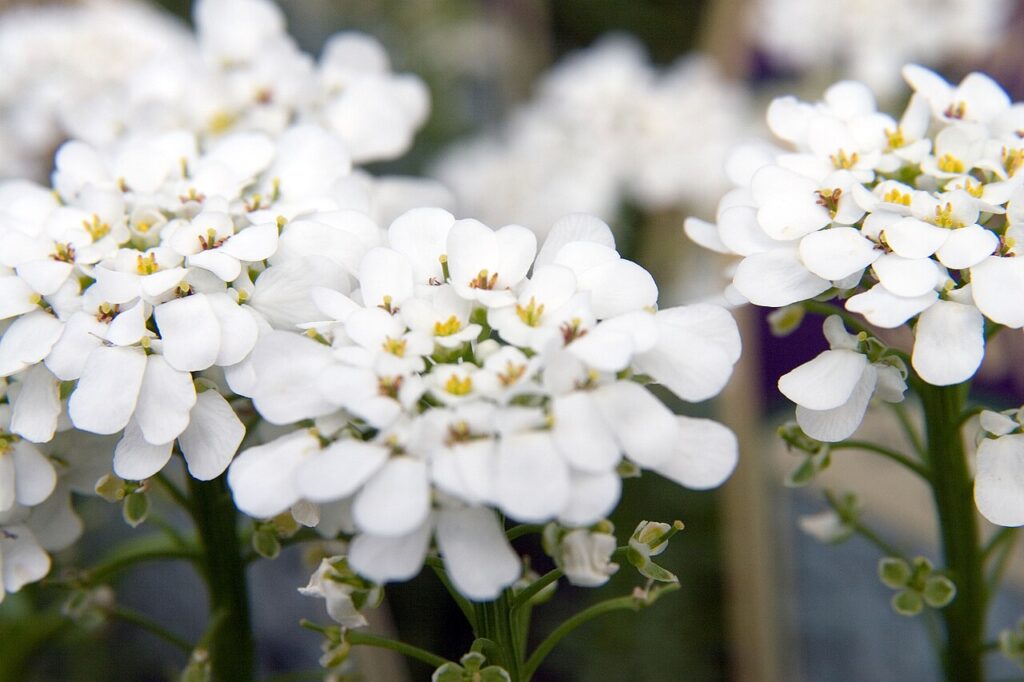
Candytuft is one of those spring bloomers that can make the edge of a path or bed look soft and full in a very simple way. Its clusters of white flowers sit over neat green foliage, and the plant often spreads into a low mound. That shape makes it useful for rock gardens, front borders, and spots where you want a clean line of color close to the ground. When it is in bloom, it almost looks like a little drift of white resting over the soil.
This plant does best in sunny places with decent drainage, especially where the ground does not stay wet for long. It is a nice choice for gardeners who want something compact that still makes an impact in spring. After flowering, a light trim can help it keep a nice shape instead of looking loose or worn out. It also pairs well with tulips, phlox, and other spring flowers that need a simple white plant nearby.
Snowball Viburnum
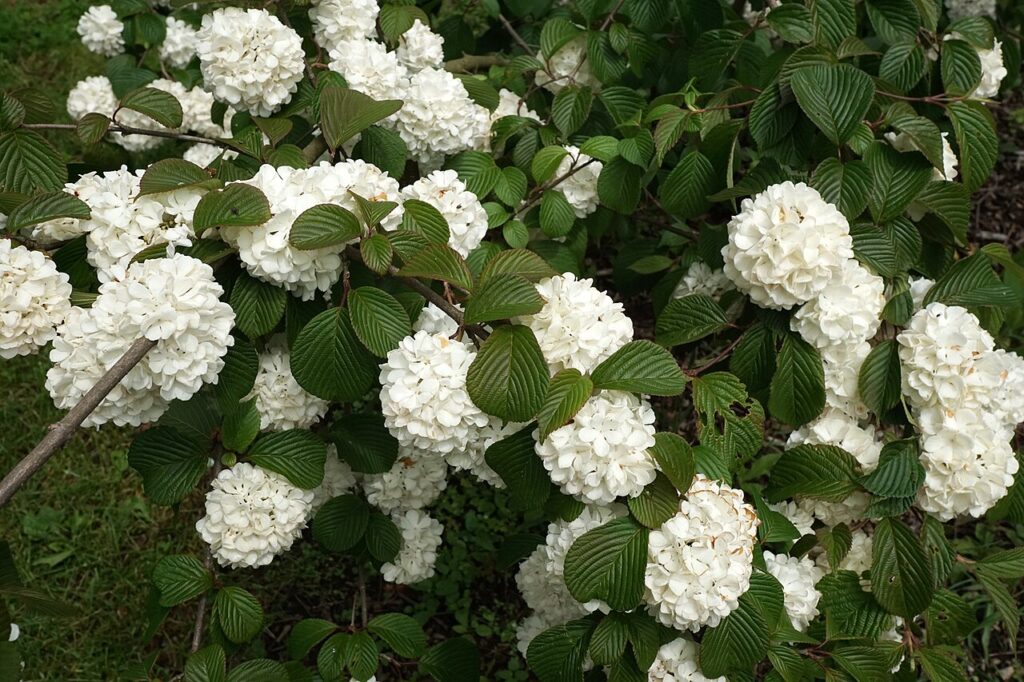
Snowball viburnum is known for its round flower clusters that look a bit like white pom poms hanging all over the shrub. In spring, those blooms can cover the branches so heavily that the whole plant looks dressed up. It has a fuller, old fashioned feel that suits yards with mixed borders, cottage style planting, or a classic front garden. When the flowers first open, they often have a soft green hint before turning a creamy white.
This shrub needs more room than small flowers, so it is best placed where it can grow without feeling crowded. A spot with sun or light shade usually works well, and regular watering helps it look its best during dry spells. Many people plant it where the flower display can be seen from a porch or window because the spring show is such a big part of its charm. Once blooming ends, the green leaves still help fill out the garden through the rest of the season.
White Tulips
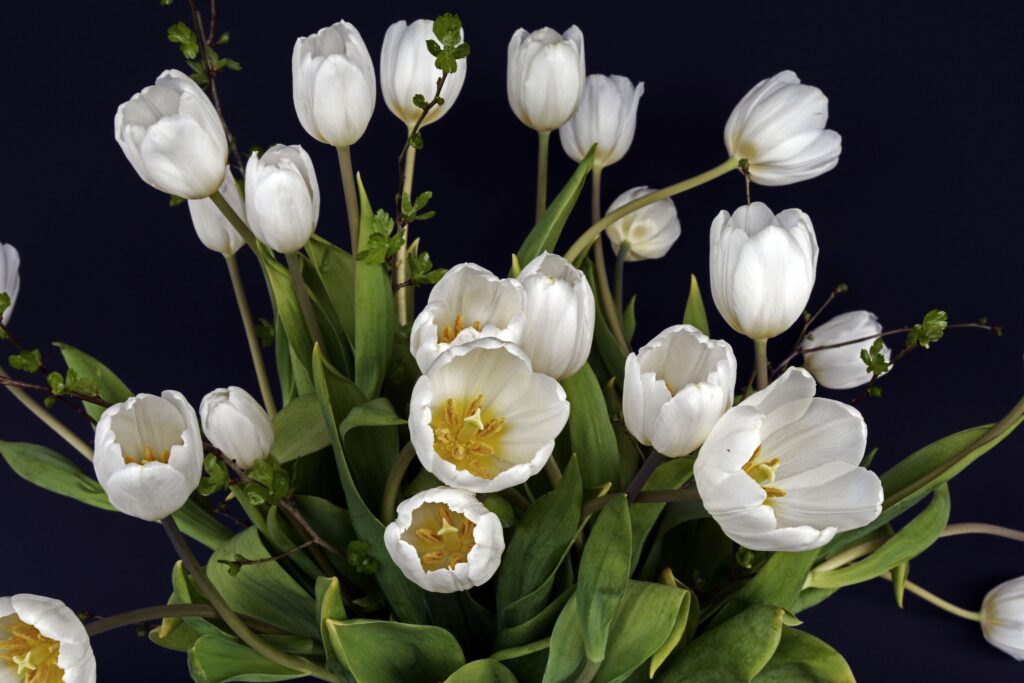
White tulips have a clean, polished look that fits almost any spring garden style. Their smooth petals and upright stems make them look neat in beds, borders, and containers. Some varieties are pure white, while others have a faint cream or green tint that still reads as soft and light outdoors. Grouped together, they can make a bed look calm and bright without feeling busy.
Tulips usually do best in a sunny place with soil that does not stay soggy after rain. They are especially pretty when planted in clumps rather than one here and one there, since that gives a fuller sweep of color. White tulips mix easily with pink, purple, or blue flowers if you want a soft spring color mix. Even on their own, they can make a small garden bed look tidy and well planned.
White Daffodils
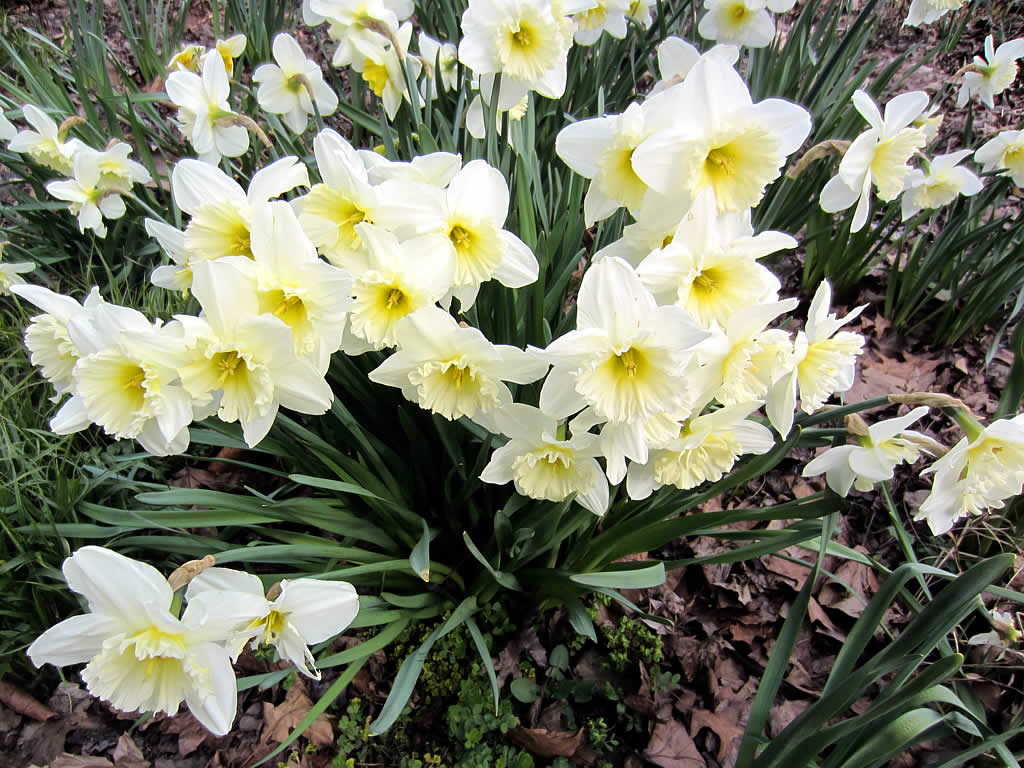
White daffodils bring the same easy spring charm people love in yellow types, though the look feels softer and more understated. Some have white petals with a pale cream cup, while others stay close to all white from edge to center. They brighten up garden beds, walkway borders, and naturalized spots without asking for much attention. Since they bloom in spring, they are often one of the first signs that the yard is waking up again.
They usually grow best in sun or light shade and like soil that drains reasonably well. Once planted, many types come back year after year, which makes them a good choice for gardeners who want flowers that do not need constant replanting. Their leaves should be left alone after bloom time so the bulbs can store energy for next season. Tucked among other spring plants, they help keep the garden looking fresh while later flowers start to grow.
Lily of the Valley
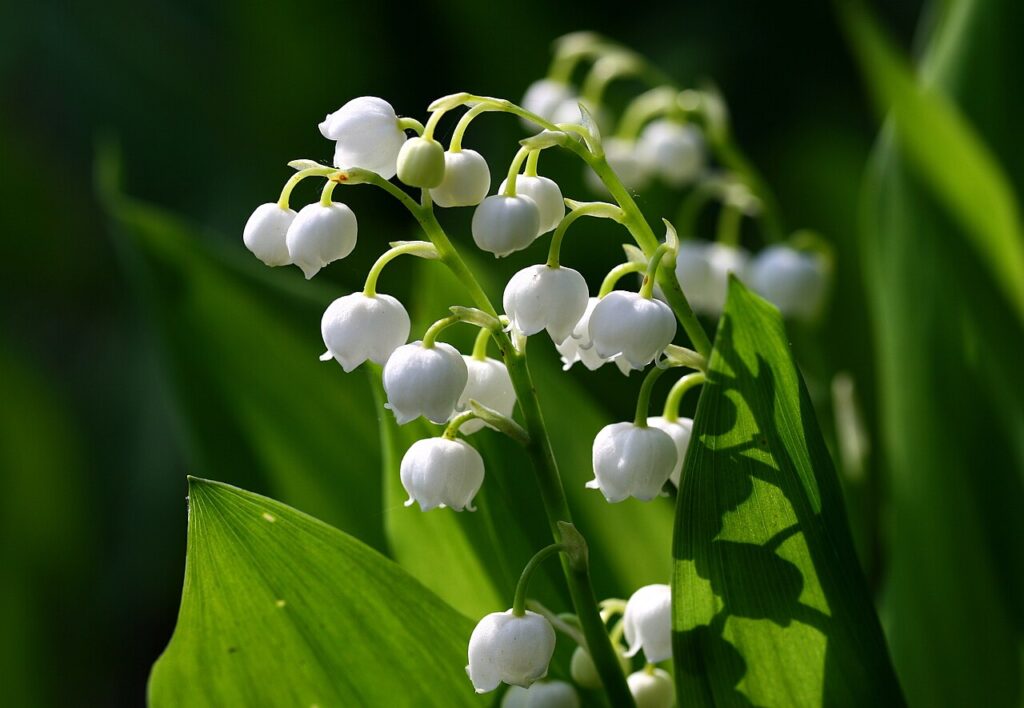
Lily of the valley is a small spring plant with nodding white bell flowers and rich green leaves that look smooth and neat. The blooms may be tiny, though they carry a sweet scent that many people remember right away. It has a gentle woodland feel, so it fits nicely in shady beds, under trees, or along a quiet path. When planted in a patch, it can give the ground a soft white sparkle in spring.
This plant prefers shade or partial shade and tends to like cooler spots with moisture in the soil. Over time it can spread, which is helpful if you want to fill in a bare shady area. Even when it is not in flower, the leaves still look clean and attractive for a good part of the season. It is best planted where its scent and small blooms can be noticed up close, since the charm is in the details.
White Bleeding Heart
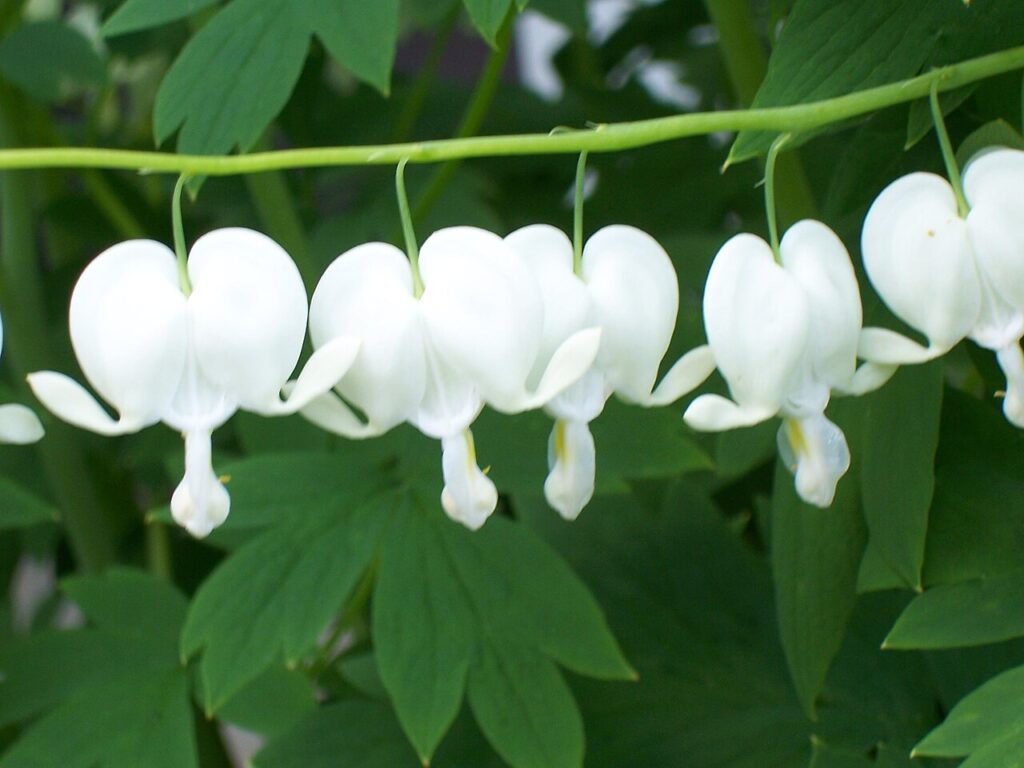
White bleeding heart has graceful stems lined with heart shaped flowers that hang in a row, giving it a soft and slightly old world look. The white form feels extra calm in spring gardens, especially when it is planted in a shady border. Its leaves are full and leafy, so the plant adds shape as well as flowers. When it blooms, it has a gentle look that works beautifully with ferns and other shade plants.
This plant likes cooler areas with partial shade and soil that stays lightly moist. It is a nice pick for gardeners who want spring flowers in places where full sun plants do not do well. After bloom time, the plant may fade back if the weather turns hot, so it helps to place it among other plants that can fill the gap later. Even so, while it is up and flowering, it can be one of the prettiest plants in the whole bed.
Iberis
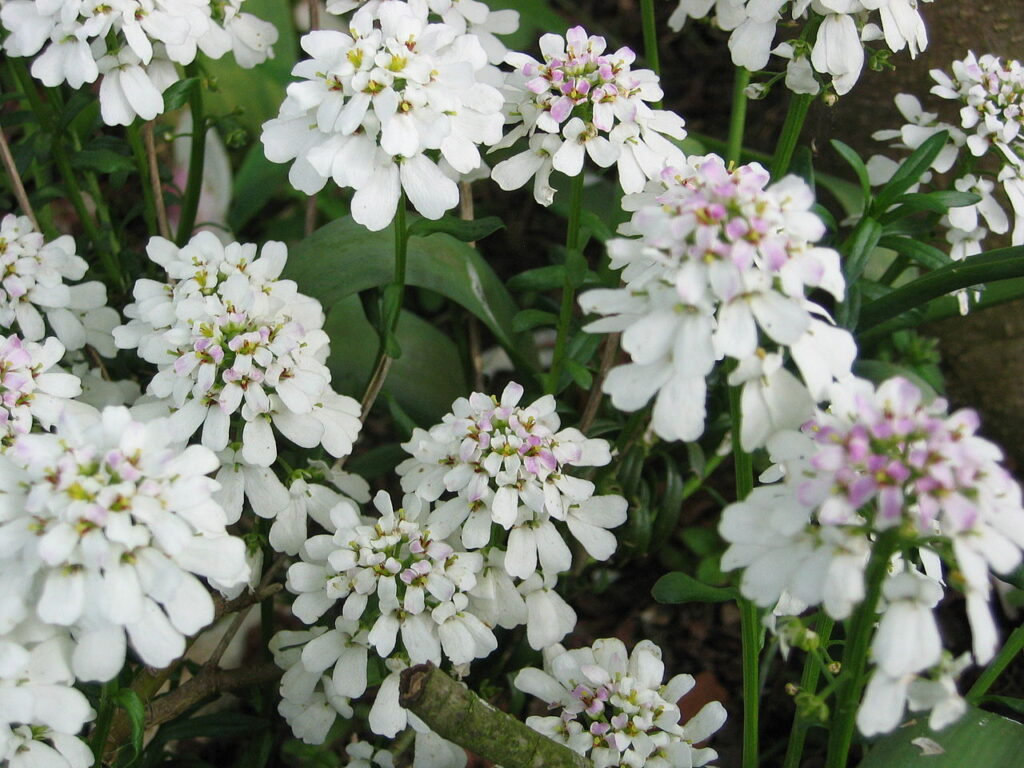
Iberis is often grown for its low, spreading habit and its masses of white flowers that cover the plant in spring. The blooms sit over dark green foliage, which makes the white color look even cleaner. It works especially well at the front of beds, along stone edges, or spilling lightly over a wall. When it is at peak bloom, the plant can look almost blanketed in white.
It likes a sunny spot and soil that drains well, especially in places where winter wetness is not too heavy. Because it stays fairly low, it is useful when you need a neat border plant that will not hide everything behind it. A light trim after blooming can help keep the mound compact and full. It has a simple, easy look that mixes well with many other spring flowers without stealing the whole show.
White Hyacinths
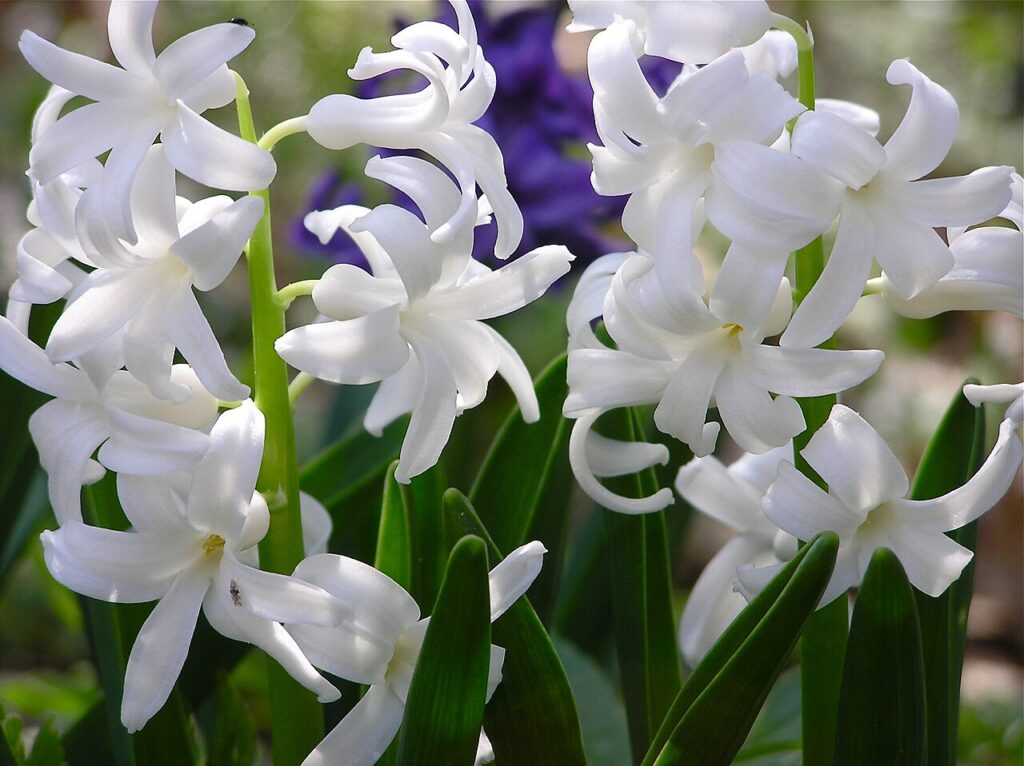
White hyacinths are known for their thick flower spikes and strong sweet scent that can fill the air around a walkway or doorway. Each stem is packed with many small star shaped blooms, so the flower head looks dense and full. In a spring bed, they bring a tidy upright shape along with that soft white color. They are also one of the flowers people often stop to smell, which makes them extra nice near entrances or patios.
These bulbs usually like sun and soil with good drainage, much like tulips and daffodils. Since the fragrance is a big part of the appeal, they are worth planting where people pass by often instead of far off in the yard. White hyacinths pair nicely with pastel spring flowers, though they also look good in a simple all white planting. A small group can do a lot, since both the look and the scent are strong.
White Phlox
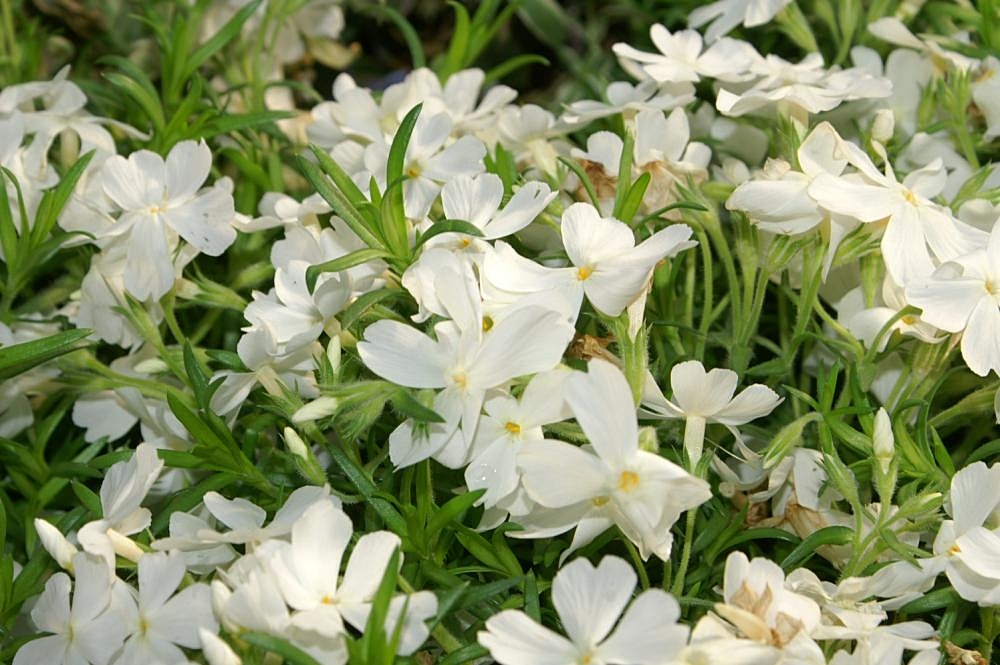
White phlox can cover a bed or slope with a cloud of little flowers that feel light and cheerful in spring. Creeping types stay low and spread outward, which makes them great for rock gardens, edging, and banks. When in bloom, the foliage is often nearly hidden by all the flowers. That thick blanket of white can make a garden look bright even on gray spring days.
This plant usually does best in a sunny area with decent drainage and enough space to spread a bit. It is especially useful for softening the edge of a wall or filling a bare patch where taller plants would look awkward. Once it gets established, it can give a very satisfying spring display with little fuss. Planted near colorful tulips or daffodils, it helps tie the whole area together.
White Ranunculus
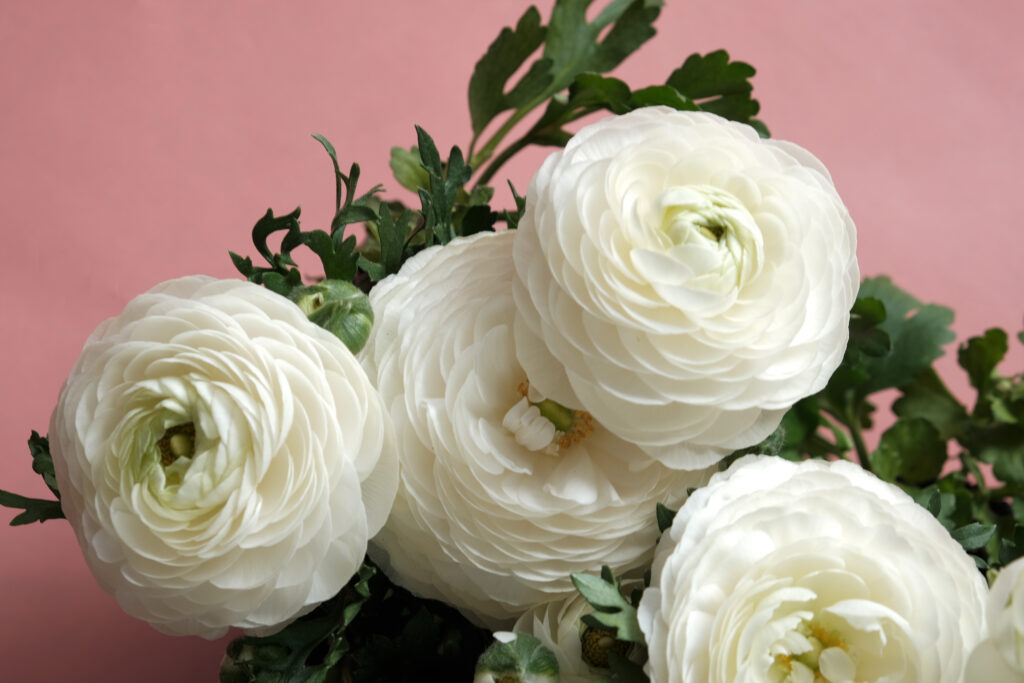
White ranunculus has many thin petals packed into layered flowers that almost look too perfect to be real. The blooms feel soft and dressy, though the plant can still fit into a casual spring garden with ease. Its white flowers look clean and polished in beds, containers, and cutting gardens. When several stems open at once, the effect is full and almost cloudlike.
It grows best where it gets plenty of light and where the soil drains well. Many gardeners like it for cutting because the blooms look beautiful indoors and last nicely in arrangements. Outside, the flowers give spring containers a fresh look without being loud. Since the petals have so much detail, this is one of those plants that people often stop and admire up close.
White Anemones
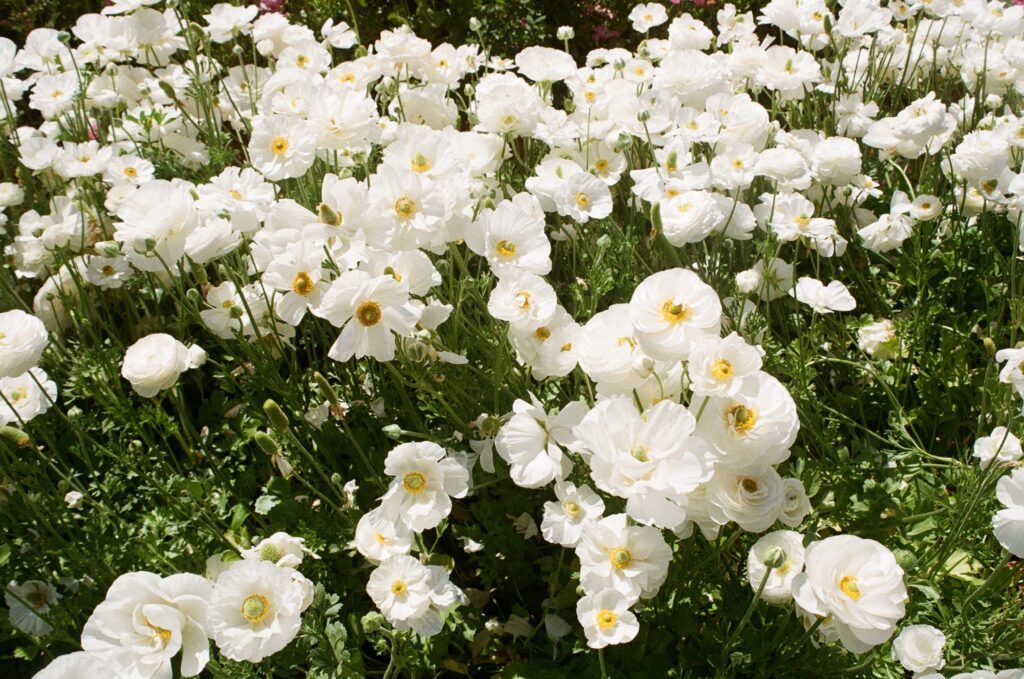
White anemones bring a lighter, airy look to spring planting with petals that seem almost to float above the foliage. The centers are often darker or tinted, which gives the flowers a little contrast without taking away from the clean white effect. They look especially pretty in groups where their faces can move lightly in the breeze. In beds and containers, they add a gentle touch that does not feel heavy or crowded.
These flowers like a spot with good drainage and enough light to keep them blooming well. Their shape is simple, though there is something very graceful about the way they sit on their stems. White anemones mix easily with other spring bulbs and softer pastel flowers if you want a quiet color scheme. They are also lovely for people who like flowers that feel a bit delicate but still show up clearly in the garden.
White Peonies
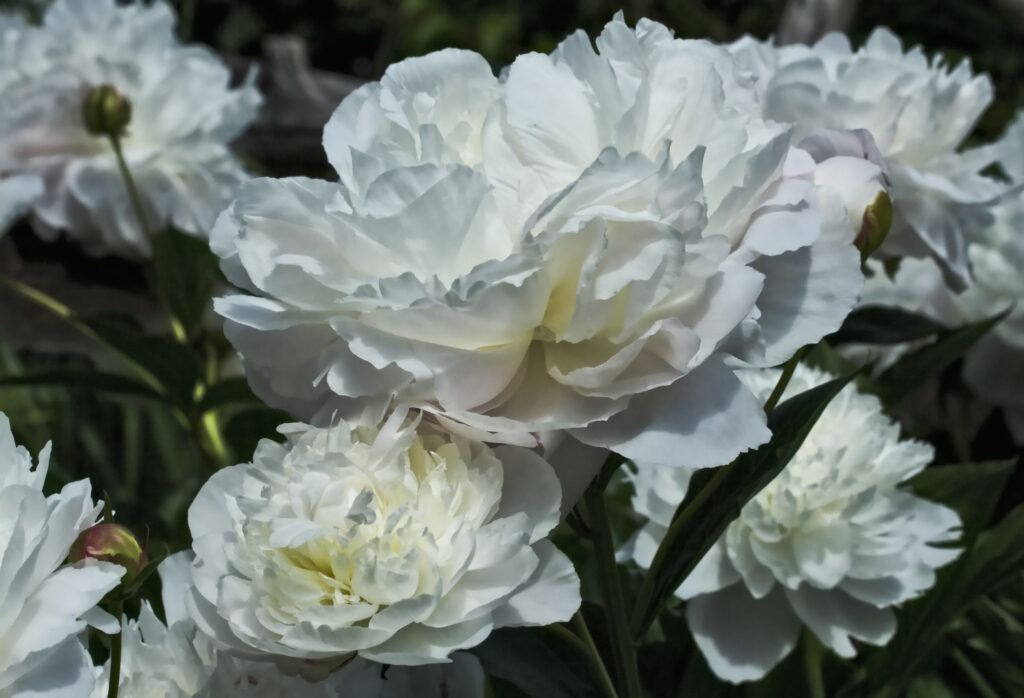
White peonies are big, lush spring bloomers that can make a bed look rich and full in a single week of bloom. The flowers are often large and layered, with petals that look silky and soft. Some are pure white, while others open with a faint blush that fades as the flower matures. Either way, they bring a very clean and classic look to the garden.
Peonies like a sunny spot and can stay in the same place for years once they are happy. Their bloom season is not long, though many gardeners feel the wait is worth it because the flowers are so striking. The plants also have handsome green foliage that helps them stay useful after blooming ends. Since the flowers can get heavy, some kinds may need support to keep stems from leaning after rain.
Mock Orange
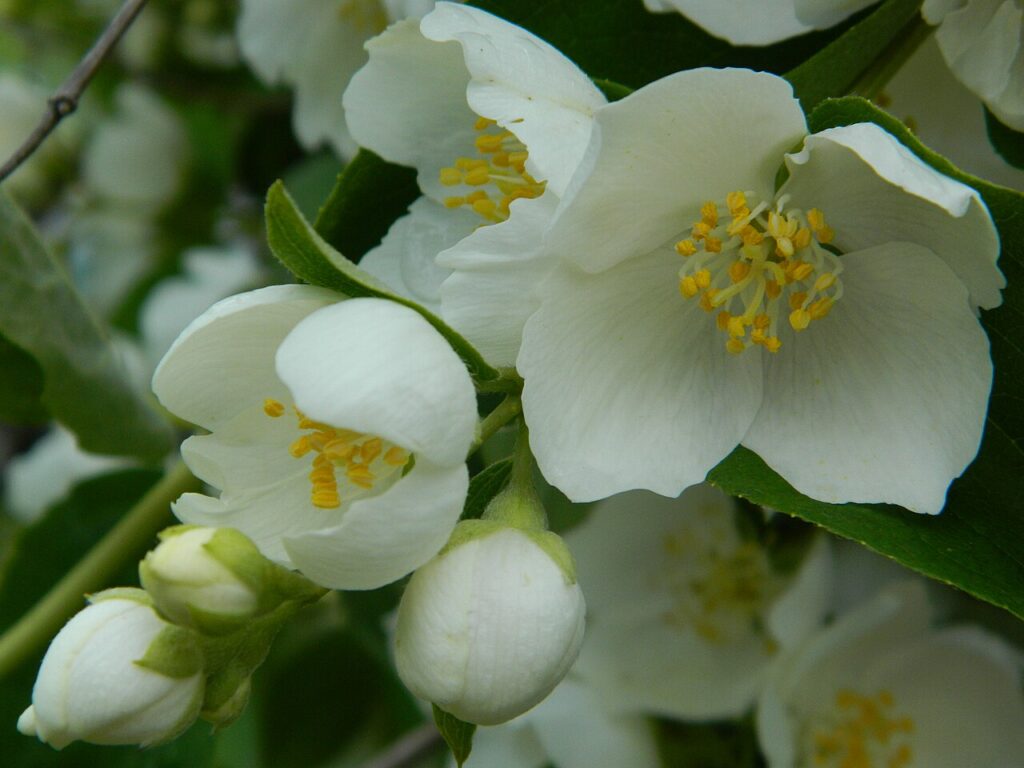
Mock orange is a flowering shrub with white blooms that are loved as much for their scent as for their looks. When it flowers in spring to early summer, the branches fill with simple white blossoms that can make the whole shrub seem lit up. The fragrance is sweet and fresh, so it is often planted near a patio, walkway, or window. It has an easy, familiar garden feel that suits both older yards and newer plantings.
This shrub usually does well in sun or partial shade and likes enough room to grow into its natural shape. After blooming, it can be pruned if needed, though many people let it keep a slightly loose form. The flowers may look simple at first glance, yet the scent is often what makes people remember it. In a mixed border, it adds height and a nice burst of white at a time when many spring plants are still getting going.
White Azaleas
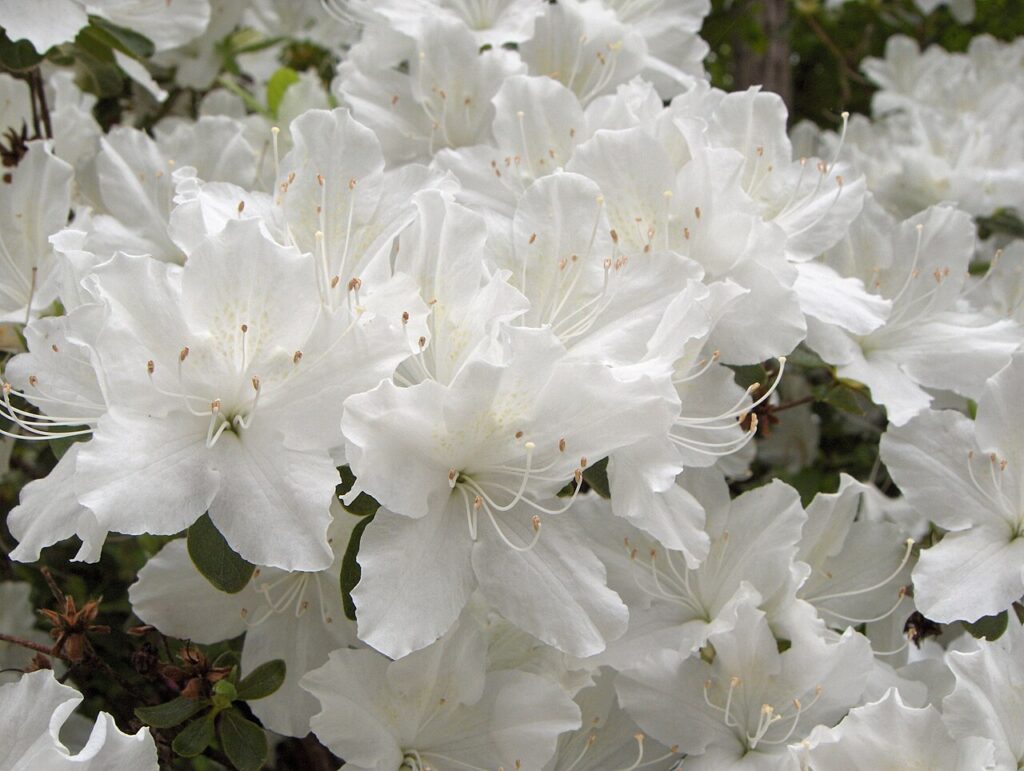
White azaleas can light up a spring yard with masses of trumpet shaped flowers covering the shrub almost all at once. The blooms stand out beautifully against the green leaves, giving the plant a very fresh and tidy look. In part shade, the white flowers can almost seem to glow, especially in the morning or late afternoon. They work well in foundation beds, woodland style plantings, and mixed shrub borders.
These shrubs usually like acidic soil, regular moisture, and some protection from hot afternoon sun. A good planting spot matters, since happy azaleas can put on a really full spring show year after year. Even after the flowers pass, the shrub still gives structure and greenery to the bed. White forms are especially nice if you want a calm color scheme or need a plant that can soften brighter flowers nearby.
This article originally appeared on Avocadu.