
15 Pink Spring Flowers That Stand Out From the Street
Pink blooms can do a lot of work in spring, especially when they are easy to spot from the street. These are the kinds of plants that catch your eye from the curb and make a yard look cheerful without much effort. This list rounds up pretty spring picks that bring clear color where people can actually see it.
This post may contain affiliate links, which helps keep this content free. Please read our disclosure for more info.
Azalea
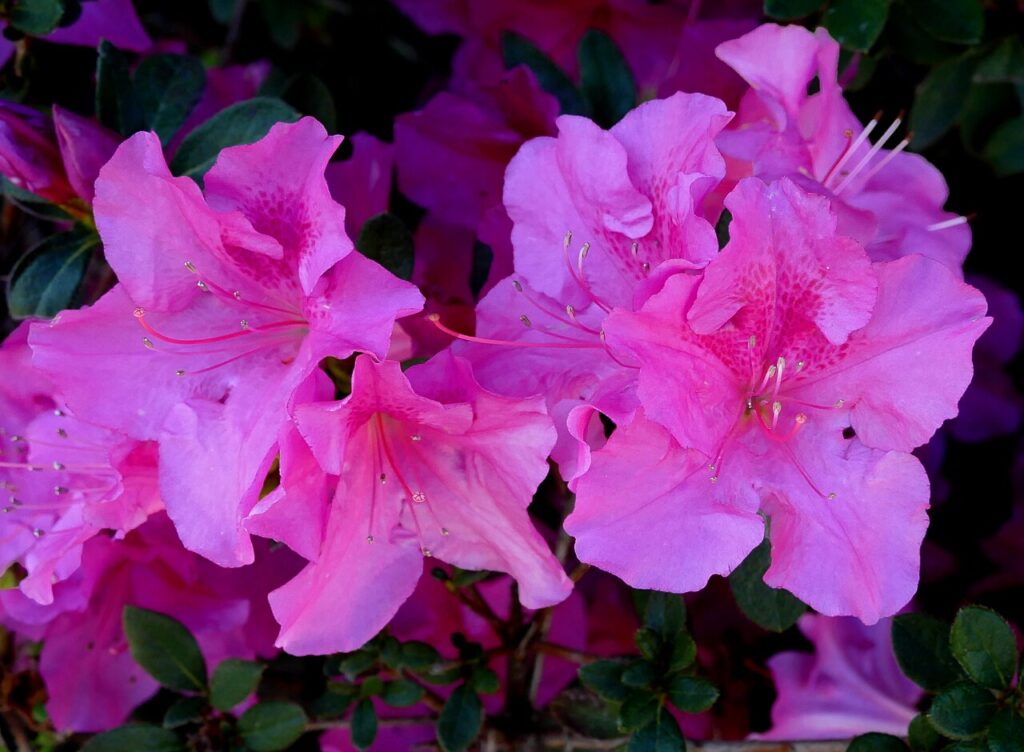
Azaleas are one of those spring shrubs that can make a front yard look cheerful in a hurry. When they bloom well, the branches fill with pink flowers so thickly that the leaves nearly fade into the background. From the street, they read as a soft mound of color instead of a plant with a few scattered blooms. That full look is a big reason they are such a favorite in older neighborhoods and newer landscapes alike.
They usually look best near foundations, along front walks, or grouped in beds where their shape has room to show. Morning light and a little shelter from hard afternoon sun often help the flowers last a bit longer. Some pink varieties lean pale and airy, while others come off richer and warmer from a distance. Once they settle in, they can give a home that classic spring look people notice right away as they pass by.
Camellia
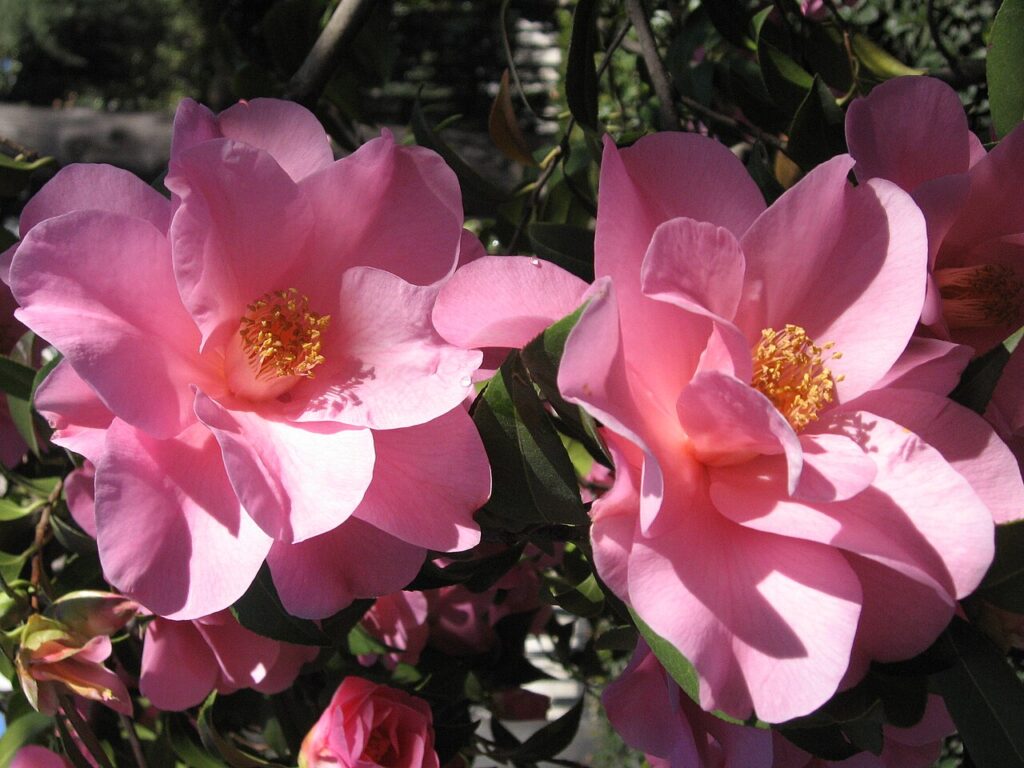
Camellias bring a polished spring look, though they never feel stiff or fussy when planted in the right spot. Their pink blooms stand out well because the flowers sit against dark green leaves that stay on the plant year round. Even when the shrub is not huge, that contrast helps it catch the eye from the curb. A blooming camellia near an entry or front window can make the whole house feel more welcoming.
The flowers often have a soft, layered look that feels almost too pretty to be real up close. From farther away, though, what matters is how clearly the pink shows against the glossy foliage. Camellias tend to like a little protection from harsh afternoon heat, so they often do well where taller trees filter the light. If you want spring color that still looks neat and substantial, this is one of the strongest choices.
Rhododendron
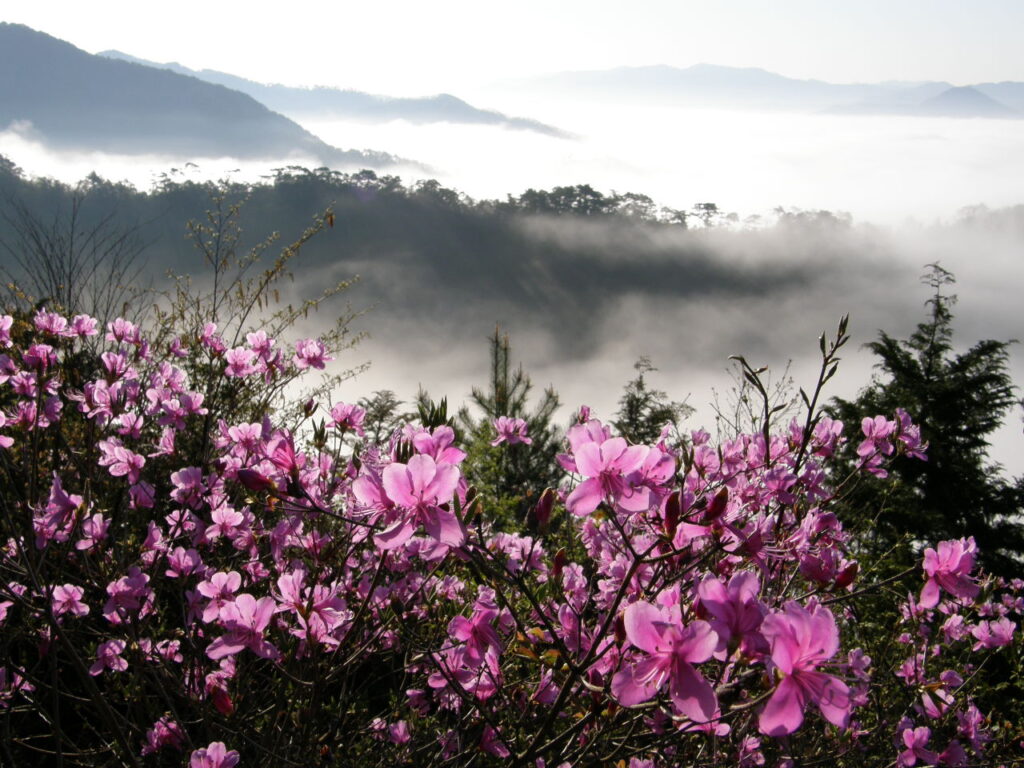
Rhododendrons have a bigger, fuller presence than many spring bloomers, which makes them easy to notice from the street. Their pink flower clusters sit above broad leaves and create a rounded plant with real weight in the yard. When they are happy, they do not look skimpy or scattered. They look like they mean to be seen.
Because the flower trusses are large, the color reads clearly even from across the road. This makes rhododendrons a good fit for larger front beds where smaller shrubs might get lost. They usually appreciate some shade and soil that does not dry out too fast. In the right setting, a pink rhododendron can make the front of a house feel settled, leafy, and very much in spring.
Flowering Quince
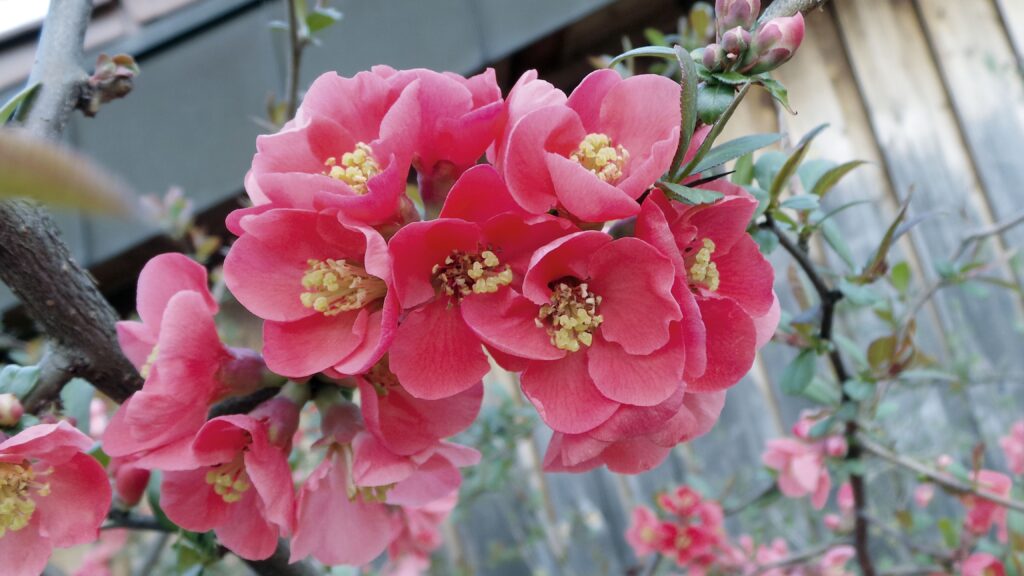
Flowering quince has a slightly more old fashioned feel, and that is part of its charm. It blooms early, often before much else is going on, so the pink flowers really stand out when the yard still feels half asleep. The branches can look a little wild in a good way, which gives the plant character from the street. It does not try to look polished, and that is exactly why many people like it.
When it flowers, the pink blooms seem to cling all along the stems, giving the shrub a busy, colorful look. It works well in front yards that need an early hit of spring color before later shrubs take over. Some types stay more compact, while others grow broader and need more room to spread. Either way, it has a strong curbside presence that feels cheerful and a little nostalgic.
Weigela
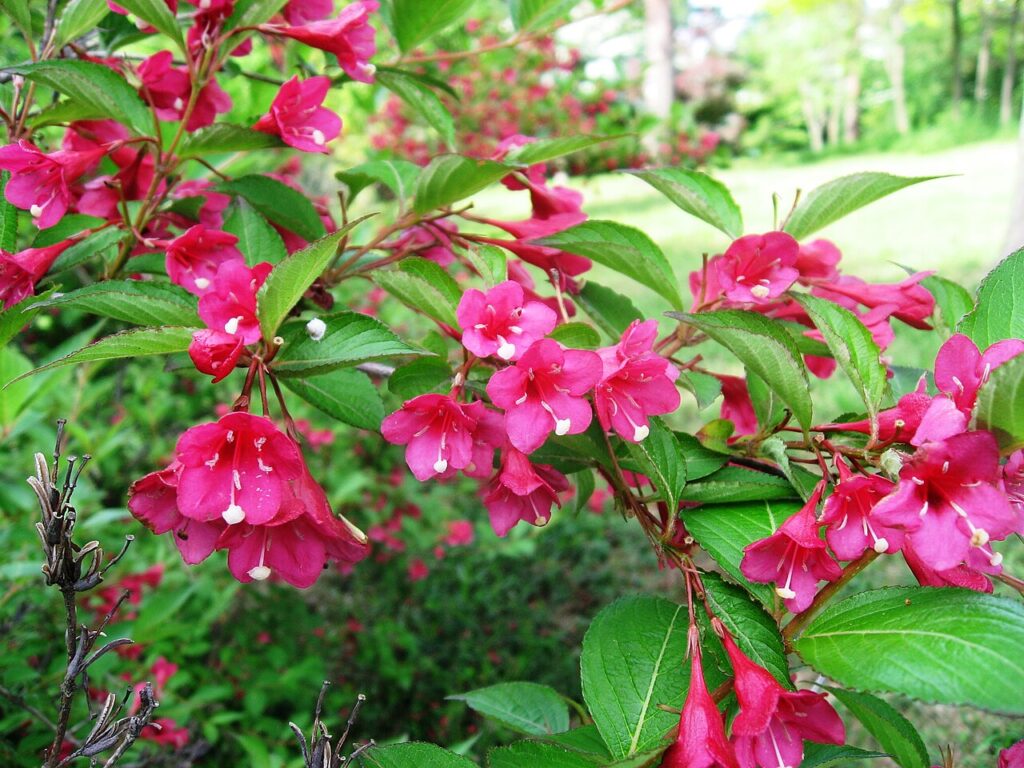
Weigela is one of those shrubs that often surprises people with how well it shows up from a distance. The branches arch outward and fill with trumpet shaped pink blooms that seem to float over the foliage. That loose shape keeps it from looking too heavy, though it still has enough color to register from the street. It feels lively rather than formal.
A pink weigela can soften the front of a house without disappearing into the background. It tends to fit nicely along fences, beside porches, or in mixed beds where it can spill a little. Hummingbirds often like it, which gives the plant another nice point during bloom season. When the flowers come in strong, it has the kind of easy spring look that makes a yard feel friendly.
Knock Out Rose
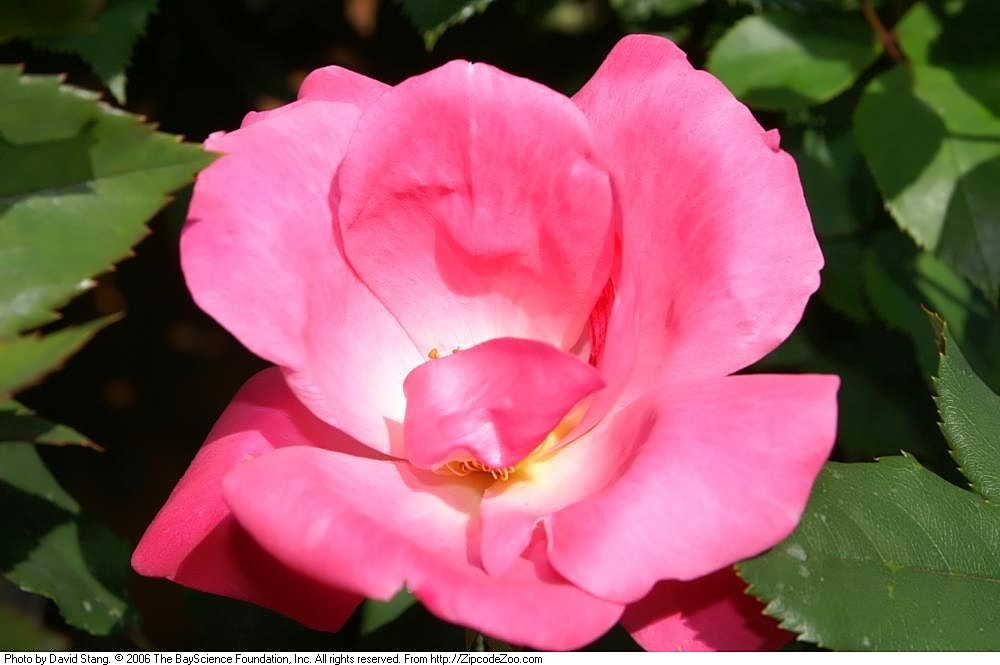
Knock Out roses are popular for a reason, and one of the biggest is how clearly the blooms show from the curb. The pink flowers keep coming, and the plant usually has a fuller, more useful shape than people expect from a rose. Instead of giving you one pretty bloom here and there, it gives you color across the whole shrub. That makes a real difference in a front yard.
They work especially well where you want a plant that reads well for more than just a week or two. A row of them along a walk or driveway can make the whole edge of the yard look brighter in spring and beyond. The flowers are easy to see, and the overall plant stays tidy enough to fit into many home landscapes. For people who want roses without the look of a high maintenance garden, this one makes sense.
Drift Rose
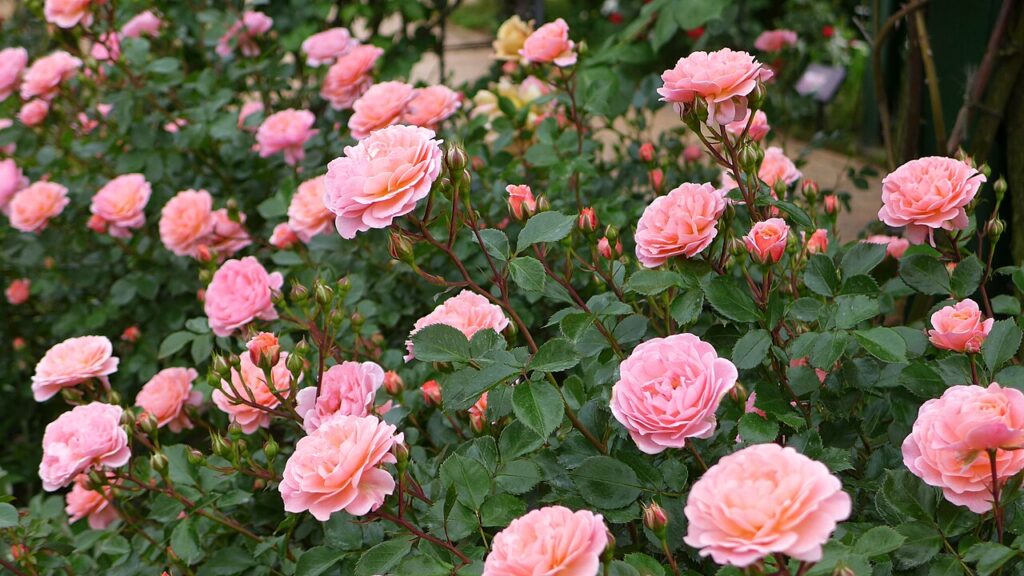
Drift roses have a lower, spreading habit, but they still put on a show when covered in pink blooms. Instead of rising high, they move outward and create a blanket of color close to the ground. That makes them especially good along borders, near sidewalks, or at the front of beds where taller plants would block them. Even from the street, they can read as a clear ribbon of pink.
Because they stay smaller, they are useful in yards where full size shrubs would feel crowded. The flowers come in clusters, so the plant looks busy and full rather than sparse. They also pair well with stone edging or mulch because the pink stands out so cleanly against those surfaces. If you want something low and colorful that still gets noticed, drift roses are a very good pick.
Bigleaf Hydrangea
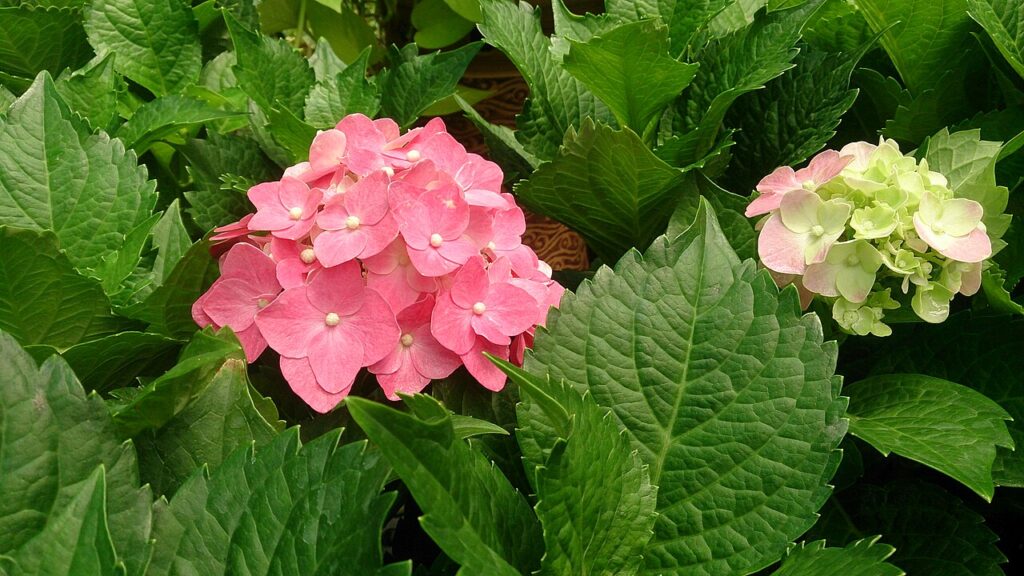
Bigleaf hydrangeas bring a softer kind of pink, though they can still be easy to notice from the road. Their flower heads are large enough to show up well, and the broad leaves give the plant a full summerlike look even in late spring. In the right pink shade, they can make a shady front bed feel much more cheerful. They have a relaxed, cottage garden quality that many people love.
These shrubs often look best where they get morning sun and some relief later in the day. Because the blooms are rounded and generous, they do a nice job of filling visual gaps near porches and foundations. Some pink varieties read pale and romantic, while others come off warmer and richer from a distance. When several blooms open at once, the plant has a calm but noticeable presence from the street.
Panicle Hydrangea
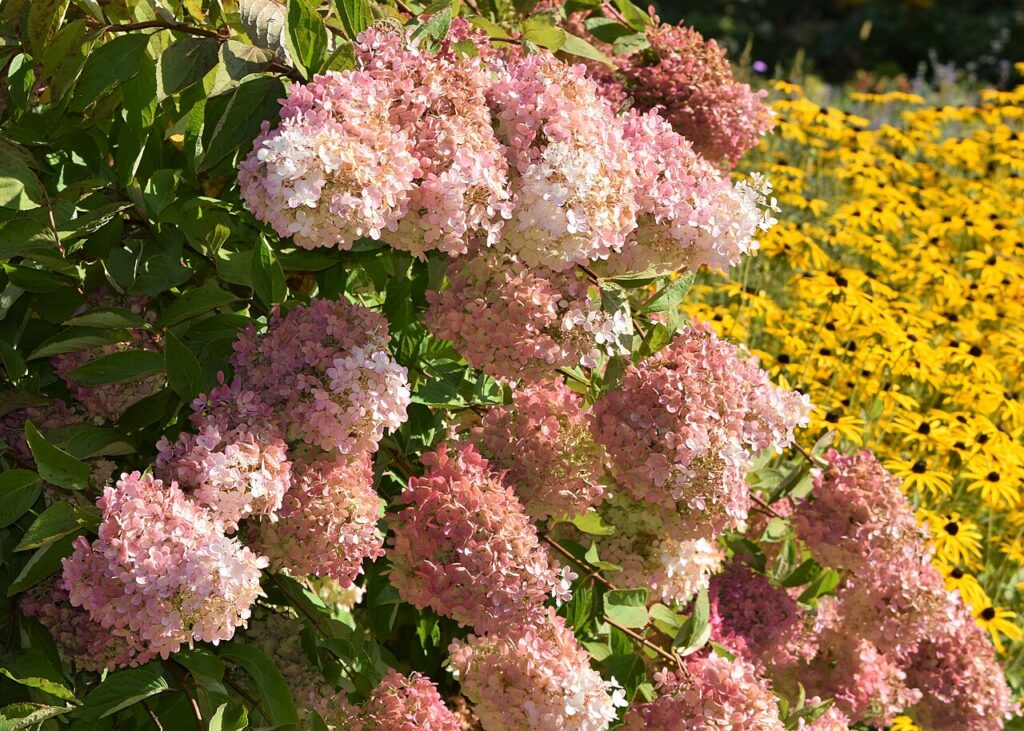
Panicle hydrangeas are more often linked with summer, though some pink forms start giving that blush effect as the season moves along. They are worth mentioning because their flower heads are big, upright, and very visible from a distance. Even when the color begins creamy, the pink tones that develop can be easy to catch from the curb. On larger plants, the effect can be impressive.
These shrubs usually have a stronger upright form than bigleaf hydrangeas, so they suit homes that need height without a small tree. They can handle more sun than some other hydrangeas, which helps in open front yards. As the blooms mature, the pink can deepen and give the plant a longer period of interest. For people who want size, structure, and soft color together, this is a useful option.
Crabapple
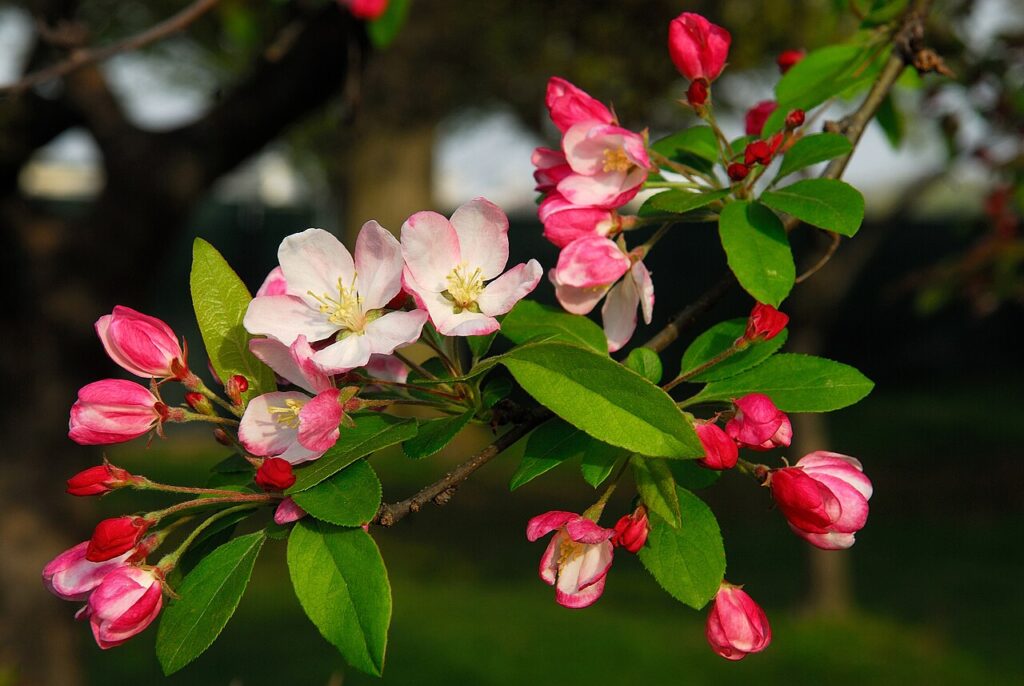
A flowering crabapple in pink bloom is hard to miss, even from halfway down the block. When the branches fill with blossoms, the tree can look like a cloud of color hovering over the lawn. It has that classic spring effect people picture when they think of neighborhood trees in bloom. Even a single tree can change the whole feel of a front yard.
Crabapples are especially good for homes that need vertical color instead of another shrub at ground level. The branching shape lets the flowers spread across a broader view, which helps them read well from the street. Some varieties stay fairly compact, while others grow into wider, more shade giving trees over time. During bloom season, they bring that soft pink look people slow down to notice.
Eastern Redbud
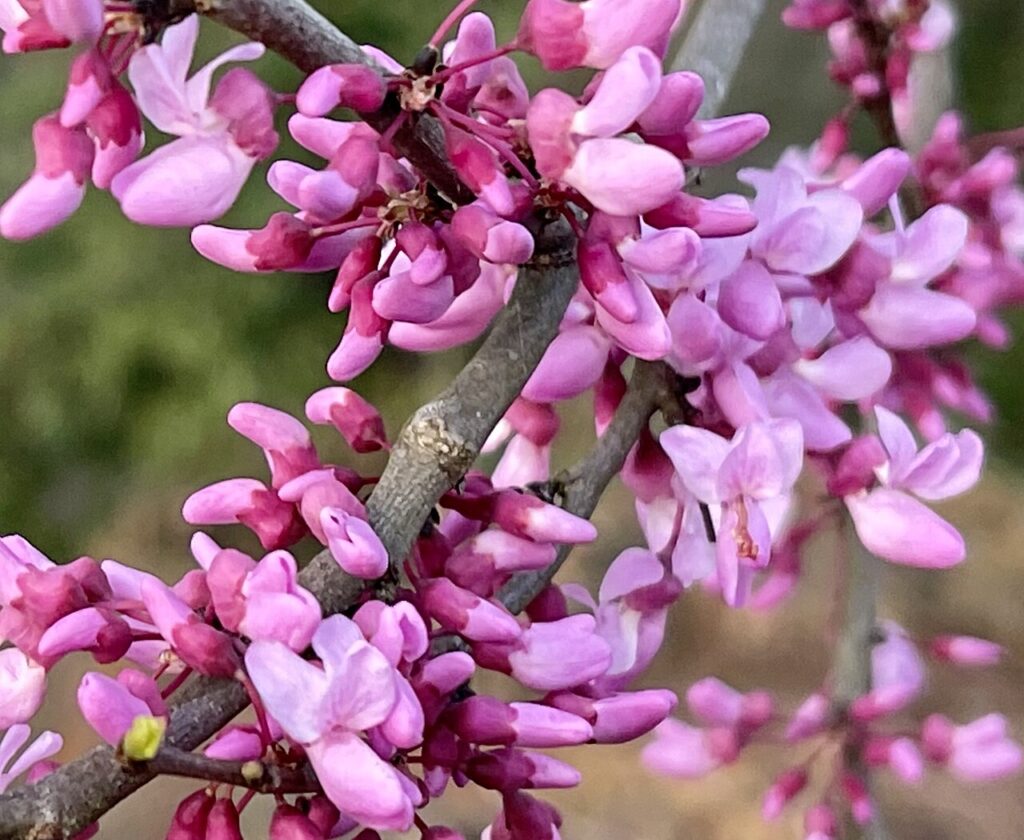
Eastern redbud is one of the clearest spring signals you can plant in a front yard. Before the leaves fully come in, the branches and even parts of the trunk can cover themselves in pink blooms. That unusual flowering habit makes the color stand out in a way that feels effortless and natural. From the street, it often looks like the tree has been dusted with pink all over.
Because redbuds bloom before the yard fills out, they get a head start on catching attention. The branching shape has a graceful feel, and the flowers show up nicely against bare limbs and fresh spring light. It is a great choice for smaller yards because it does not usually feel too large or overwhelming. When planted near the street or in an open lawn, it has a lovely way of announcing the season.
Saucer Magnolia
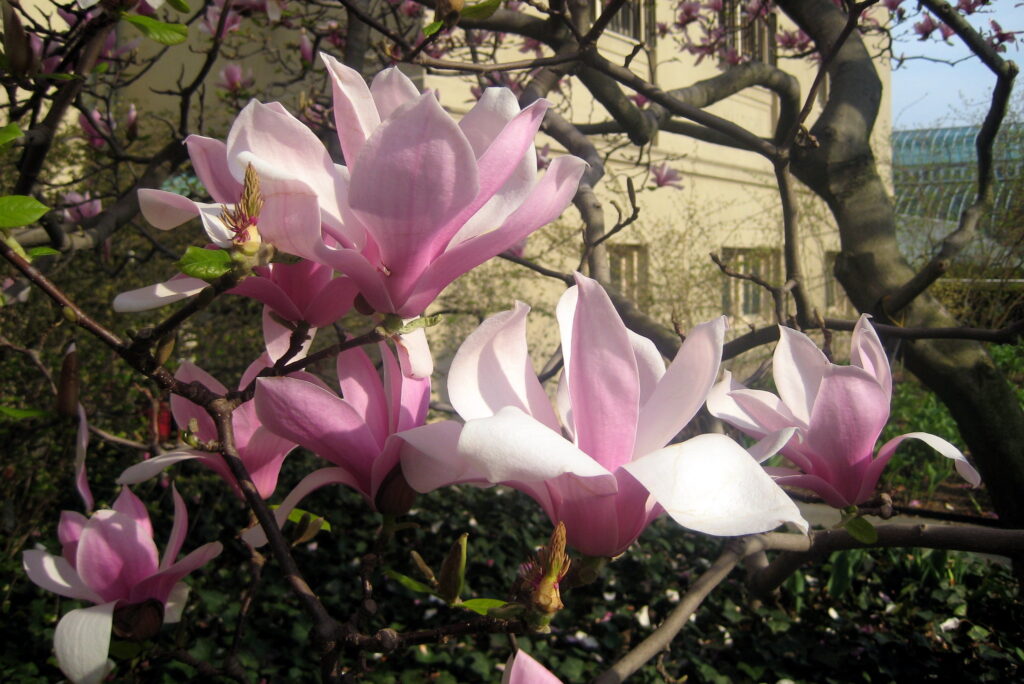
Saucer magnolia has some of the largest pink spring blooms you can get on a small tree. The flowers open before the tree leafs out much, so there is very little competing with them visually. That means the pink reads clearly from the street and often from much farther away. It is the kind of tree people remember after driving past it once.
The blooms have a tulip like shape and a fullness that gives the tree a rich spring look without needing any other support plants around it. A front yard with a saucer magnolia often feels finished during bloom season even if the rest of the planting is simple. It does need enough room to show its branching shape, so cramming it into a tight corner usually does not do it justice. Give it some space, and it can easily become the part of the yard people talk about.
Crape Myrtle
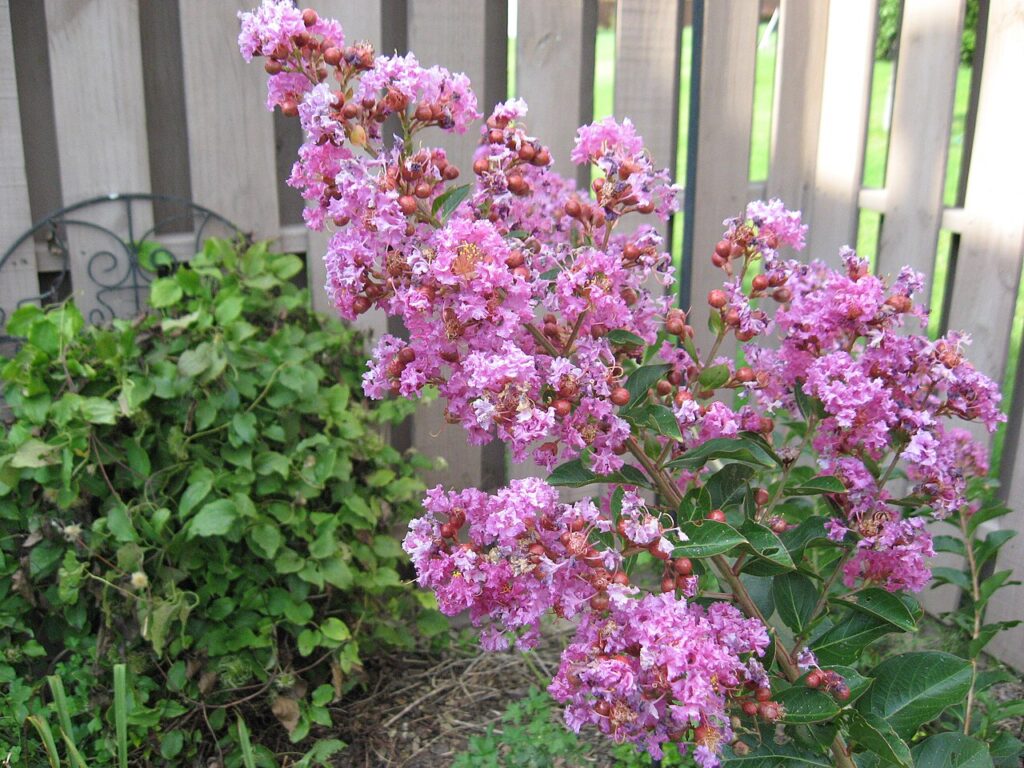
Crape myrtle is usually thought of as a summer bloomer, though pink varieties are still worth considering for strong street visibility later in the warm season. When they flower, the clusters sit all over the branch tips and are easy to notice from the curb. The plant can be grown as a large shrub or small tree, which gives it a lot of flexibility in a landscape. Pink forms often read especially well against a house with a pale or neutral exterior.
In warmer regions, crape myrtles are almost part of the visual language of the street in bloom season. They bring height, color, and a loose airy texture that keeps the yard from feeling heavy. Even after the flowers start to fade, the shape can still carry the space nicely. If the goal is visible pink color that does not hide at ground level, this plant does the job well.
Bougainvillea
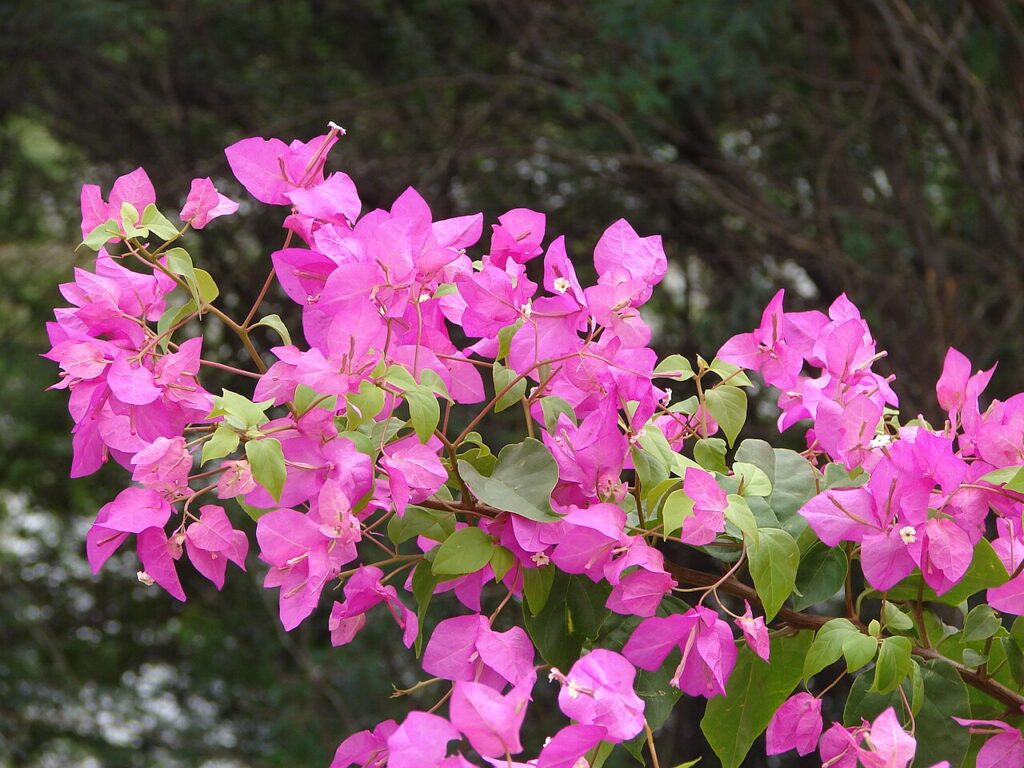
Bougainvillea is one of the loudest pink plants you can grow, especially in warm climates. What people notice from the street are the bright papery bracts that cover the plant and spill over walls, fences, and trellises. It has a casual, sun soaked look that can make a house feel lively right away. When it is full, it is nearly impossible to ignore.
This is a good pick for places where a plant needs to do more than sit politely in a bed. It can climb, drape, or spread, depending on how it is trained and where it grows. Because the color comes in such large masses, even a passerby who is not paying much attention will still notice it. In the right setting, bougainvillea gives a yard that vacation feel without trying too hard.
Oleander
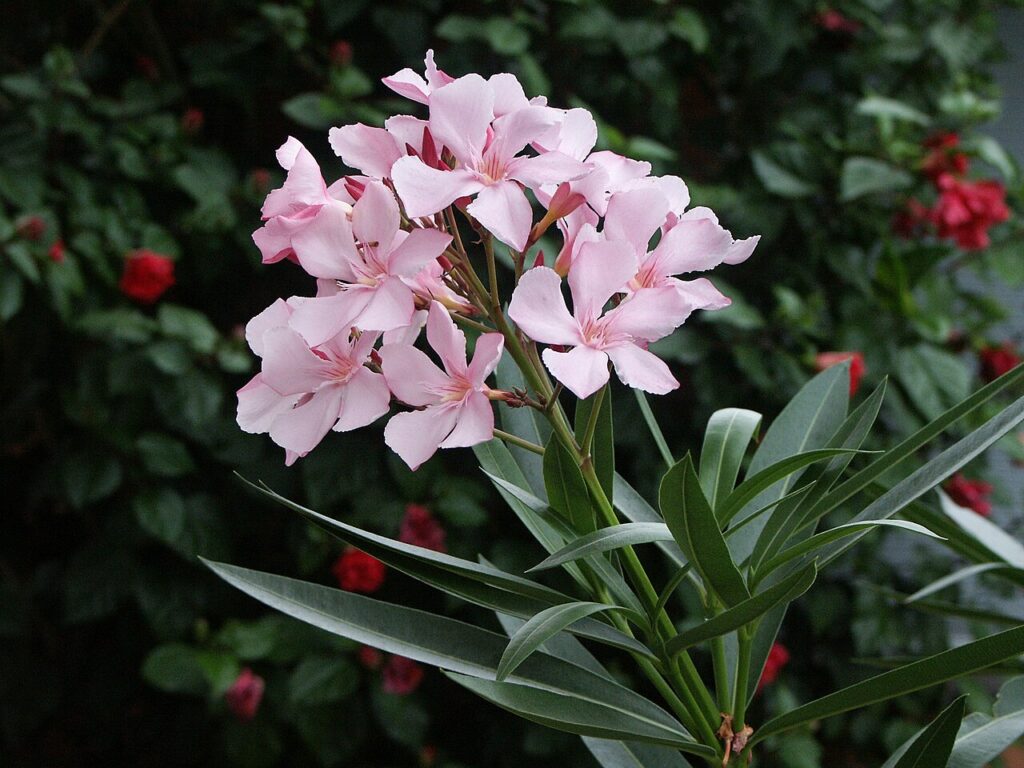
Oleander forms a large shrub with plenty of pink bloom power, which is why it often gets used in warm region streetscapes. The flowers appear in clusters, and because the plant can grow quite full, the color shows across a large area. From the street, it reads as a substantial flowering shrub rather than a plant with a few nice details. That larger scale helps it stand out.
It works best where there is room for it to develop its natural size and shape. The narrow leaves give it a slightly airy look, though the bloom clusters keep it from fading into the background. Pink forms can look especially pretty against stucco, brick, or dark green companion plants. One thing to keep in mind is that oleander is toxic, so it is better suited to spots where pets and small children are not likely to handle it.
This article originally appeared on Avocadu.