
16 Foods with More Potassium Than a Banana
When it comes to potassium, bananas are often the go-to choice, but there are plenty of other foods that pack even more of this essential nutrient. Potassium plays an important role in maintaining healthy blood pressure, muscle function, and fluid balance. While bananas are a convenient option, diversifying your diet with a variety of potassium-rich foods can help you reap additional health benefits. From leafy greens to delicious fruits and hearty vegetables, many foods can help boost your potassium intake.
This post may contain affiliate links, which helps keep this content free. Please read our disclosure for more info.
Sweet Potatoes
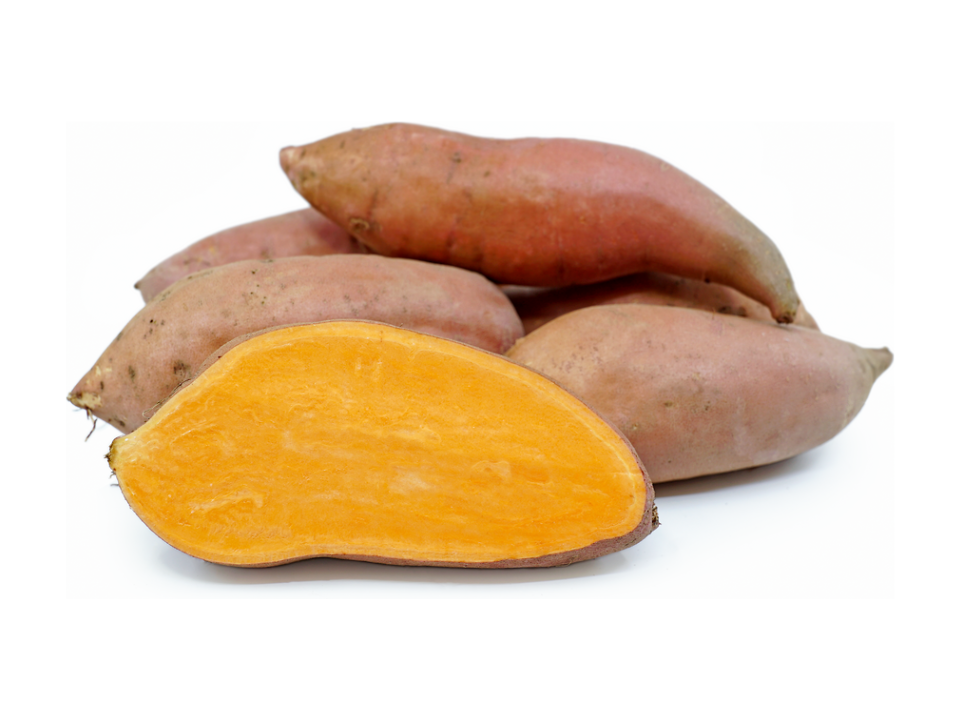
Sweet potatoes are rich in potassium, providing a great alternative to bananas. A medium-sized sweet potato contains around 542 milligrams of potassium, which is higher than a banana. In addition to potassium, sweet potatoes are packed with fiber and vitamin A, making them a nutritious addition to your diet.
These root vegetables can be enjoyed in many forms, whether roasted, mashed, or added to stews. They are naturally sweet, offering a satisfying taste while providing excellent nutritional value. They can also help support heart health due to their potassium content. Sweet potatoes are versatile and can be added to savory dishes or enjoyed as a healthy snack.
Avocados
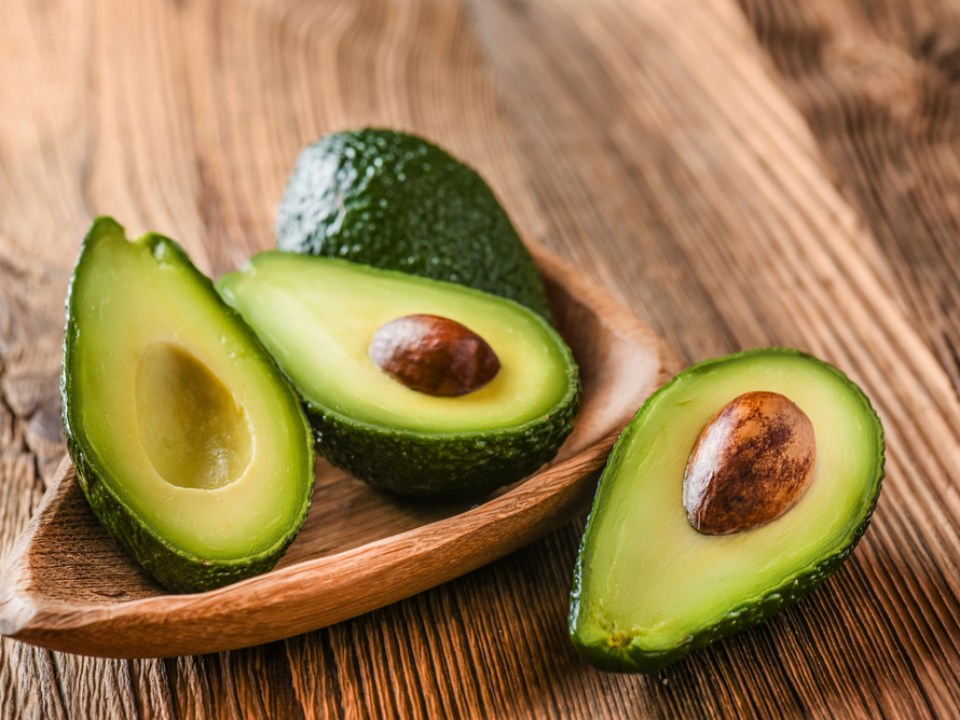
Avocados are well known for their healthy fats, but they are also a fantastic source of potassium. A medium avocado contains around 975 milligrams of potassium, nearly three times the amount found in a banana. Not only are they potassium-rich, but avocados are also loaded with heart-healthy monounsaturated fats. T
hey can be added to salads, spread on toast, or blended into smoothies for a creamy texture. Avocados also provide vitamins C, E, and K, along with plenty of fiber. The potassium in avocados helps to regulate fluid balance and support muscle function. Their creamy texture and mild flavor make them a perfect complement to many dishes.
Spinach
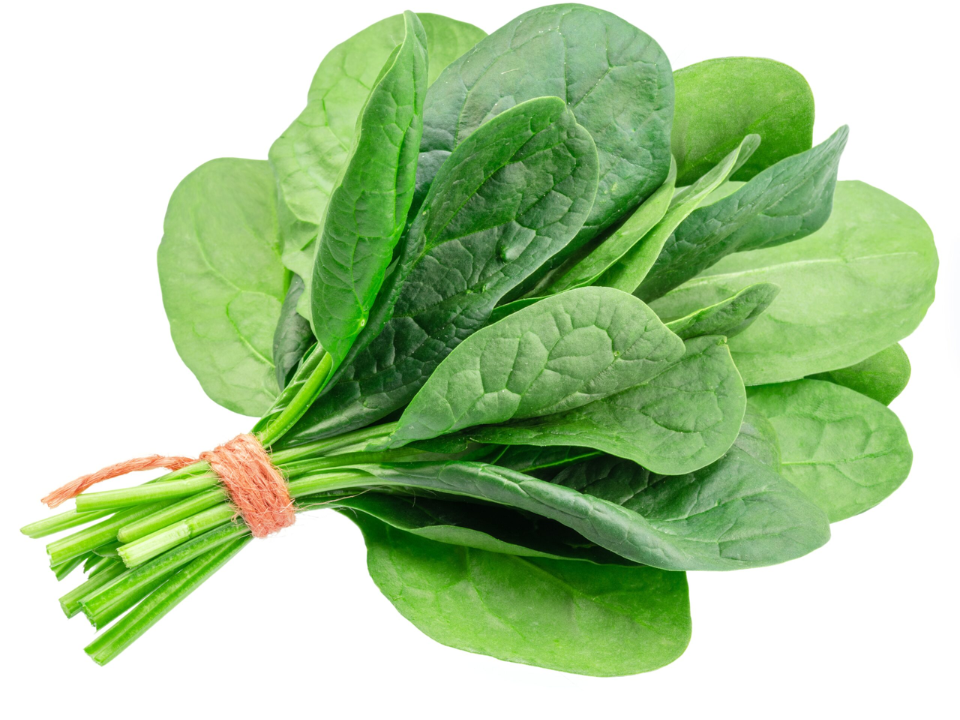
Spinach is not only low in calories but also a great source of potassium. One cup of cooked spinach contains about 839 milligrams of potassium, which is more than a banana. In addition to potassium, spinach is a rich source of vitamins A, C, and K, as well as iron and folate. It can be easily added to your diet through smoothies, soups, or salads.
Spinach is known for its antioxidant properties, which help protect your cells from damage. The high potassium content supports healthy blood pressure levels and proper nerve function. The leafy green vegetable can be enjoyed cooked or raw, providing a flexible addition to various meals.
White Beans
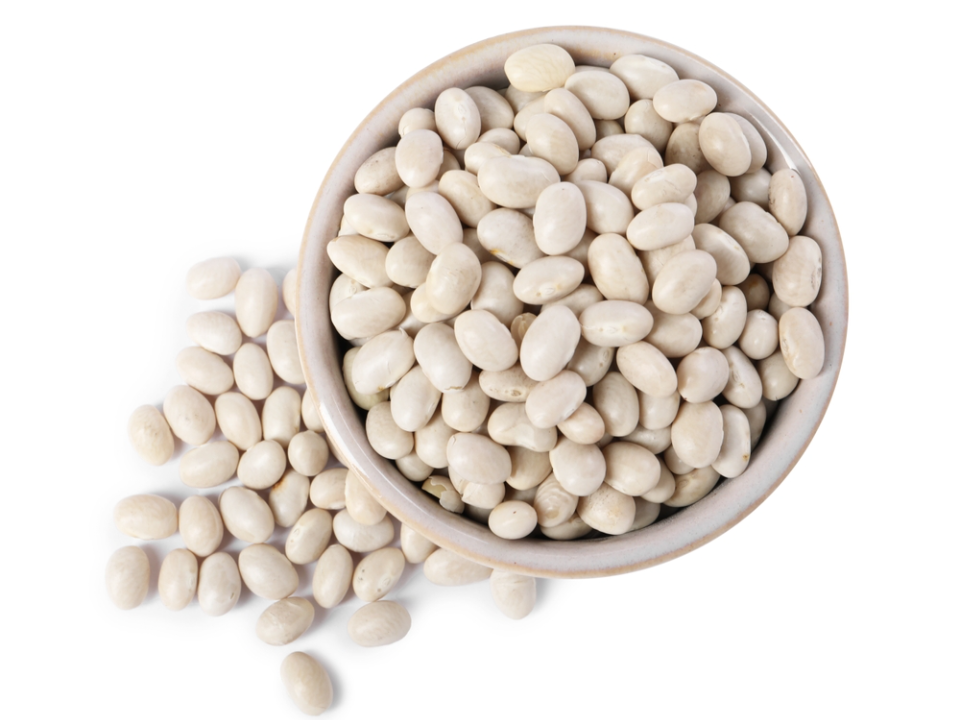
White beans, including navy beans, are an excellent source of potassium. One cup of cooked white beans contains around 1,000 milligrams of potassium. Beans are not only rich in potassium, but they also provide protein, fiber, and other essential minerals like iron.
They are great for supporting digestive health and maintaining energy levels throughout the day. Beans are versatile and can be used in soups, stews, or salads. They can be incorporated into vegetarian meals or used as a protein source in meat-based dishes. White beans are easy to prepare and pair well with a wide variety of seasonings.
Potatoes
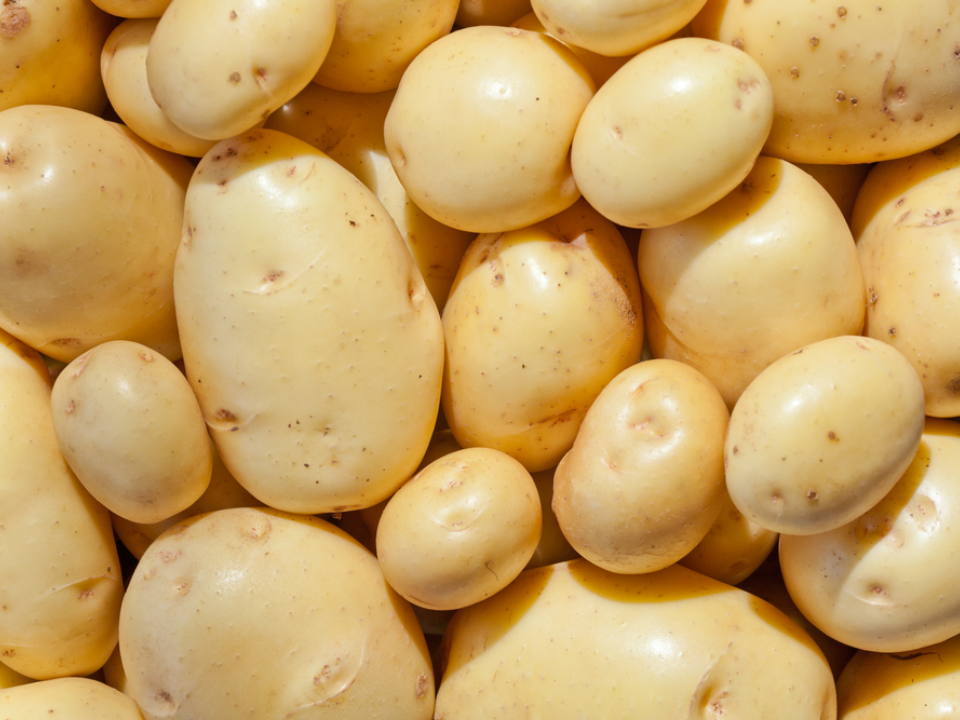
Potatoes are another great source of potassium, with a medium-sized baked potato containing around 926 milligrams of potassium. They are also rich in carbohydrates and provide a steady source of energy.
Potatoes are packed with fiber, especially when you eat the skin. In addition to potassium, they provide vitamin C and vitamin B6, which are essential for immune function and energy metabolism. Potatoes can be enjoyed in a variety of ways, whether baked, mashed, or roasted. Their ability to absorb flavors makes them a versatile base for many dishes.
Beets
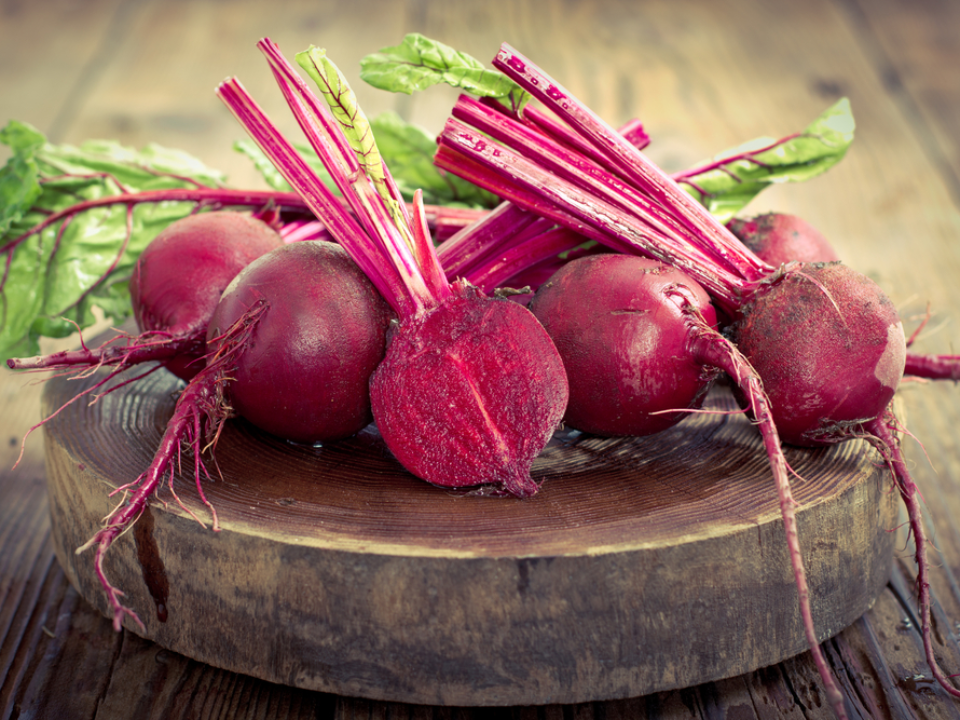
Beets are an underrated source of potassium. One cup of cooked beets contains around 518 milligrams of potassium. They also provide other essential nutrients like folate, fiber, and vitamin C. Beets are known for their vibrant color and earthy taste, which makes them a great addition to salads or roasted dishes.
The potassium in beets helps support heart health by helping regulate blood pressure. They are also rich in antioxidants that help combat oxidative stress. Whether roasted, boiled, or pickled, beets are versatile and delicious.
Tomatoes
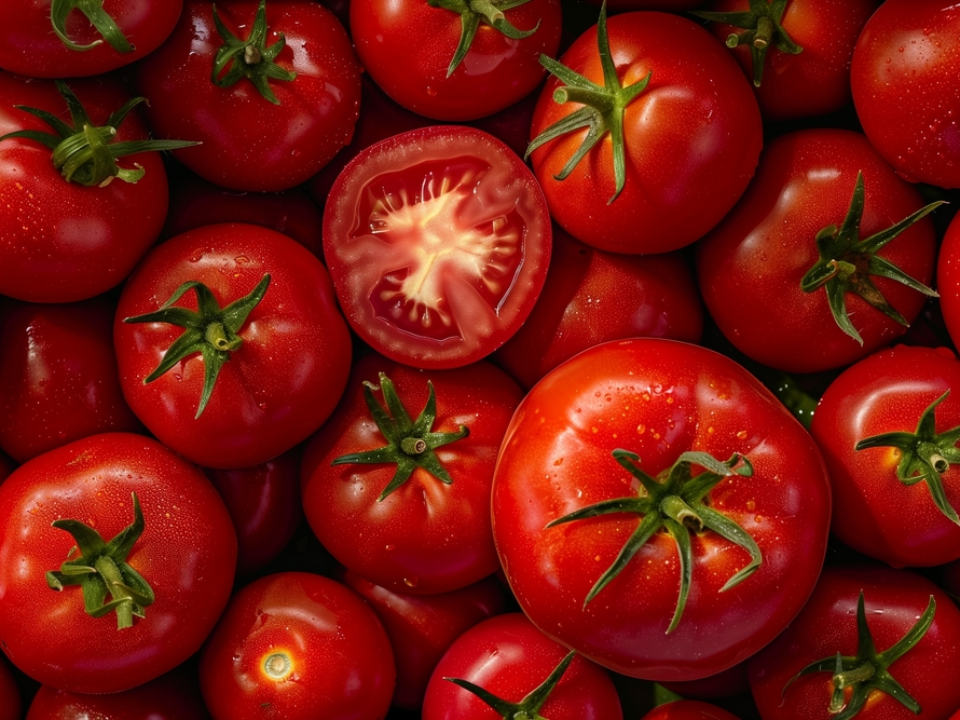
Tomatoes, especially sun-dried tomatoes, are a great source of potassium. One medium tomato contains around 292 milligrams of potassium, while sun-dried tomatoes can have as much as 1,000 milligrams per cup. Tomatoes are rich in antioxidants, particularly lycopene, which helps protect against cell damage.
They are also an excellent source of vitamins C and K. Tomatoes can be enjoyed in sauces, salads, sandwiches, or soups. The potassium content in tomatoes helps support muscle function and heart health. They can be used in a variety of ways to complement other ingredients.
Dried Apricots
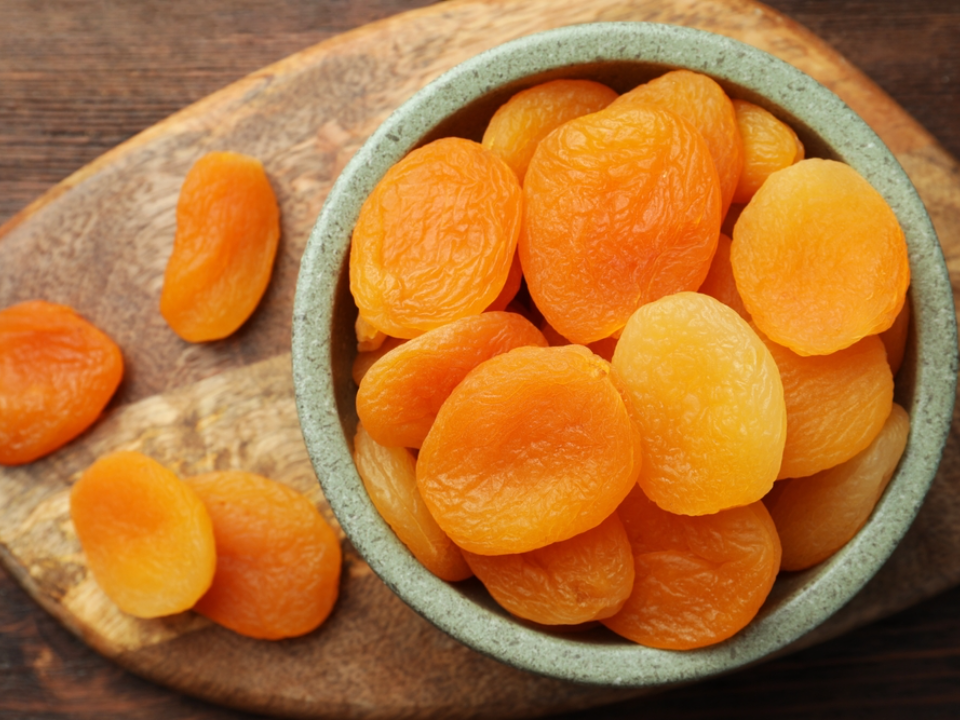
Dried apricots are an excellent source of potassium, with just four apricots containing about 755 milligrams of potassium. They are also a good source of fiber and vitamin A, which are important for digestive and skin health.
Dried apricots can be a healthy snack on their own or added to granola, salads, or baked goods. Their sweet flavor makes them a great addition to both savory and sweet dishes. Apricots also contain iron, which helps to prevent anemia and maintain energy levels. The potassium content in dried apricots supports fluid balance and muscle health.
Cantaloupe
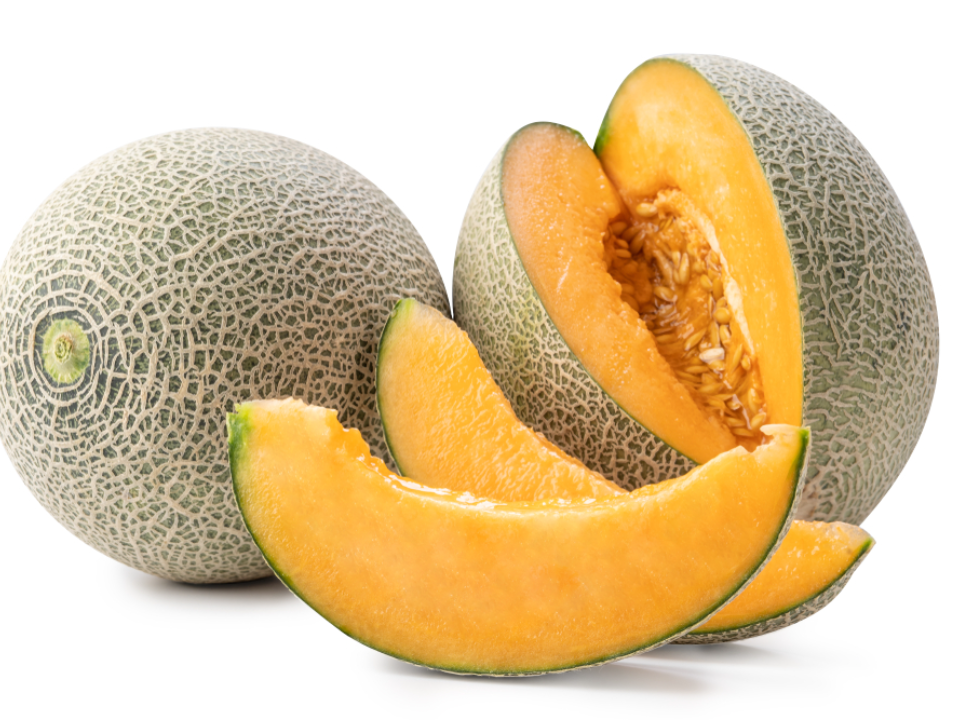
Cantaloupe is another fruit that provides a healthy dose of potassium. One cup of diced cantaloupe contains about 427 milligrams of potassium. This refreshing fruit is also rich in vitamin C, which helps support a healthy immune system.
Cantaloupe is hydrating due to its high water content and is an excellent choice for staying hydrated during hot weather. It pairs well with other fruits in salads or can be eaten on its own as a sweet, satisfying snack. The potassium in cantaloupe helps keep your muscles and nerves functioning properly.
Swiss Chard
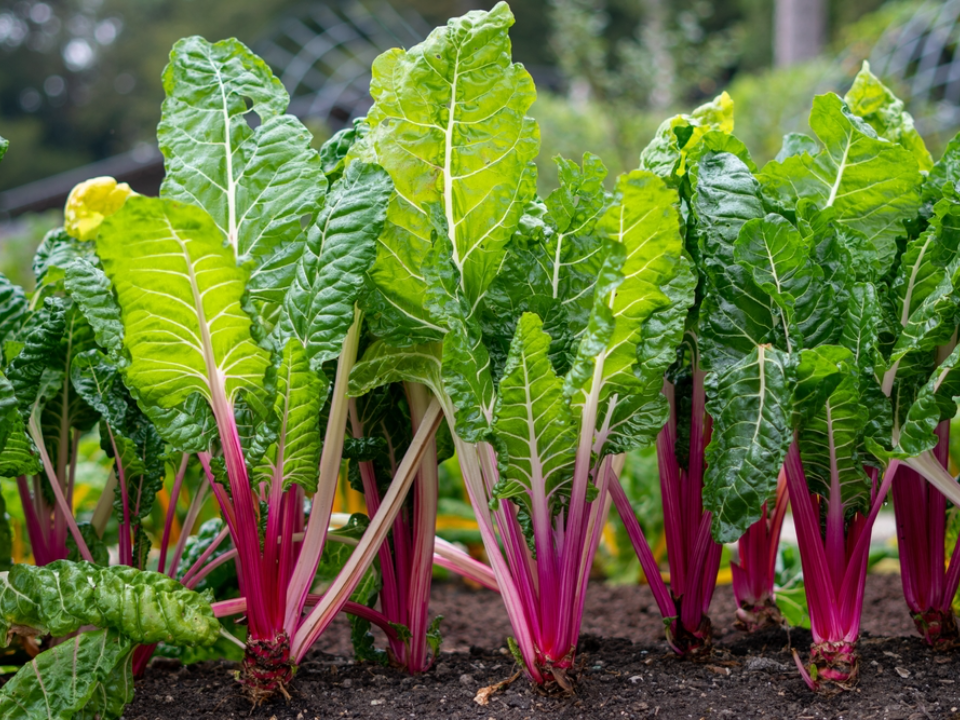
Swiss chard is one of those greens that does not get as much attention as spinach, even though it packs a lot into one serving. A cooked cup of Swiss chard can give you far more potassium than a medium banana, which makes it a strong pick for this kind of list. It also gives you vitamin K, vitamin A, and magnesium, so it brings more than just one nutrient to the table.
The leaves turn silky when cooked, while the stems keep a little bite, which gives the vegetable a nice texture. Swiss chard works well in soups, pasta, grain bowls, and simple skillet meals. Its flavor is slightly earthy with a mild bitterness that softens once it is sautéed. If you want an easy way to eat more potassium without leaning on fruit, Swiss chard is a very good place to start. A quick cook with garlic, onion, and olive oil is often all it needs.
Acorn Squash
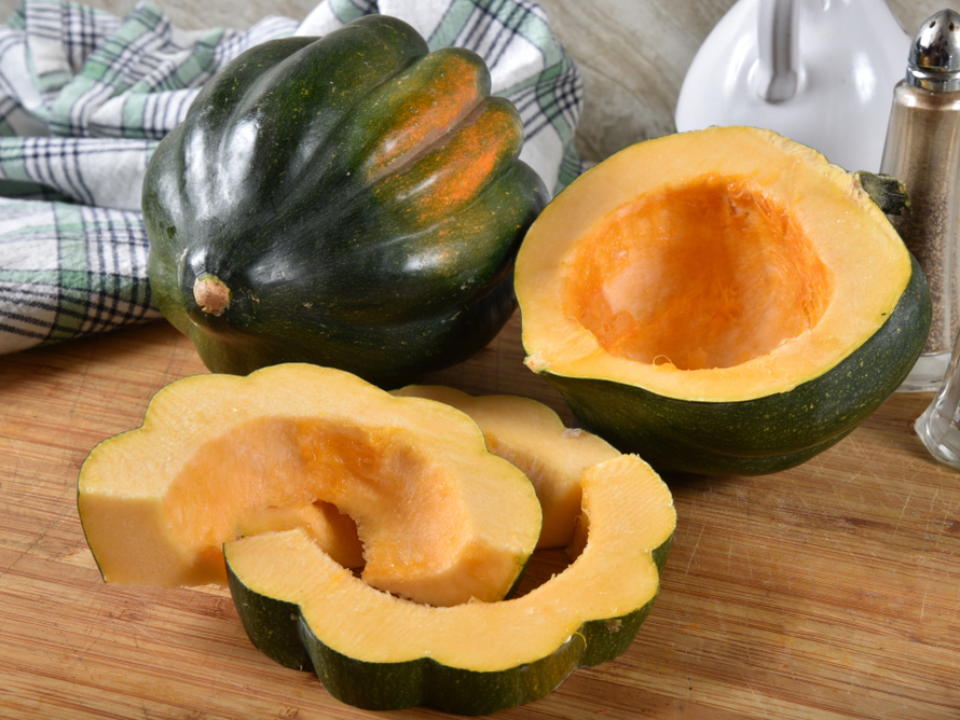
Acorn squash is filling, slightly sweet, and packed with nutrients that make it worth bringing into your meal plan. One cooked cup usually has well above the potassium found in a medium banana. It also gives you fiber and vitamin C, which makes it a nice choice when you want something hearty that still feels fresh. The inside turns soft and creamy after roasting, and the edges can get lightly caramelized.
Acorn squash pairs nicely with butter, herbs, brown rice, or a simple stuffing made with ground meat and vegetables. It works as a side dish, though it can easily become the main part of dinner with the right toppings. Its natural sweetness makes it easy to enjoy even for people who do not usually reach for squash. Roasting halves in the oven until tender is one of the easiest ways to cook it.
Lentils
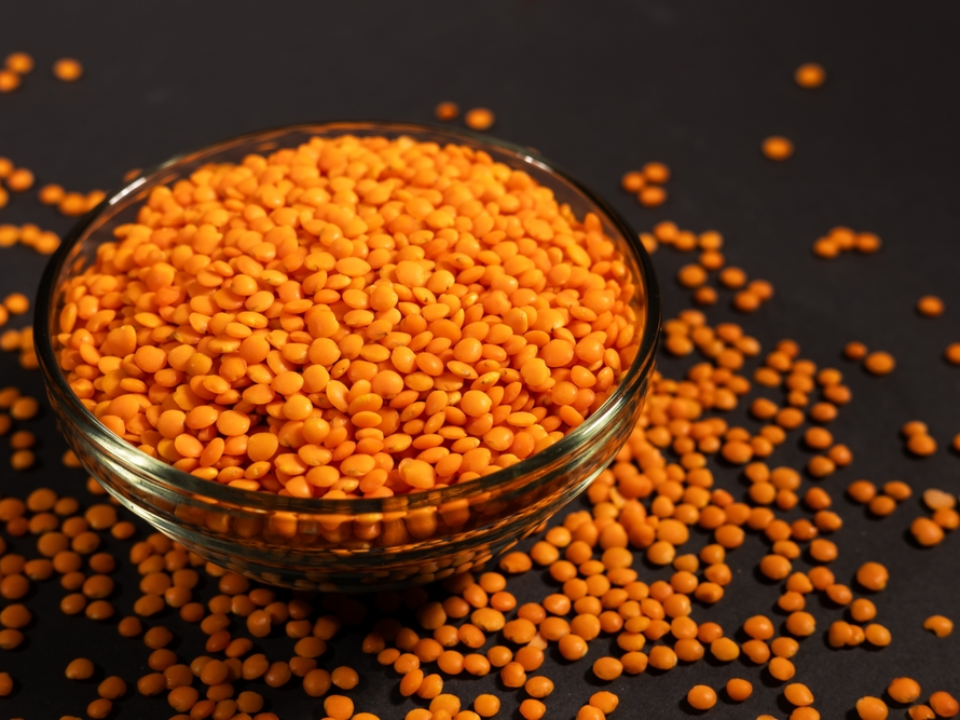
Lentils are a pantry staple that can do a lot for a meal without costing much. A cooked cup has more potassium than a banana, along with a good amount of plant protein and fiber. That mix can help keep you full for a long stretch, which is one reason lentils work so well in soups and bowls. They take on the flavor of broth, garlic, spices, and vegetables, so they are easy to work into different styles of cooking.
Brown lentils hold their shape well, while red lentils turn softer and creamier. That means you can use them in anything from thick stews to simple curries. Lentils are a good option for people who want more potassium from a food that feels hearty and practical. Keeping a bag in the kitchen can make lunch or dinner much easier.
Edamame
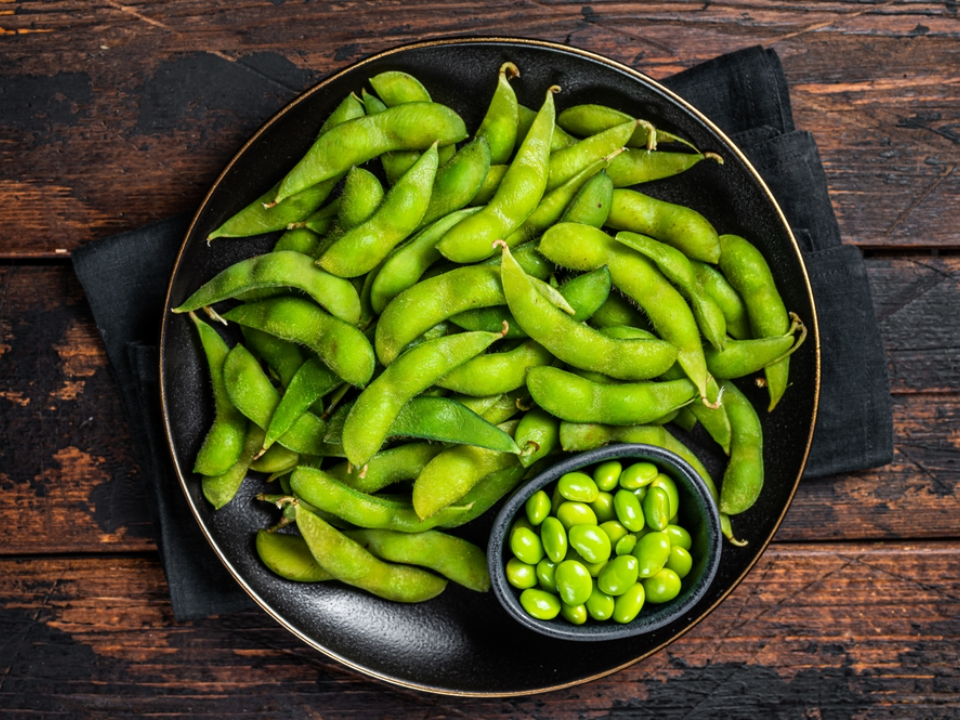
Edamame is young soybeans, and it is one of the easiest snack or side dish options when you want something filling and simple. A cooked cup can give you more potassium than a medium banana, which may surprise people who mostly think of it as an appetizer. It is also rich in protein, fiber, and folate, so it brings a lot to a small bowl. The beans have a mild, nutty taste that works with sea salt, chili flakes, garlic, or sesame oil.
You can eat them warm from the pod or shelled and tossed into rice bowls, noodle dishes, and salads. Because edamame has a soft bite and clean flavor, it is easy to mix into meals without changing the whole dish. It is a strong choice for people who want a plant based way to get more potassium. A bag from the freezer can turn into something useful in just a few minutes.
Plain Yogurt
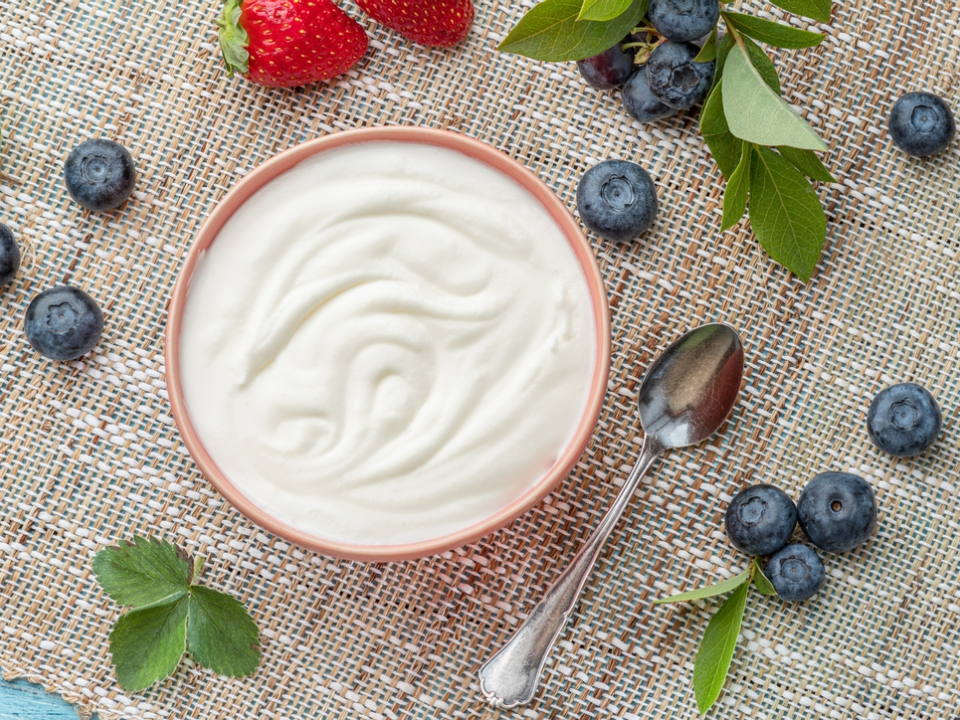
Plain yogurt is often thought of as a breakfast food, though it can be useful all day long. A standard cup can have more potassium than a banana, especially when you go with plain varieties that keep the focus on the dairy itself. It also gives you protein and calcium, which makes it a solid food for breakfast, snacks, or light meals.
The tangy taste works well with fruit, oats, nuts, and seeds, or even with savory toppings like cucumber and herbs. Yogurt can be eaten on its own, blended into smoothies, or used as a base for sauces and dips. Because it is cool and creamy, it is easy to enjoy even when you do not feel like cooking. It is one of the simplest foods on this list to add to a daily routine. Choosing plain yogurt lets you keep the sugar lower while still getting the nutrient benefits.
Salmon
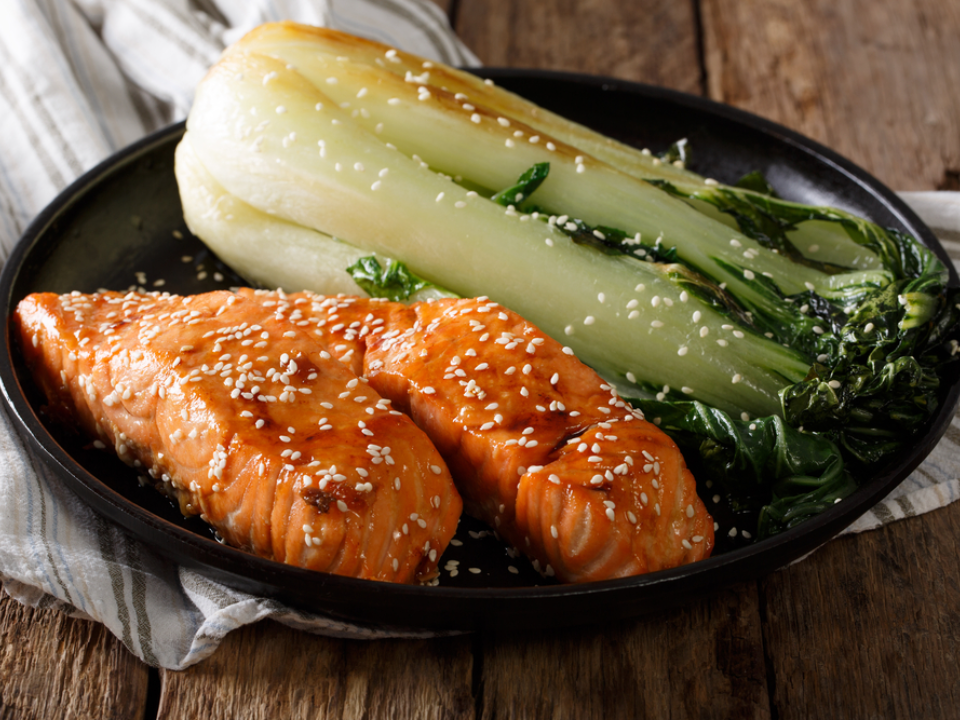
Salmon is one of the strongest foods you can put on a plate when you want a meal that feels satisfying and nutrient rich. A regular serving can give you more potassium than a banana, and it does that while bringing protein and healthy fats. It is also known for omega 3 fats, which is one reason salmon stays popular in so many eating plans. The flavor is richer than white fish, though it still works with simple seasonings like salt, pepper, lemon, and garlic.
Salmon can be baked, pan cooked, grilled, or flaked into rice bowls and salads. Because it is filling, it makes a good main dish when you want a meal that does not need much on the side. It is a very good option for people who want more potassium from a savory food instead of fruit or vegetables. A piece roasted until just tender can make dinner feel easy and complete.
Butternut Squash
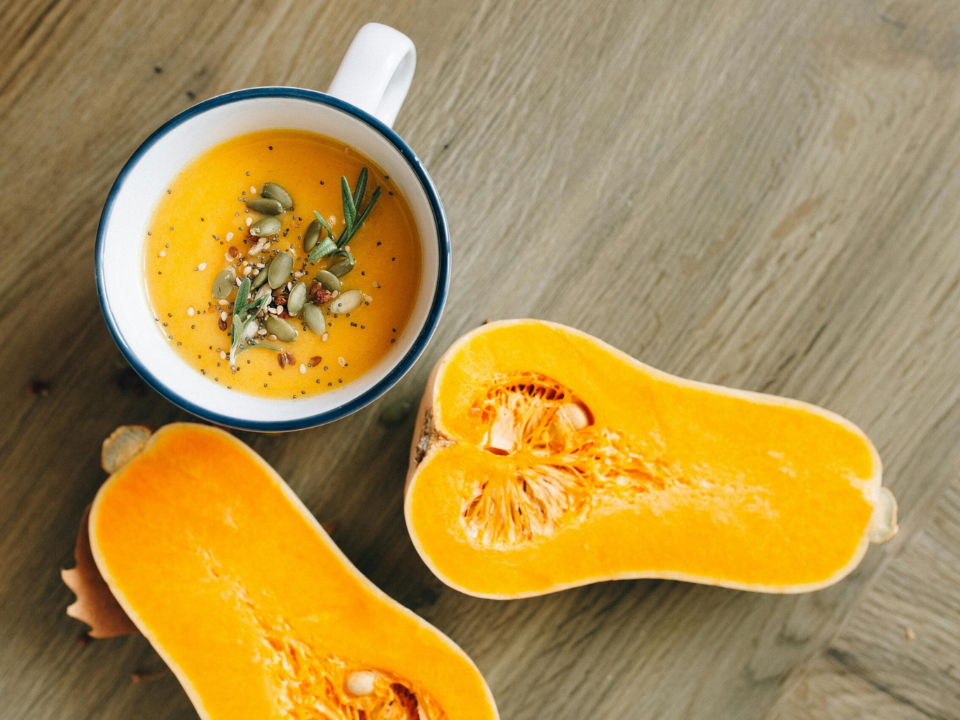
Butternut squash has a smooth texture and a gentle sweetness that makes it easy to enjoy in all kinds of meals. A cooked cup usually has more potassium than a medium banana, which puts it high on the list for this nutrient. It also gives you fiber and vitamin A, so it has a lot going for it in cooler weather and beyond. The flesh turns soft and creamy when roasted, and it blends well into soups and mashed side dishes.
Butternut squash can be tossed into pasta, folded into grain bowls, or served with chicken and greens for a simple dinner. Its flavor works with warm spices like cinnamon and nutmeg, though it is just as good with garlic and herbs. That range makes it one of the easiest vegetables to use in both sweet leaning and savory meals. Buying it pre cut can save time if peeling and chopping feels like too much work.
This article originally appeared on Avocadu.