
17 Historic Towns with Living History Museums That Reopen for Spring
Spring is a lovely time to step into towns where the past still feels close at hand. As the weather warms up, living history museums start welcoming visitors back with costumed interpreters, old homes, and streets that seem frozen in another era. These places give you a chance to walk through daily life from long ago instead of just reading about it in a book. From colonial villages to trading posts and seaport communities, each town has its own story waiting around the corner. A visit in spring can feel extra special when gardens are blooming and outdoor exhibits are full of life again.
This post may contain affiliate links, which helps keep this content free. Please read our disclosure for more info.
Williamsburg, Virginia
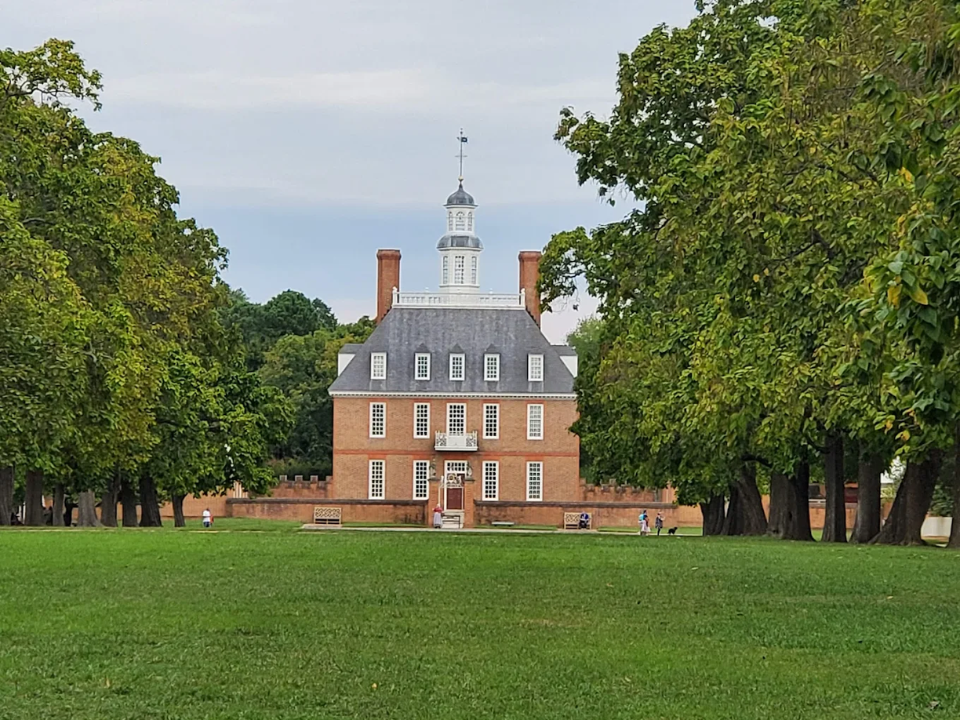
Williamsburg is known for its remarkable Colonial Williamsburg Historic Area. This living history museum brings the 18th century to life, offering visitors an authentic experience of what life was like in colonial Virginia. The museum features historical reenactments, working tradespeople, and beautiful restored buildings that showcase the area’s past.
Springtime in Williamsburg is the perfect opportunity to explore its vibrant gardens and attend seasonal events that capture the spirit of early American life. Visitors can wander through the streets, interact with costumed interpreters, and participate in workshops. Additionally, the Williamsburg Preservation Society offers in-depth tours that delve into the region’s architectural heritage. As spring unfolds, the town welcomes guests with an atmosphere filled with the charm and culture of colonial America.
Old Salem, North Carolina
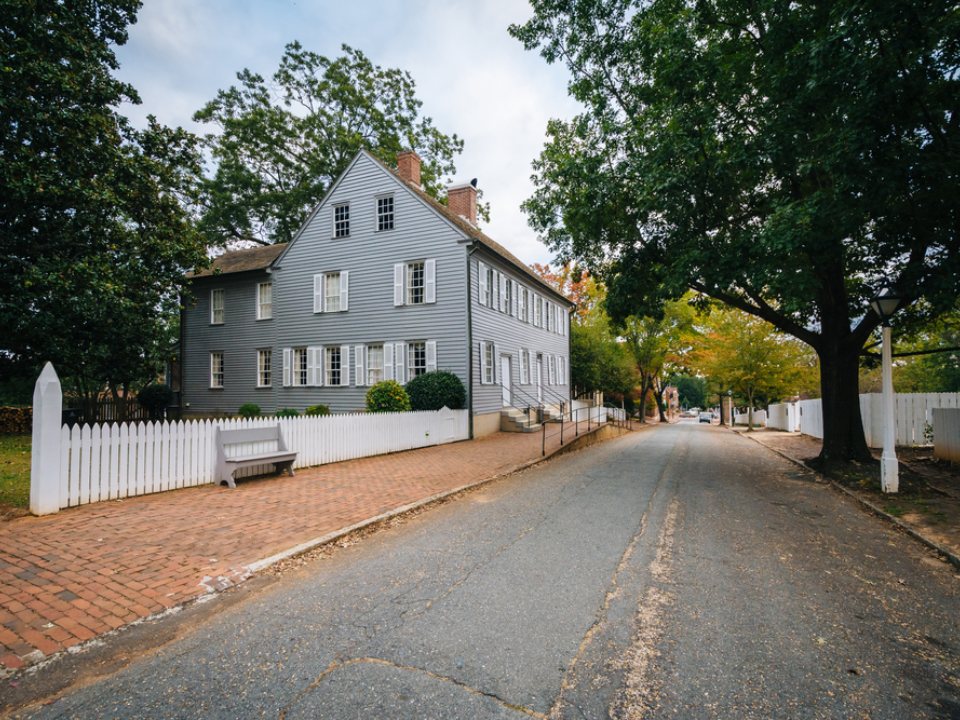
Old Salem is a picturesque historic district that transports visitors back to the early 1800s. As one of the oldest living history museums in the country, it features meticulously preserved buildings and homes from the 18th and 19th centuries. The site highlights the lives of the Moravian settlers who founded the town, offering insights into their trades, customs, and daily life. In spring, visitors can explore the town’s gardens, interact with artisans, and witness period-specific cooking demonstrations.
The museum hosts special spring events, such as traditional Easter celebrations and workshops on historical crafts. Old Salem also offers opportunities to learn about the history of African Americans in the region, making it a rich educational experience for all. It is an excellent place to gain a deeper understanding of early American history.
Sturbridge, Massachusetts
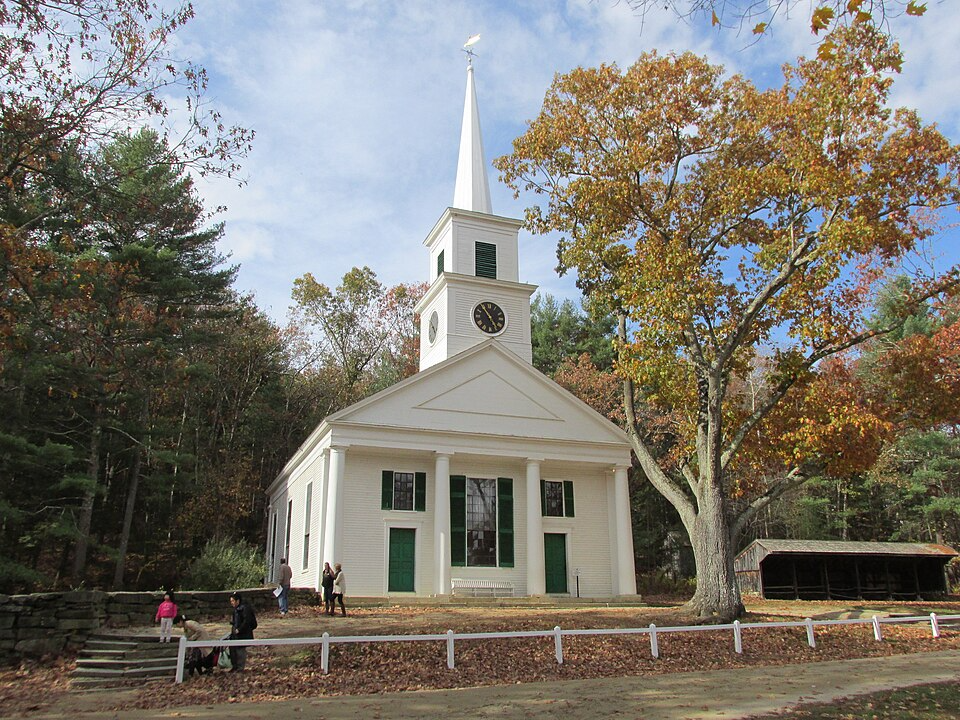
Sturbridge is home to Old Sturbridge Village, a living history museum that brings the early 19th century to life. The village is a representation of a New England town from the 1830s, complete with historic buildings, gardens, and interactive exhibits. Spring is an ideal time to visit, as the village comes alive with blooming flowers and seasonal activities. The museum features costumed interpreters who demonstrate traditional crafts like blacksmithing, spinning, and woodworking.
Visitors can also explore the working farm, where livestock and crops are tended to, providing a glimpse into agricultural life of the period. Special spring events, such as the Sheep Shearing Festival, showcase the town’s agricultural roots. Old Sturbridge Village also offers workshops and hands-on experiences, making it a great place for families to learn together.
Mount Vernon, Virginia
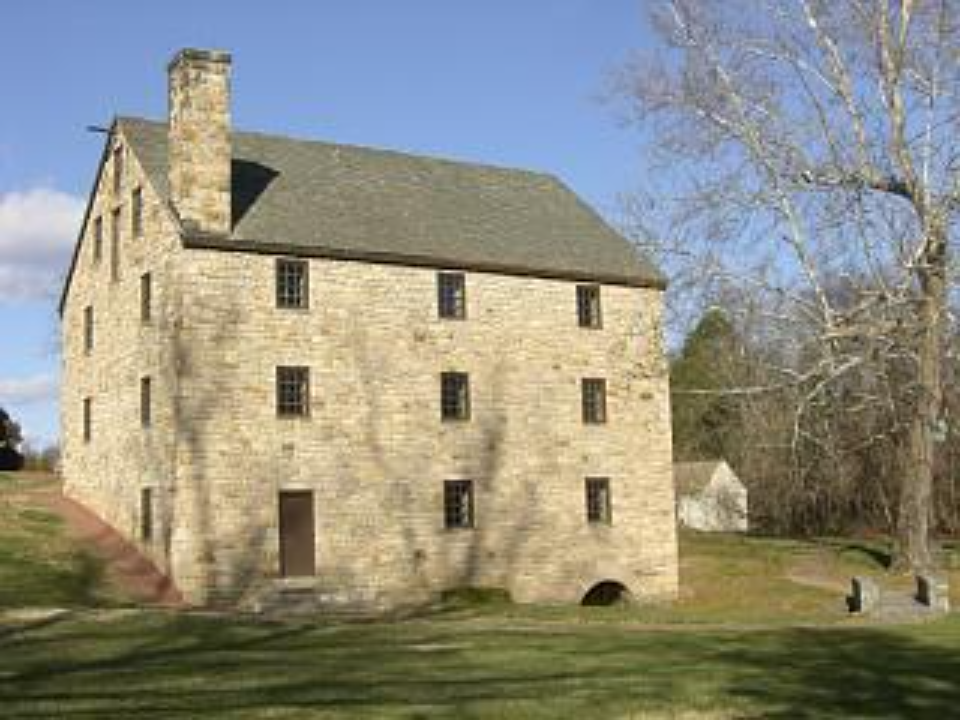
Mount Vernon, the former home of George Washington, is a must-see destination for history enthusiasts. This historic estate sits on the banks of the Potomac River and offers visitors a chance to explore the life of the first president of the United States. Spring is a particularly beautiful time to visit, as the estate’s gardens and grounds come into full bloom. Mount Vernon features a variety of exhibits, including Washington’s personal belongings, paintings, and letters, giving visitors insight into his life and leadership.
The estate’s living history museum includes tours of the mansion, as well as demonstrations of 18th-century farming techniques. You can also participate in workshops that teach traditional skills such as gardening and blacksmithing. The estate holds seasonal events that highlight Washington’s contributions to American history, making it a captivating visit in the spring.
Jamestown, Virginia
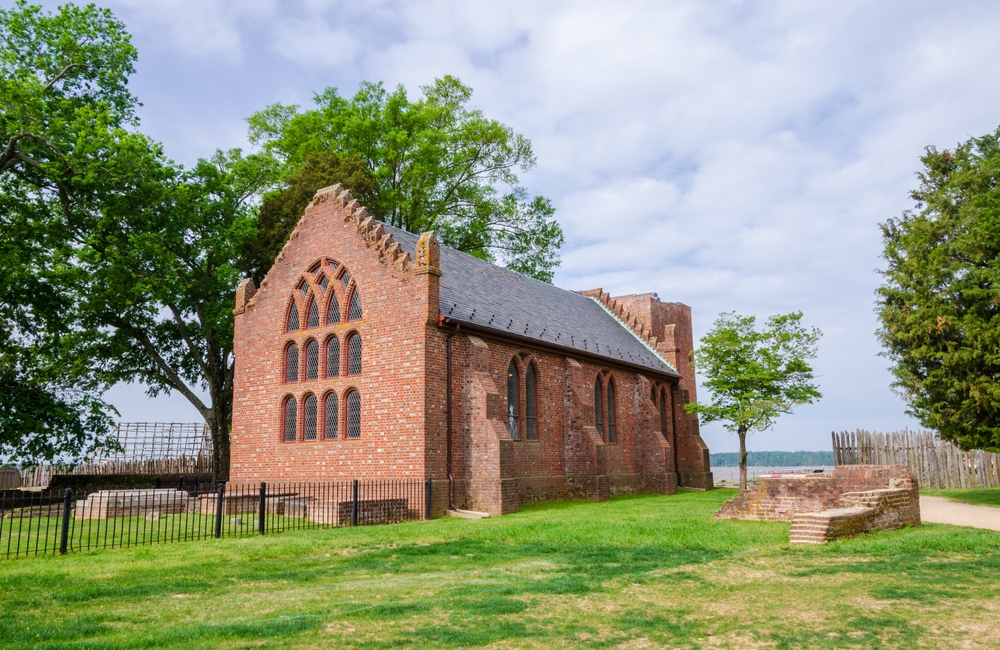
Jamestown, the site of the first permanent English settlement in America, offers an extraordinary living history experience. The Jamestown Settlement museum focuses on the early years of the colony and its interactions with Native Americans. Visitors can explore reconstructed fortifications, ships, and homes, all of which bring the past to life. In spring, the museum hosts special programs that highlight the role of the settlers in shaping American history.
The living history interpreters dress in period clothing and engage visitors with demonstrations of early American survival skills, such as farming, cooking, and building. The nearby Historic Jamestowne site, where archeological excavations continue, offers a fascinating look at the early days of the settlement. Jamestown is a fascinating destination for anyone interested in the origins of the United States.
Gettysburg, Pennsylvania
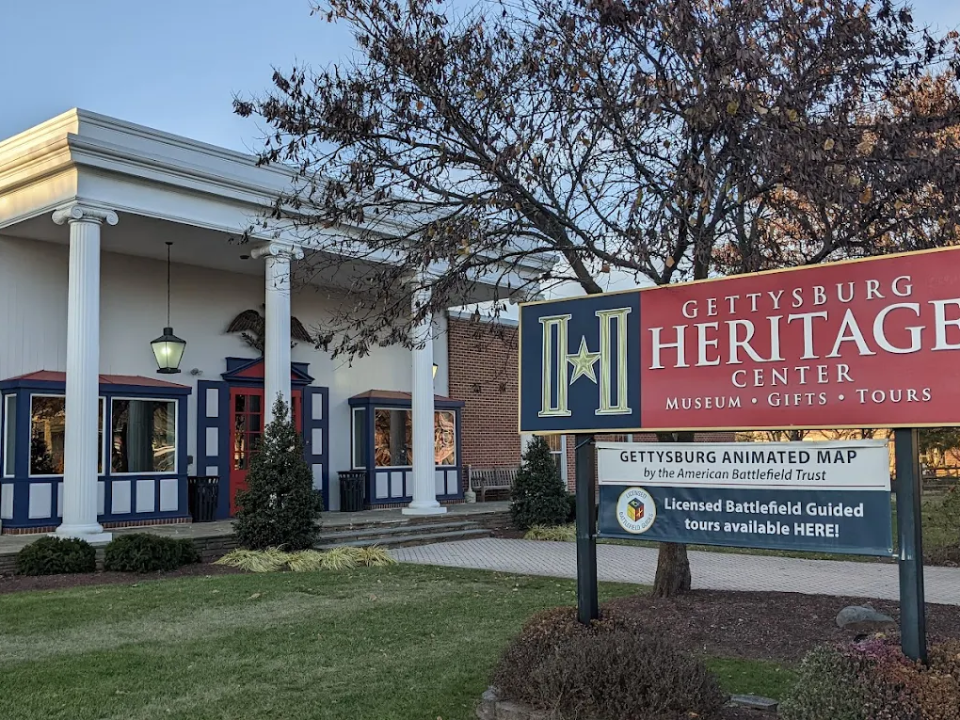
Gettysburg is one of the most historically significant towns in America due to the pivotal Civil War battle that took place there in 1863. The Gettysburg National Military Park offers visitors an in-depth look at the events surrounding the battle and its impact on the country. The park’s living history museum provides guided tours, exhibits, and reenactments that bring the battlefield to life. Spring is an ideal time to visit, as the park’s rolling hills and fields are blanketed with wildflowers, offering a beautiful backdrop to the history.
The Gettysburg Heritage Center showcases artifacts from the battle and provides insight into the soldiers’ lives. In addition to the park, the town features several historic sites related to the Civil War, including the David Wills House, where Abraham Lincoln stayed before delivering the Gettysburg Address. Gettysburg offers a powerful experience for those interested in American history and the Civil War.
Lexington, Kentucky
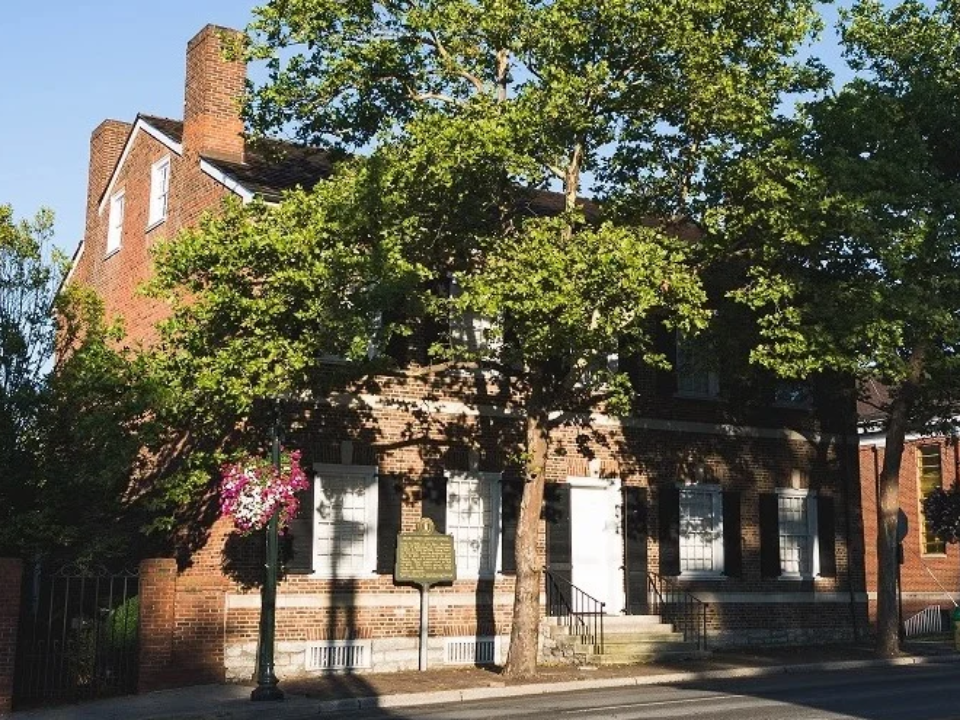
Lexington is known for its deep ties to the horse industry and its role in early American history. The town’s living history museum, the Mary Todd Lincoln House, offers a fascinating look at the life of the 16th First Lady. Spring in Lexington brings an added charm, with horse-drawn carriage tours of the historic district and blooming gardens that enhance the town’s beauty. The museum also includes a variety of exhibits that focus on the Lincoln family’s connection to the region.
Visitors can explore historical buildings that were once home to prominent figures in Kentucky’s past. Lexington’s vibrant downtown area also offers visitors a taste of the town’s rich culture and history, including the nearby Henry Clay Estate. It is a wonderful destination for history lovers and those interested in the intersection of American politics and equine history.
Philadelphia, Pennsylvania
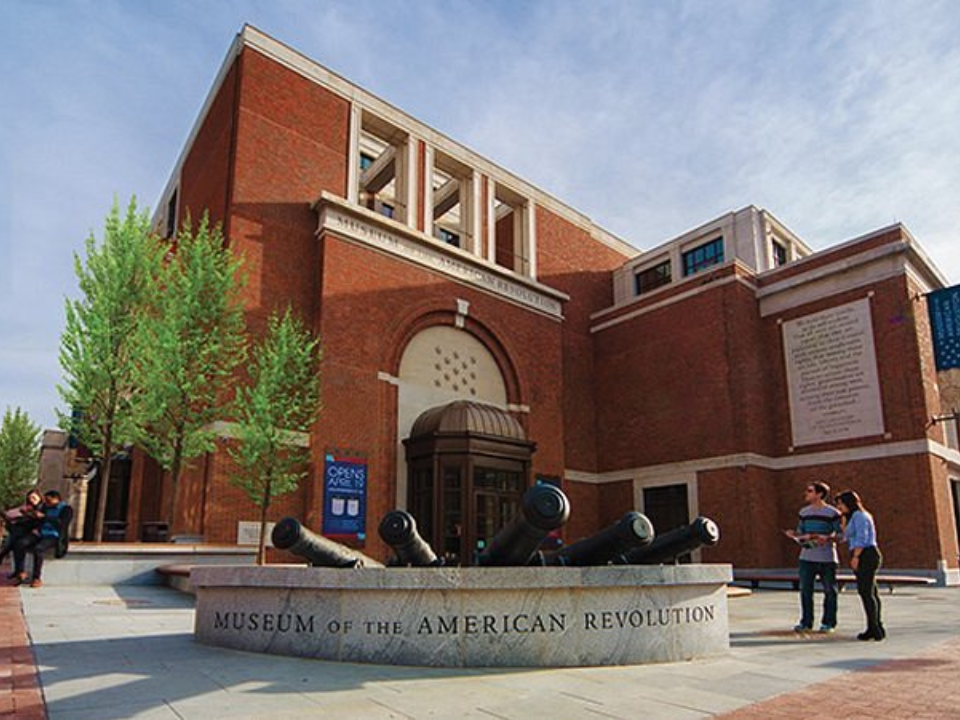
Philadelphia is a city steeped in American history and offers numerous living history museums that bring its revolutionary past to life. The Philadelphia History Museum showcases the city’s key role in the founding of the nation. Spring is a great time to visit, as the city’s many parks and historic sites come alive with events that celebrate the nation’s heritage. Independence Hall, where the Declaration of Independence was signed, offers tours and reenactments that immerse visitors in the nation’s founding moments.
The museum features exhibit on notable historical figures such as Benjamin Franklin, who helped shape the early years of the United States. Visitors can also explore the Betsy Ross House, where the first American flag was sewn. Philadelphia offers an enriching experience for anyone interested in the history of the United States.
Plymouth, Massachusetts
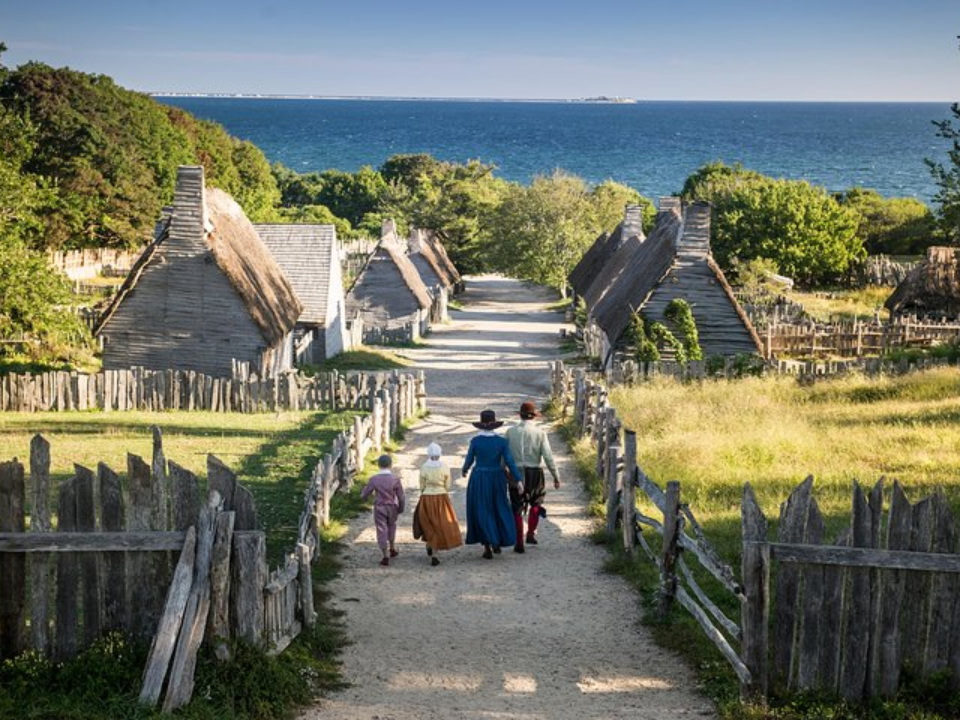
Plymouth is one of the best places to visit when you want a spring trip filled with early American history. A standout stops there is Plimoth Patuxet Museums, where costumed interpreters show what life was like in the 1600s. The site includes the English Village, the Historic Patuxet Homesite, and the Mayflower II along the waterfront.
In spring, the grounds feel fresh and lively, which makes long walks around the outdoor areas even more enjoyable. You can watch daily chores, food preparation, and simple household work that reflect the time period. The museum also gives space to Wampanoag history, which adds depth and meaning to the visit. Plymouth itself feels tied closely to the story being told, so the whole town works well for a seasonal history piece.
Mystic, Connecticut
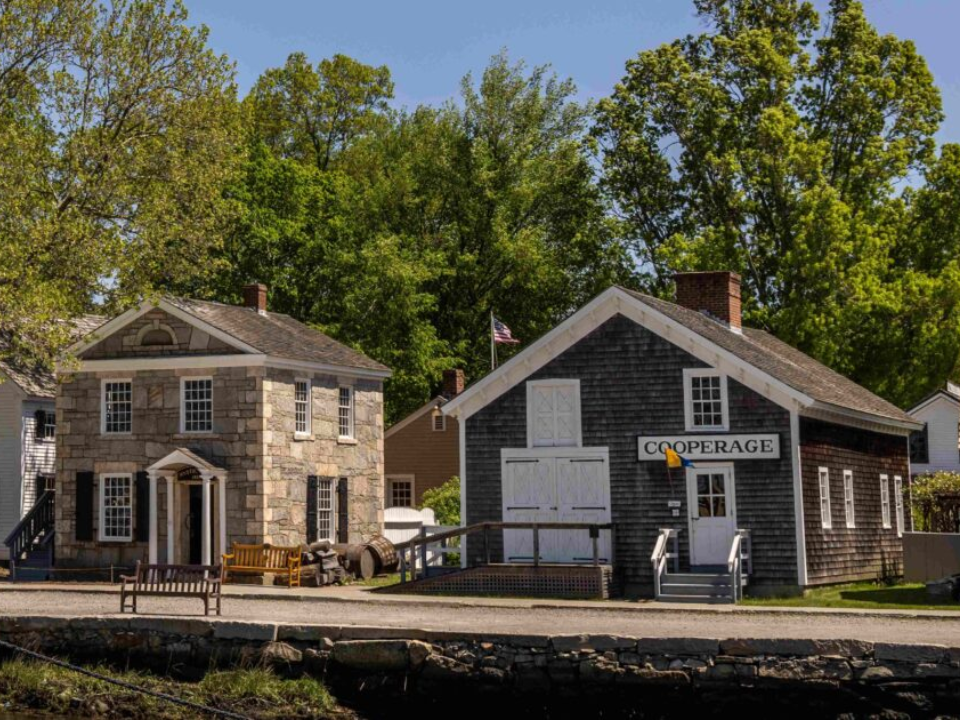
Mystic gives spring travelers a charming coastal setting with a strong connection to maritime history. The most famous place there is Mystic Seaport Museum, a recreated nineteenth century seafaring village along the Mystic River. Wooden ships, trade buildings, and working exhibits make the area feel active in a way that books alone cannot match.
During spring reopening periods, the waterfront paths and outdoor demonstrations feel especially pleasant after colder months. You can step into spaces that show how shipbuilders, sailors, and families lived in a busy New England port town. The nearby historic section of Mystic adds more character, with streets and views that fit the museum setting well. It is a great pick for an article that mixes small town charm with a hands-on history stop.
Deerfield, Massachusetts
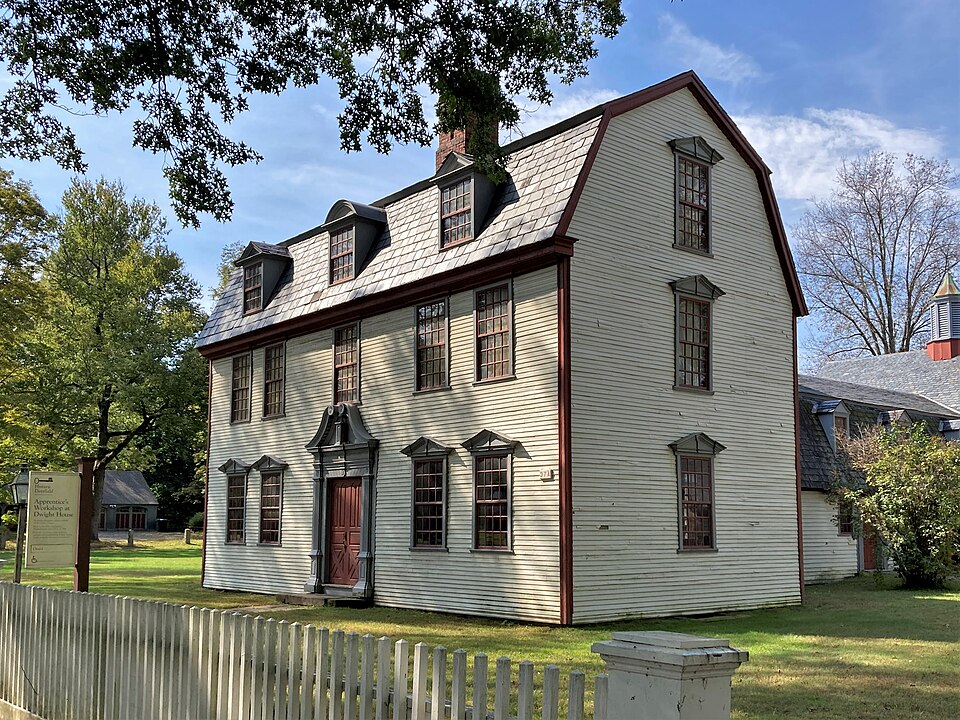
Deerfield is a quiet New England town with a strong colonial feel, especially around Historic Deerfield on Old Main Street. This area is known for preserved houses, museum buildings, and programs that show daily life from earlier centuries. Spring is a lovely time to include Deerfield because the town looks fresh again, and the old homes stand out nicely against the season’s softer colors.
You can walk through furnished houses and hear stories about family life, trade, and local customs from long ago. The setting feels peaceful, which makes the history feel more personal instead of rushed. Historic Deerfield also gives a good look at regional life in western Massachusetts, which helps set it apart from better known East Coast destinations. It is a strong choice for readers who like towns with a slower pace and a deep sense of place.
Greenfield Village, Dearborn, Michigan
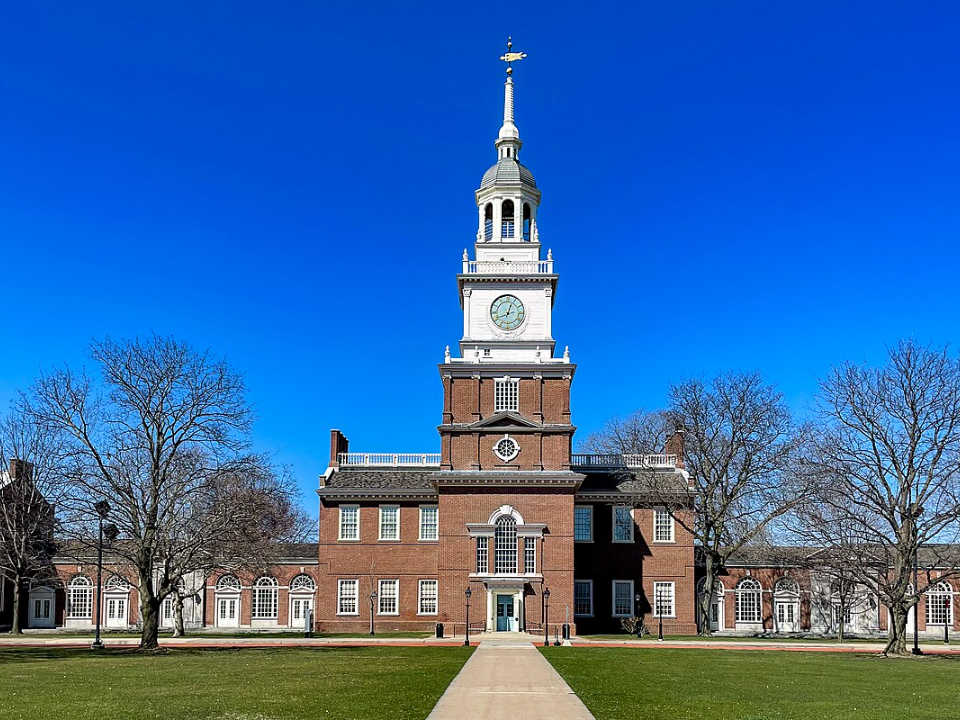
Dearborn is home to Greenfield Village, one of the most famous open air history sites in the country. Located within The Henry Ford campus, this village brings together historic buildings, working farms, and shops tied to different periods of American life. Spring makes the streets, gardens, and riding paths feel extra inviting, which adds to the appeal of a visit. You can watch glassblowing, printing, farming, and other daily tasks shown in a natural setting.
The buildings include homes and workspaces linked to well-known figures as well as ordinary families. Because the museum covers several parts of American history, the town gives writers a lot to work with when describing seasonal travel ideas. Dearborn may feel more urban nearby, yet Greenfield Village itself creates a calm, old-fashioned atmosphere once you step inside.
Cooperstown, New York
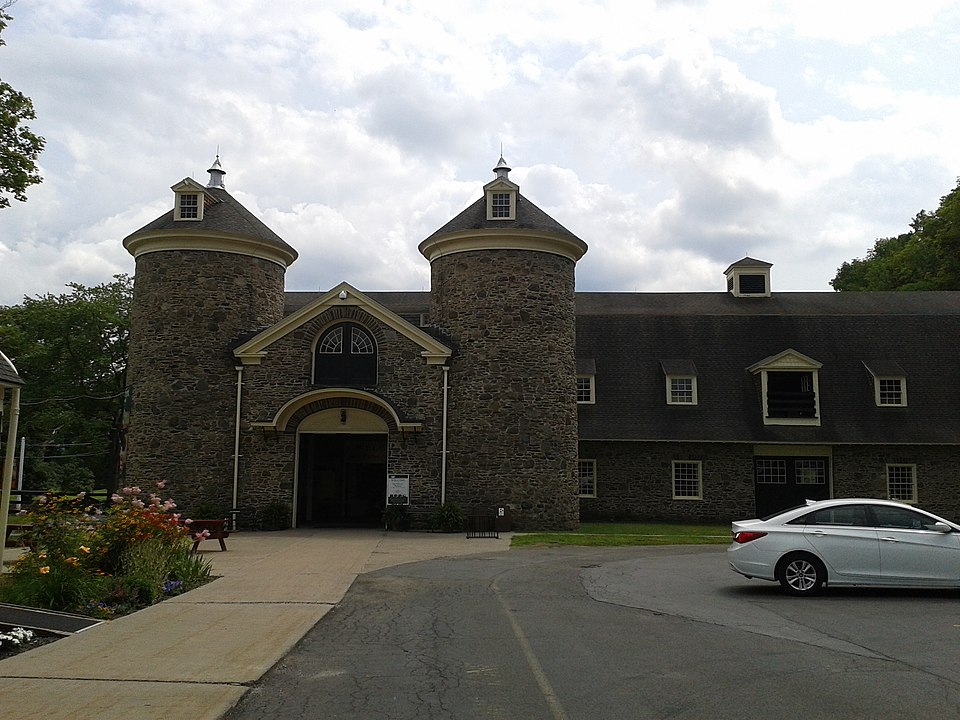
Cooperstown is often linked with baseball, yet it also has a rich history site called the Farmers’ Museum on State Highway 80. This living history museum focuses on rural life in nineteenth century New York and gives the town a wider appeal. In spring, the farm grounds, village area, and open space around the museum feel especially welcoming.
You can see historic barns, homes, trade shops, and garden plots that show what daily work looked like in an earlier era. Staff in period clothing help make the setting feel active without turning it into something overly staged. Cooperstown itself is small and easy to enjoy on foot, which adds to the charm of a spring visit. It works well on this list because it combines a famous small town with a history museum that feels grounded and memorable.
Harpers Ferry, West Virginia
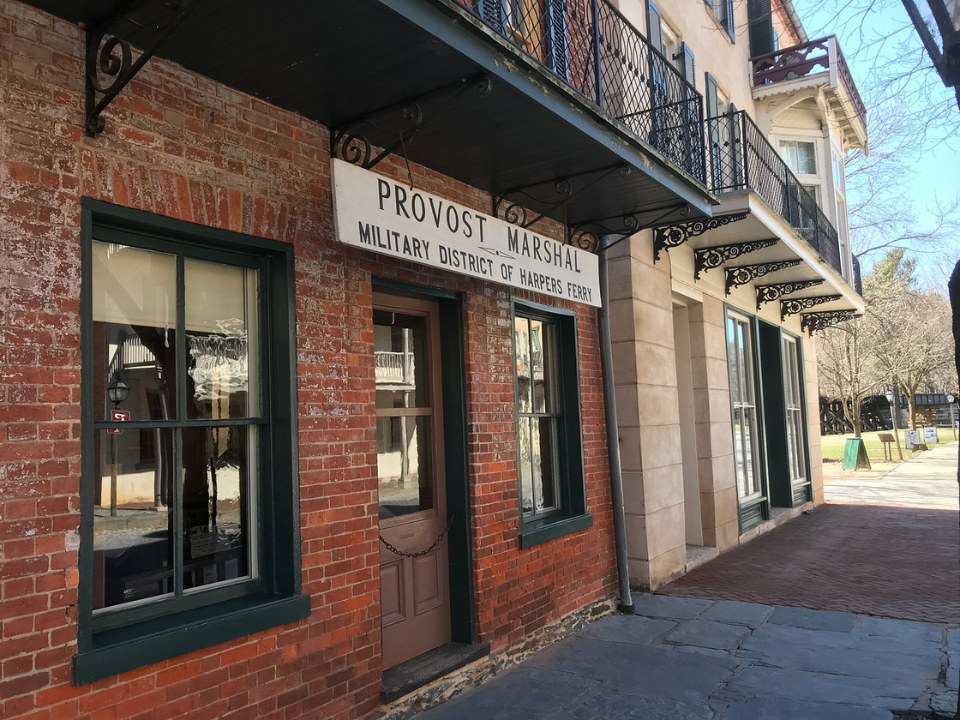
Harpers Ferry is a dramatic town where rivers, hills, and major American events all meet in one compact place. A key site there is Harpers Ferry National Historical Park, which includes restored streets, museums, and interpreters in period dress during seasonal programs. Spring is an ideal season to feature it because the hills around town turn green and the outdoor areas become easier to explore.
The Lower Town district is especially striking, with old storefronts and brick buildings that help place guests in the nineteenth century. Stories of industry, abolition, the Civil War, and transportation all connect here, so there is a lot of rich material for a history article. The setting feels alive because the town itself still carries the shape and mood of its earlier years. Harpers Ferry gives readers a place that feels dramatic, scenic, and deeply tied to the American past.
Baton Rouge, Louisiana
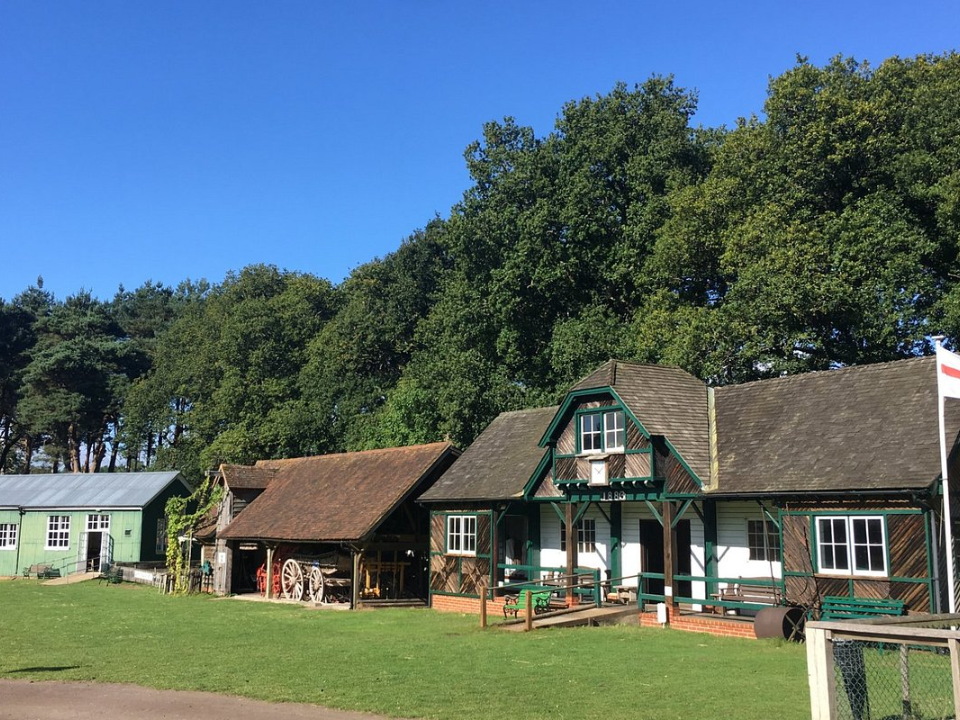
Baton Rouge offers a different type of living history stop through the Rural Life Museum on Essen Lane. This museum focuses on plantation era and rural Louisiana life, with preserved buildings spread across a large outdoor site. Spring suits this location well because the walking areas, trees, and open grounds feel more comfortable before hotter weather sets in.
The museum gives useful detail about daily life, foodways, and social structure in a way that helps readers picture the past more clearly. Baton Rouge adds another layer since the city itself carries French, Spanish, and Southern influences that shape the visit. It is a good pick for a list like this because it brings in a different region and a different historical setting.
Manteo, North Carolina
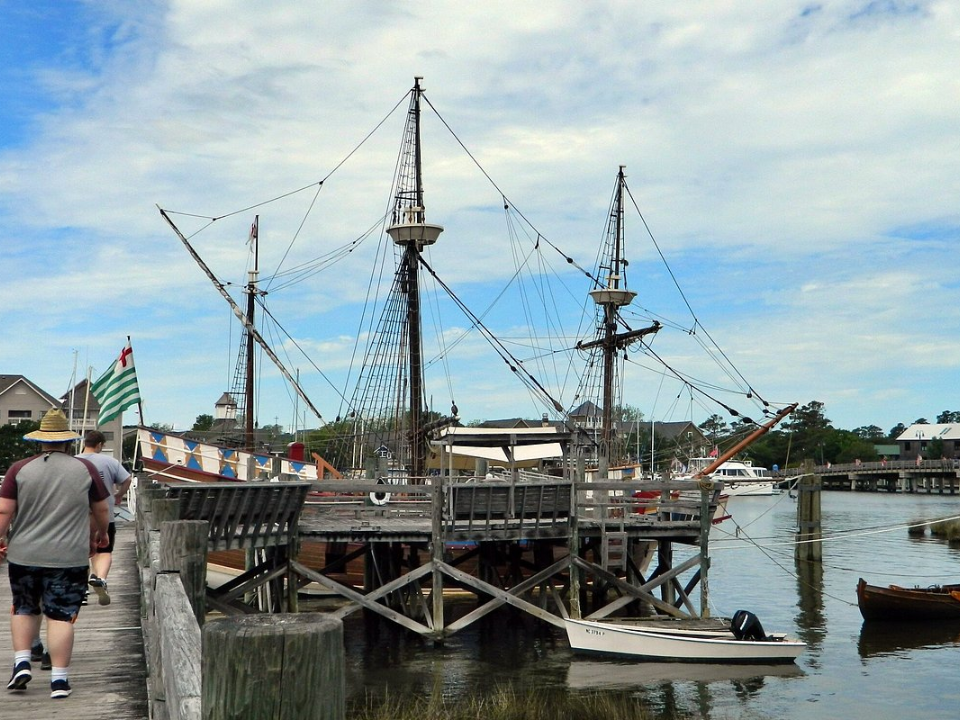
Manteo is a waterfront town on Roanoke Island that pairs coastal scenery with a strong link to early colonial history. One of its best-known sites is Roanoke Island Festival Park, which includes a settlement area, museum spaces, and a replica ship tied to the first English attempts at settlement. Spring is a pleasant time to feature Manteo because the breezes are mild and the outdoor exhibits are easier to enjoy.
The town itself feels small and friendly, which fits well with a seasonal travel article. Nearby water views and boardwalk areas make the history stop feel relaxing as well as educational. Manteo stands out because it joins mystery, coastal beauty, and early American history in one compact place.
Mackinaw City, Michigan
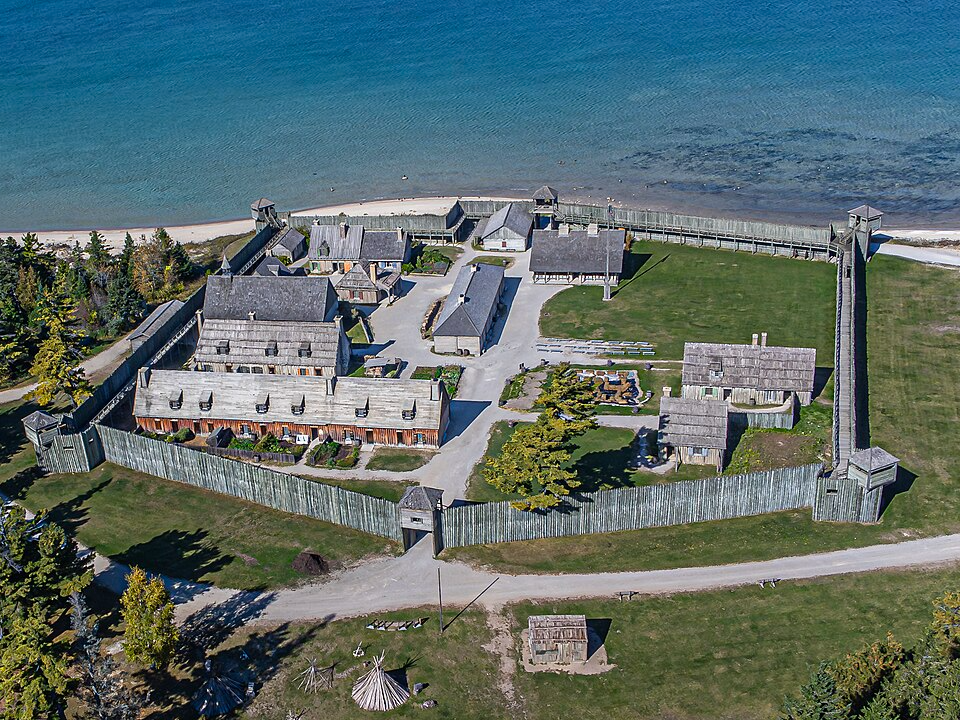
Mackinaw City is home to Colonial Michilimackinac, a reconstructed eighteenth-century fort and fur trading village near the Straits of Mackinac. This site is especially fitting for a spring roundup because it often begins welcoming guests again as the weather turns milder in northern Michigan. Wooden palisades, barracks, trade buildings, and costumed staff help the fort feel active and easy to picture as a real community.
The views of the water and nearby bridge give the place a strong sense of setting that adds a lot to the visit. You can learn about French and British military life, trade routes, and relations with Native communities in the area. Mackinaw City itself is known for seasonal travel, so it fits neatly into a spring reopening theme. It is one of the more scenic choices for readers who like a history stop with a strong outdoor setting.
This article originally appeared on Avocadu.