
13 Wildflowers to Sow in March for a Natural Look
March is the perfect time to start sowing wildflowers directly into your garden, as the soil begins to warm and conditions are ideal for these hardy plants. Planting wildflowers now helps create a natural, cottage-garden look that will bloom beautifully throughout the warmer months. From vibrant poppies to delicate cornflowers, these flowers not only enhance the visual appeal of your landscape but also attract pollinators like bees and butterflies. With minimal care, these wildflowers will thrive and fill your garden with color and life, offering a low-maintenance yet stunning garden display.
This post may contain affiliate links, which helps keep this content free. Please read our disclosure for more info.
Cornflower (Centaurea cyanus)
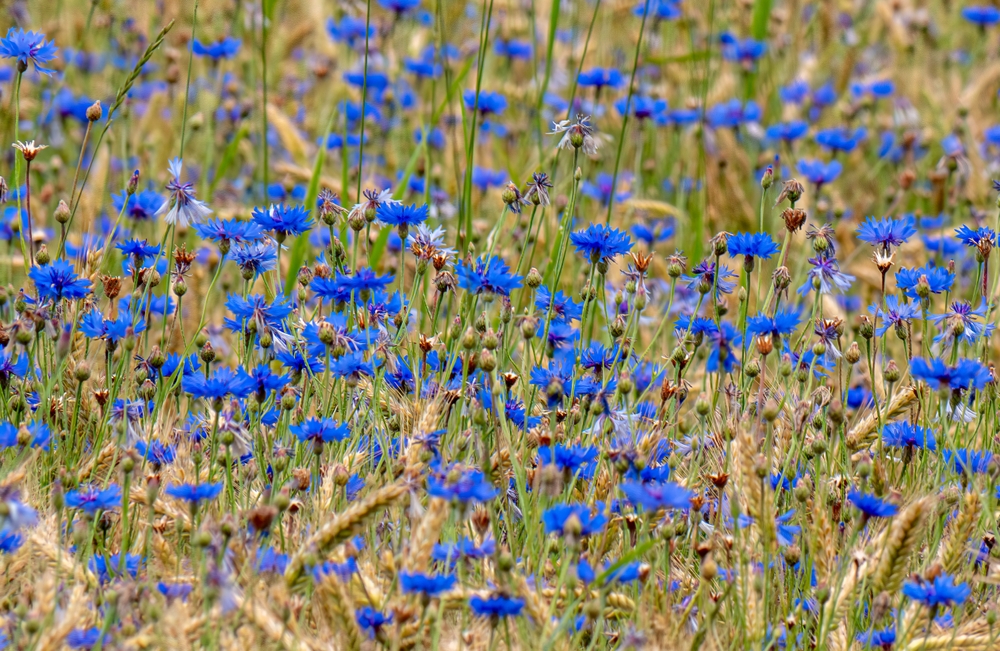
Cornflowers are an ideal choice for sowing in March, as they thrive in cooler temperatures and can tolerate frost. These hardy annuals are perfect for creating a natural look in a meadow-style garden. Their vivid blue flowers will bloom from early summer to fall, adding a stunning burst of color to your garden. Cornflowers are easy to sow directly into the soil, making them a great choice for beginners. Simply scatter the seeds in well-drained, sunny soil, and they will grow into beautiful, tall plants that attract bees and butterflies, making them a perfect addition to any pollinator-friendly garden.
As the soil begins to warm in March, cornflowers will begin to sprout and grow rapidly, ready to brighten your landscape by midsummer. Their vibrant blue flowers contrast beautifully with other wildflowers like poppies and black-eyed Susans. Cornflowers are not only ornamental but also attract a wide variety of pollinators, making them an excellent addition to your garden. Plus, they are low-maintenance once established, as they are drought-tolerant and can thrive in poor soil. This makes them an easy, long-lasting choice for gardeners who want to create a natural, cottage-style look without much effort.
Poppy (Papaver rhoeas)
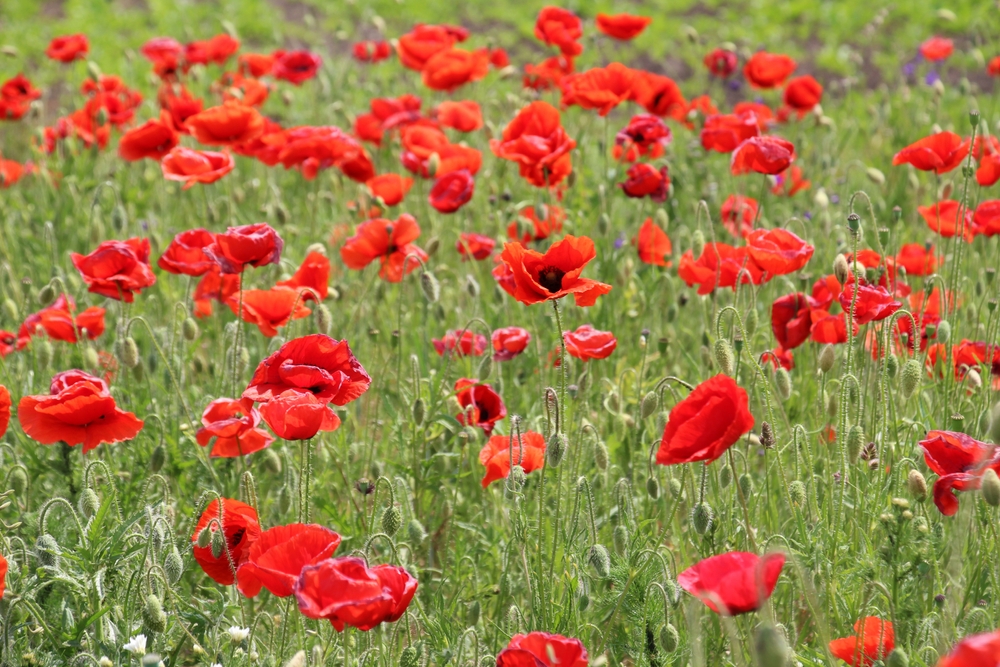
Poppies are an iconic wildflower that is perfect for sowing in March. These hardy annuals thrive in cool temperatures and bloom in late spring to early summer. Poppies come in a range of colors, but their signature red flowers are especially stunning in a natural garden. Sowing the seeds directly in the ground during March allows them to establish their roots early, ensuring a long-lasting bloom. Once mature, they can grow up to 3 feet tall, offering a wild, rustic look to your garden. Their open, cup-shaped flowers also attract pollinators like bees and butterflies, which further adds to the garden’s charm.
Poppies are especially well-suited for cottage-garden and meadow-style gardens. They do well in full sun and prefer well-drained soil, making them a perfect choice for sowing directly outdoors in March. Once they bloom, their vibrant red petals create a striking contrast against other wildflowers like black-eyed Susans and cornflowers. Poppies are also excellent self-seeders, which means that once they are established, they will come back year after year, making them a reliable and beautiful addition to any natural garden.
Wild Carrot (Daucus carota)
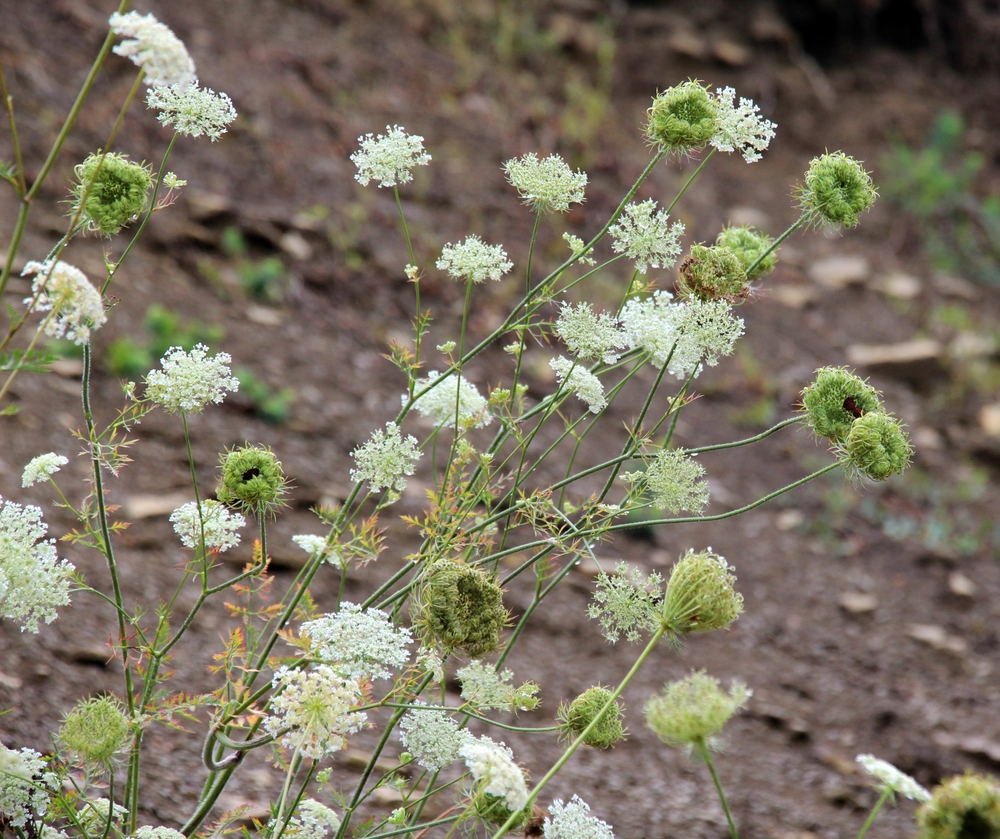
Wild carrot, also known as Queen Anne’s lace, is a delicate yet stunning wildflower that can be easily sown in March. These plants are known for their tall, feathery stems and lacy, white blooms. Wild carrots are hardy perennials, and sowing them in early spring ensures they will have time to establish their roots and bloom by mid-summer. The lacy flowers not only provide visual appeal but also attract a wide variety of pollinators, including bees, butterflies, and even birds. As they grow, wild carrots can reach up to 3 feet tall, offering a soft and elegant appearance to your garden, creating a lovely contrast to other bold wildflowers like poppies and black-eyed Susans.
In addition to their beauty, wild carrots are incredibly low-maintenance. They can tolerate poor soil and dry conditions, making them a great option for gardeners looking to create a natural, low-care garden. These plants thrive in full sun but can also handle partial shade, making them versatile for different types of garden settings. Once established, wild carrots will self-seed and spread throughout your garden, helping to create a natural, meadow-like atmosphere. Their long blooming period, from early summer through fall, ensures that your garden will remain visually interesting throughout the season.
Black-eyed Susan (Rudbeckia hirta)
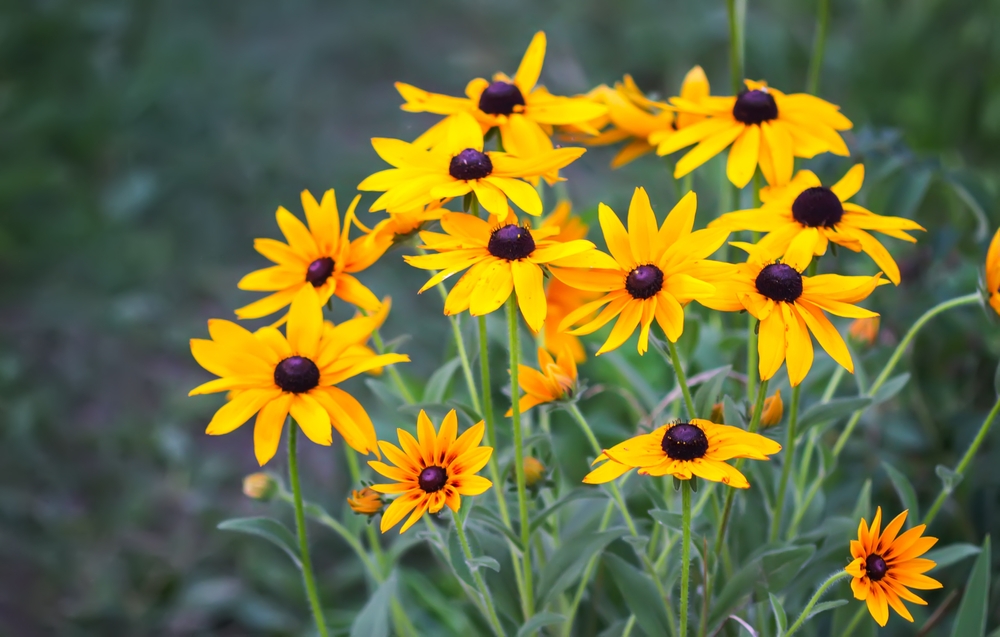
Black-eyed Susan is a perennial wildflower that thrives when sown in March. Known for its golden-yellow petals and dark, central cones, this flower blooms profusely from summer through fall, making it perfect for creating a vibrant, natural-looking garden. Black-eyed Susans are highly adaptable, growing well in a wide range of soil types and weather conditions. By sowing them directly outdoors in March, you allow these hardy plants to establish themselves before the warmer months. Their tall stems and bright flowers will stand out in a meadow-style garden and provide essential nectar for pollinators like bees and butterflies.
These wildflowers are not only beautiful but also incredibly easy to grow. They require minimal care once established and are tolerant of both drought and poor soil, making them ideal for low-maintenance, natural gardens. Sowing them in March ensures that they will bloom by mid-summer, providing consistent color throughout the warmer months. Black-eyed Susans are perfect for mixing with other wildflowers, as their golden petals provide a striking contrast against cooler-colored flowers like cornflowers and lupines. Plus, they self-seed, meaning you will continue to see their vibrant blooms for years to come.
Lupine (Lupinus perennis)
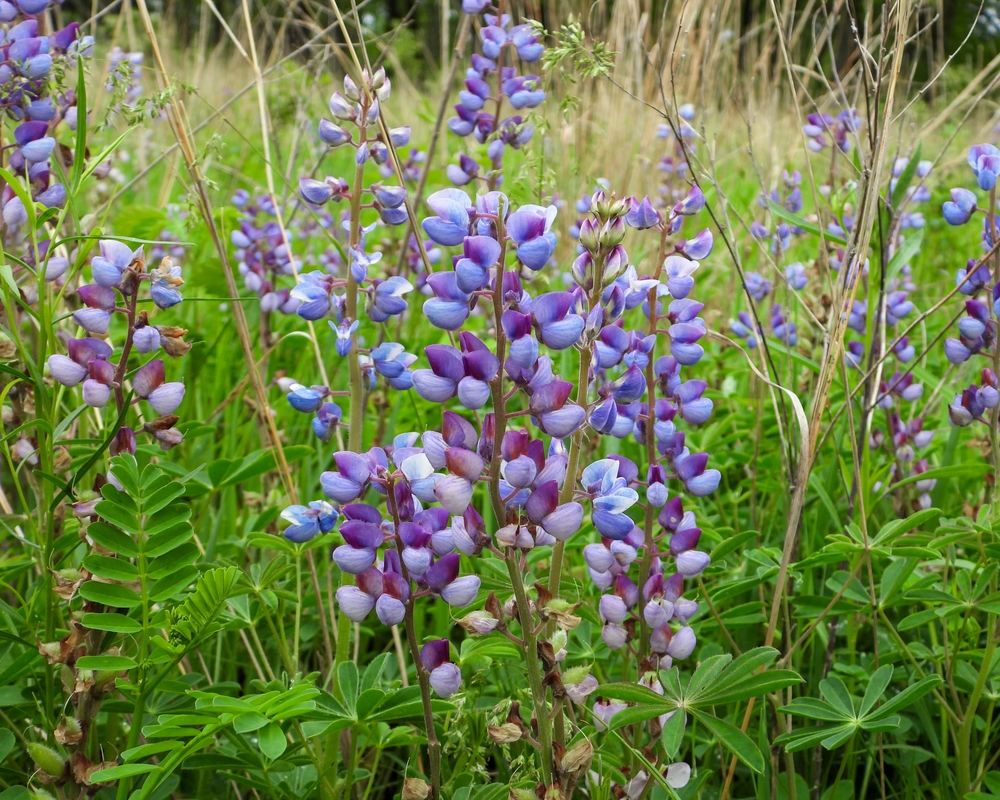
Lupines are a hardy perennial that is perfect for sowing in March. These wildflowers are known for their tall, spiky flower clusters that come in a variety of colors, including purple, pink, and white. By sowing lupine seeds directly into the ground in early spring, you ensure that they will have enough time to establish strong roots before the warmer months. Lupines prefer well-drained soil and full sun, making them an excellent choice for creating a wildflower garden with a natural, cottage-style look. These flowers are also incredibly attractive to pollinators, including bees and butterflies, which will flock to their nectar-rich blooms during the summer months.
Lupines are also quite easy to grow once they are established. They can tolerate drought conditions, making them a great addition to gardens with poor soil. Their bold, vertical growth and beautiful clusters of flowers create an eye-catching contrast against other wildflowers like poppies and black-eyed Susans. With their long blooming season, from early summer to fall, lupines are sure to add vibrant colors and texture to your garden for many years. Their ability to self-seed ensures that they will keep returning to your garden, offering a beautiful, low-maintenance option for those looking to create a natural look.
Clarkia (Clarkia unguiculata)
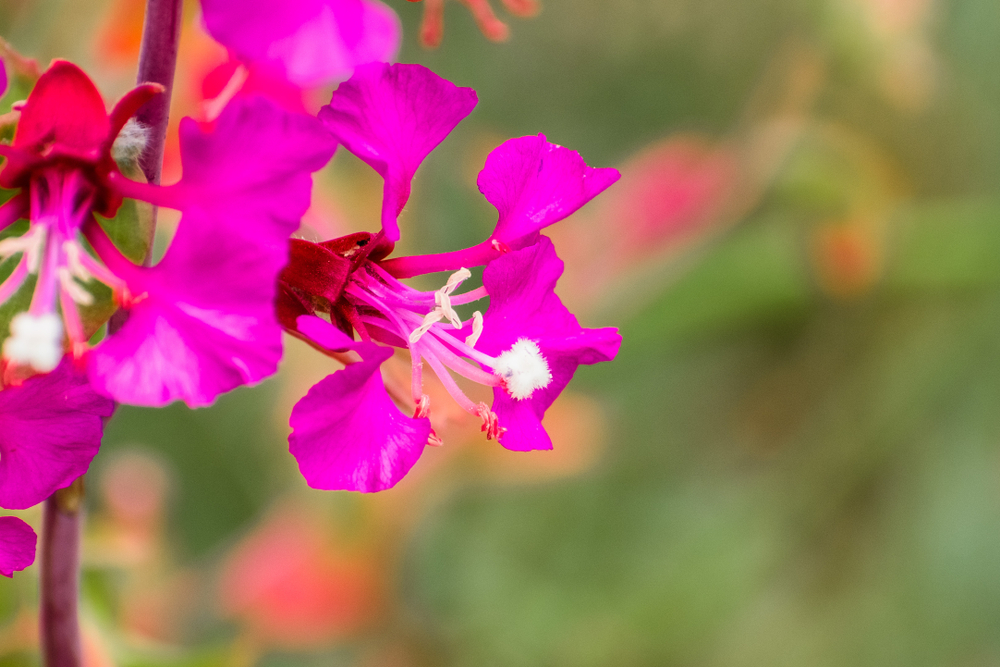
Clarkia, often known as farewell-to-spring, is an annual wildflower that blooms in a variety of colors, including pink, purple, and white. Sowing Clarkia seeds in March allows these plants to establish strong roots in the cool soil, and they will bloom by early summer, adding a splash of color to your garden. This flower is particularly well-suited to a natural, cottage-style garden, as it thrives in full sun and well-drained soil. Its open, cup-shaped flowers attract a wide range of pollinators, including bees and butterflies, which helps to sustain local wildlife while creating a vibrant, living garden.
Clarkia plants are easy to grow and maintain, making them an excellent choice for gardeners looking to create a relaxed, natural garden. They can tolerate dry conditions once established, and their colorful flowers will last for several weeks, ensuring your garden remains colorful through the summer months. The vibrant hues of Clarkia create a beautiful contrast against other wildflowers like poppies and cornflowers, and their delicate flowers bring a soft, feminine touch to your garden. By sowing them in March, you can enjoy their blooms in the early summer, just in time for a cottage-garden style look.
Forget-me-not (Myosotis sylvatica)
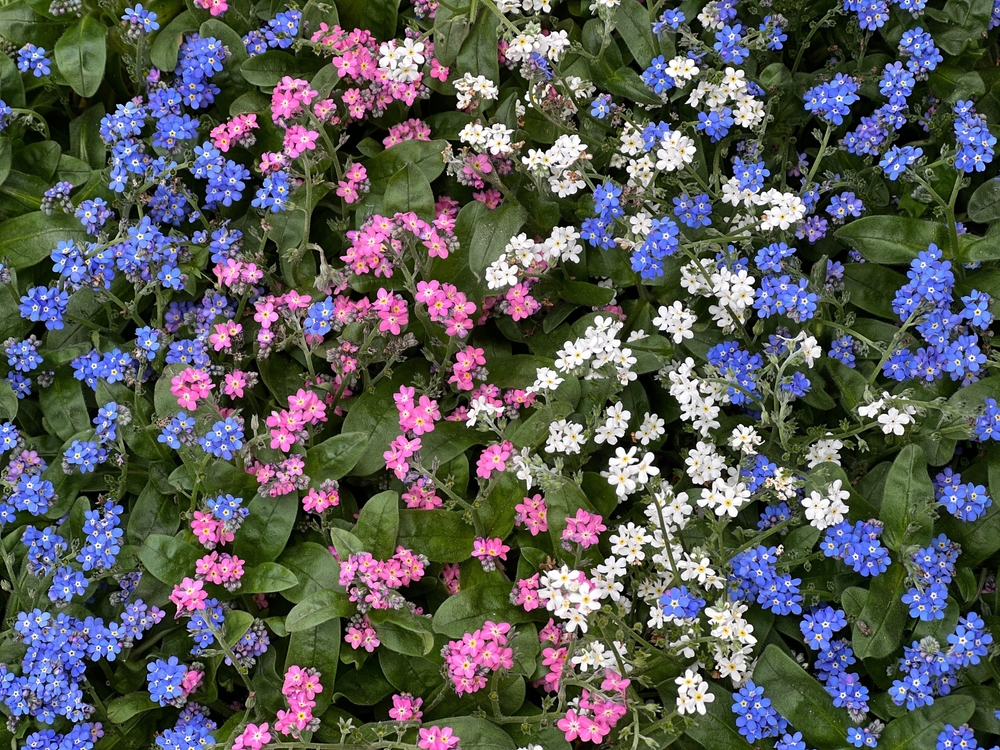
Forget-me-nots are one of the most charming and easy-to-grow wildflowers. Their delicate blue flowers are perfect for creating a soft, natural look in any garden. Forget-me-nots thrive in moist, well-drained soil, making them an excellent choice for sowing in March, as they will begin to sprout early in the spring. These hardy perennials bloom in late spring to early summer, providing a gentle pop of color in your garden. They are particularly attractive to pollinators, and their blooms last for weeks, filling your garden with color and fragrance.
Once established, forget-me-nots are low-maintenance and will continue to bloom year after year. Their ability to self-seed ensures that they will spread throughout your garden, creating a natural, flowing look that suits a cottage or meadow-style garden. Forget-me-nots grow well in partial shade, making them an excellent choice for areas of your garden that receive less direct sunlight. Their small, star-shaped flowers pair beautifully with other wildflowers like wild carrot and lupine, creating a serene and romantic atmosphere in your garden. By sowing them in March, you ensure that they will have a full season of growth before they begin to bloom.
Shasta Daisy (Leucanthemum x superbum)
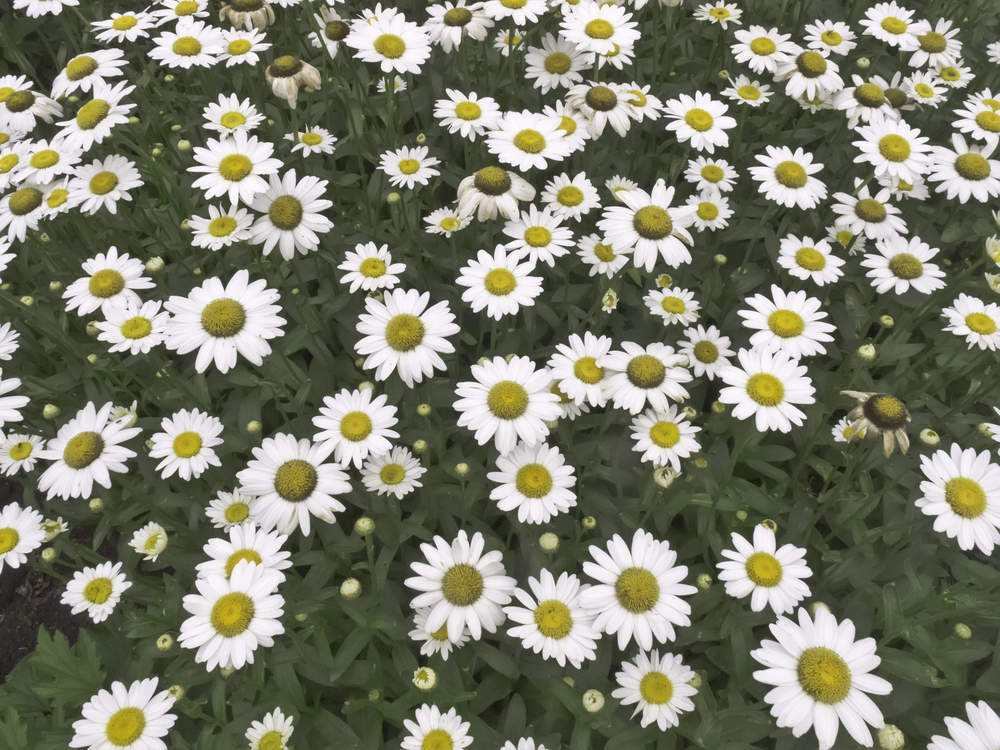
Shasta daisies are perennial wildflowers that are perfect for sowing in March. These hardy flowers bloom in late spring and early summer, offering a classic, simple look with their white petals and bright yellow centers. Shasta daisies prefer well-drained soil and full sun, making them an ideal choice for adding a bright, cheerful element to your garden. Their clean, white flowers contrast beautifully with other colorful wildflowers like cornflowers and poppies, giving your garden a fresh, natural feel. Shasta daisies also attract pollinators like bees, which will help to support the local ecosystem.
Once established, Shasta daisies require little care and are relatively drought-tolerant, making them a low-maintenance option for your wildflower garden. They grow in clumps and can be easily divided if you want to expand your garden. Shasta daisies will continue to bloom year after year, making them a reliable and long-lasting addition to your natural garden. Their cheerful blooms will bring a touch of nostalgia and simplicity to your landscape, making them perfect for cottage-garden and meadow-style designs. By sowing them in March, you ensure that they will be ready to bloom when the warmer weather arrives.
Purple Coneflower (Echinacea purpurea)
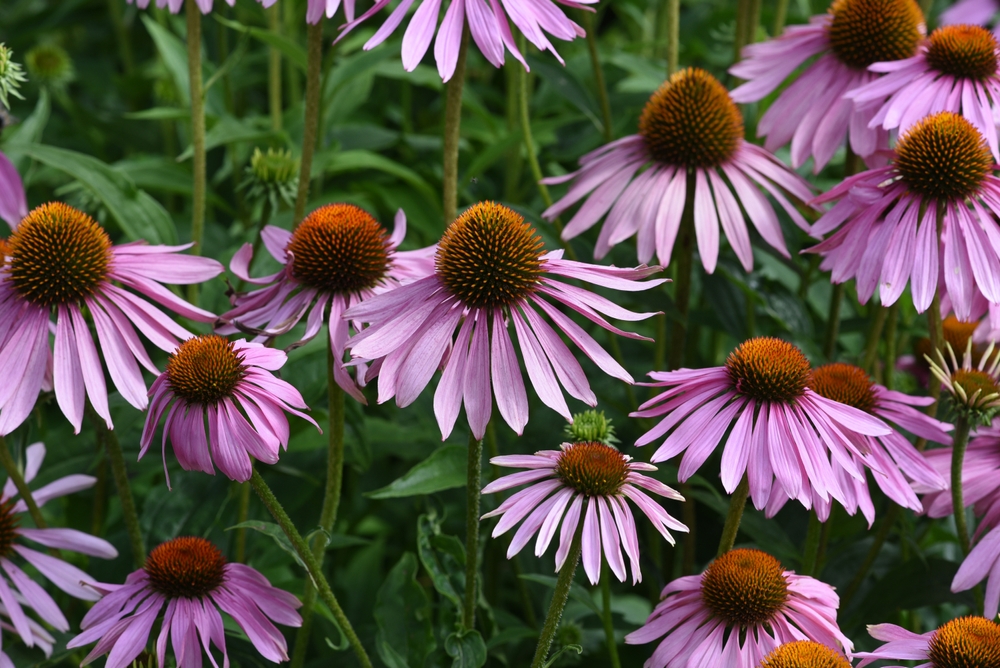
Purple coneflower is a hardy perennial wildflower that thrives in full sun and well-drained soil. These flowers are known for their daisy-like appearance, with purple petals and a spiky central cone. Sowing them in March allows the seeds to establish strong roots in the cooler soil, and they will bloom in late summer to fall. Purple coneflowers are not only beautiful but also beneficial for your garden, as their central cone provides a source of food for birds, while their petals attract bees and butterflies. This makes them a great addition to a pollinator-friendly garden.
Purple coneflowers are low-maintenance once established, requiring minimal care beyond occasional watering. They are drought-tolerant and can thrive in poor soil, making them an ideal choice for creating a natural look in a meadow-style garden. These wildflowers pair well with other plants like black-eyed Susans and wild geraniums, adding depth and texture to your garden. Their long blooming season, from midsummer to fall, ensures that they will provide visual interest throughout the warmer months. By sowing the seeds in March, you allow the plants to grow strong and healthy, ready to put on a show by late summer.
Indian Blanket (Gaillardia pulchella)
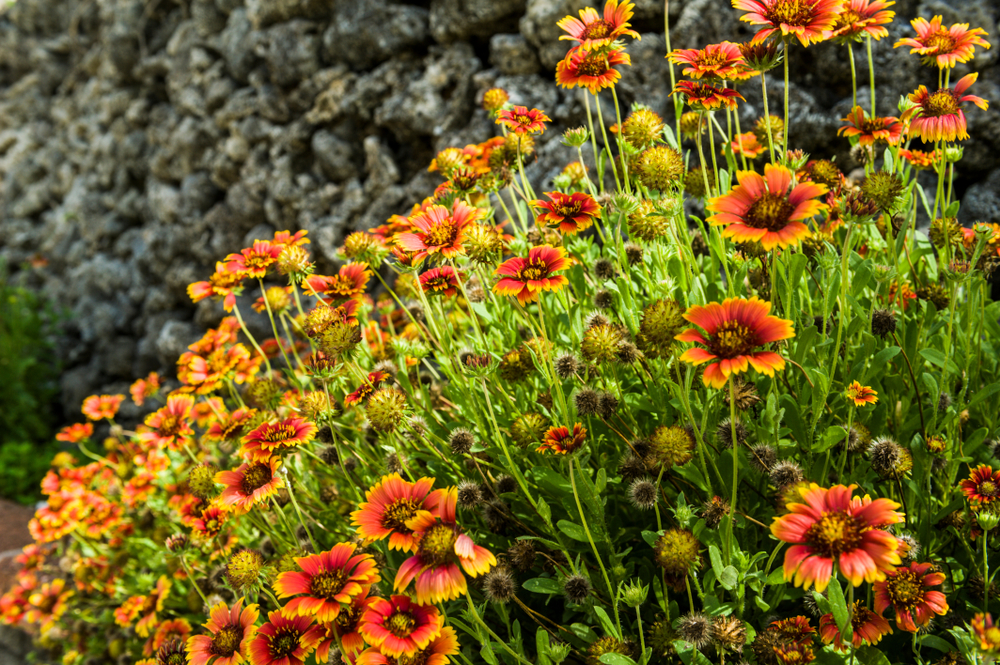
Indian Blanket is a striking, native wildflower that blooms in bright reds, oranges, and yellows. Sowing the seeds in March gives these hardy annuals the time they need to establish themselves before the warmer months arrive. Their bold, daisy-like flowers are perfect for adding a splash of color to a natural garden, and their vibrant hues make them stand out in a meadow-style planting. Indian Blanket flowers are also great for attracting pollinators, including bees and butterflies, making them a valuable addition to a wildlife-friendly garden.
These flowers are easy to grow and thrive in well-drained soil with plenty of sunlight. They are drought-tolerant once established and can handle hot, dry conditions, making them ideal for low-maintenance gardens. Indian Blanket flowers are perfect for creating a wild, untamed look in your garden, and their ability to self-seed means they will return year after year. By sowing them in March, you can ensure that these bold, beautiful flowers will bloom from late spring through to fall, bringing consistent color and life to your garden throughout the season.
Alyssum (Lobularia maritima)
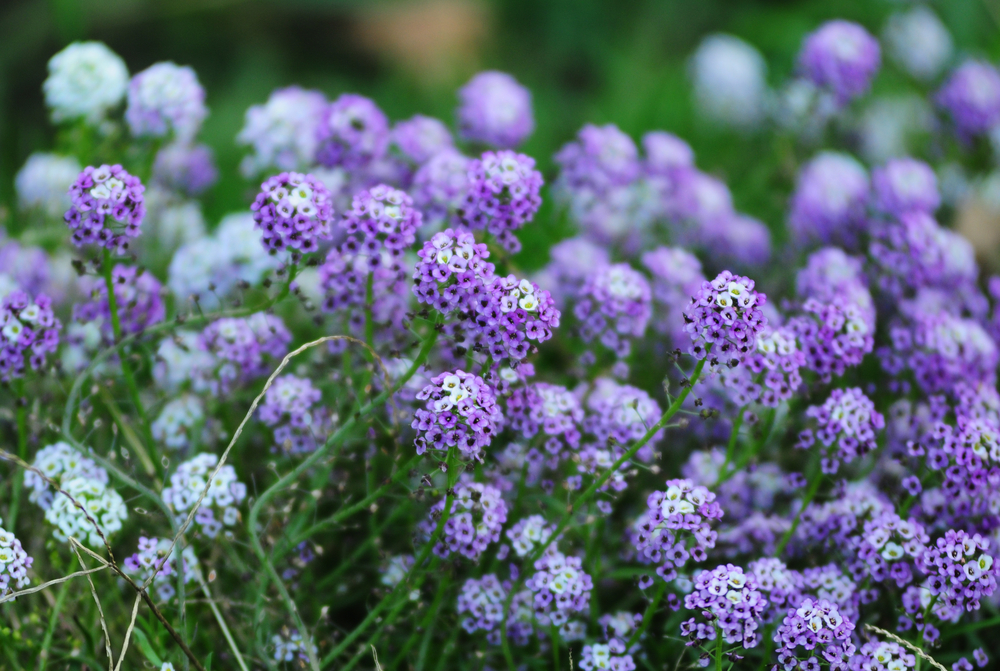
Alyssum is a small, fragrant annual that is perfect for sowing in March. Known for its clusters of tiny white, purple, or pink flowers, Alyssum adds a soft, delicate touch to your garden. These low-growing flowers are ideal for filling in gaps between taller wildflowers, creating a lush, layered look in your meadow-style garden. Alyssum thrives in full sun and well-drained soil, making it an excellent choice for sowing directly outdoors in early spring. Their sweet fragrance attracts bees, making them an excellent pollinator plant.
Alyssum is incredibly easy to grow and can be sown directly in the garden in March. They require minimal care and will bloom from late spring to early summer. Their low, spreading habit makes them ideal for planting as ground cover, helping to suppress weeds while also adding beauty to your garden. Alyssum flowers will continue to bloom throughout the season, providing a constant supply of nectar for pollinators. Once established, these plants will self-seed, ensuring that they will come back year after year.
Borage (Borago officinalis)
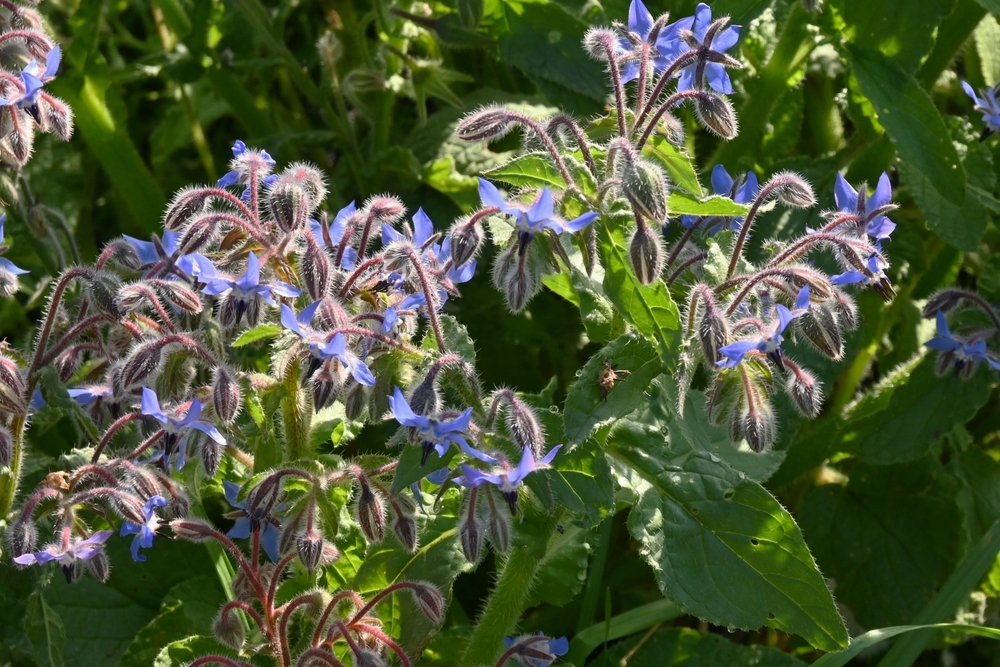
Borage is an herbaceous plant that is easy to grow from seeds sown in March. Known for its striking blue, star-shaped flowers, borage is a favorite among gardeners who want to create a natural, wildflower look in their garden. The flowers are edible and often used in salads or as a garnish, and their bright color makes them an eye-catching addition to any garden. Borage is also a great pollinator plant, attracting bees and other beneficial insects, making it a perfect choice for a wildlife-friendly garden.
Borage is a hardy annual that thrives in full sun and well-drained soil. It can grow quite tall, reaching up to 3 feet, and its broad, fuzzy leaves make it an interesting texture contrast to other wildflowers. Once established, borage is relatively low-maintenance and will self-seed, returning each year to add color and texture to your garden. By sowing borage in March, you give it enough time to establish its roots before the warmer months, ensuring a robust and healthy plant that will bloom throughout the summer. The addition of borage to your garden will add both beauty and function, providing a food source for pollinators and a lovely visual element to your landscape.
Sweet William (Dianthus barbatus)
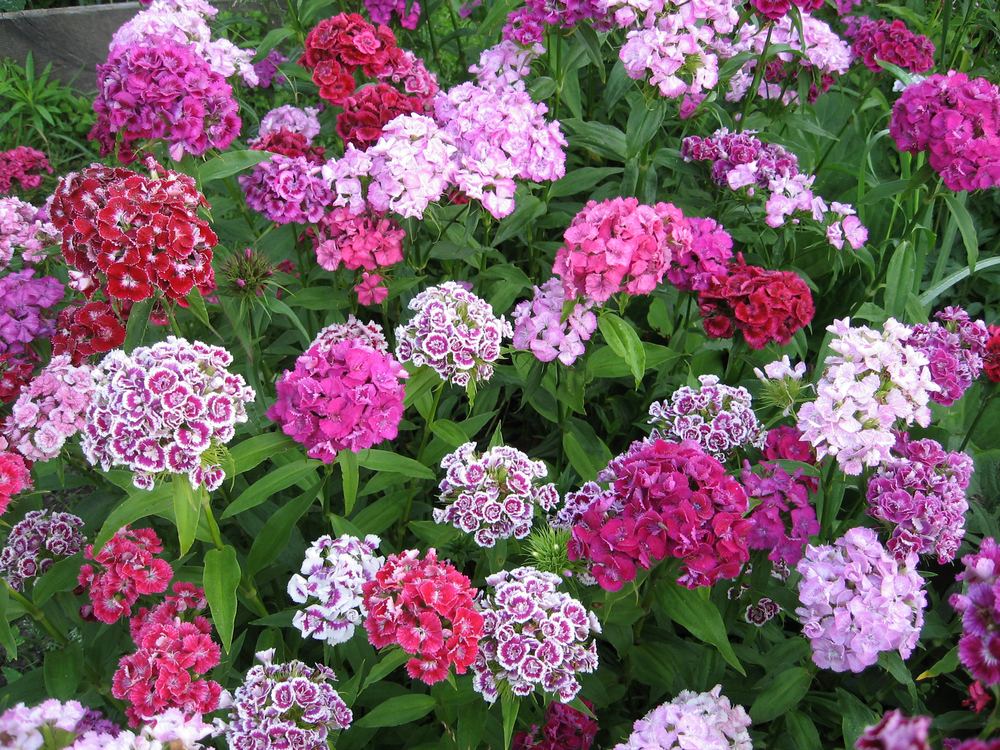
Sweet William is a biennial flower that can be sown in March for a natural cottage-garden look. These flowers are known for their bright, colorful clusters of blooms in shades of red, pink, white, and purple. Sweet William flowers thrive in well-drained, slightly alkaline soil, making them an ideal choice for sowing in early spring. By sowing the seeds in March, you ensure that the plants will have time to establish their roots before they bloom the following year. Their sweet, fragrant flowers are a favorite of bees, making them an excellent addition to a pollinator garden.
Sweet William plants grow in clumps, with tall, sturdy stems that make them perfect for cutting and using in fresh bouquets. They bloom in early summer and can last into the fall, making them a valuable addition to any garden. Sweet William thrives in sunny spots but can tolerate partial shade, making it versatile for different garden locations. These flowers require little maintenance once established and are relatively drought-tolerant. By sowing them in March, you ensure a healthy and vibrant display of color and fragrance the following year, perfect for creating a natural, country garden look.
This article originally appeared on Avocadu.