
16 Native Plants to Start Your Eco-Garden in March
If you’re looking to build a garden that is both beautiful and environmentally friendly, native plants are the way to go. March marks the start of the planting season, making it an ideal time to get your eco-garden underway. These plants are well-suited to your local conditions and are a great choice for low-maintenance gardening. Not only will they save you time and effort, but they’ll also help support local wildlife.
This post may contain affiliate links, which helps keep this content free. Please read our disclosure for more info.
Black-Eyed Susan (Rudbeckia hirta)
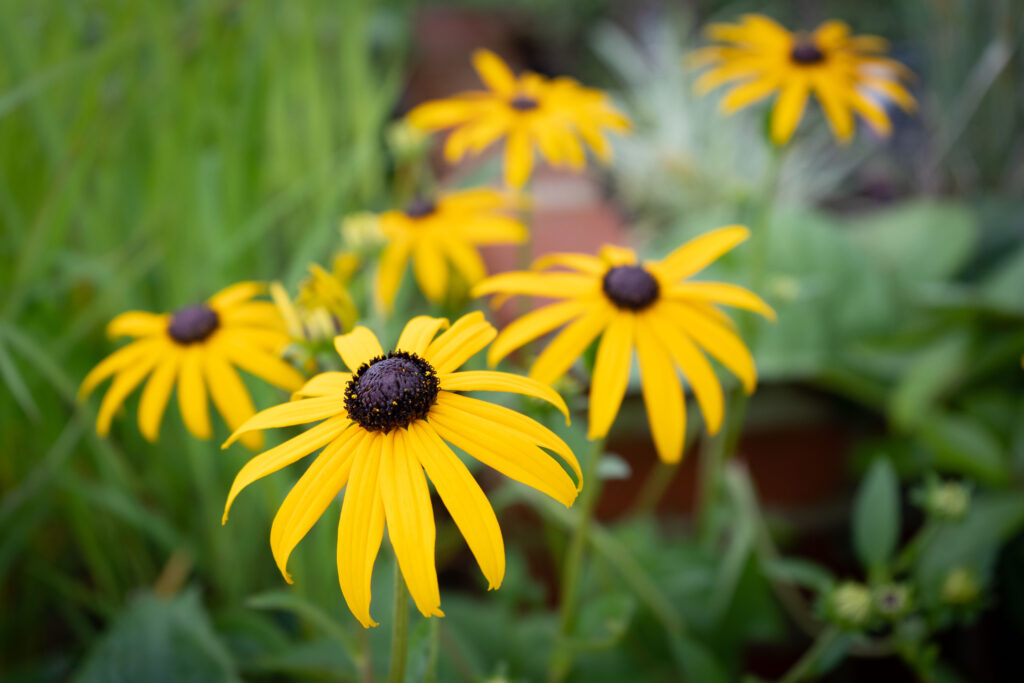
Black-eyed Susan is a vibrant perennial that adds a pop of yellow to any eco-garden. Native to North America, it thrives in a variety of soil types and can tolerate dry conditions once established. This plant is known for attracting pollinators such as bees and butterflies, making it an essential addition to any wildlife-friendly garden. It is also drought-resistant and can grow well in full sun, making it perfect for low-maintenance gardeners.
Its daisy-like flowers bloom from early summer to fall, and the plant can reach heights of up to 3 feet. Black-eyed Susan is often used in flower beds or as a border plant, and it complements other native species. This easy-to-grow perennial is also quite hardy, able to withstand colder temperatures in early spring. Whether you’re a beginner or an experienced gardener, this plant will add beauty and sustainability to your garden.
Butterfly Weed (Asclepias tuberosa)
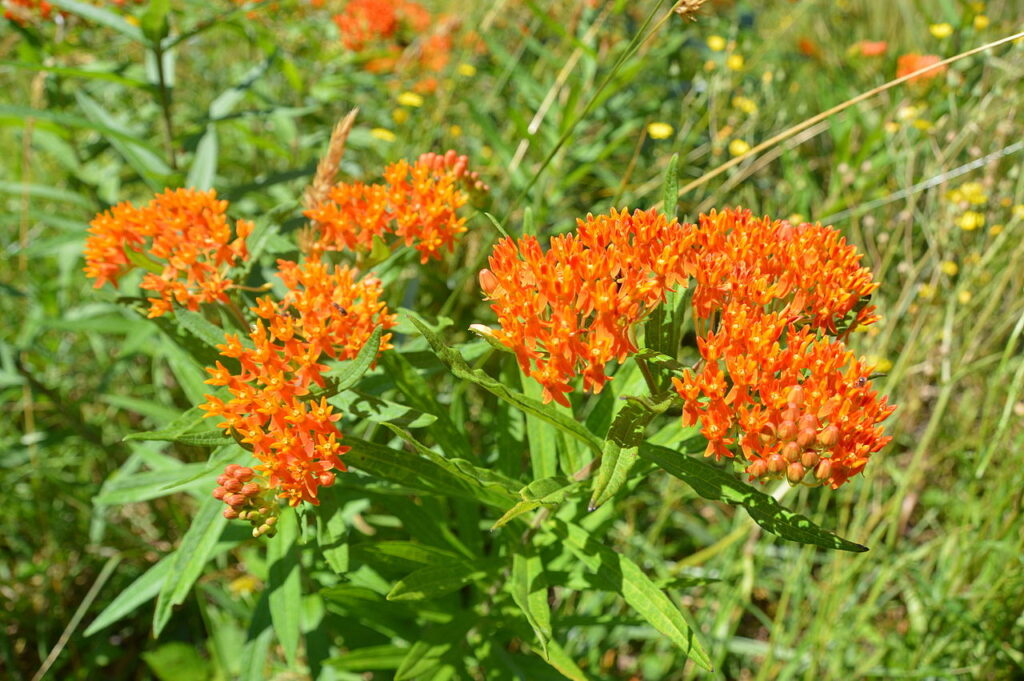
Butterfly weed is a favorite among gardeners looking to attract pollinators, especially butterflies. This perennial produces bright orange flowers that bloom in the summer and thrive in well-drained, sandy soils. Butterfly weed is drought-tolerant and requires minimal maintenance, making it ideal for eco-friendly gardens. The plant also acts as a host for monarch caterpillars, making it a vital part of the ecosystem.
This plant prefers full sun and is perfect for dry, low-fertility soils. Its deep taproot allows it to survive in tough conditions, which is why it’s a great choice for areas that experience drought. Beyond its pollinator benefits, butterfly weed also offers medicinal properties and has been used in traditional medicine for various purposes. It’s an excellent addition to any garden focused on attracting wildlife while maintaining a low-impact, sustainable landscape.
Purple Coneflower (Echinacea purpurea)
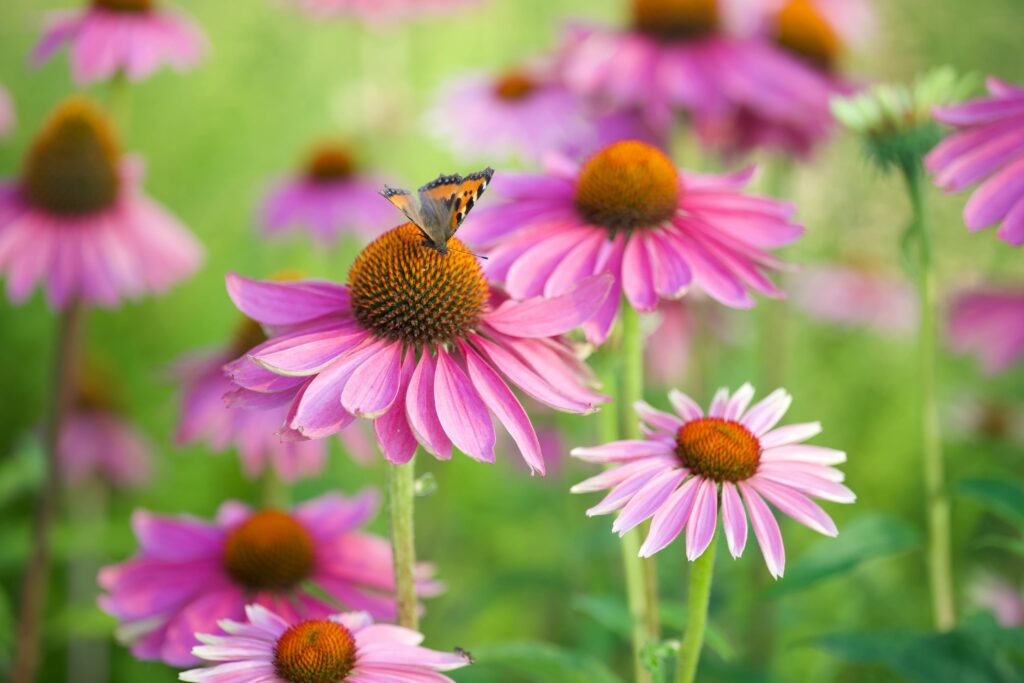
Purple coneflower is a classic native plant known for its medicinal qualities and stunning purple blooms. This perennial is native to the Midwest and can thrive in a wide range of conditions, from dry to slightly moist soils. The flowers, which bloom in summer, are not only beautiful but also attract a variety of pollinators, including bees and butterflies. Purple coneflower is also known for its ability to support local bird populations by providing seeds for finches in the fall.
In addition to its ecological benefits, purple coneflower is valued for its medicinal uses, particularly for boosting the immune system. It grows to about 3 feet tall and requires full sun to partial shade. As a hardy plant, it can withstand drought conditions once established and is relatively easy to care for. Its long-lasting flowers and adaptability make it a top choice for any eco-garden.
Prairie Dropseed (Sporobolus heterolepis)
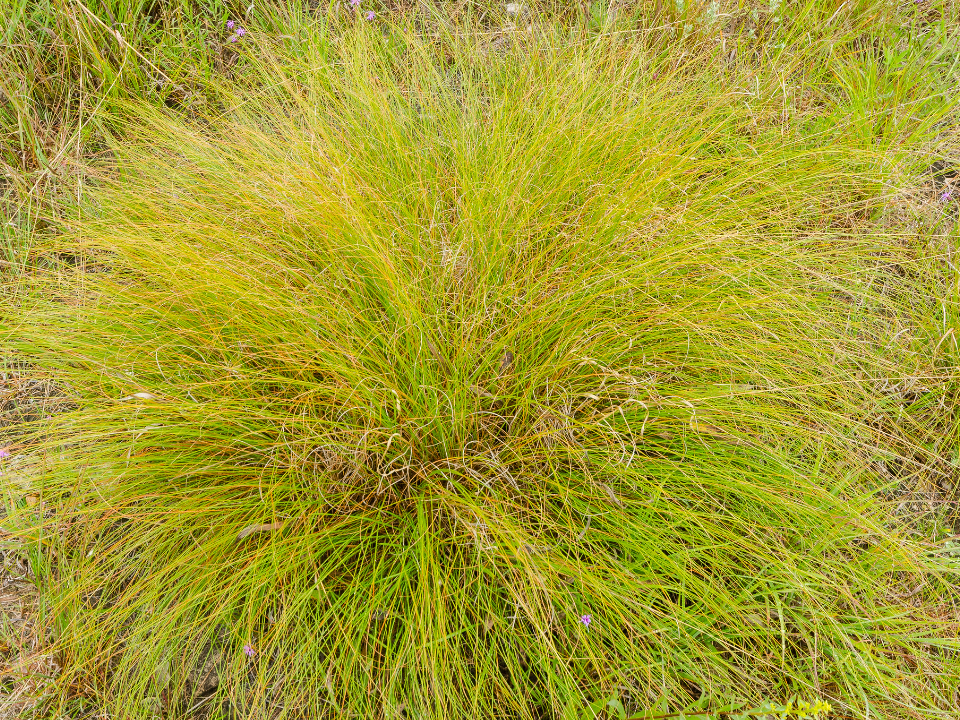
Prairie dropseed is a versatile native grass that adds texture and movement to your eco-garden. This grass is perfect for creating naturalistic, low-maintenance landscapes, and it thrives in dry, sandy soils. With its fine, green foliage and fragrant summer flowers, prairie dropseed creates an appealing contrast to other plants. It grows in clumps and forms a dense, yet soft, texture that adds an elegant feel to any garden.
One of the key benefits of prairie dropseed is its ability to survive in harsh conditions, including drought. It also attracts pollinators, offering an additional benefit for wildlife. This grass prefers full sun and can tolerate poor soils, making it an excellent option for less fertile spots in your garden. With its compact size and graceful appearance, prairie dropseed can be used as a border plant or in ornamental meadows.
American Beautyberry (Callicarpa americana)
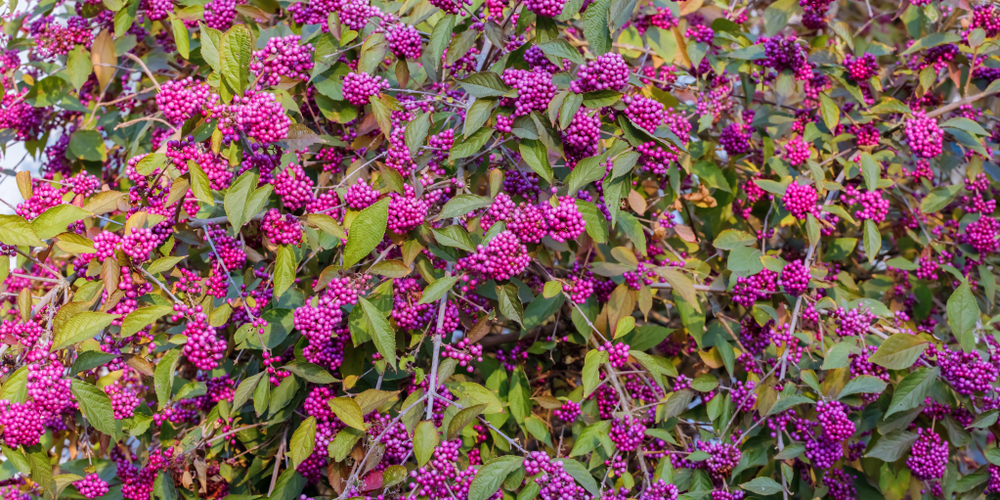
American beautyberry is a native shrub known for its striking purple berries that appear in late summer and fall. This plant is highly adaptable and grows well in both sun and partial shade. It thrives in moist, well-drained soils and can tolerate a variety of soil types, making it a versatile choice for eco-gardens. The berries are not only beautiful but also serve as an important food source for birds during the winter months.
In addition to its ecological benefits, American beautyberry is a low-maintenance plant that requires little care once established. Its lush green foliage in spring and summer turns to brilliant shades of purple and orange as the season progresses, adding year-round interest to your garden. The plant grows to about 6 feet tall, making it a perfect shrub for natural hedges or as a backdrop for smaller plants. American beautyberry is a great choice for gardeners who want a hardy, wildlife-friendly shrub that offers both beauty and function.
Wild Columbine (Aquilegia canadensis)
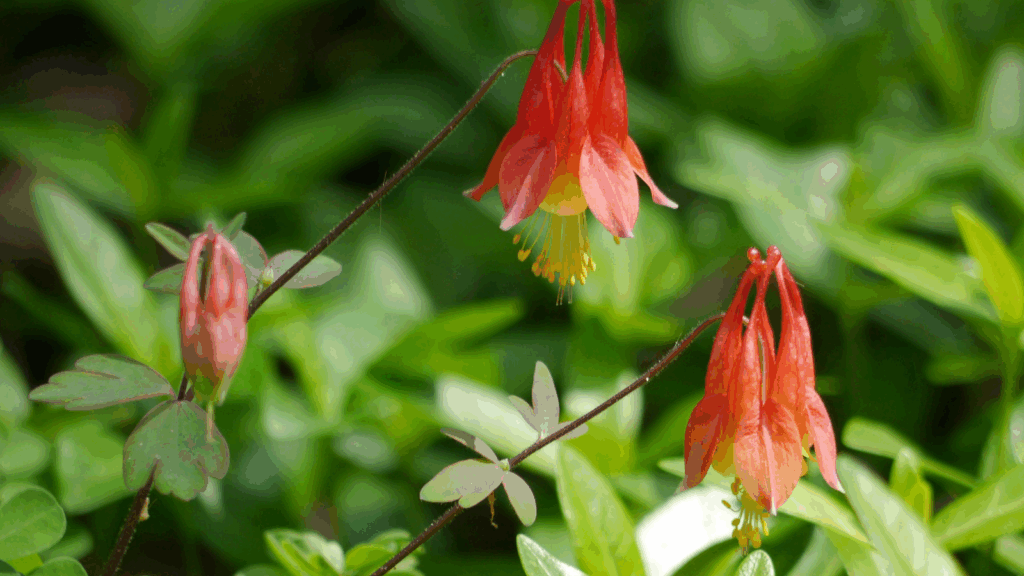
Wild columbine is a charming native flower known for its distinctive red and yellow blooms that attract hummingbirds and bees. This perennial thrives in partially shaded areas, making it perfect for woodland gardens or garden beds with filtered sunlight. Wild columbine prefers well-drained, slightly acidic soils and can tolerate a variety of growing conditions. Its delicate flowers bloom in late spring and early summer, adding vibrant colors to any eco-garden.
This plant typically grows to a height of 2 to 3 feet and spreads by seed, making it ideal for naturalizing garden spaces. Wild columbine also attracts a wide range of pollinators, helping to support local ecosystems. Once established, it requires little maintenance and can easily self-seed, creating a beautiful and sustainable garden. For those looking to add color and ecological value, wild columbine is a top choice for a March planting.
Wild Ginger (Asarum canadense)
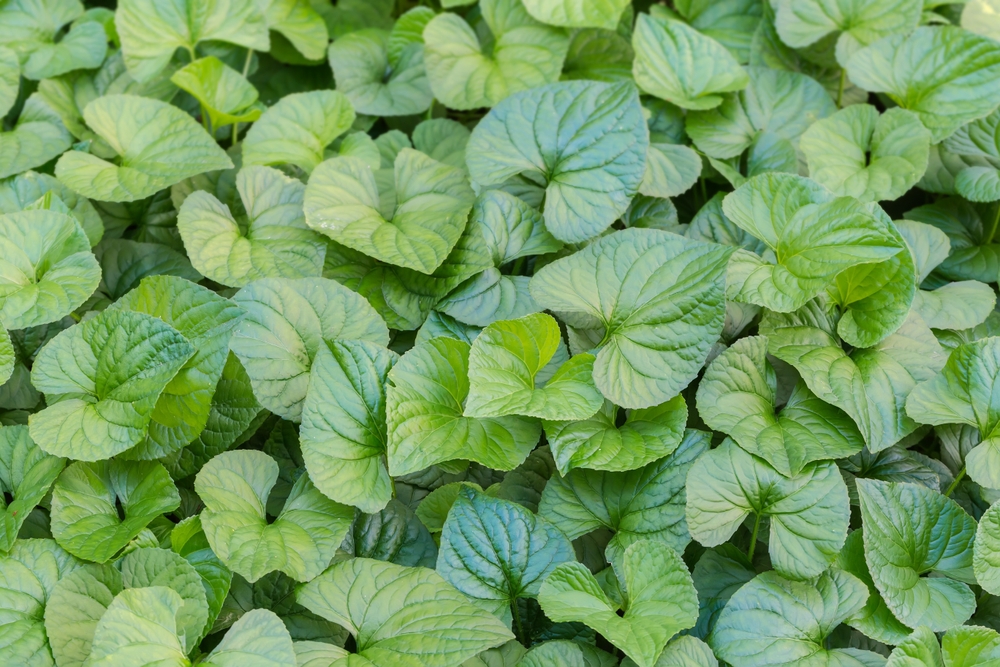
Wild ginger is a low-growing, evergreen perennial that thrives in shaded, moist areas, making it a perfect groundcover for eco-gardens. This native plant has heart-shaped leaves and small, brownish-purple flowers that are not as showy as other plants but add subtle beauty to the garden. Wild ginger is especially valued for its ability to tolerate dry shade and is often used as a natural mulch for other plants. It can also help prevent soil erosion in areas with slopes or uneven terrain.
This plant is particularly beneficial for wildlife as it attracts pollinators such as ants, which help spread its seeds. Wild ginger grows well in a variety of soil types, from sandy to clay-rich, and requires minimal care once established. It is ideal for creating a low-maintenance garden that still supports a wide range of local species. With its shade-loving nature and soil-stabilizing properties, wild ginger is an excellent addition to any eco-friendly landscape.
Blazing Star (Liatris spicata)
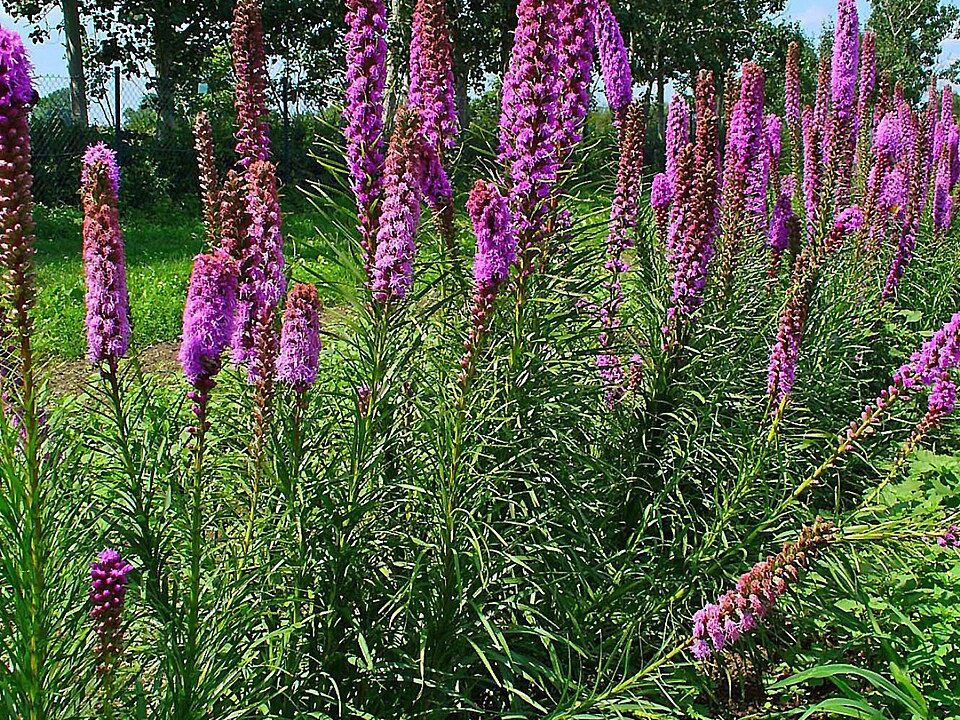
Blazing star is a striking native plant with tall, spiky flowers that bloom in late summer. Known for its vibrant purple or pink flower heads, it attracts pollinators, particularly butterflies and bees. This perennial grows in clumps and can reach up to 4 feet tall, making it an impressive focal point in your garden. Blazing star thrives in well-drained, slightly dry soils and prefers full sun to partial shade.
This plant is also drought-resistant and can withstand poor soil conditions, making it perfect for an eco-friendly garden. Blazing star’s unique flowers and long-lasting blooms provide visual interest throughout the summer and into early fall. It’s easy to grow and requires little maintenance once established. Whether used as a border plant or in wildflower meadows, blazing star will brighten your garden and attract beneficial pollinators.
New England Aster (Symphyotrichum novae-angliae)
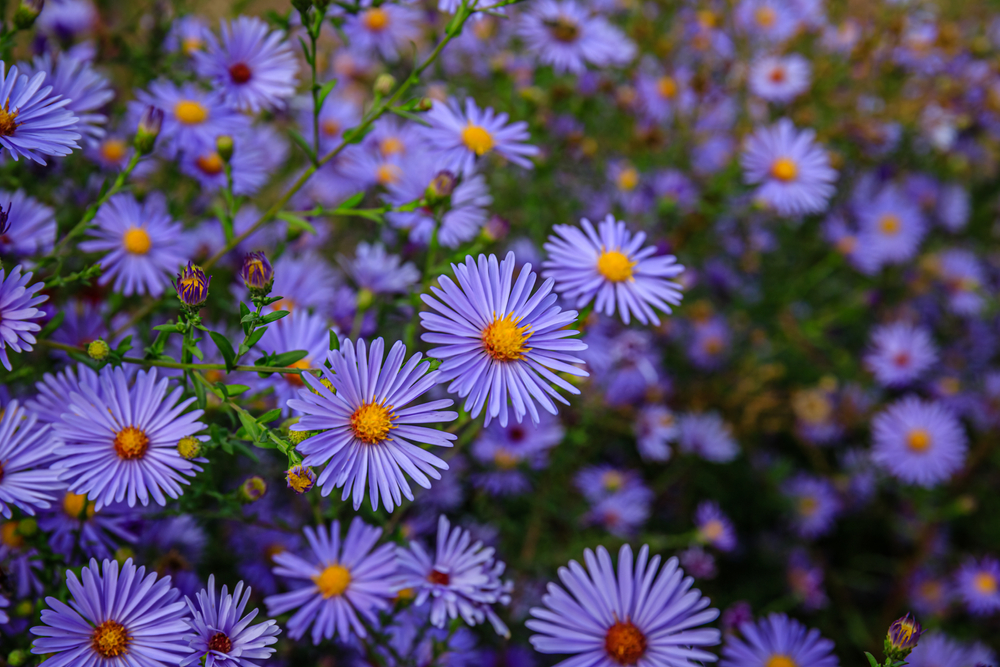
New England aster is a vibrant, late-blooming perennial that adds color to the fall garden with its purple or pink flowers. This plant is highly attractive to bees and butterflies, making it an important pollinator plant for your eco-garden. It grows well in moist, well-drained soils and prefers full sun to partial shade. New England aster typically reaches heights of 3 to 6 feet, making it a striking presence in flower beds or as a background plant.
Its dense clusters of flowers bloom in late summer and early fall, providing a much-needed food source for pollinators during this time. New England aster also has a relatively long blooming period, lasting until the first frost. Once established, it is drought-tolerant and can thrive with little care. This hardy native plant is an essential addition to any garden focused on supporting local wildlife.
Bee Balm (Monarda fistulosa)
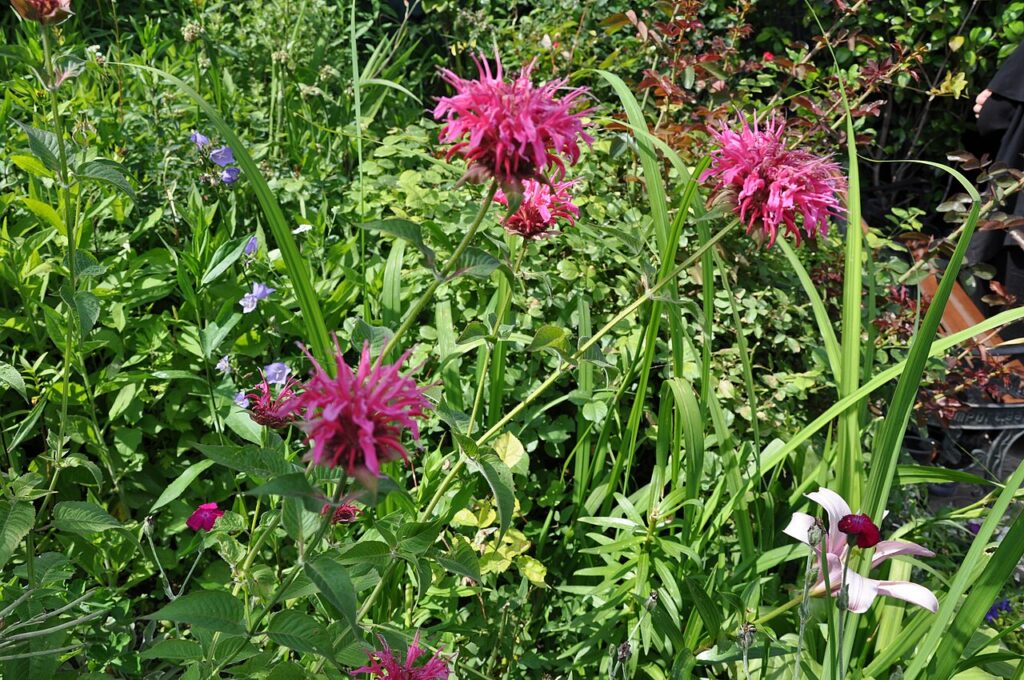
Bee balm, also known as wild bergamot, is a native plant that draws pollinators with its fragrant, pink to purple flowers. This perennial grows well in sunny to partially shaded areas and thrives in moist, well-drained soils. Bee balm is known for attracting a variety of pollinators, including bees, butterflies, and hummingbirds. The plant’s aromatic leaves are often used to make herbal teas, adding both beauty and utility to your eco-garden.
Bee balm grows to about 3 feet tall and spreads quickly, making it a great option for filling in garden spaces. It is also a great plant for naturalizing areas in your garden, as it can thrive in a variety of conditions. Bee balm requires little maintenance once established and can survive drought conditions once mature. Its long-lasting flowers and pollinator benefits make it an essential plant for your eco-friendly garden.
Swamp Milkweed (Asclepias incarnata)
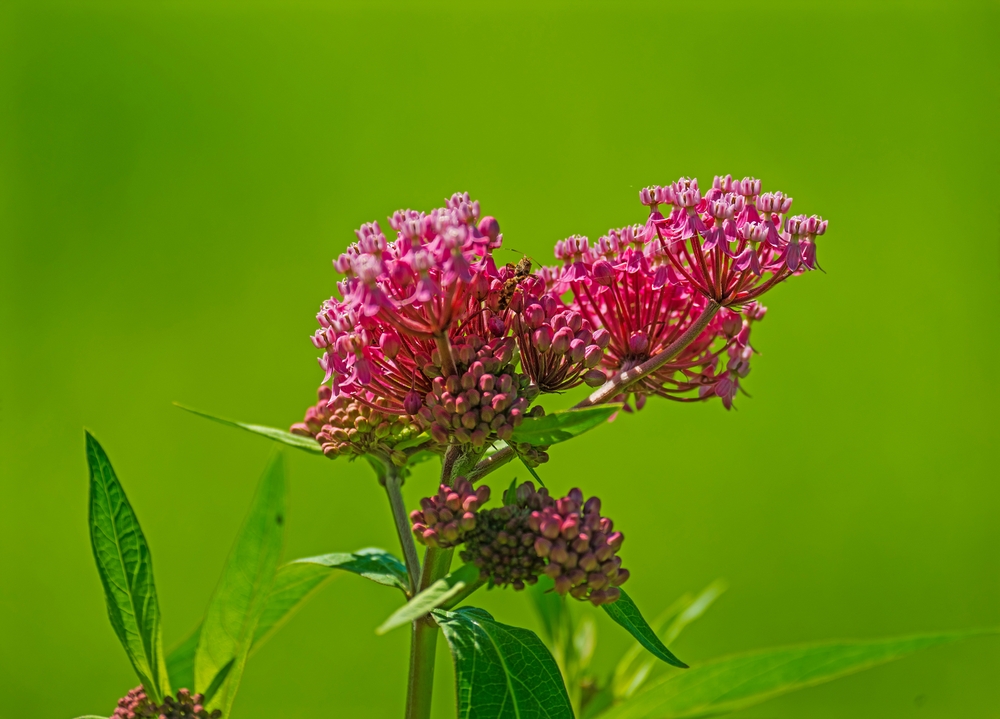
Swamp milkweed is a native perennial that thrives in moist, wet soils and attracts a wide range of pollinators, particularly monarch butterflies. This plant features clusters of pink to purple flowers that bloom in mid-summer and are a vital food source for pollinators. Swamp milkweed is particularly beneficial for monarchs, as it serves as both a nectar source and a host plant for caterpillars. It grows to a height of about 4 feet and prefers full sun to partial shade.
This hardy plant is easy to grow in a variety of soil types, including moist or wet areas. Swamp milkweed is also deer-resistant, making it a great choice for gardens in areas with frequent wildlife visits. Once established, it requires minimal care and can withstand drought conditions. The plant’s beauty, combined with its important role in supporting monarch populations, makes it an essential addition to any eco-garden.
Purple Prairie Clover (Dalea purpurea)
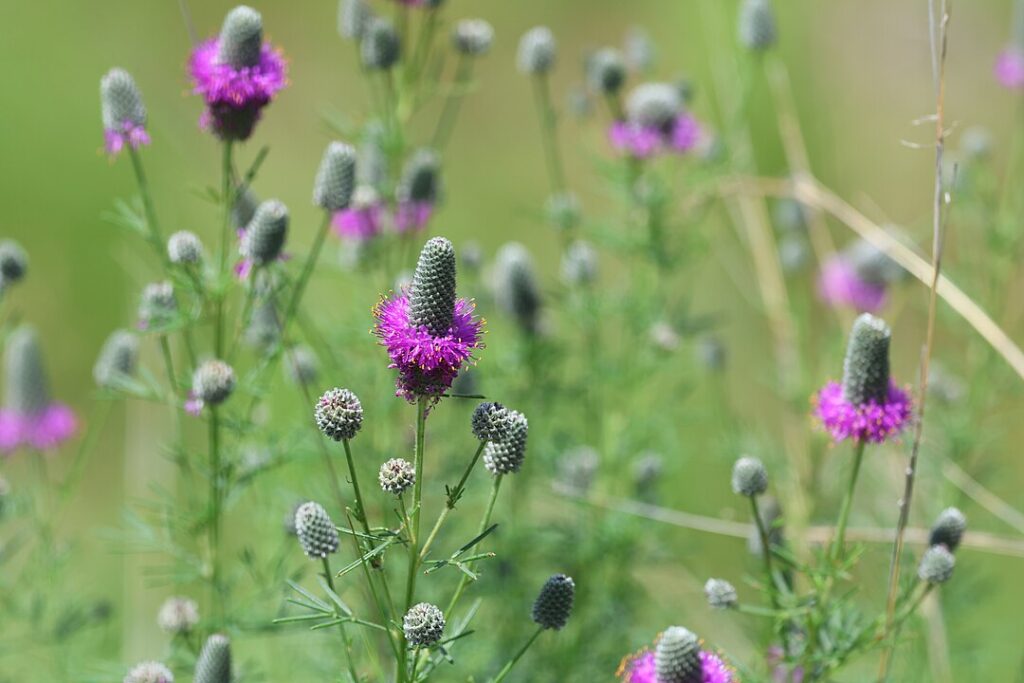
Purple prairie clover is a stunning native plant that produces clusters of purple flowers in mid-summer, which are loved by bees and butterflies. This perennial grows well in dry, well-drained soils and thrives in full sun. It is a drought-tolerant plant that requires minimal care once established, making it perfect for low-maintenance eco-gardens. Purple prairie clover also has deep roots that help improve soil health and prevent erosion.
This plant typically reaches a height of 1 to 2 feet and can be used to create natural-looking meadows or as a border plant in your garden. Its striking flowers are a great addition to any garden focused on attracting pollinators and supporting local wildlife. Purple prairie clover also benefits from being a nitrogen-fixer, which helps improve the quality of the soil it grows in. With its beauty and ecological benefits, purple prairie clover is a must-have for your eco-garden this March.
Indian Grass (Sorghastrum nutans)
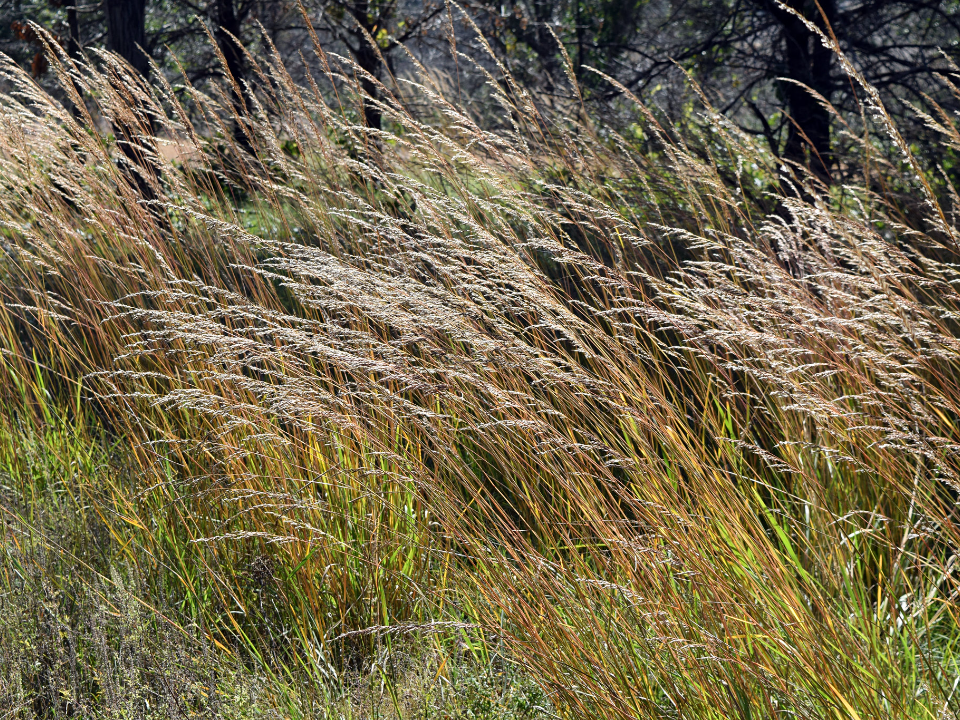
Indian grass is a native prairie grass that adds texture and movement to your eco-garden. This tall, warm-season grass reaches up to 6 feet tall and features golden-brown flower heads that bloom in late summer and early fall. Indian grass thrives in dry, sandy, or clay soils and prefers full sun, making it an ideal choice for low-maintenance gardens. Its deep roots help improve soil structure and reduce erosion, adding to its ecological value.
In addition to supporting pollinators, Indian grass also provides food and shelter for birds during the colder months. Once established, it is drought-tolerant and requires little care. This grass has a striking appearance in the garden, and its golden tones make it especially attractive during autumn. Whether used as a backdrop or in prairie-style gardens, Indian grass offers both beauty and function.
Wild Lupine (Lupinus perennis)
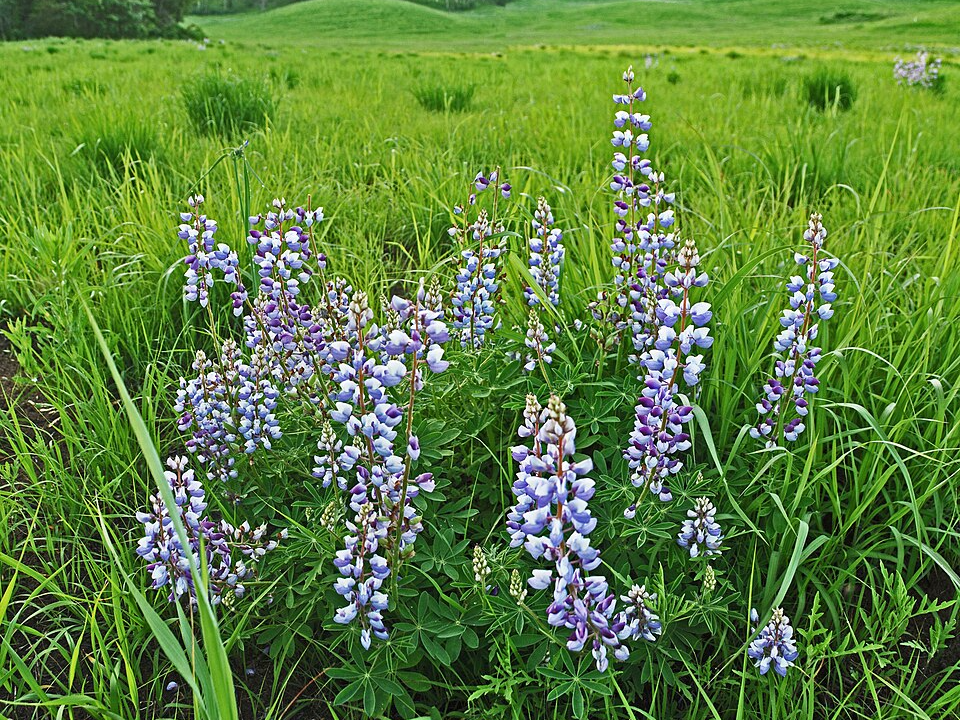
Wild lupine is a beautiful perennial known for its vibrant blue to purple flowers that bloom in spring. This native plant is an excellent addition to any eco-garden, attracting bees, butterflies, and other pollinators with its nectar-rich flowers. Wild lupine thrives in well-drained, sandy or loamy soils and prefers full sun or partial shade. Its tall flower spikes make it a striking presence in flower beds or as part of a wildflower meadow.
This plant is especially beneficial to the ecosystem as it is a nitrogen-fixer, improving the quality of the soil it grows in. Wild lupine also supports the larvae of the endangered Karner blue butterfly, adding to its ecological importance. It grows to about 2 feet tall and can be used to add vertical interest to your garden. With its beautiful blooms and wildlife benefits, wild lupine is an ideal choice for an eco-friendly garden.
Virginia Bluebell (Mertensia virginica)
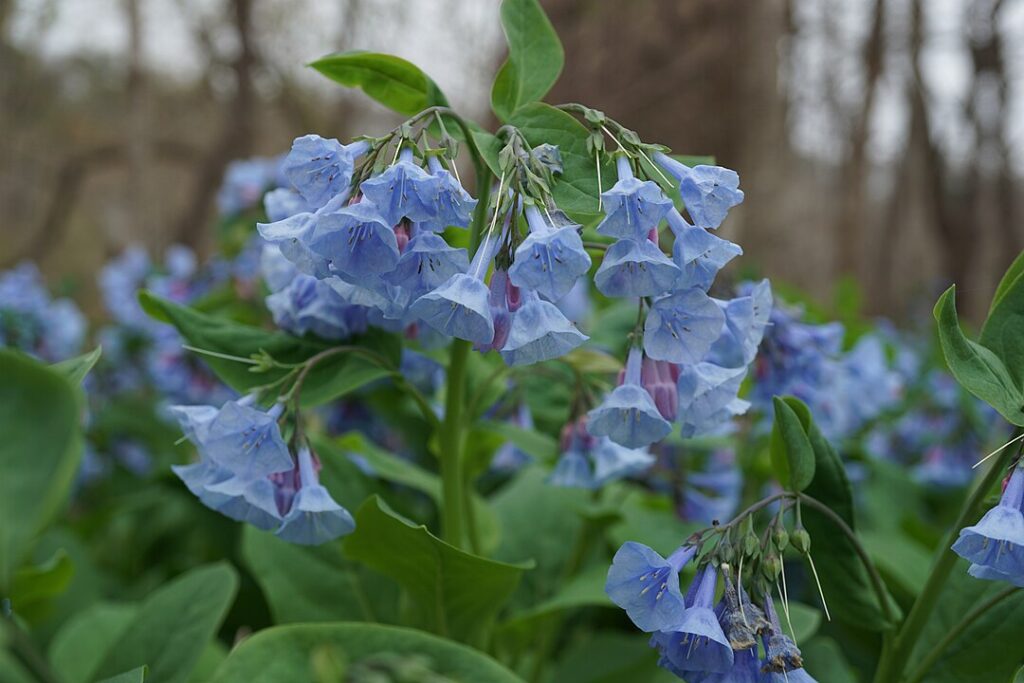
Virginia bluebell is a spring-blooming perennial that is native to woodlands and shady areas. Known for its delicate, bell-shaped blue flowers, this plant adds a soft and ethereal look to the garden. Virginia bluebells grow best in moist, well-drained soils and prefer partial to full shade, making them perfect for woodland gardens or shaded garden beds. They are early bloomers, often flowering in early spring before many other plants, making them a wonderful choice for a vibrant spring garden.
The plant’s soft blue flowers create a striking contrast to the dark green foliage of shade-loving plants. Once blooming finishes, the plant’s leaves remain attractive until the summer heat sets in. Virginia bluebells are also beneficial for pollinators, particularly early-season bees. They are a low-maintenance plant that thrives in the right conditions and adds a touch of elegance to any garden.
Common Milkweed (Asclepias Syriaca)
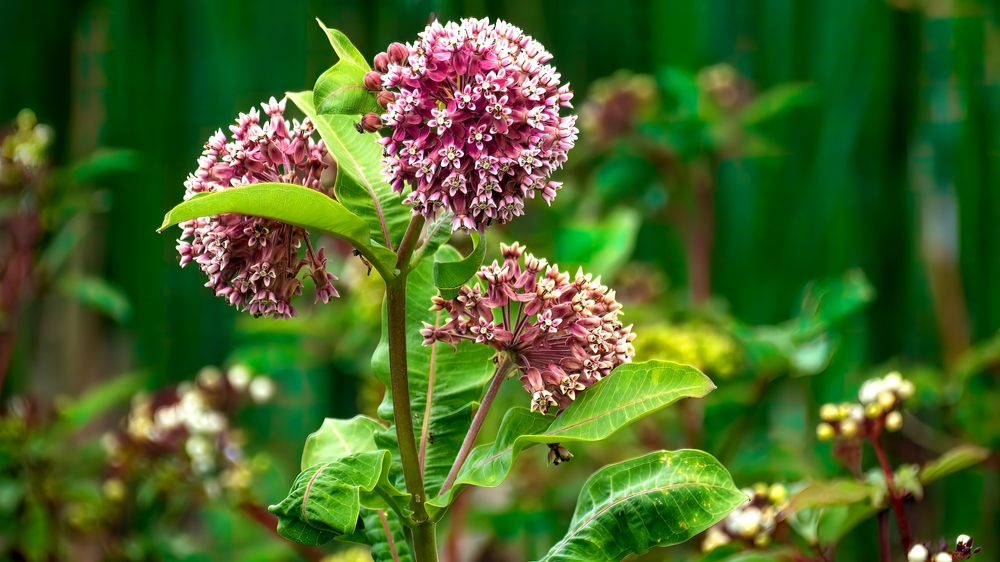
Common milkweed is a well-known native plant that supports pollinators, particularly monarch butterflies, by providing a nectar source and a host plant for caterpillars. It’s large, pink to purple flower clusters bloom in mid-summer and are highly attractive to bees, butterflies, and hummingbirds. This plant thrives in well-drained, slightly moist soils and requires full sun to grow its best. It’s especially useful for gardeners looking to support monarch populations, as it is their primary food source during the larval stage.
Common milkweed grows up to 5 feet tall and can be used as a backdrop plant or in wildflower meadows. It is a hardy plant that can withstand drought once established. The plant produces large seed pods that burst open in the fall, dispersing seeds with silky fluff that can travel long distances. Common milkweed’s ecological value, combined with its striking flowers, makes it an essential plant for an eco-friendly garden.
This article originally appeared on Avocadu.