
14 Pollinator-Friendly Flowers to Attract Bees This Spring
If you want to help local pollinators, planting bee-friendly flowers is an excellent place to start. Bees are essential for pollinating a wide variety of plants, from flowers to food crops. By adding the right plants to your garden, you can support these busy creatures and enjoy a vibrant, buzzing environment. These flowers are simple to grow and perfect for attracting bees this spring. Why not try incorporating a few into your garden this season?
This post may contain affiliate links, which helps keep this content free. Please read our disclosure for more info.
Lavender (Lavandula spp.)
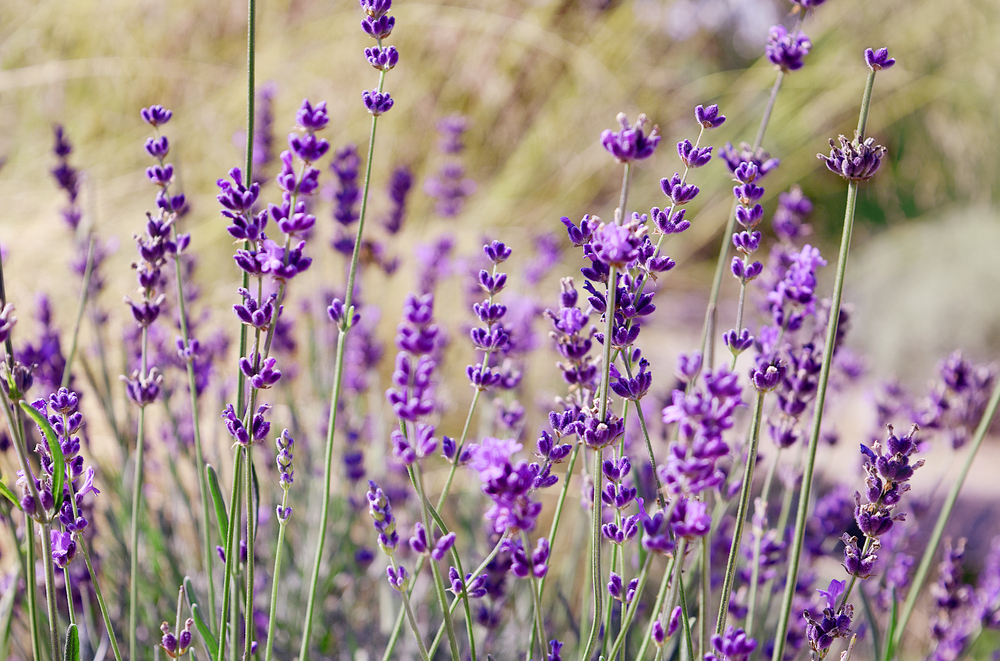
Lavender is a favorite among bees, offering a lovely fragrance and a source of nectar. This perennial plant thrives in sunny areas and well-drained soil, making it easy to grow in many gardens. Its spikes of purple flowers attract a variety of pollinators, especially honeybees, due to their high nectar content. Planting lavender in clusters will increase its visibility to bees, ensuring they stay within your garden.
Aside from attracting bees, lavender is also known for its drought-tolerant nature, making it a low-maintenance choice. The flowers bloom in late spring and continue into summer, providing a steady food source. Prune the plants regularly to encourage more blooms and a bushier form. Lavender is also useful for its calming fragrance, which makes it a great addition to both pollinator gardens and herb gardens.
Echinacea (Echinacea purpurea)
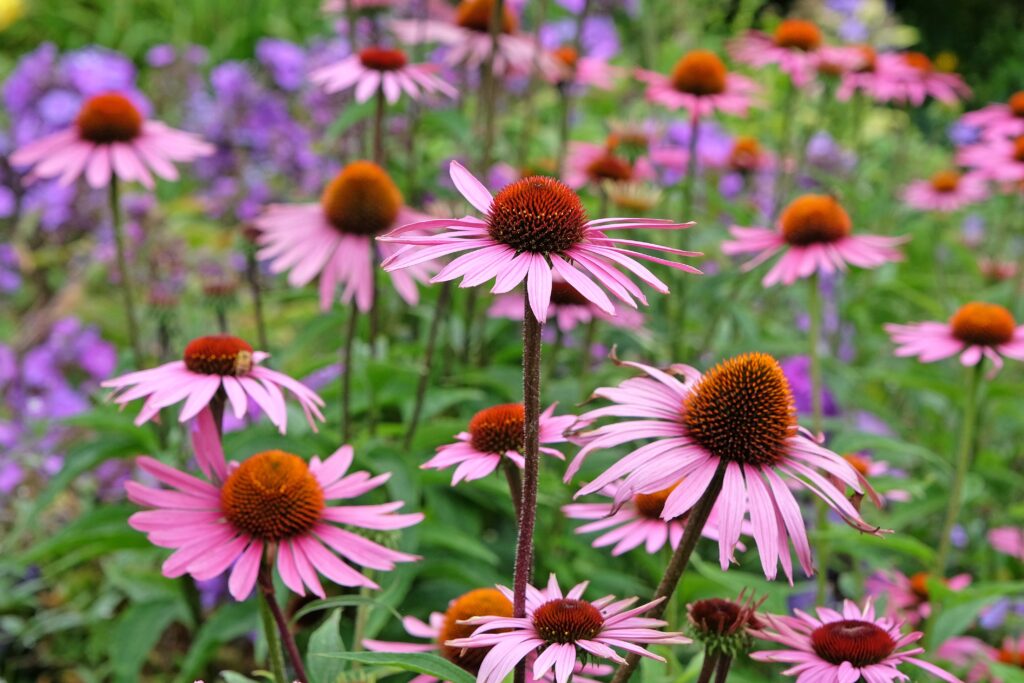
Echinacea, or coneflower, is another plant that bees adore for its abundant pollen and nectar. The daisy-like flowers with their large, purple or pink petals make this plant easy to spot in any garden. Echinacea is a hardy perennial that grows well in a variety of soil types and is known for its long blooming period, usually lasting from mid-summer to fall. The center cone, rich in pollen, draws bees in, providing them with the nutrients they need.
These flowers are not only beneficial to bees but also have medicinal qualities, often used in herbal teas and remedies for boosting immunity. They are drought-resistant and attract not only bees but also butterflies. Planting them in clusters or alongside other native plants will enhance their pollinator-friendly appeal. Echinacea is also very easy to care for, thriving in full sun and well-drained soil.
Sunflowers (Helianthus spp.)

Sunflowers are known for their bright, cheerful blooms and are a favorite among pollinators, especially bees. These flowers offer large quantities of pollen, attracting bees in droves during the peak of their bloom in mid-summer. Sunflowers can grow to be quite tall, so they make an impressive addition to any garden. Be sure to plant them in an area with full sun, as they thrive in warm, sunny spots and can grow quite large.
Aside from their beauty and appeal to pollinators, sunflowers are easy to grow and relatively low-maintenance. They are also known for producing sunflower seeds, which can be harvested for snacks or to feed birds in the winter. Sunflowers can adapt to various soil conditions, though they prefer slightly moist, well-drained soil. Planting them in groups ensures that bees will have access to ample pollen, especially during the growing season.
Bee Balm (Monarda spp.)
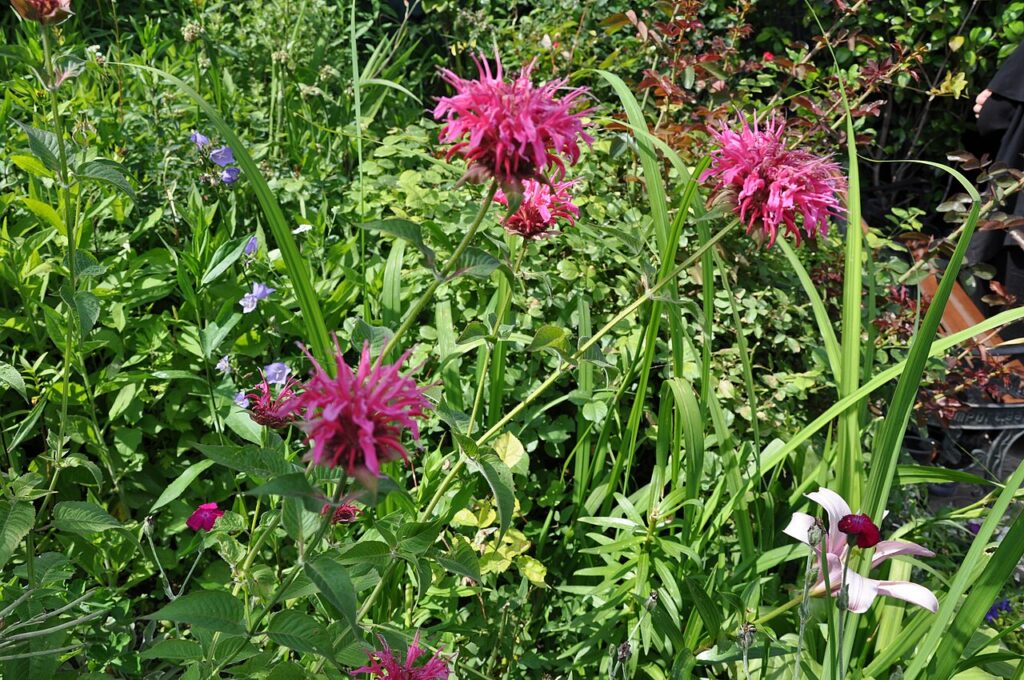
Bee balm, aptly named for its popularity with bees, is a must-have in any pollinator garden. This perennial plant features vibrant flowers in shades of pink, red, purple, or white, with a strong scent that attracts bees and other pollinators. Bee balm prefers moist, well-drained soil and grows well in partially shaded to full-sun conditions. The tubular flowers are particularly easy for bees to navigate, offering a steady stream of nectar.
In addition to being a pollinator favorite, bee balm is also known for its medicinal properties. It has been used in traditional remedies for soothing sore throats and easing digestive issues. The flowers bloom in late spring to early summer, providing an early source of food for bees. Bee balm also has a pleasant aroma and can be used in culinary dishes or teas, adding both beauty and utility to your garden.
Bluebell (Hyacinthoides non-scripta)
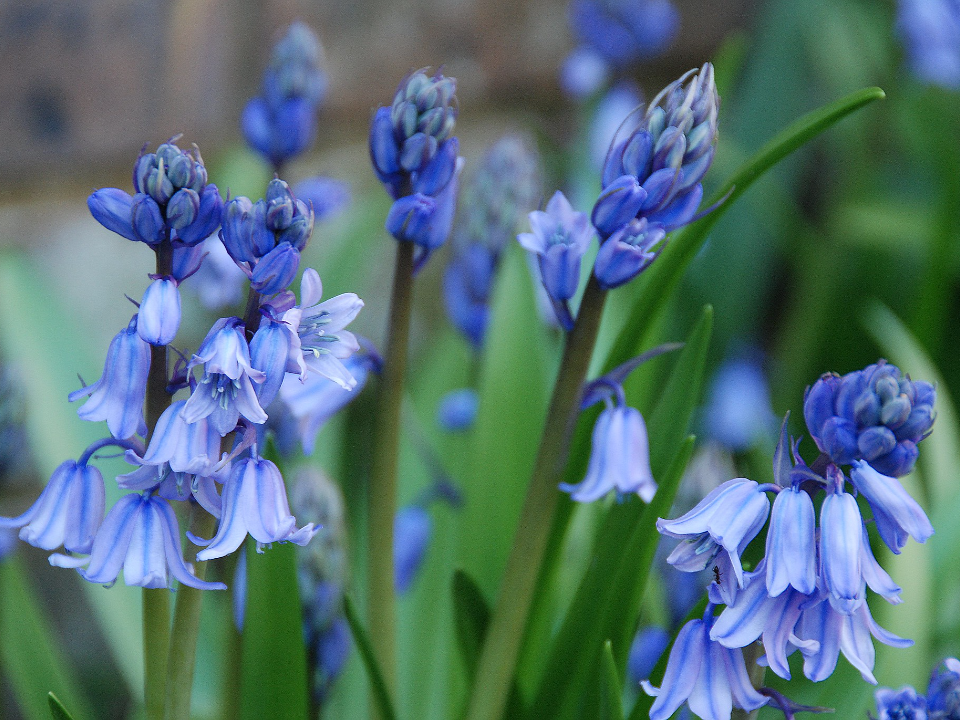
Bluebells are a stunning spring flower that can quickly become a focal point in any garden. Their delicate, bell-shaped blooms in shades of blue or violet make them particularly attractive to bees. These flowers bloom in clusters, providing plenty of nectar for bees to forage. Bluebells thrive in moist, well-drained soil and partial to full shade, making them a perfect choice for woodland gardens or shaded spots in your yard.
Aside from their pollinator-friendly nature, bluebells are also prized for their beauty and fragrance. They grow well in clumps and can spread over time, filling in empty garden spaces. They require minimal maintenance, but it’s best to allow them to naturalize and spread by leaving their bulbs undisturbed after the blooming season. Bluebells also attract other beneficial insects like butterflies, making them a great addition to a wildlife-friendly garden.
Clover (Trifolium spp.)
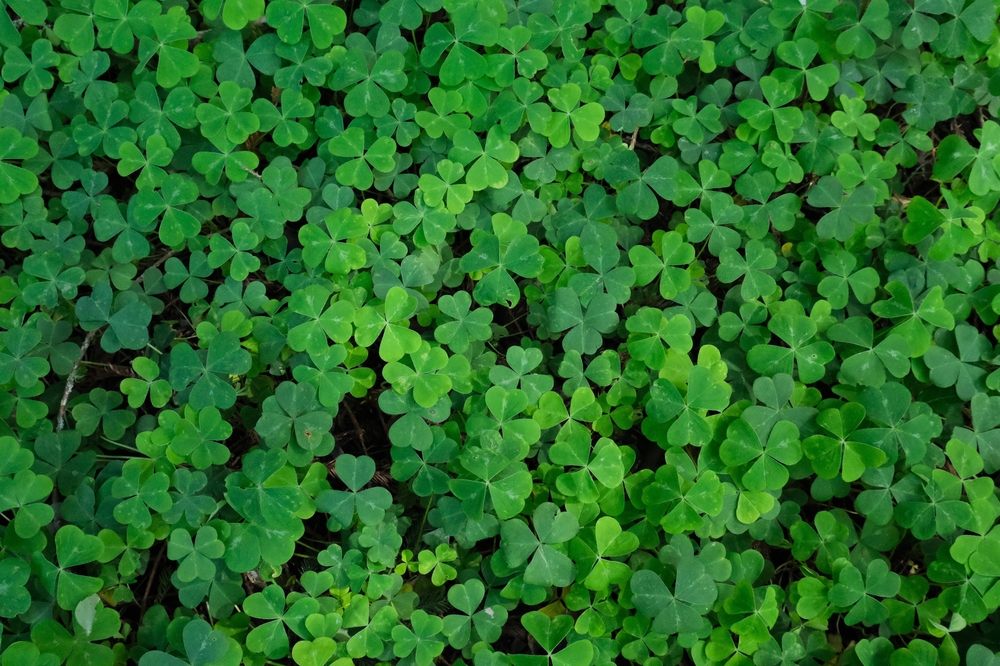
Clover is an easy-to-grow plant that is highly effective at attracting bees. Its small, white, pink, or red flowers are packed with nectar and are perfect for pollinators to enjoy. Clover can be grown as a ground cover or in flower beds, making it versatile for various gardening spaces. It is an excellent choice for eco-friendly gardeners, as clover helps to enrich the soil by fixing nitrogen, improving soil quality over time.
This low-maintenance plant is great for both small and large gardens and can thrive in a variety of soil types. Clover is especially beneficial during the spring, when it begins to bloom and provides an early food source for bees. It’s also a natural choice for creating a bee-friendly lawn alternative. By planting clover in your garden, you create a welcoming environment for bees while also enjoying the benefits of a lush, green ground cover.
Aster (Aster spp.)
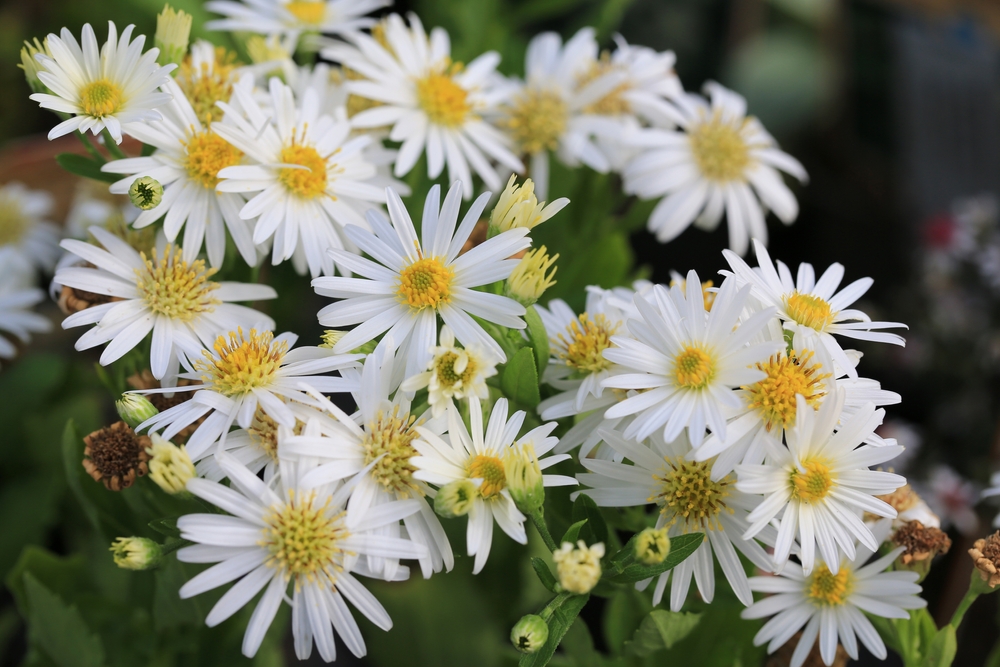
Asters are late-blooming flowers that provide bees with much-needed nectar as the growing season winds down. The flowers come in a variety of colors, including purple, blue, pink, and white, and feature daisy-like blooms. These plants thrive in full sun to partial shade and well-drained soil, and their ability to tolerate a range of growing conditions makes them a great choice for most gardens. Bees are particularly attracted to the bright, easily accessible blooms, which offer a reliable nectar source in late summer and fall.
In addition to being a valuable food source for pollinators, asters also add a burst of color to your garden when many other flowers have finished blooming. The flowers are also known to attract butterflies, further supporting your local ecosystem. Asters grow in a variety of soil types but do best in slightly moist, well-drained conditions. They are easy to grow and maintain, and their ability to withstand cooler temperatures makes them a great addition to gardens in northern climates.
Black-eyed Susan (Rudbeckia hirta)
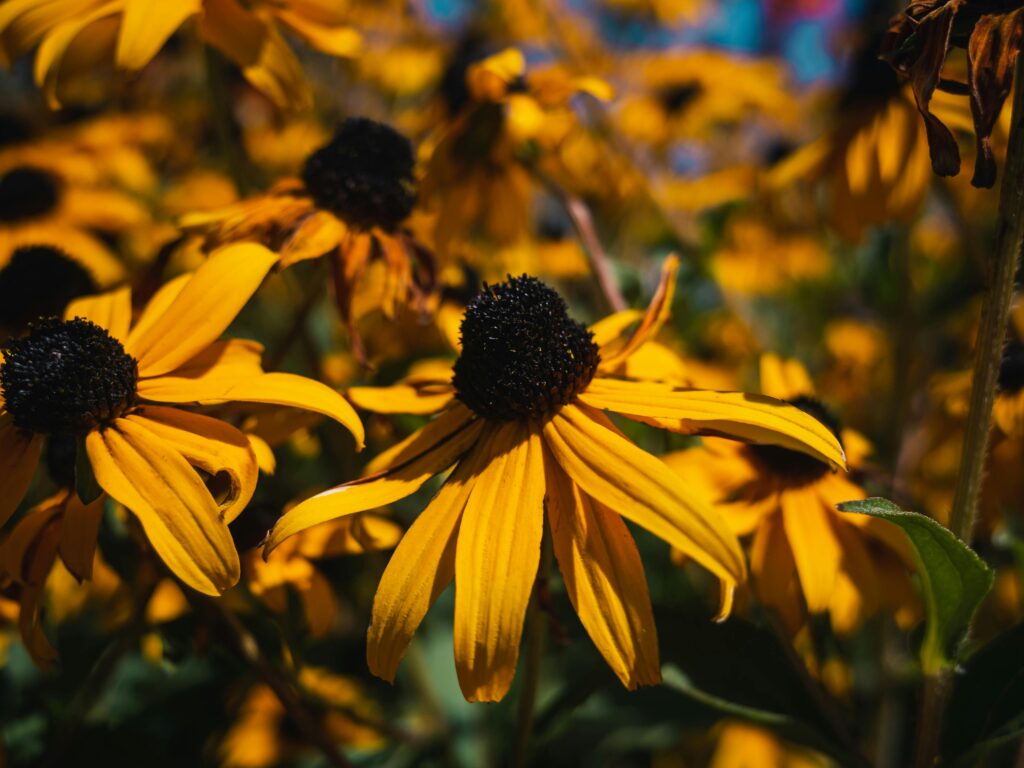
Black-eyed Susans are a native North American flower that is highly attractive to bees. With their bright yellow petals and dark centers, these flowers are both eye-catching and full of nectar. They grow well in full sun and are tolerant of a variety of soil types, including clay and sandy soils. Black-eyed Susans bloom throughout the summer, offering a long period of food for bees during the peak of the growing season.
These flowers are hardy perennials that return year after year, making them a reliable source of nectar in your garden. They are also drought-tolerant, which makes them a great choice for low-maintenance gardens. Black-eyed Susans are known for their resilience and ability to thrive in less-than-ideal conditions, which is why they are so popular among gardeners. They also attract butterflies and other pollinators, contributing to the biodiversity in your garden.
Zinnia (Zinnia spp.)
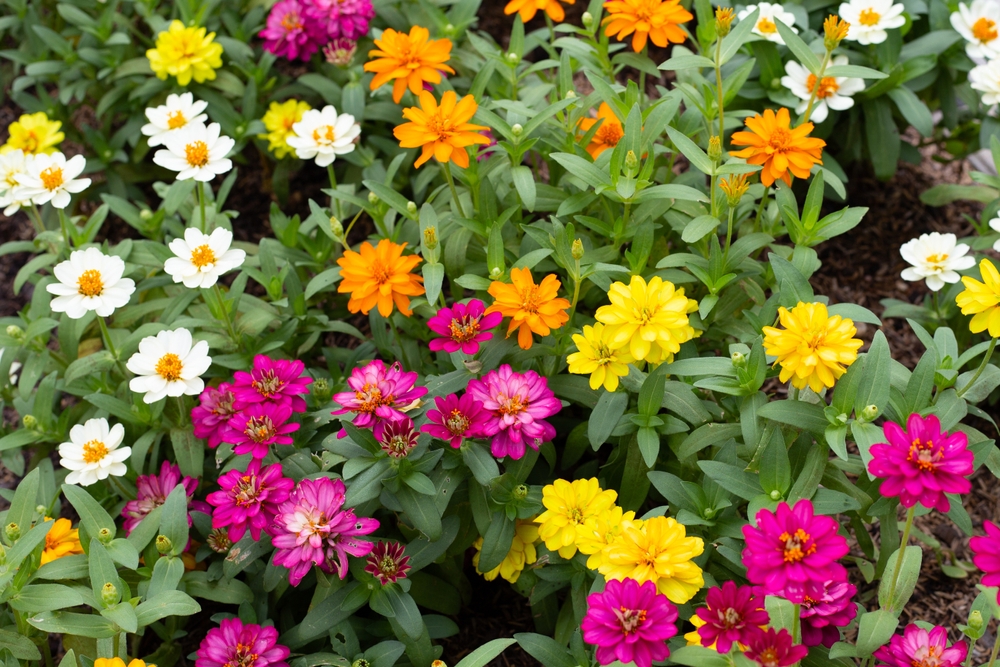
Zinnias are bright, cheerful flowers that are a magnet for bees and other pollinators. Their bold colors, ranging from red to pink to orange, make them stand out in any garden. Zinnias are easy to grow from seed and prefer full sun and well-drained soil. They bloom in late spring to early summer and continue producing flowers throughout the season, making them an excellent option for attracting bees during the warmer months.
Zinnia flowers are particularly beneficial for gardeners who want to support pollinators while adding vibrant color to their landscape. They thrive in hot weather and are relatively pest-resistant, making them a low-maintenance addition to any garden. These flowers come in a range of sizes, from small, compact varieties to large, showy blooms. Zinnias are not only bee-friendly but also attract butterflies, providing a rich environment for pollinators in your yard.
Blanket Flower (Gaillardia spp.)
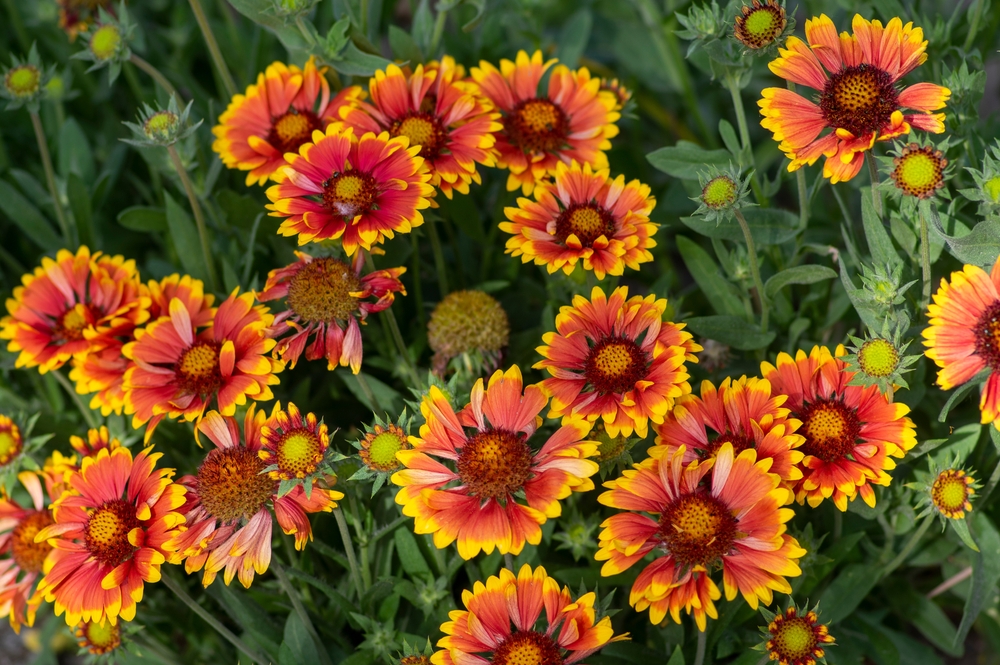
The blanket flower is a hardy perennial that bees find irresistible. With its bright, fiery colors of red, orange, and yellow, this flower is perfect for attracting bees and other pollinators to your garden. Blanket flowers thrive in full sun and are drought-tolerant, making them an excellent choice for gardens that experience hot summers. Their daisy-like blooms are perfect for bees to land on and easily access nectar.
These flowers are easy to grow and require minimal maintenance once established. Blanket flowers are also known to bloom profusely, producing flowers from early summer through fall. Their long bloom time ensures a steady food source for bees during the growing season. In addition to supporting pollinators, blanket flowers also add a bold pop of color to your garden.
Marigold (Tagetes spp.)
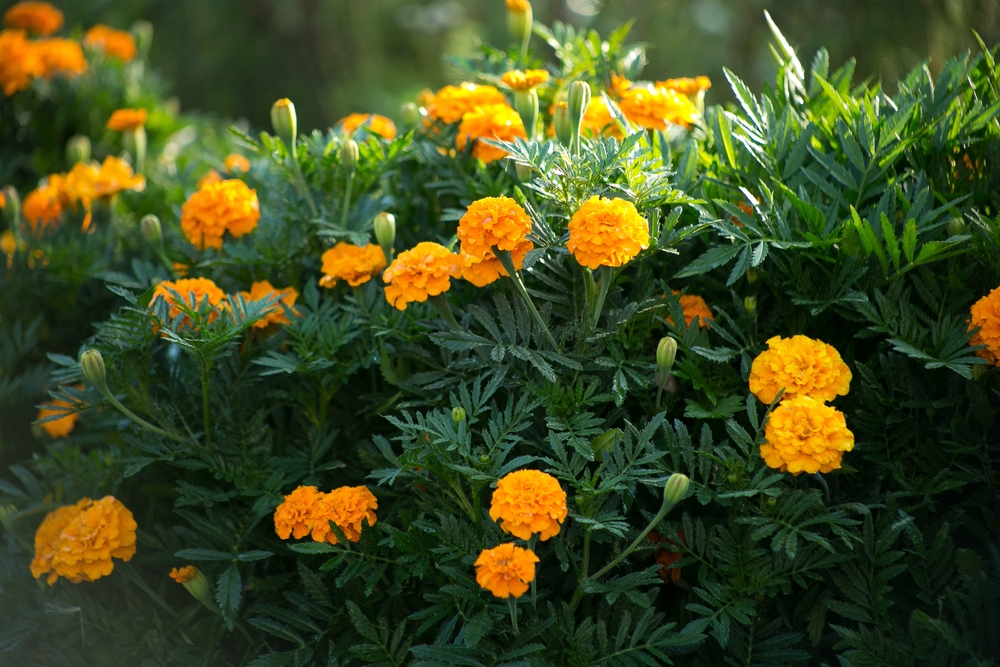
Marigolds are another great choice for attracting bees with their bright, sunny blooms. These flowers come in shades of yellow, orange, and red, making them easy for bees to spot. Marigolds thrive in full sun and well-drained soil, and they are known for their resilience in a variety of climates. The vibrant petals and abundant nectar make marigolds a favorite for bees, especially during the warmer months when food sources are scarce.
Besides attracting bees, marigolds are also known for their ability to repel pests, making them a great companion plant in vegetable gardens. They are easy to grow from seed and will bloom continuously throughout the summer and fall. Marigolds are also low-maintenance, requiring only occasional watering and deadheading to keep them looking their best. Their bright colors and pollinator-friendly qualities make them an essential addition to any garden.
Coral Honeysuckle (Lonicera sempervirens)
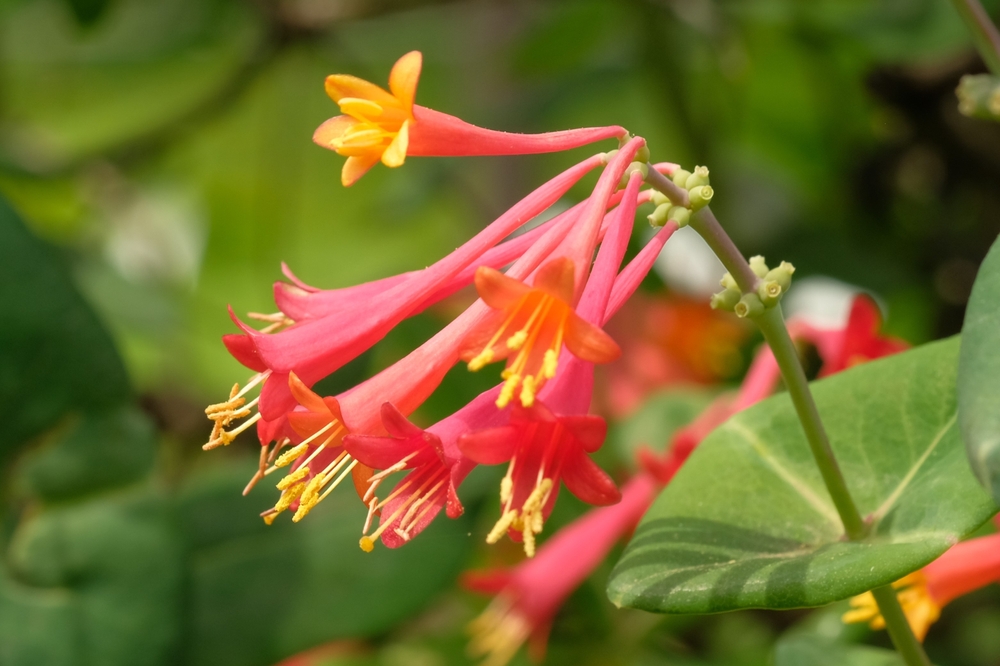
Coral honeysuckle is a flowering vine that is highly attractive to bees, especially during the spring and summer months. The tubular flowers come in shades of red, orange, and yellow and offer an abundant source of nectar. This vine thrives in full sun and well-drained soil, making it an excellent choice for trellises or fences. Its ability to bloom continuously for several months ensures a steady food supply for bees.
In addition to supporting pollinators, coral honeysuckle is a fast-growing vine that can quickly cover fences, arbors, or trellises, adding vertical interest to your garden. The plant is also drought-tolerant once established, requiring minimal care. Its ability to attract both bees and hummingbirds makes it a valuable addition to wildlife-friendly gardens. Coral honeysuckle also offers attractive foliage and vibrant flowers, creating a beautiful, functional addition to any landscape.
Penstemon (Penstemon spp.)

Penstemon is a beautiful flowering plant that is loved by bees for its nectar-rich flowers. The tubular blooms, often seen in shades of purple, pink, or red, are perfect for attracting pollinators. These plants thrive in full sun and well-drained soil, making them suitable for a variety of garden types. Bees are drawn to the flowers, which offer an excellent source of nectar, especially during the spring and summer months.
In addition to supporting pollinators, penstemon is a resilient plant that is drought-tolerant and low-maintenance once established. It grows well in both formal and informal garden settings, providing vertical interest with its tall, spiky flowers. The plant’s bright blooms add vibrant color to your garden while supporting a healthy ecosystem. Penstemon is a great choice for gardeners who want to support bees while enjoying a colorful, hardy plant.
Milkweed (Asclepias spp.)
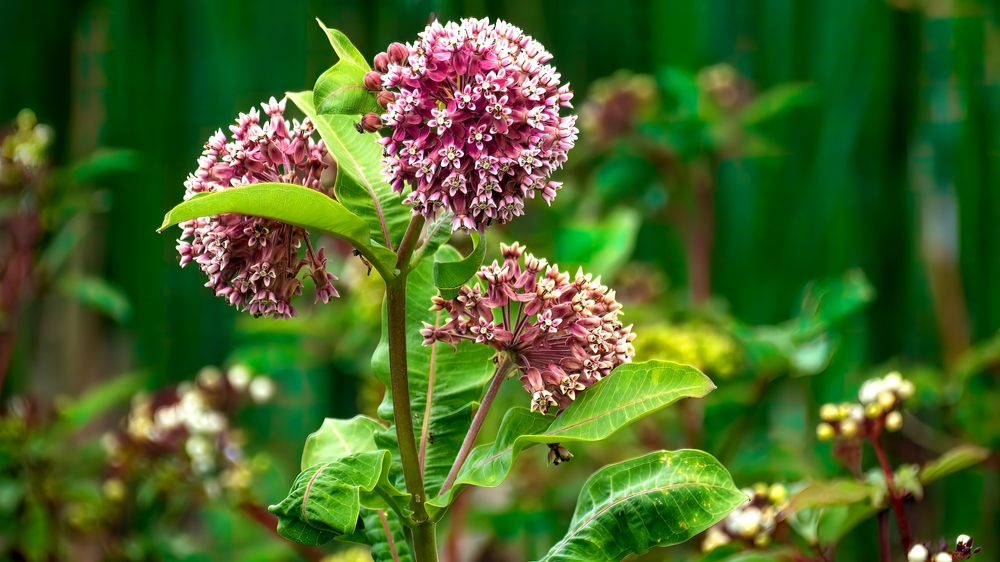
Milkweed is an essential plant for attracting not only bees but also monarch butterflies. Its clusters of small, pink, orange, or red flowers are rich in nectar, making it a top choice for pollinators. Milkweed thrives in full sun and well-drained soil, and its deep roots help it survive in dry conditions. The flowers bloom in early to mid-summer, offering an important food source for bees during the peak growing season.
In addition to being a pollinator magnet, milkweed is also crucial for supporting the monarch butterfly population. The plant is native to North America and provides habitat and food for these iconic butterflies. Milkweed is easy to grow and requires minimal care once established, making it an excellent addition to any garden. Its striking flowers and valuable role in the ecosystem make it a must-have for any wildlife-friendly garden.
This article originally appeared on Avocadu.