
14 Drought-Resistant Options for March Planting in Warmer Climates
As the warmer months approach, it’s time to consider plants that can endure dry conditions and still flourish. Drought-resistant varieties are perfect for saving water while keeping your garden vibrant. If you live in a hot climate, selecting the right plants can make all the difference. Read on to discover which drought-tolerant plants can thrive even during the driest seasons. These plants can help ensure your garden stays green and low-maintenance.
This post may contain affiliate links, which helps keep this content free. Please read our disclosure for more info.
Agave
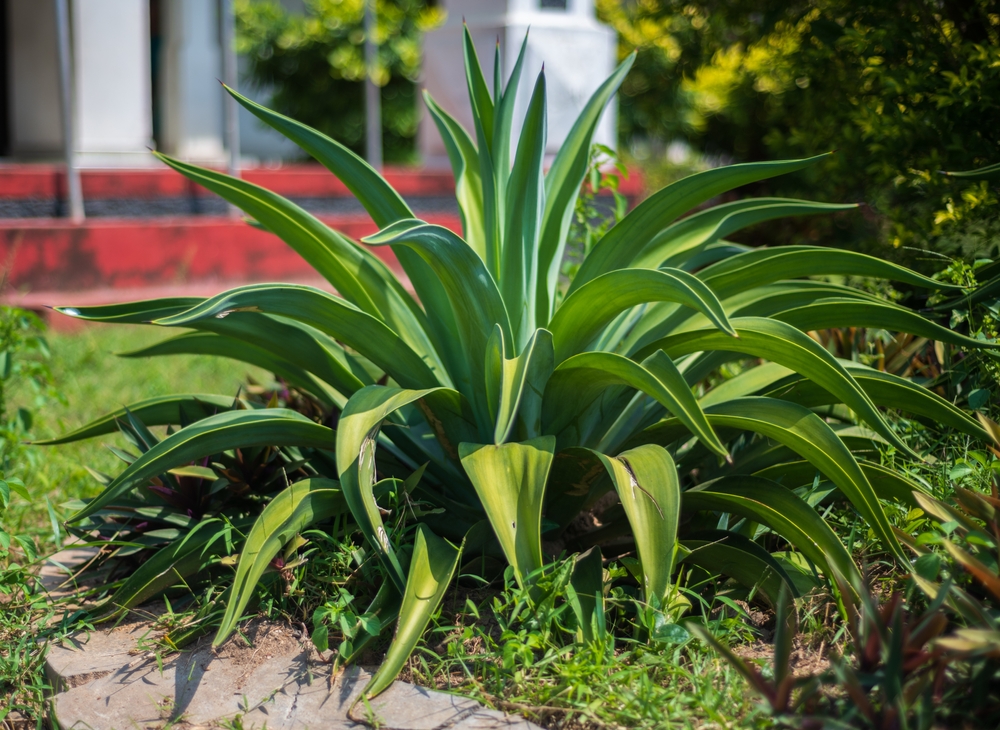
Agave is a standout for its ability to thrive in dry conditions. This succulent plant can handle the heat, storing water in its thick leaves, making it a perfect addition to gardens in warmer climates. Known for its striking architectural form, agave is often used in desert or xeriscape gardens. These plants are low-maintenance, requiring very little water once established, and can survive with minimal rainfall.
In addition to its resilience, agave offers a unique beauty, with some varieties producing tall flower stalks when they bloom. Agave plants prefer well-drained soil and should be planted in full sun for optimal growth. While they are slow-growing, they can live for many years, making them a worthwhile investment in your garden. Agave is also a popular choice for creating dramatic focal points in landscaping.
Lavender
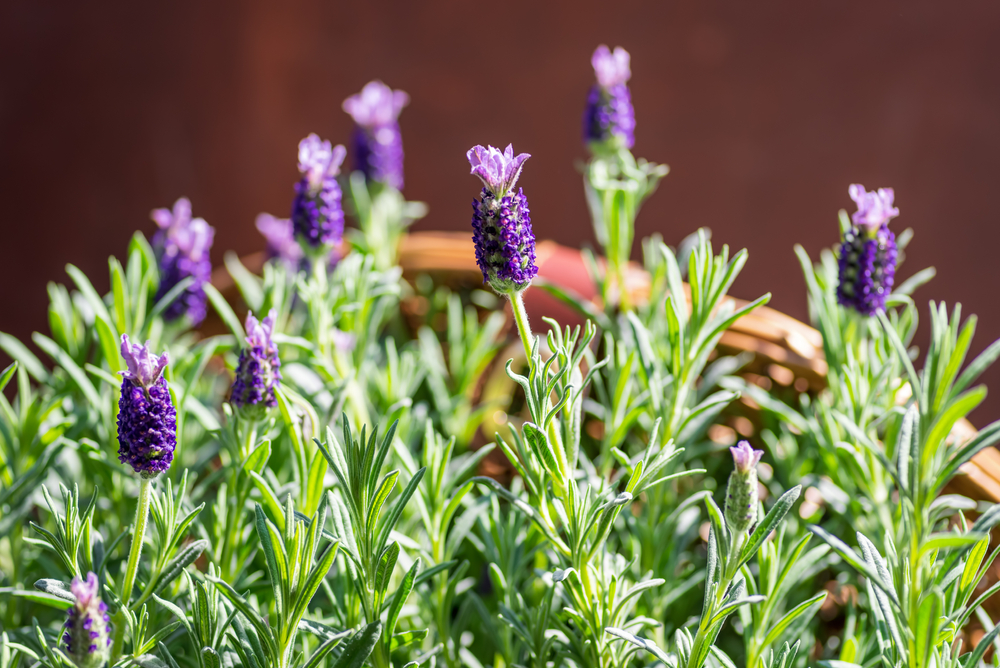
Lavender is a fragrant herb that not only thrives in dry climates but also adds a lovely scent to your garden. This perennial is well-suited to warmer regions with its ability to tolerate heat and drought. Lavender requires minimal water once established, making it a perfect low-maintenance plant for gardens where water conservation is key. Its beautiful purple flowers attract pollinators like bees and butterflies, adding life to your garden.
Lavender thrives in well-drained, slightly alkaline soil and full sun exposure. It is important to avoid overwatering, as it can cause root rot in these plants. Lavender can be used in a variety of ways, from creating borders to adding texture in herb gardens. With its enduring appeal and versatility, lavender is a great choice for gardeners looking to add color and fragrance to their drought-tolerant garden.
Mexican Feather Grass
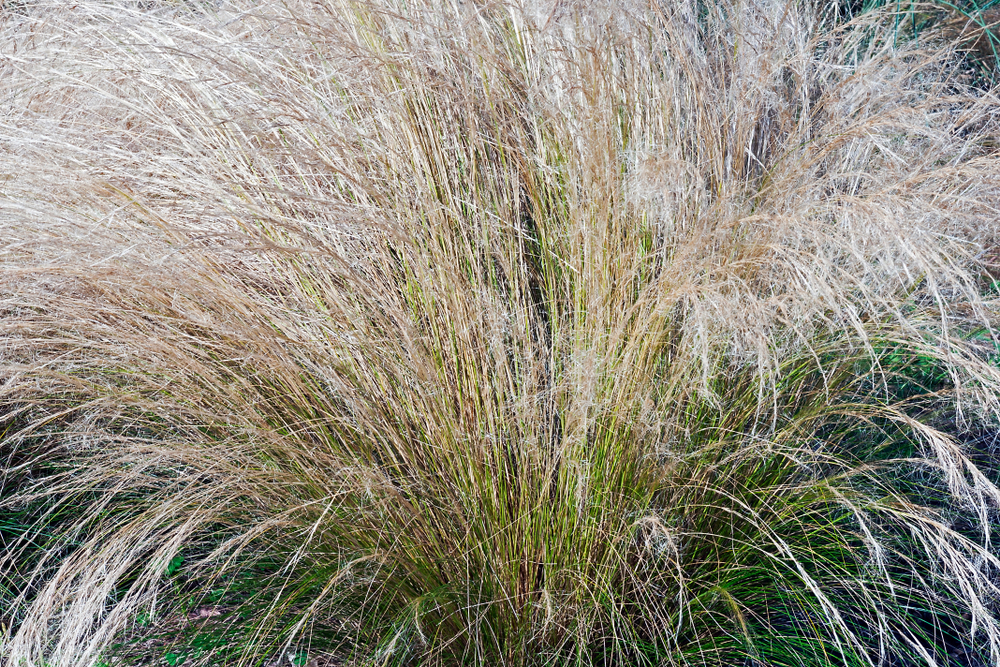
Mexican Feather Grass is a graceful ornamental grass that adds texture and movement to any landscape. This drought-tolerant plant thrives in full sun and is perfect for creating naturalistic gardens in warmer climates. The soft, feathery blades of this grass sway beautifully in the wind, offering an elegant, airy look. Mexican Feather Grass is known for its ability to survive with little water, making it a low-maintenance option for xeriscaping.
The plant is well-suited to poor, well-drained soils and can tolerate a variety of conditions, including drought and extreme heat. It can be planted as a standalone feature or in groups to create a striking ground cover. Mexican Feather Grass works well in both formal and informal gardens, providing a soft contrast to other plants. Its low water needs make it an excellent choice for gardeners seeking drought-resistant, beautiful grasses.
Red Yucca
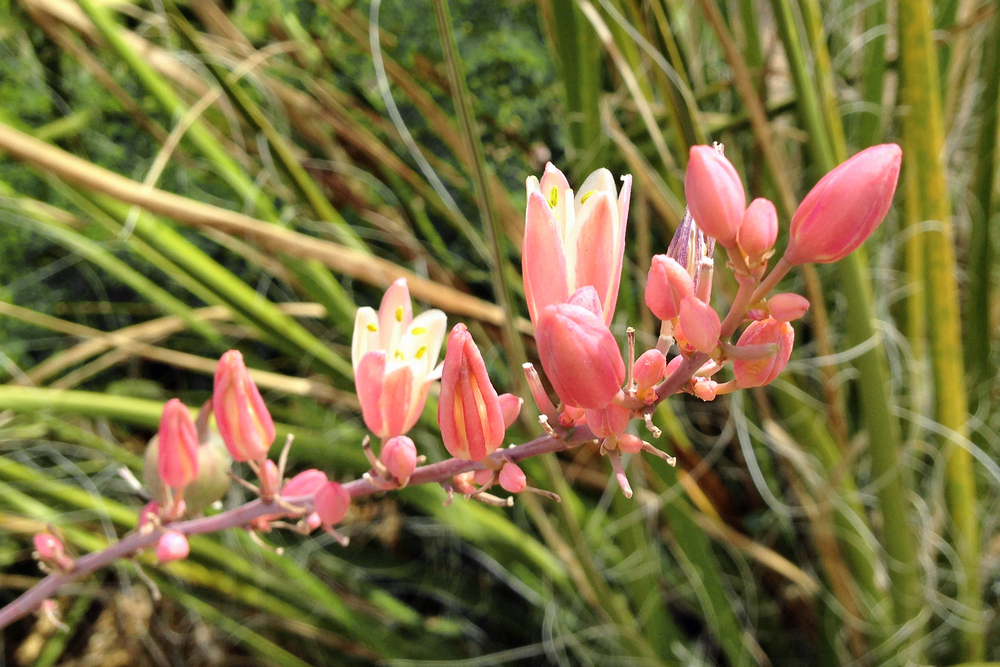
Red Yucca, also known as Hesperaloe parviflora, is a stunning succulent with bright red flowers that attract hummingbirds. This hardy plant can tolerate extreme heat and drought, making it ideal for dry climates. Once established, Red Yucca requires minimal water and thrives in full sun with well-drained soil. Its spiky leaves provide texture and structure in gardens, while the flowers add a pop of color in the summer months.
The plant is very low-maintenance and can be used as a specimen plant or in groupings to create striking focal points in your garden. Red Yucca is also highly versatile, working well in both desert-style and traditional gardens. It is perfect for adding height to your garden while still being drought-tolerant. Additionally, it is resistant to most pests and diseases, making it an easy choice for gardeners.
Oleander
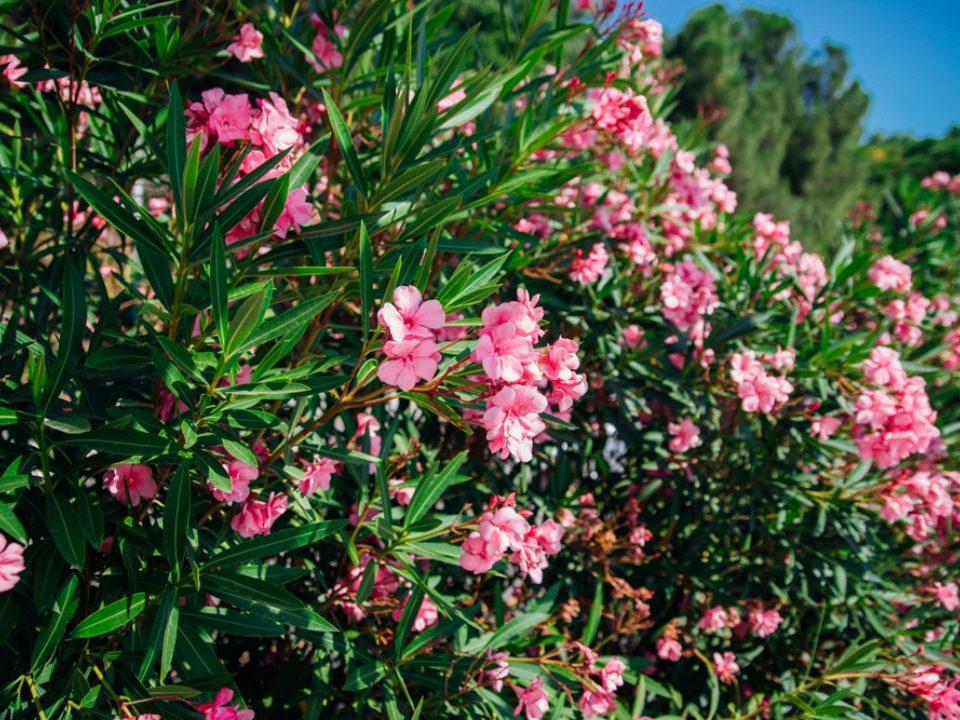
Oleander is a hardy shrub that thrives in dry, hot conditions, making it an excellent choice for drought-prone areas. Known for its vibrant, showy flowers in shades of pink, red, and white, Oleander can bring a burst of color to your garden. It grows quickly and is ideal for creating privacy hedges or accent plants. Once established, Oleander is drought-tolerant and requires very little water to thrive.
While Oleander can withstand poor soil, it does best in well-drained, sandy loam with full sun exposure. It is important to note that all parts of the Oleander plant are toxic if ingested, so it should be kept away from pets and small children. Despite this, it remains a popular choice for gardeners due to its ability to thrive in hot, dry climates and its dramatic floral displays. It is a strong, low-maintenance option for adding beauty to your landscape.
Blanket Flower
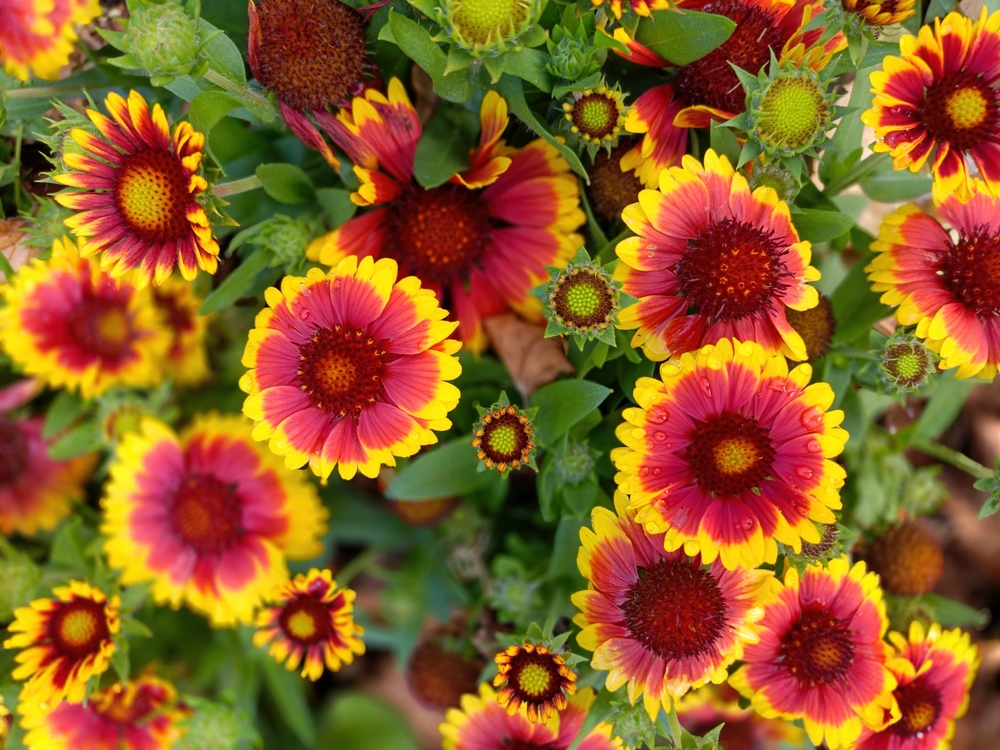
The Blanket Flower is a vibrant, drought-tolerant perennial known for its daisy-like blooms in fiery shades of red, orange, and yellow. This plant thrives in full sun and poor, well-drained soil, making it ideal for dry, sandy conditions. Blanket Flowers are low-maintenance, requiring minimal watering once established, and they bloom from late spring to early fall, attracting butterflies and other pollinators. Their striking color and heat tolerance make them a perfect addition to any garden seeking drought-resistant beauty.
This hardy plant can handle the heat and can tolerate dry spells, making it perfect for warmer climates. Blanket Flowers are excellent for borders, wildflower gardens, or as ground cover in xeriscapes. They bloom prolifically and are known for their ability to add a pop of color in gardens even during dry seasons. These plants are easy to grow and require little attention beyond occasional deadheading to encourage more blooms.
Coneflower
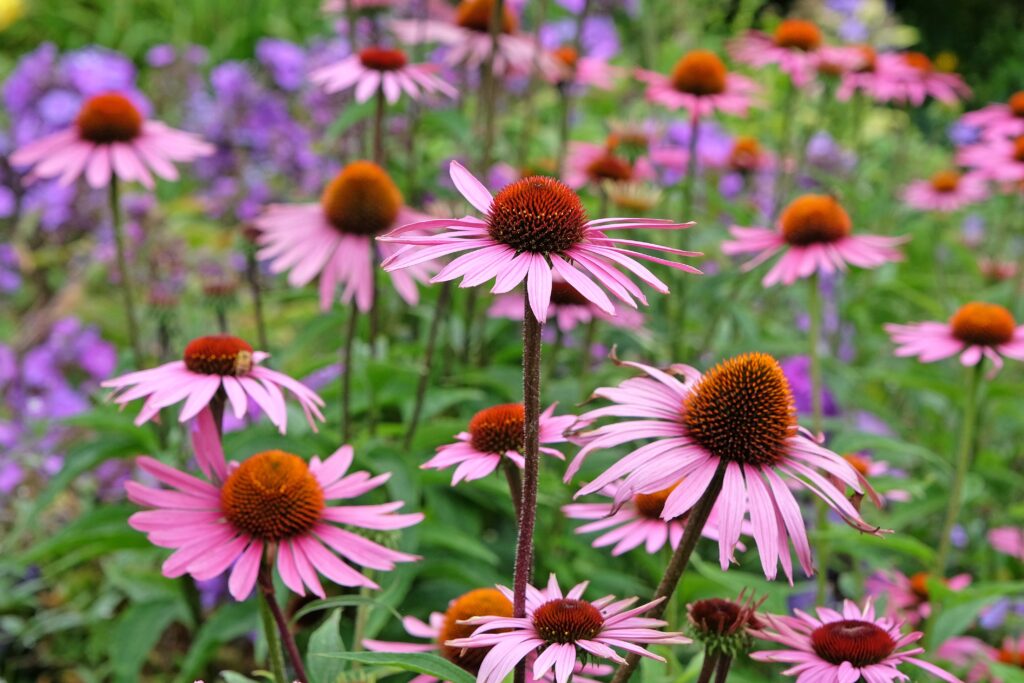
Coneflower, also known as Echinacea, is a drought-tolerant perennial that thrives in full sun and well-drained soil. With its distinctive purple petals and raised cone-shaped center, it adds both beauty and texture to any garden. Coneflowers are easy to grow and low-maintenance, making them perfect for water-conscious gardeners. Once established, they require minimal water, making them ideal for xeriscaping in warmer climates.
Coneflowers attract pollinators like bees and butterflies, adding life to your garden while also benefiting local ecosystems. They are very adaptable and can grow in a wide variety of soil types, including poor soils. In addition to their aesthetic appeal, Coneflowers are known for their medicinal properties and are often used in herbal remedies. This plant’s beauty and hardiness make it a staple for drought-resistant gardens.
Lantana
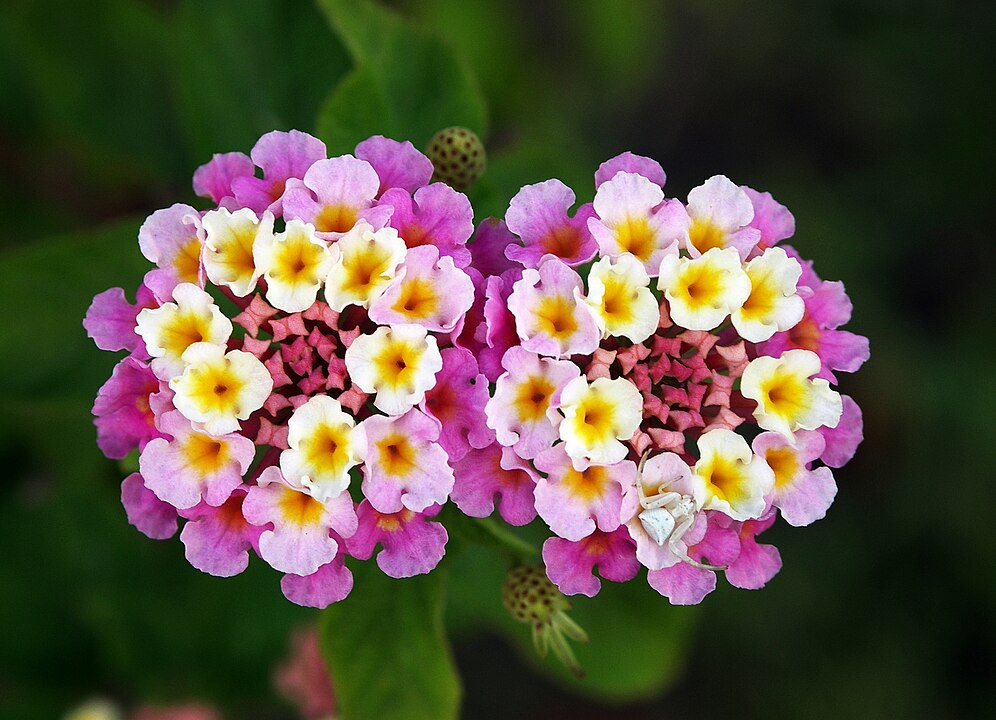
Lantana is a hardy, colorful shrub known for its ability to thrive in hot, dry conditions. This plant is ideal for adding a splash of color to your garden, with flowers in hues of yellow, red, orange, and purple. Lantana is drought-tolerant and requires very little water once established. It thrives in full sun and well-drained soil, making it perfect for dry landscapes.
Lantana is not only drought-tolerant but also attracts pollinators like butterflies and bees, making it a valuable addition to any garden. It can be used as a border plant, ground cover, or even in hanging baskets. Its ability to handle both heat and dry conditions makes it a low-maintenance option for gardeners looking to conserve water. With its colorful blooms and hardiness, Lantana is a popular choice for gardens in warmer climates.
Rosemary
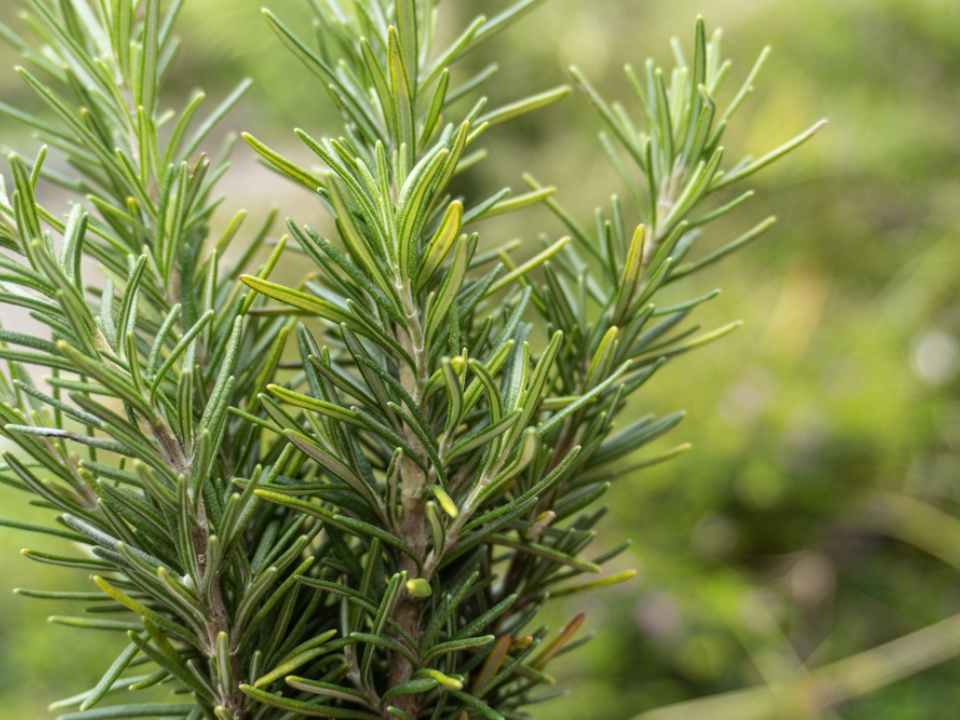
Rosemary is an aromatic herb that thrives in dry, well-drained soil and full sun. This herb is not only drought-resistant but also adds a wonderful fragrance to your garden. Once established, rosemary requires minimal water and is highly tolerant of both heat and drought. Its needle-like leaves and woody stems give it a distinctive look, making it a great addition to herb gardens or as a border plant.
In addition to its drought tolerance, rosemary is perfect for culinary use, adding flavor to a wide range of dishes. It is easy to grow and requires very little maintenance beyond occasional pruning. Rosemary is highly versatile, growing well in containers or garden beds. Its resilience and usefulness make it a must-have for any garden, especially in warmer climates.
Sage
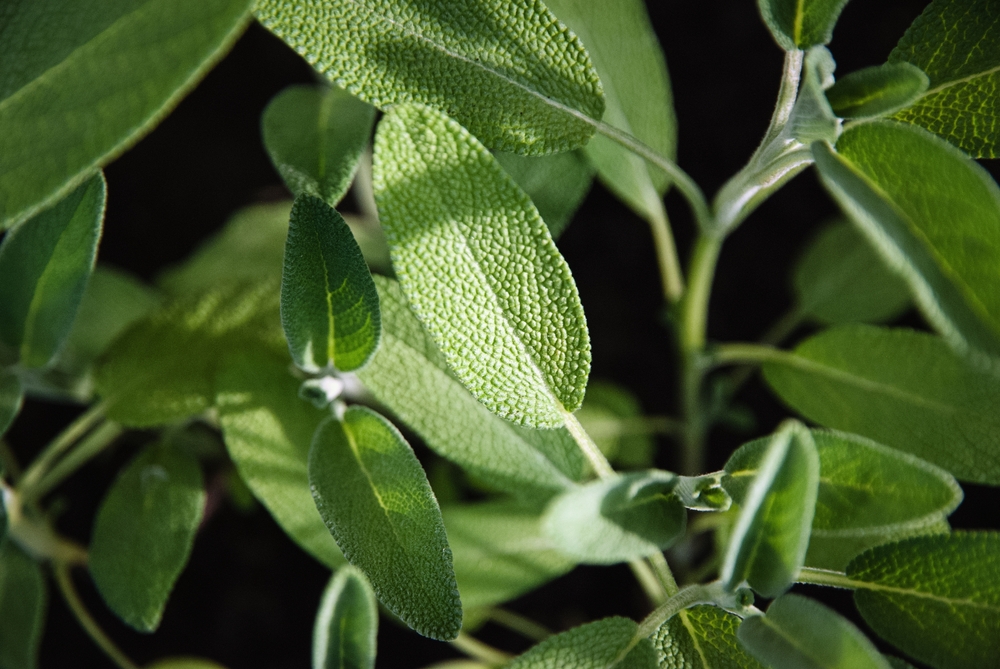
Sage is another herb that thrives in dry conditions, making it perfect for gardens in warmer climates. This plant can grow in poor, well-drained soils and prefers full sun exposure. Sage is low-maintenance and requires little water once established, making it ideal for drought-prone areas. Its fragrant leaves are used in cooking, and its purple flowers attract pollinators like bees and butterflies.
Sage is a hardy perennial that can be harvested year after year. It works well in herb gardens, container gardens, or as a border plant. Sage’s ability to tolerate dry conditions and add flavor to a variety of dishes makes it a valuable addition to any garden. Whether used for culinary or ornamental purposes, sage is a versatile plant for drought-tolerant landscapes.
Texas Ranger
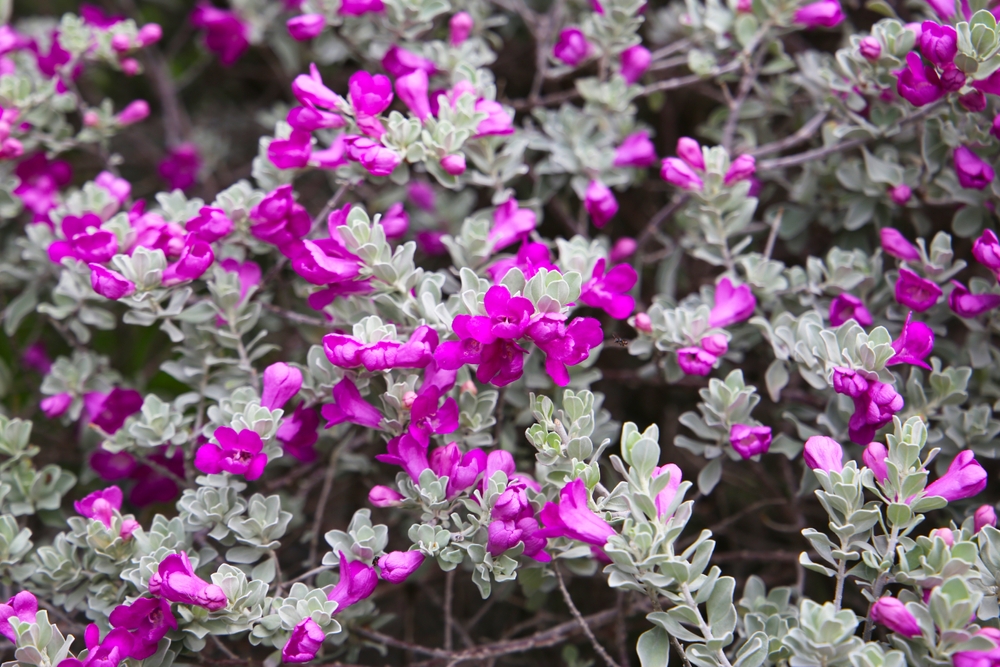
Texas Ranger, also known as Leucophyllum frutescens, is a shrub that thrives in hot, dry climates. With its silvery leaves and vibrant purple or pink flowers, it adds both color and texture to your garden. This plant is highly drought-tolerant and requires little water once established. It thrives in well-drained soil and full sun, making it ideal for xeriscaping or low-water gardens.
Texas Ranger is a hardy shrub that can handle the intense heat of warmer climates. It blooms sporadically, often after rainfall, which makes it even more striking. This plant is perfect for adding a splash of color to your landscape during the hottest months. Its ability to survive with little water makes it a valuable choice for water-conscious gardeners.
Yucca
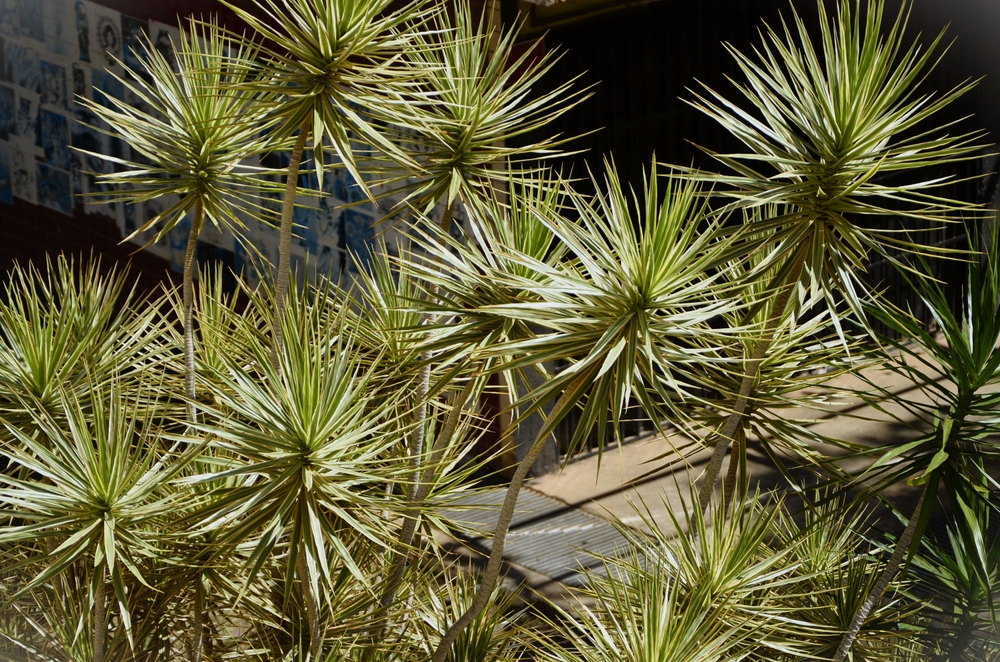
Yucca is a tough, drought-tolerant plant that adds a bold architectural element to your garden. Known for its sword-like leaves and tall flower spikes, Yucca is perfect for dry landscapes. This plant thrives in full sun and well-drained soil, making it an ideal choice for warmer climates. Once established, Yucca requires very little water and is highly resistant to both drought and heat.
Yucca is low-maintenance, requiring only occasional pruning to remove dead leaves or spent flowers. It can be used as a focal point in garden beds or as a border plant. Yucca’s striking appearance and drought resistance make it a favorite for desert-style gardens or for gardeners looking to conserve water. Its hardiness and beauty make it a great choice for any dry garden.
Ice Plant
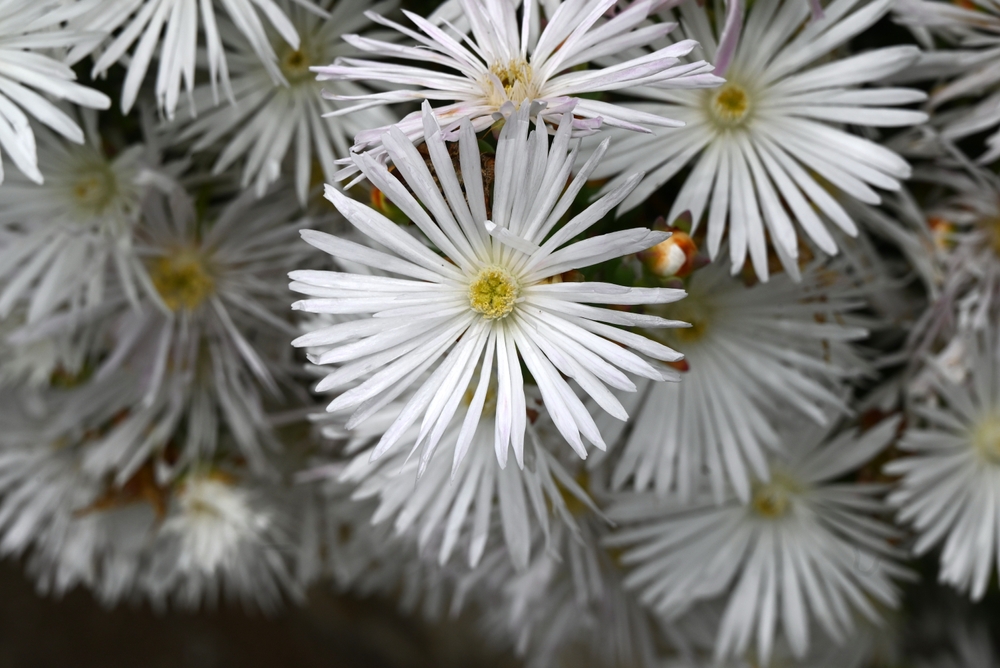
Ice Plant is a colorful ground cover that thrives in hot, dry conditions. Known for its succulent leaves and vibrant flowers, this plant is perfect for adding color to your landscape while conserving water. Ice Plant is extremely drought-tolerant and can survive with minimal rainfall once established. It thrives in well-drained soil and full sun, making it a great addition to any dry garden.
This plant is often used as ground cover to reduce erosion or in rock gardens for its vibrant blooms. Ice Plant’s ability to store water in its leaves makes it highly resistant to dry conditions. It is low-maintenance, requiring very little water once established. With its colorful flowers and resilience, Ice Plant is a perfect choice for low-water gardens in warmer climates.
Coral Bells
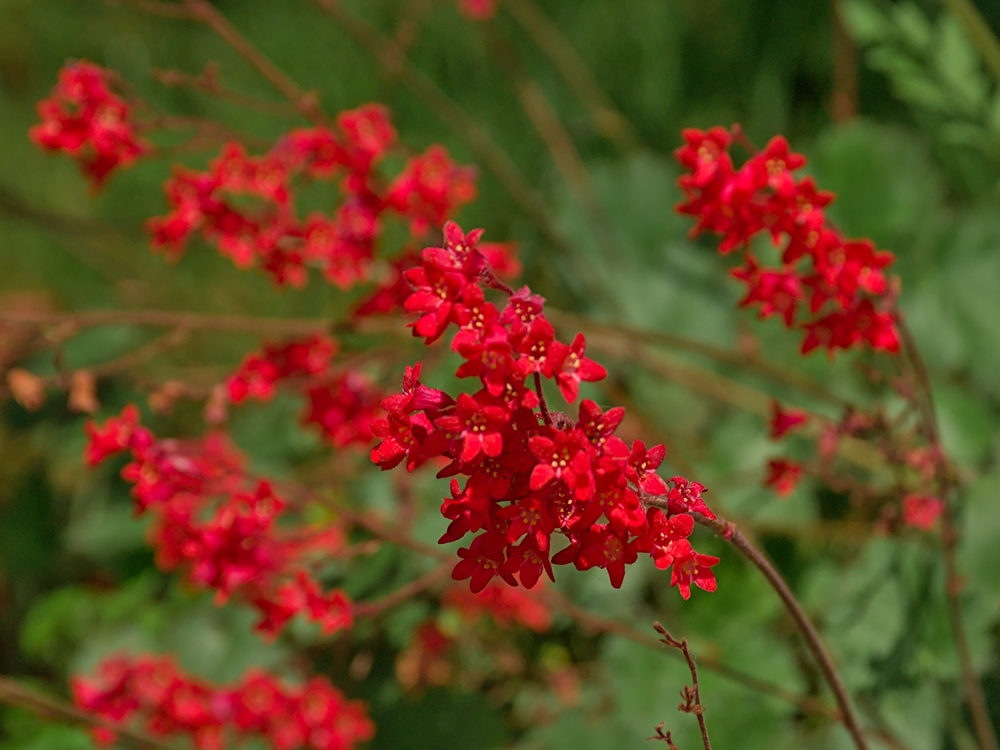
Coral Bells, or Heuchera, are beautiful perennial plants known for their striking foliage and ability to thrive in dry conditions. These plants are perfect for adding color and texture to shady spots in your garden. Coral Bells require little water once established and are well-suited to low-maintenance, drought-tolerant gardens. Their attractive leaves come in a variety of colors, including purple, red, and silver, adding year-round interest.
Coral Bells can tolerate both heat and drought, making them ideal for warmer climates. They are perfect for growing in containers, hanging baskets, or garden beds. This plant thrives in well-drained soil and can grow in partial shade, making it a versatile option for many garden settings. Coral Bells are ideal for adding color and resilience to your drought-tolerant garden.
This article originally appeared on Avocadu.