
13 Shade-Loving Plants Ideal for Spring Landscaping
Shaded gardens are often overlooked, but they can be just as beautiful as sunlit spaces. Many plants are naturally adapted to grow in low-light conditions, providing striking beauty and texture. Whether you have a few shaded corners or large areas under trees, there are plenty of plants to choose from. With the right selection, you can turn shaded spaces into inviting garden features.
This post may contain affiliate links, which helps keep this content free. Please read our disclosure for more info.
Astilbe
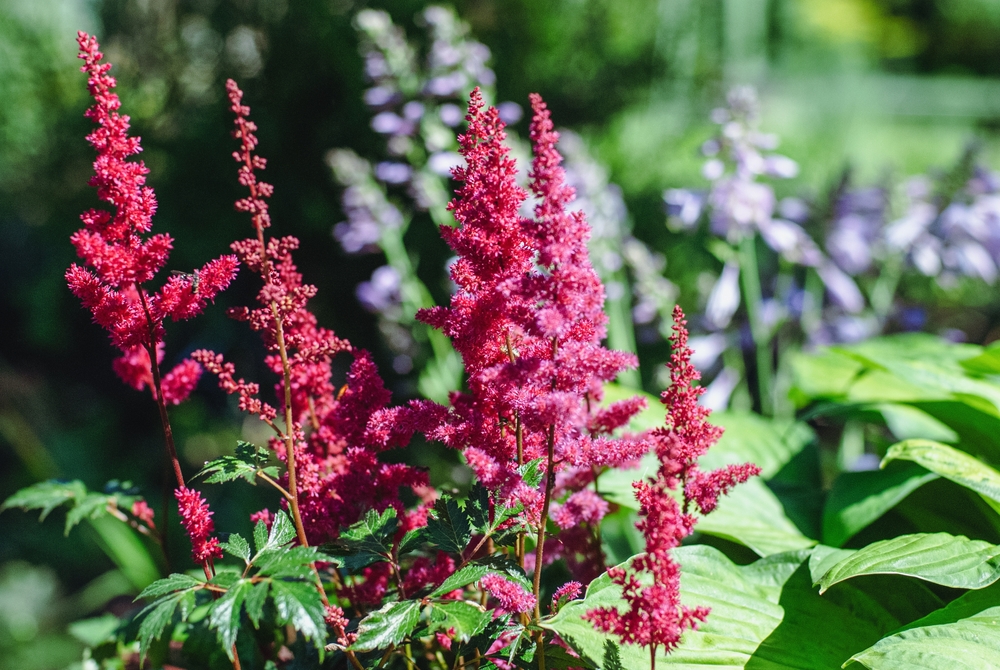
Astilbes are popular for their feather-like flowers that bloom in a variety of colors, such as pink, red, white, and purple. These plants thrive in moist, shaded conditions, making them perfect for garden corners that stay cool and damp throughout the day. Astilbes bloom from late spring to early summer, adding a burst of color to your landscape when many other plants are just starting to wake up. Their unique, feathery flowers contrast beautifully with their attractive, deeply cut foliage, which remains a vibrant green throughout the growing season.
Astilbes are relatively easy to grow, though they do prefer rich, consistently moist soil. They can be planted near ponds or in areas that don’t dry out easily. With their ability to handle both shade and damp soil, astilbes are a fantastic option for spots that tend to be a bit soggy. In addition to their beauty, they attract butterflies and other pollinators, making them a great choice for adding both charm and biodiversity to your garden.
Heuchera (Coral Bells)
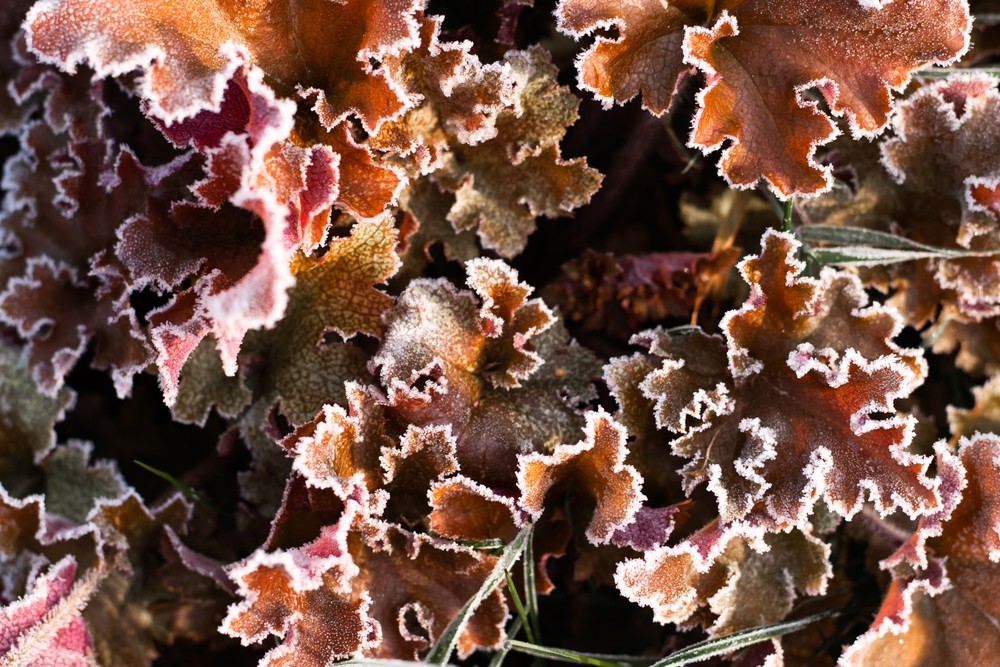
Heucheras, or coral bells, are known for their stunning foliage, which comes in a range of colors, from deep purples and reds to chartreuse and silver. They are perfect for brightening up shaded areas with their colorful leaves, which create a dramatic contrast with the more muted tones of the surrounding plants. While Heucheras are often grown for their foliage, they also produce delicate bell-shaped flowers in the spring, which attract hummingbirds and bees. Their compact size makes them ideal for container planting, borders, or adding a pop of color to small spaces.
These plants thrive in a variety of soil types, though they prefer well-drained soil and a spot with partial to full shade. Heucheras are low-maintenance, requiring minimal care once established, making them an excellent choice for gardeners of all experience levels. They are drought-tolerant once their roots are established, but they still need regular watering during hot spells. With their vibrant colors and ability to tolerate shady conditions, Heucheras are a fantastic way to bring a splash of life to your garden in the spring.
Japanese Painted Fern (Athyrium niponicum)
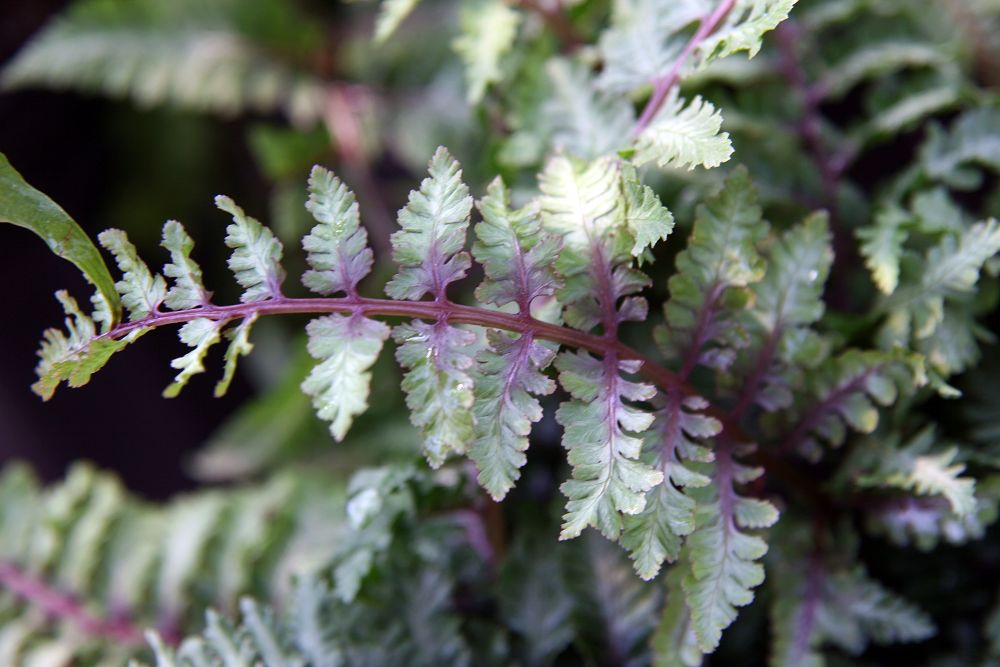
The Japanese painted fern is a truly unique fern with silvery-gray fronds highlighted by shades of red and green. This fern thrives in shady, moist environments and is known for its striking, delicate appearance that adds a touch of elegance to any garden. Japanese painted ferns grow well in both acidic and neutral soils and are particularly well-suited to woodland gardens or areas with dappled sunlight. Their soft, textured fronds provide excellent contrast when paired with other shade-loving plants in your landscaping.
Although they enjoy moisture, these ferns are also quite tolerant of drought once established. They are best planted in areas where the soil retains moisture but drains well, as they do not like standing water. These ferns grow best in cooler temperatures and can handle heavy shade, making them a great plant for those tricky, dark corners in your garden. With their unusual color combinations and ability to thrive in the shade, Japanese painted ferns are perfect for adding sophistication and texture to shaded areas.
Lamium (Dead Nettle)
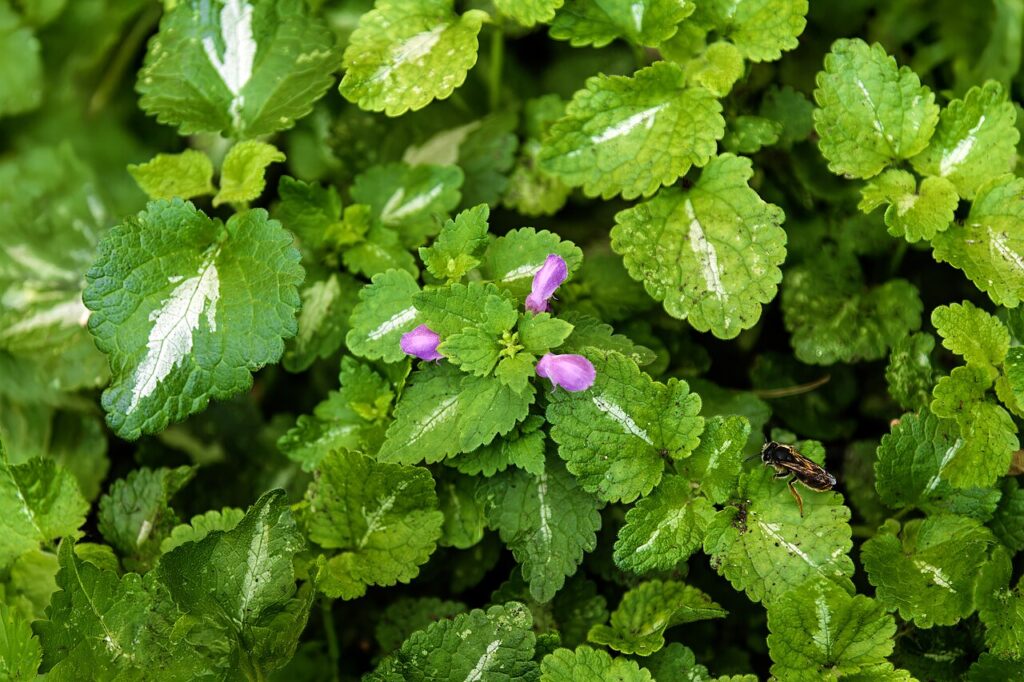
Lamium, often called dead nettle, is a versatile ground cover plant that excels in shaded areas. With its silver or variegated foliage and small, tubular flowers that come in shades of purple, pink, or white, it provides year-round interest. This perennial is excellent for adding color and texture to the front of shady beds or as a filler between taller plants. Lamium is especially effective in filling in gaps in the garden and providing a carpet of lush greenery that contrasts beautifully with other plants.
These plants thrive in moist, well-drained soil and can handle both dry and wet conditions, though they perform best in a slightly moist environment. Lamium is a fast-growing plant that spreads quickly, making it ideal for covering large areas in a short amount of time. They also attract pollinators like bees, which enjoy the sweet nectar from their flowers. This plant’s low-growing nature and ease of care make it a go-to choice for gardeners looking to enhance their shaded landscapes with minimal effort.
Bergenia (Elephant Ear)
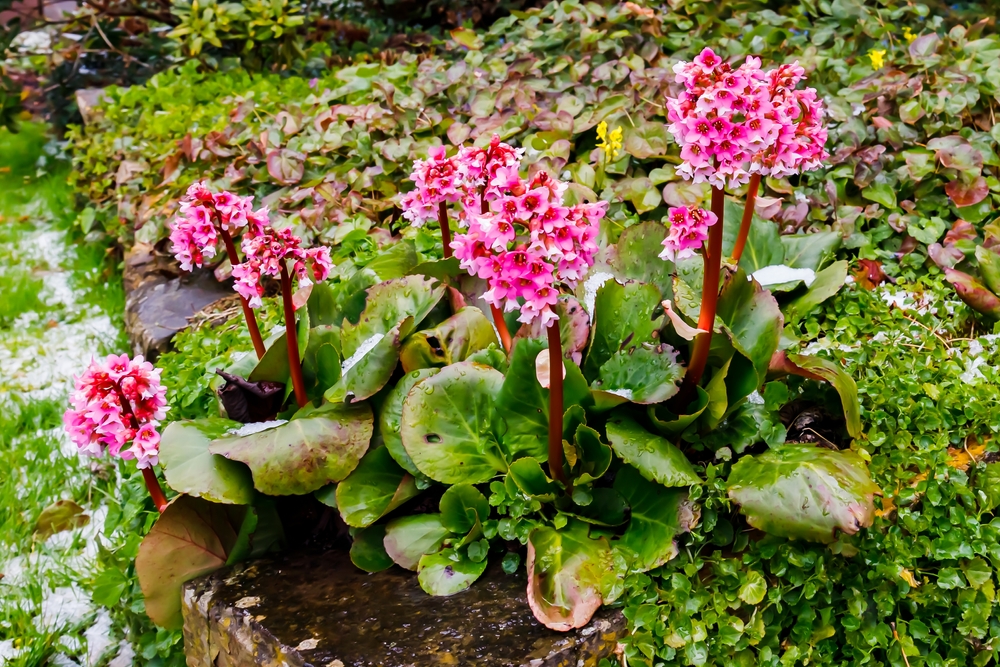
Bergenia, commonly known as Elephant Ear, is a hardy perennial with large, glossy leaves that provide a bold presence in shaded gardens. These plants are known for their attractive foliage that can range from green to reddish-purple, adding rich color to the garden year-round. In spring, Bergenias produce clusters of pink, purple, or white flowers that bloom on tall stems above the foliage. These plants are perfect for adding a unique, tropical feel to shaded corners and can be used as ground cover or focal points in your garden.
Bergenia prefers well-drained, slightly acidic soil, and they can tolerate both dry and wet conditions once established. Their thick, leathery leaves help them withstand cold temperatures, making them ideal for cooler spring climates. Once established, Bergenias are low-maintenance, requiring little more than occasional watering and thinning to keep them looking their best. Whether planted as a specimen plant or part of a larger landscape design, Bergenias provide both beauty and function to your spring garden.
Tiarella (Foamflower)

Tiarella, or foamflower, is a beautiful perennial that thrives in moist, shady environments. Known for its intricate, delicate flowers that bloom in white or pink in early spring, Tiarella is a fantastic plant for bringing beauty and texture to shaded garden areas. The leaves of the foamflower are typically heart-shaped with a glossy finish, and they offer a contrast of colors as they age from green to reddish-bronze. These plants are great for adding depth and interest to woodland gardens or mixed borders.
Foamflowers prefer rich, moist, well-drained soil, and they thrive in areas with partial to full shade. Tiarella’s low-growing nature makes it perfect as a ground cover plant that helps suppress weeds while providing a striking visual effect. While foamflowers are easy to grow, they do require regular watering, especially during dry spells. The combination of their attractive foliage and showy flowers makes Tiarella an ideal addition to your spring landscaping.
Columbine (Aquilegia)
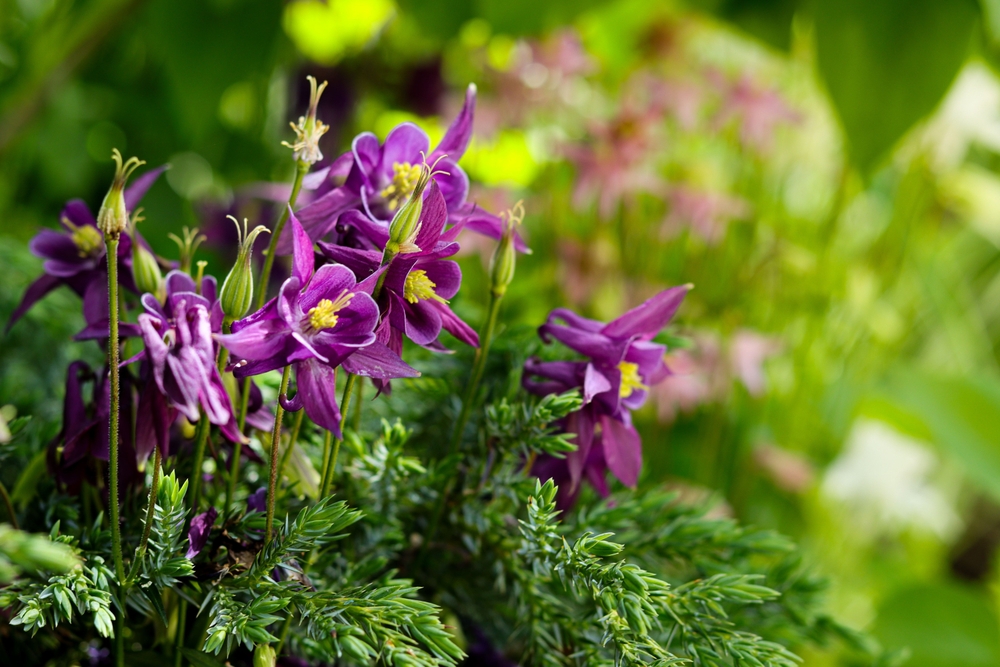
Columbine, or Aquilegia, is a unique plant known for its whimsical, bell-shaped flowers that come in a variety of colors, including red, yellow, purple, and white. These plants are perfect for adding a touch of elegance and charm to your shady spring garden. Columbines typically bloom in late spring to early summer, attracting bees and hummingbirds with their vibrant flowers. Their attractive foliage, which is finely divided and fern-like, remains a lush green throughout the season, adding texture even when they are not in bloom.
Columbines prefer well-drained, slightly acidic soil and thrive in shady areas with a bit of morning sun. They are relatively low-maintenance and can tolerate a variety of conditions, including occasional drought. Once established, they require little care, aside from occasional deadheading to encourage more blooms. These plants can be used as borders, in rock gardens, or as an underplanting for taller shrubs and trees.
Brunnera (False Forget-Me-Not)
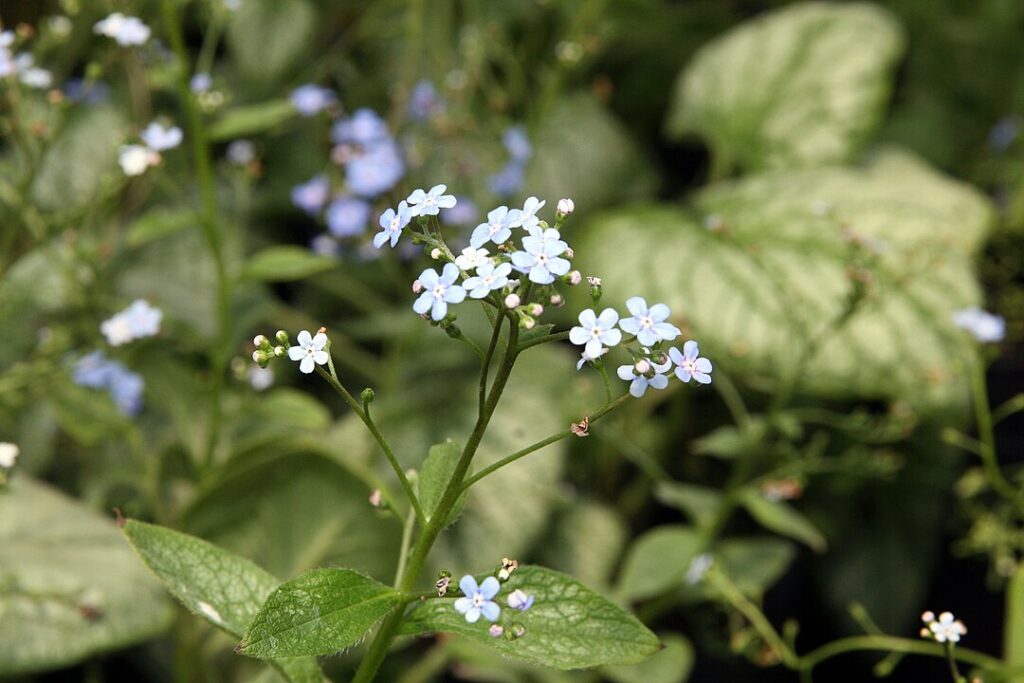
Brunnera, often referred to as false forget-me-not, is a wonderful perennial that thrives in shaded areas with rich, moist soil. Known for its striking blue flowers that resemble the classic forget-me-not, Brunnera adds a soft yet vibrant color to your garden in early spring. Its foliage is heart-shaped and can range from bright green to silver, depending on the variety, offering both visual appeal and texture throughout the growing season. This plant works well as ground cover or as a backdrop in mixed perennial beds.
Brunnera requires well-drained, moist soil and does best in partial to full shade. Once established, it is relatively low-maintenance, though it does appreciate a bit of watering during dry periods. Its ability to bloom early in the spring, followed by attractive foliage, makes it a great companion plant for other shade-loving perennials. Brunnera’s bright blue flowers and striking foliage make it a must-have for creating a serene, shaded garden space.
Lobelia
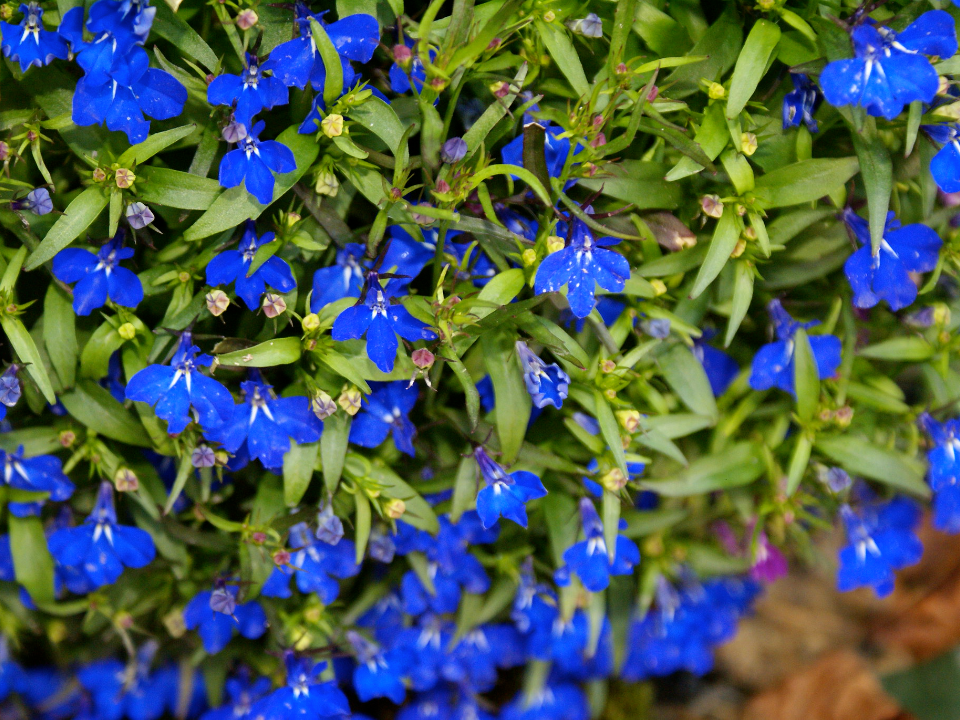
Lobelia is a colorful and hardy perennial that thrives in shady areas, especially those with moist, well-drained soil. This plant produces a stunning display of small, vibrant flowers in shades of blue, purple, or white, making it an excellent choice for brightening up darker garden spaces. Lobelia is particularly effective when planted in containers or hanging baskets, where its trailing growth can cascade down, adding a graceful, soft texture to your spring landscape. It also makes a great border plant for shaded flower beds.
Lobelia prefers moist, fertile soil and should be watered regularly to keep the soil consistently damp. Though it thrives in the shade, it will appreciate a bit of morning sunlight if possible. This plant can be grown as an annual in colder climates, though in warmer regions, it often behaves as a perennial. Its vibrant flowers and ability to thrive in shaded areas make Lobelia a beautiful addition to any spring garden.
Toad Lily (Tricyrtis)
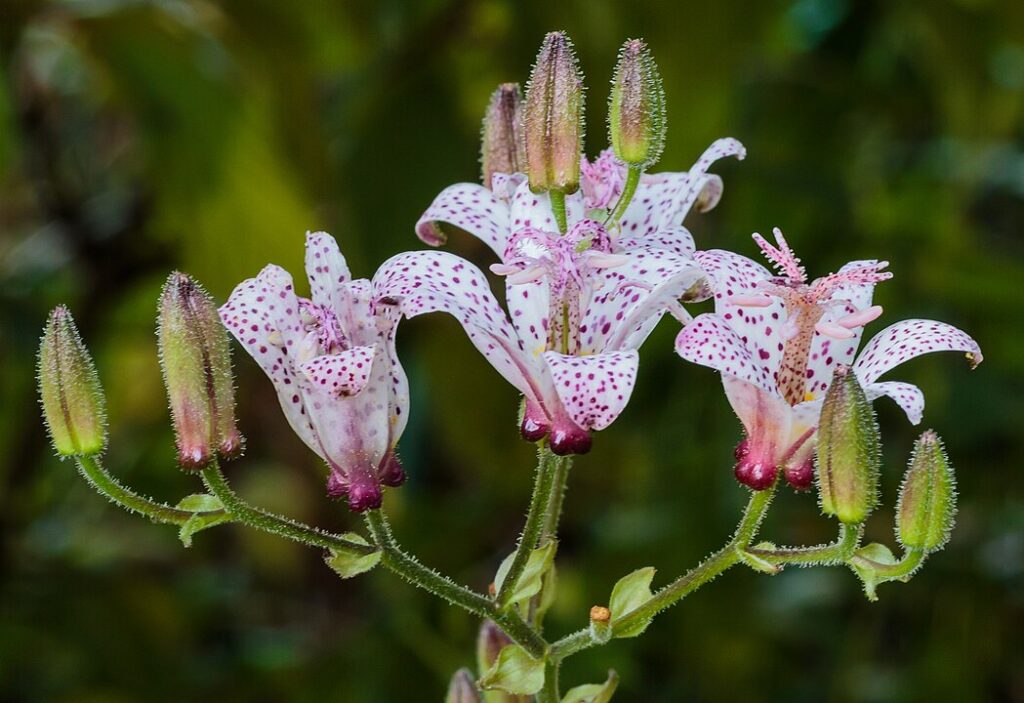
Toad lilies are an exotic-looking perennial that thrives in the shade, with their striking, orchid-like flowers adding a touch of intrigue to your garden. These plants are best known for their late-season blooms, which appear in the fall, but their attractive, broad green leaves provide interest throughout the growing season. The flowers themselves can be spotted in shades of purple, white, and pink, often speckled with darker spots that give them a unique, spotted appearance. Toad lilies thrive in moist, well-drained soil and are excellent for woodland gardens or shaded areas with dappled sunlight.
These plants prefer cooler temperatures and are ideal for areas that stay moist and cool during the growing season. While they are relatively low-maintenance, they do need regular watering, especially during dry spells. Toad lilies can be planted in the front or middle of shaded beds where they can be seen without being overshadowed by taller plants. Their late bloom time makes them an ideal companion to spring perennials, providing late-season color and interest when many other plants have finished blooming.
Foxglove (Digitalis)
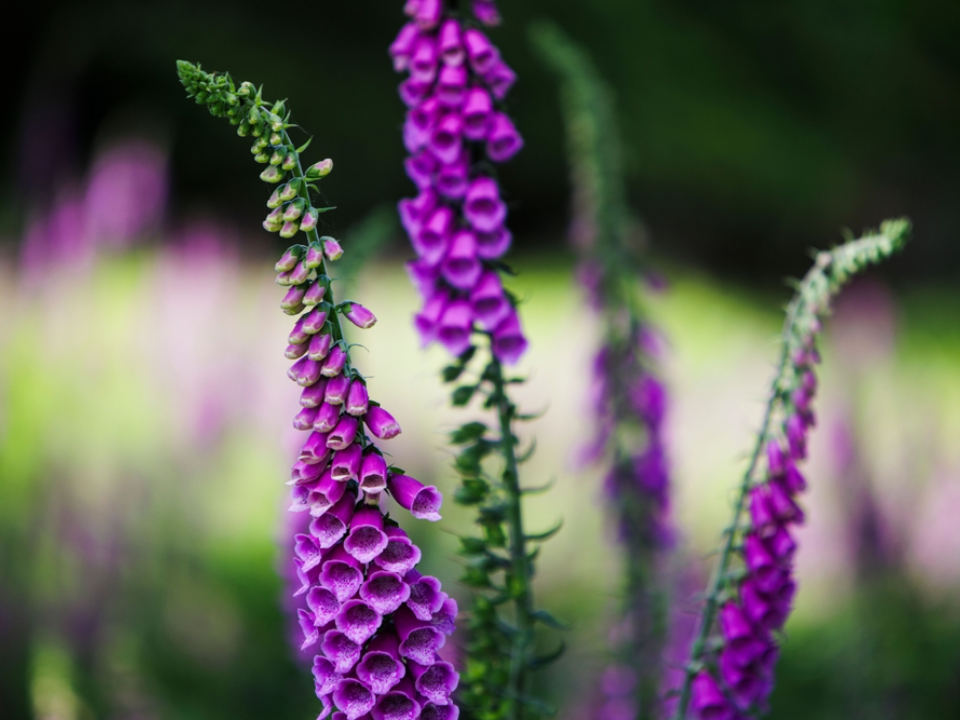
Foxglove is a tall, striking plant known for its tubular flowers that come in shades of purple, pink, white, and yellow. These plants thrive in shaded areas with well-drained, slightly acidic soil and are perfect for adding vertical interest to your garden. Foxgloves bloom in late spring to early summer, with their flowers arranged in spires that attract pollinators like bees and hummingbirds. The plants’ foliage is large and textured, providing a contrasting backdrop to the colorful blooms.
Foxglove prefers a partially shaded area and can tolerate dry spells once established. However, they do need moist soil to grow their best, especially during their blooming period. These plants are ideal for garden beds or as a border plant, where their height and colorful flowers can stand out. Keep in mind that all parts of the foxglove plant are toxic if ingested, so take care around children and pets.
Bleeding Heart (Dicentra)
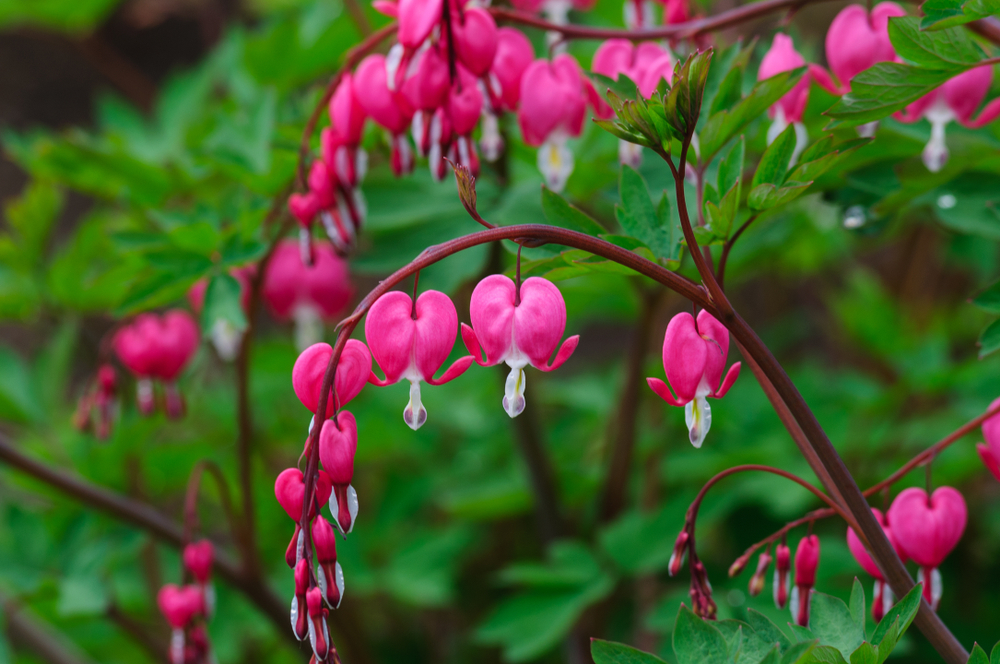
The Bleeding Heart is a delicate, heart-shaped flower that blooms in early spring, adding a touch of romance to shaded garden areas. The plant gets its name from the unique, teardrop-shaped blossoms that are often pink or white, suspended from arching stems. These plants prefer shaded areas with cool, moist soil, making them a perfect fit for those hard-to-plant spots under trees or in the corner of your garden. Bleeding hearts look great when planted near ferns or other low-growing shade plants, creating a soft, inviting space.
These plants prefer consistent moisture, so be sure to keep the soil damp, especially during dry spells. Bleeding Hearts are quite hardy and can grow well in both acidic and alkaline soils. Once their bloom season is over, the plant’s foliage can become a little untidy, but it is easy to cut back, and they’ll often return the following year. Their unique flowers and graceful appearance make them a favorite among gardeners looking to add a special touch to shaded areas.
Pulmonaria (Lungwort)
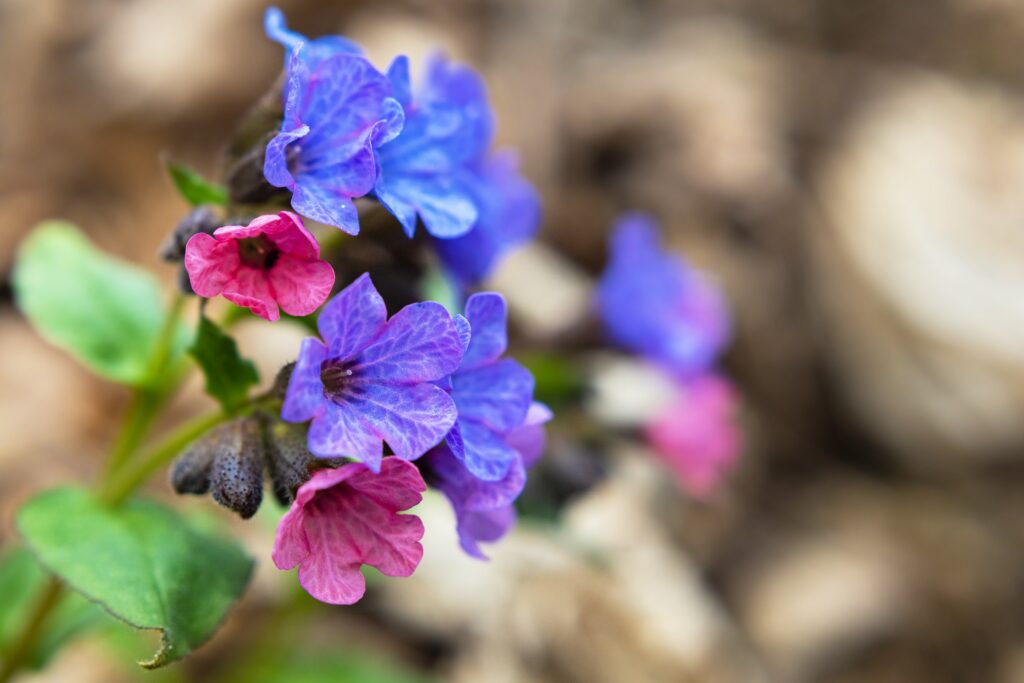
Pulmonaria, commonly known as Lungwort, is a beautiful plant that thrives in partial to full shade and brings vibrant color and texture to your garden. The leaves are often spotted or have a silvery hue, providing visual interest even when the plant isn’t in bloom. Lungwort blooms in early spring with clusters of small, star-shaped flowers that can be blue, pink, or purple. These plants are known for their ability to thrive in areas that other plants might struggle with, making them ideal for woodland gardens or shaded borders.
Lungwort prefers moist, well-drained soil, and once established, it requires minimal maintenance. It is particularly effective in ground cover applications, filling in spaces where sunlight doesn’t reach. In addition to their beauty, lungwort plants attract pollinators like bees and butterflies, making them a great choice for gardeners looking to support local wildlife. The plant’s striking foliage, combined with its early spring flowers, ensures it remains an eye-catching feature in your garden year after year.
This article originally appeared on Avocadu.