
12 First Edition Clues Collectors Look For in Old Books
Identifying first edition clues is an essential skill for any book collector. These subtle details can determine a book’s value and rarity in the market. Things like the publisher’s imprint, printing numbers, and even the paper quality can give collectors important information. Keep reading to learn what edition clues to look for the next time you come across an old book.
This post may contain affiliate links, which helps keep this content free. Please read our disclosure for more info.
Publisher’s Name and Imprint

The publisher’s name and imprint on the title page are the first clues collectors look for when identifying a first edition. These imprints often change from one edition to the next, so the name and details listed on the title page can confirm the book’s original release. If a book retains its original imprint, it can dramatically increase its value, especially if it was published by a well-known or prestigious publisher. First editions with rare imprints can be worth anywhere from $1,000 to $5,000 or more, depending on the condition and rarity.
For collectors, the imprint serves as a mark of authenticity, confirming the book’s origin and print history. Books from notable publishers with early imprints are in high demand, particularly if the imprint aligns with the book’s original release year. These first editions are often seen as more valuable because they represent the definitive version of the work. As a result, books with rare publisher markings or specific imprint details attract significant interest and higher prices in the market.
Printing Numbers or Number Line
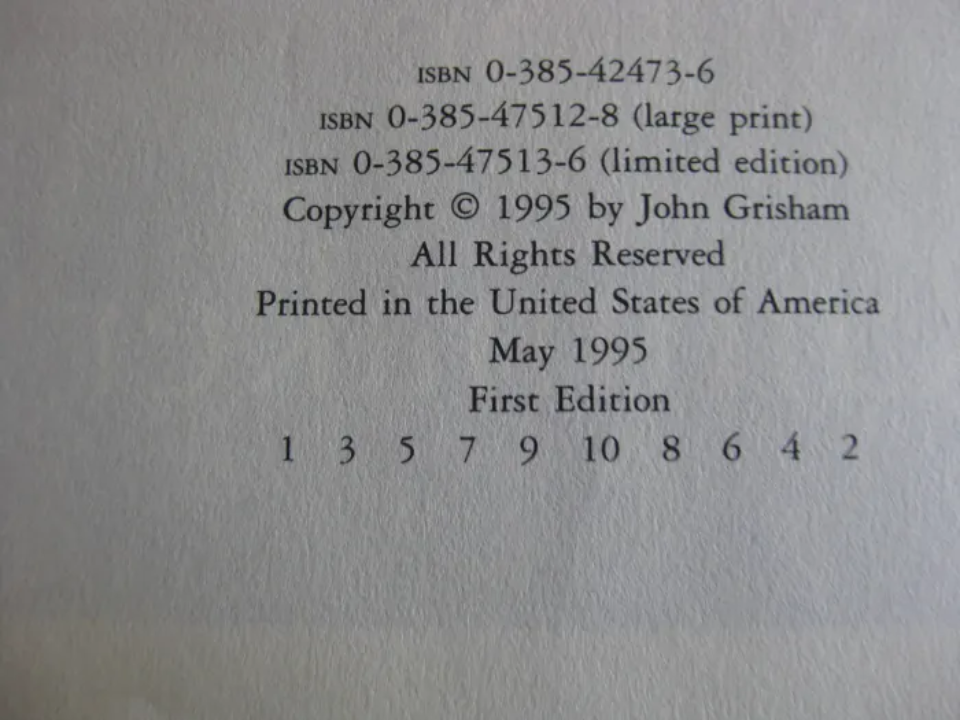
A number line or printing number on the copyright page is an essential clue to identifying a first edition. If the number line begins with 1, this typically indicates the book is a first printing. Books that have a 2 or higher in the number line are later printings, which diminishes their value. First editions with a correct number line often sell for between $500 and $3,000, depending on the book’s condition and print rarity.
Collectors pay close attention to the number line because it reveals whether the book is a first edition or a reprint. A book with a low number, indicating a first print, is considered more authentic and valuable. First editions with smaller print runs or limited pressings, confirmed by the number line, are especially prized. These early printings are often considered the true version of the work, making them more desirable to collectors.
Dust Jacket
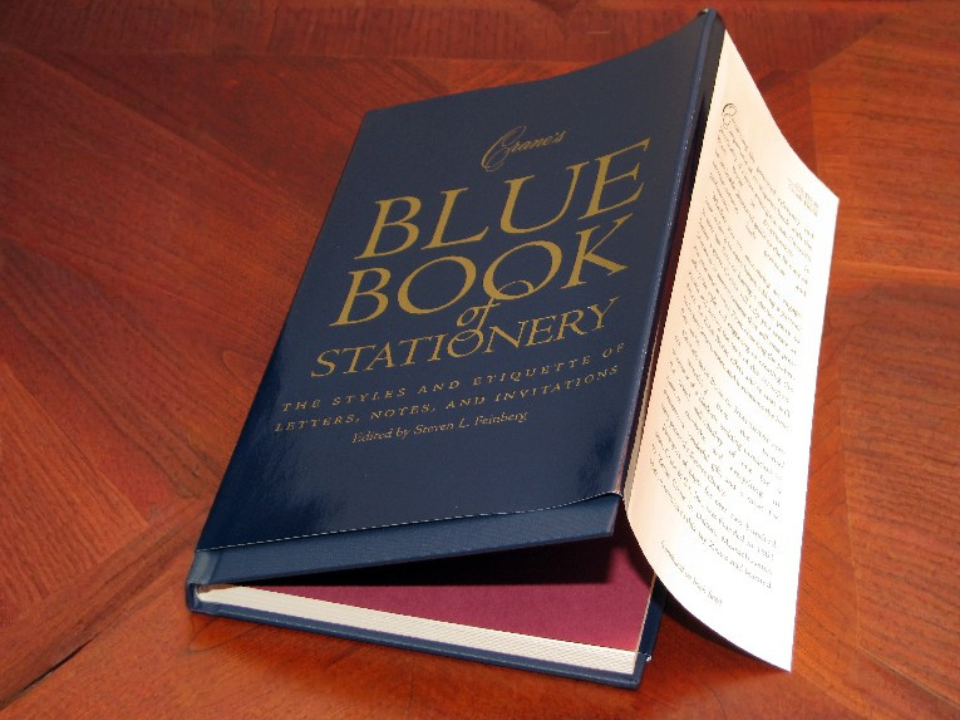
The dust jacket is one of the most valuable first edition clues that can make a significant difference in a book’s worth. A first edition will often have a unique dust jacket design, distinct to that printing, which helps identify the book’s authenticity. The condition of the dust jacket is just as important as the book itself, since a pristine jacket can substantially raise the price. A first edition with an original, well-preserved dust jacket can be valued anywhere from $1,000 to $10,000 or more.
An original dust jacket that matches the book’s first release is highly sought after, and its condition is a deciding factor in determining the book’s value. The presence of the dust jacket also adds to the book’s rarity and authenticity, especially when the jacket shows little to no wear. If the dust jacket is in excellent condition, the book’s market value can significantly increase.
Title Page Date
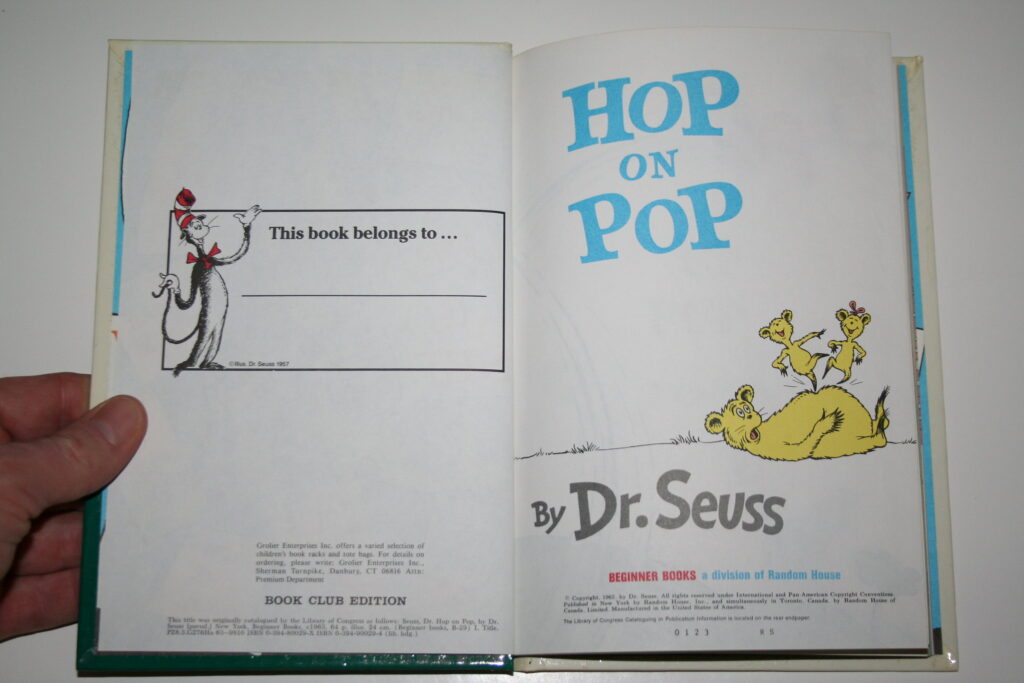
The title page is a key element when identifying a first edition, as it typically includes the publication date. A first edition will often display the exact year it was first released, helping collectors confirm the authenticity of the book. The date on the title page is a significant clue because it is difficult for reprints to match the original release year precisely. First editions with a clear and accurate title page date are often worth between $500 and $10,000, depending on their rarity and condition.
The date is one of the easiest and most direct ways to verify whether a book is an original or a later printing. A book with a consistent, early title page date is considered more authentic and valuable. First edition books with matching dates and pristine title pages attract collectors’ attention and higher market prices.
The Copyright Page
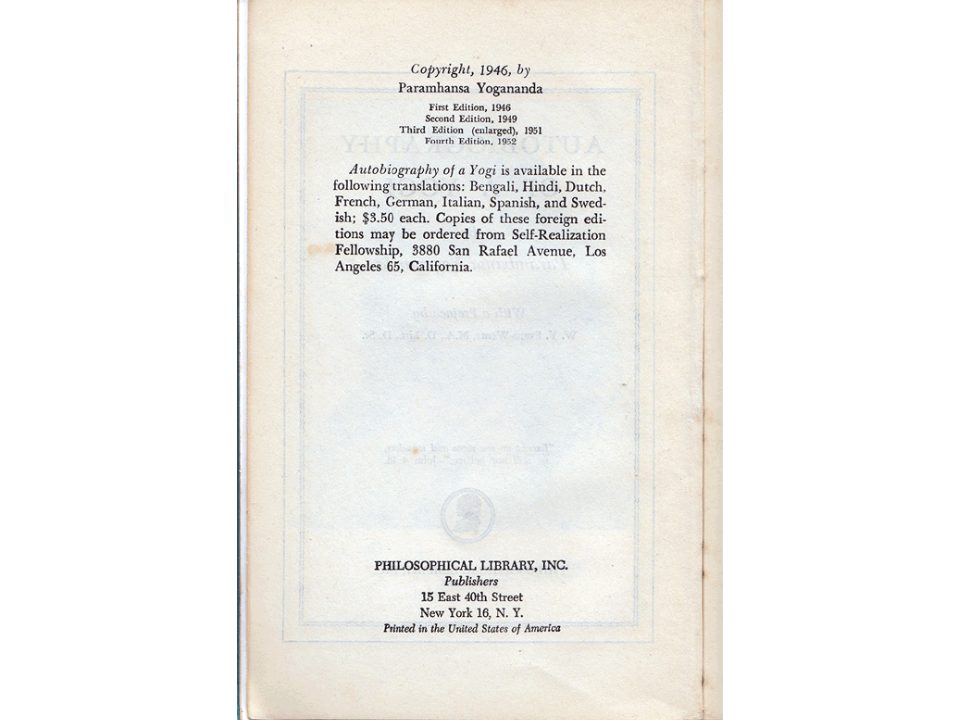
The copyright page often contains crucial first edition clues, providing information about the publisher, year, and print history. On this page, you may also find indications that the book is a first edition, such as specific printing dates or mentions of first printing. A clear and clean copyright page with no references to later editions is a good indicator of a first edition. Books with these first edition clues can be valued from $500 to $5,000, depending on rarity and condition.
For collectors, the copyright page offers essential insights into the book’s print history. This page is often used to confirm that a book is an original edition, as it may list the first printing or lack references to subsequent printings. Books without mention of later editions are more valuable because they signal authenticity. First editions with clear, unambiguous copyright pages are always more desirable to collectors.
Foreword and Introduction Versions
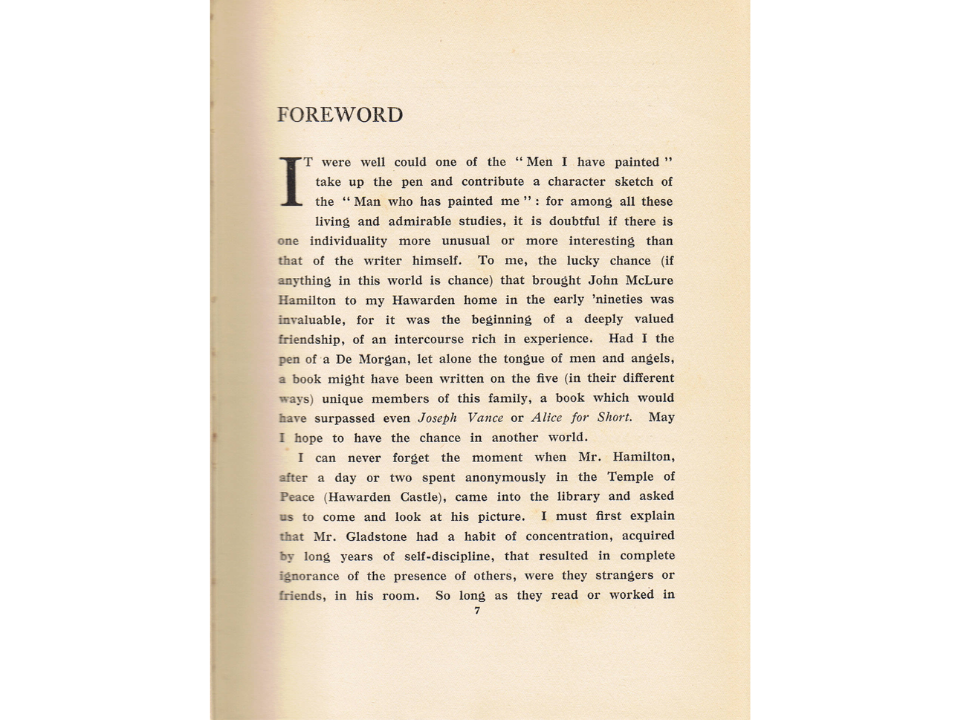
The foreword or introduction of a first edition often contains content that is unique to that particular edition. Some early editions feature a foreword or introduction written specifically for the first release, whereas later printings may include revised or updated versions. These original forewords and introductions add historical significance to a book, making first editions with them particularly valuable. Such editions can be valued anywhere from $1,000 to $10,000, depending on the author and rarity.
Collectors look for the specific content in a first edition’s foreword or introduction because these additions make the book unique. Some forewords or introductions may have personal notes from the author or important context for the work’s first publication. These elements are often absent from later editions, which makes the first edition more desirable and valuable. The historical importance of the original foreword or introduction further elevates the value of first editions with these features.
Binding and Cover Material

The binding and cover material are key indicators when identifying first editions. First editions often feature high-quality materials such as cloth or leather covers, which differentiate them from later editions made with cheaper materials. The original binding style and the materials used in the cover can also vary between editions, which helps collectors determine whether a book is a first edition. Books with unique or luxurious bindings from the first print run can fetch anywhere from $1,000 to $20,000, depending on the quality and rarity of the binding.
First editions with ornate or special bindings, often not seen in later printings, hold a greater appeal. The wear and condition of the binding are also importan, first editions with minimal wear are considered highly valuable. A book with its original binding in excellent condition is usually worth much more than later printings that feature inferior materials.
Page Count and Text Layout

The page count and text layout in a first edition are critical clues for collectors. First editions often feature specific page counts and text formatting that are unique to the original print run. Later editions may make slight adjustments to the layout, such as changing the font, altering pagination, or adding new material, which can reduce the value of the book. First editions with consistent pagination and text formatting are often valued between $500 and $5,000, depending on the book’s rarity.
Any discrepancies in the pagination or formatting between editions can signal that the book is a later print. A first edition with the original layout, complete pagination, and no additional sections or changes holds the most value. These edition clues are important for ensuring a book is a true first printing and not a reissue or later edition.
Signature or Author’s Inscription
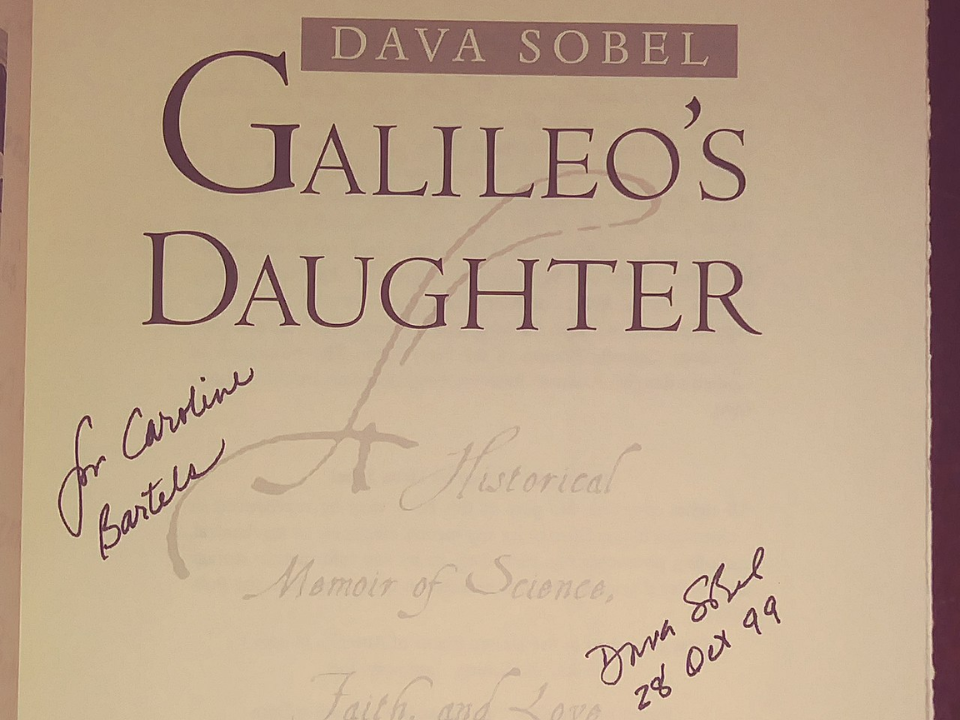
A signature or personal inscription from the author can significantly increase the value of a first edition book. Signed first editions are highly sought after, especially if the author’s signature or message is unique or personal. An author’s inscription adds a personal touch to the book and makes it even more desirable to collectors. Signed first editions can be worth anywhere from $500 to $20,000 or more, depending on the author’s fame and the book’s condition.
A personal inscription, especially one that includes a message or dedication, increases the book’s value. Signed books from famous authors or historical figures are especially in demand. First editions with author signatures are considered rare and often command higher prices at auctions.
Paper Quality
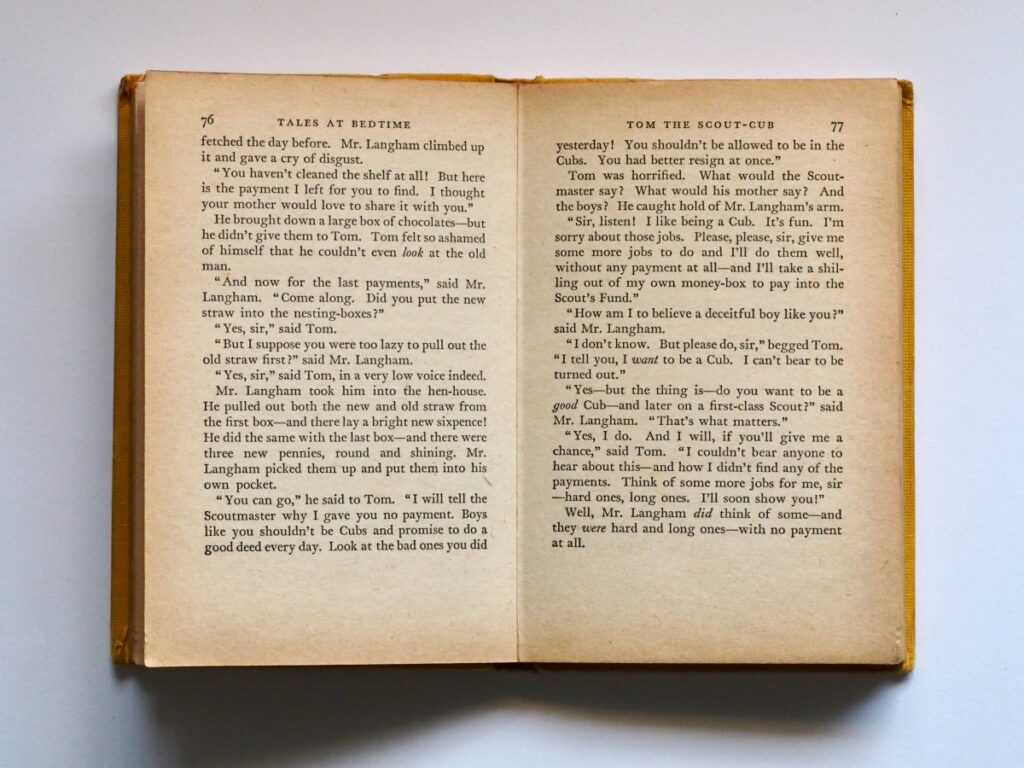
The quality of the paper used in a first edition is another important clue that collectors look for when assessing the book’s authenticity. First editions often feature high-quality paper, while later editions may use cheaper materials to reduce costs. The texture, thickness, and color of the paper can give collectors insight into the book’s original print run. Books with first edition paper quality in excellent condition can be worth anywhere from $500 to $5,000, depending on the book’s rarity and market demand.
Early editions with thicker, more durable paper are considered superior and more valuable. Over time, paper quality can deteriorate, so copies with intact paper from a first edition are rare and more highly regarded. The quality of the paper in a first edition is a subtle but valuable clue for determining its authenticity.
Spine and Binding Details
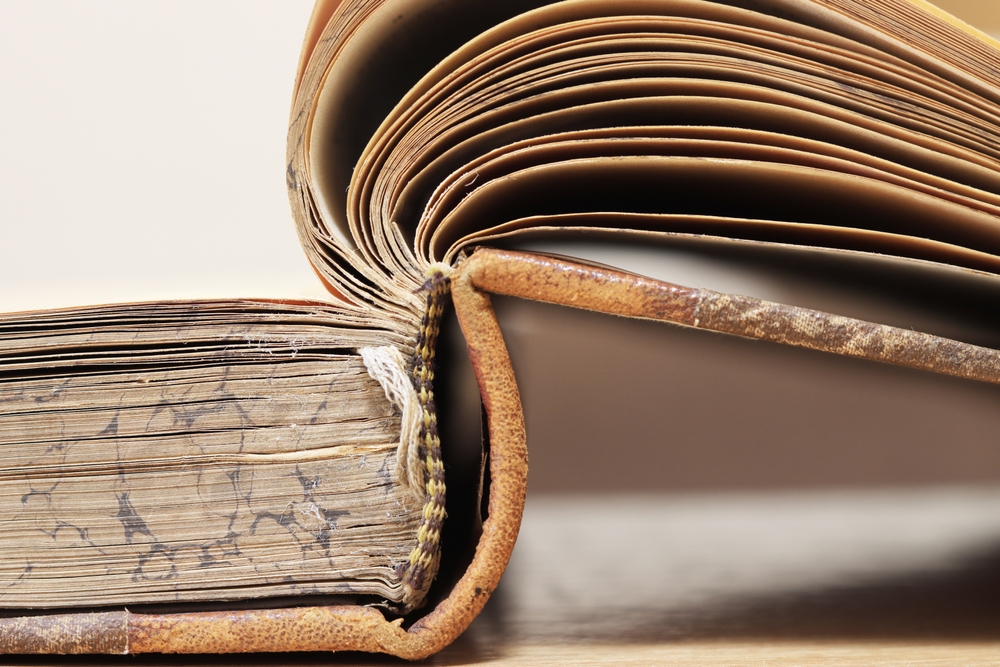
The spine and binding details are crucial in identifying first editions and determining a book’s authenticity. First editions often feature intricate and durable bindings that were crafted to last. Over time, bindings may deteriorate, but first editions with well-preserved spines are highly valued. Books with original, sturdy bindings can fetch anywhere from $500 to $10,000, depending on the rarity and quality of the binding.
Collectors look for specific binding details that indicate a book’s first edition status. Early editions often feature unique cover art or special material choices for the spine. Books with well-preserved spines and bindings, with minimal wear, are seen as more valuable and desirable. First editions with intact, original bindings are considered more collectible.
This article originally appeared on Avocadu.