
16 Restaurant Salad Tricks You Can Use at Home
A good salad at home can feel a lot more special with just a few small changes in the way you prep and put it together. The little things matter, from how you dry the greens to when you add the dressing and crunchy toppings. Restaurants usually pay close attention to texture, temperature, and balance, and that is a big reason their salads taste so good. The nice part is that these ideas are easy to bring into your own kitchen without making the process feel fussy. With a few better habits, even a basic bowl of lettuce and vegetables can come out tasting fresh, lively, and satisfying. These salad tips can help turn an ordinary side dish into something you will actually look forward to eating.
This post may contain affiliate links, which helps keep this content free. Please read our disclosure for more info.
Chill the Bowl and Greens First
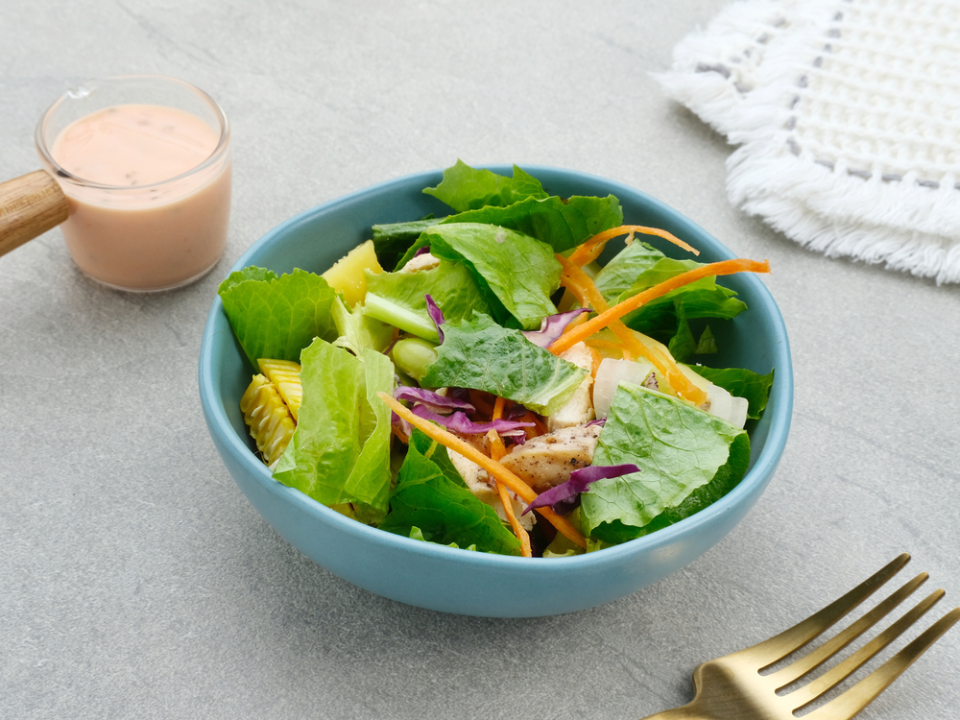
One thing restaurant do well is serve salad that feels cold from the first bite to the last. That usually starts with greens that have been washed, dried, and kept cold, along with a serving bowl that spent a little time in the fridge. When lettuce stays cold, it keeps its snap and helps the dressing sit on the leaves instead of turning watery too fast. That small step makes a home salad feel a lot more like something from a nice lunch spot.
For a crisp house salad, place a large bowl in the fridge for 15 minutes and chill 4 cups chopped romaine during that time. Toss the cold lettuce with 1 cup cucumber slices, 1 cup halved cherry tomatoes, 2 tablespoons olive oil, 1 tablespoon lemon juice, 1 teaspoon Dijon mustard, 1 pinch salt, and 1 pinch black pepper. Mix right before serving so the leaves stay crisp.
Dry the Greens Very Well
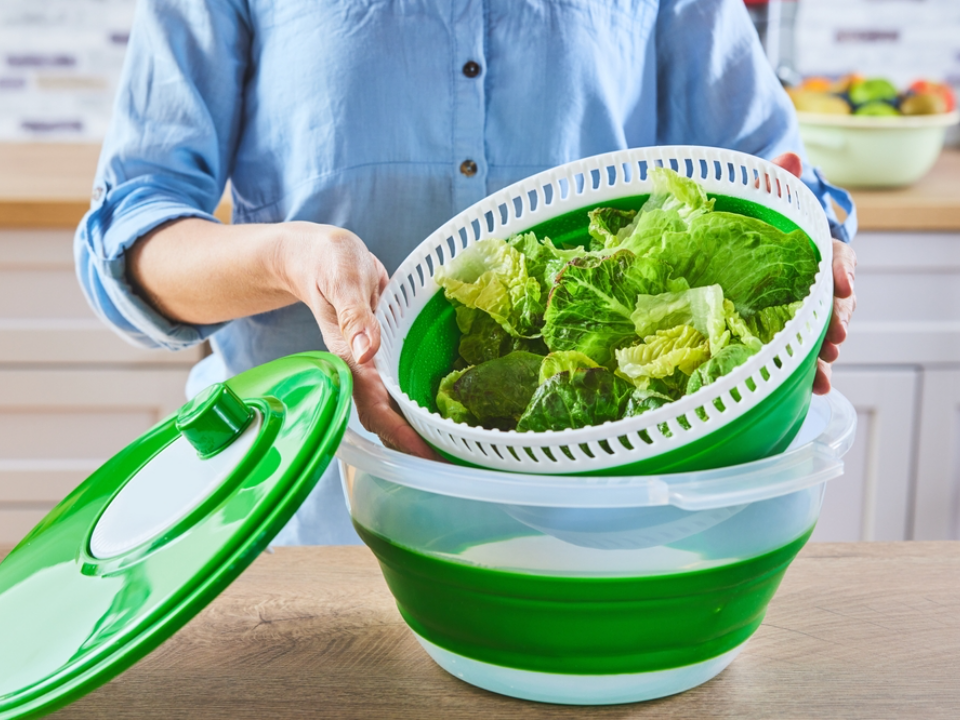
A salad can fall flat fast when the leaves are wet. Water clinging to lettuce weakens the dressing and makes the whole bowl taste a bit dull, even when the other parts are good. Restaurants usually spin or pat greens until they are very dry, which helps the dressing coat the leaves instead of slipping to the bottom. It is one of the easiest ways to get better texture at home.
To try this trick, wash 5 cups baby spinach and dry it very well with a salad spinner or clean kitchen towel. In a bowl, whisk 2 tablespoons olive oil, 1 tablespoon red wine vinegar, 1 teaspoon honey, 1 small, grated garlic clove, 1 pinch salt, and 1 pinch black pepper, then toss with the spinach, 1 sliced pear, 2 tablespoons chopped walnuts, and 2 tablespoons crumbled goat cheese. Mix for just a few seconds so the leaves stay light.
Mix Crisp and Creamy Textures
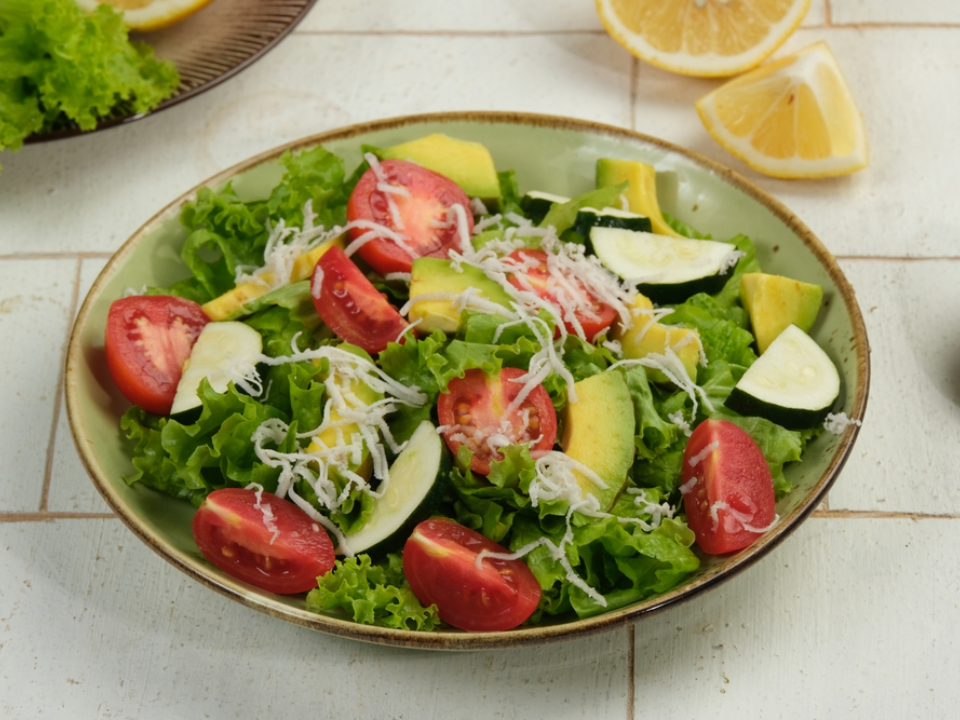
Restaurant salads usually feel good because they are not all the same from one bite to the next. A mix of crunchy, soft, creamy, and juicy parts keeps the bowl from feeling boring. Crisp lettuce with avocado, nuts, cheese, or roasted vegetables gives the kind of contrast people notice right away. At home, using two or three different textures can do a lot for the final result.
For a salad with great contrast, toss 4 cups chopped green leaf lettuce with 1 cup sliced radishes, 1 diced avocado, 1 hard boiled egg cut into wedges, and 2 tablespoons toasted sunflower seeds. Whisk 2 tablespoons olive oil, 1 tablespoon apple cider vinegar, 1 teaspoon honey, 1 pinch salt, and 1 pinch black pepper, then drizzle it over the salad right before serving. If you need to cook the egg, simmer it for 10 minutes, then cool and peel it.
Cut Ingredients So They Match the Greens
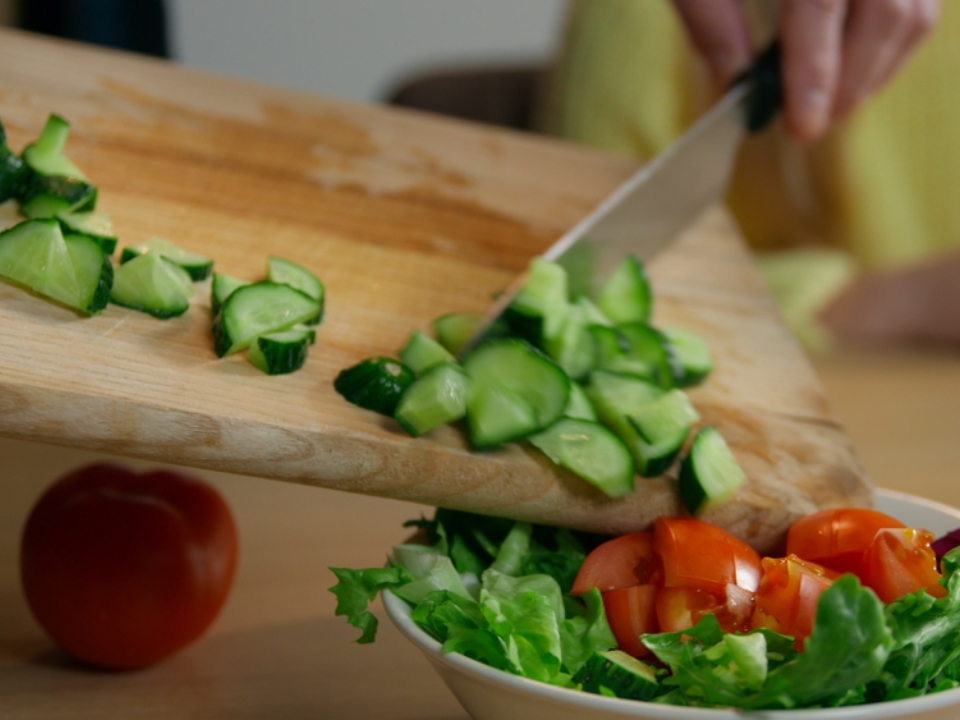
A good restaurant salad is easy to eat with almost no effort. That often comes down to how the ingredients are cut, since giant onion rings or thick cucumber chunks can make the bowl feel clumsy. When toppings are sliced small enough to sit well with the greens, each forkful tastes balanced. It sounds minor, yet it changes the whole eating experience.
Make a chopped salad by mixing 3 cups romaine, 2 cups iceberg, 1 cup diced cucumber, 1 cup diced tomatoes, 1 quarter cup very thin red onion slices, 1 half cup chickpeas, and 1 quarter cup chopped parsley. Stir together 2 tablespoons olive oil, 1 tablespoon white wine vinegar, 1 teaspoon lemon juice, 1 pinch salt, and 1 pinch black pepper, then toss until the dressing lightly coats the mix. Cut all the vegetables into small pieces before adding them to the bowl.
Coat the Bowl with Dressing Before Adding the Greens
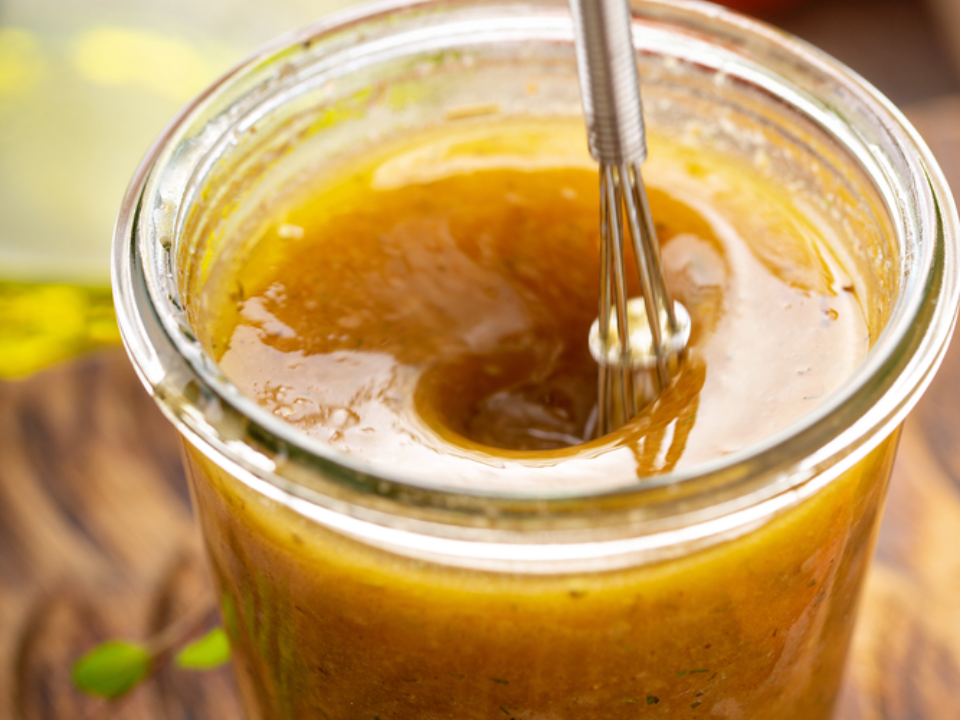
Some restaurants get better coverage from less dressing, and one reason is that the bowl gets the dressing first. When the dressing goes into the bowl before the greens, it spreads more evenly as you toss. That keeps the salad from having one soggy patch and one dry patch. It also helps you use less dressing without the salad feeling plain.
For a light lemon salad, whisk 1 and 1 half tablespoons olive oil, 1 tablespoon lemon juice, 1 teaspoon Dijon mustard, 1 teaspoon honey, 1 pinch salt, and 1 pinch black pepper in the bottom of a large bowl. Add 4 cups arugula, 1 cup shaved fennel, 1 half cup cucumber ribbons, and 2 tablespoons shaved Parmesan, then toss until the leaves are lightly coated. Taste once, then add a little more lemon juice if you want a brighter finish.
Use a Hit of Acid to Wake Up the Bowl
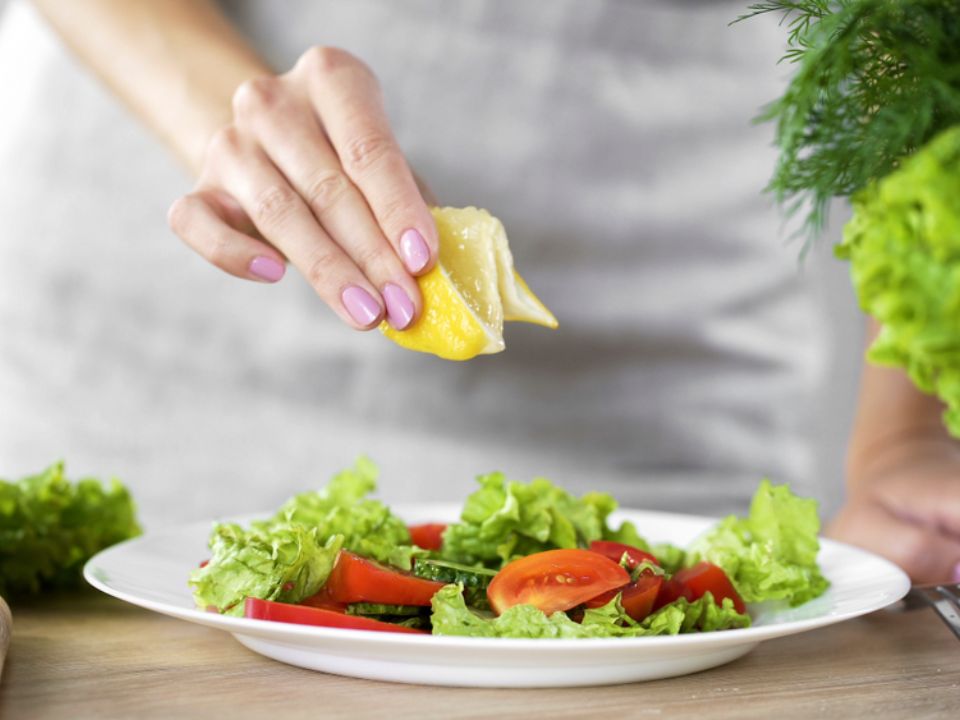
A lot of restaurant salads taste lively because they have enough acid. Lemon juice or vinegar wakes up greens, fruit, cheese, and grains in a way that oil alone cannot. Without that bright note, a salad can taste heavy or flat. At home, even a small splash can pull the whole bowl together.
For a bright cucumber salad, combine 4 cups butter lettuce with 1 cup thin cucumber slices, 1 half cup sliced celery, and 2 tablespoons chopped dill. In a small bowl, whisk 2 tablespoons olive oil, 1 and 1 half tablespoons lemon juice, 1 teaspoon honey, 1 pinch salt, and 1 pinch black pepper, then toss with the salad just before serving. Let it sit for 2 minutes so the flavors settle into the vegetables.
Save Croutons and Nuts for the Last Minute
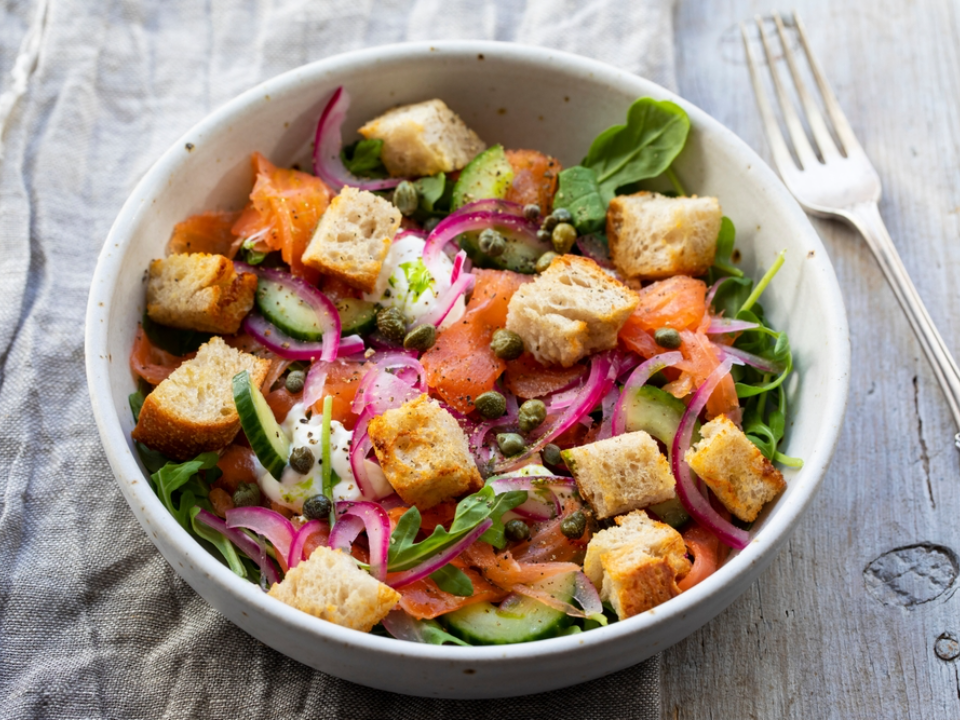
Crunchy toppings lose their charm fast when they sit in dressing too long. Restaurants usually hold back croutons, toasted nuts, or crisp seeds until the bowl is ready to leave the kitchen. That way the topping keeps its crackle and gives the salad a fresh finish. It is a small habit that makes a very big difference in texture.
For a crunchy Caesar style salad, toss 4 cups chopped romaine with 2 tablespoons olive oil, 1 tablespoon lemon juice, 1 teaspoon Worcestershire sauce, 1 small, grated garlic clove, 2 tablespoons grated Parmesan, 1 pinch salt, and 1 pinch black pepper. Add 1 cup homemade or store-bought croutons and 2 tablespoons toasted breadcrumbs right before serving so they stay crisp.
Shave Cheese Thin for Better Coverage
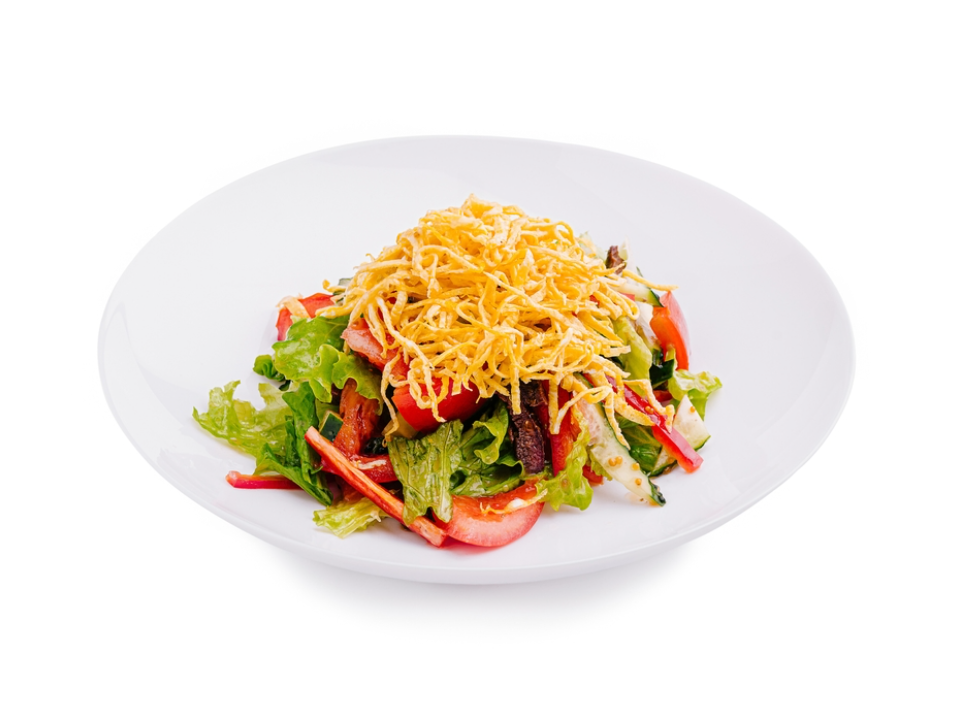
Restaurants often use thin curls or shavings of cheese instead of thick piles. Thin pieces spread across the bowl better, so you get a little in more bites without making the salad feel heavy. Parmesan, pecorino, and manchego all work well this way. A vegetable peeler can do the job at home in seconds.
To use this trick, toss 4 cups mixed greens with 1 cup thin apple slices, 2 tablespoons chopped toasted pecans, and 1 quarter cup very thin Parmesan shaving. Whisk 2 tablespoons olive oil, 1 tablespoon apple cider vinegar, 1 teaspoon maple syrup, 1 pinch salt, and 1 pinch black pepper, then pour it over the salad and toss gently. Use a vegetable peeler to shave the cheese right over the bowl so it lands lightly on top.
Add Warm Parts Right Before Serving
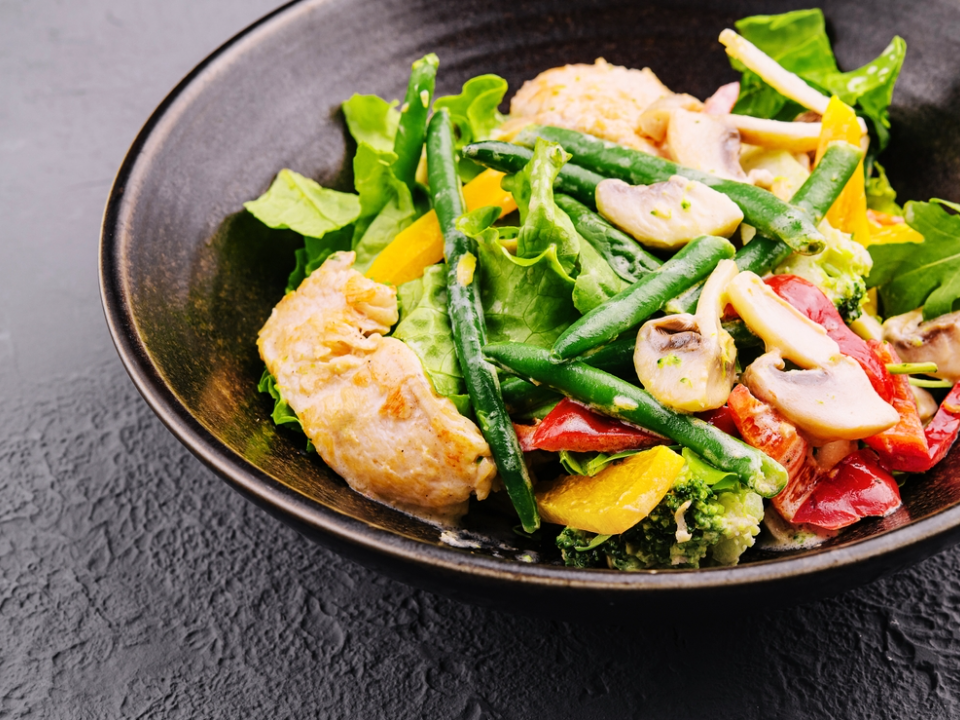
A salad feels extra nice when it has something warm in the mix. Restaurants often pair cold greens with warm chicken, bacon, roasted mushrooms, or potatoes so the bowl feels more complete. The key is timing, since warm parts should go in right before serving rather than sitting too long on the greens. That keeps the leaves from wilting too much while still giving the salad a fresh contrast.
For a warm mushroom salad, roast 8 ounces sliced mushrooms with 1 tablespoon olive oil, 1 pinch salt, and 1 pinch black pepper at 400 degrees Fahrenheit for 18 minutes. Place 4 cups mixed greens in a bowl with 1 half cup thin red onion slices and 2 tablespoons chopped parsley, then toss with 1 and 1 half tablespoons olive oil and 1 tablespoon balsamic vinegar. Add the hot mushrooms on top just before serving so the greens soften only a little.
Finish With Fresh Herbs or Citrus
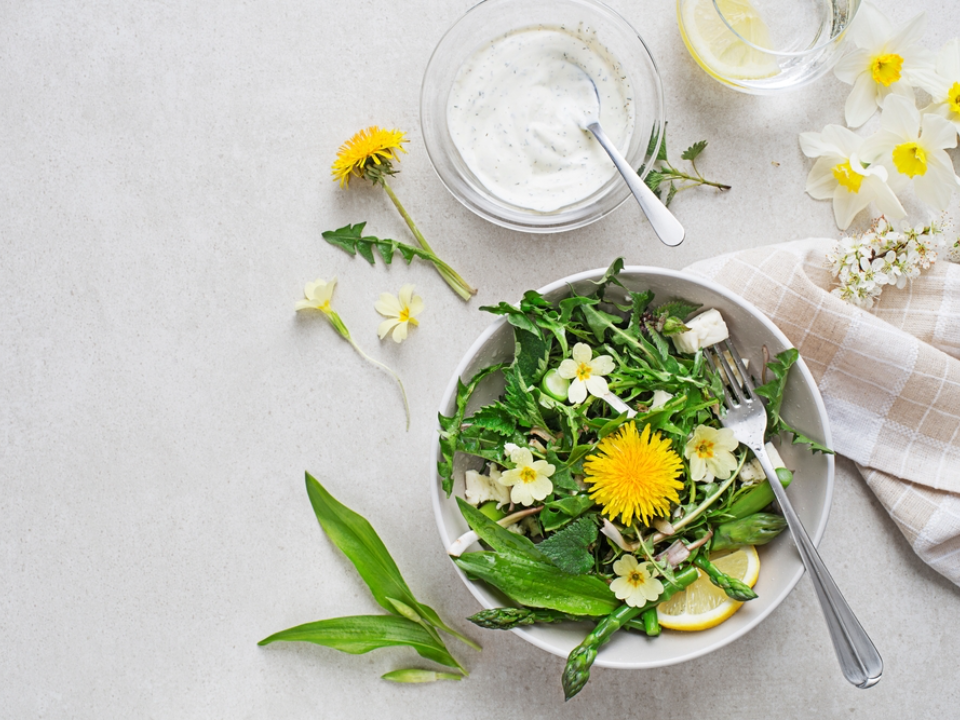
A restaurant salad often gets a last touch right before it reaches the table. A sprinkle of herbs or a bit of lemon zest can make the bowl smell fresh and taste more lively without adding much work. That final touch helps the salad feel less plain, even when the base is made from everyday ingredients. It is a good way to make a home salad feel cared for.
For a fresh herb salad, toss 4 cups spring mix with 1 cup sliced strawberries, 1 half cup cucumber rounds, and 2 tablespoons thinly sliced mint. Whisk 2 tablespoons olive oil, 1 tablespoon orange juice, 1 teaspoon lemon juice, 1 teaspoon honey, 1 pinch salt, and 1 pinch black pepper, then toss it with the salad and finish with 1 teaspoon lemon zest on top. Add the zest and mint at the end so their smell stays clear and fresh.
Season the Greens Lightly Before Dressing
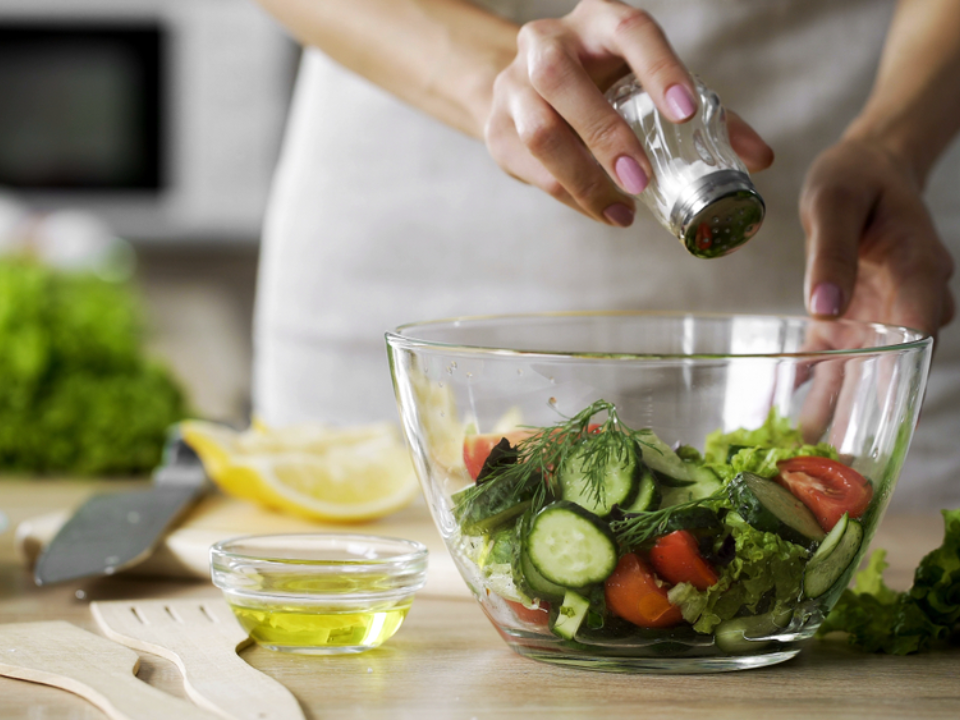
A lot of home salads taste flat because the leaves themselves never get a little salt and pepper. Restaurants often season each layer, which gives the whole bowl more flavor instead of leaving all the work to the dressing. Even a very light sprinkle can help lettuce, tomatoes, and cucumbers taste fuller. It is a quiet little trick that gives a salad a more finished feel.
For a basic garden salad, place 4 cups chopped romaine, 1 cup halved cherry tomatoes, and 1 cup cucumber slices in a large bowl. Sprinkle in 1 small pinch salt and 1 small pinch black pepper before adding a dressing made from 2 tablespoons olive oil and 1 tablespoon white vinegar, then toss well. Add 2 tablespoons shredded cheddar or Monterey Jack if you want a little extra richness.
Roast Vegetables for Deeper Flavor
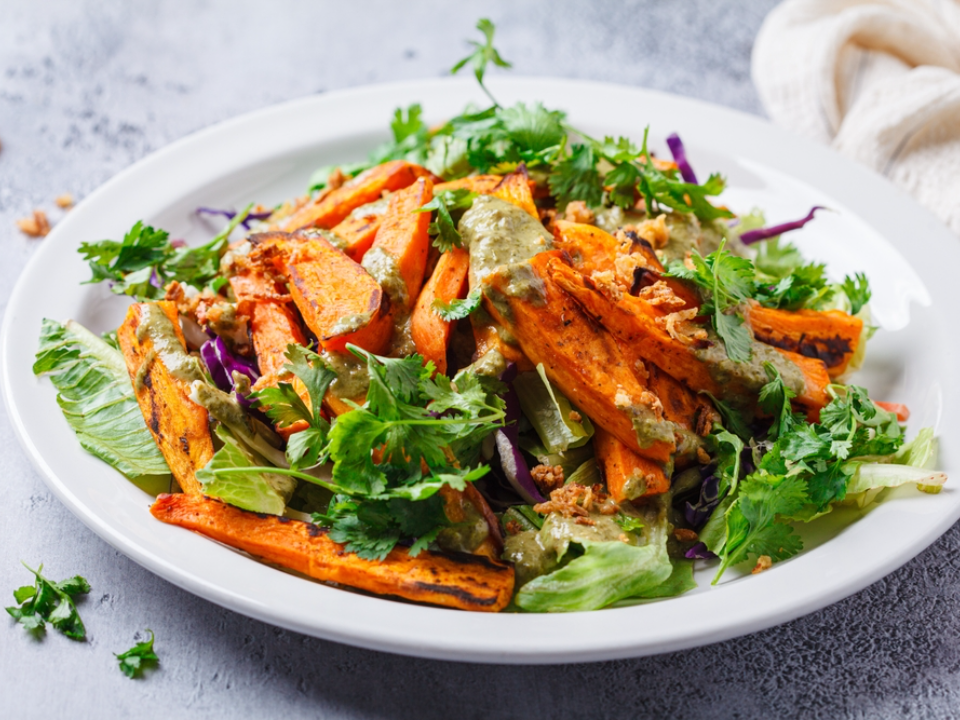
Restaurants often use roasted vegetables in salad because raw vegetables and cooked ones bring very different things to the bowl. Roasting gives vegetables a sweeter, deeper taste and a softer bite that works well against crisp greens. Sweet potatoes, carrots, cauliflower, and beets all work nicely here. A tray of roasted vegetables can turn a plain salad into something that feels like a real meal.
To try it at home, toss 1 cup diced sweet potato and 1 cup cauliflower florets with 1 tablespoon olive oil, 1 pinch salt, and 1 pinch black pepper. Roast them at 400 degrees Fahrenheit for 25 to 30 minutes, then let them cool for 5 minutes before adding them to 4 cups baby kale with 2 tablespoons pumpkin seeds. Whisk together 2 tablespoons olive oil, 1 tablespoon lemon juice, and 1 teaspoon honey and pour it over the salad just before serving.
Use a Little Sweetness to Balance Sharp Flavors
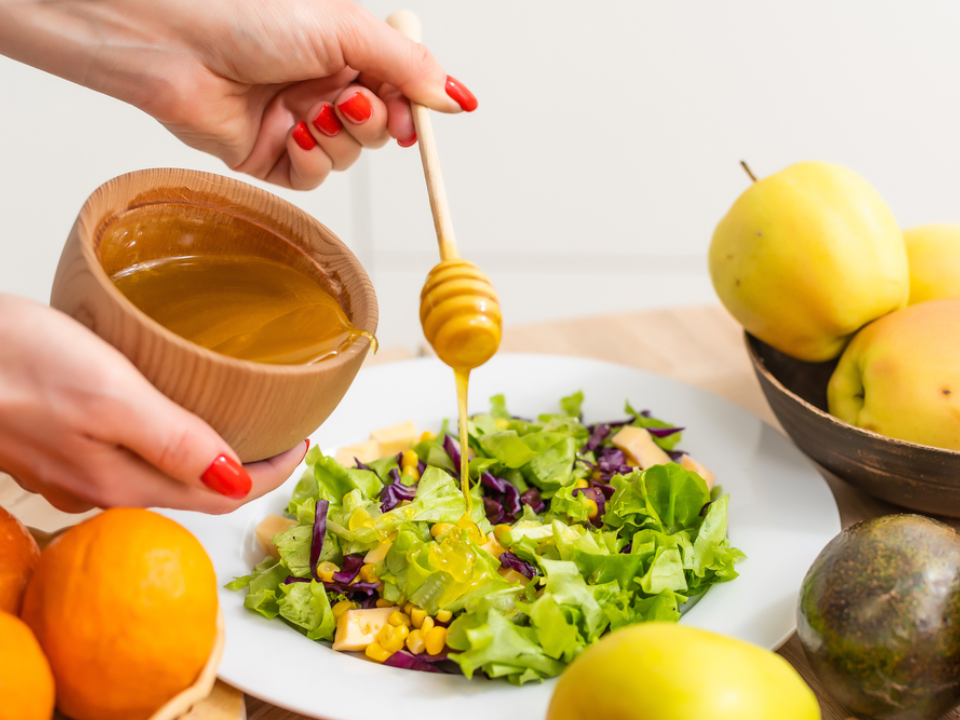
A small, sweet note is one reason restaurant dressings taste balanced instead of harsh. When vinegar, lemon, mustard, or onion feels too strong, a little honey or maple syrup can round things out. It does not make the salad taste sugary when done with a light hand. It just keeps the sharper parts from taking over the bowl.
For a balanced mixed green salad, whisk 2 tablespoons olive oil, 1 tablespoon apple cider vinegar, 1 teaspoon honey, 1 half teaspoon Dijon mustard, 1 pinch salt, and 1 pinch black pepper in a small bowl. Toss that with 4 cups mixed greens, 1 sliced apple, 2 tablespoons dried cranberries, and 2 tablespoons chopped walnuts. Add 2 tablespoons crumbled feta if you want a creamy finish.
Layer Tender Greens with Heartier Ones
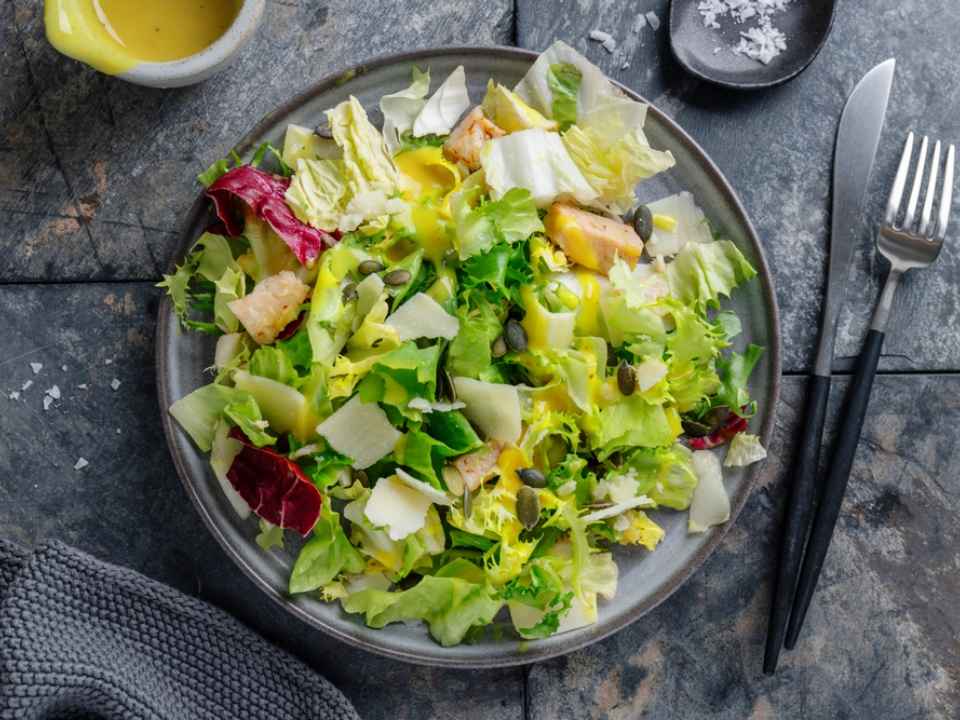
Restaurants often mix two kinds of greens, so the salad has more body and a better bite. Tender greens like butter lettuce or spring mix bring softness, while kale, romaine, or cabbage bring structure. That mix helps the bowl stay lively from the first forkful to the last. It also keeps the salad from turning limp too fast.
For this trick, mix 2 cups chopped romaine, 2 cups spring mix, and 1 cup thin shredded red cabbage in a large bowl. Add 1 cup grated carrot and toss with a dressing made from 2 tablespoons olive oil, 1 tablespoon rice vinegar, 1 teaspoon honey, 1 pinch salt, and 1 pinch black pepper. Let the salad sit for 2 minutes so the cabbage picks up some flavor without losing its bite.
Toast Nuts and Seeds Before Using Them
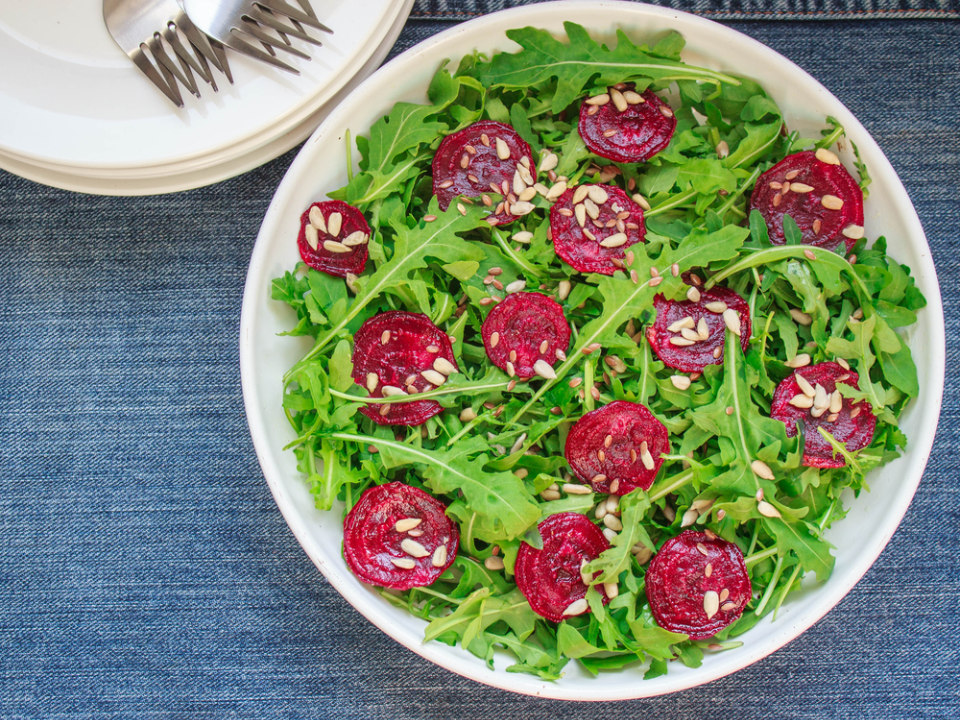
Plain nuts and seeds are fine, though toasted ones have a richer taste that feels a lot more like restaurant food. A few minutes in a dry pan or oven wakes up their flavor and gives them a warmer, deeper smell. That small step can change the whole salad, especially when the rest of the bowl is made from simple ingredients. It is one of those things that feels small until you taste the difference.
For a salad with toasted topping, place 3 tablespoons sliced almonds or sunflower seeds in a dry skillet over medium heat for 3 to 4 minutes, stirring often until lightly golden. Toss 4 cups baby spinach with 1 sliced orange, 2 tablespoons red onion, and 2 tablespoons of the toasted nuts or seeds, then dress with 2 tablespoons olive oil and 1 tablespoon orange juice. A tiny pinch of salt helps the orange taste sweeter.
Let Onions Soak Before Adding Them
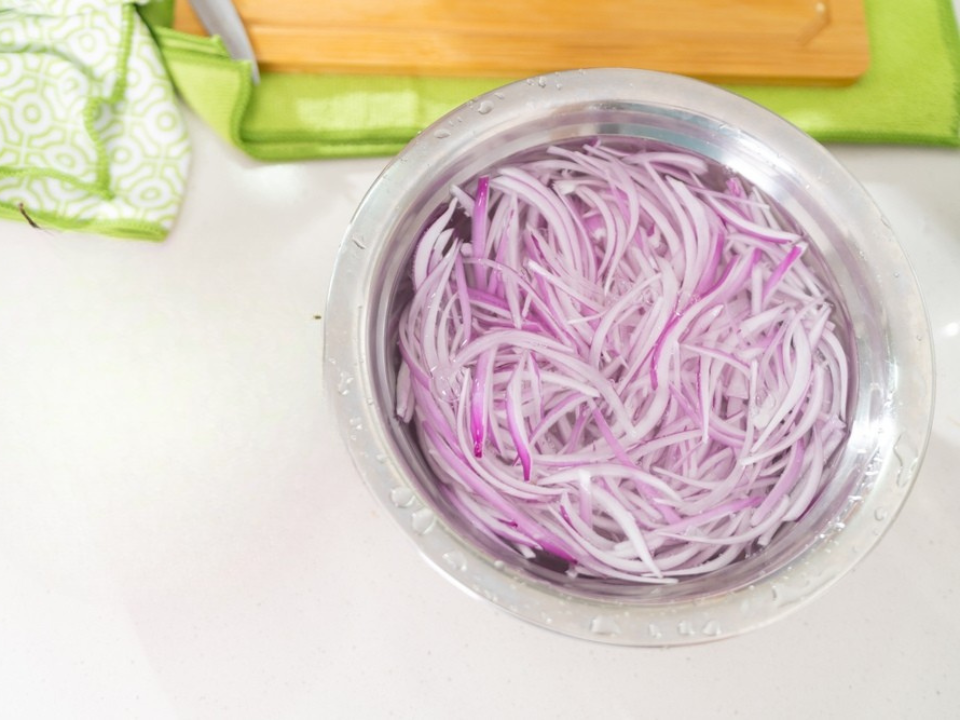
Raw onion can take over a salad in a rough way if it goes in straight from the cutting board. Restaurants often tame that bite by soaking sliced onion in cold water for a few minutes before using it. That keeps the onion fresh and crisp while taking the harsh edge down a notch. It is a great trick for red onion, white onion, or shallots.
To use it, thinly slice 1 quarter cup red onion and soak it in a bowl of cold water for 10 minutes, then drain well. Toss it with 4 cups chopped lettuce, 1 cup cucumber slices, 1 cup chopped tomatoes, and 2 tablespoons olive oil mixed with 1 tablespoon red wine vinegar. Add 1 pinch salt and 1 pinch black pepper, then toss just before serving.
This article originally appeared on Avocadu.